
Machine family01
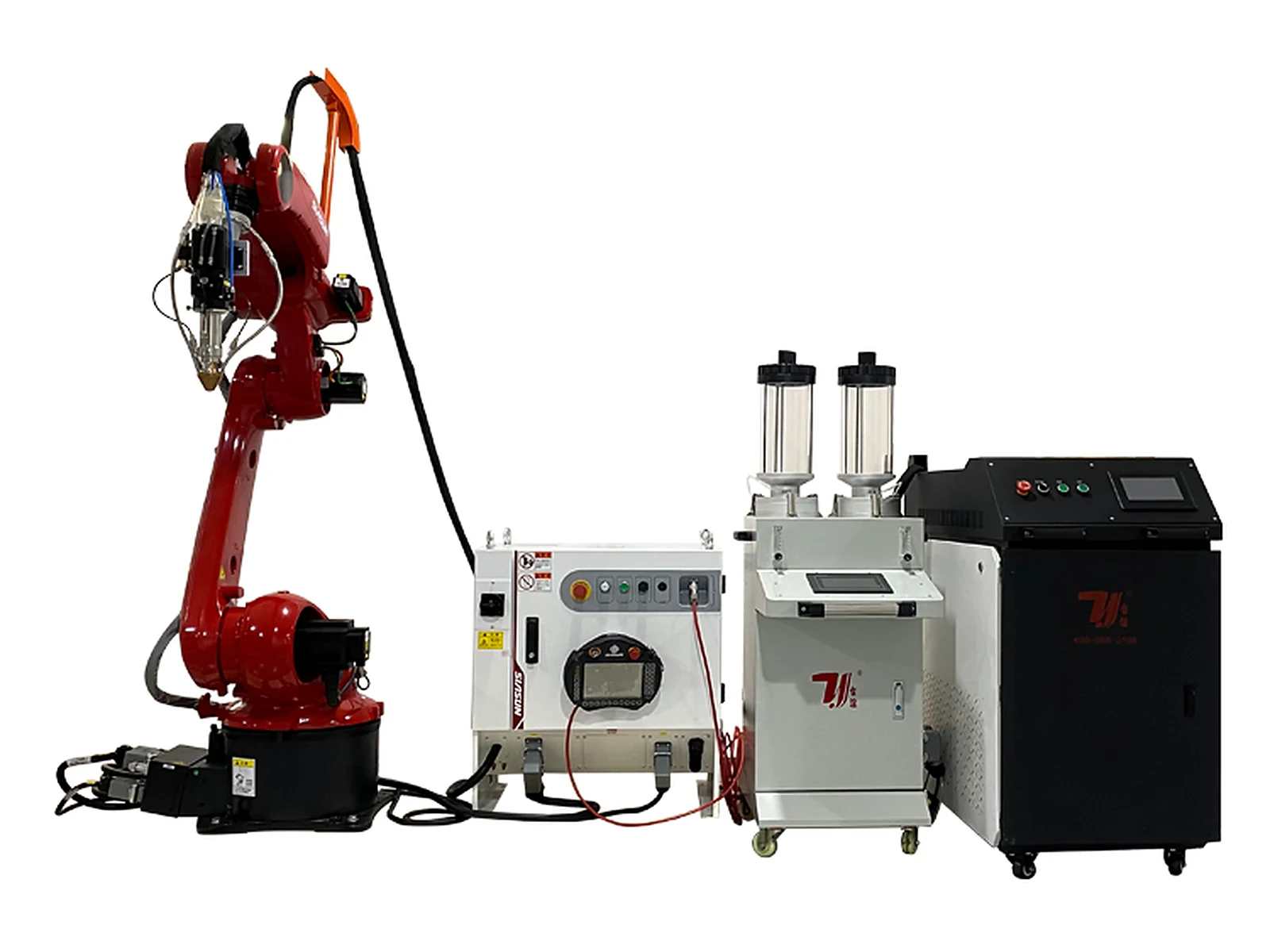
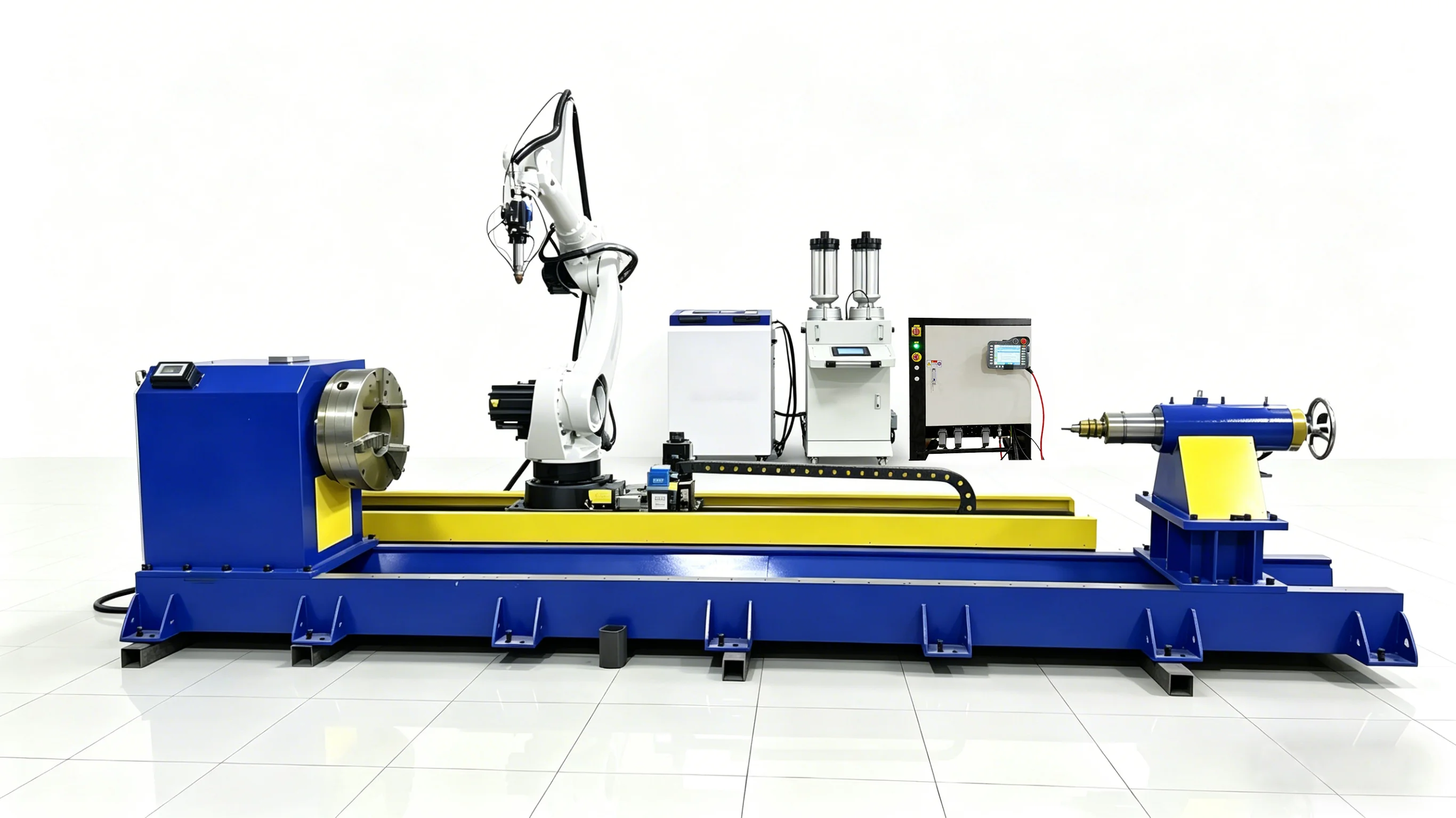
Robot laser cladding machine
Robot cladding configuration for flat, axial, curved and special-shape workpieces.
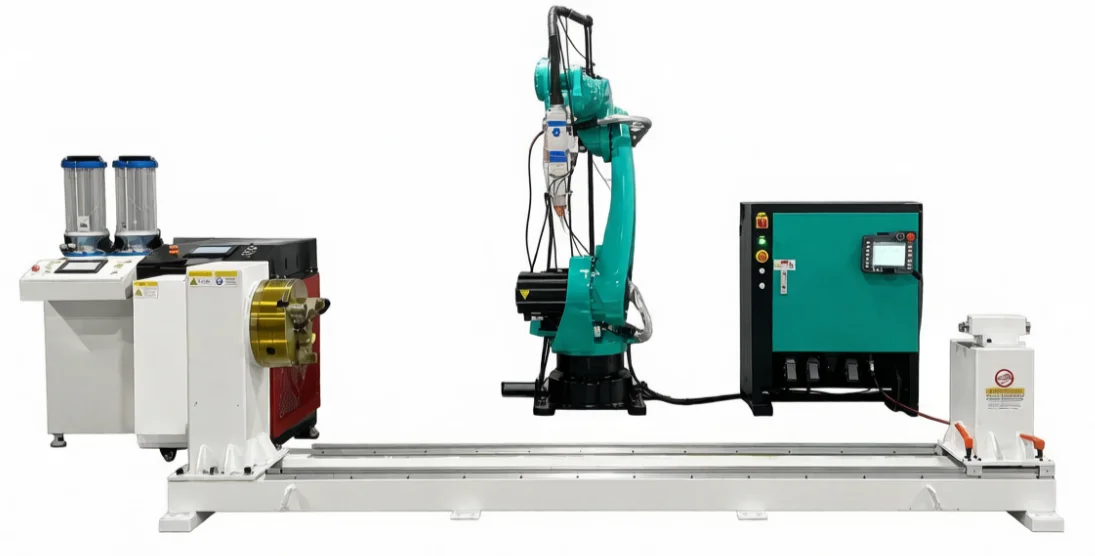
View details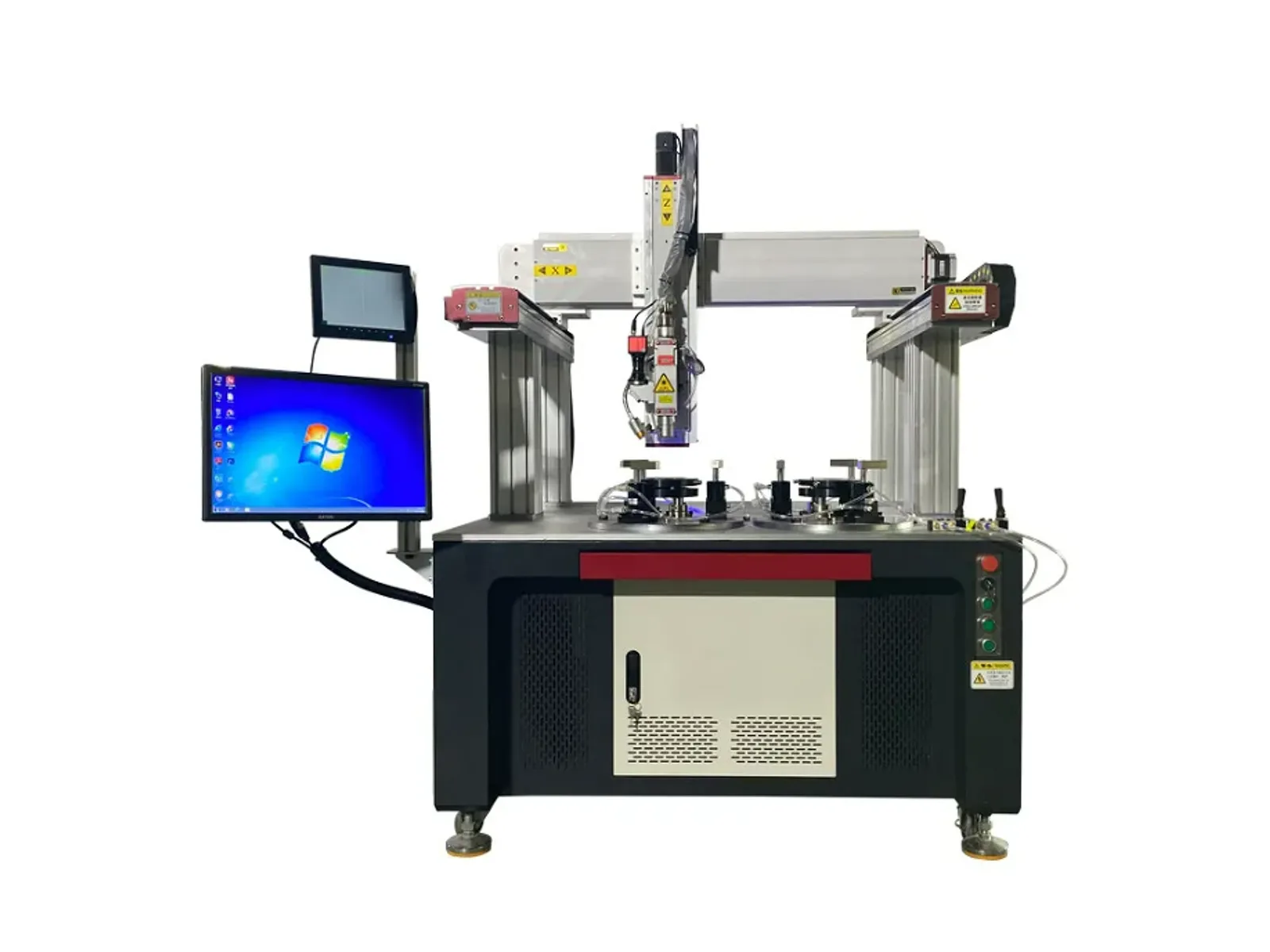 Gantry automatic laser welding machineServo multi-axis gantry system with CCD positioning, 1.5-6 kW configurations and a custom working stroke for the submitted workpiece.
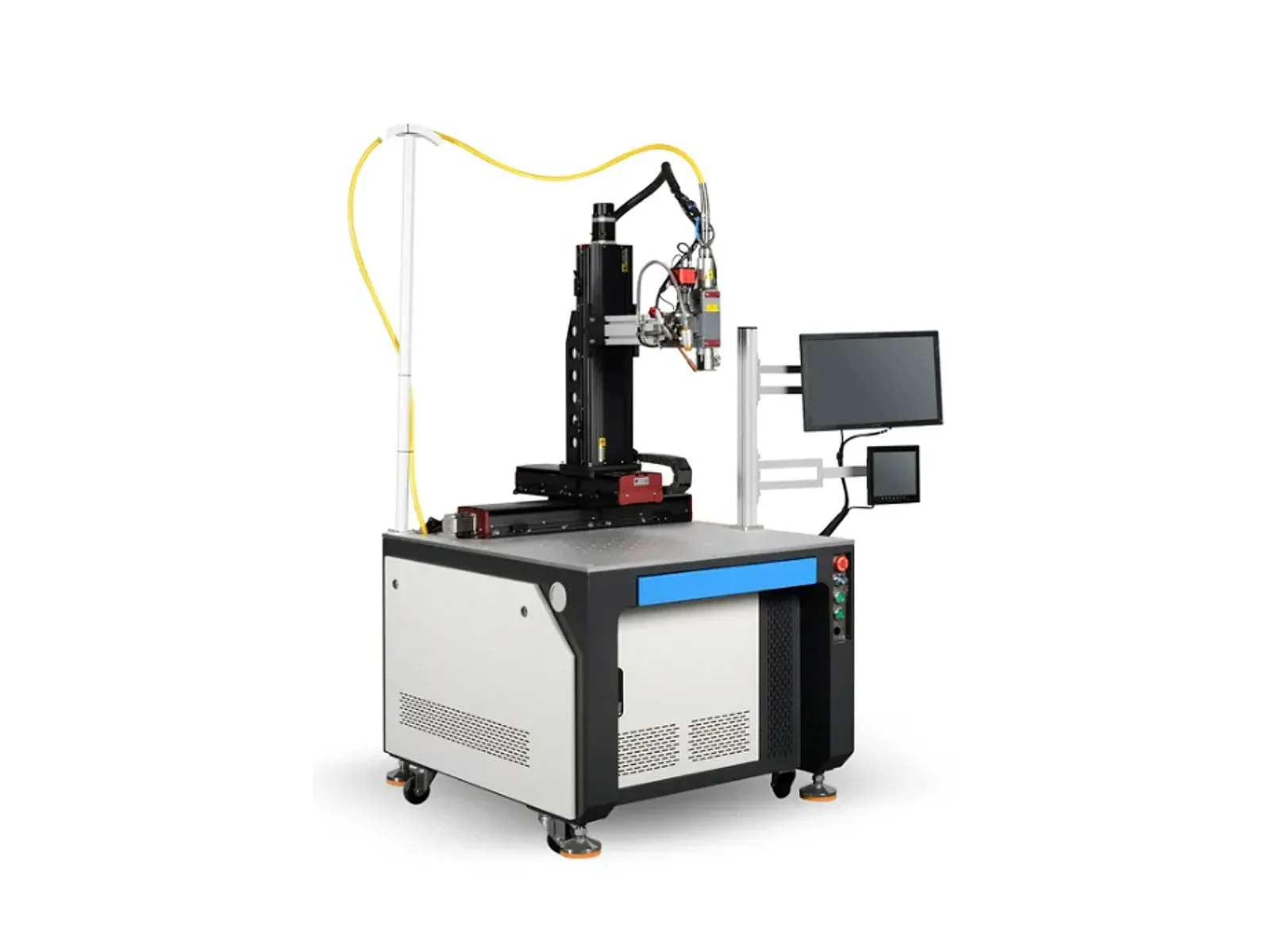 Four-axis automatic laser welding machineFour-axis linkage with CCD-assisted positioning, 1-6 kW configurations and ±0.02 mm repeat positioning for curved and special-shaped weld paths.
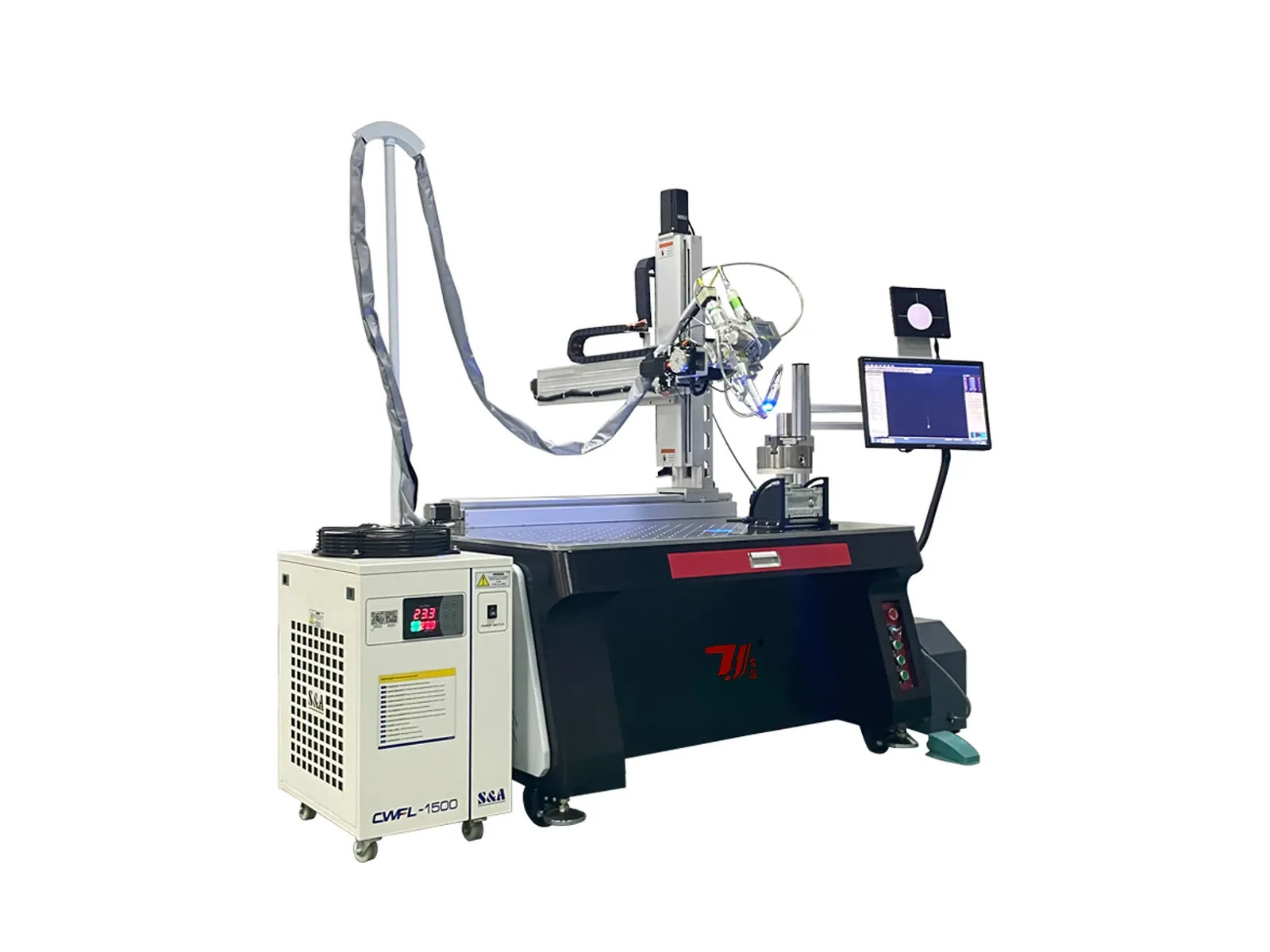 Five-axis automatic laser welding machineFive-axis servo linkage with CCD positioning, 1-6 kW configurations and ±0.02 mm repeat positioning for three-dimensional curved and special-shaped seams.
Match laser welding, cutting, cleaning or surface treatment to a defined automotive component. Review body and powertrain fabrication separately from battery-component joints or worn-part restoration, with fixtures and acceptance criteria set for each task.
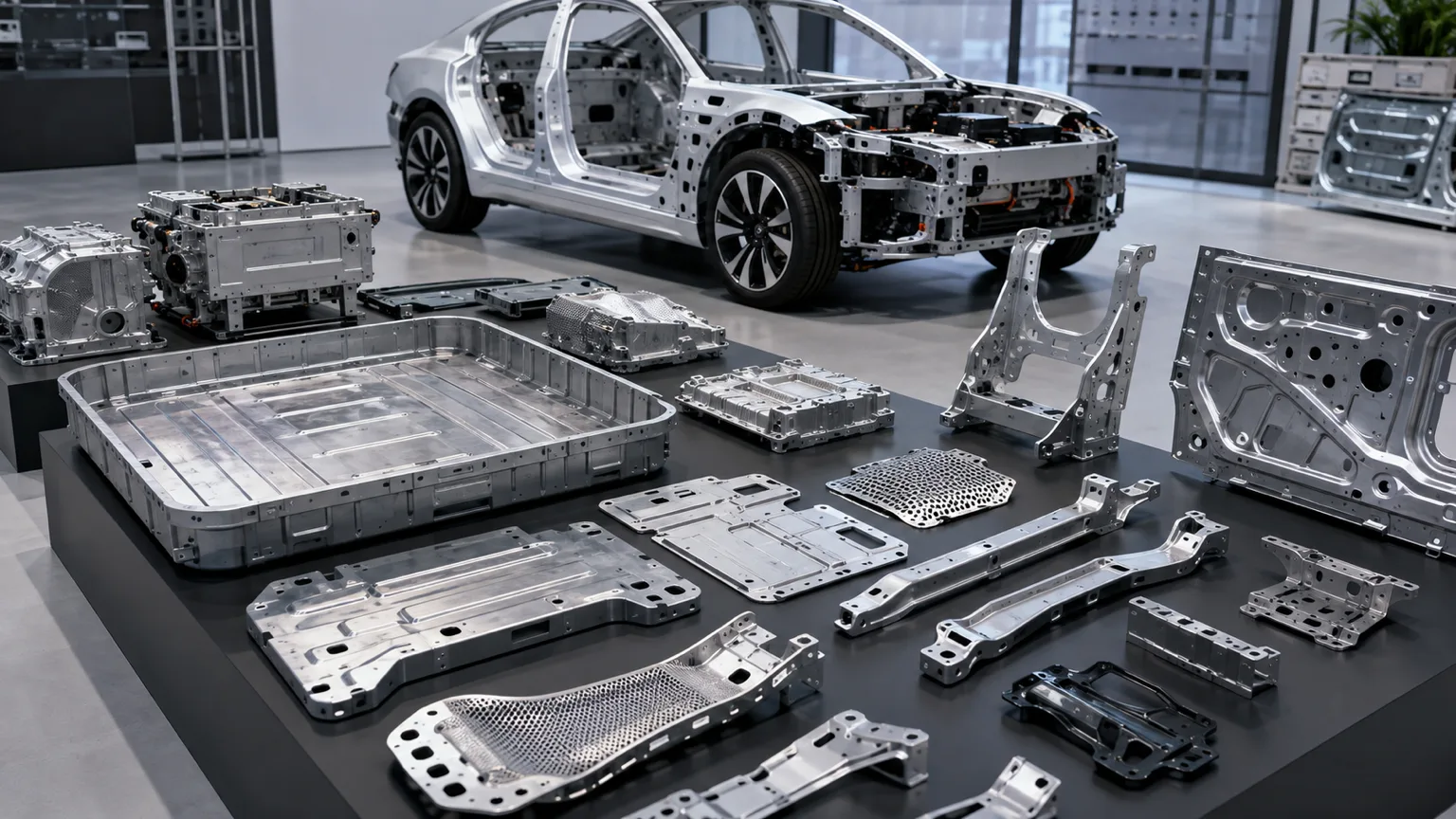
Automotive equipment selection starts with the component and its manufacturing stage. A body assembly, transmission part, battery tray and worn working surface call for different joint access, materials and inspection requirements. The applications below define tasks for review; they do not establish that every listed machine processes every component.

Review body panels, gears, subframes, exhausts, tanks or battery trays and terminals using the actual assembly and joint drawings. Identify materials, thicknesses, fit-up and the access needed for each seam, including any dissimilar-metal joint.
Set the required joint inspection and sealing criteria for the component; battery examples are not a blanket qualification for battery-cell welding.
Define blanking, tube or profile preparation, bevels and formed-part contours from the part model. Include the grade, thickness, stock format and required edges for high-strength steel or aluminum-alloy components.
Compare the machine and fixture with the full cutting path and finished-part requirements, rather than using power alone to infer capability.
Identify oil, rust or oxide removal before or after joining, or residue removal from tire molds. Specify the base surface and what the next manufacturing step requires from cleaning.
Agree the required cleanliness and underlying-surface condition, then evaluate a representative part.
Review cladding for worn valve-seat rings or crankshaft surfaces separately from laser hardening of cylinder-block or camshaft working surfaces. Document the original material, worn condition and intended final surface.
Define material compatibility, restored dimensions or hardness requirements and inspection before choosing a treatment package.
Explore equipment for the processes above. Fixture and automation choices depend on your part geometry and production requirements.
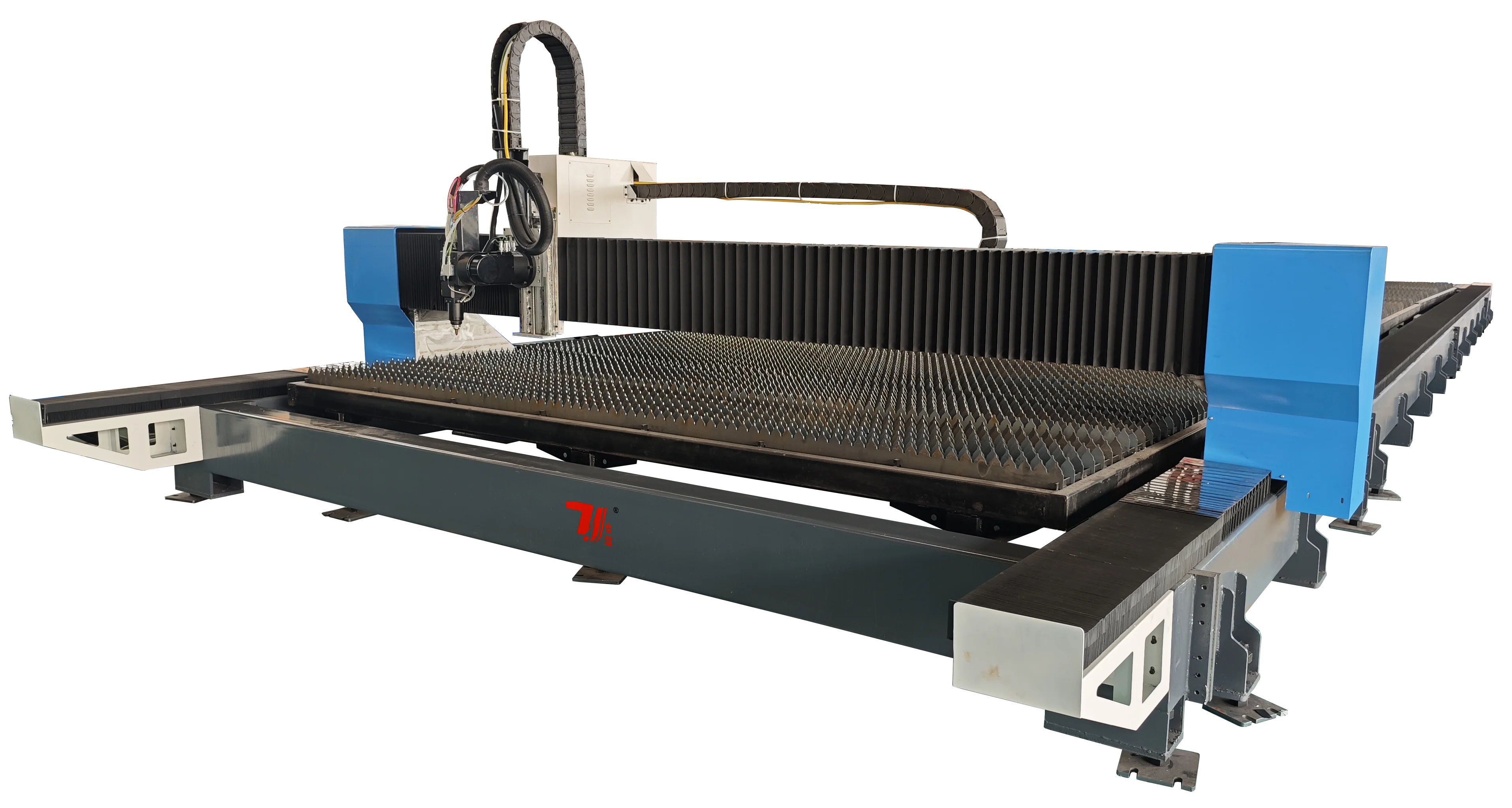
Robot cladding configuration for flat, axial, curved and special-shape workpieces.
View detailsServo multi-axis gantry system with CCD positioning, 1.5-6 kW configurations and a custom working stroke for the submitted workpiece.
View details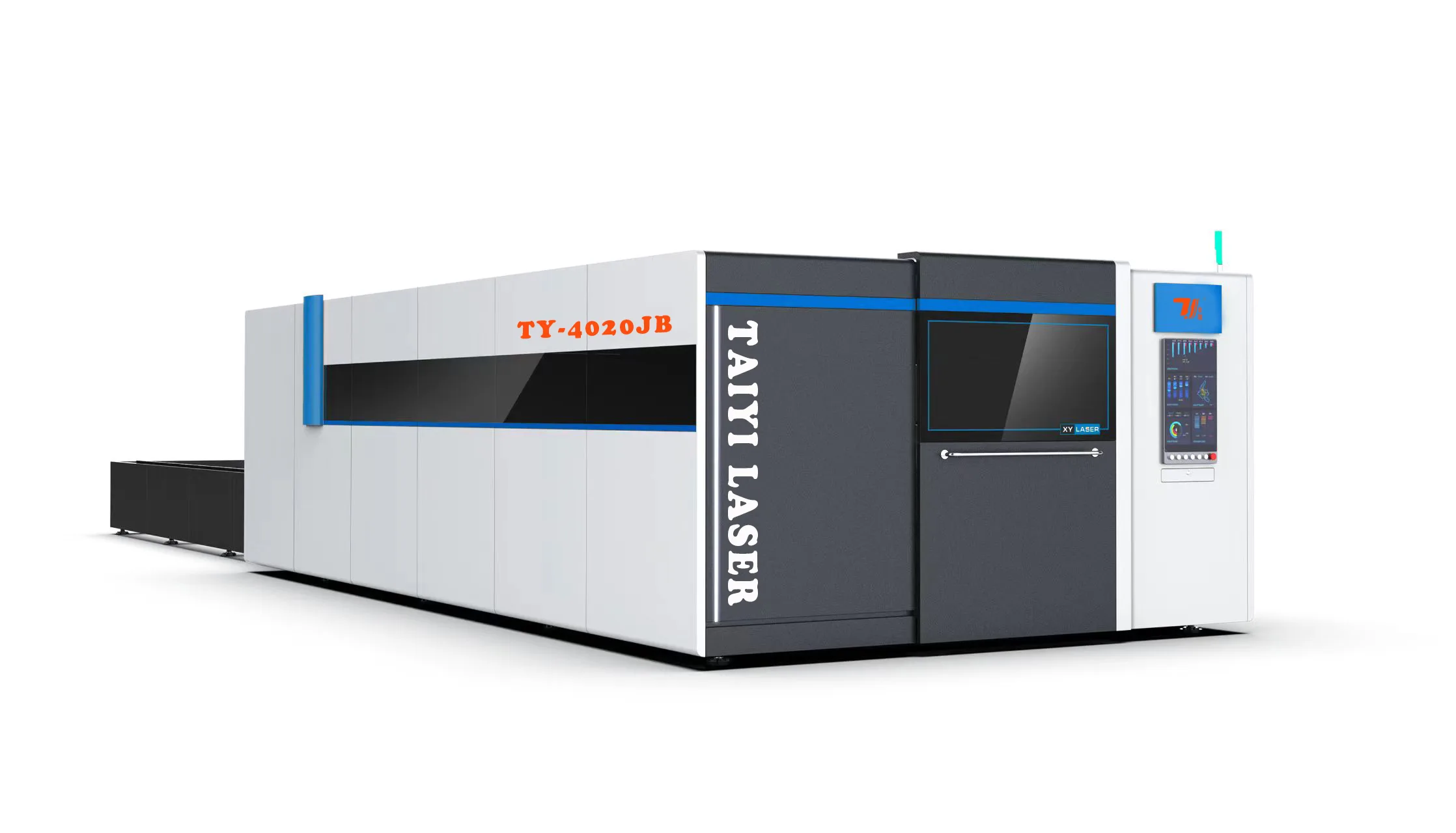
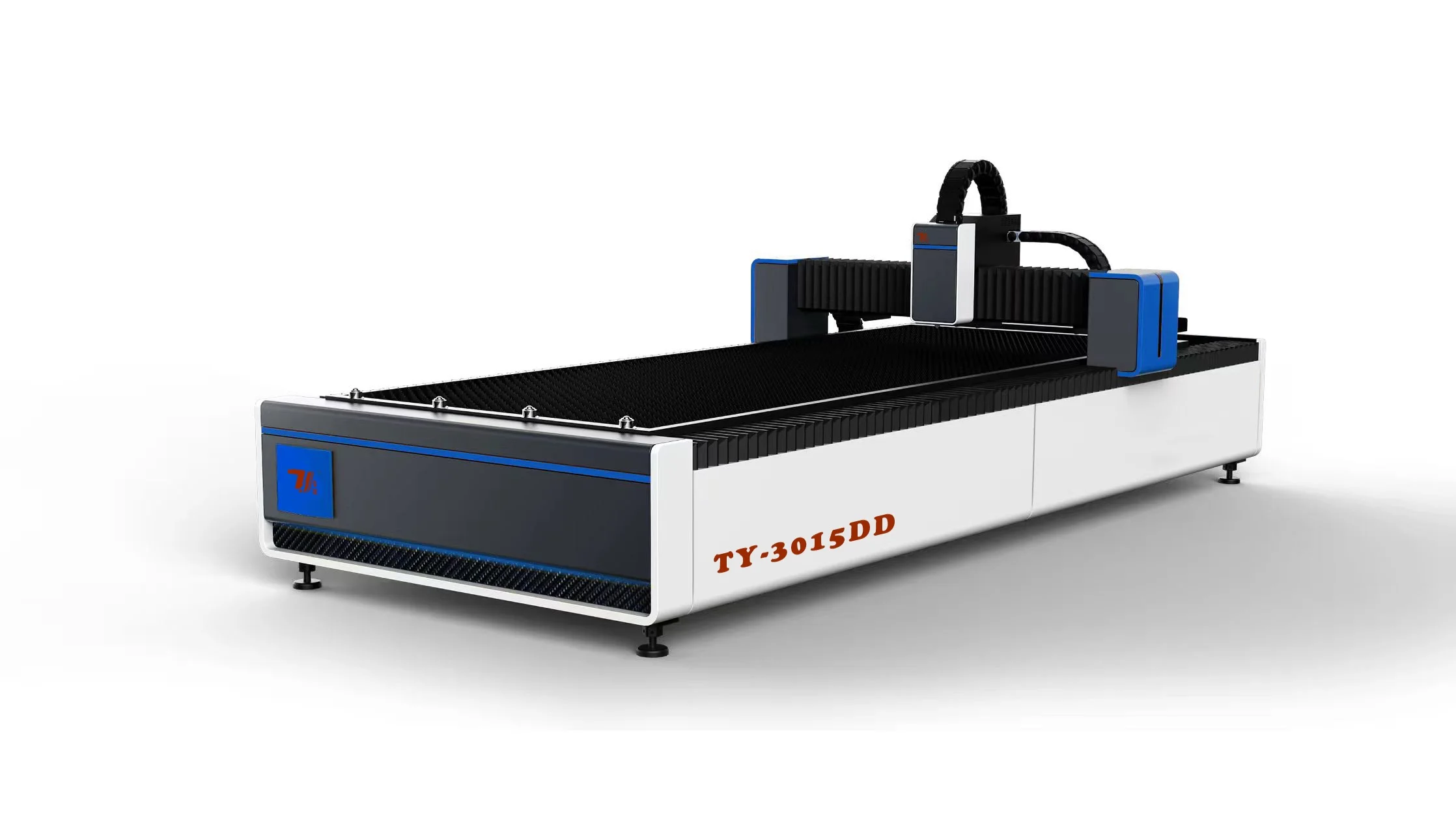
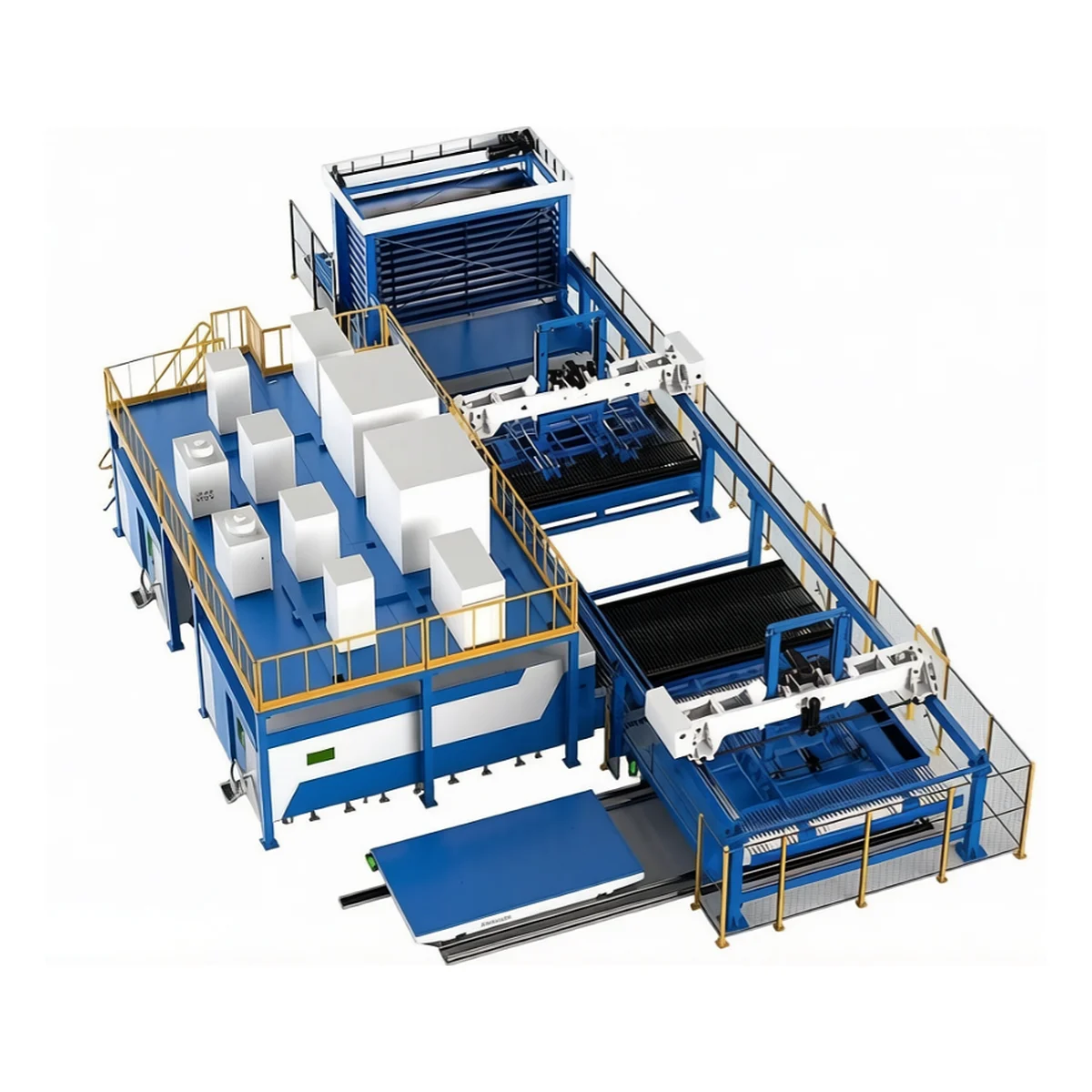
Enclosed exchange-table systems with four listed working areas, 1.5-20 kW options and 80 m/min positioning speed.
View details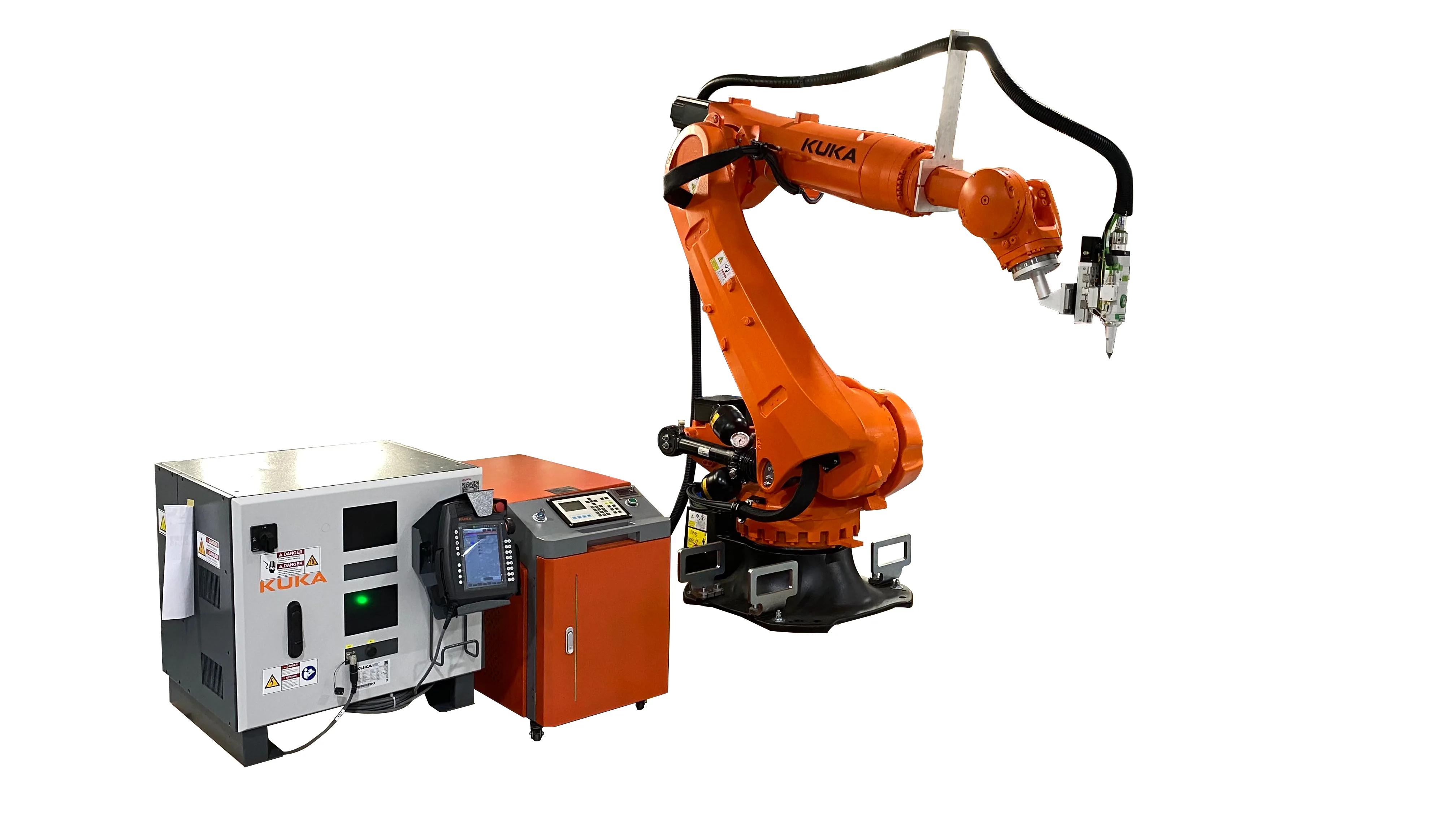
Cut holes and trim three-dimensional contours in formed automotive panels and metal components.
View details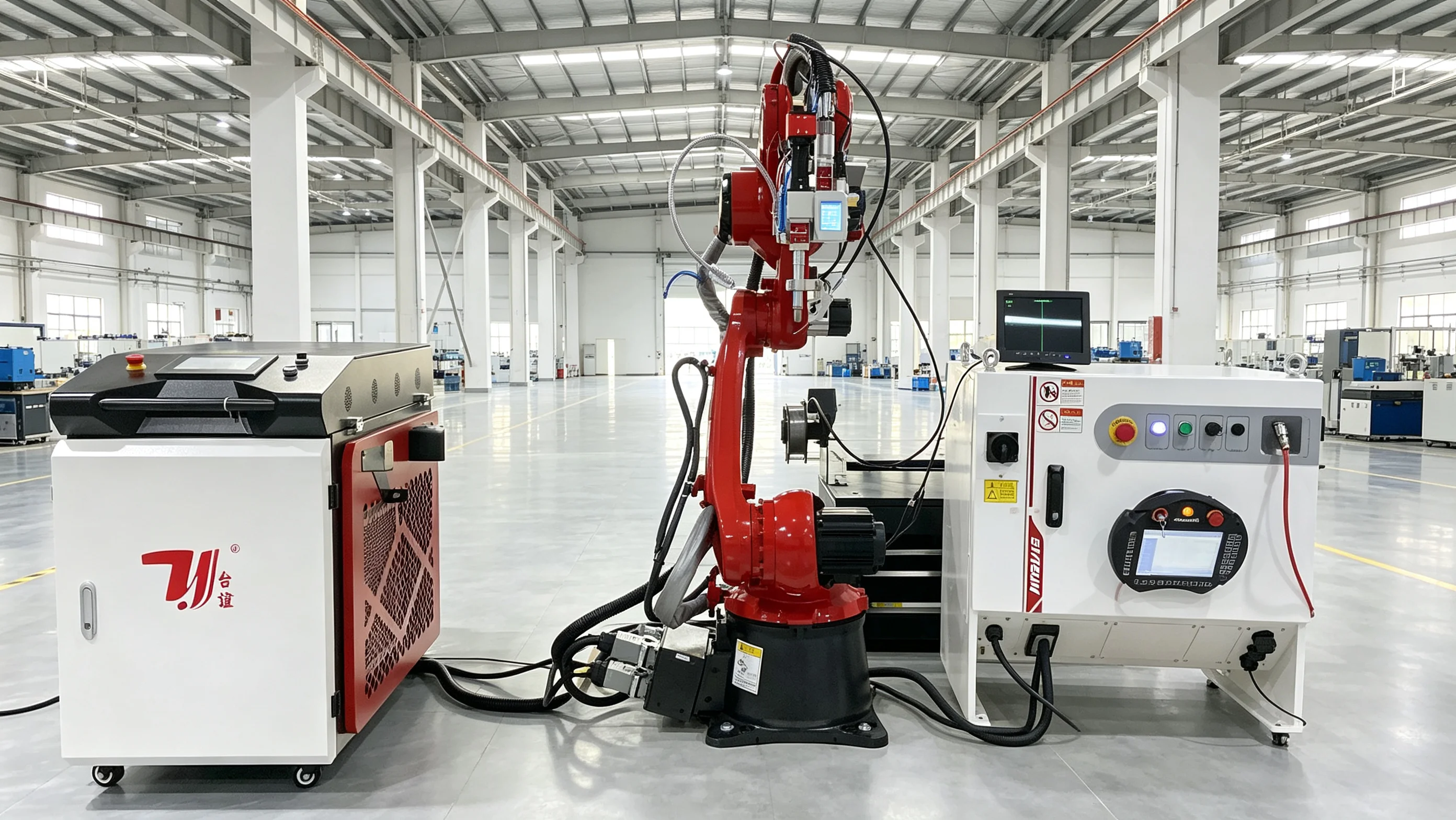
Configure robotic laser welding for automotive metal assemblies, with fixtures and seam access selected for the part.
View details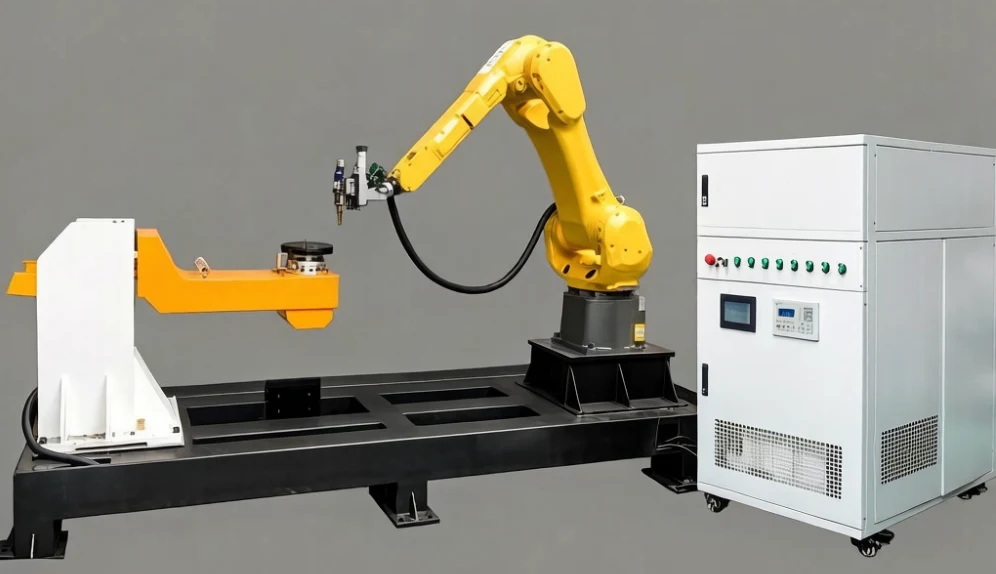
Reorient formed and hot-formed automotive panels on a rotary positioner for multi-sided trimming and hole cutting.
View details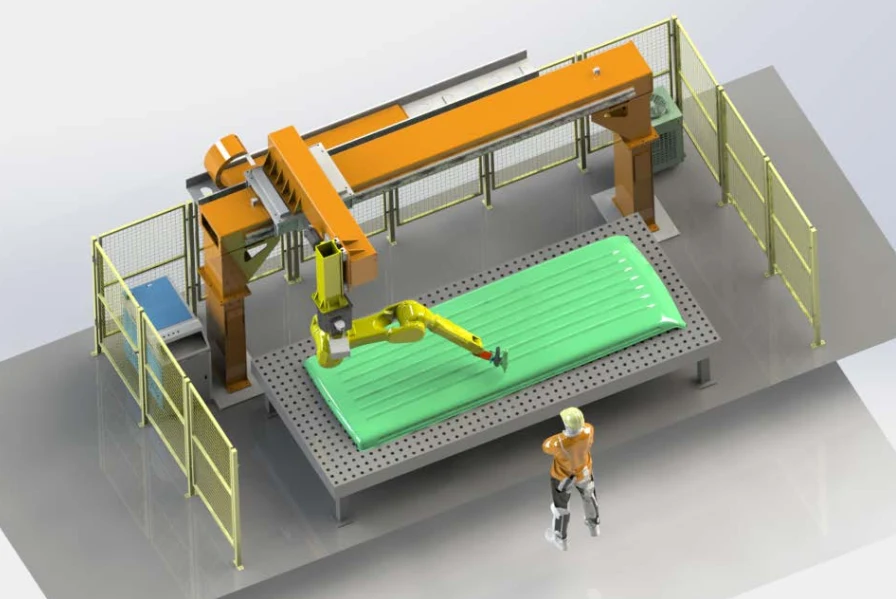
Engineering layout · overhead gantry-mounted configuration.
Use an overhead gantry rail to extend robot cutting access across large formed automotive parts and fixture positions.
View details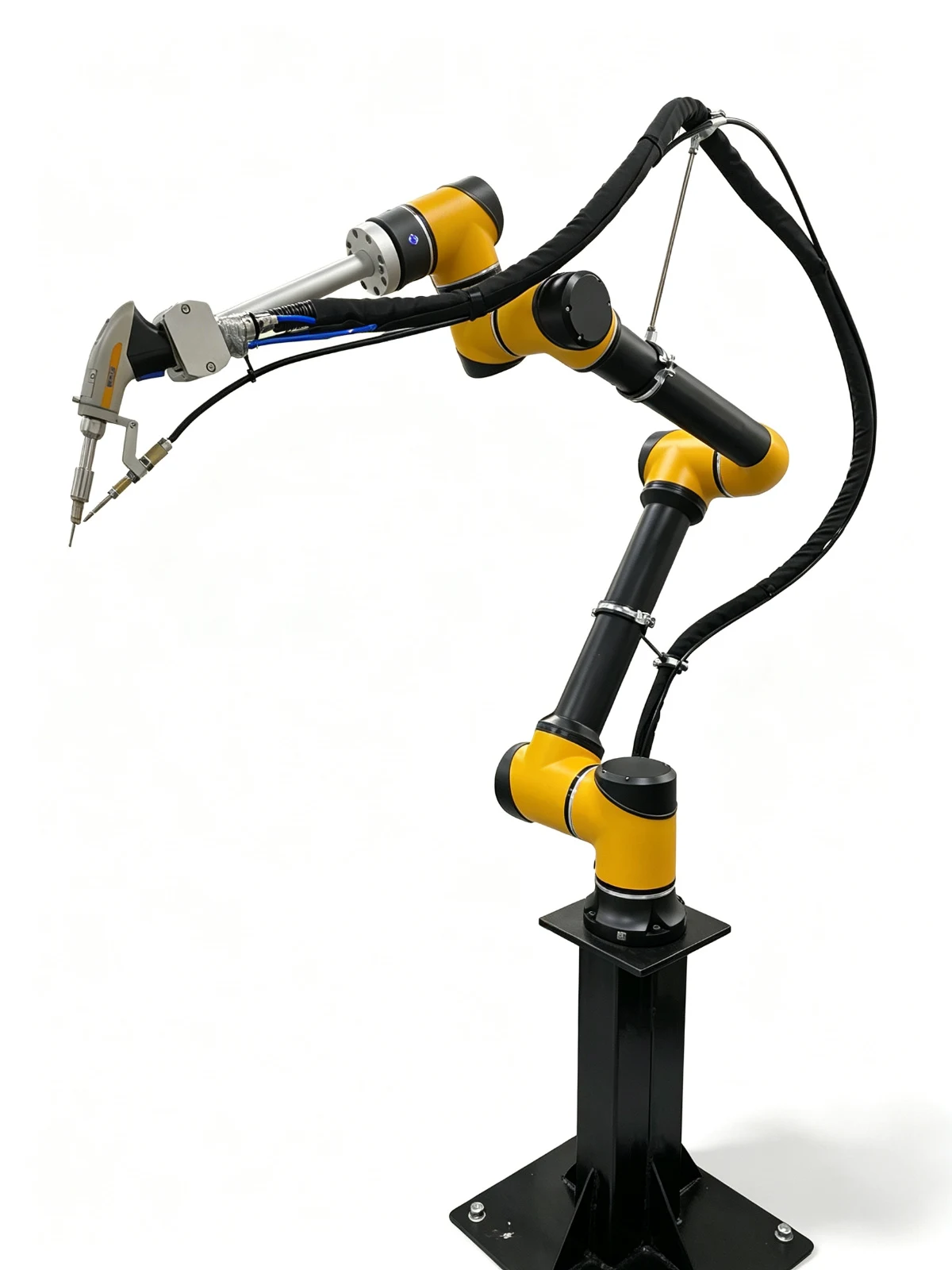
Combine handheld access for varied automotive parts with cobot-guided laser welding for repeated joints.
View details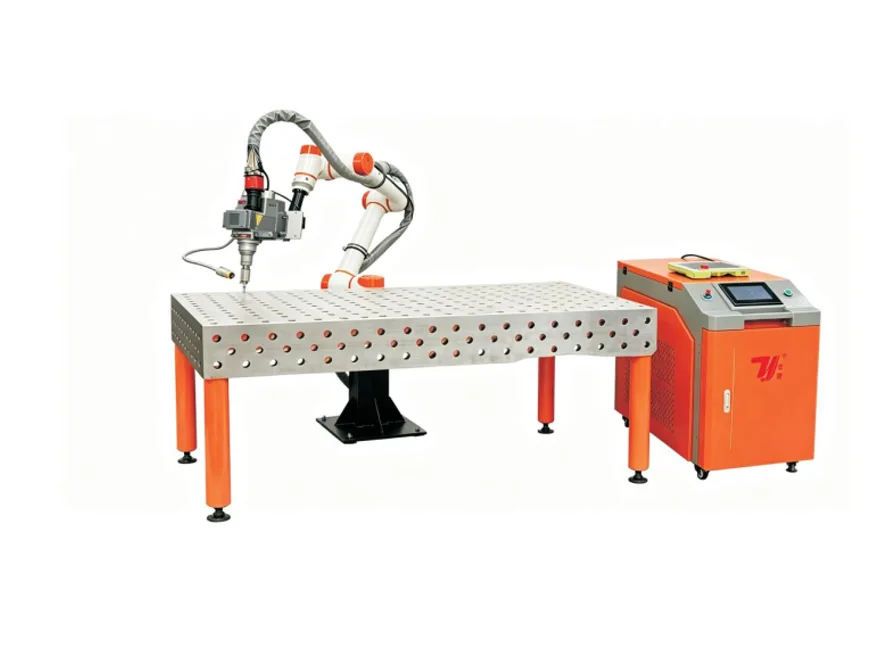
Use a precision laser welding head and collaborative arm for sensors and other precision automotive metal assemblies.
View details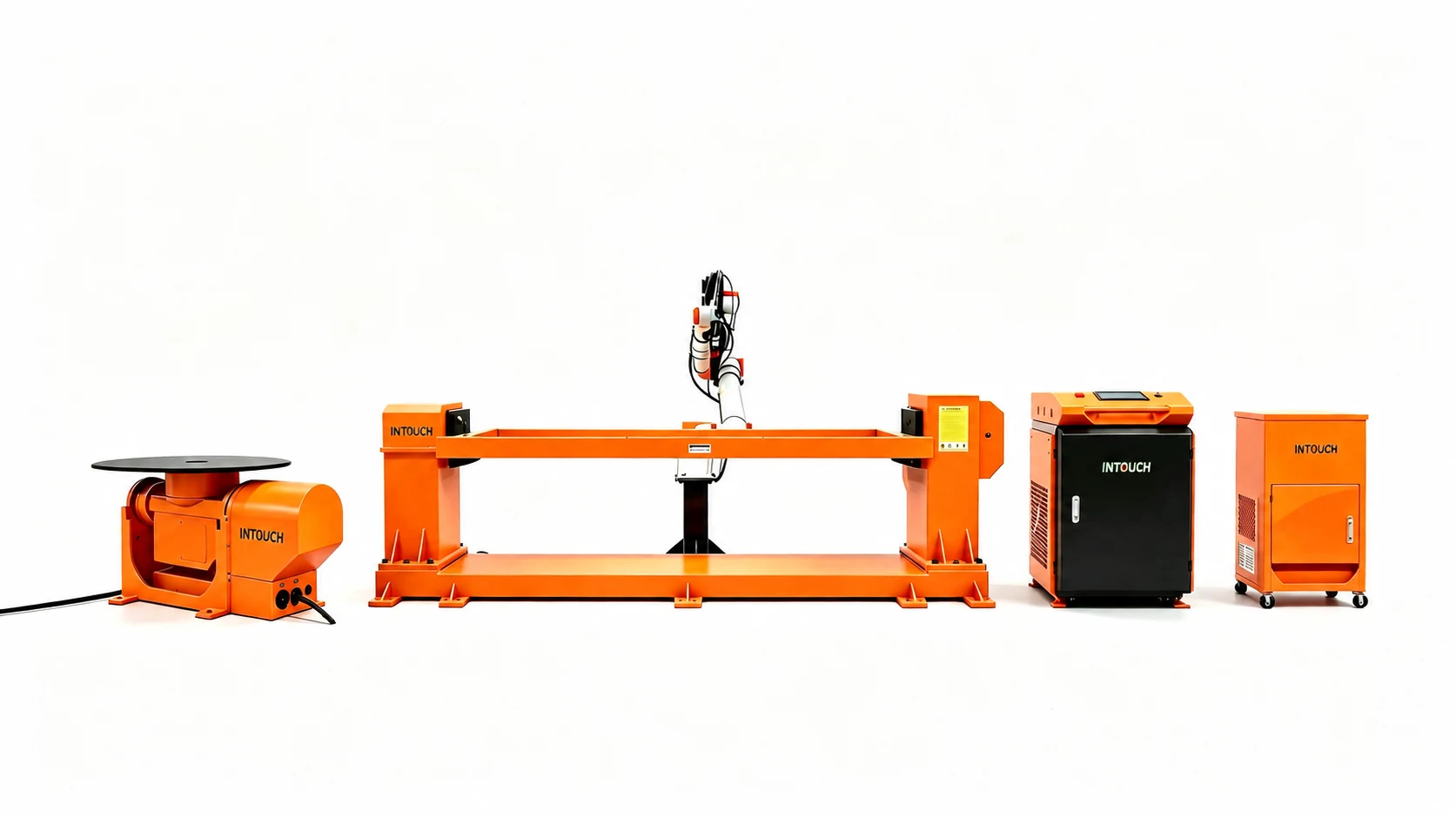
Apply MIG/MAG welding to chassis, frames and trailer structures, with workpiece positioning selected around joint access.
View details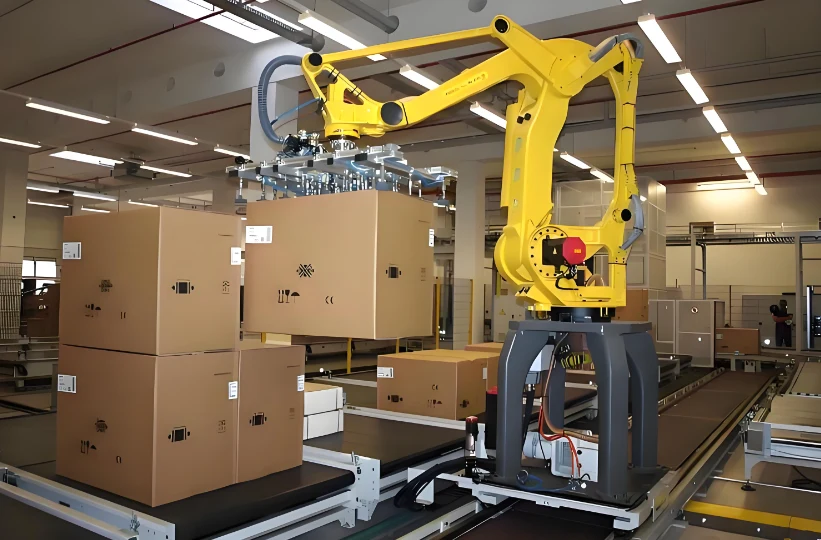
Load, unload and transfer automotive workpieces between defined machining stations using a fixed or rail-mounted handling robot.
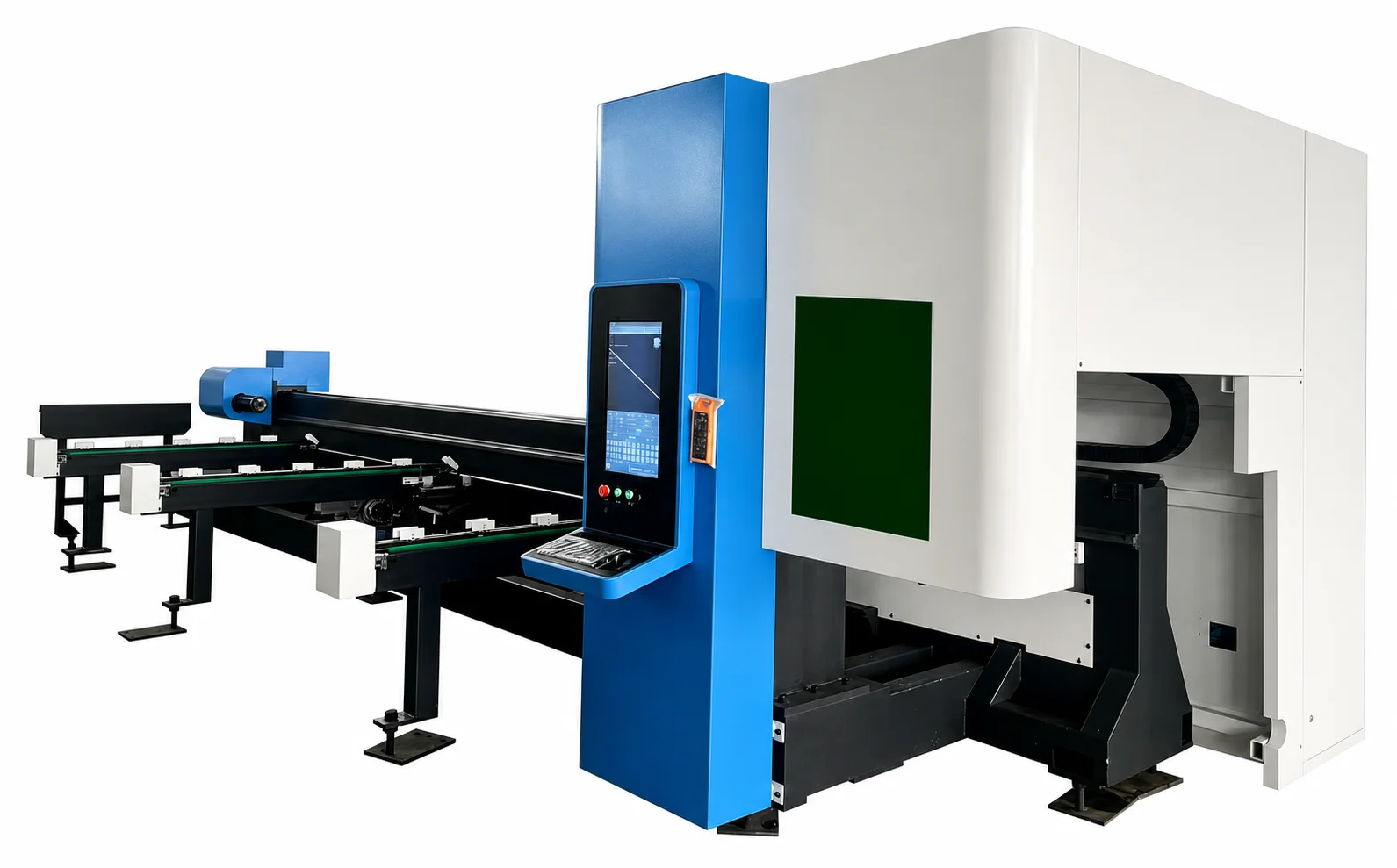
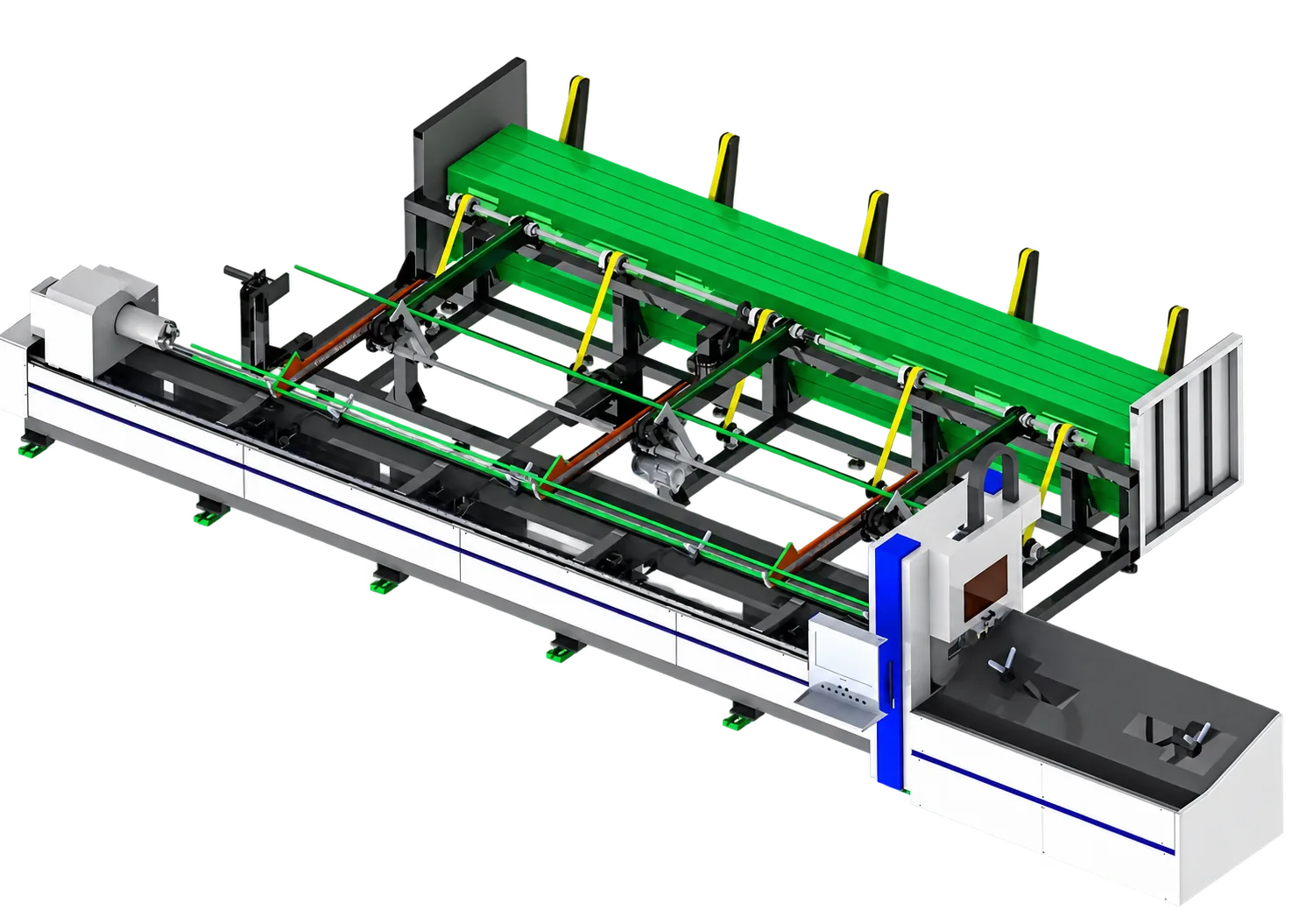
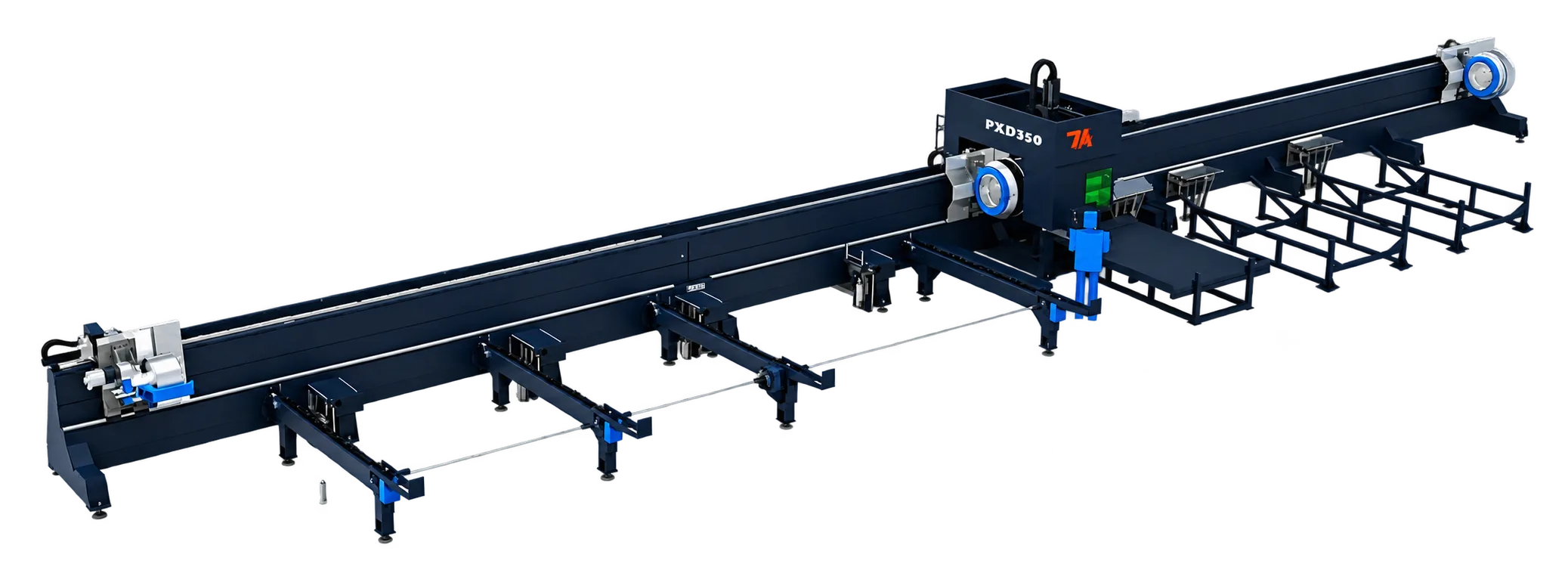
View detailsBlanking for stamped and body panels, tube and profile cutting, bevels and complex contours.
Sheet-metal seams, dissimilar-metal joints and sealed welds for structural parts and battery components.
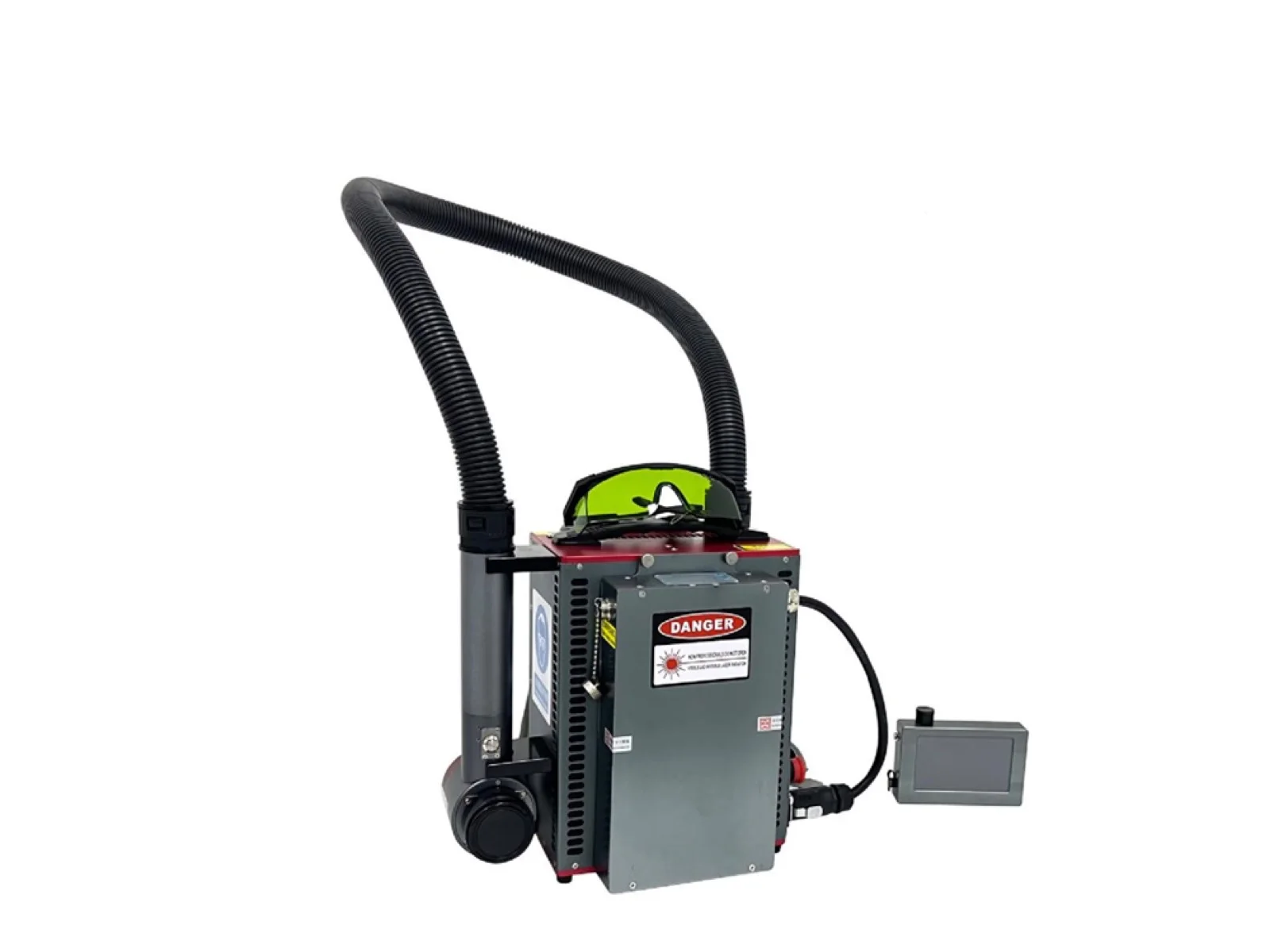
Remove oil and rust before welding, oxide layers after welding and residues from tire molds.
Cladding repair for valve seats and crankshafts; laser hardening for cylinder blocks and camshafts.
The scope includes cutting, welding and cleaning for body, powertrain and battery components, plus cladding repair or hardening of specified working surfaces. Suitability is assessed for the actual part and selected equipment.
Both need joint drawings, materials and fit-up, but geometry, seam access, joining requirements and inspection criteria differ. Battery tray or terminal examples do not establish suitability for every battery assembly or cell connection.
Review seam geometry, part and fixture envelope, head access, loading and production mix. Select the complete motion and workholding arrangement against the part, rather than assuming one platform fits every automotive joint.
Those functions are not established as standard by this industry page. Specify any required monitoring, inspection, data records and factory interfaces so the selected equipment proposal can define them explicitly.
Provide the part model, materials, thicknesses, seam or cut locations, loading concept, cycle target and required inspection. Include existing line interfaces and the criteria that will be used for equipment acceptance.
Request a quote
Describe your automotive components, material, thickness and production requirements. Include the welding, cutting, cleaning or surface-repair task and the level of automation you need.