
Machine family01
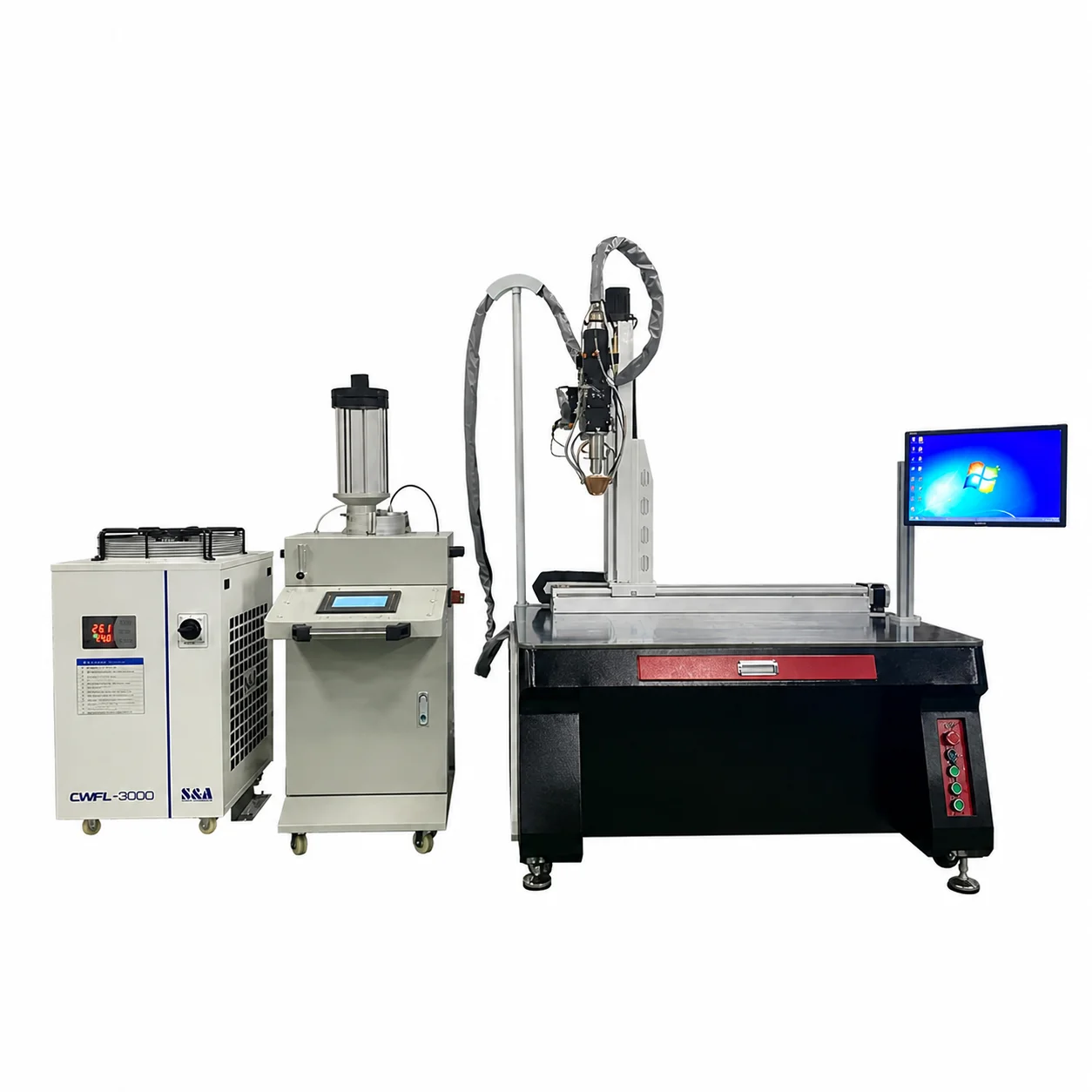
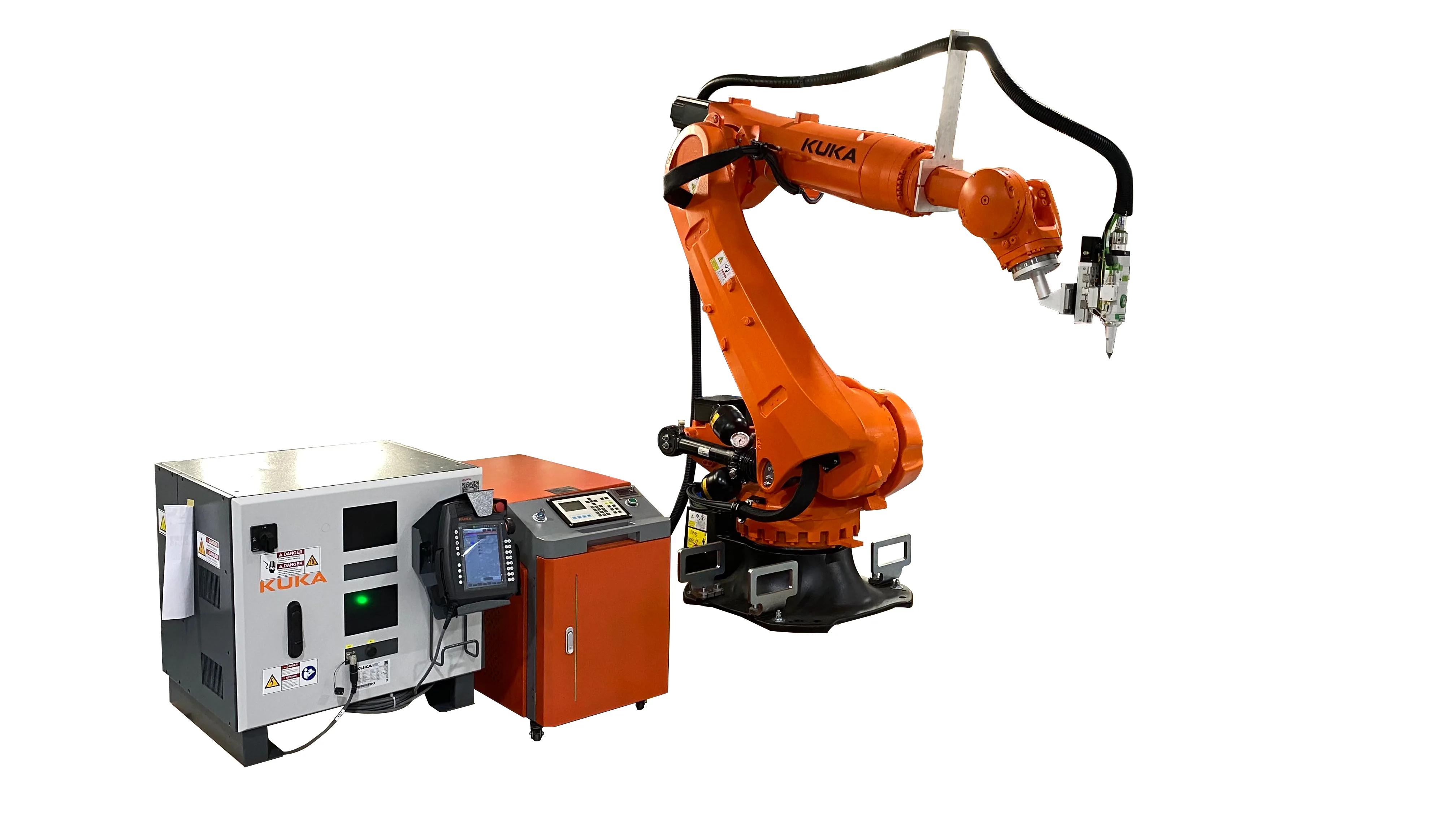
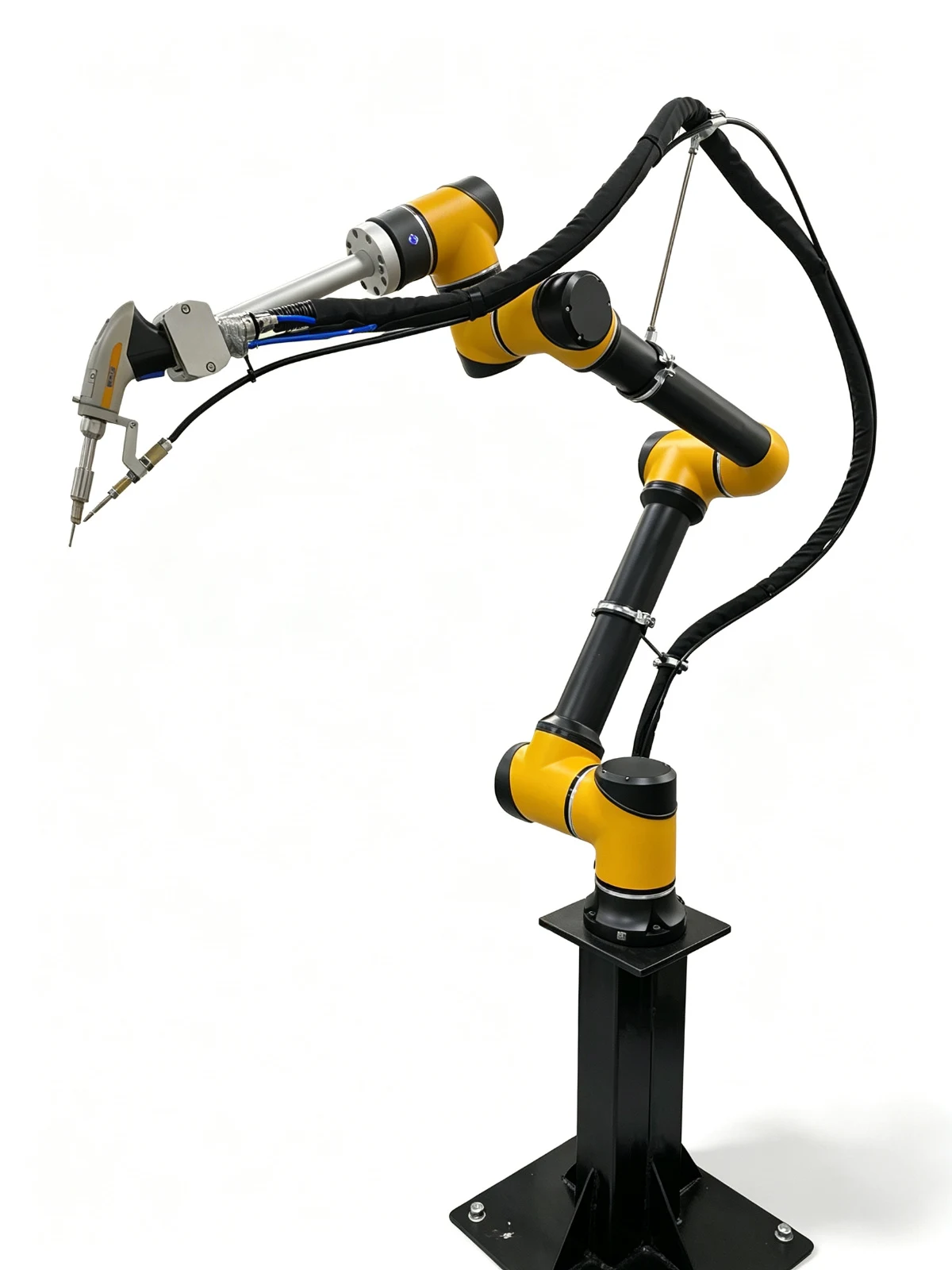
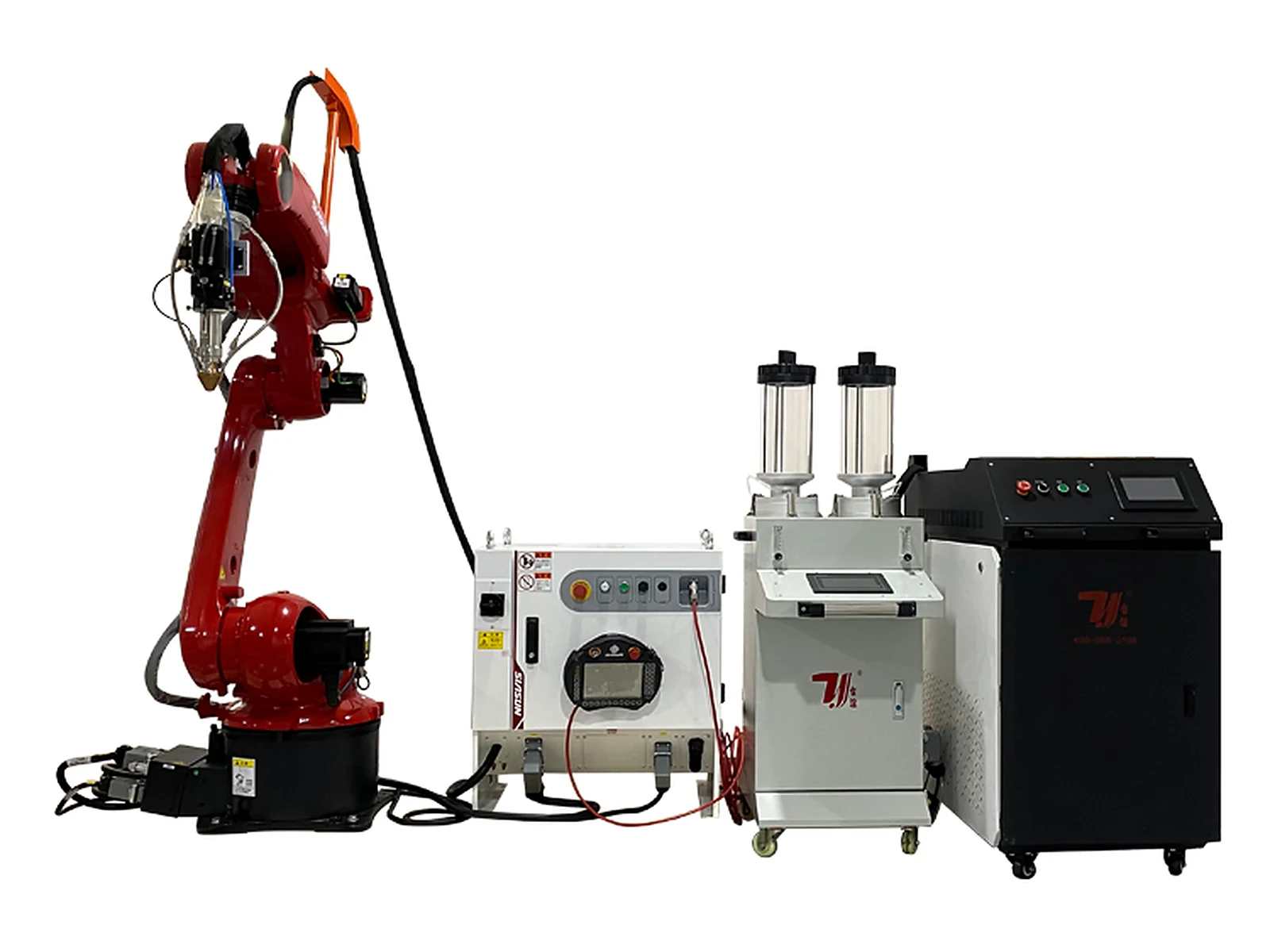
Platform automatic laser cladding machine
Platform automatic configuration for small-part repair and surface strengthening.
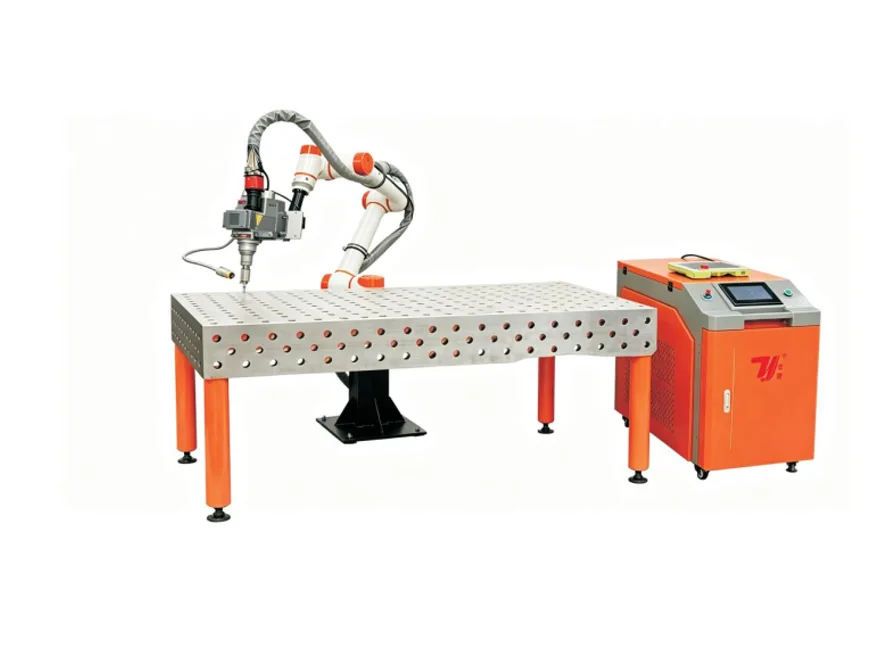
View details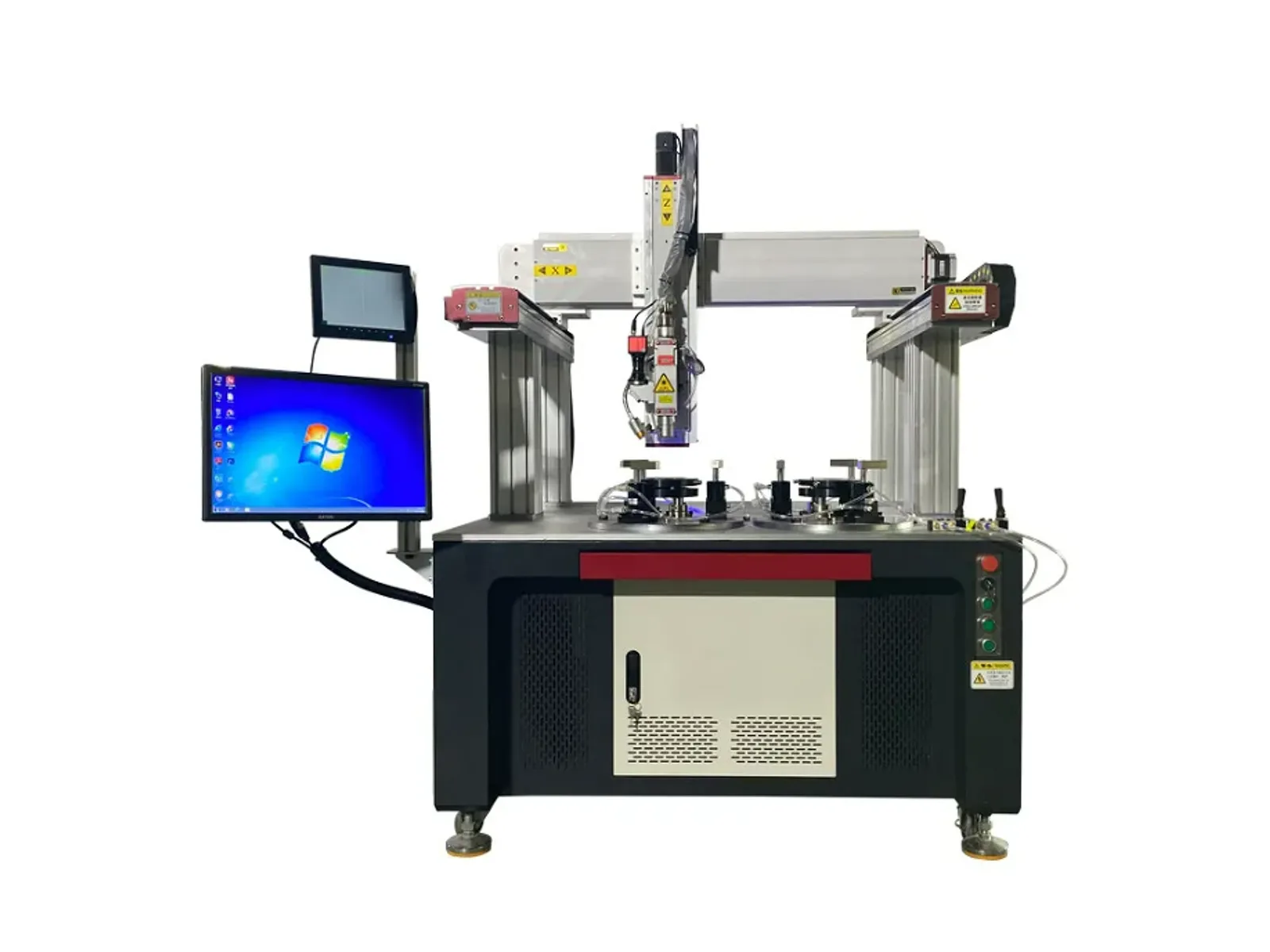 Gantry automatic laser welding machineServo multi-axis gantry system with CCD positioning, 1.5-6 kW configurations and a custom working stroke for the submitted workpiece.
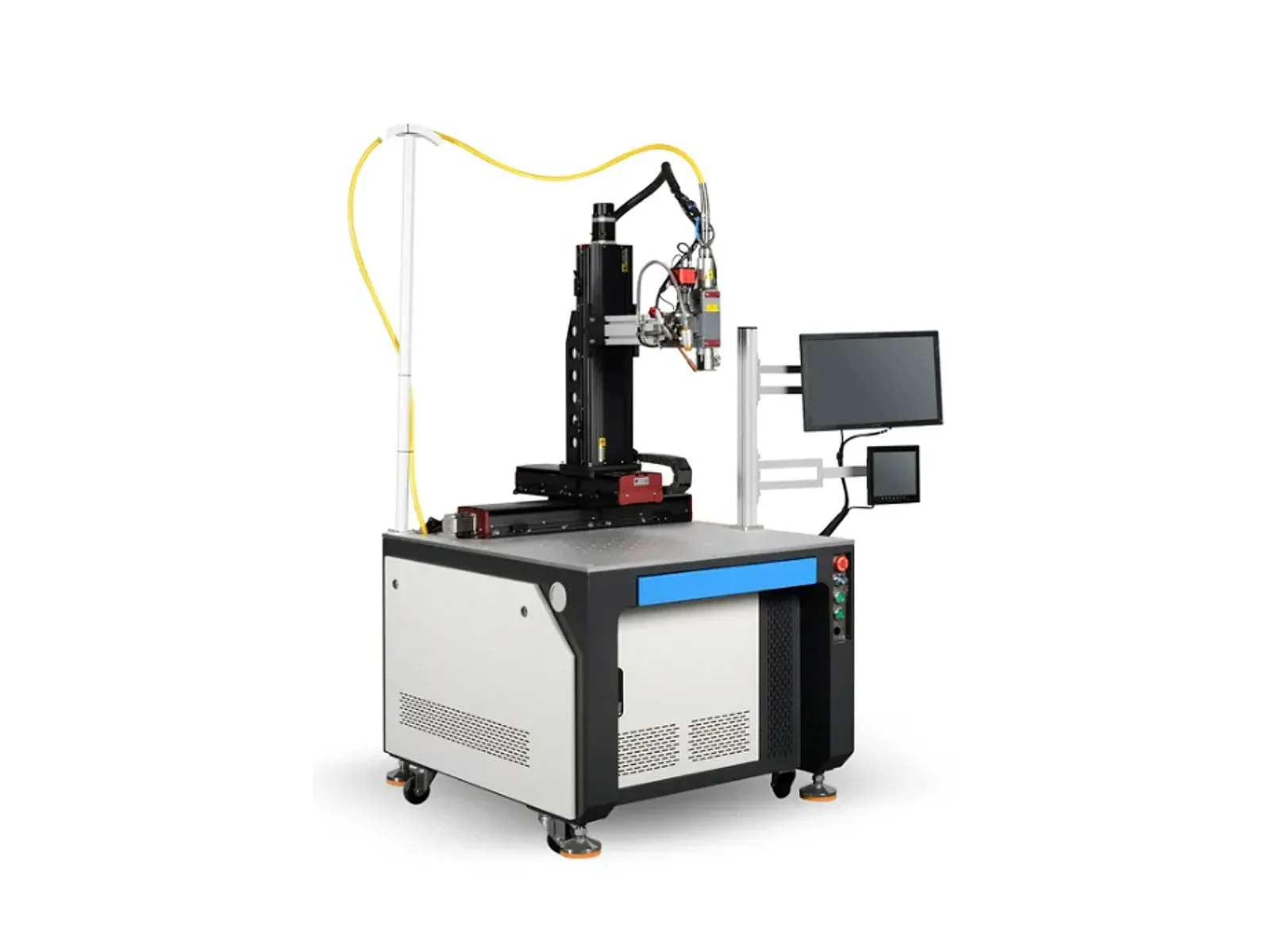 Four-axis automatic laser welding machineFour-axis linkage with CCD-assisted positioning, 1-6 kW configurations and ±0.02 mm repeat positioning for curved and special-shaped weld paths.
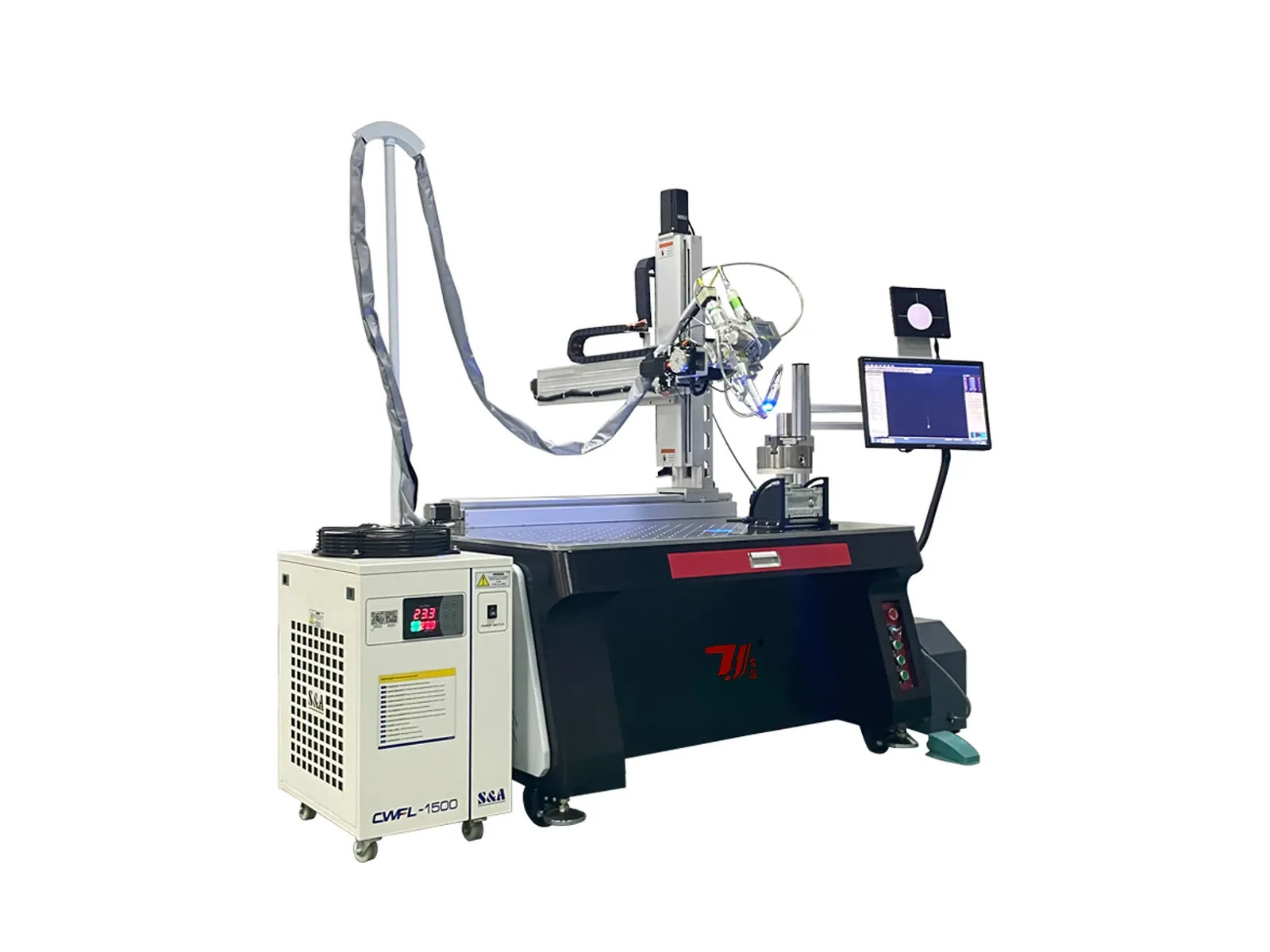 Five-axis automatic laser welding machineFive-axis servo linkage with CCD positioning, 1-6 kW configurations and ±0.02 mm repeat positioning for three-dimensional curved and special-shaped seams.
Choose equipment for agricultural panels and structures, welded assemblies or abrasive-wear surfaces. Start with the part size and steel grade for cutting, the joint and fixture for welding, or the worn area and required surface for treatment.
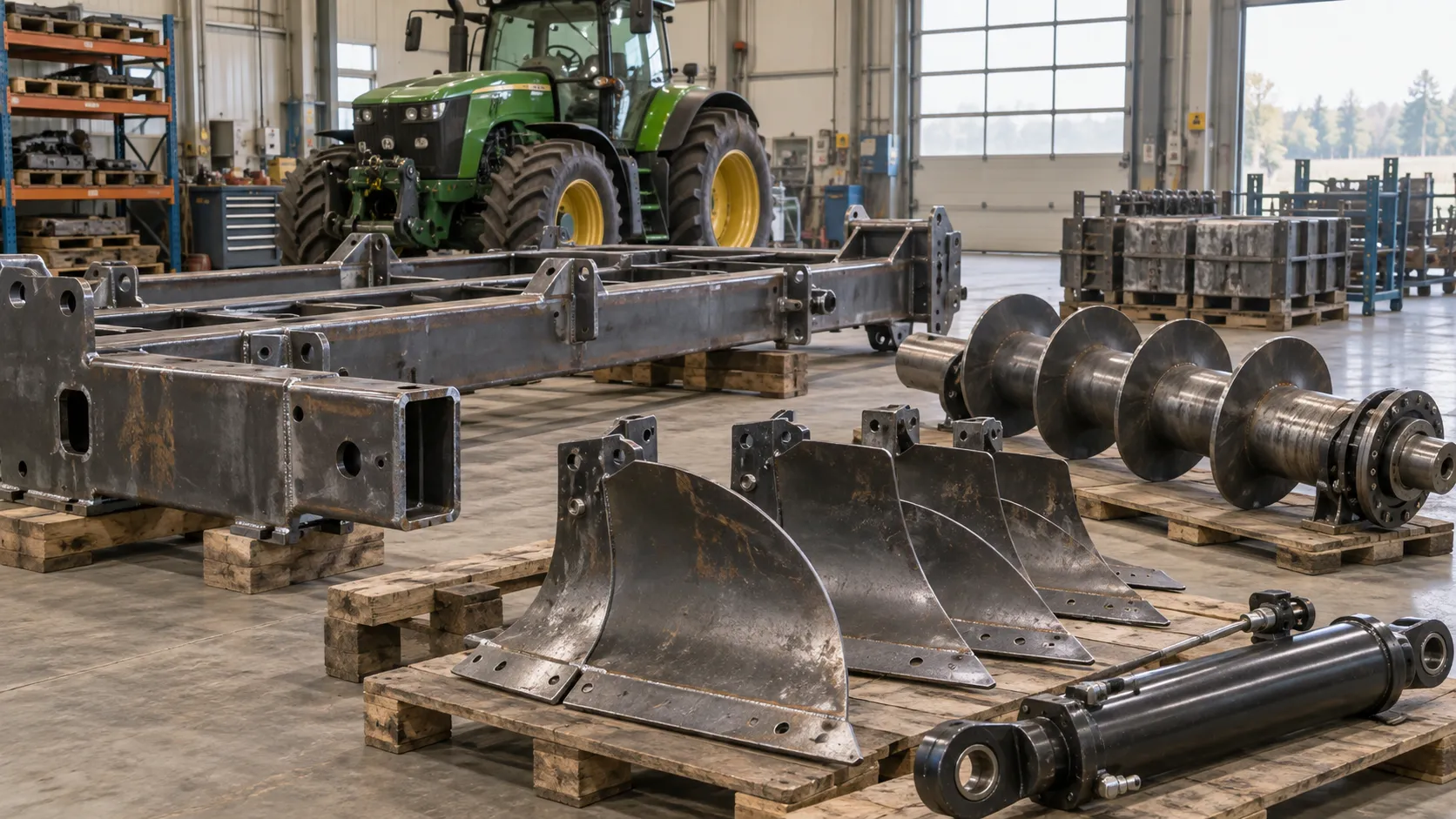
Tractors, harvesters, seeders and rotary tillers create different fabrication and maintenance tasks. Separate new panels and frames from housings, hydraulic components and working tools exposed to soil and abrasion. Review each task against the material, dimensions and target result before combining it into a production solution.
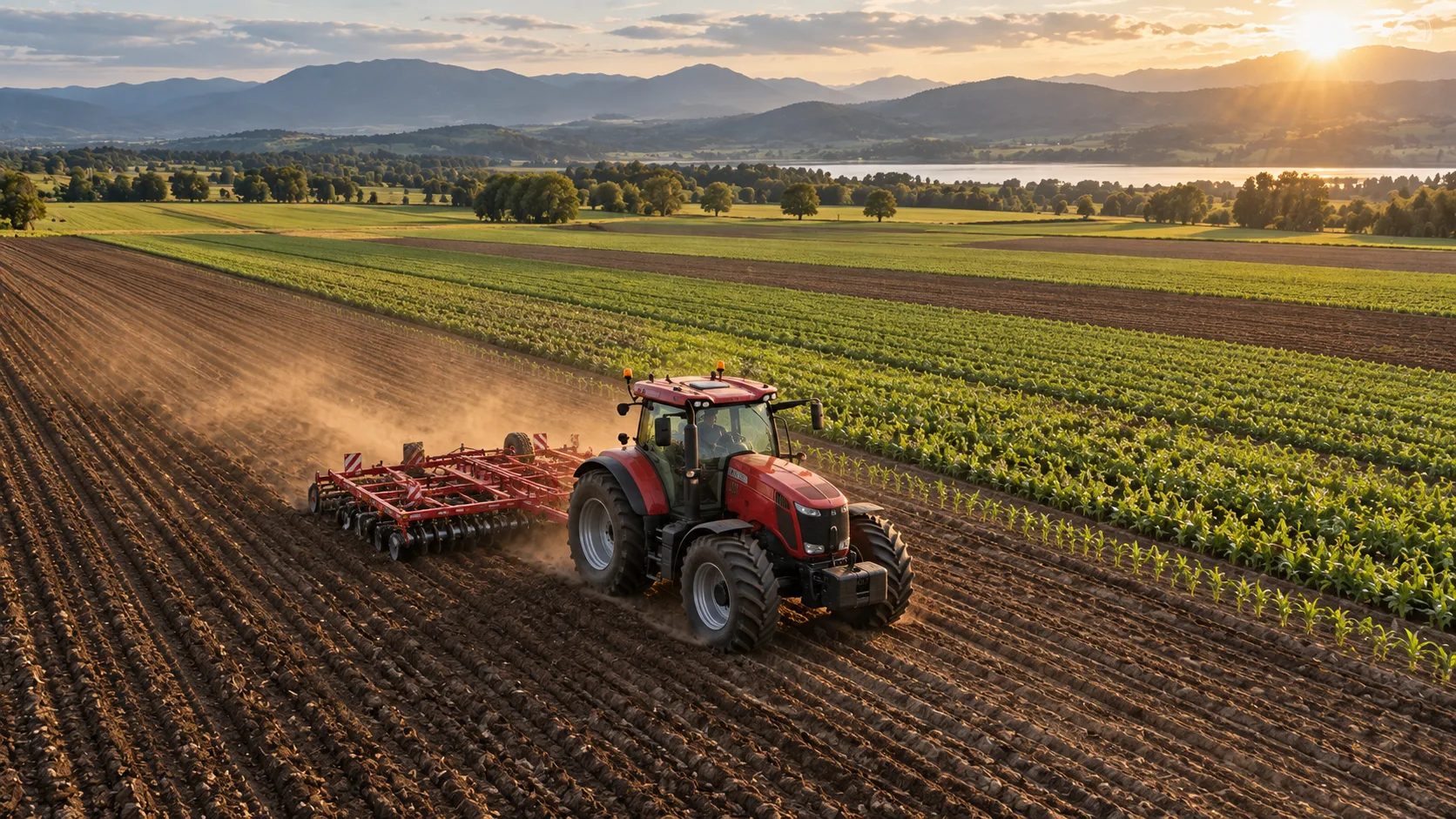
Supply the largest sheet or plate size, grade, thickness and finished-part drawings for cab panels, chassis and structural components. For tube and profile preparation, include section geometry, stock length and the required cut or bevel.
Select the cutting format and configuration from the actual stock and edge requirements; a stated power rating does not prove every thick-plate application.
Map welds on gearbox housings, frames, headers, augers and hydraulic assemblies. Review joint access, clamping, loading and any reorientation needed to present the whole seam.
Agree distortion, dimensional and sealing requirements for the assembly before defining the welding and fixture package.
Locate abrasive wear on ploughshares, rotary tiller blades and harvesting tools when reviewing cladding. Treat shaft or gear surface strengthening and hardening of sprockets or guide rails as separate process choices.
Compare the required deposited layer or existing-surface treatment with the base material and operating conditions; do not infer a fixed field-life gain.
Explore equipment for the processes above. Fixture and automation choices depend on your part geometry and production requirements.
Platform automatic configuration for small-part repair and surface strengthening.
View details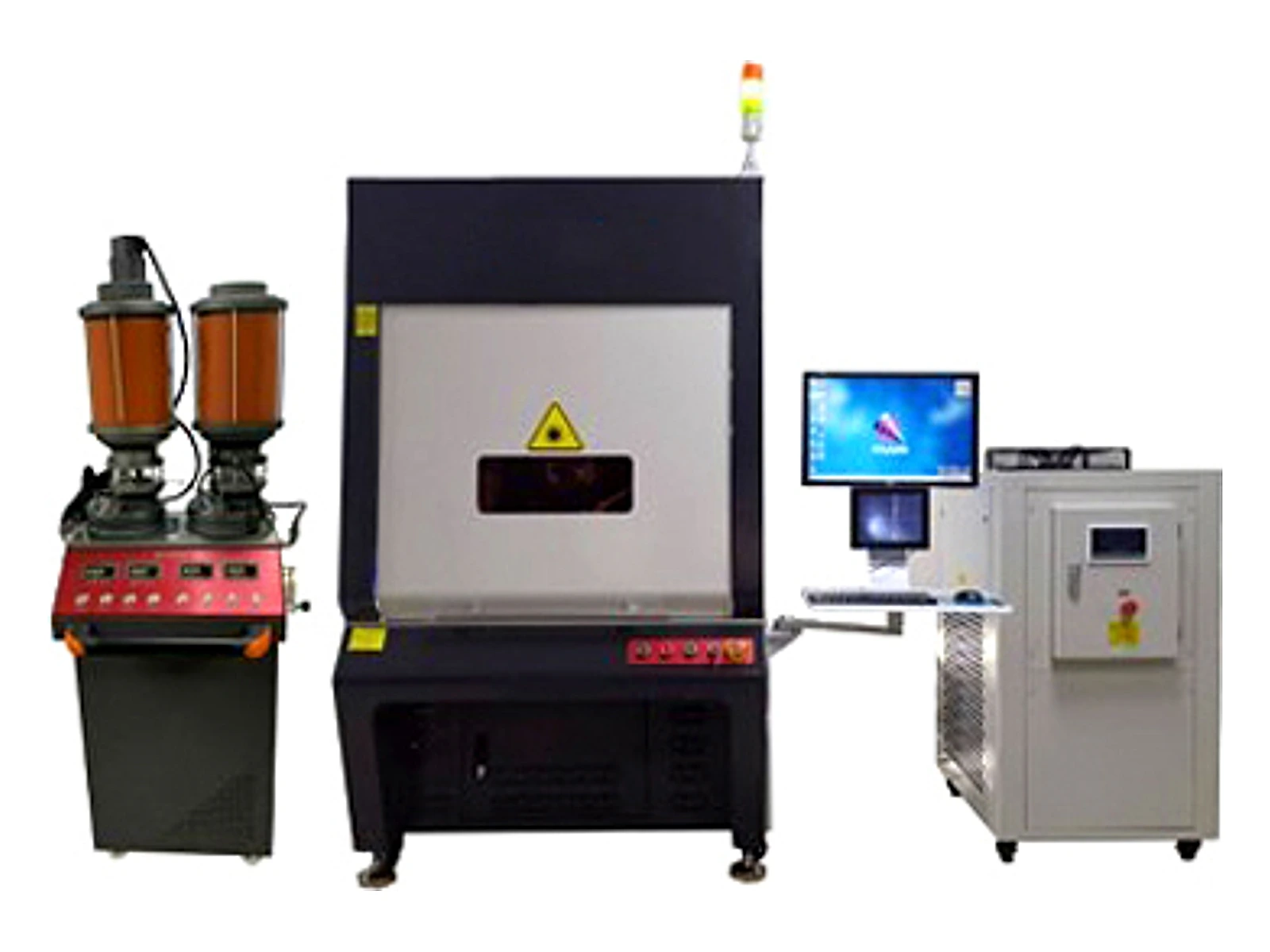
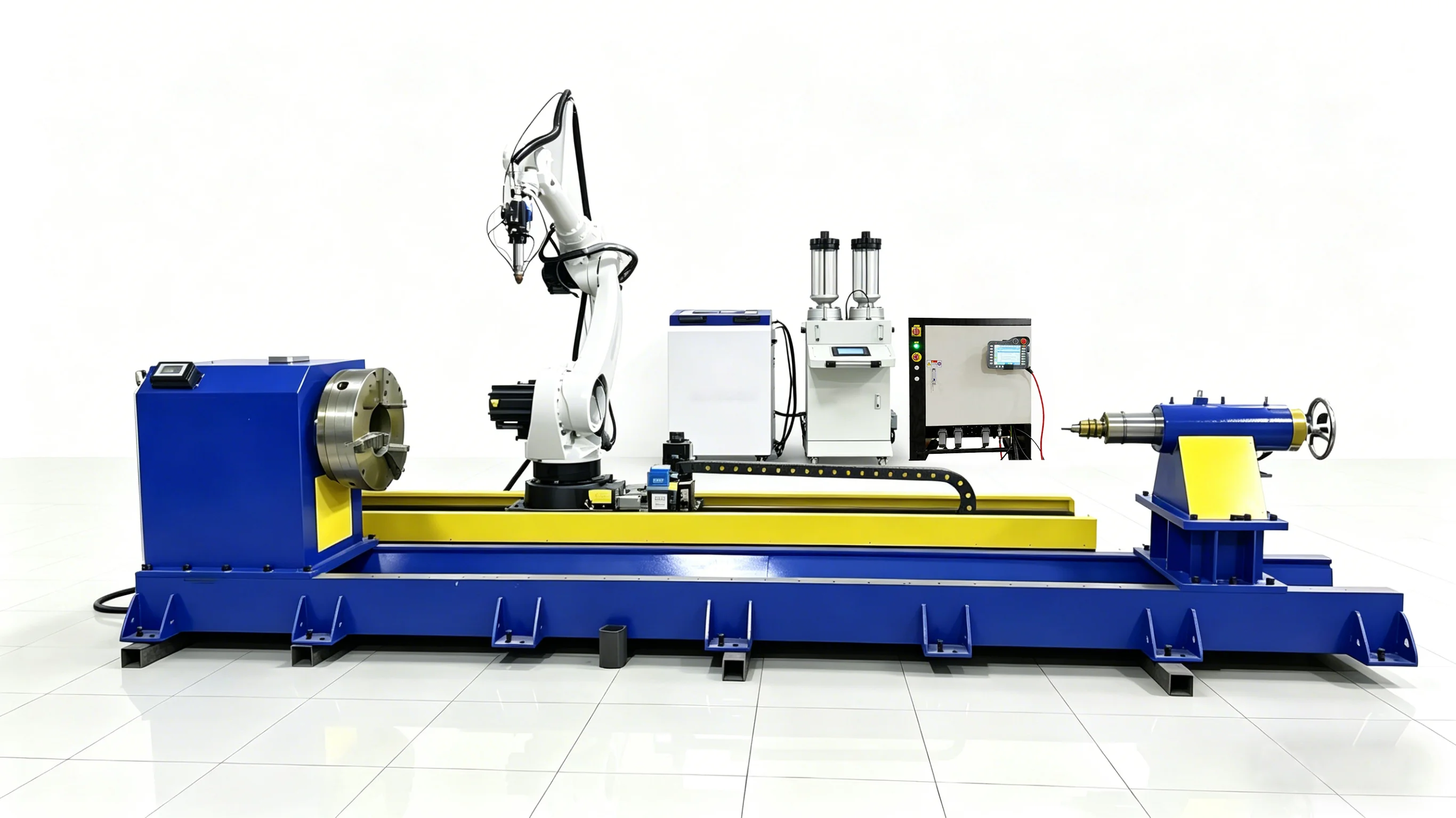
Fully enclosed configuration integrating motion, powder feeding, cooling and laser equipment.
View details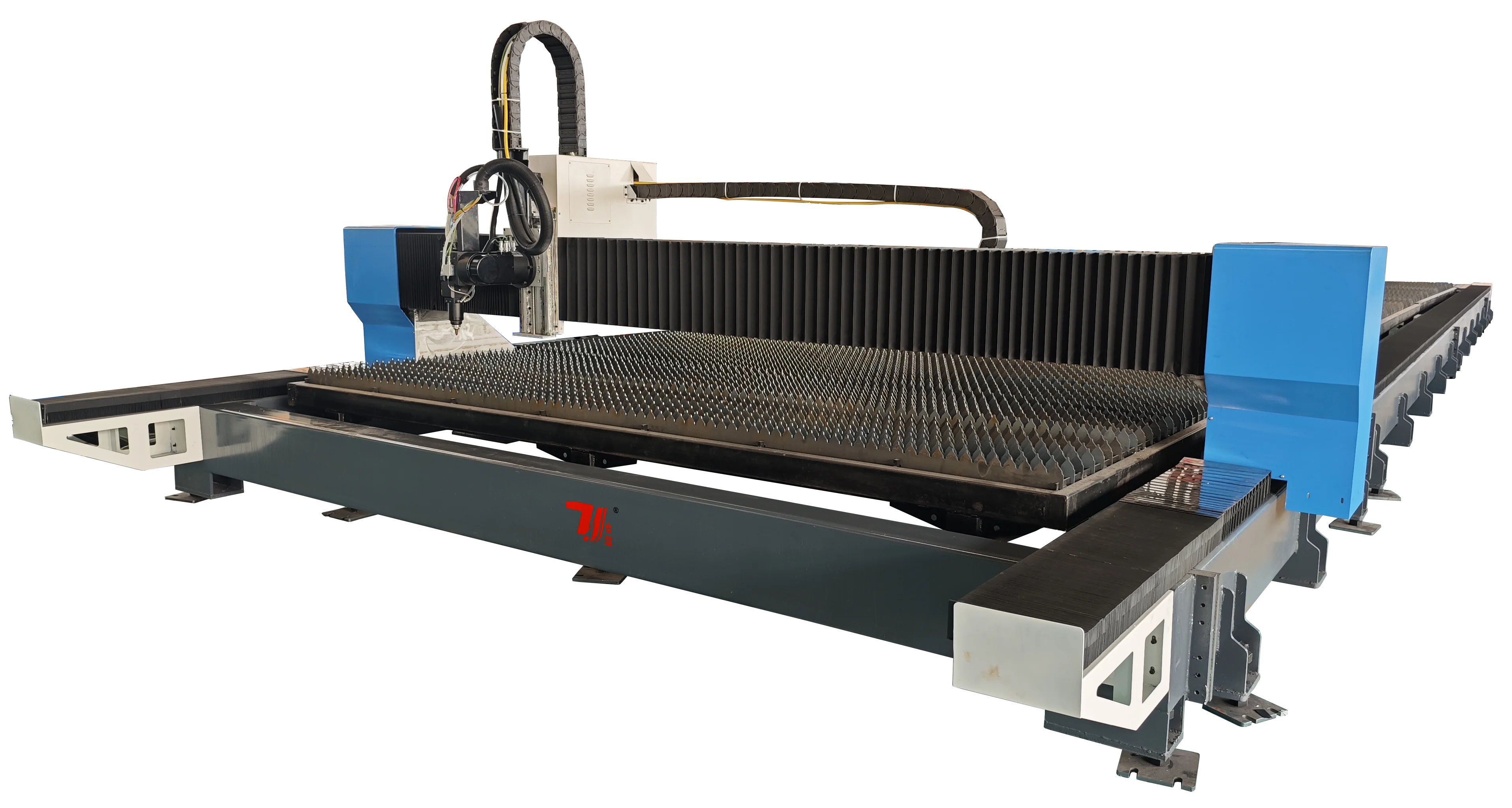
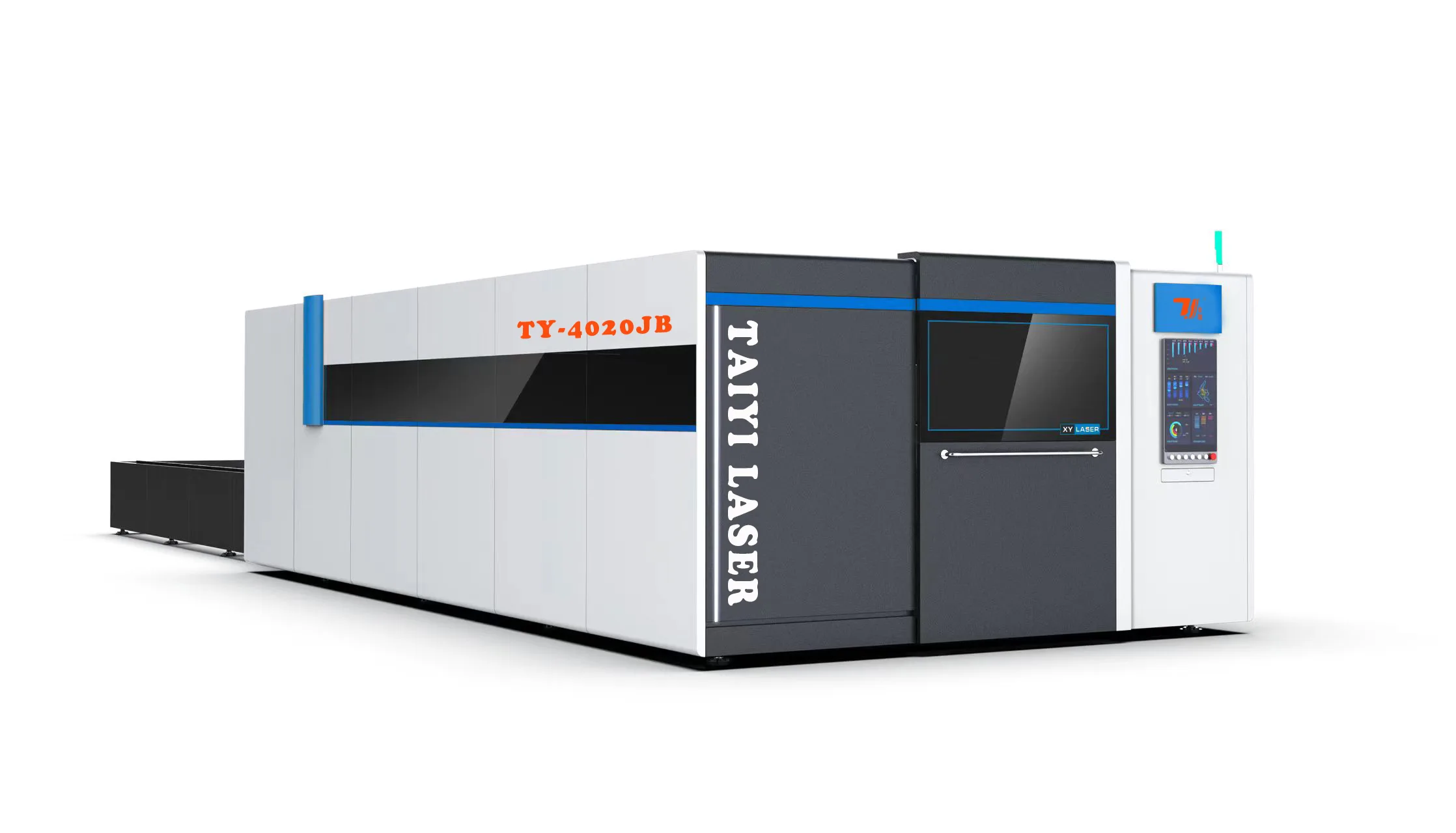
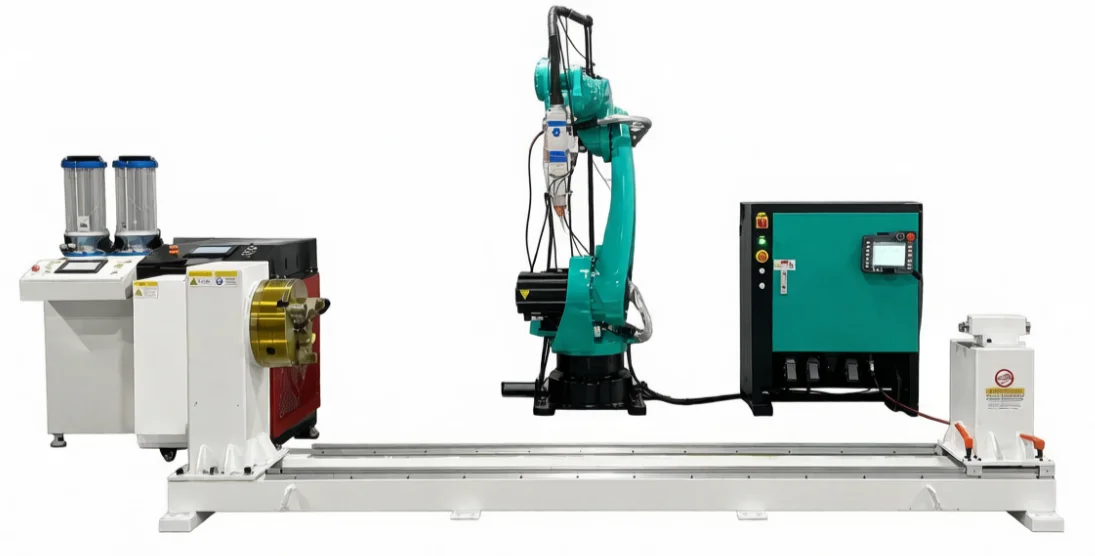
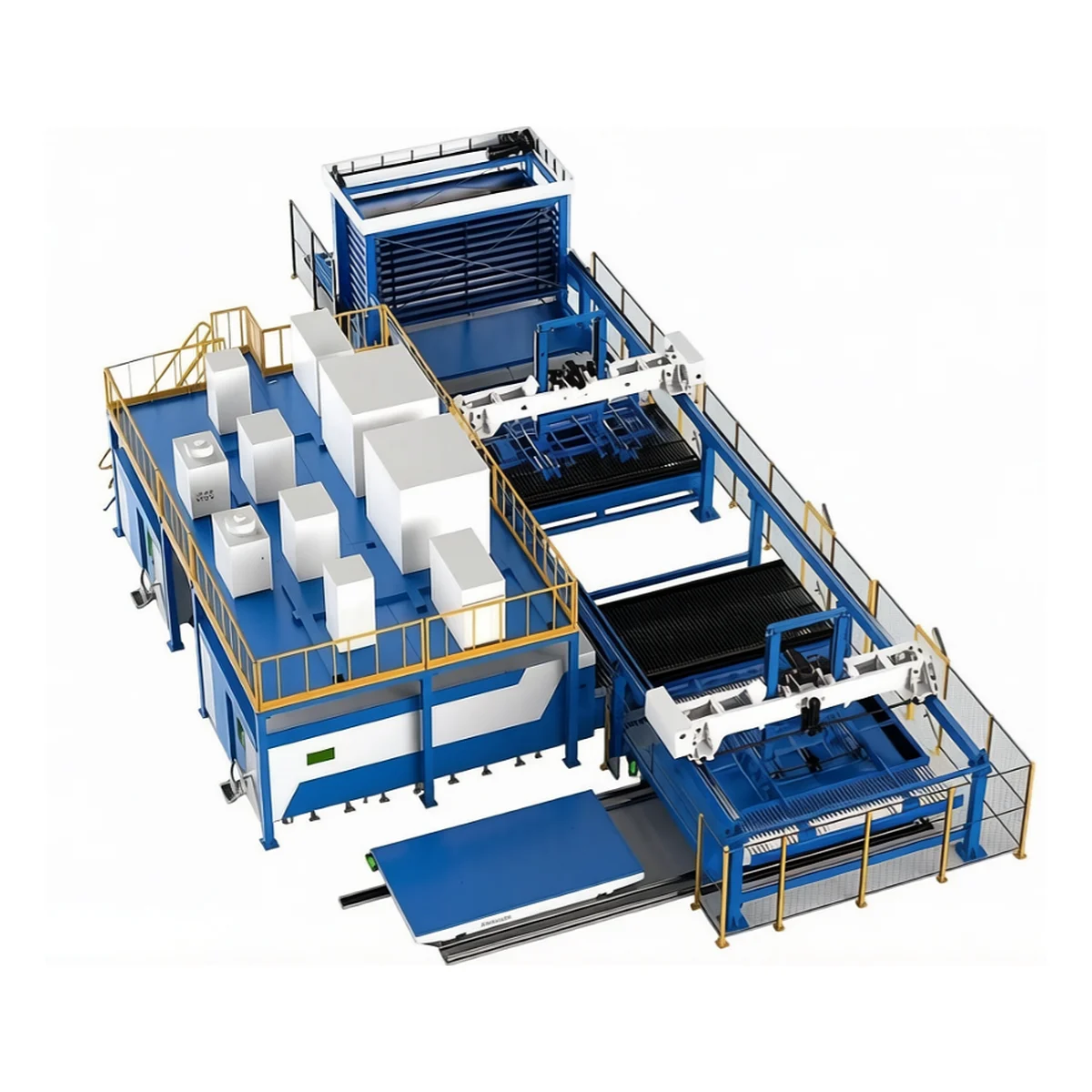
Large-format systems with 13,000–26,000 × 3,500 mm working areas and 12–60 kW options.
View detailsFive-axis servo linkage with CCD positioning, 1-6 kW configurations and ±0.02 mm repeat positioning for three-dimensional curved and special-shaped seams.
View details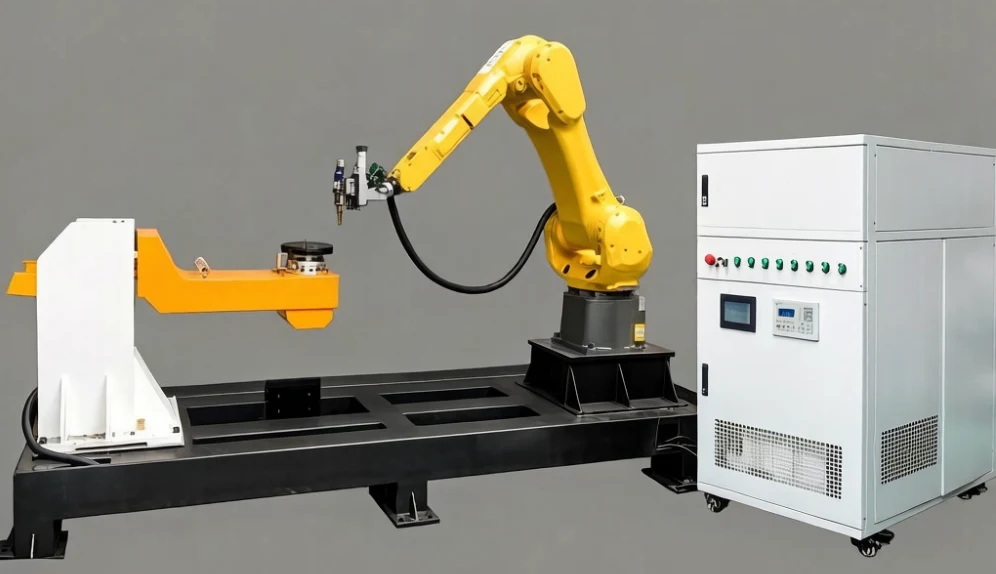
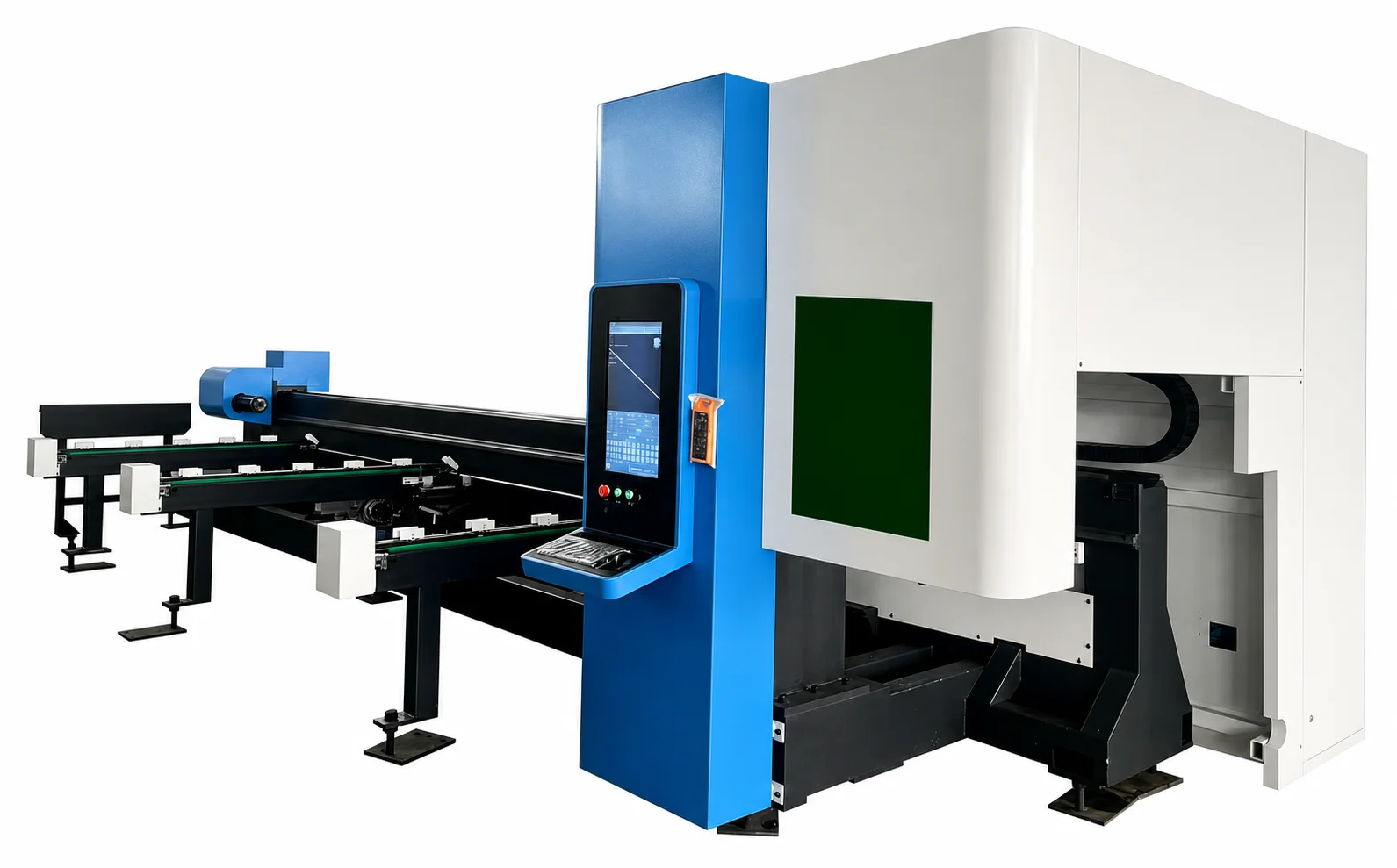
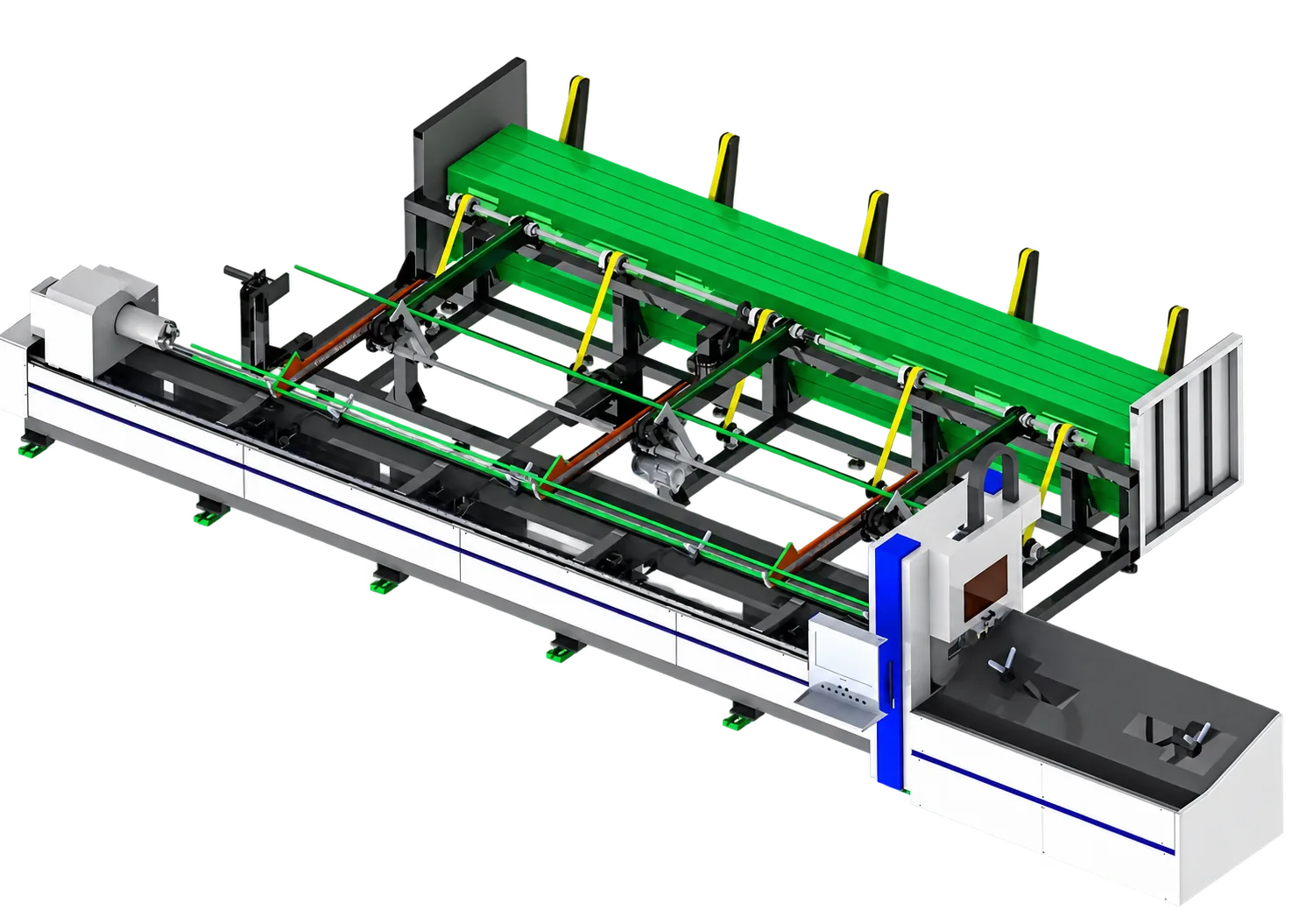
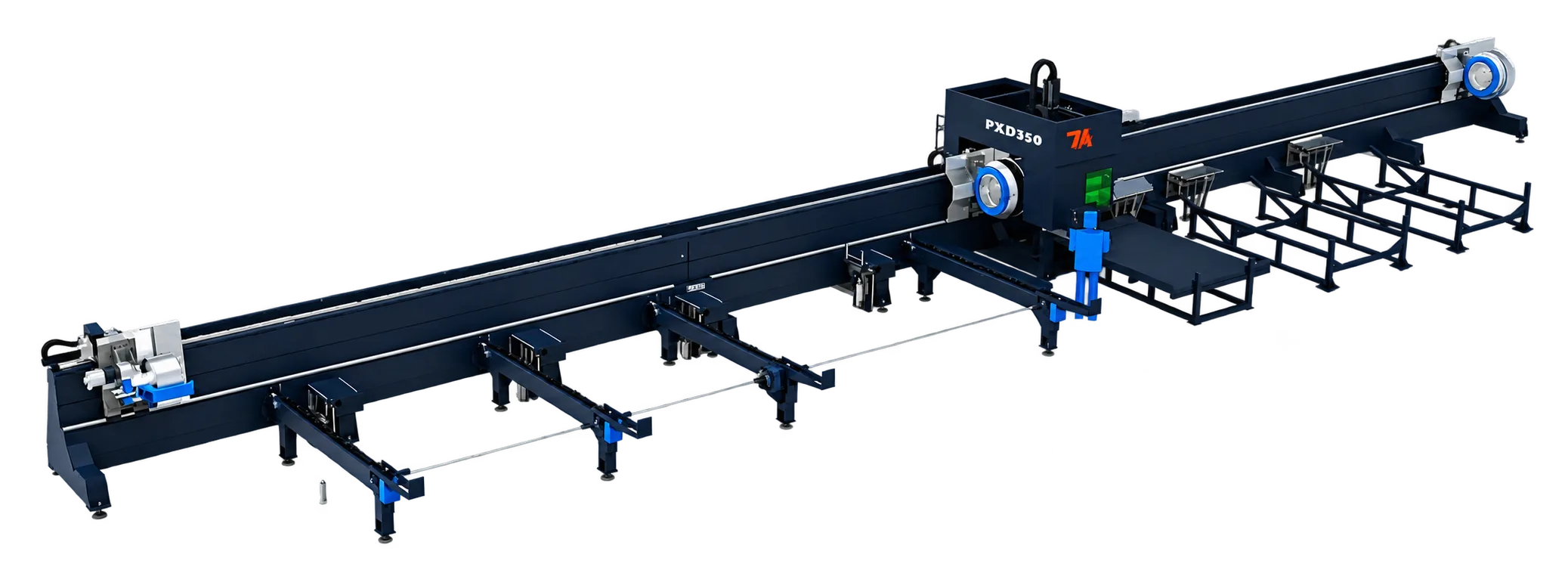
Rotate structural agricultural components to reach multiple faces for laser cutting, trimming and hole-making.
View details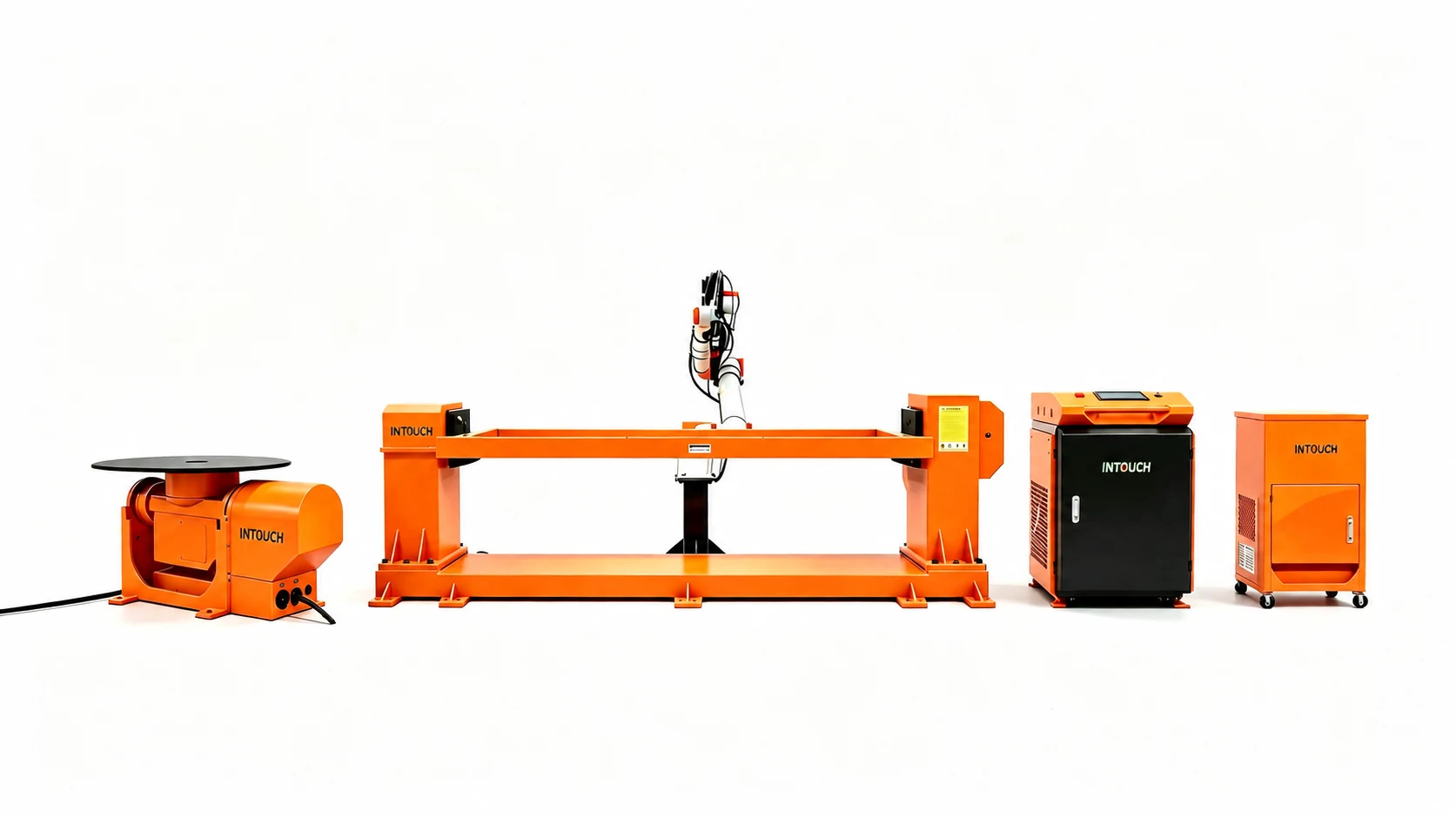
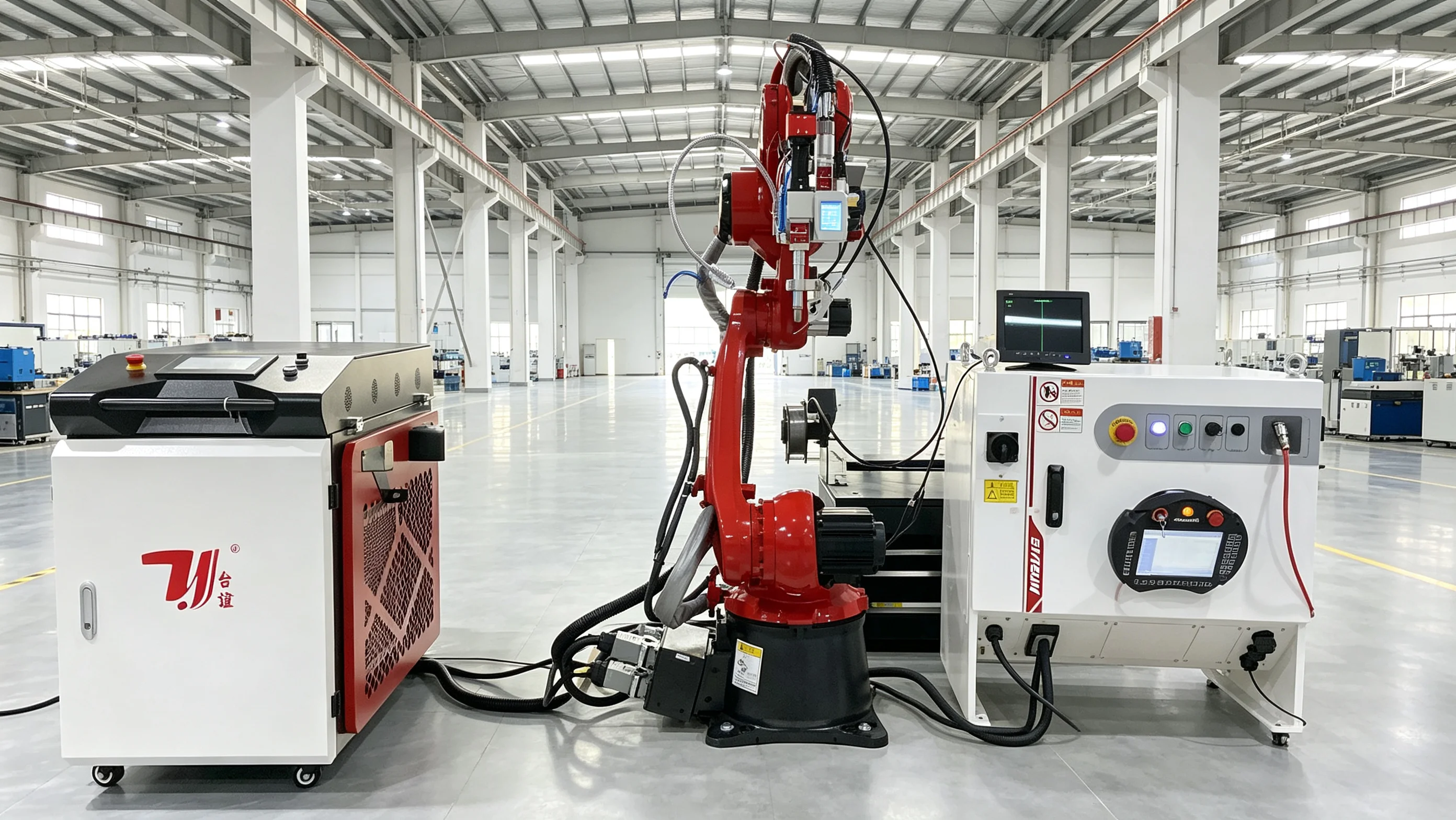
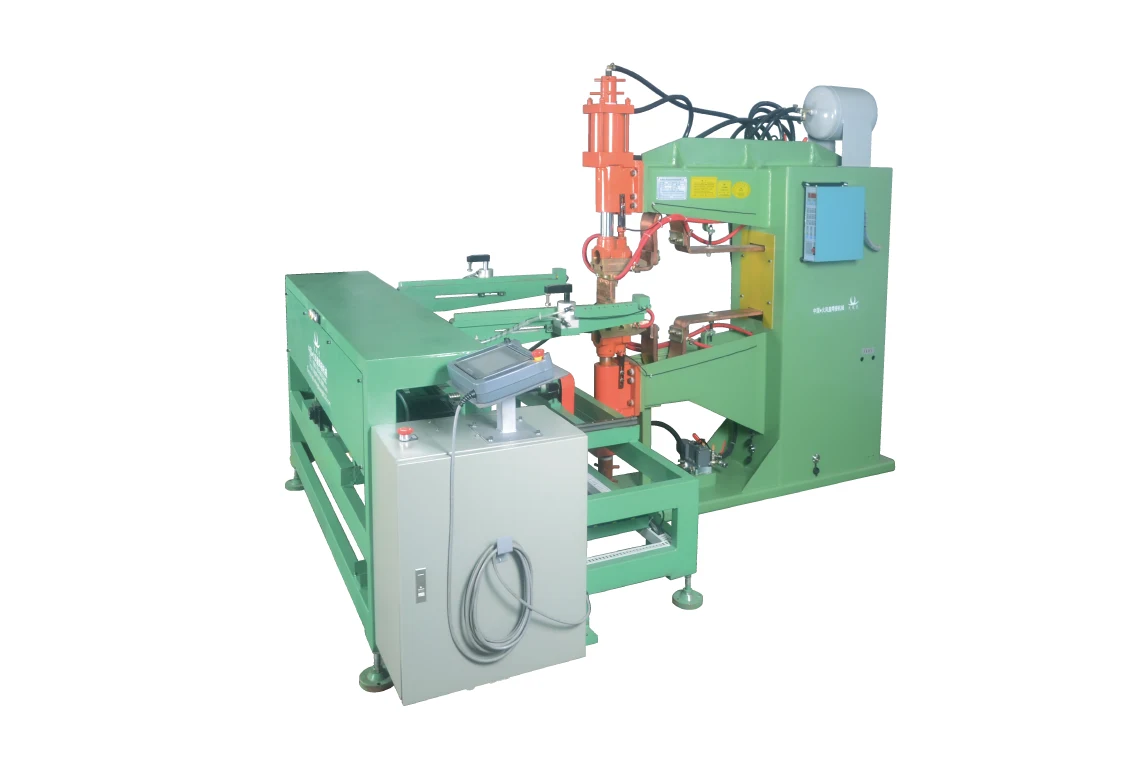
Weld agricultural frames and structural equipment parts using a collaborative MIG/MAG system and suitable fixtures.
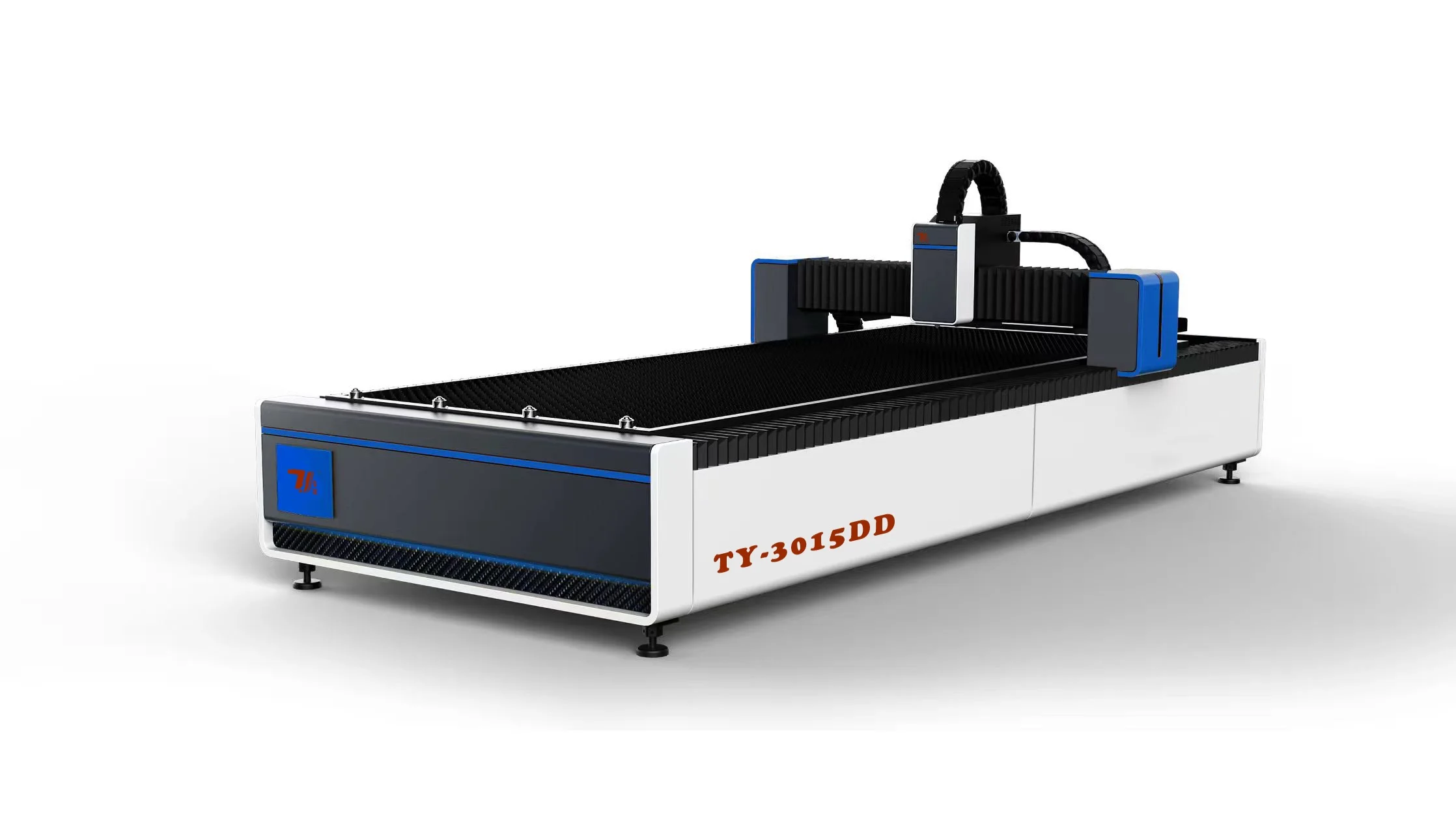
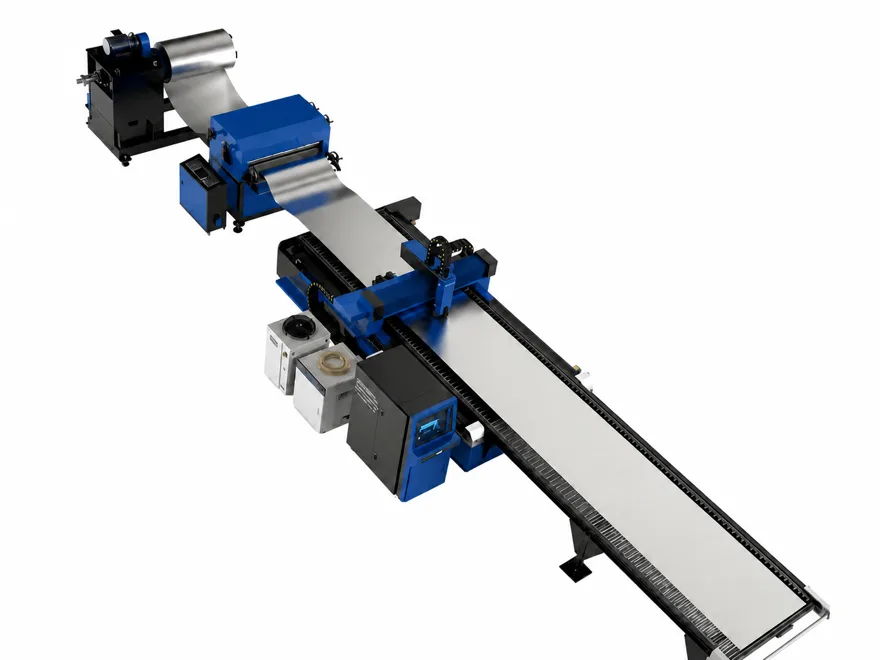
View detailsCut cab panels, chassis and frames, with tube and profile cut-to-length for high-strength and wear-resistant steels.
Join gearbox housings, frames, headers and augers, along with hydraulic cylinders and pipes.
Apply wear-resistant cladding to ploughshares, rotary tiller blades and harvesting tools.
Strengthen shaft and gear surfaces, with laser hardening for sprockets and guide rails.
The scope covers panels and structural parts, welded frames and housings, hydraulic components, and working tools or transmission surfaces requiring wear treatment. The actual equipment is selected from the part requirements.
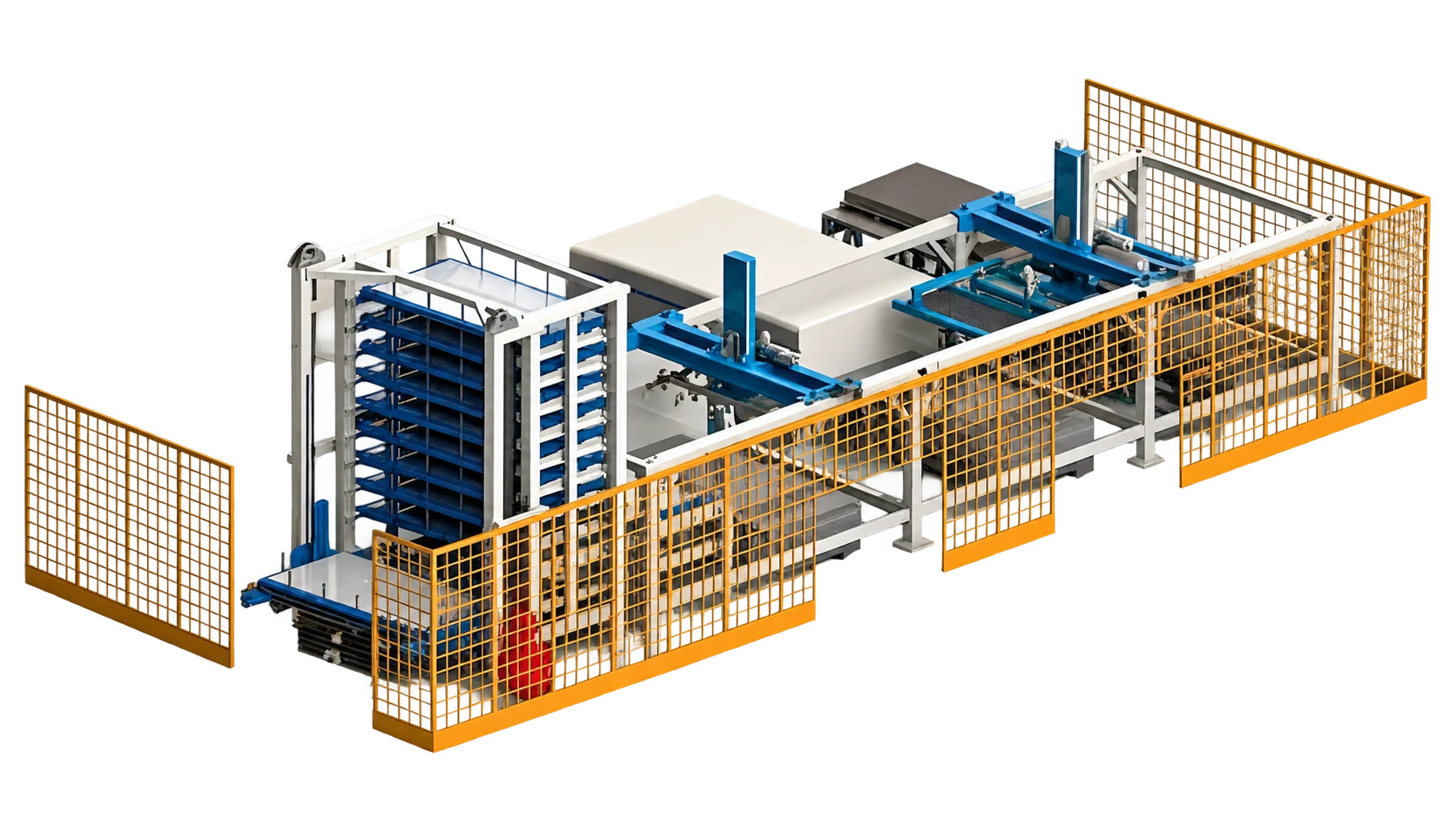
The largest stock and required parts determine the cutting format to review, alongside thickness, grade and loading arrangement. Include handling space and how cut parts leave the machine.
No. Material grade, thickness, cutting configuration and the required edge result must be reviewed together. Confirm the selected machine against the actual part specification.
Cladding deposits material for a defined working surface or restoration task. Laser hardening treats the existing surface without adding a cladding layer. Choose according to substrate, wear condition and required result.
For new parts, send drawings, grades, thicknesses, joints and production targets. For worn parts, add condition photographs, the wear location, original and remaining dimensions, and the operating conditions the surface must withstand.
Request a quote
Describe your agricultural components, material, thickness and production requirements. For worn parts, include the wear location and operating conditions; for new parts, describe the cutting or welding task.