
Machine family01
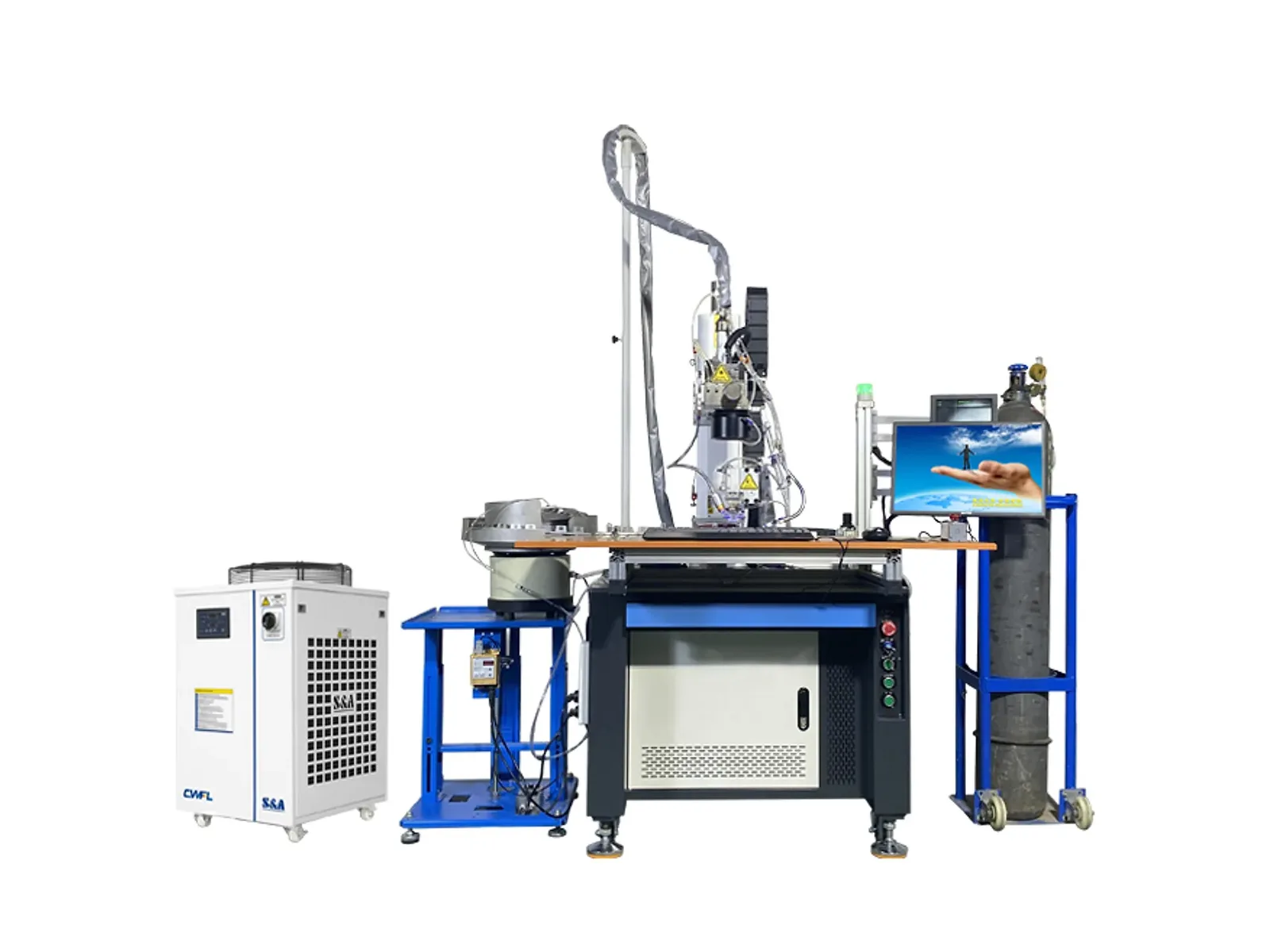
Sink clamp laser welding machine
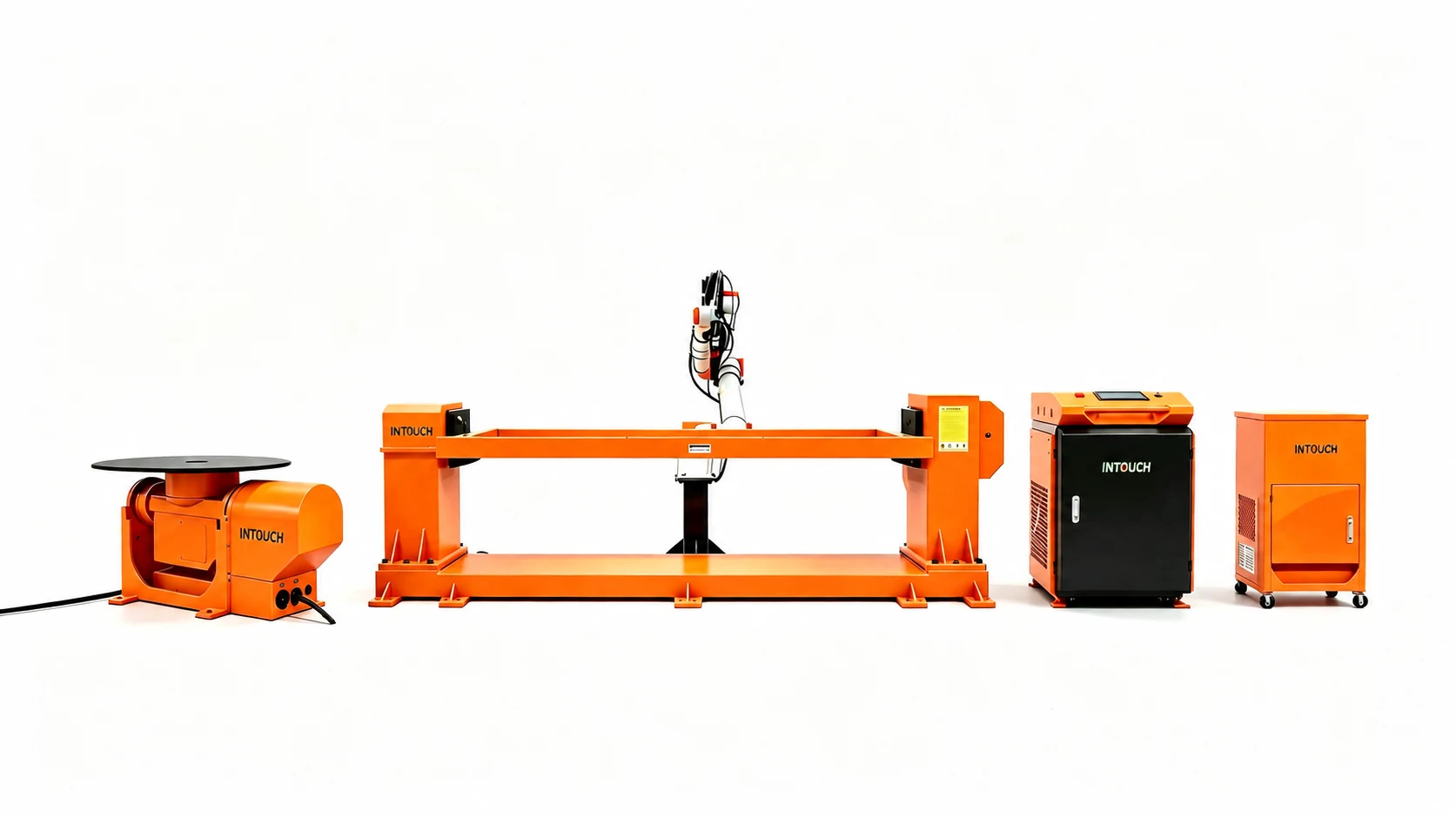
Dedicated fixture-based system with 1.5-6 kW power, 8-80 mm/s welding speed and ±0.02 mm positioning for stainless-steel sink clamps and accessories.
View details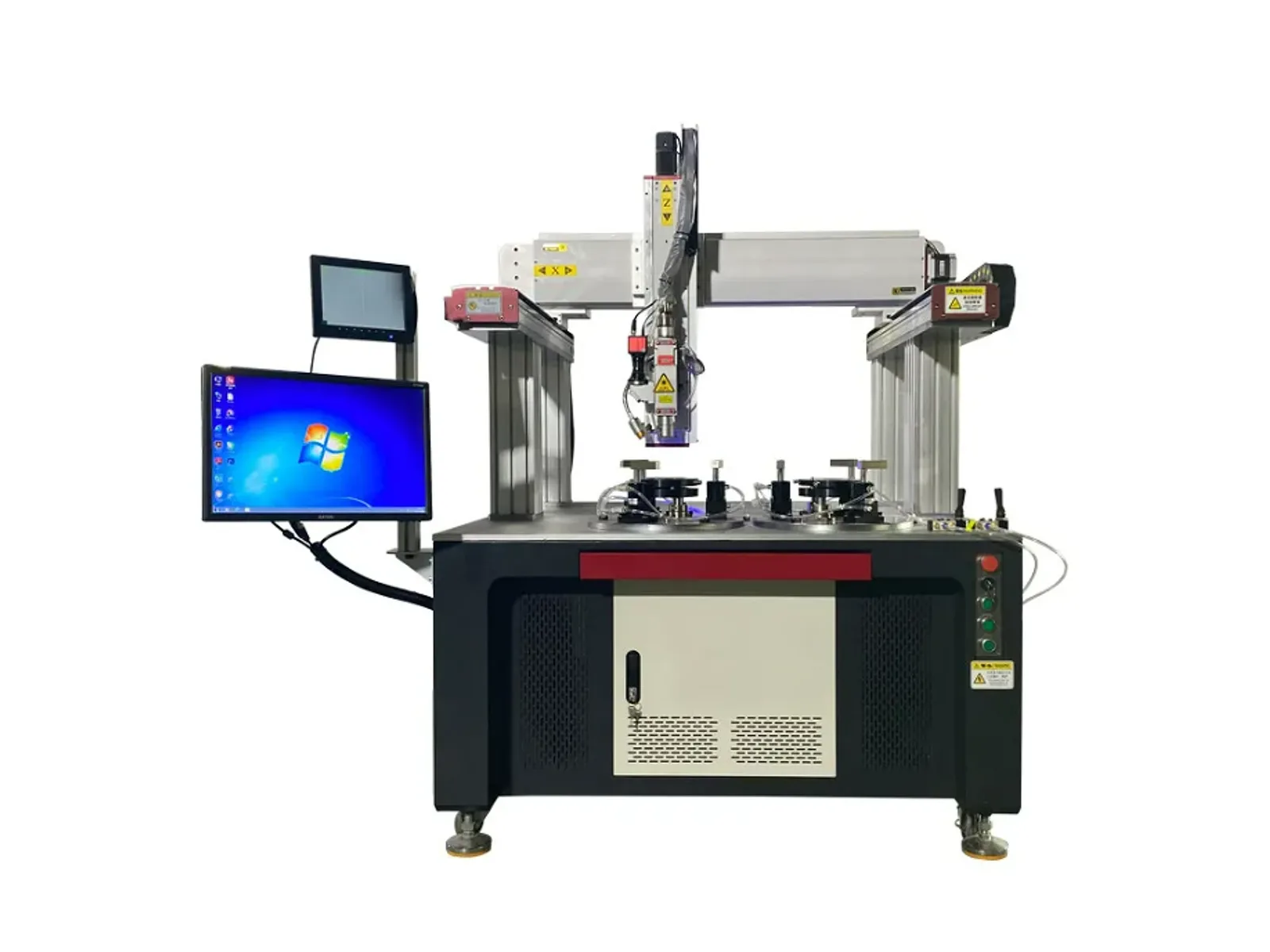 Gantry automatic laser welding machineServo multi-axis gantry system with CCD positioning, 1.5-6 kW configurations and a custom working stroke for the submitted workpiece.
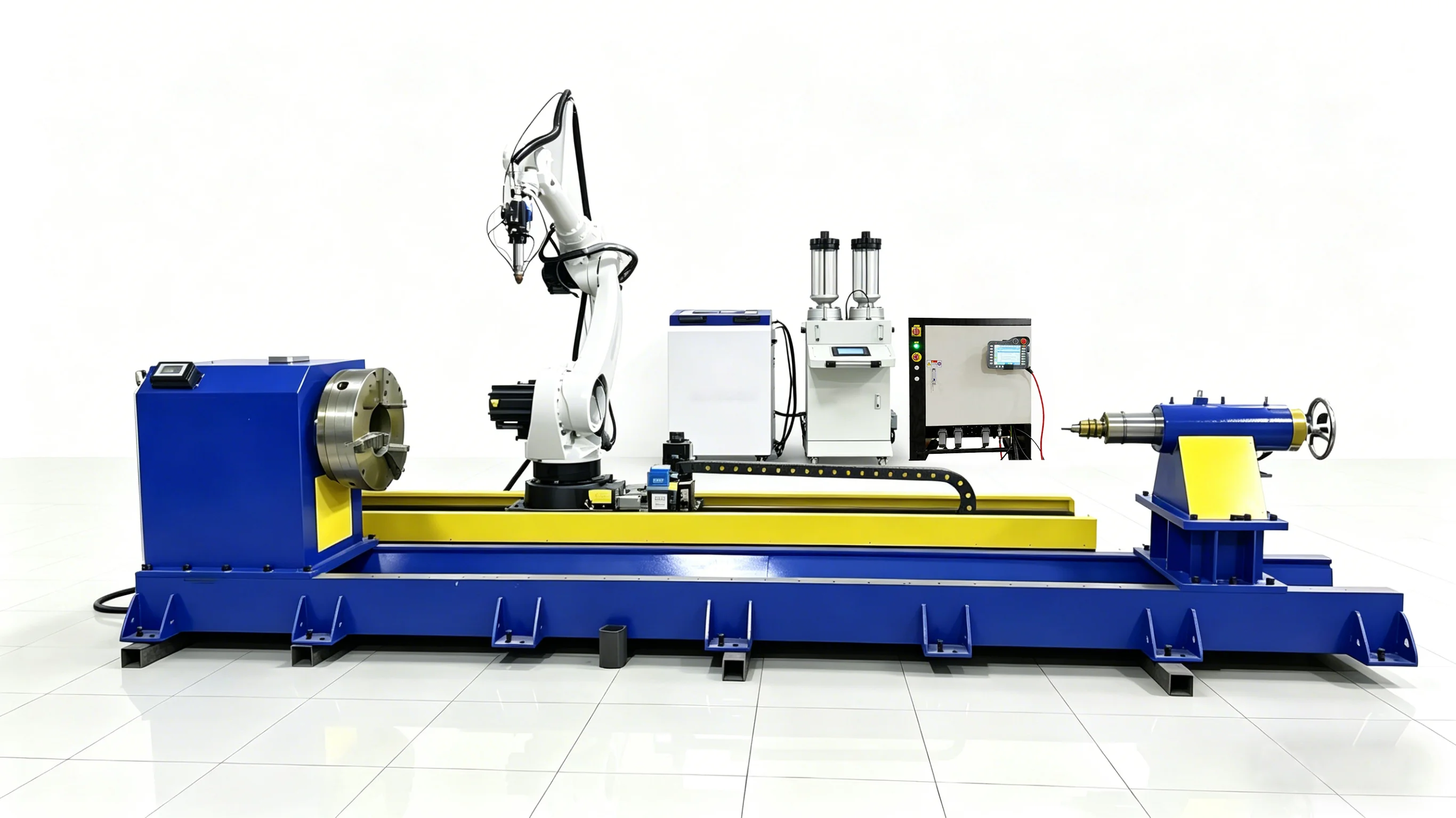
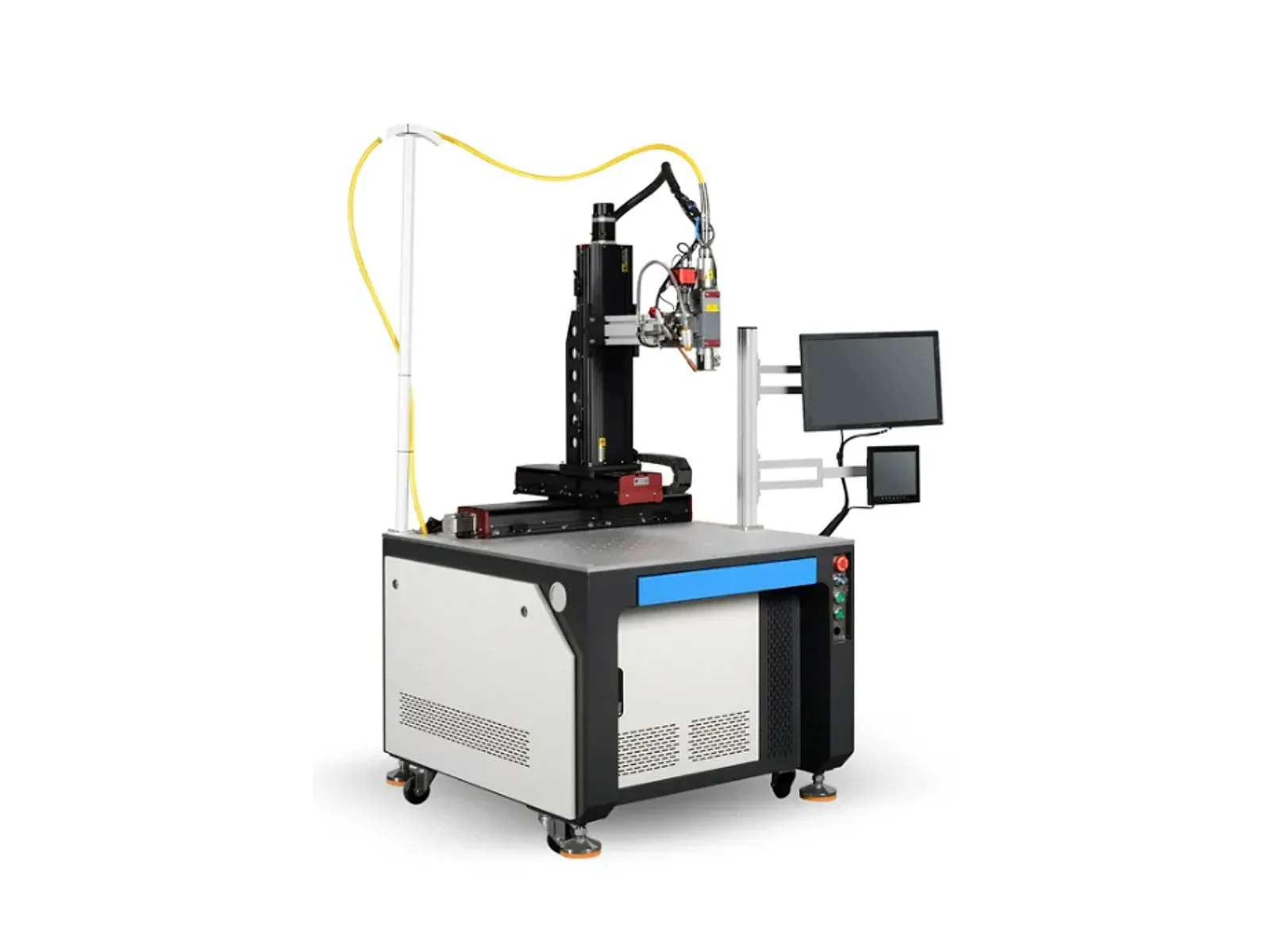 Four-axis automatic laser welding machineFour-axis linkage with CCD-assisted positioning, 1-6 kW configurations and ±0.02 mm repeat positioning for curved and special-shaped weld paths.
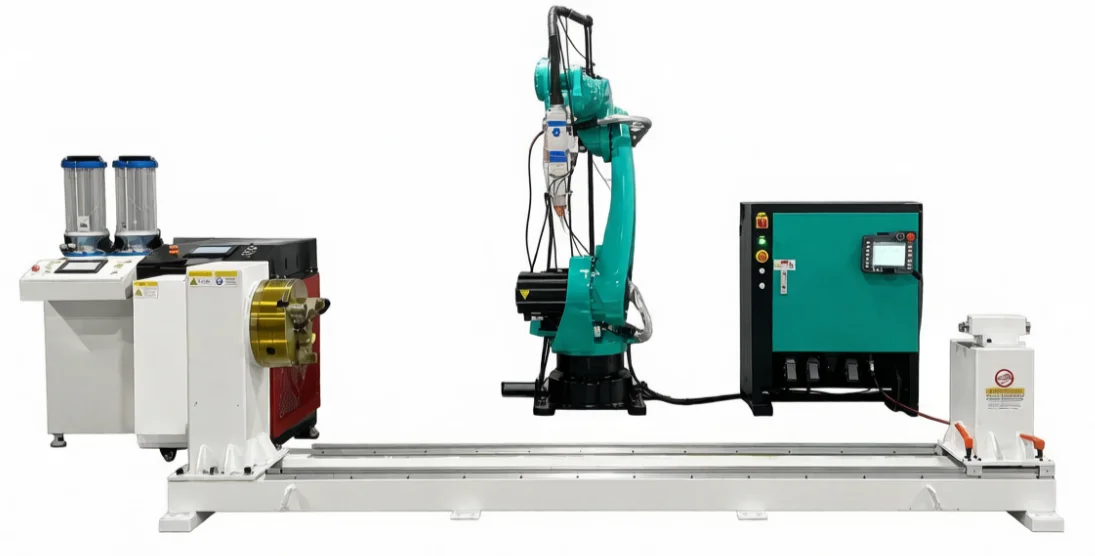
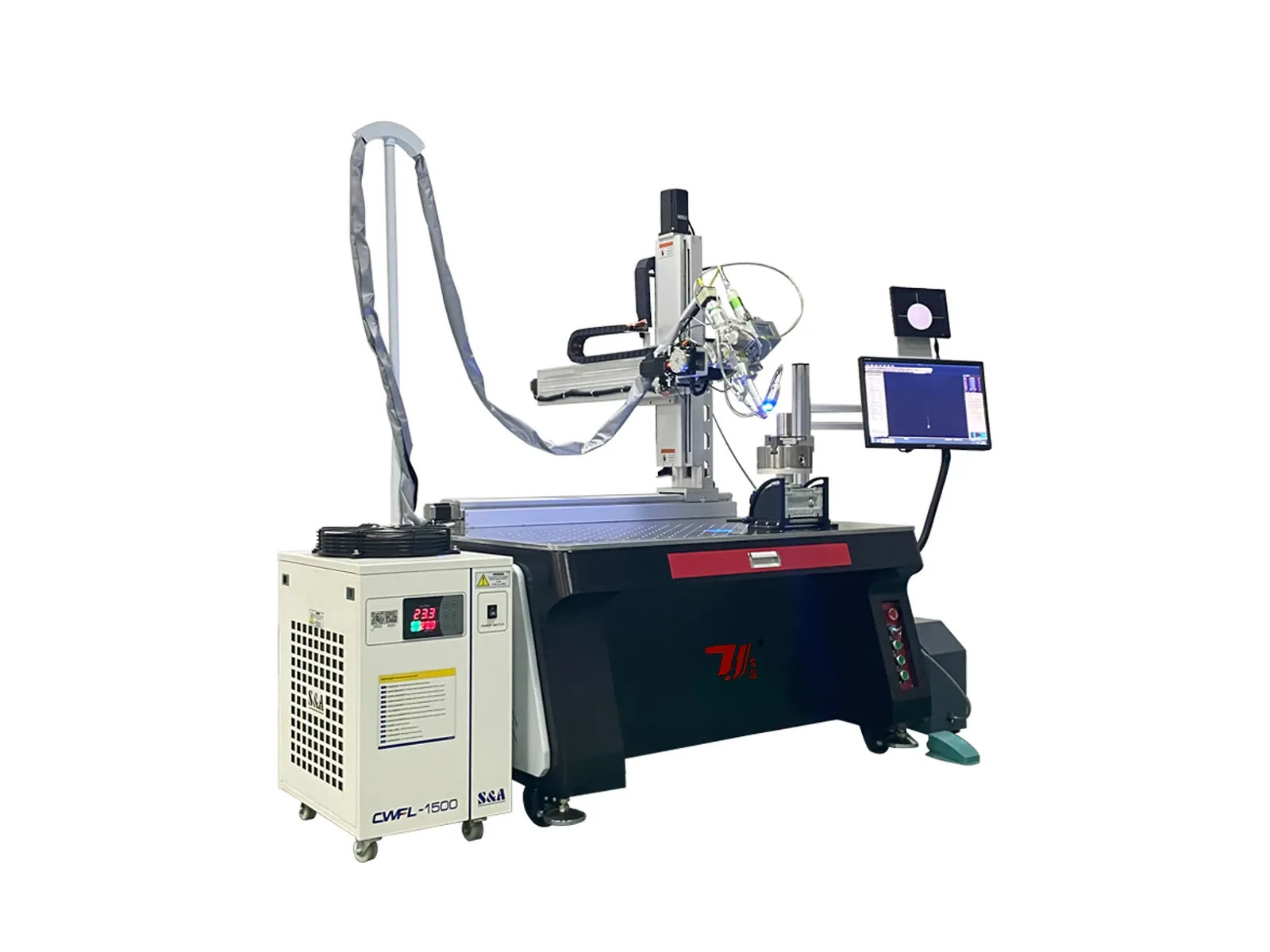 Five-axis automatic laser welding machineFive-axis servo linkage with CCD positioning, 1-6 kW configurations and ±0.02 mm repeat positioning for three-dimensional curved and special-shaped seams.
Plan laser welding and cutting around the seams, openings and visible surfaces of sinks, kettles, showerheads and tee fittings. Compare the related equipment, then define workholding, loading and the finish required from each operation.
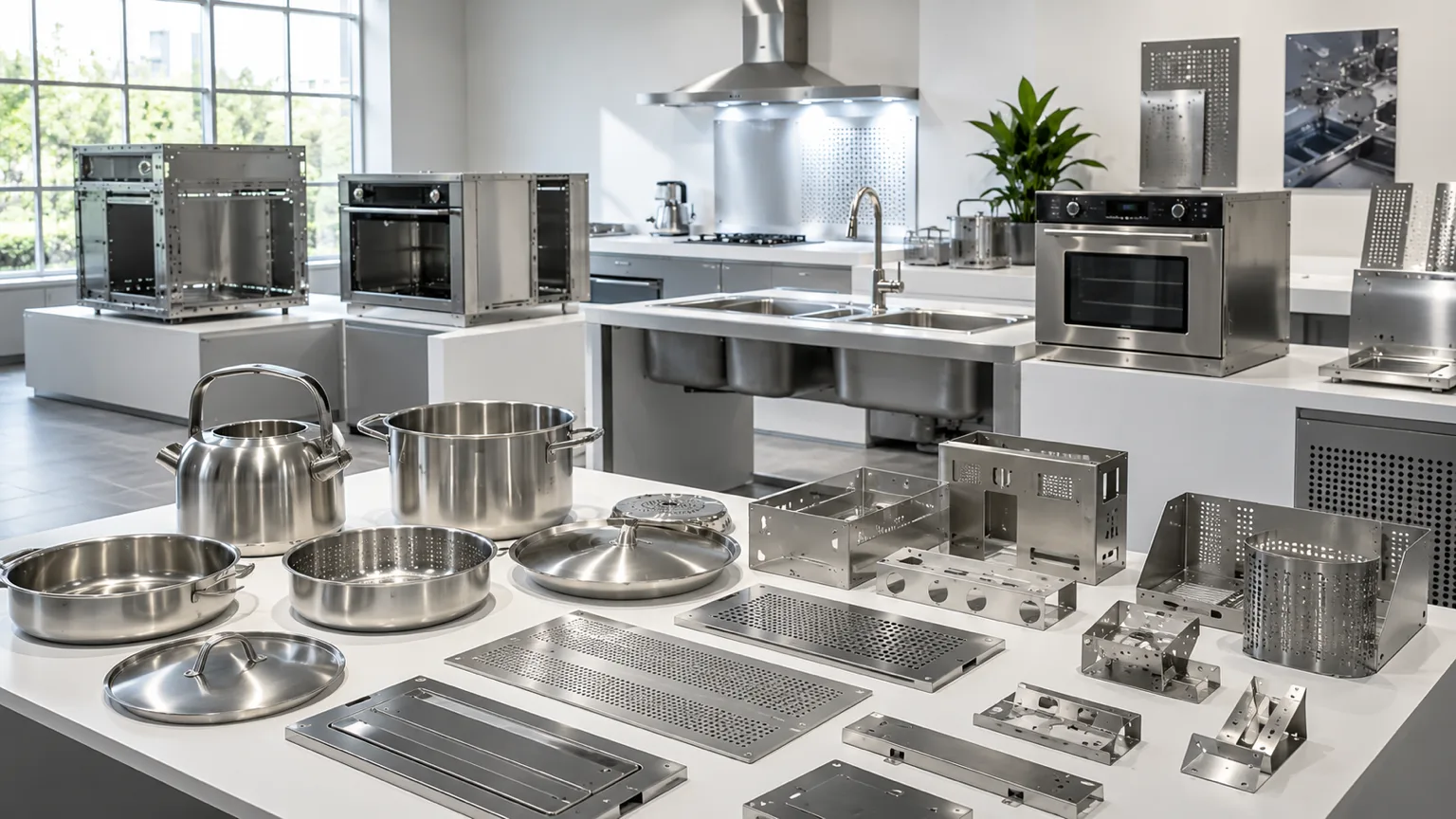
Kitchen and sanitary assemblies combine different joint paths and appearance requirements. Begin with the part drawing and assembly sequence: a sink corner, kettle bottom, spout joint and tee end face need different access and fixtures. Cleaning and identification marking can be discussed within the process scope; each operation and its equipment must be confirmed for the project.
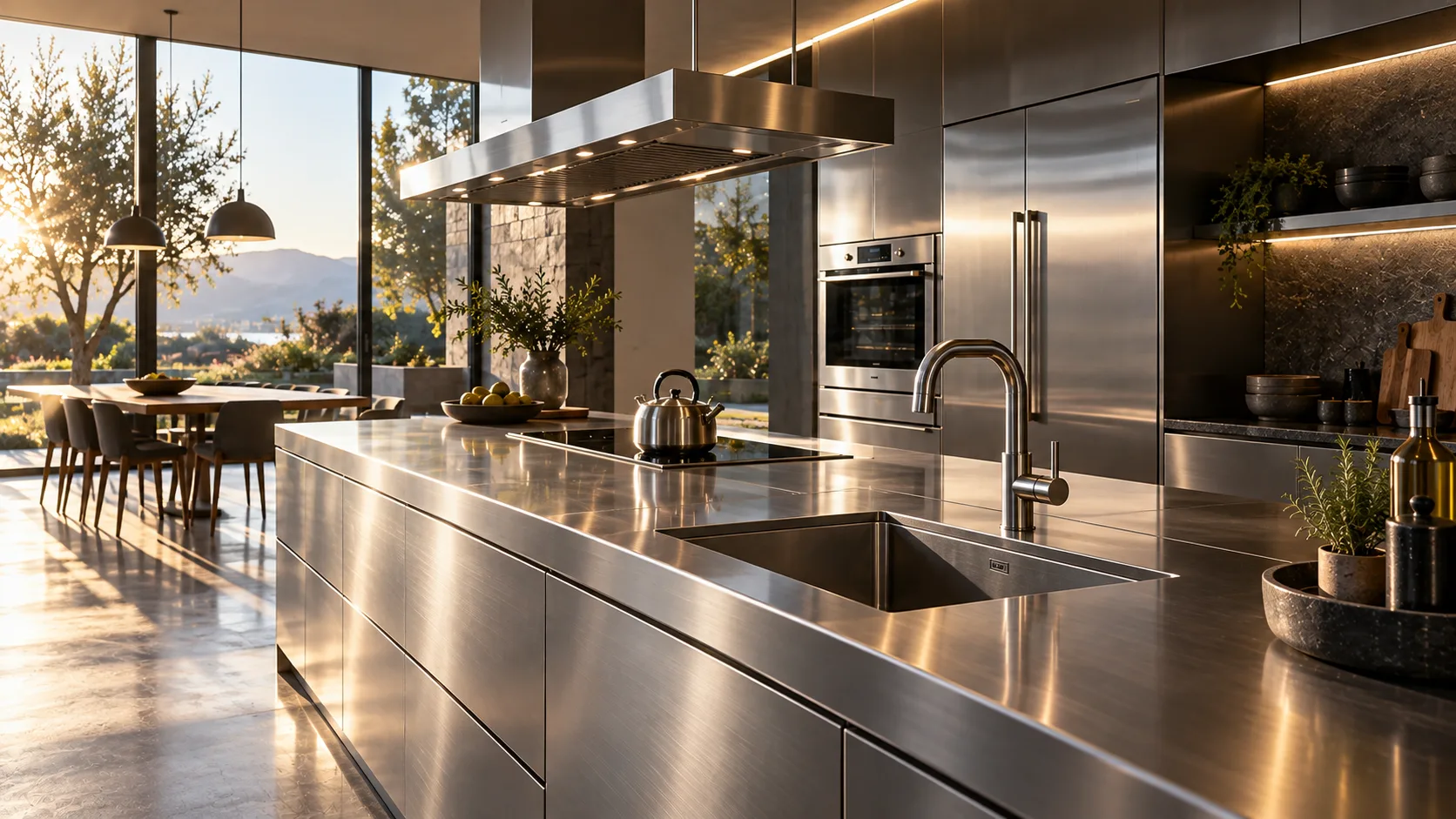
Review circular, square or rectangular showerheads with the joint location, material thickness and appearance requirement marked. Manual or semi-automatic fixtures can be configured around the geometry and loading sequence.
Agree joint alignment, inspection and visible-finish criteria before accepting a welding setup.
Define the tube sections, cut lengths and mating faces before planning tee assembly. Tube cutting and bevel preparation feed into end-face welding, with manual or semi-automatic fixtures reviewed for access and repeatable fit-up.
Specify the fit-up and any sealing test required; these are acceptance inputs, not automatic results of choosing laser welding.
Map sheet blanking, panel and corner joining, contour trimming, and drain or mounting holes on the sink drawing. Robotic welding or cutting is reviewed around the fixture and access to each operation; identification marking is a separate process requirement.
Evaluate the completed joint and visible surface, including any finishing step required by the sink specification.
Separate straight body seams, circular bottom joints, spout and lid joints, and spout-tube cutting when planning the kettle route. Match the relevant station and fixture to each joint rather than treating the assembly as one welding path.
Define appearance and sealing requirements for the assembly, then agree loading and acceptance for the selected stations.
Explore equipment for the processes above. Fixture and automation choices depend on your part geometry and production requirements.
Dedicated fixture-based system with 1.5-6 kW power, 8-80 mm/s welding speed and ±0.02 mm positioning for stainless-steel sink clamps and accessories.
View details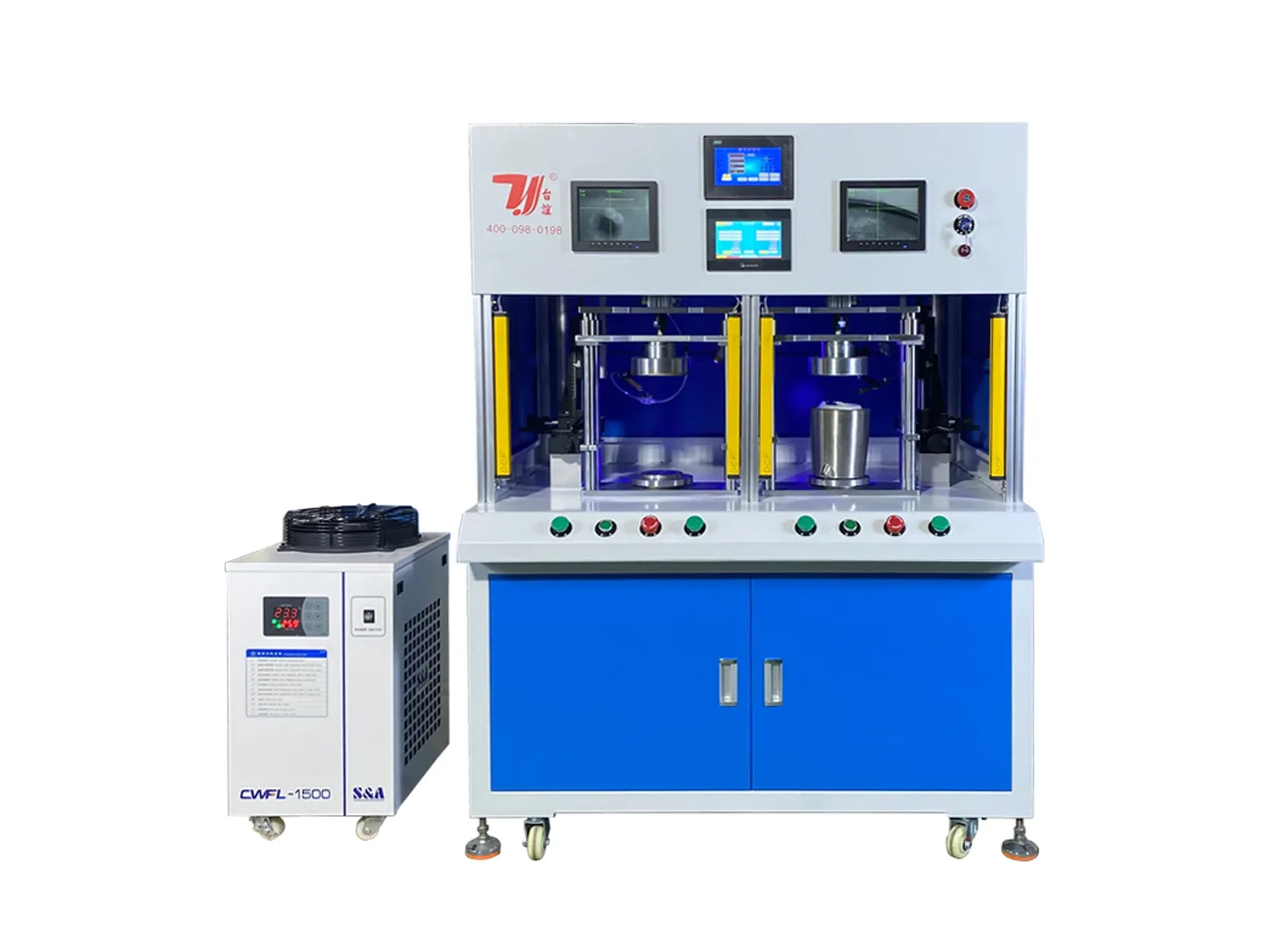
Alternating dual-station system with 1.5-6 kW power, 10-90 mm/s welding speed and ±0.02 mm positioning for kettle and vessel bottoms.
View details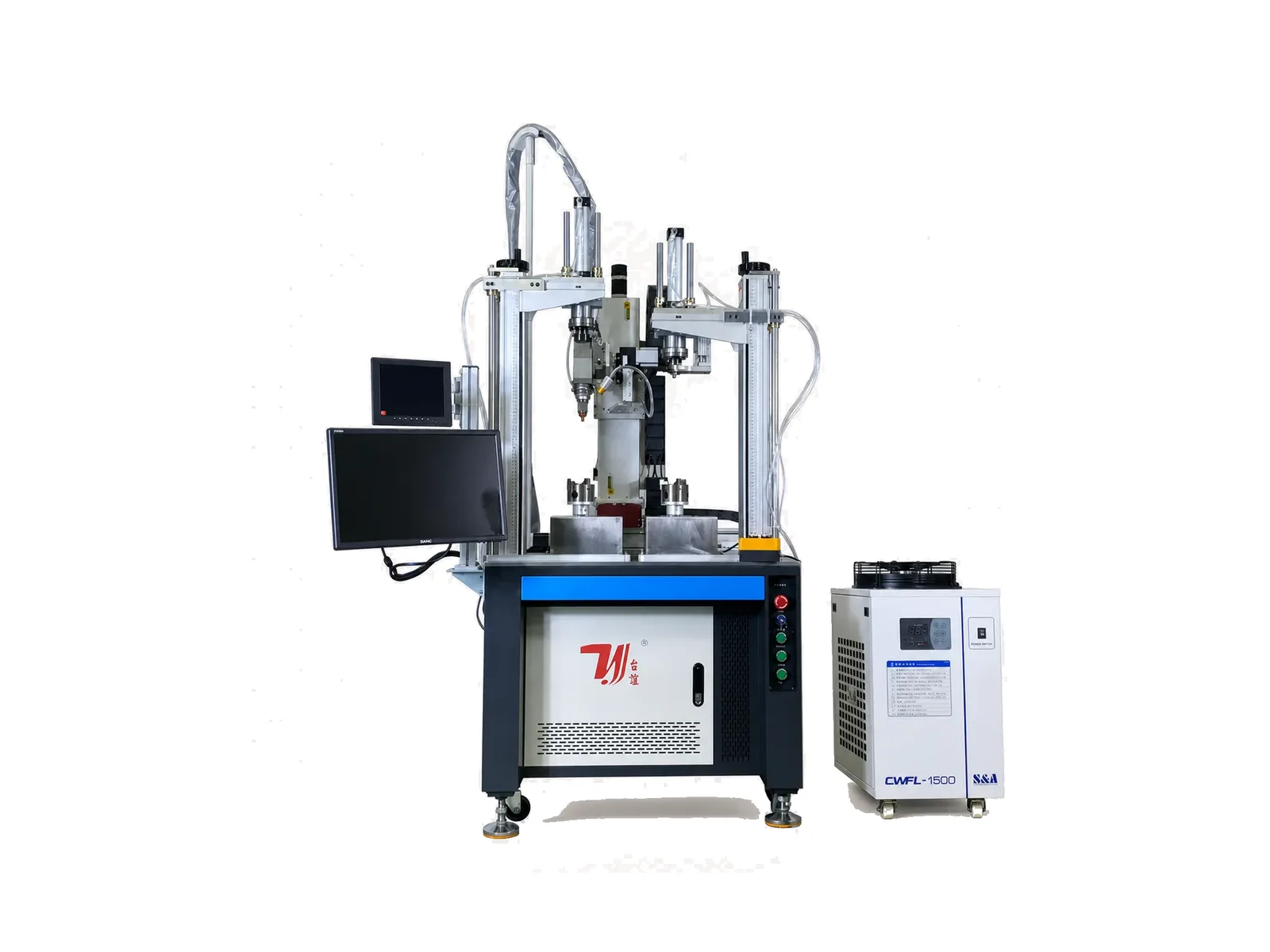
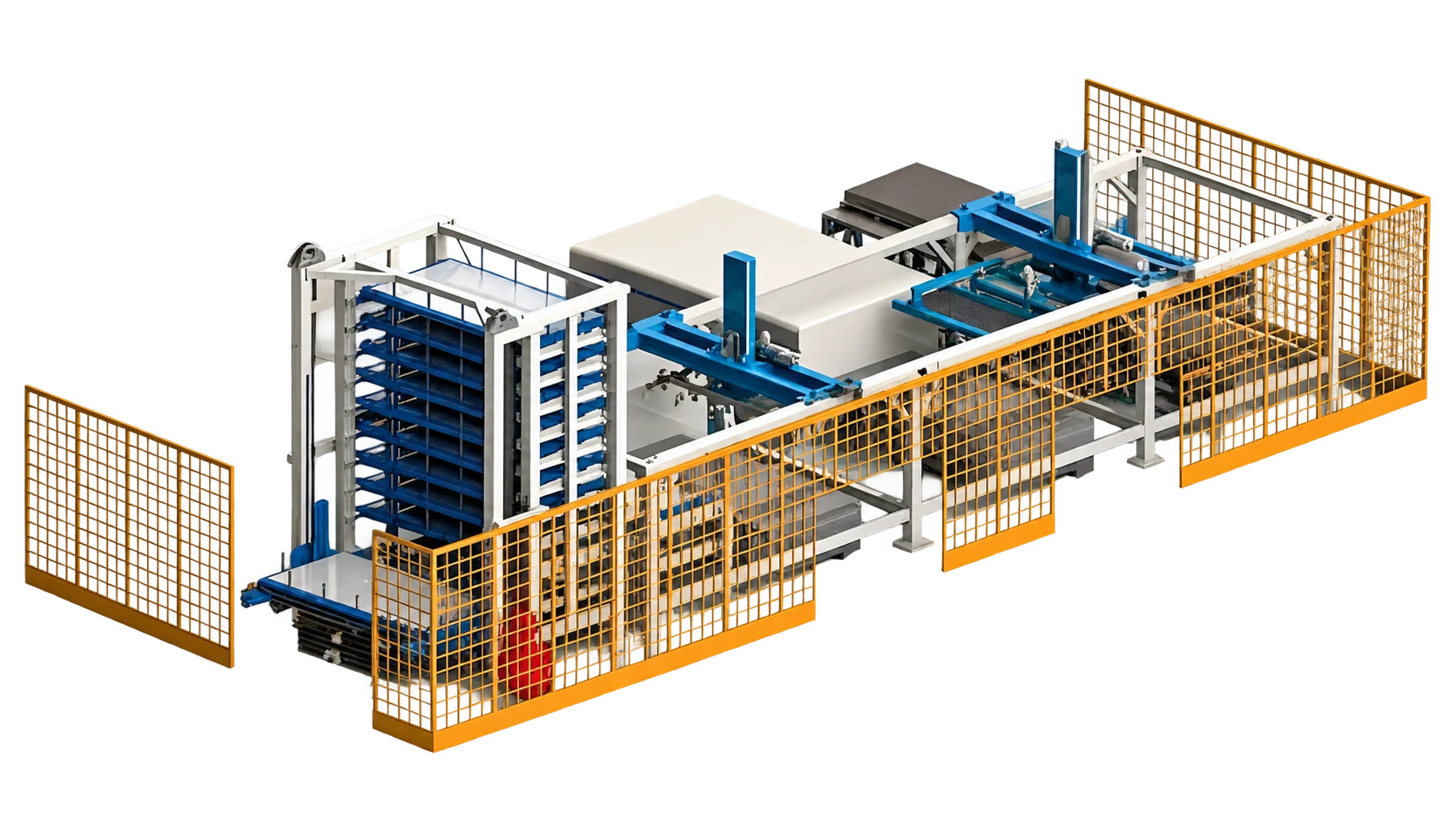
Background-cleaned equipment visualization; final fixture package is project-specific.
Dual-station fixture-guided system with 1.5-6 kW options, CCD-assisted operation and ±0.01 mm repeat precision for faucet bodies and intersecting pipe seams.
View details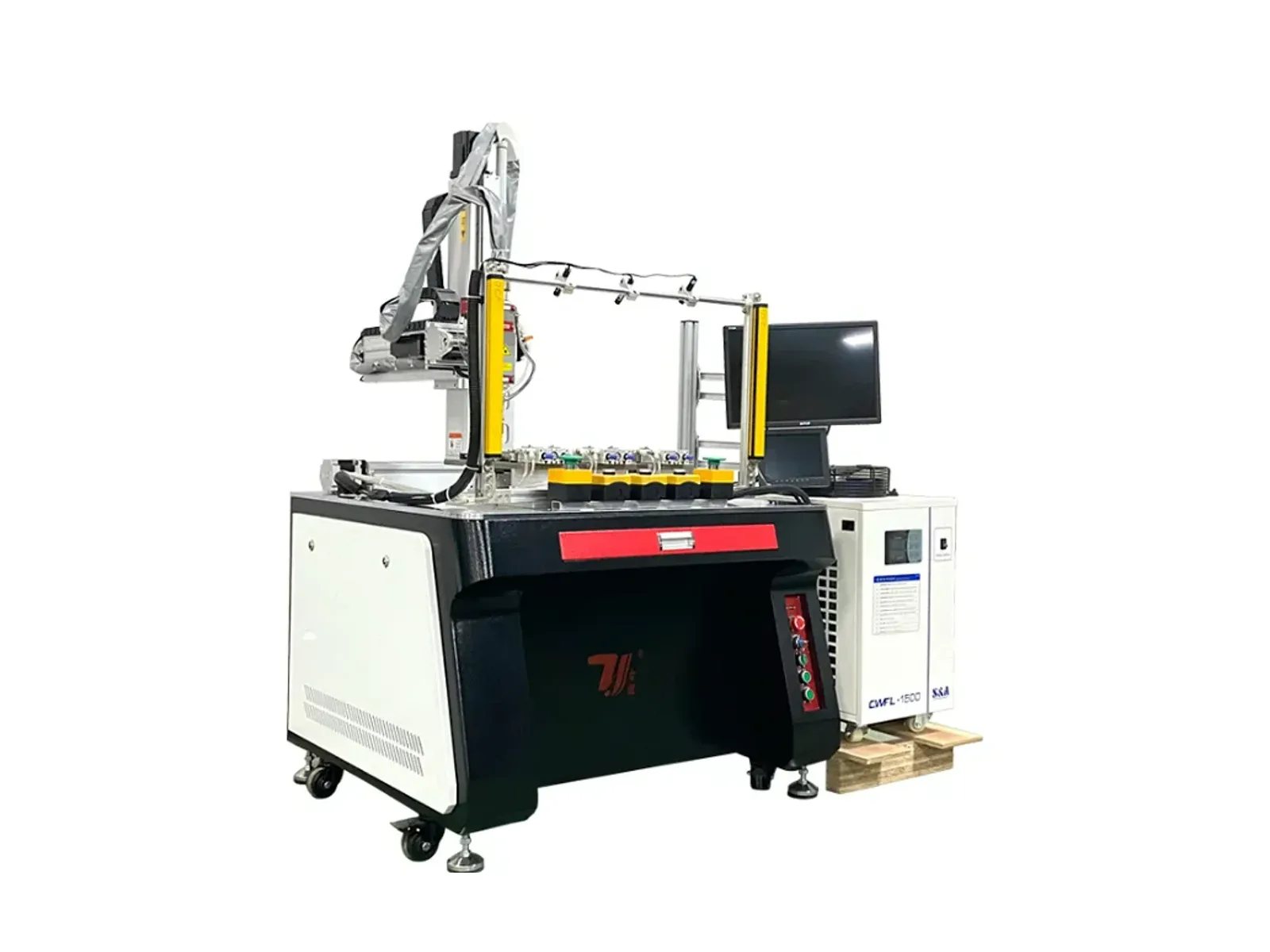
Rotary multi-station system with 1.5-6 kW options, 8-90 mm/s listed speed and custom fixtures for repeat stainless-steel kettle-spout joints.
View details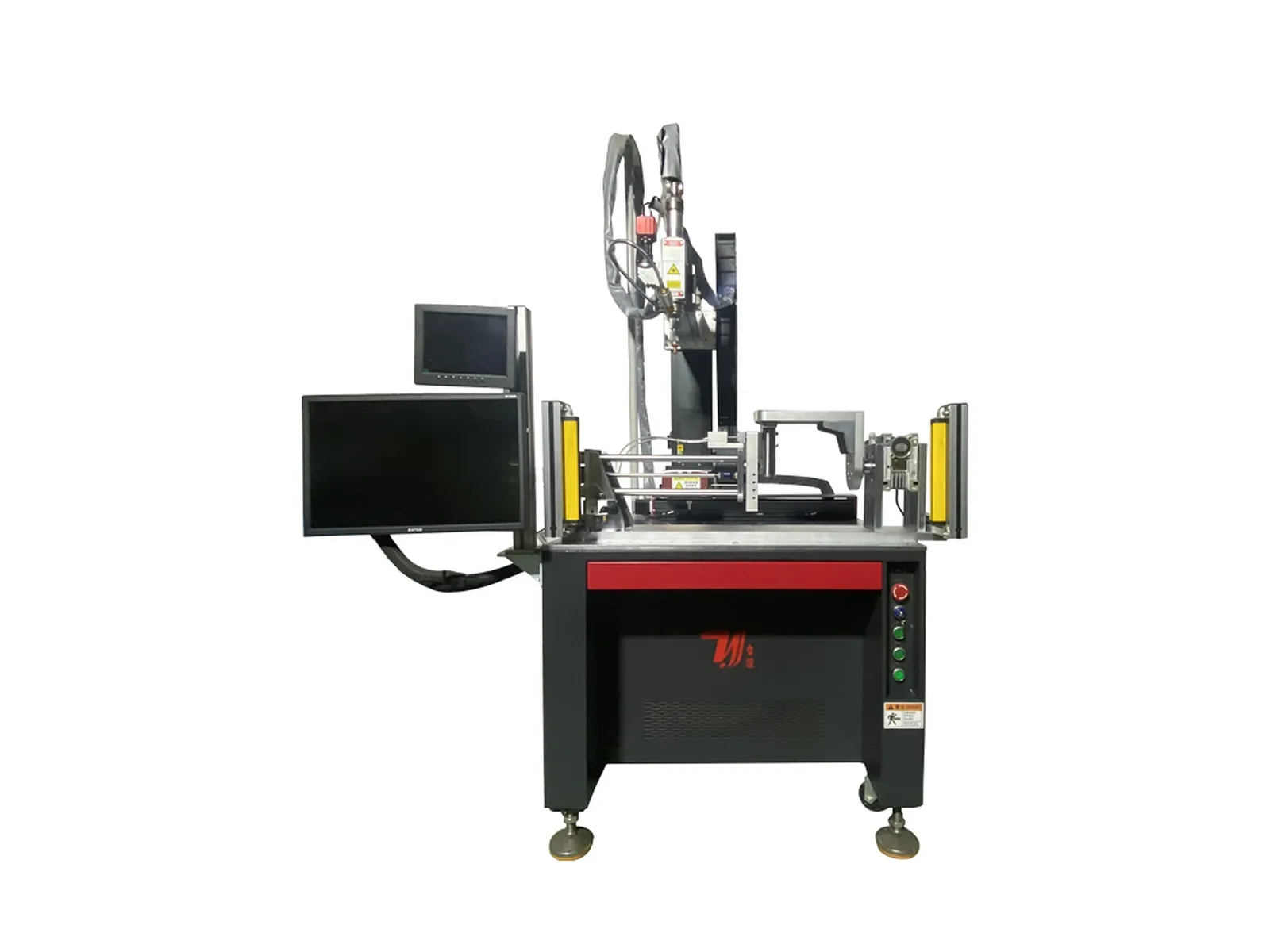
Dedicated rotary-fixture system with CCD support, 1.5-6 kW listed options, 8-90 mm/s speed and ±0.02 mm positioning for kettle and coffee-pot spout joints.
View details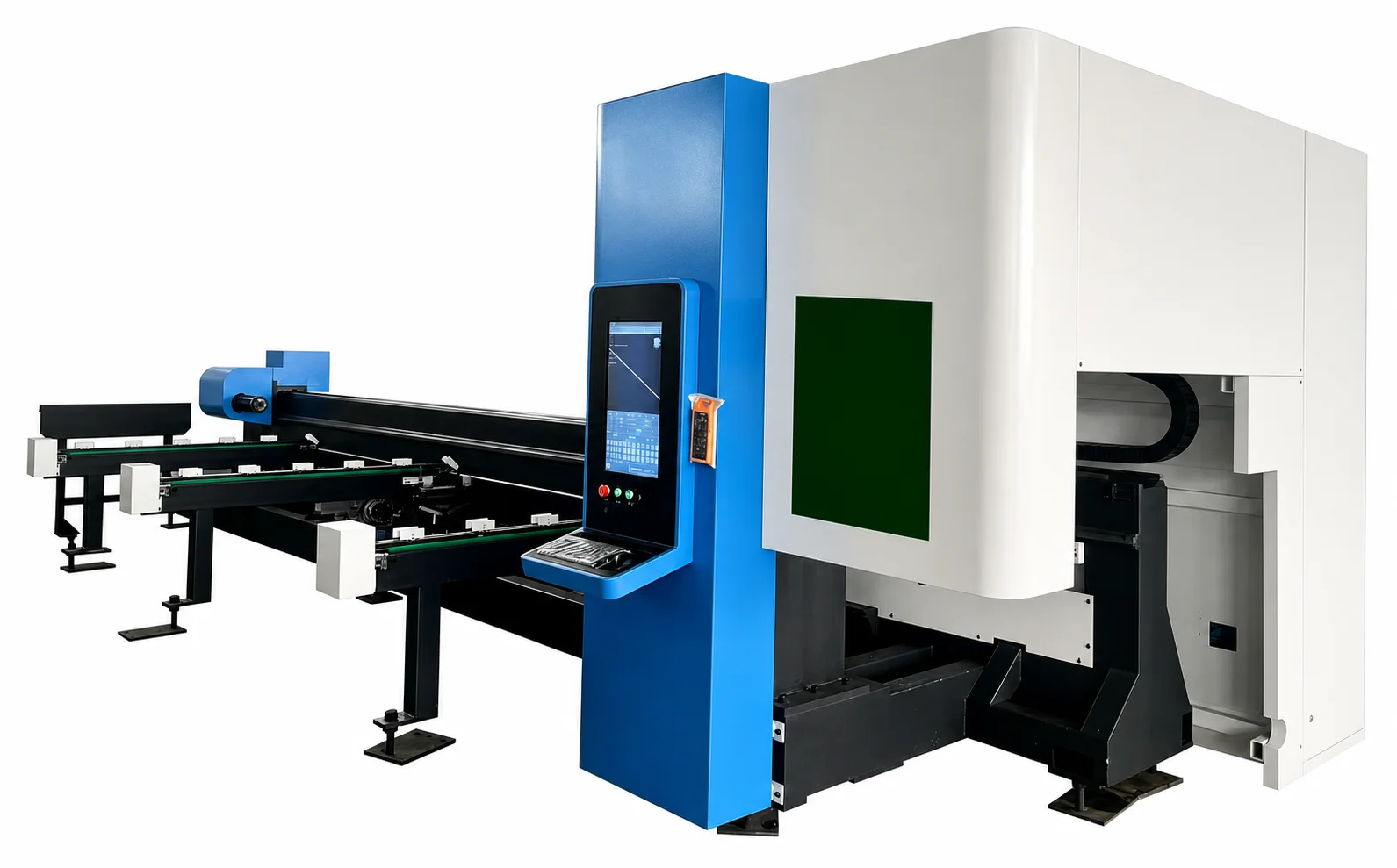
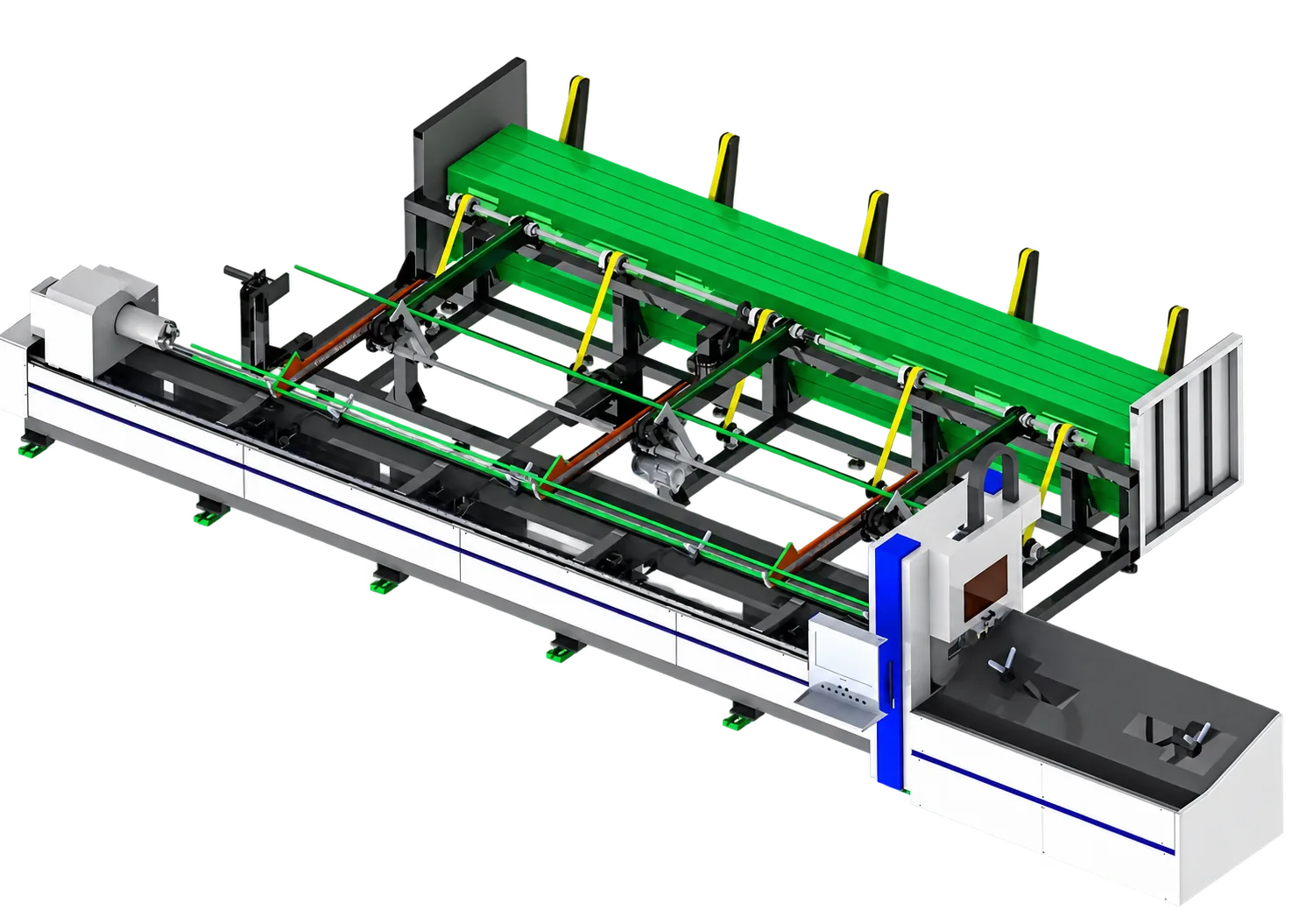
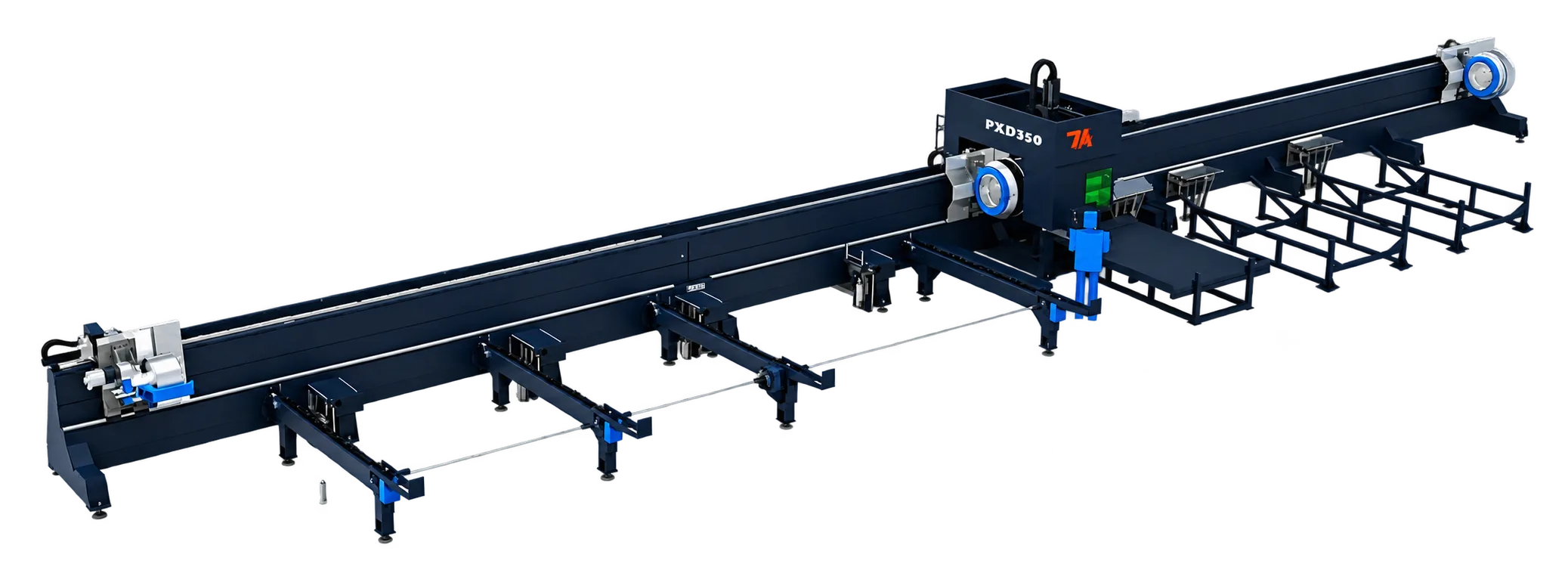
Operator-assisted tube-cutting systems with 1.2–6 kW options and 100 m/min listed positioning speed.
View details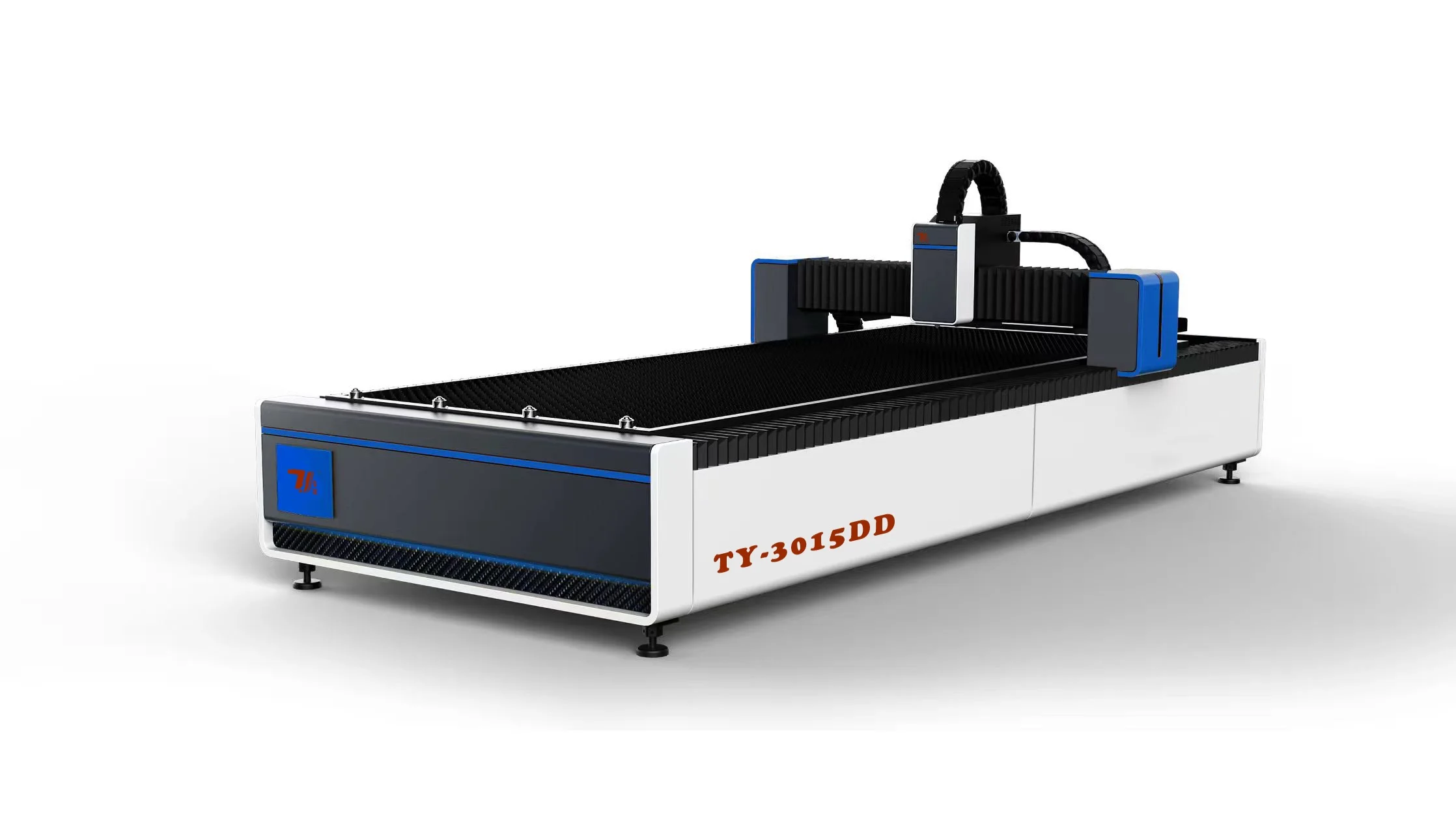
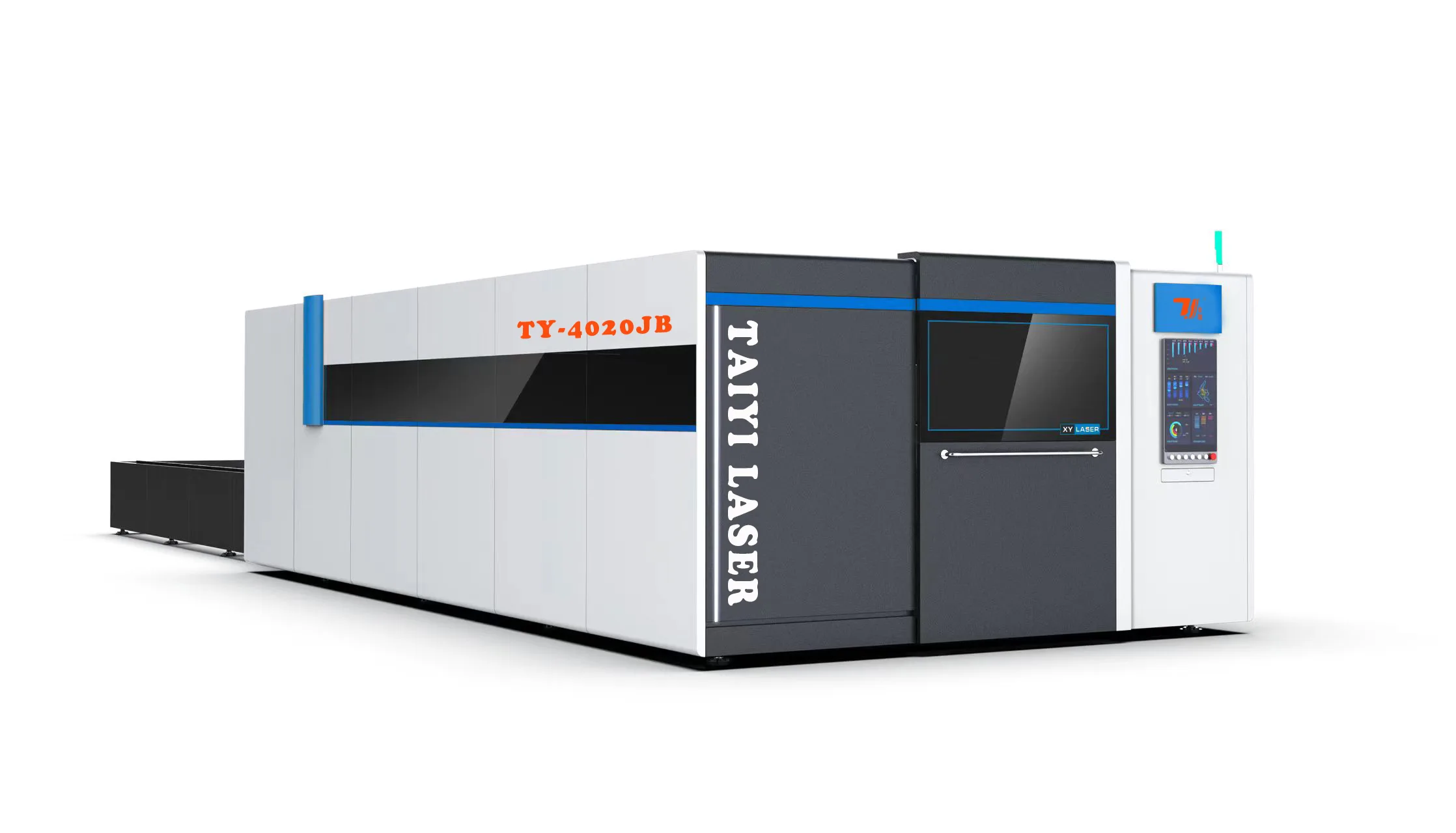
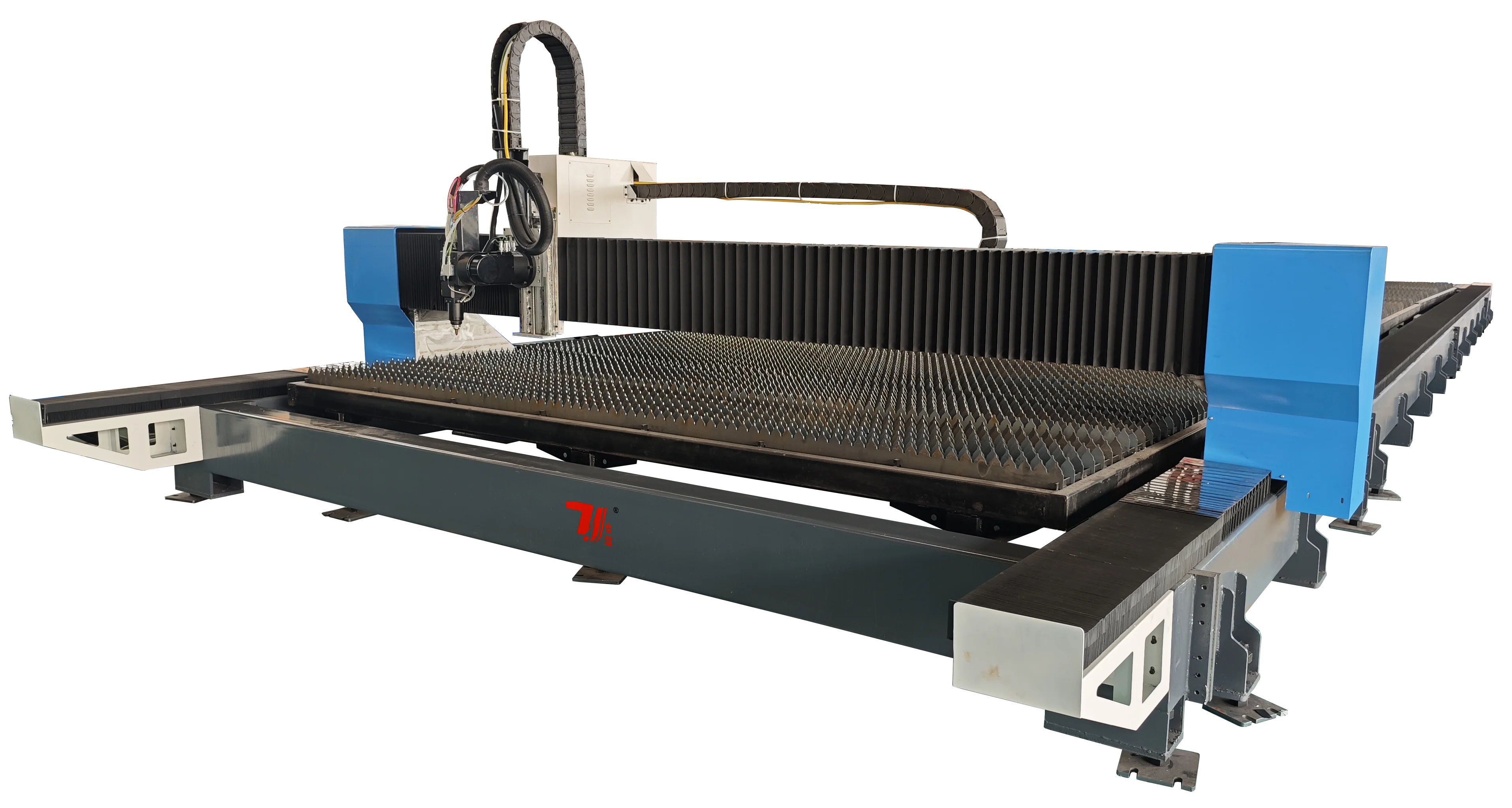
Open single-table systems for general sheet-metal cutting requirements.
View details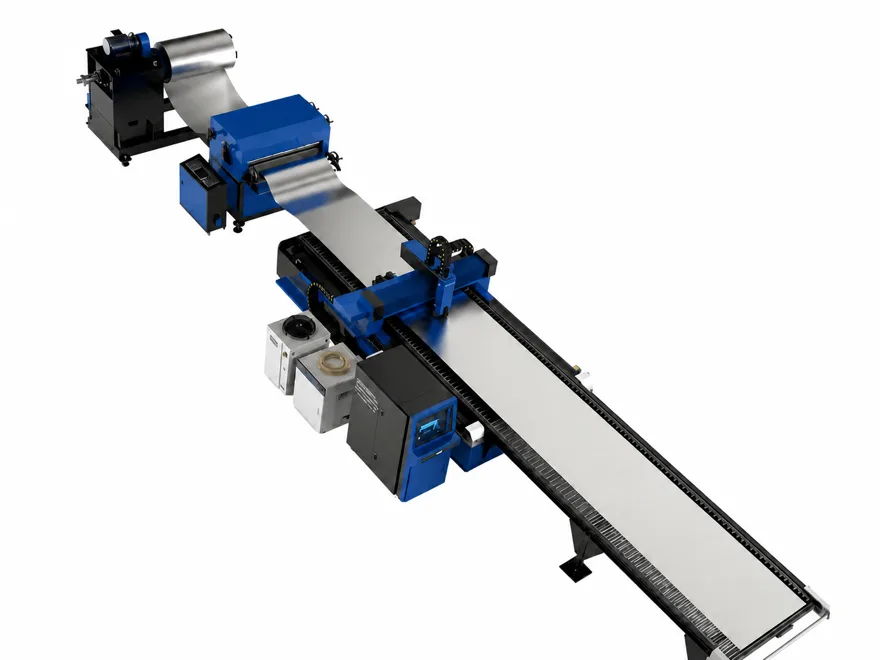
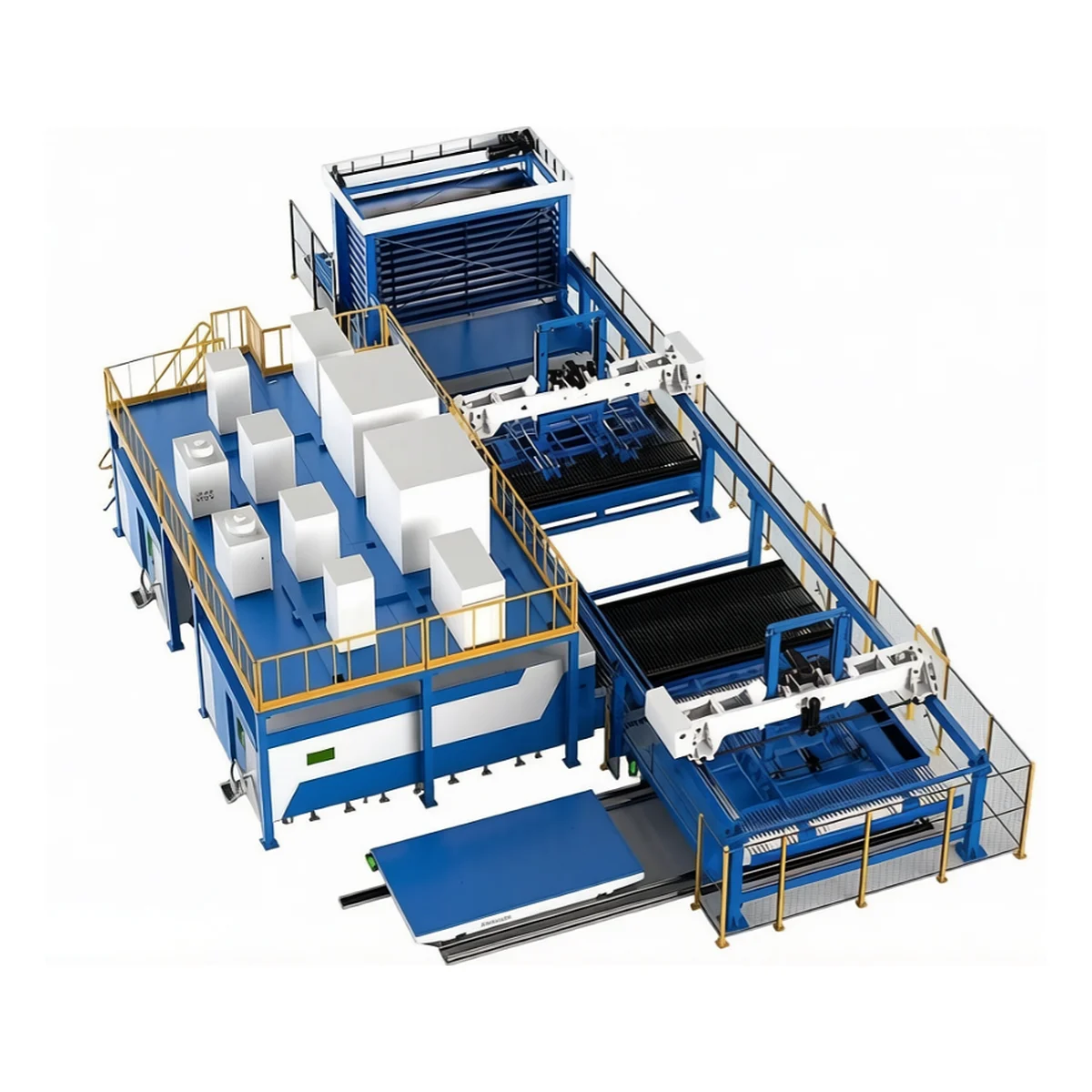
Integrated uncoiling, leveling, feeding and laser blanking production line.
View details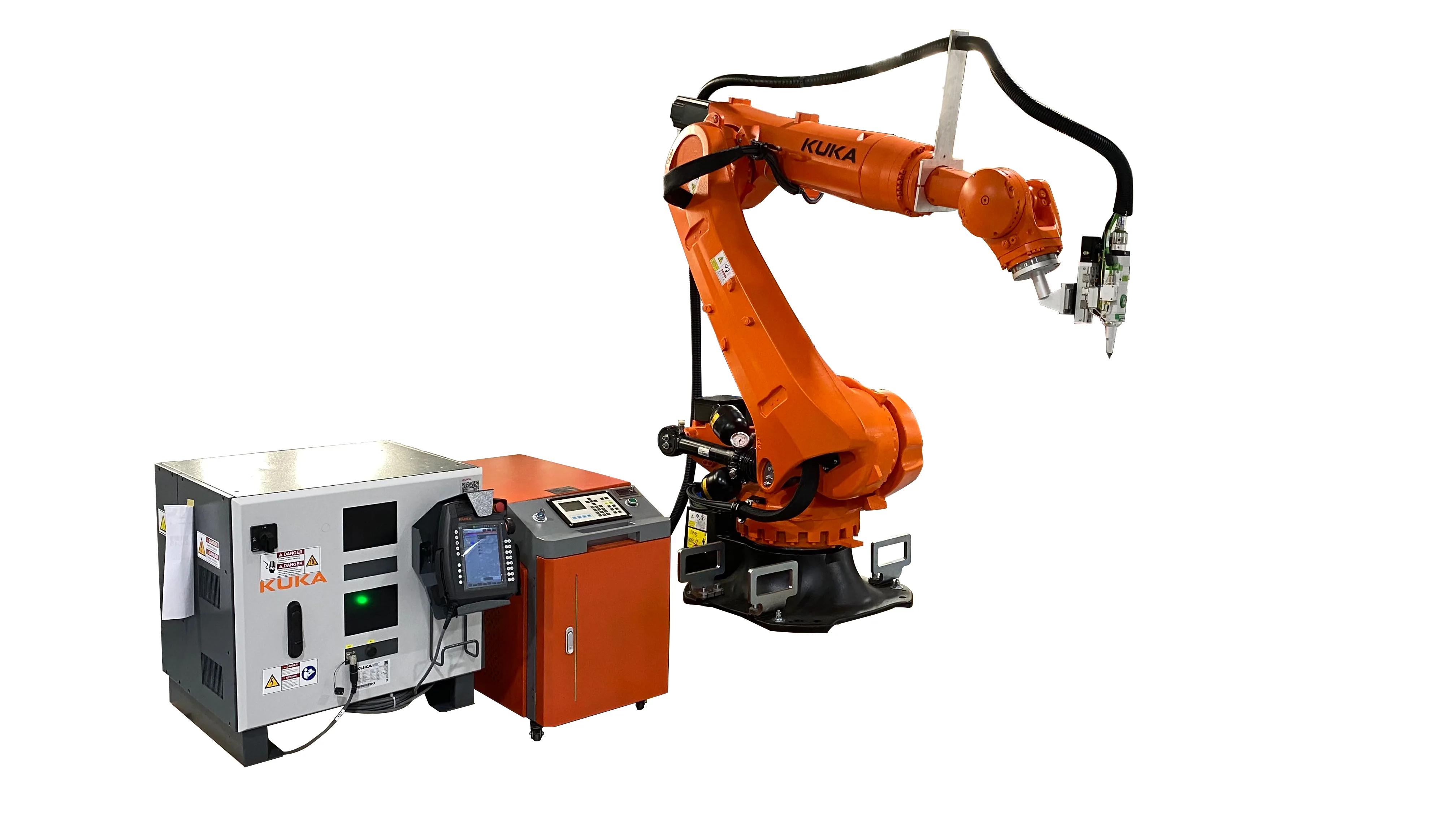
Trim formed sink contours and cut drain or mounting holes with a six-axis laser-cutting robot.
View details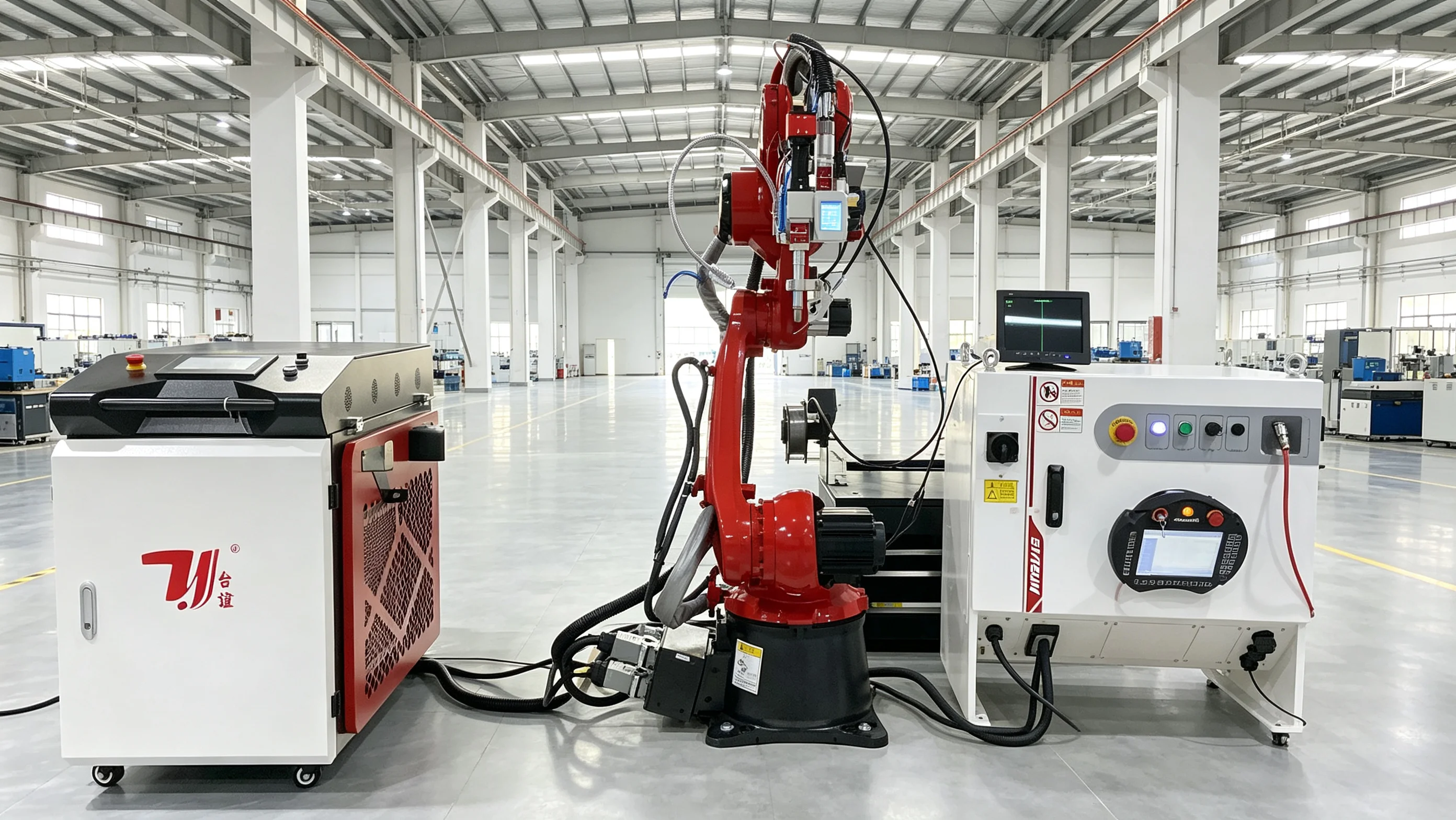
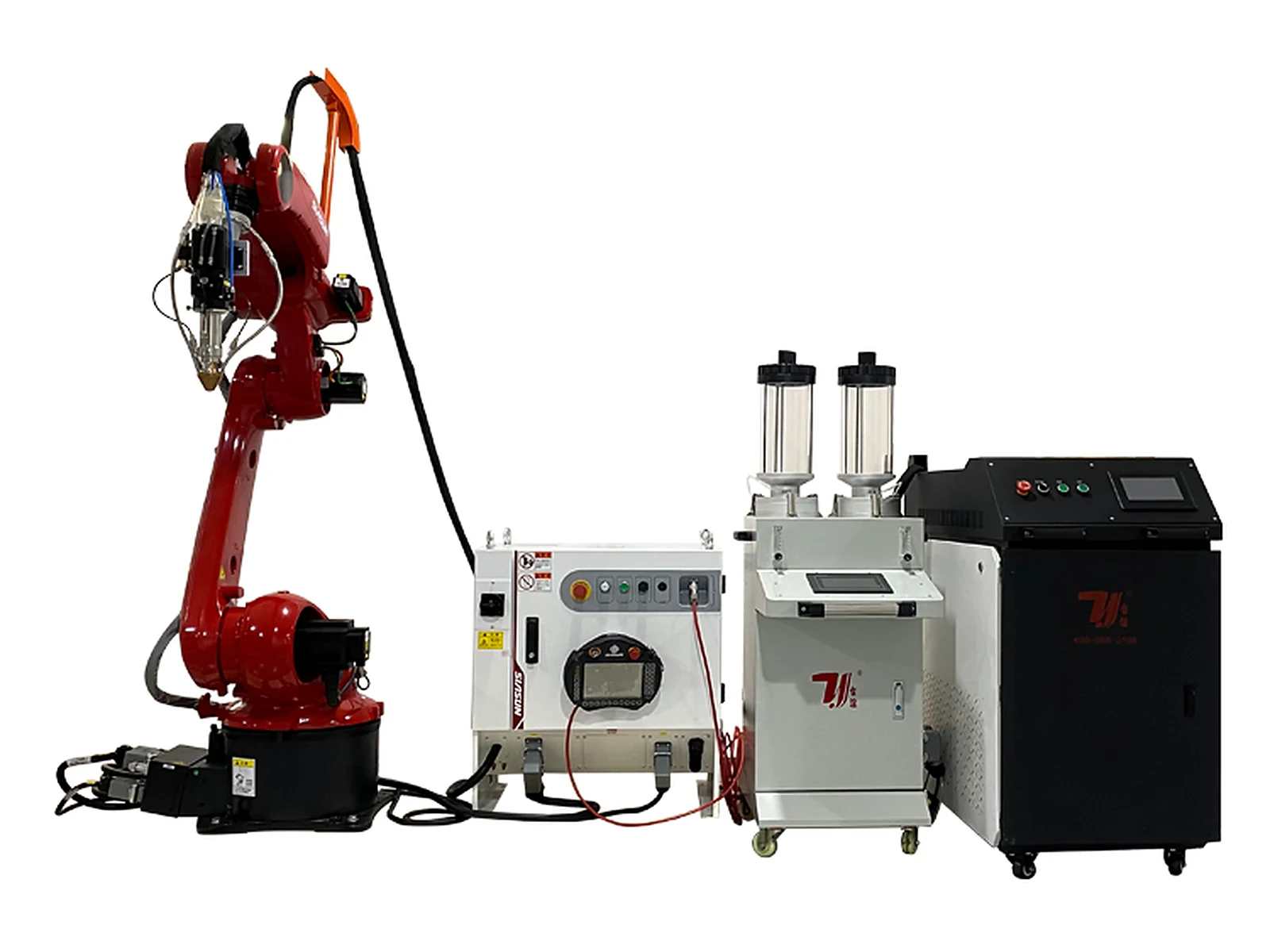
Program seam and corner welding for stainless-steel sinks, kitchen assemblies and sanitary components.
View details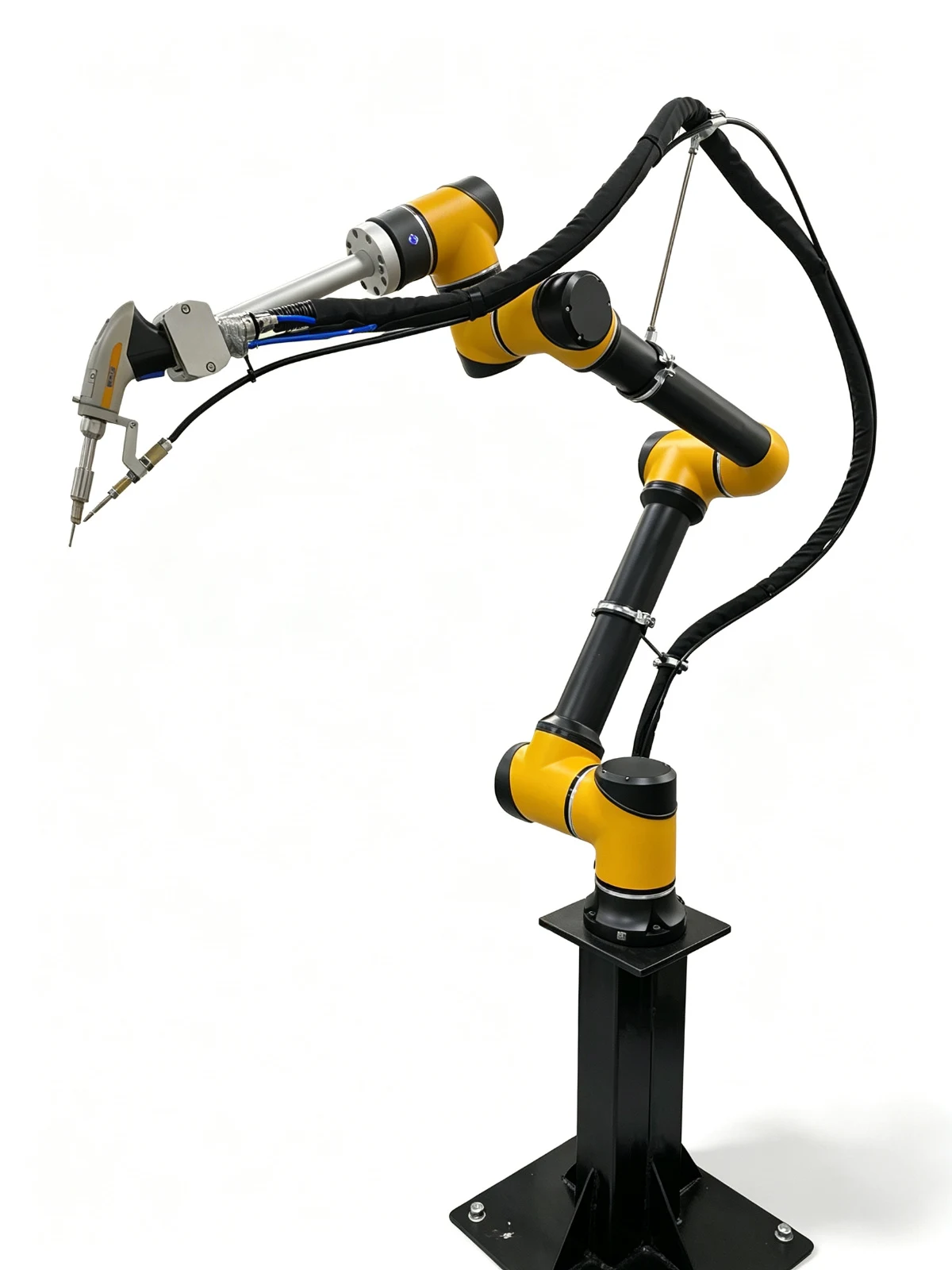
Switch between handheld welding for varied kitchen components and cobot-guided paths for repeated seams.
View details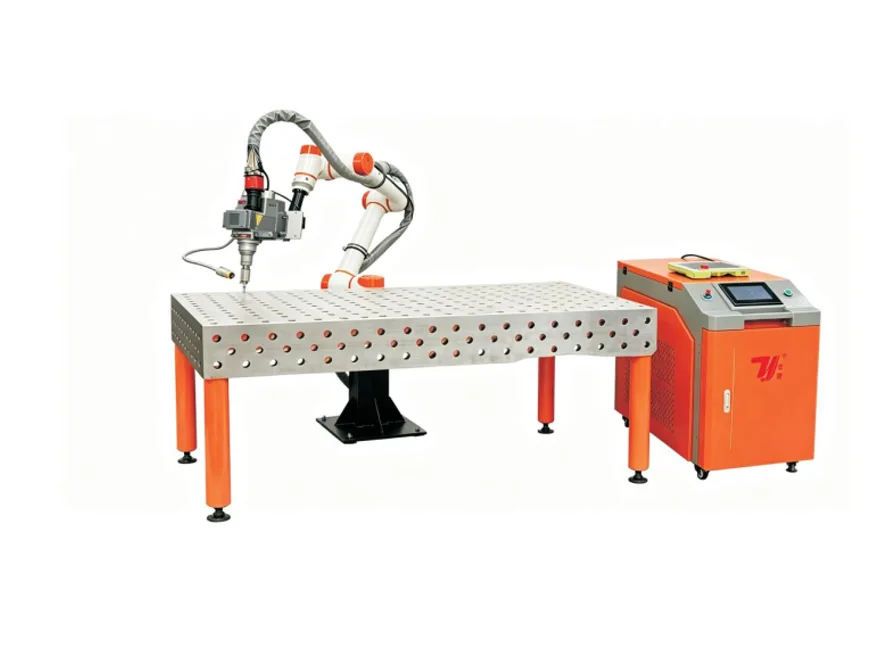
Weld circular and curved joints in stainless-steel kitchen and sanitary assemblies using a precision laser head and fixtures.
View detailsSheet blanking, tube cut-to-length, bevel preparation, contour trimming and hole cutting.
Straight seams, circular joints and end faces, with dedicated fixtures or robotic processing.
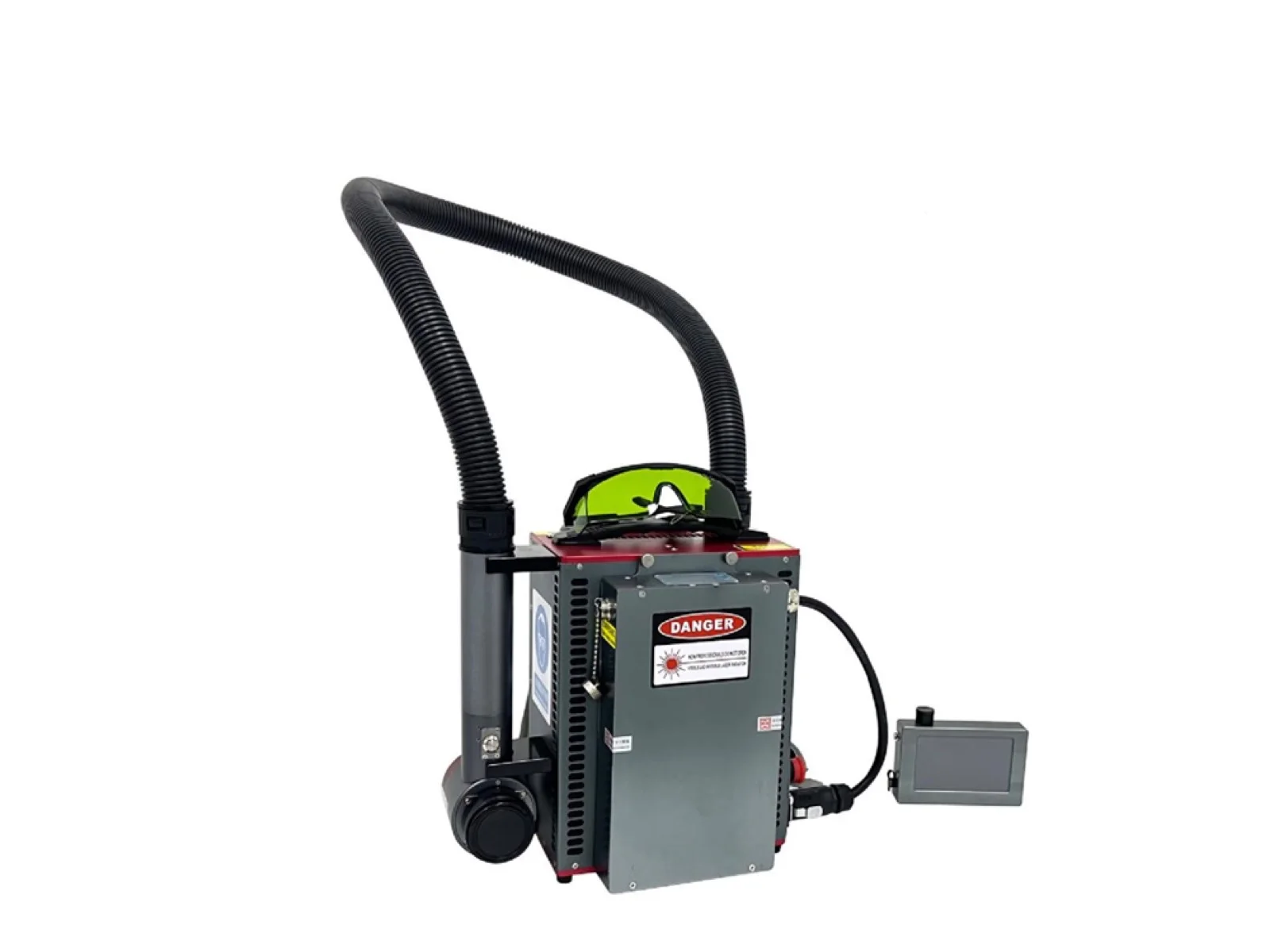
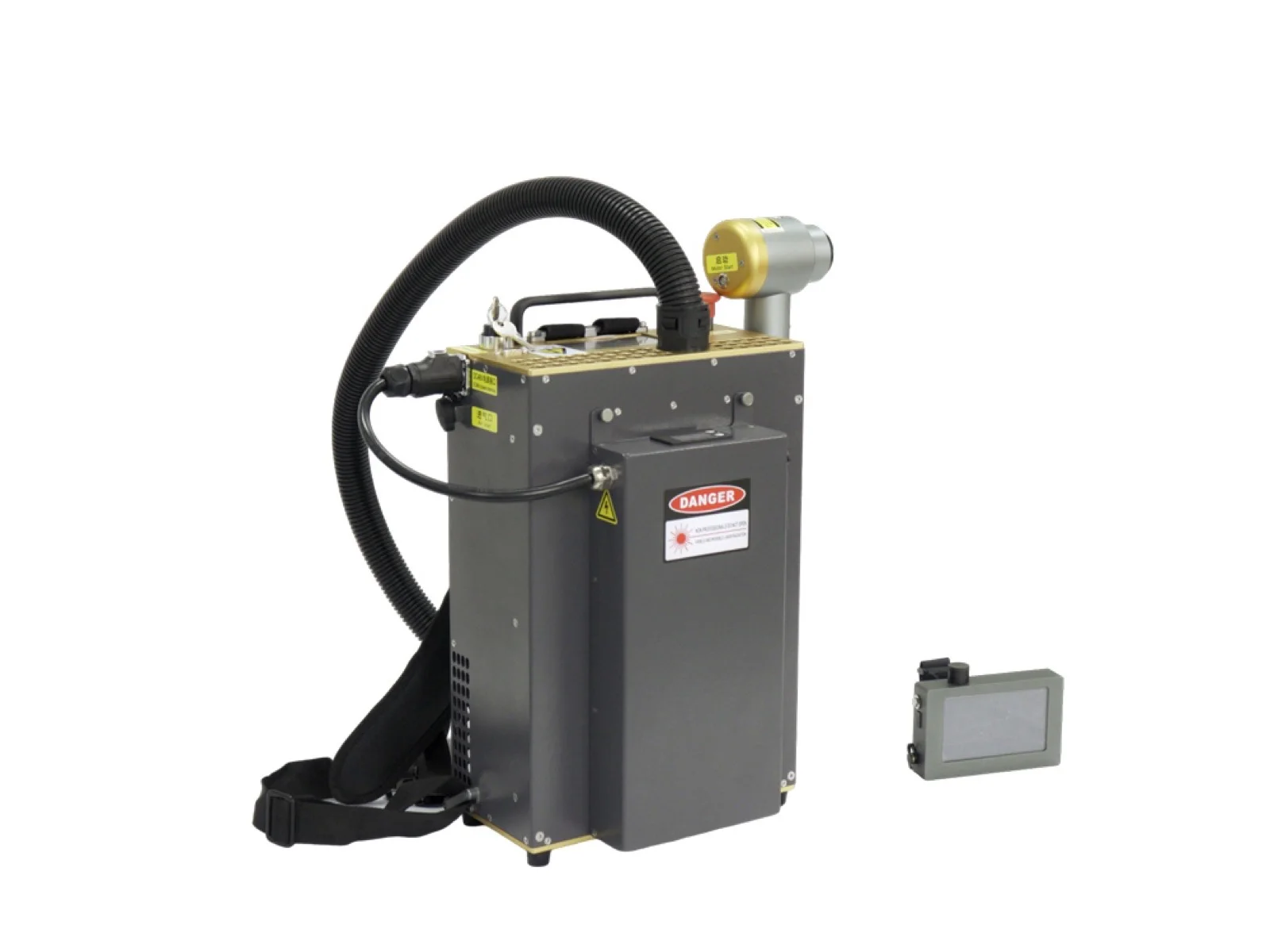
Discuss laser cleaning as part of your kitchen and sanitary ware production requirements.
Brand identification on sinks and exterior marking on kettles.
The current scope covers showerheads, tee fittings, sinks and kettles. Equipment selection depends on the specific cutting or joining task within those product families.
Their seam paths, part presentation and access differ. A sink corner, circular kettle bottom and tee end face need workholding and head movement reviewed against their own drawings and assembly sequence.
Manual or semi-automatic fixtures are included in the described showerhead and tee-fitting scope. Confirm the fixture, loading sequence and automation level for the selected product and station.
No universal outcome is promised. Define the joint, fit-up, appearance and any sealing test, then evaluate the process and any finishing steps against those acceptance requirements.
Send part and joint drawings, materials, thicknesses, fit-up, visible-finish requirements and any sealing criteria. Include output targets, loading preferences and the operations already performed upstream or downstream.
Request a quote
Describe your kitchen or sanitary parts, material, thickness and production requirements. Include the joint or cutting task and the level of automation you need.