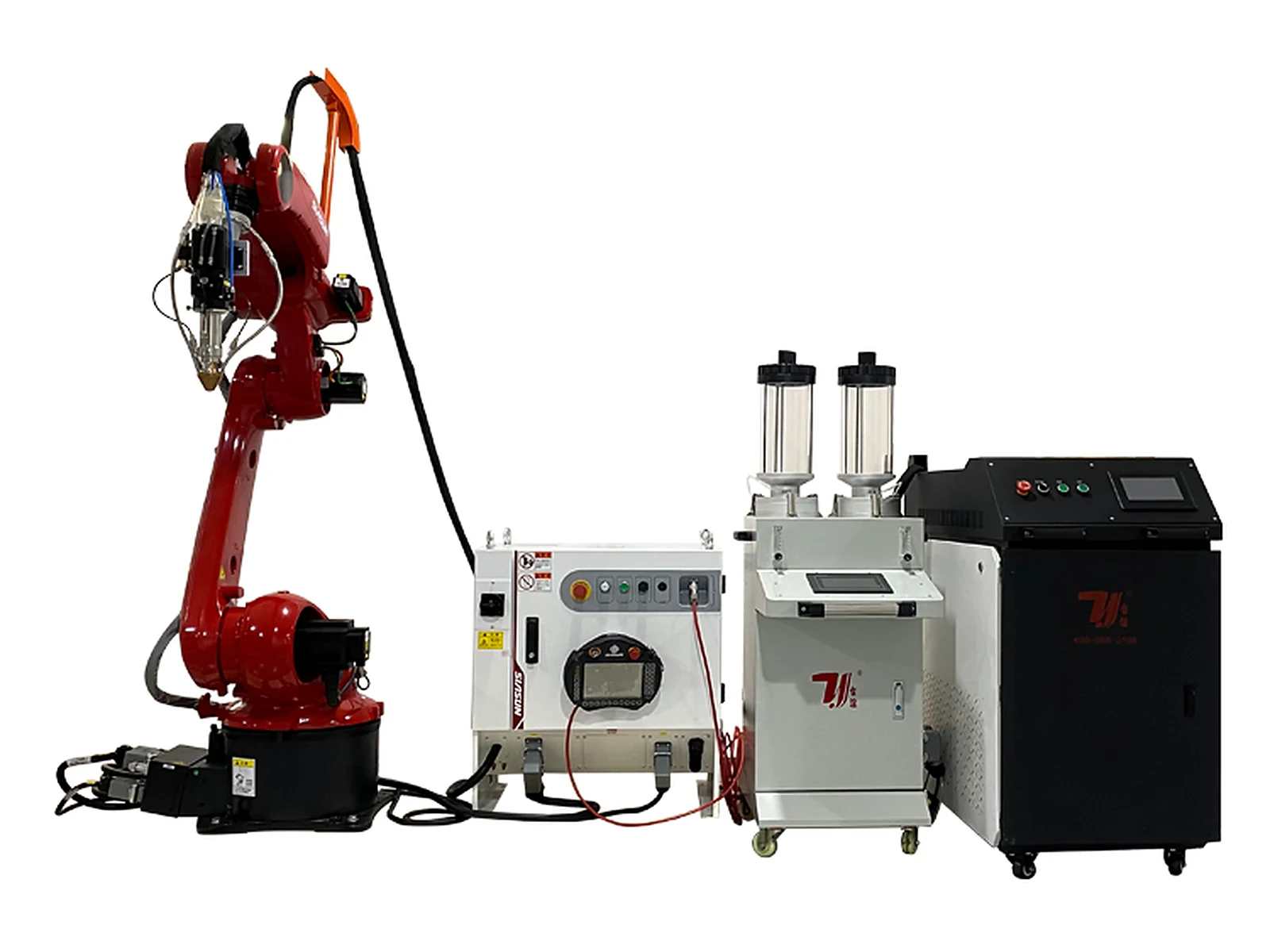
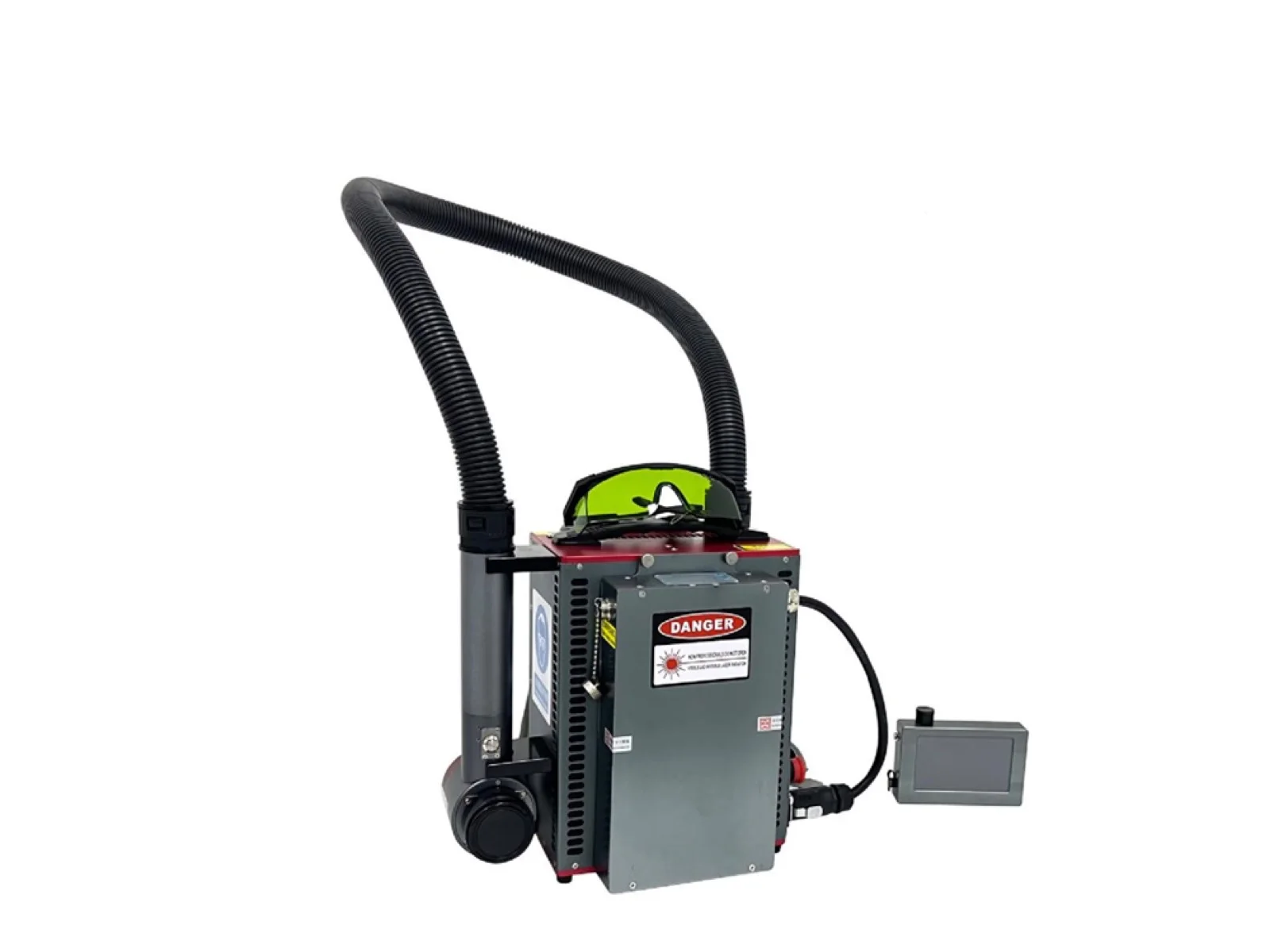
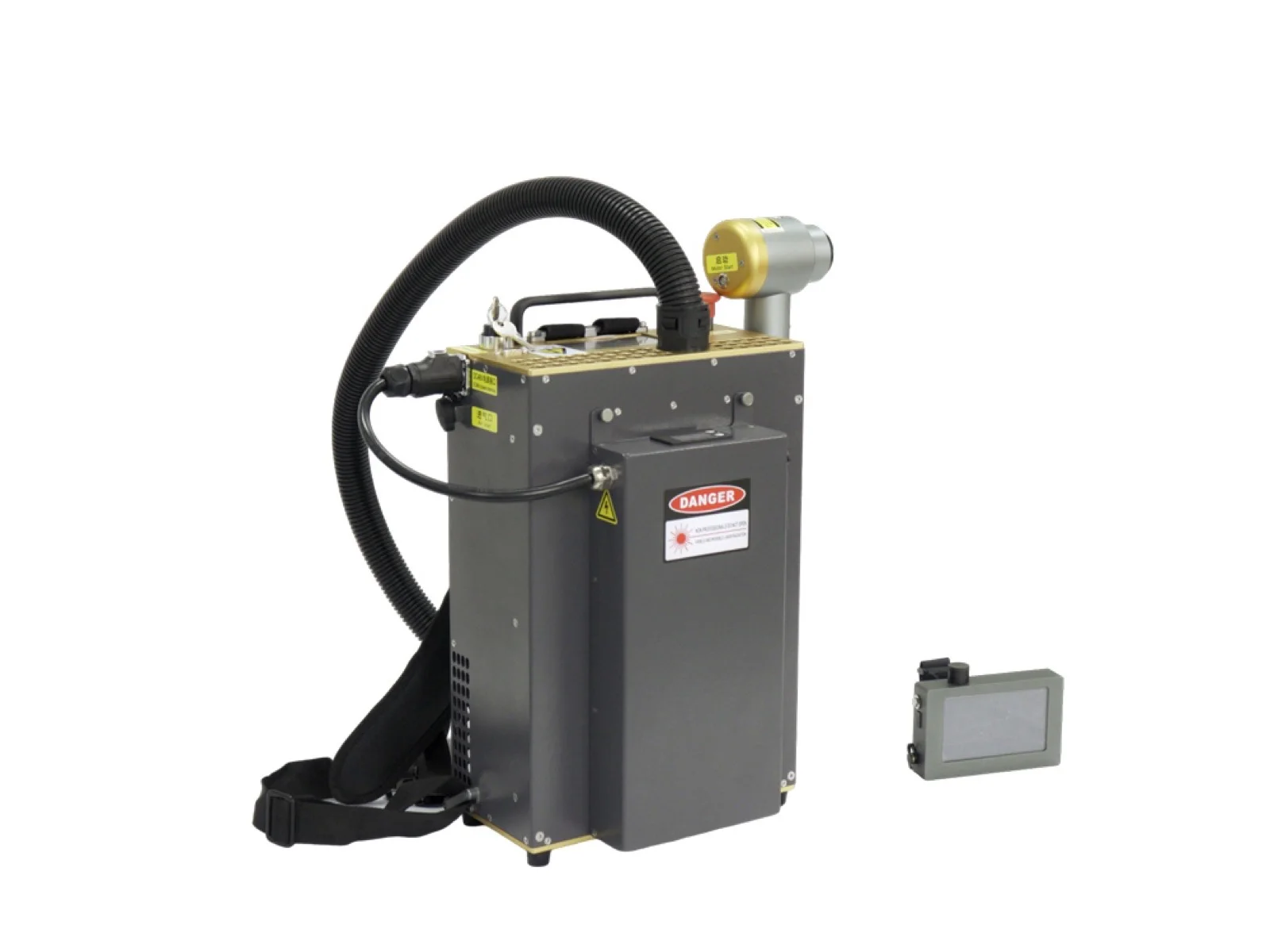
Machine family01
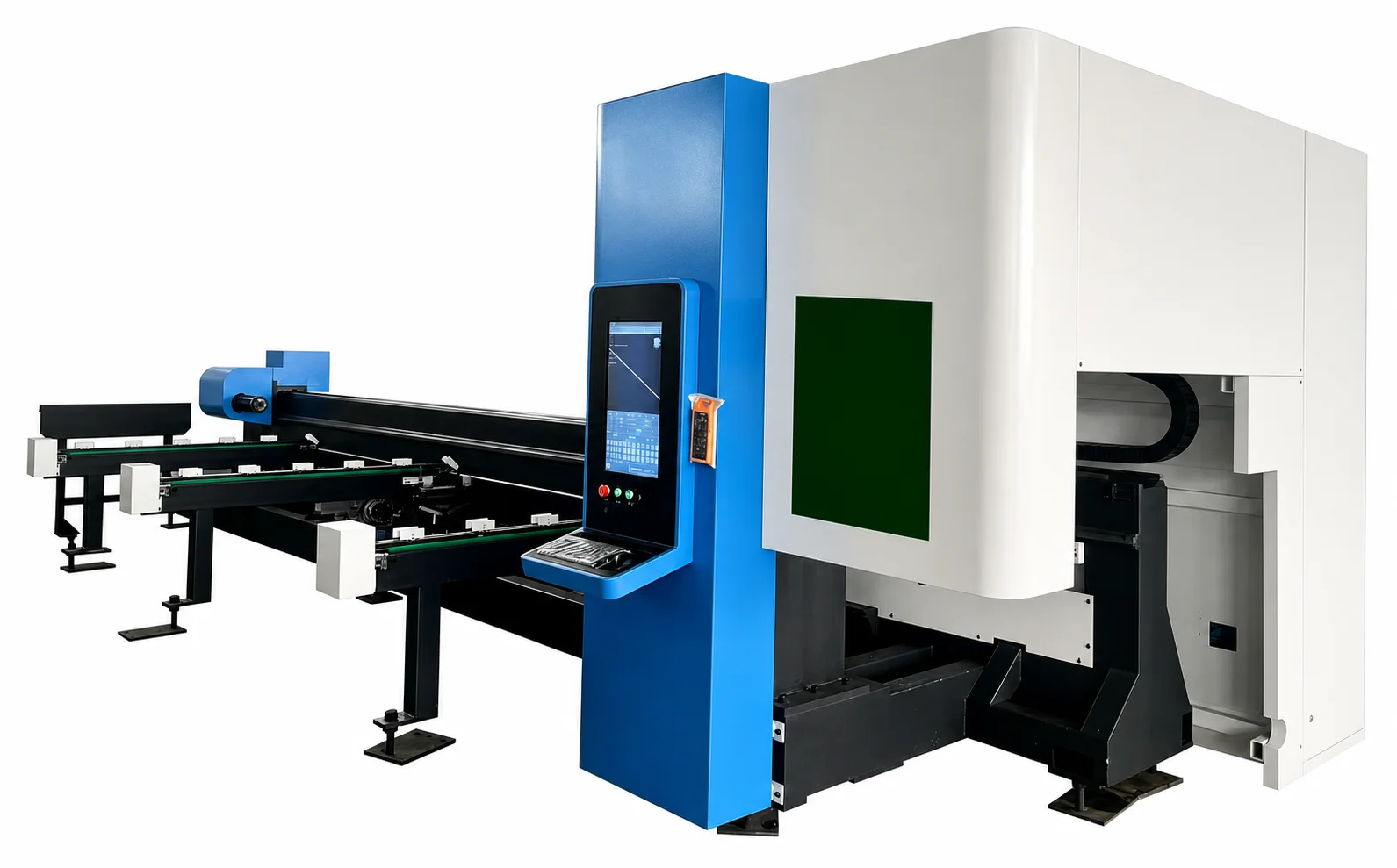
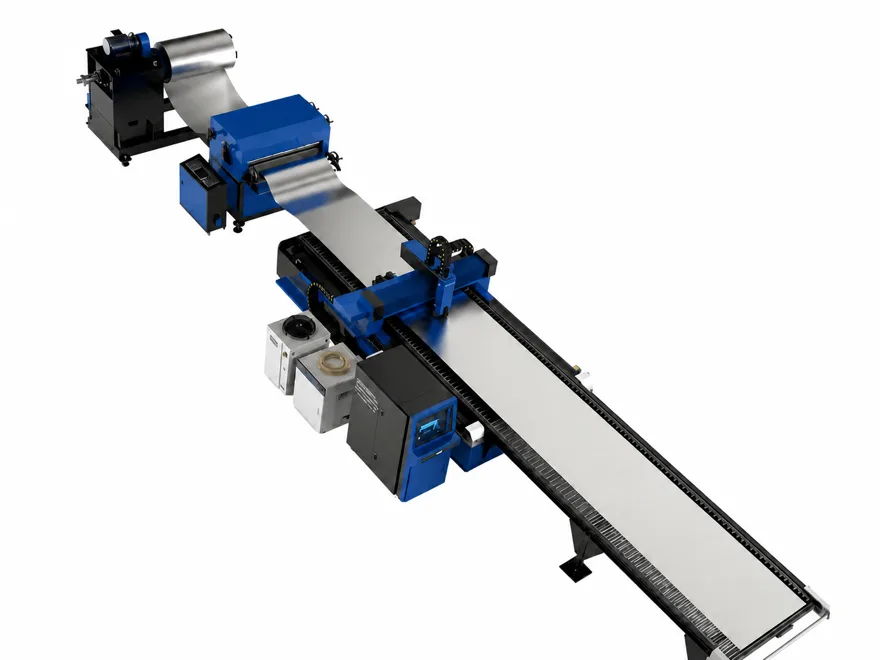
Semi-automatic tube cutting machines
TY-G120-F / TY-S90L / TY-S120-L / TY-6024
Operator-assisted tube-cutting systems with 1.2–6 kW options and 100 m/min listed positioning speed.
View details →
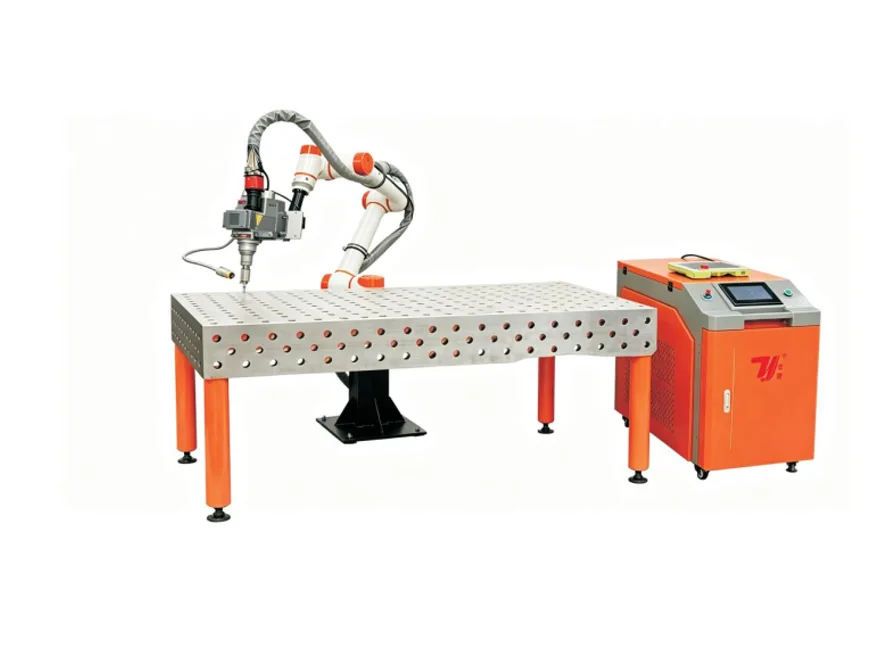
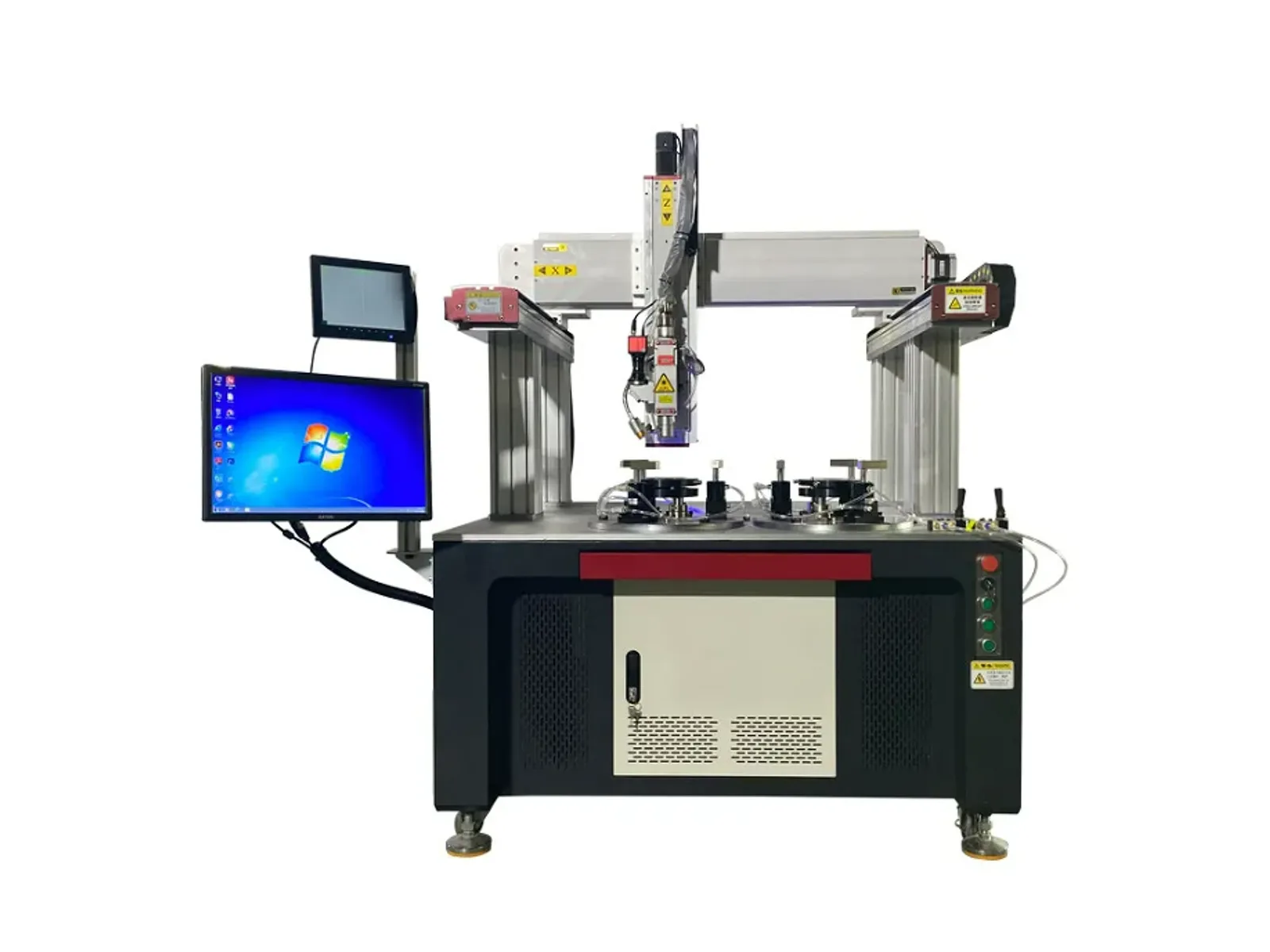 Gantry automatic laser welding machineServo multi-axis gantry system with CCD positioning, 1.5-6 kW configurations and a custom working stroke for the submitted workpiece.
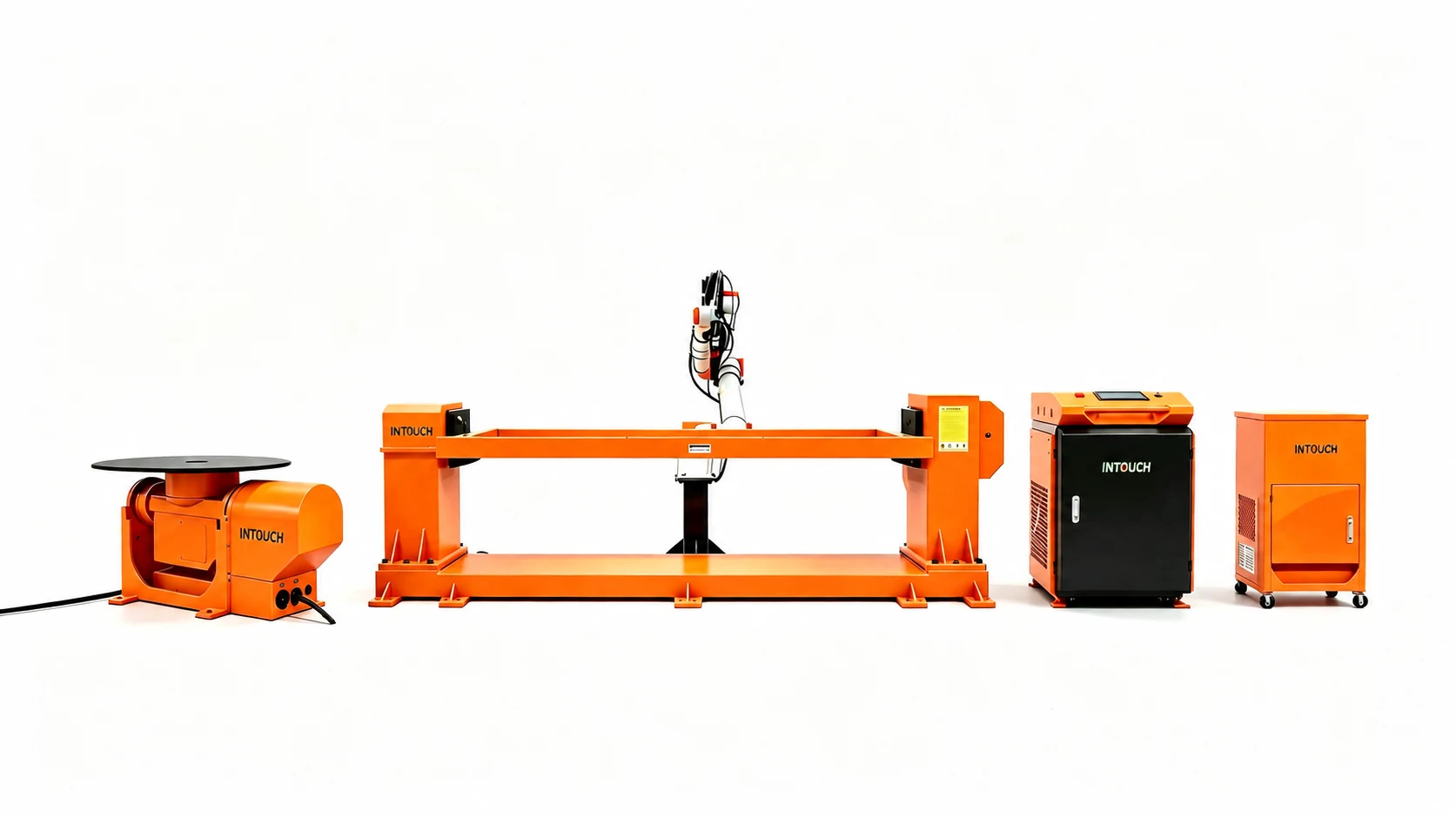
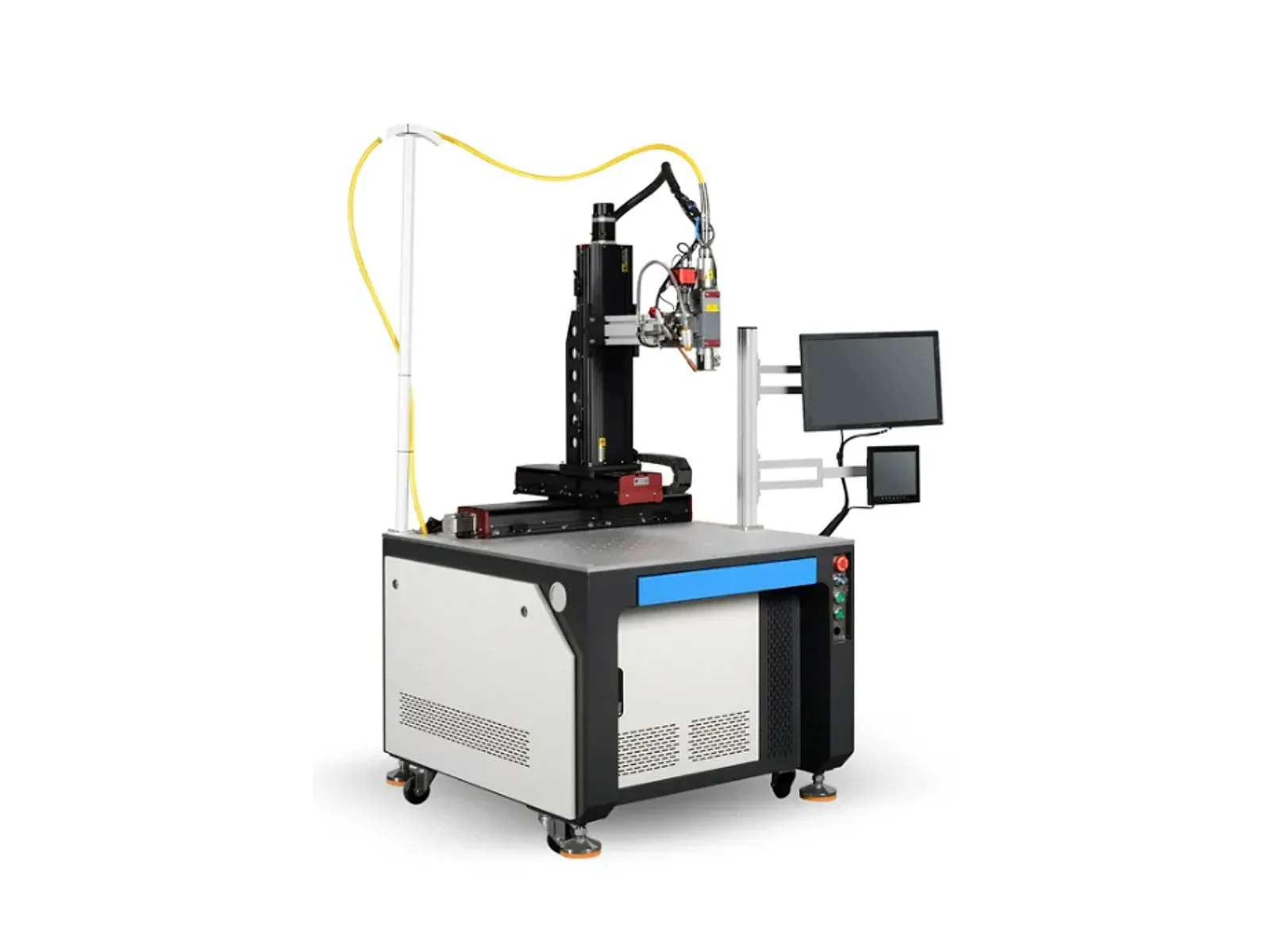 Four-axis automatic laser welding machineFour-axis linkage with CCD-assisted positioning, 1-6 kW configurations and ±0.02 mm repeat positioning for curved and special-shaped weld paths.
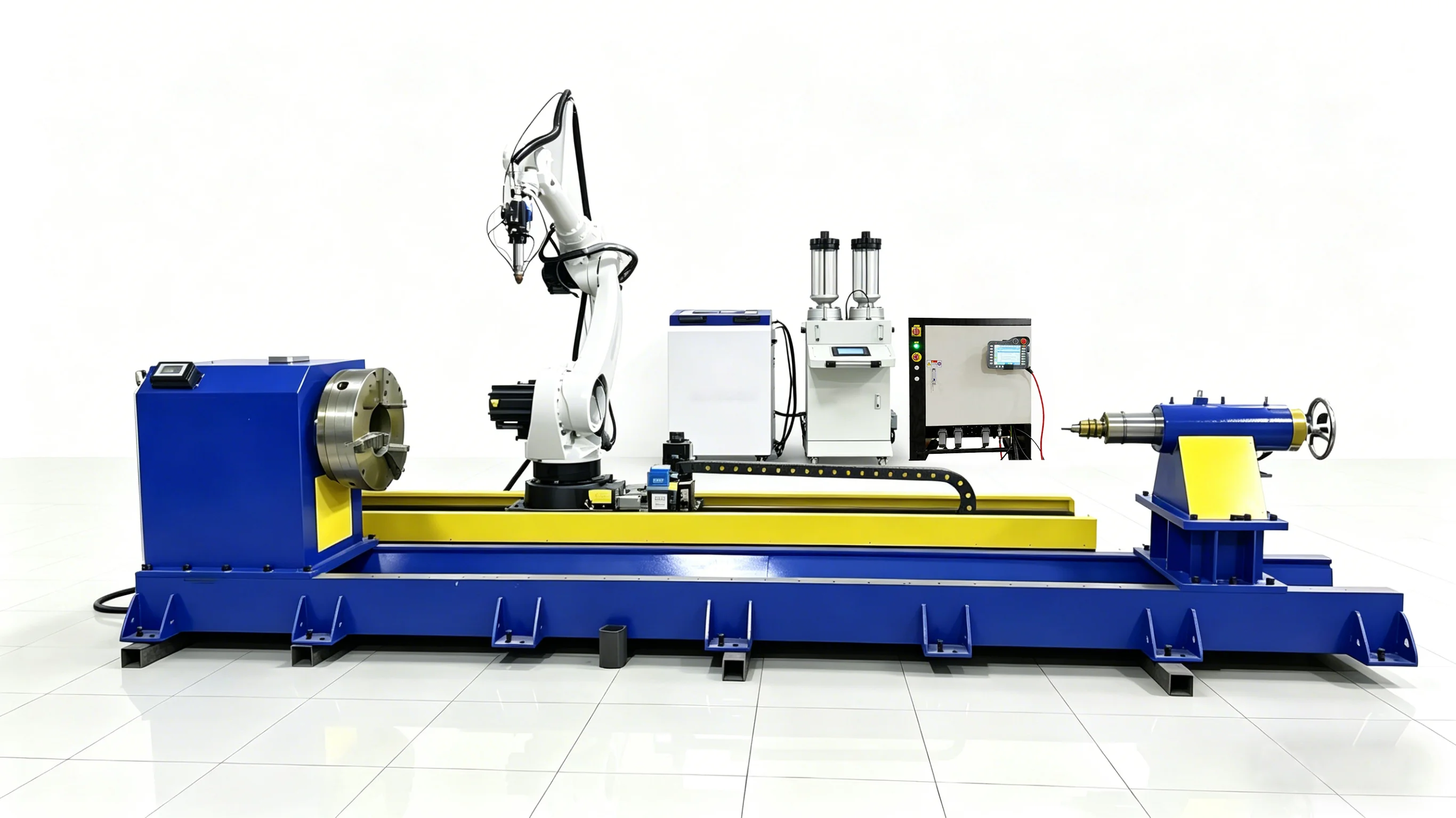
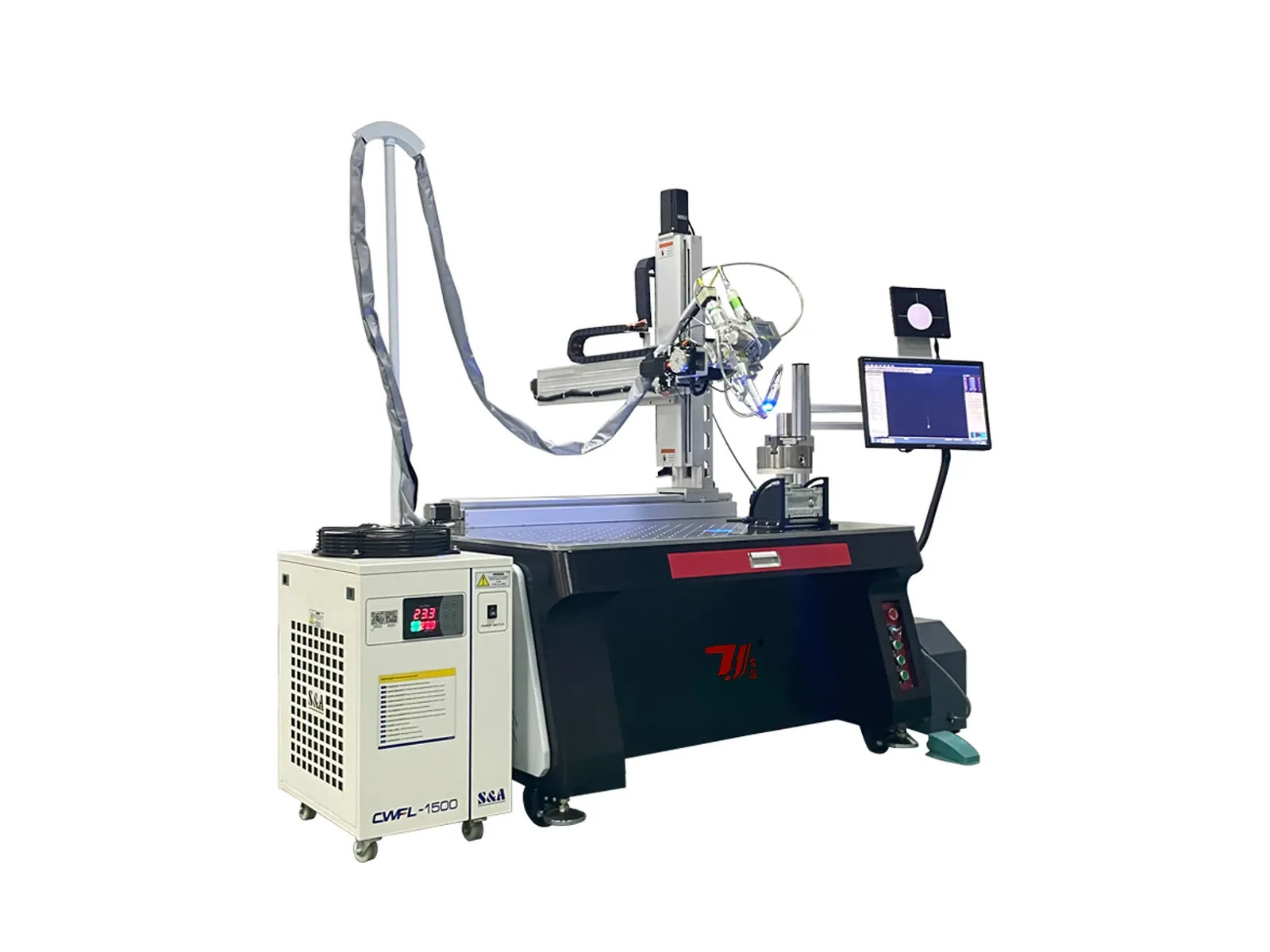 Five-axis automatic laser welding machineFive-axis servo linkage with CCD positioning, 1-6 kW configurations and ±0.02 mm repeat positioning for three-dimensional curved and special-shaped seams.
Tube and profile
Compare laser tube cutting machines by tube profile, chuck arrangement and loading method. Review manual, operator-assisted and automatic-loading configurations against your production brief.
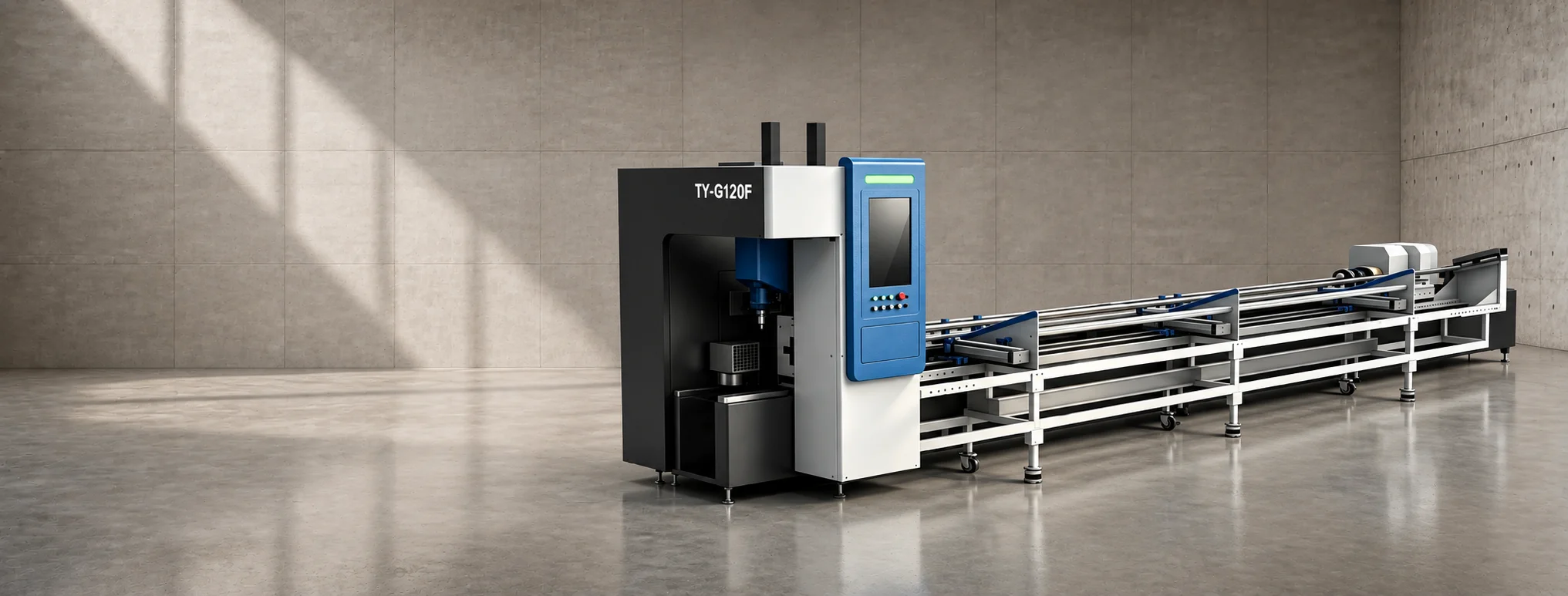
TY-G120-F / TY-S90L / TY-S120-L / TY-6024
Operator-assisted tube-cutting systems with 1.2–6 kW options and 100 m/min listed positioning speed.
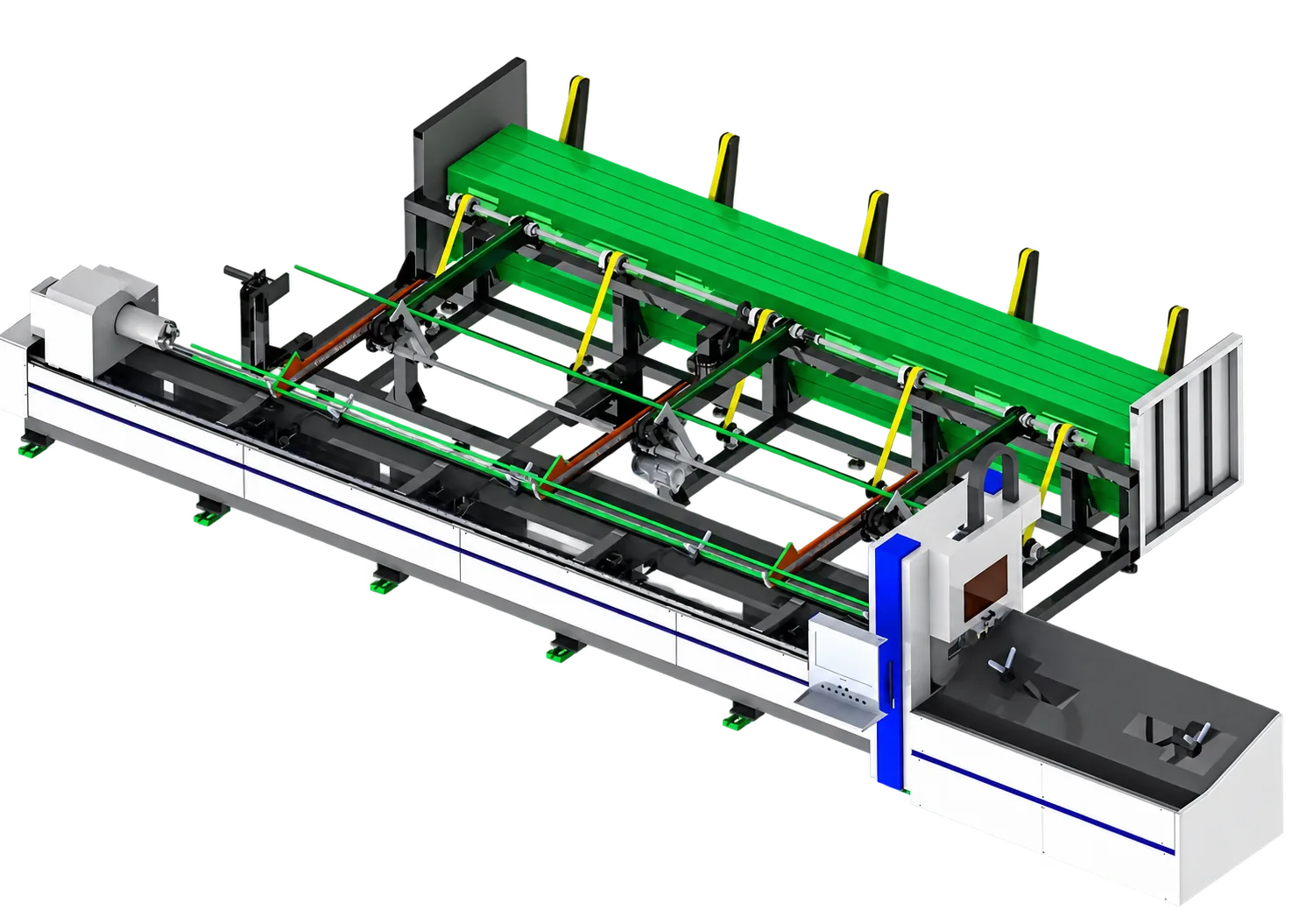
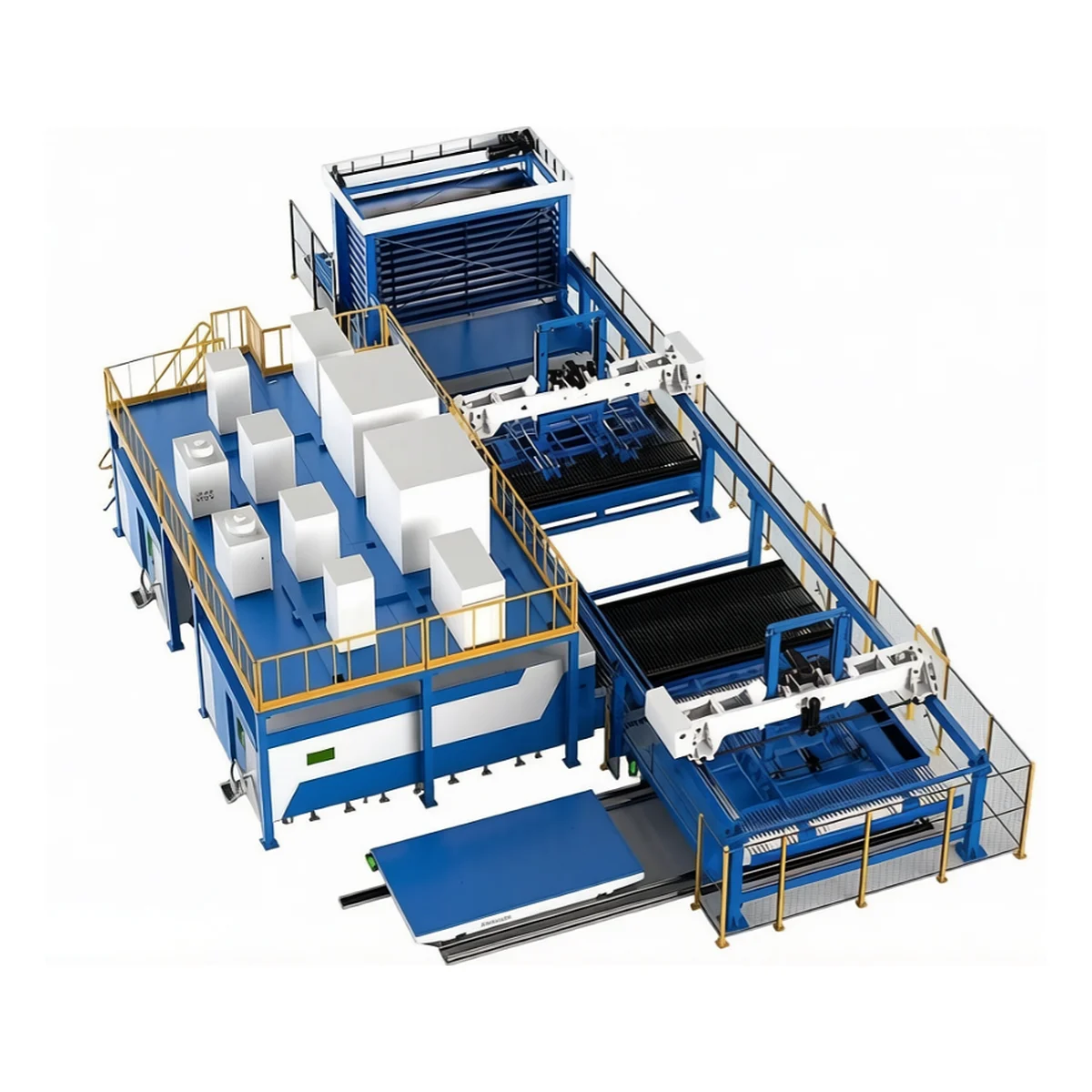
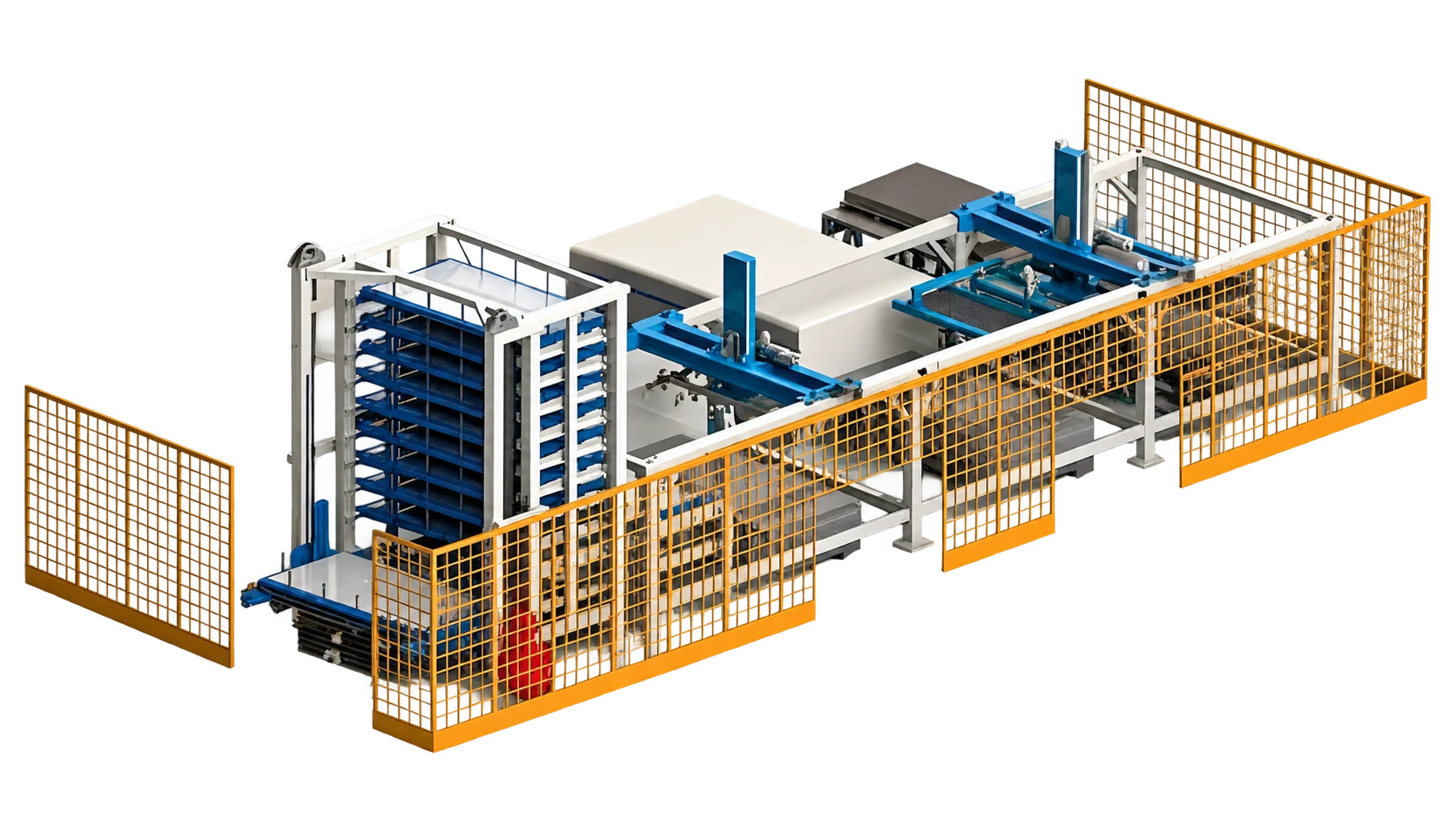
TY-S120-G
Tube-cutting platform with optional automatic bundle loading, unloading and sorting for repeat production.
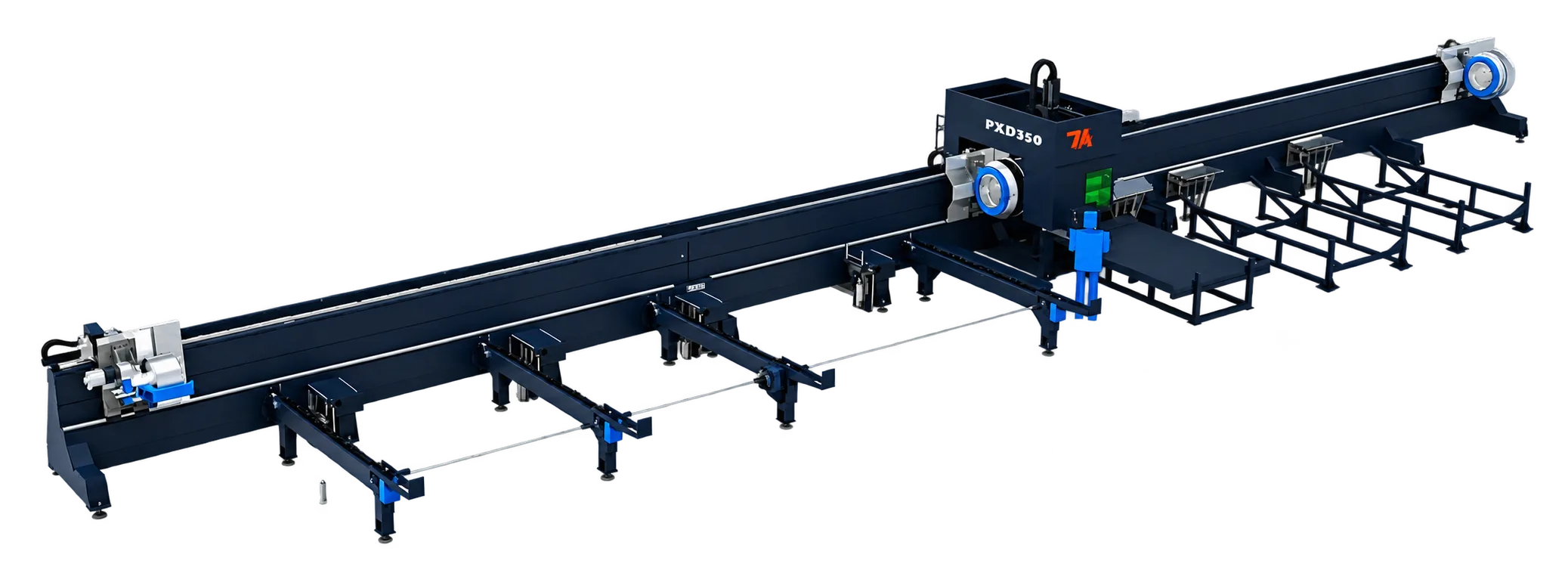
TY-28025
Three-chuck workholding for long, large-diameter tube and listed structural profiles, with configurations up to 60 kW.
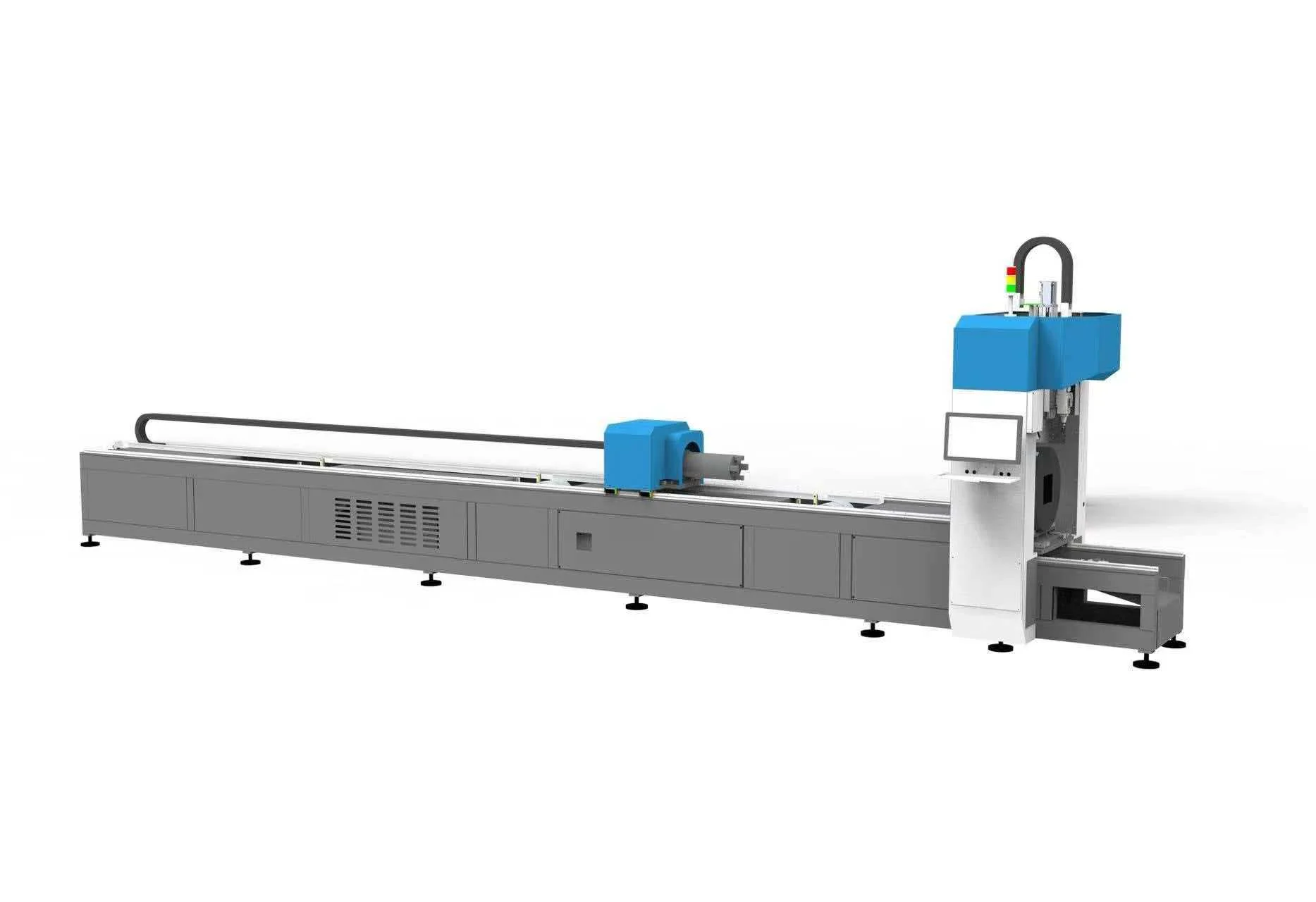
TY-S60 / TY-S100
Focused tube-cutting configurations for essential production requirements.
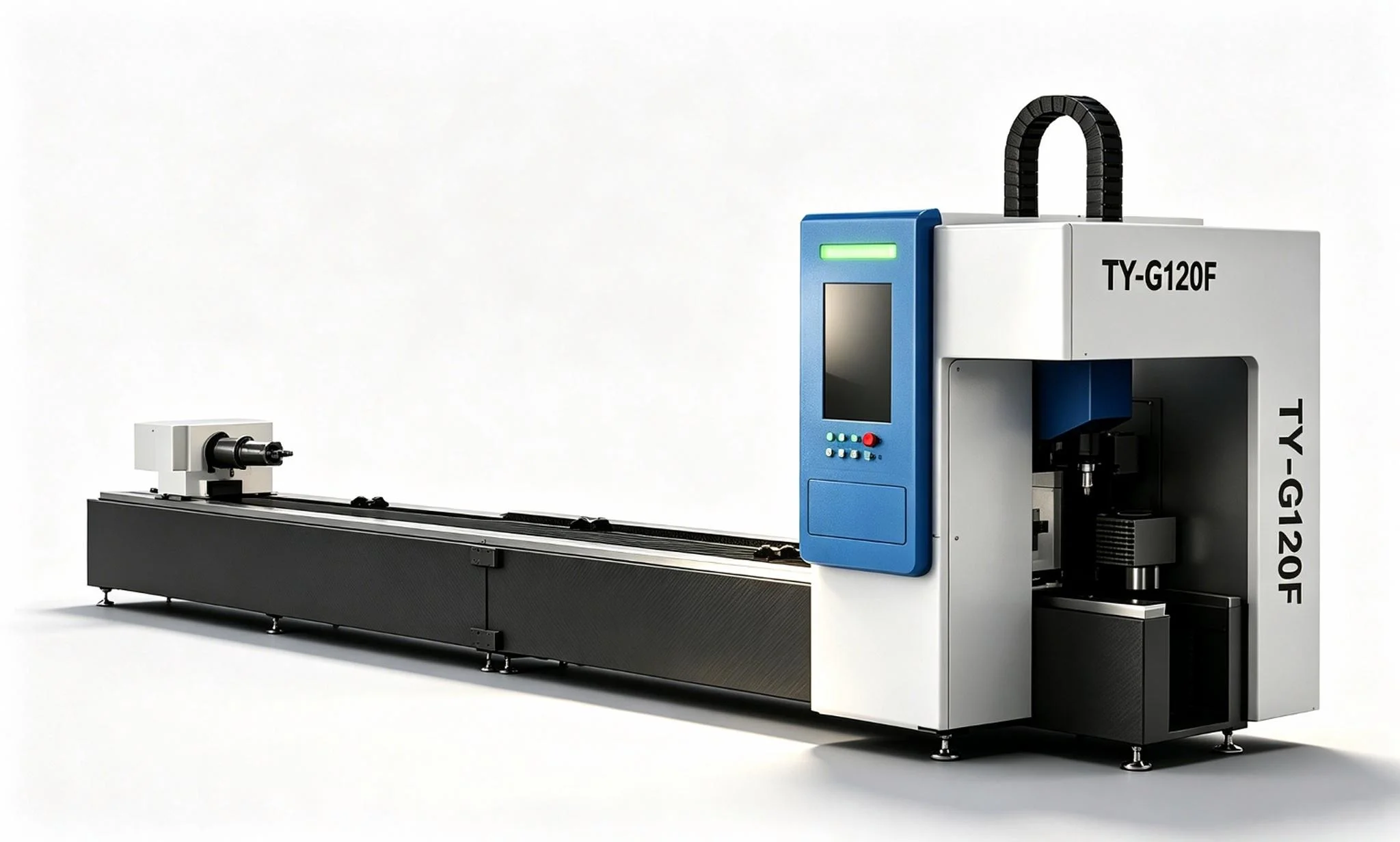
TY-G120F
1.5 kW cutting for 10-160 mm round and square tubes, with manual loading and an optional semi-automatic feeding rack.
Tube dimensions alone are not enough to choose a cutter. Compare the cross-section, stock length and part drawing with the chuck and support arrangement, then decide how stock will be fed and finished parts collected. A three-chuck layout describes workholding; it does not, on its own, mean automatic loading.
Review TY-G120F for round and square tubes with manual loading. A semi-automatic feeding rack is an option, so the quotation should state whether the rack is included.
Compare the semi-automatic series when the operator remains part of the loading workflow. The family includes different models; confirm the tube range and support layout for the specific machine.
TY-S120-G lists optional bundle loading and optional automatic unloading and sorting. Define the full handling package in the enquiry rather than assuming each option is standard.
Compare this configuration for long, large-diameter tubes and the listed structural profiles. Check chuck size, usable workpiece range, support and installation requirements together.
Review these configurations for focused tube-processing requirements. Compare each model against the actual tube dimensions and production brief; the series name is not a substitute for a model-specific capacity check.
Provide the tube cross-section, outside dimensions, wall thickness, stock length and material grade. Include the finished-part drawing, production requirement and how stock will be loaded. Compare those requirements with the selected chuck, support and handling configuration.
No. TY-G120F uses manual loading with an optional semi-automatic feeding rack. The semi-automatic family uses operator-assisted loading. TY-S120-G lists automatic bundle loading and automatic unloading and sorting as options. Confirm included equipment in the model-specific quotation.
No. Chuck count describes how the workpiece is held and supported during cutting. Loading automation describes how stock enters the machine. Review both separately, along with the tube profile, workpiece length and cutting sequence.
No. Workpiece ranges and supported profiles differ between models. TY-G120F lists round and square tubes, while TY-28025 lists a wider group of structural profiles. Share the cross-section and complete part drawing so compatibility can be checked for the chosen machine.
Specify the tube range, part drawing, material, production volume and handling scope. Ask for the laser configuration, loading, unloading and any optional equipment to be identified separately. A quote for the machine alone should not be compared directly with one that includes a complete handling line.
Request a quote
Share your part drawing, material and production requirements. The quotation will identify the selected equipment, tooling, handling options and integration scope for your project.