
Backpack · multi-mode pulsed cleaning
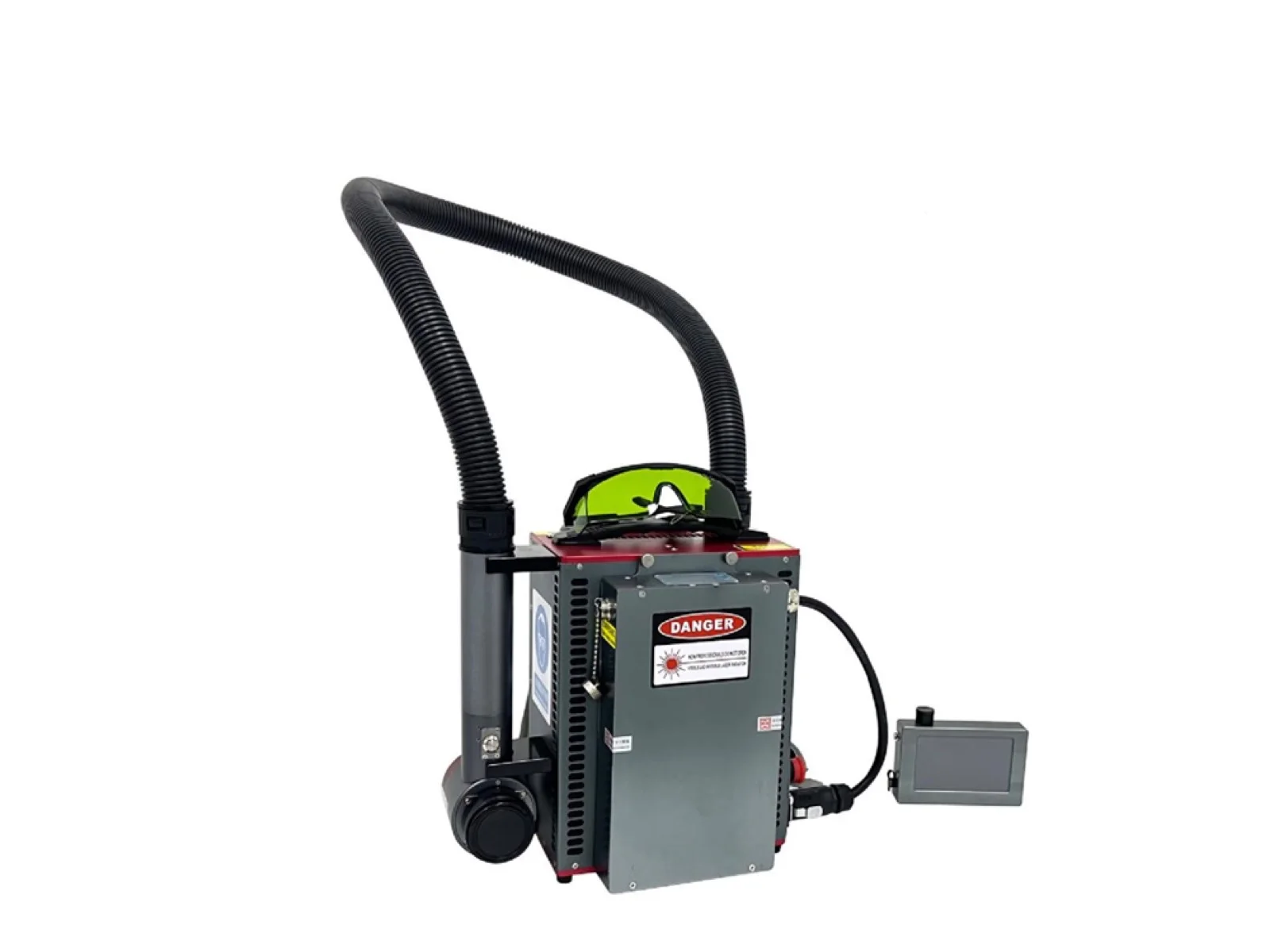
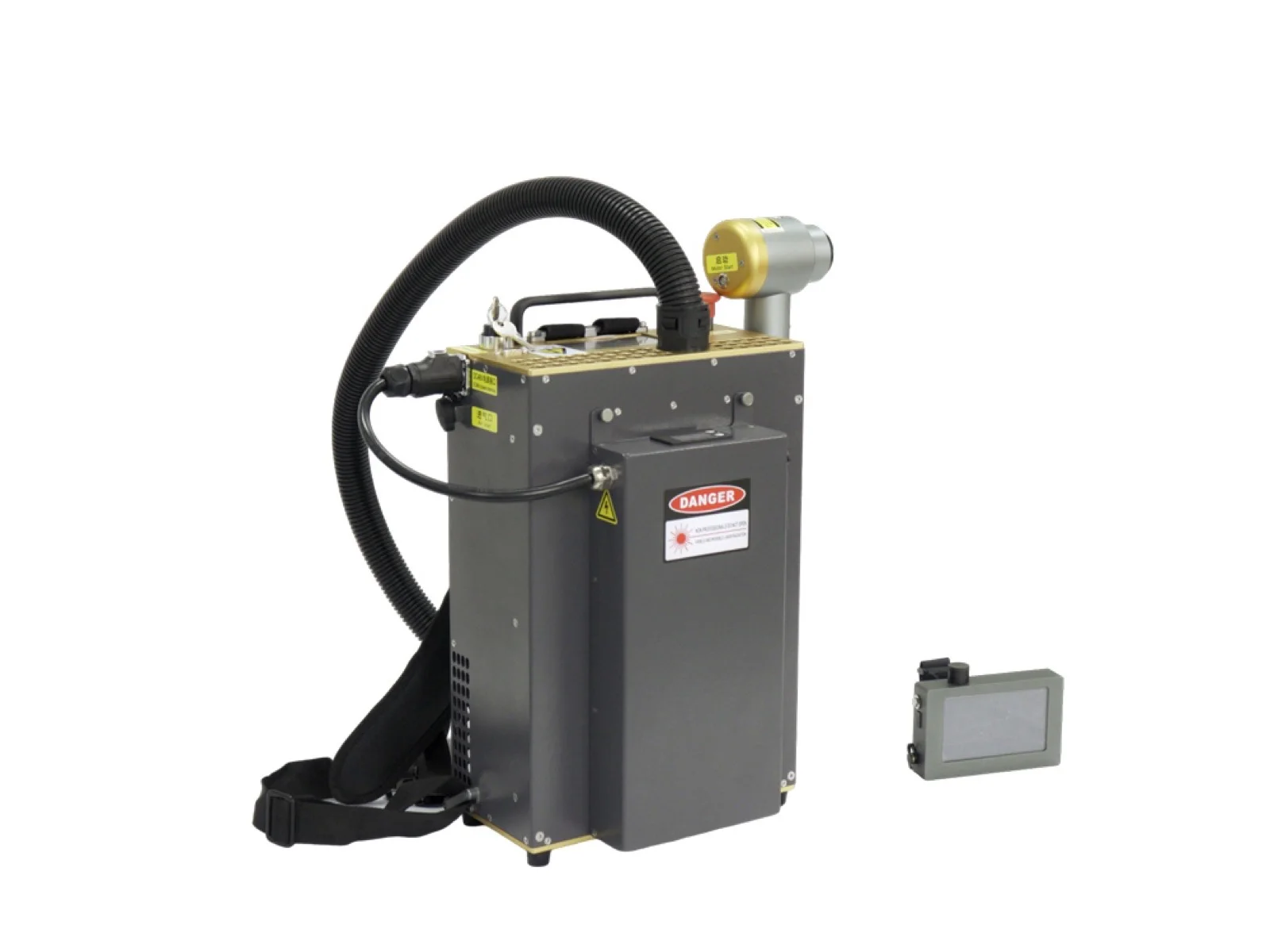
Backpack Multi-Mode Pulsed Laser Cleaning Machine
The TY-QX1019 multi-mode backpack pulsed laser cleaner combines a carried air-cooled unit with 200 or 300 W options. Compare the documented pulse-energy pairings and optional battery package against the substrate, layer to be removed and access conditions.
Whole-machine warranty: 2 years · Final price and delivery timing depend on laser power, pulse-energy option, battery configuration, cleaning requirement, safety, extraction and delivery scope.
Specifications
TY-QX1019 backpack multi-mode configuration data
Machine architecture
- Model
- TY-QX1019
- Configuration
- Backpack · multi-mode
- Laser source
- JPT pulsed fiber laser
- Laser type
- Pulsed fiber laser
- Listed wavelength
- 1,064 nm
- Cooling / operation
- Air cooling / handheld
Laser and cleaning range
- Listed laser power
- 200 / 300 W
- Maximum single-pulse energy
- 5 mJ at 200 W; 5 or 15 mJ at 300 W
- Maximum scanning speed
- 30,000 mm/s / 1,181 in/s
- Cleaning width
- 10-100 mm / 0.39-3.94 in
Utilities and handling
- Input power
- AC 220 V ±10%, 50/60 Hz
- Fiber cable length
- 1.5 m / 4.9 ft
- Cleaning-head weight
- <0.75 kg / <1.65 lb
- Listed system weight
- 12.5-13.5 kg / 27.6-29.8 lb without battery
- Listed weight with battery
- 17-18 kg / 37.5-39.7 lb
- Machine size without battery
- 268 × 135 × 445 mm / 10.6 × 5.3 × 17.5 in
- Machine size with battery
- 268 × 191.5 × 445 mm / 10.6 × 7.5 × 17.5 in
- Power options
- Mains supply; lithium battery optional
- Warranty
- 2 years for the whole machine
Carry multi-mode pulsed cleaning power closer to the work
Backpack-format mobility
The compact system is carried on a shoulder frame, supporting cleaning work at elevated structures, installed equipment and sites where a wheeled cabinet is difficult to position.
Multi-mode pulse-energy options
The listed configuration pairs 200 W with 5 mJ and offers 5 or 15 mJ at 300 W, allowing the pulse-energy choice to be reviewed against the surface layer and required result.
Air-cooled architecture
The listed configuration uses air cooling and does not require an external water-cooling circuit, reducing the support equipment needed for mobile work.
Mains or optional battery supply
The machine can use the listed AC 220 V input, with an optional lithium-battery configuration available when the project requires operation away from a fixed power point.
Lightweight handheld head
The listed cleaning head weighs less than 0.75 kg, while the 1.5 m fiber supports close-range work around the operator.
Matched to the workpiece
Power, pulse energy and process settings are confirmed from the base material, surface layer, cleaning area and required acceptance result.
From surface review to cleaning acceptance
The final power, pulse energy and settings are selected from the material, surface layer, access conditions, target finish and acceptance criteria.
- 01
Base material and surface-layer review
- 02
Rust, paint, oxide or residue defined
- 03
Cleaning area and access checked
- 04
Target finish and acceptance standard agreed
- 05
200 or 300 W power selected
- 06
Pulse energy and scan settings confirmed
- 07
Mains or battery configuration selected
- 08
Safety, extraction and delivery scope confirmed
Compare other laser cleaning configurations
TY-QX1019
Compare all eight backpack, trolley-case and cabinet configurations in the TY-QX1019 series.
Backpack single-mode configurationTY-QX1019
Review the 50-300 W single-mode backpack configuration and its power-specific process ranges.
Suitcase multi-mode configurationTY-QX1019
Review the wheeled 200-500 W configuration with a 5 m fiber cable and 5 / 15 mJ options.
Related industry solutions
Explore the applications and laser processes connected to this equipment.
View all industry solutions
Review beam mode, pulse energy and portability together
Use the documented power and pulse-energy pairings
The 200 W configuration lists 5 mJ maximum single-pulse energy; the 300 W configuration lists 5 or 15 mJ. Choose a confirmed pairing for the process review. A higher pulse-energy option does not independently prove faster removal or a better underlying surface.
Account for the battery in weight and dimensions
The listed system is 12.5–13.5 kg without a battery and 17–18 kg with a battery. Battery selection also changes the listed enclosure depth from 135 to 191.5 mm. Include the full carried package when checking access and movement around the equipment.
Compare modes on the same cleaning task
Multi-mode identifies the laser beam mode, not multiple machine functions or cleaning presets. Compare this configuration with the single-mode backpack using the same material, surface layer and acceptance criteria, while keeping power, pulse energy and working width explicit.
Machine selection questions
Does multi-mode mean cleaning, welding and cutting?
No. Here multi-mode identifies the laser beam mode within a pulsed cleaning configuration. It does not establish welding or cutting functions, or a count of cleaning presets.
Which pulse-energy options match each power?
The current table pairs 200 W with 5 mJ and lists 5 or 15 mJ at 300 W. Confirm the selected power and pulse-energy configuration together in the quotation.
How does the optional battery change the package?
Listed system weight changes from 12.5–13.5 kg without a battery to 17–18 kg with one, and enclosure depth changes from 135 to 191.5 mm. Runtime and charging arrangements need confirmation for the selected battery.
Is multi-mode always better than the single-mode backpack?
No universal advantage is established. The configurations have different power and pulse-energy options; compare the accepted cleaning result on the same substrate and layer, together with weight and access needs.
What information makes quotations comparable?
Specify the 200 or 300 W choice, pulse-energy option, mains or battery supply, material and surface layer, required result and working access. Include the extraction, safeguarding and delivery scope so the packages can be compared consistently.
Request a quote
Tell us the part. We will tell you the machine.
Price depends on laser power, pulse-energy option, mains or battery configuration, surface layer, cleaning area, safety package, extraction and delivery scope.
- Phone+86 153 6281 4831
- Emailsales02@taiyilaser.com
- WhatsApp+86 153 6281 4831