
Machine type01
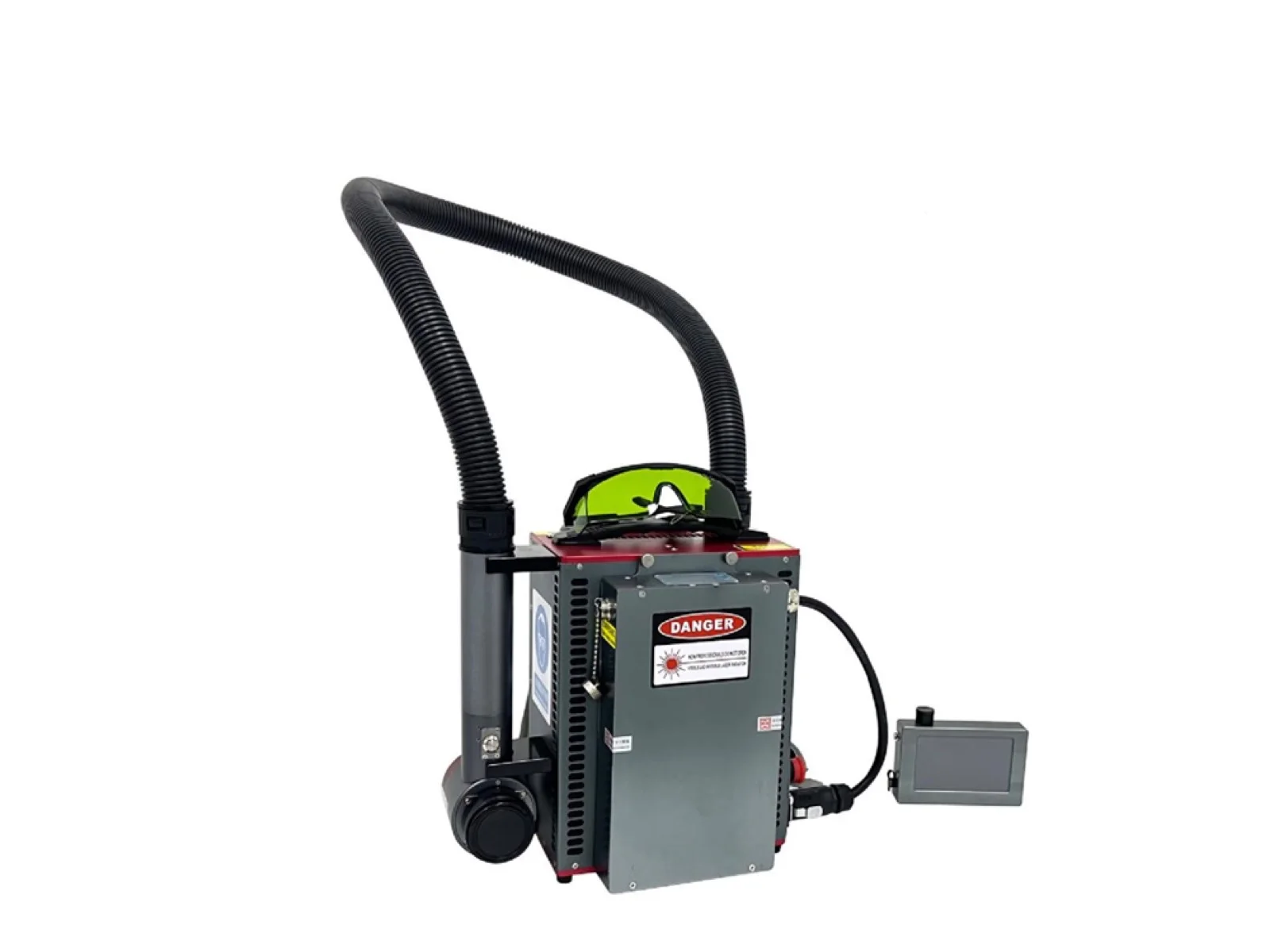
Backpack single-mode pulsed laser cleaning machine
TY-QX1019 series
Backpack-format, single-mode configuration within the pulsed laser cleaning range.
View details →
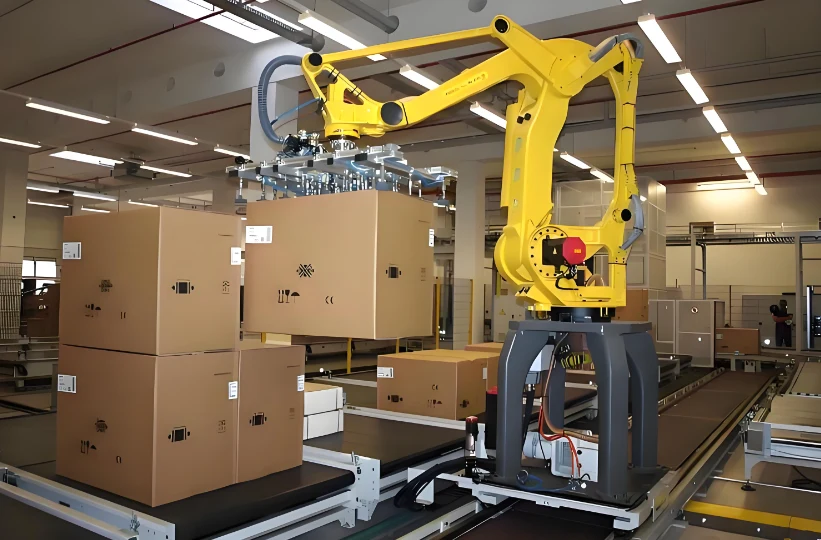
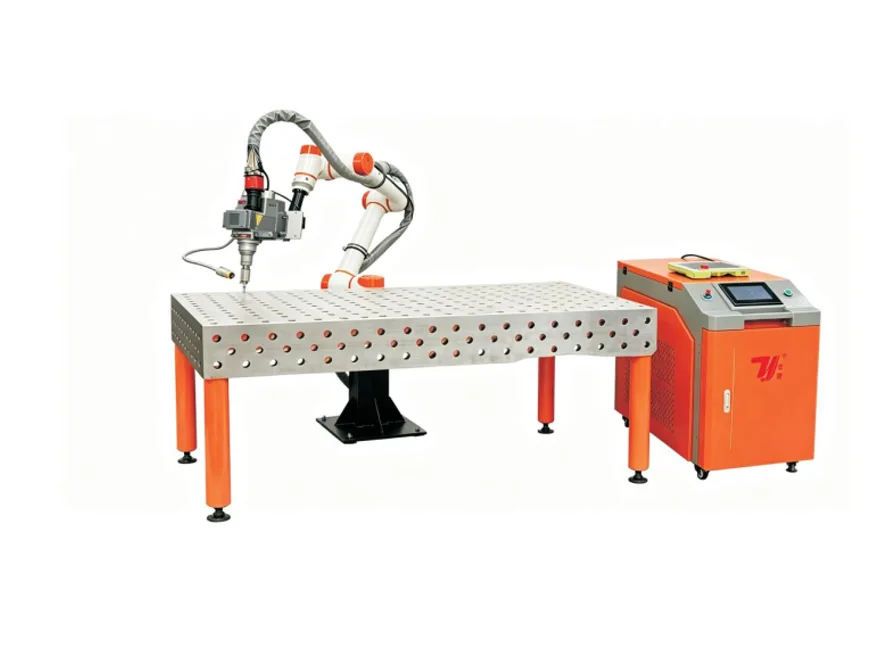
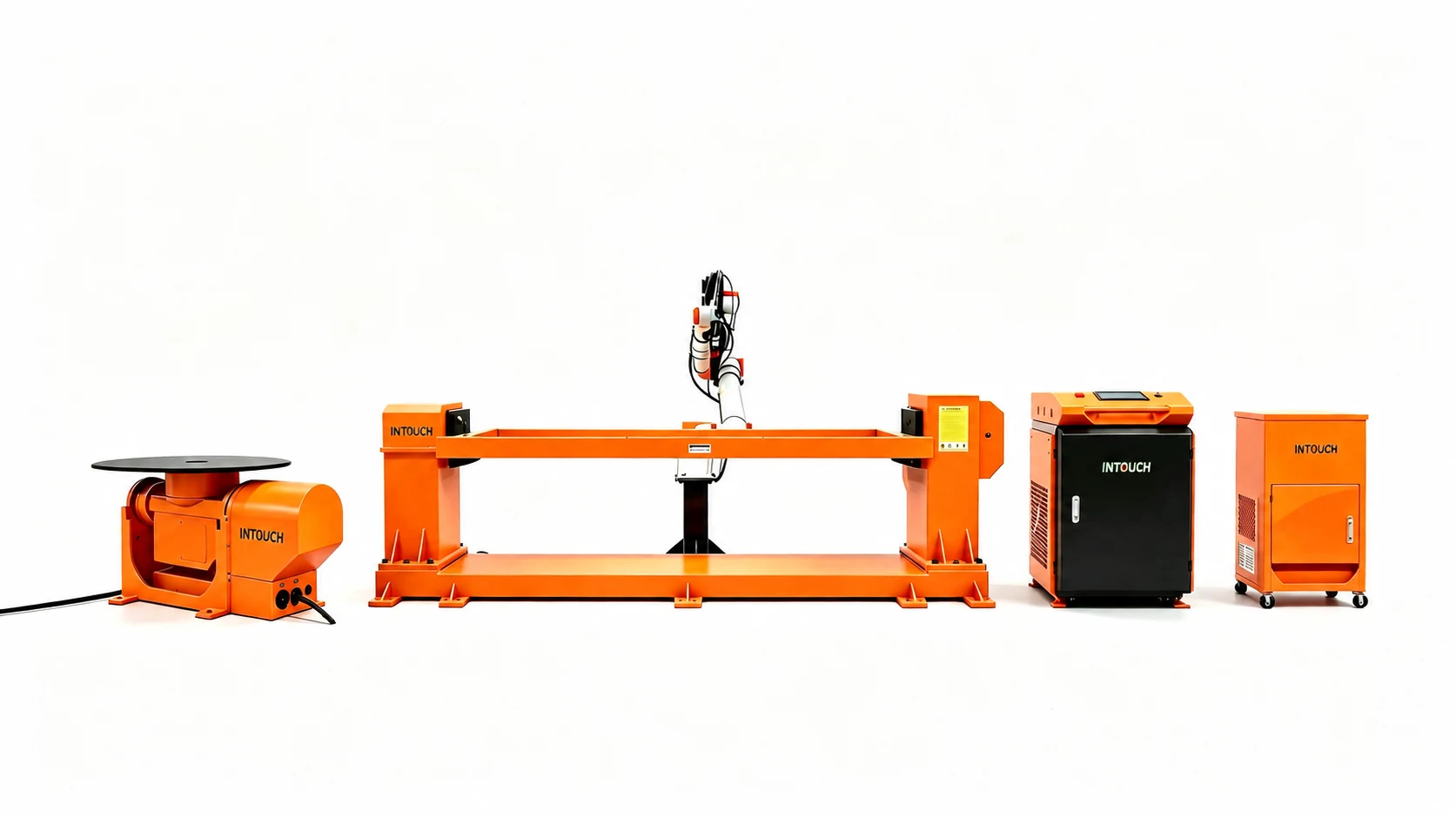
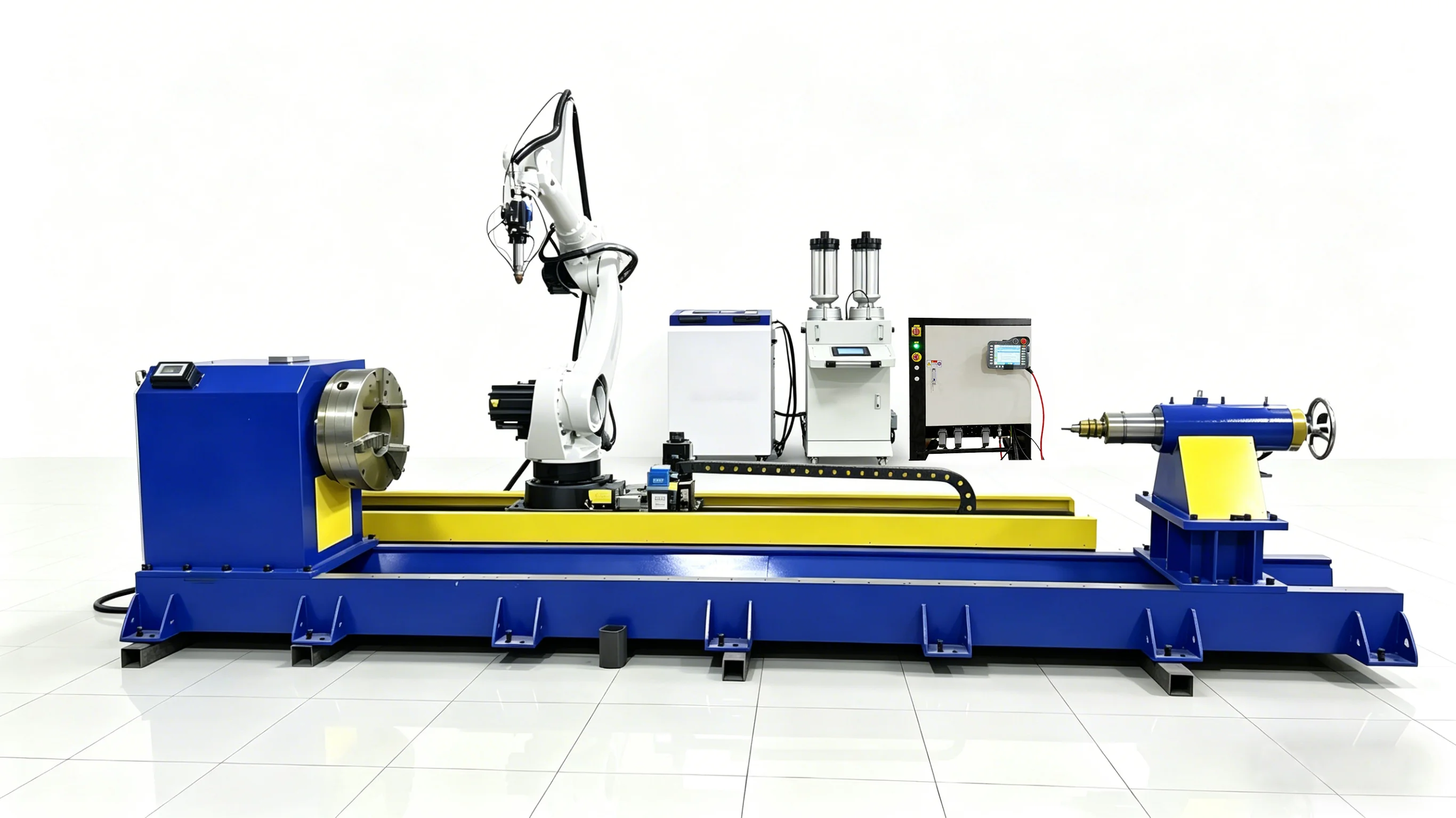
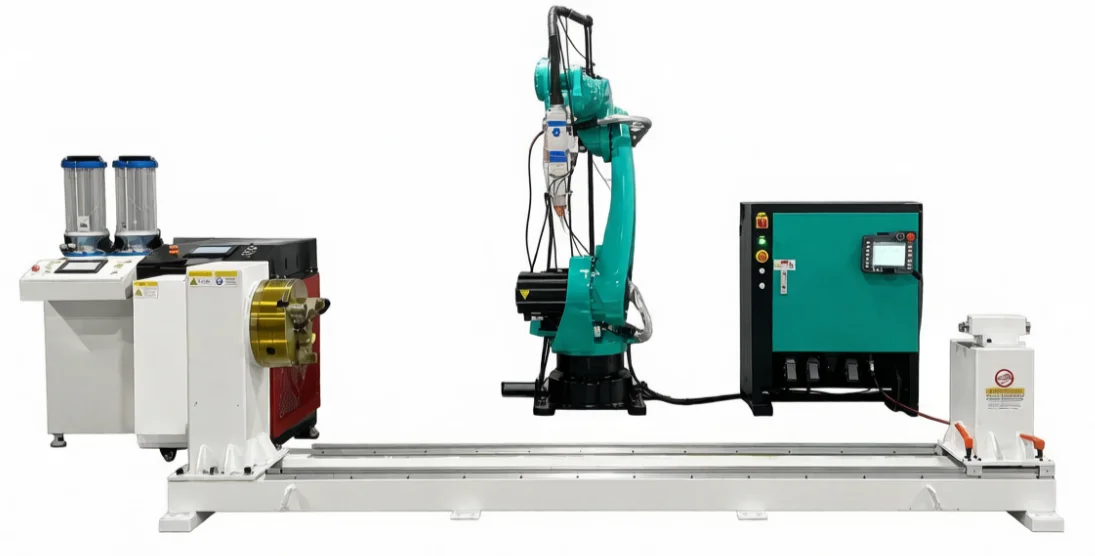
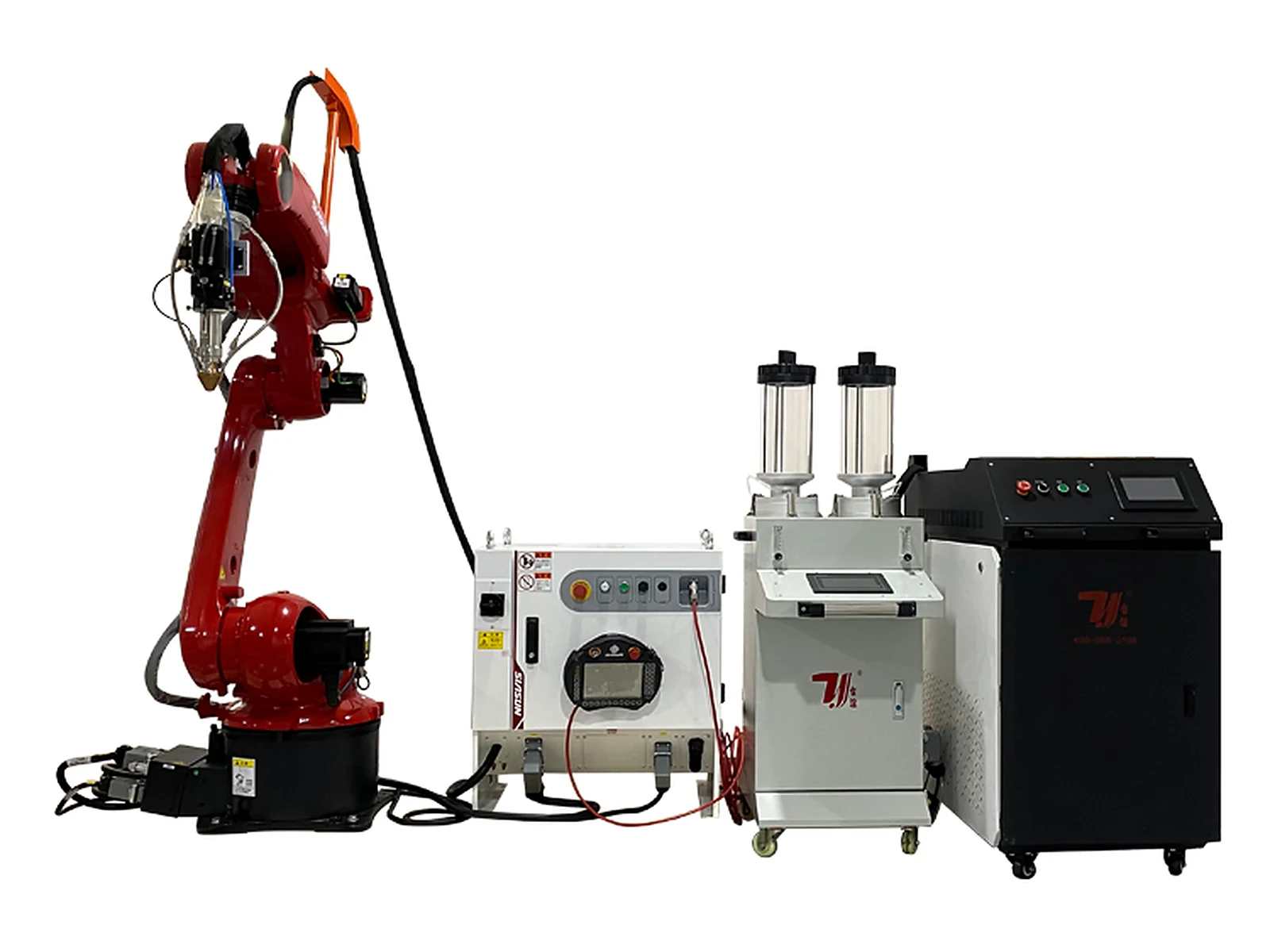
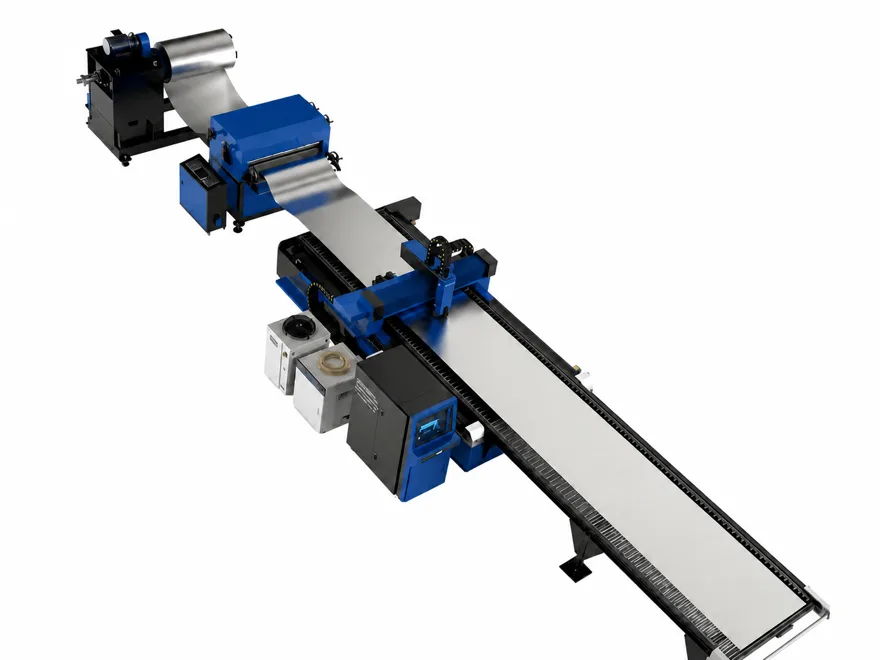
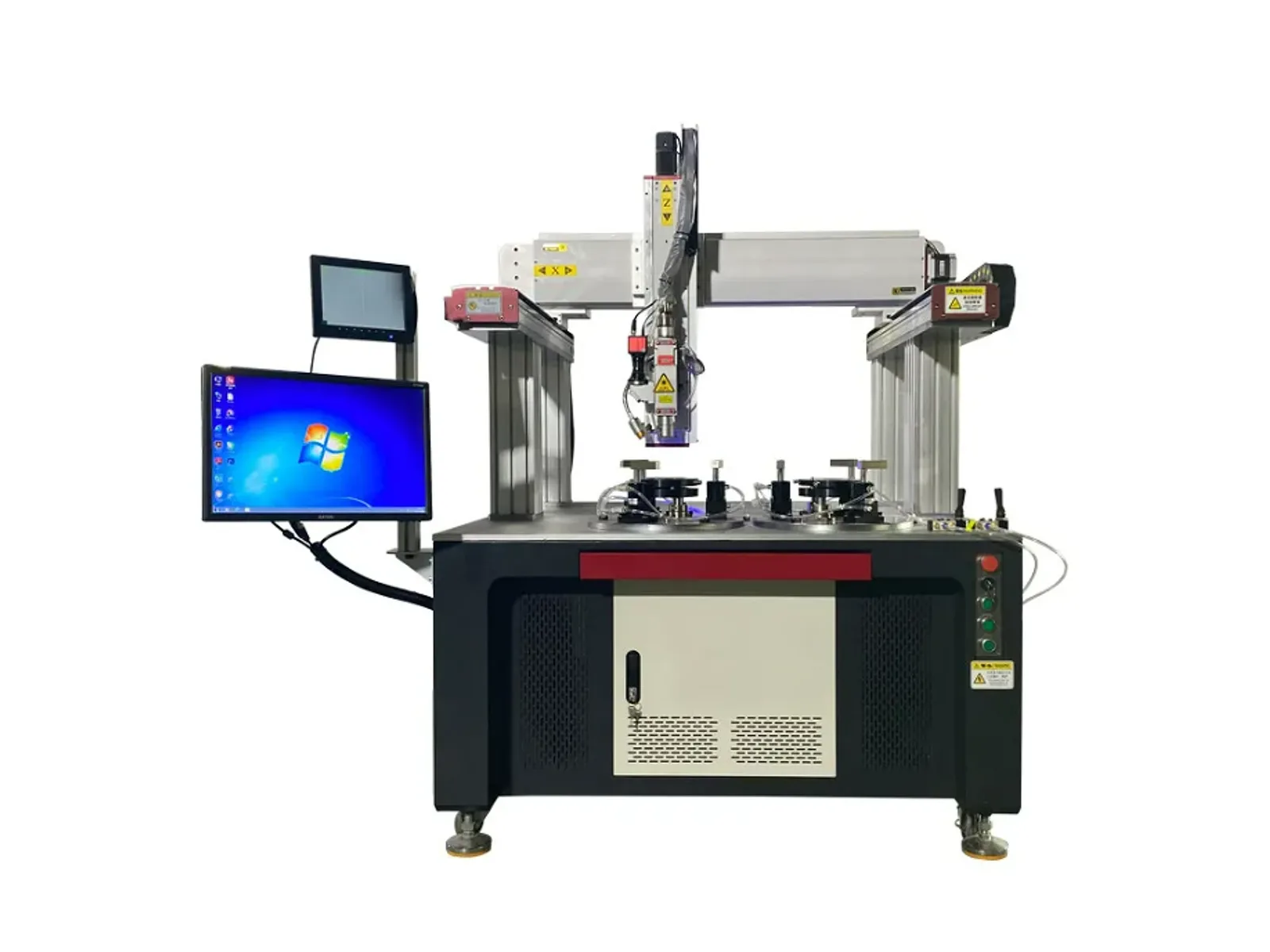 Gantry automatic laser welding machineServo multi-axis gantry system with CCD positioning, 1.5-6 kW configurations and a custom working stroke for the submitted workpiece.
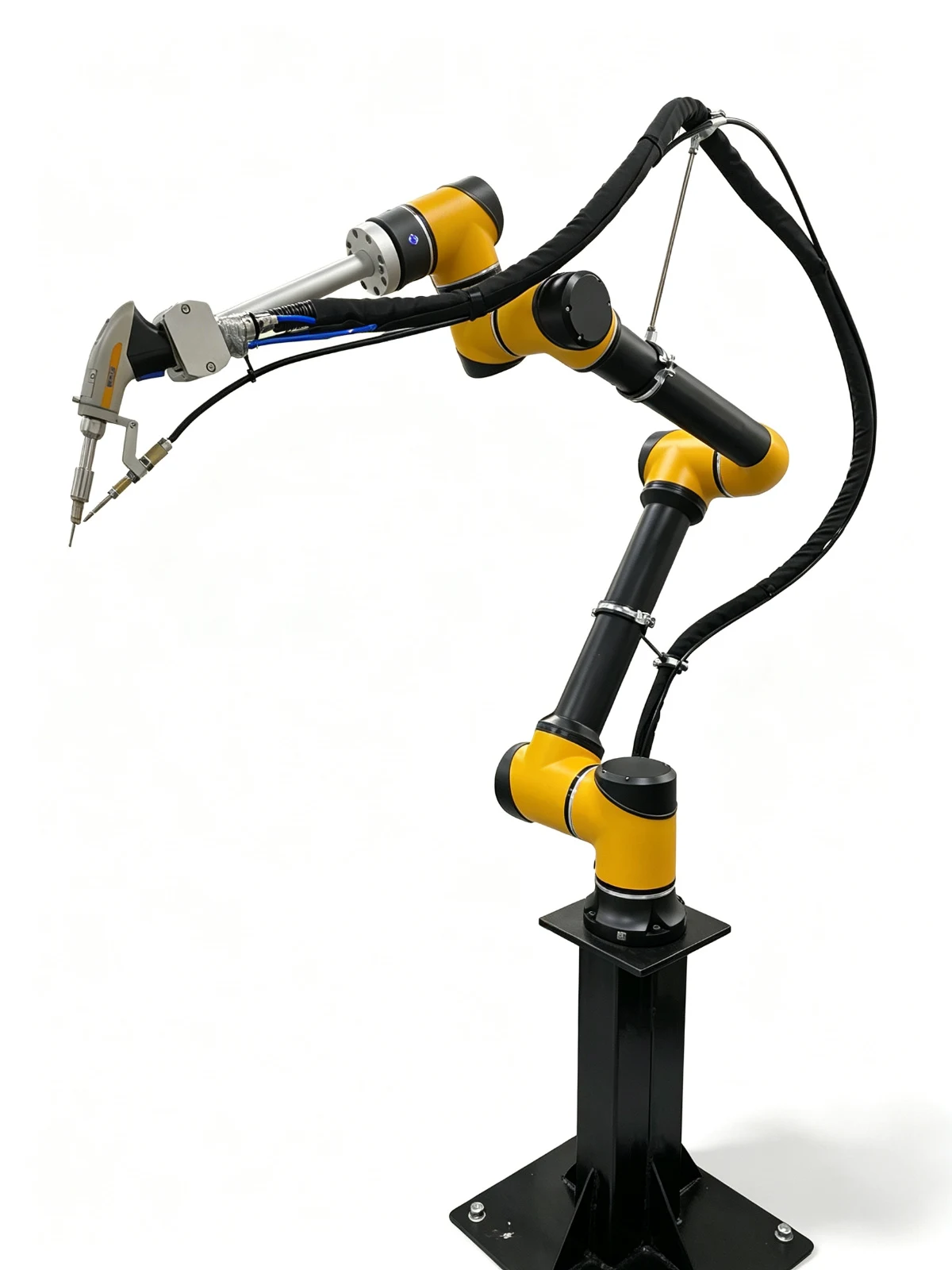
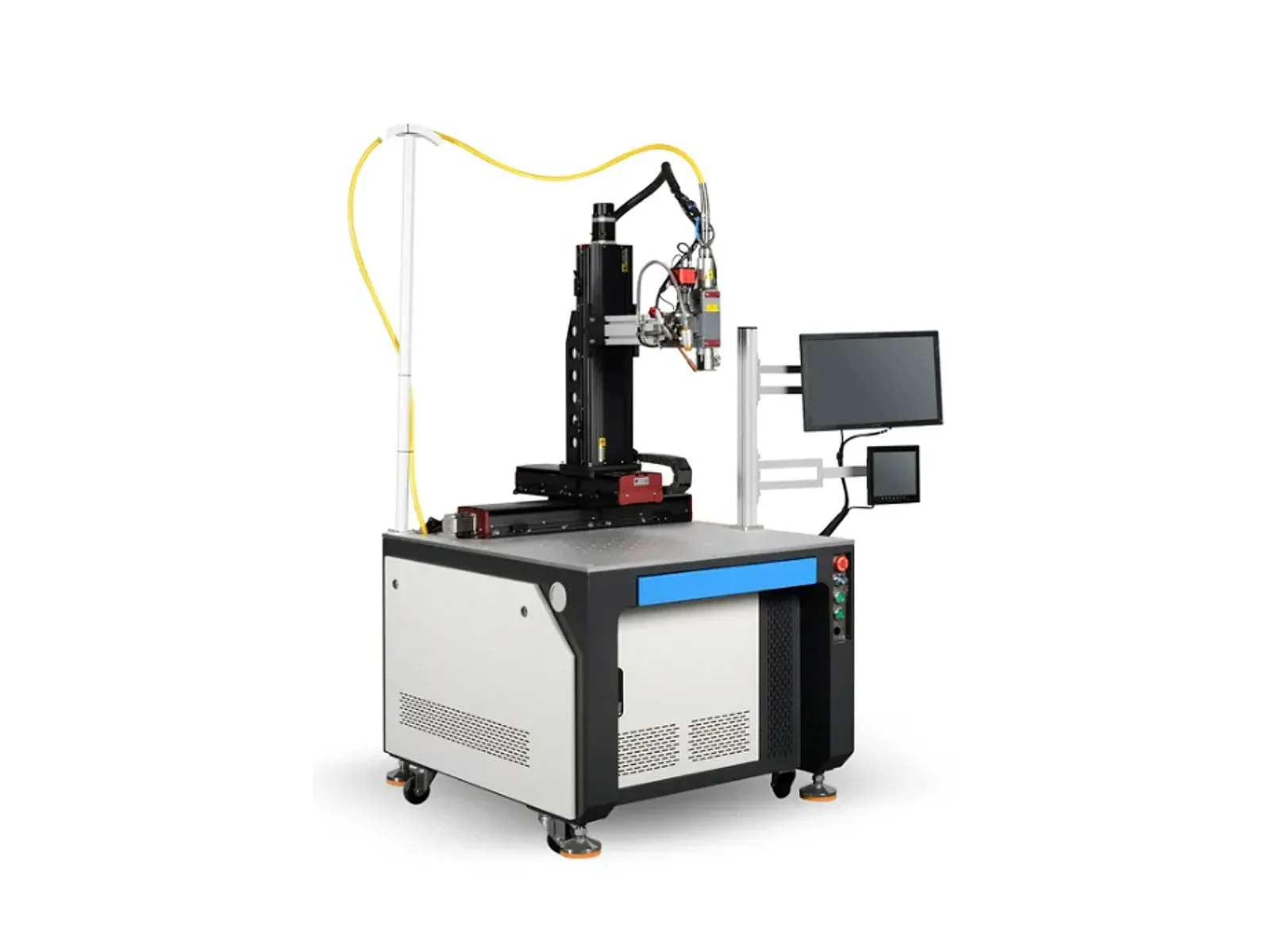 Four-axis automatic laser welding machineFour-axis linkage with CCD-assisted positioning, 1-6 kW configurations and ±0.02 mm repeat positioning for curved and special-shaped weld paths.
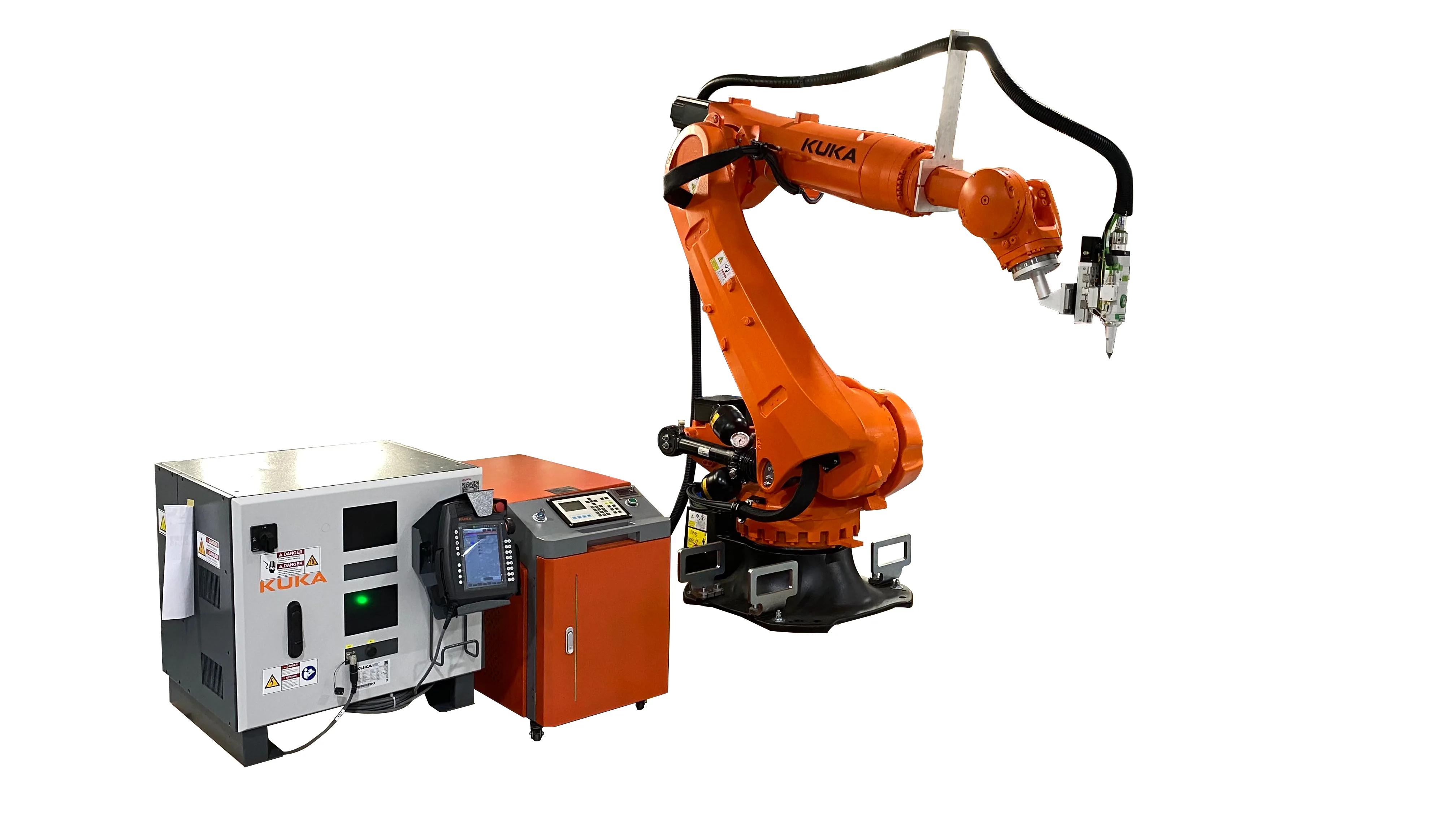
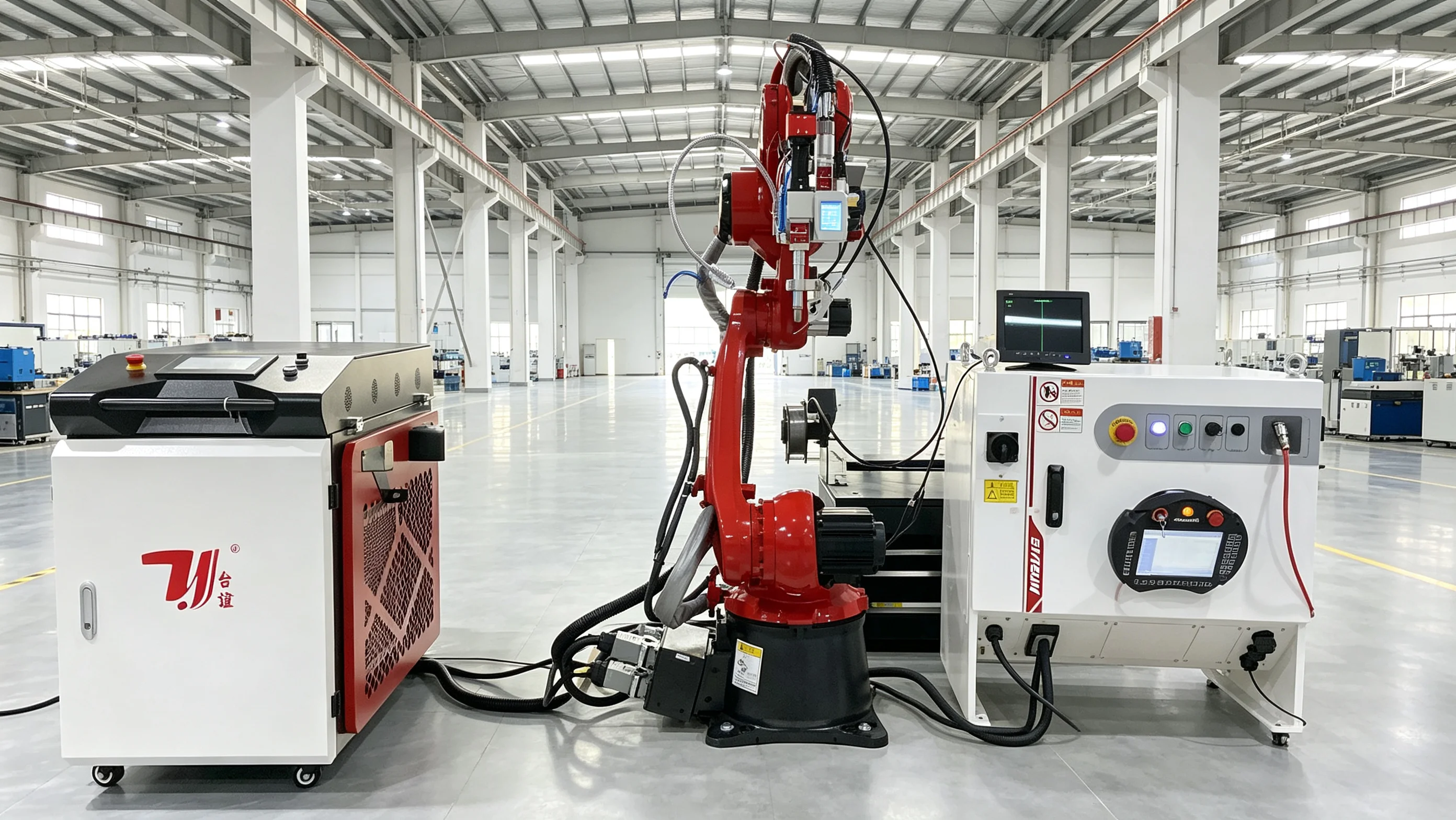
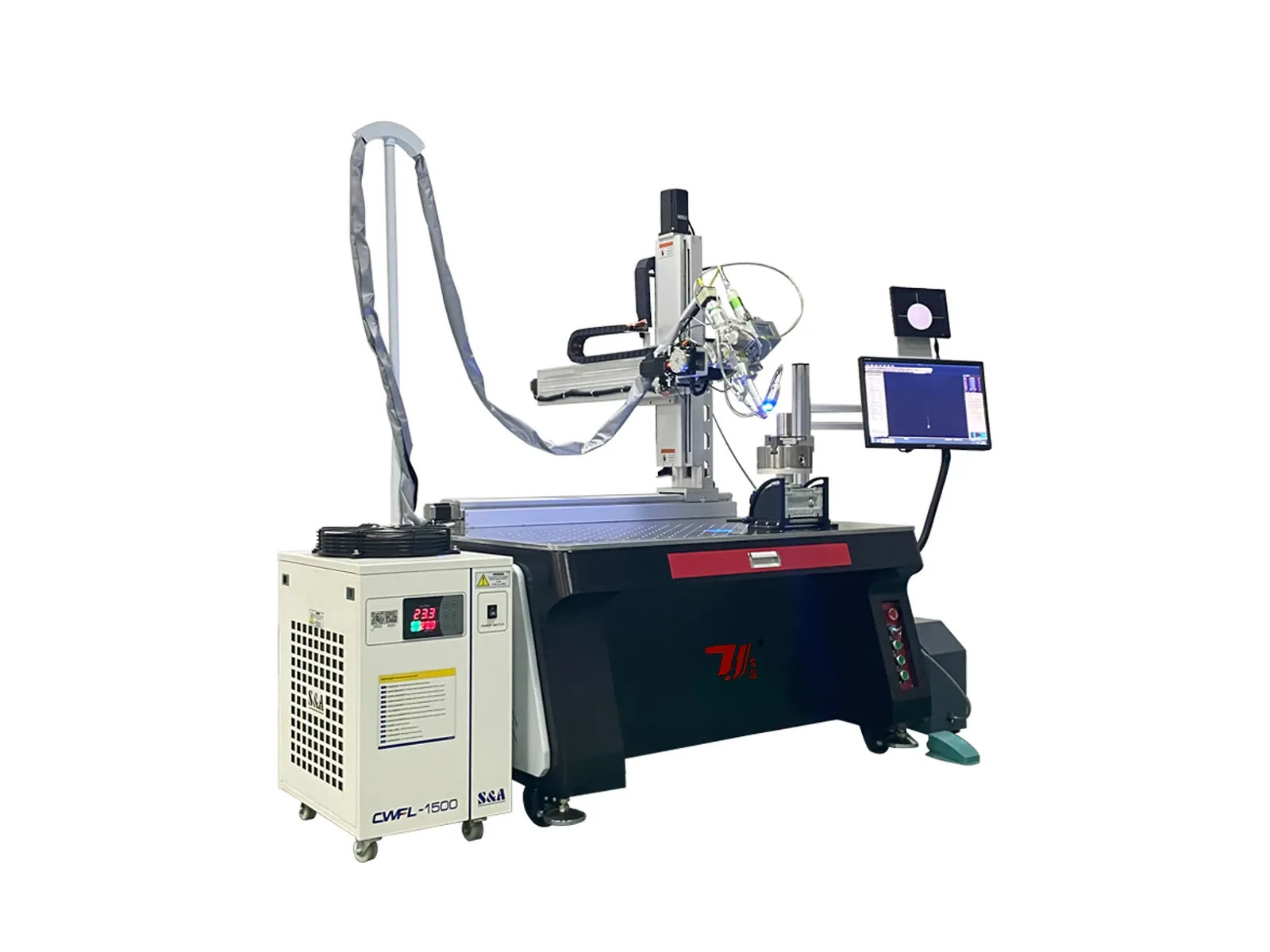 Five-axis automatic laser welding machineFive-axis servo linkage with CCD positioning, 1-6 kW configurations and ±0.02 mm repeat positioning for three-dimensional curved and special-shaped seams.
Surface cleaning
Compare eleven pulsed and continuous-wave laser cleaning configurations. Match the substrate and removal task with the laser mode, cooling method and equipment format.
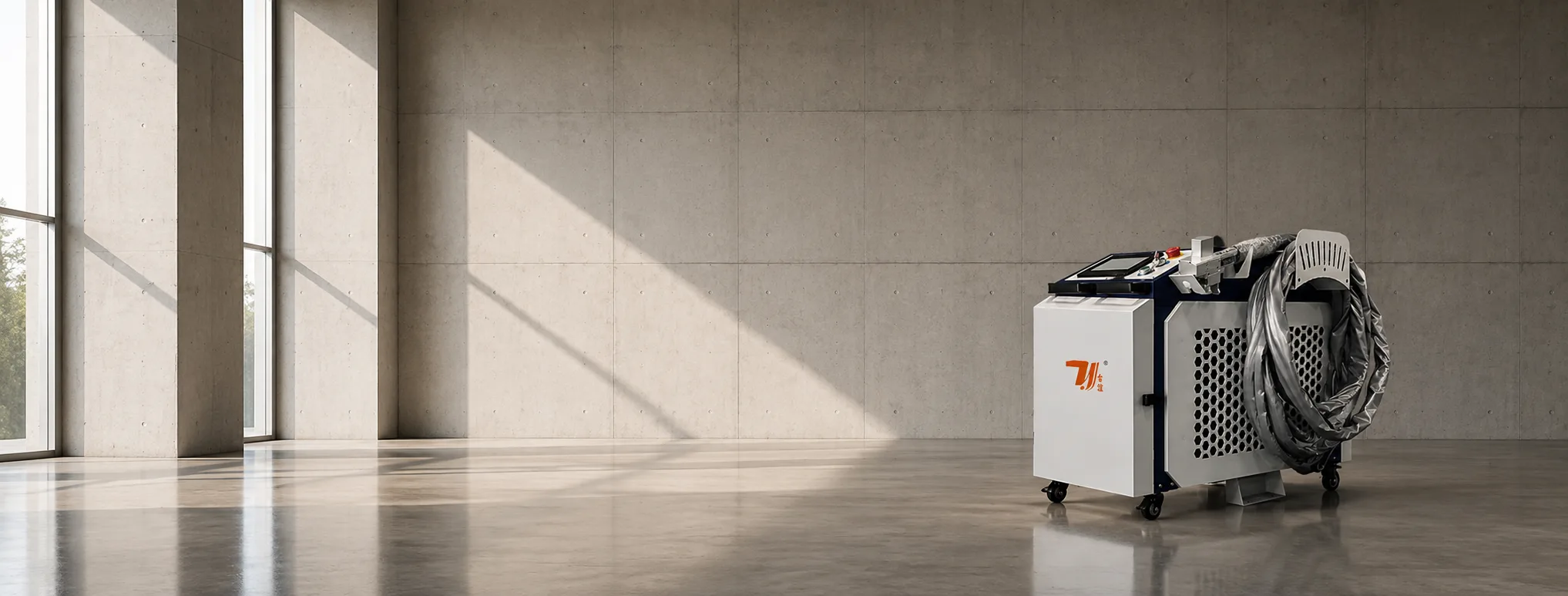
TY-QX1019 series
Backpack-format, single-mode configuration within the pulsed laser cleaning range.
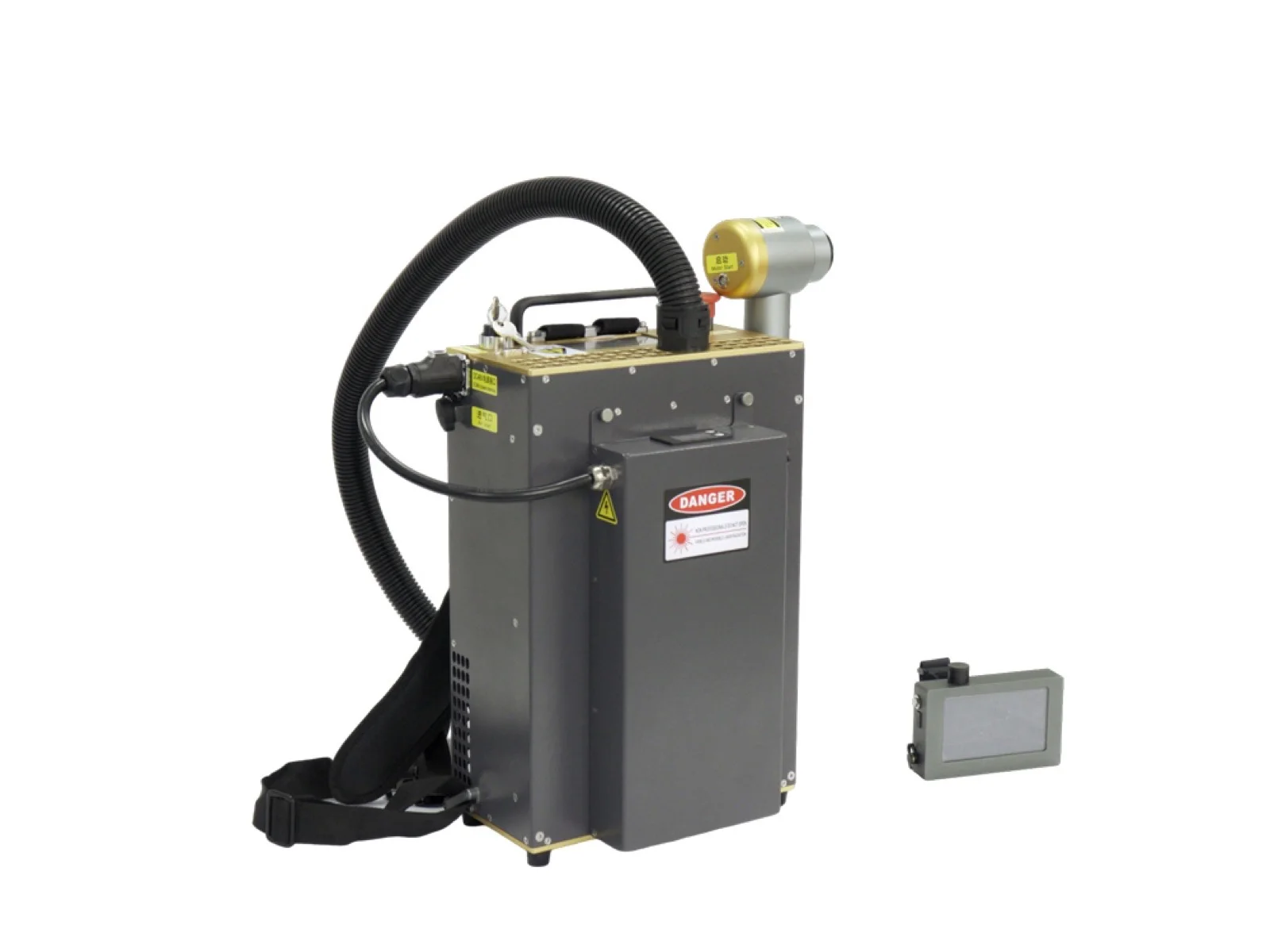
TY-QX1019 series
Backpack-format, multi-mode configuration within the pulsed laser cleaning range.
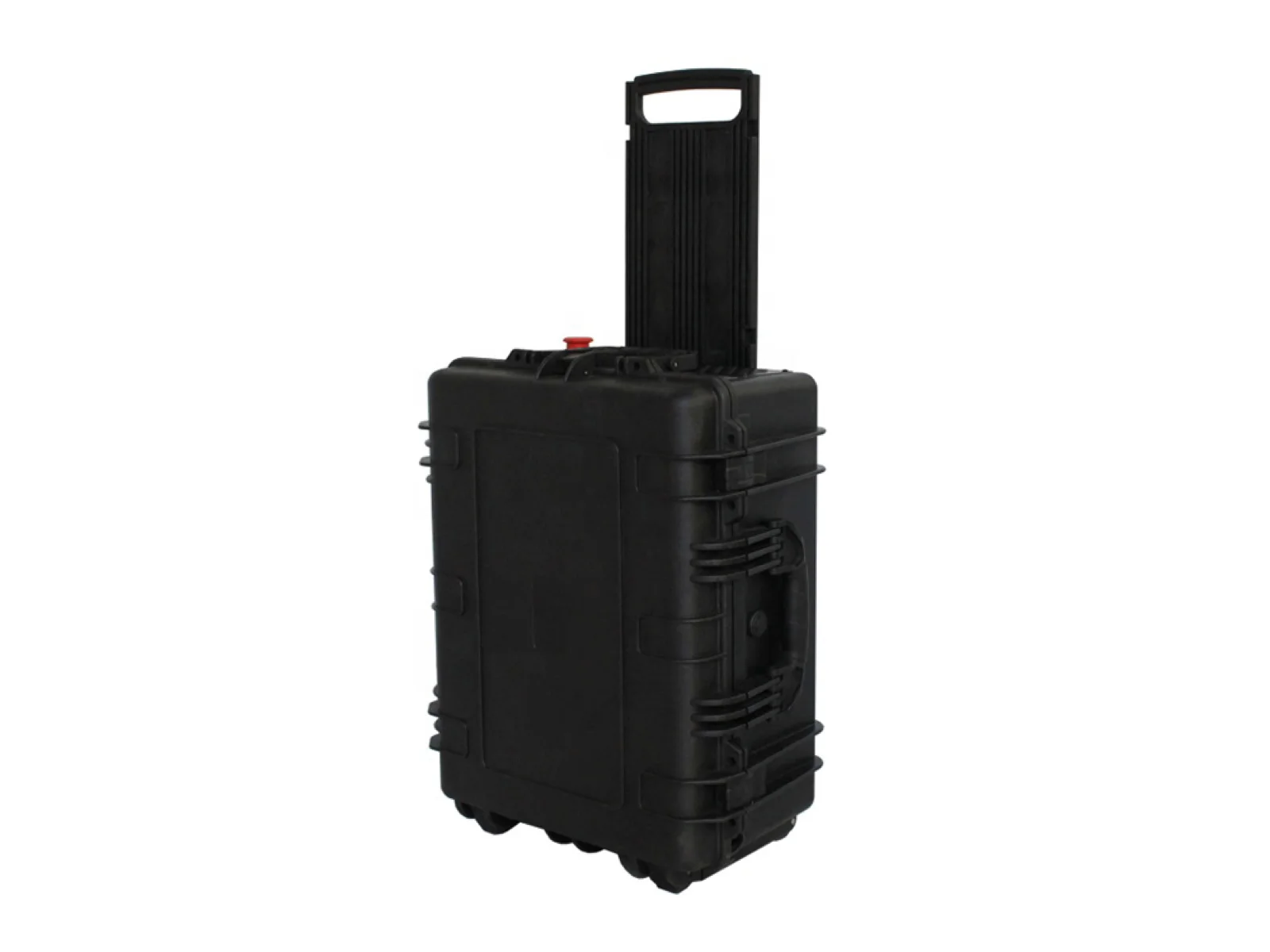
TY-QX1019 series
Suitcase-format, single-mode configuration within the pulsed laser cleaning range.
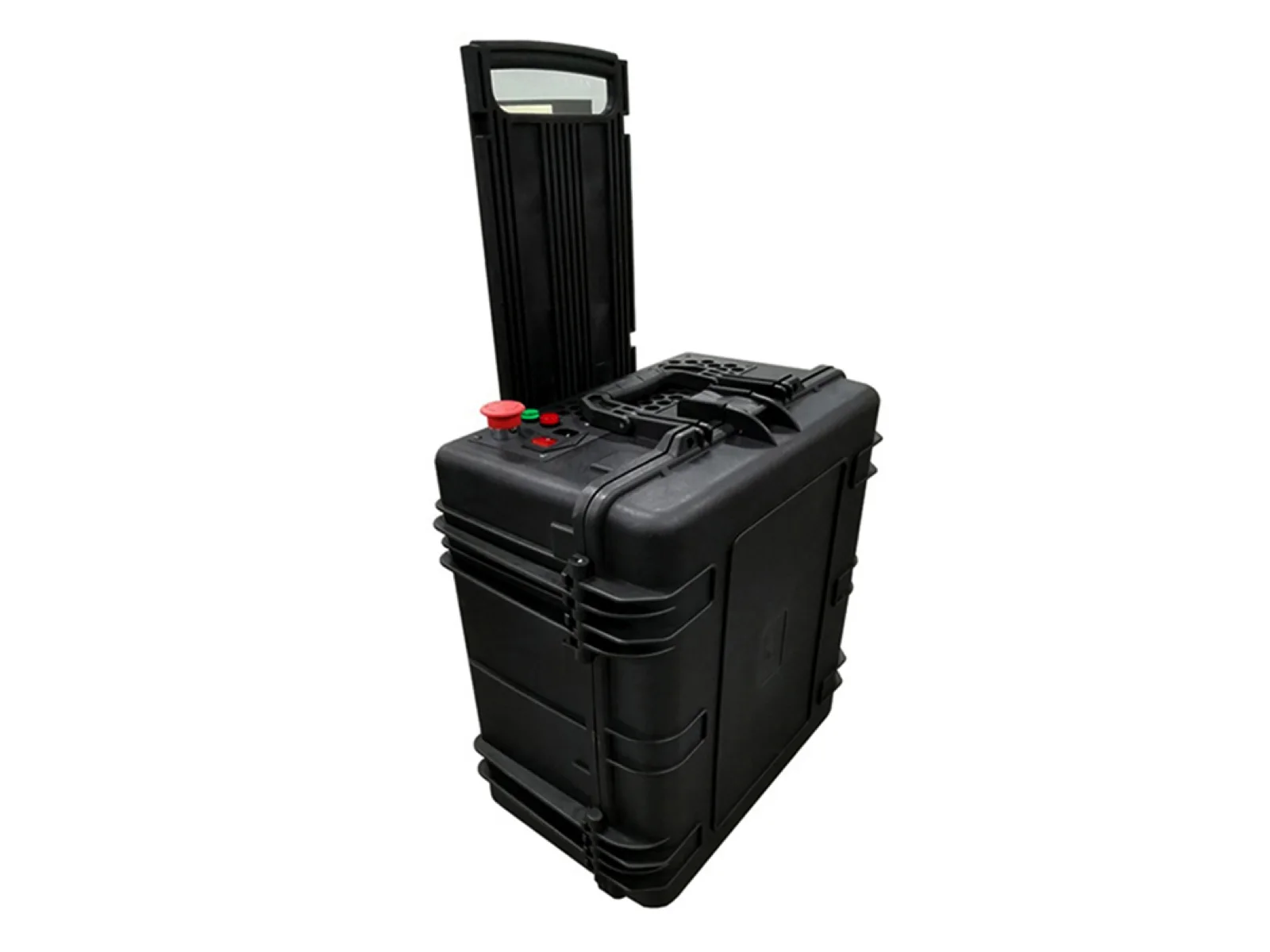
TY-QX1019 series
Suitcase-format, multi-mode configuration within the pulsed laser cleaning range.
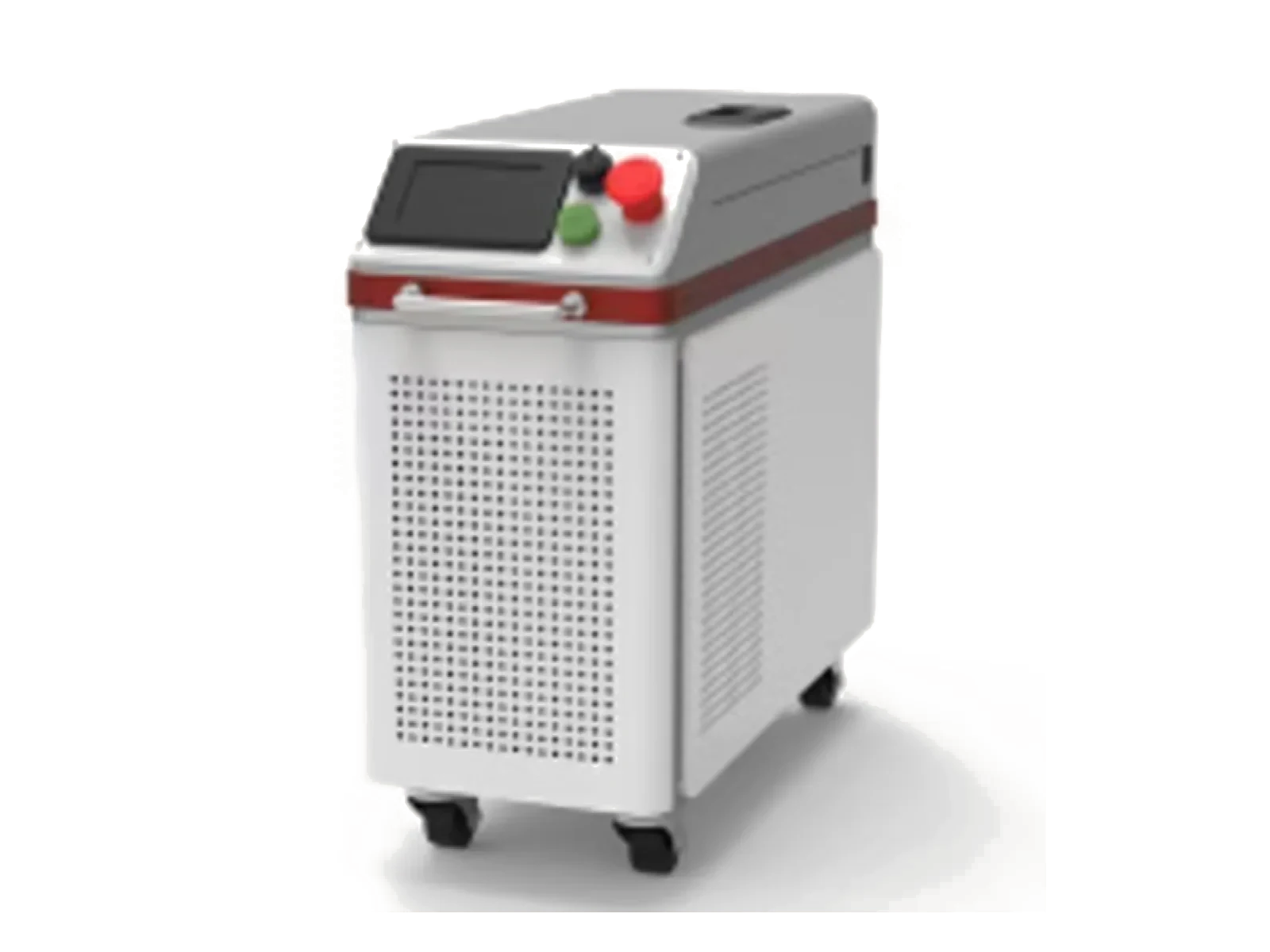
TY-QX1019 series
Compact air-cooled cabinet, single-mode configuration within the pulsed laser cleaning range.
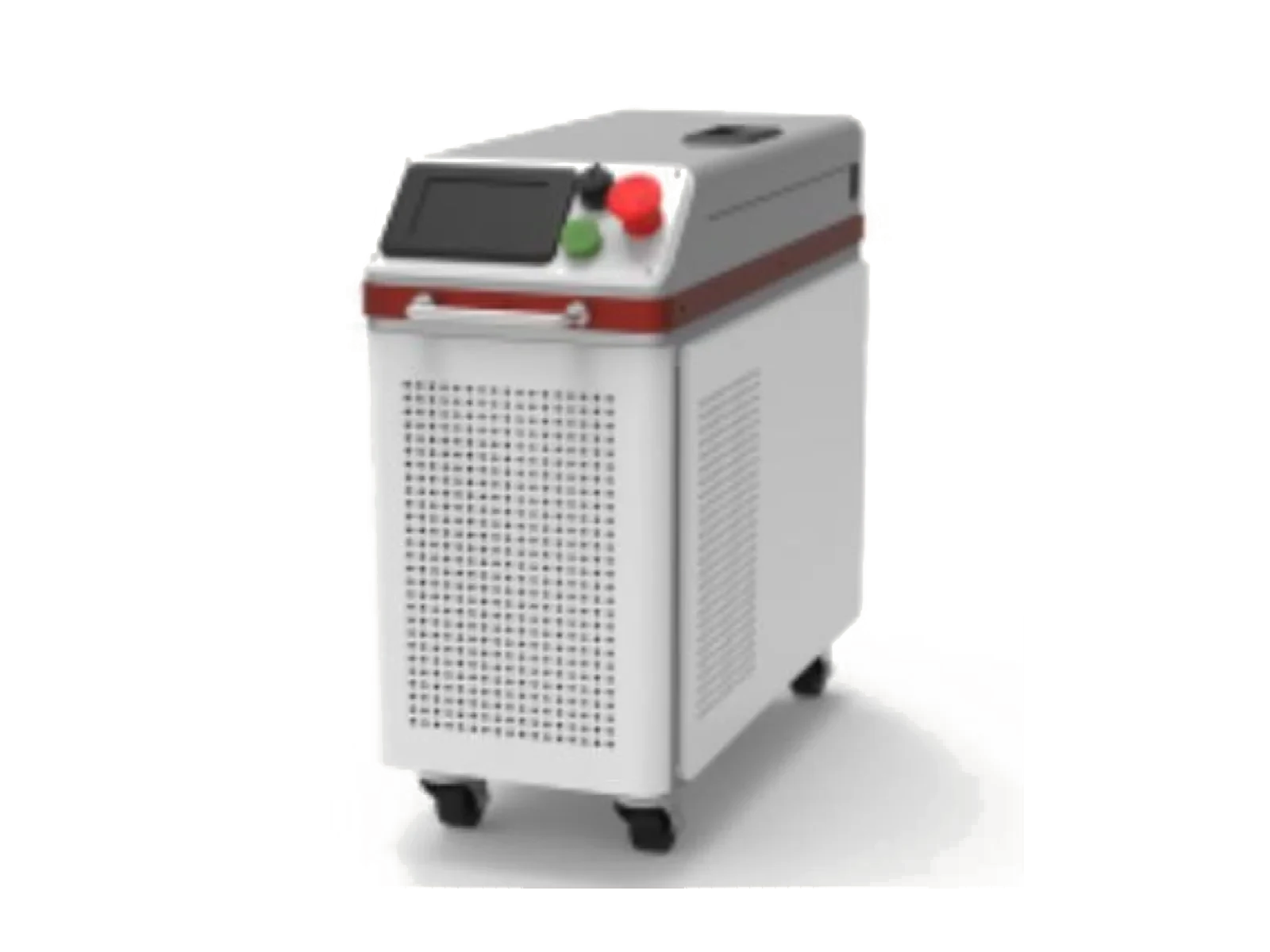
TY-QX1019 series
Air-cooled cabinet, single-mode configuration within the pulsed laser cleaning range.
Cabinet layout illustration; confirm the single-mode configuration and machine appearance before ordering.
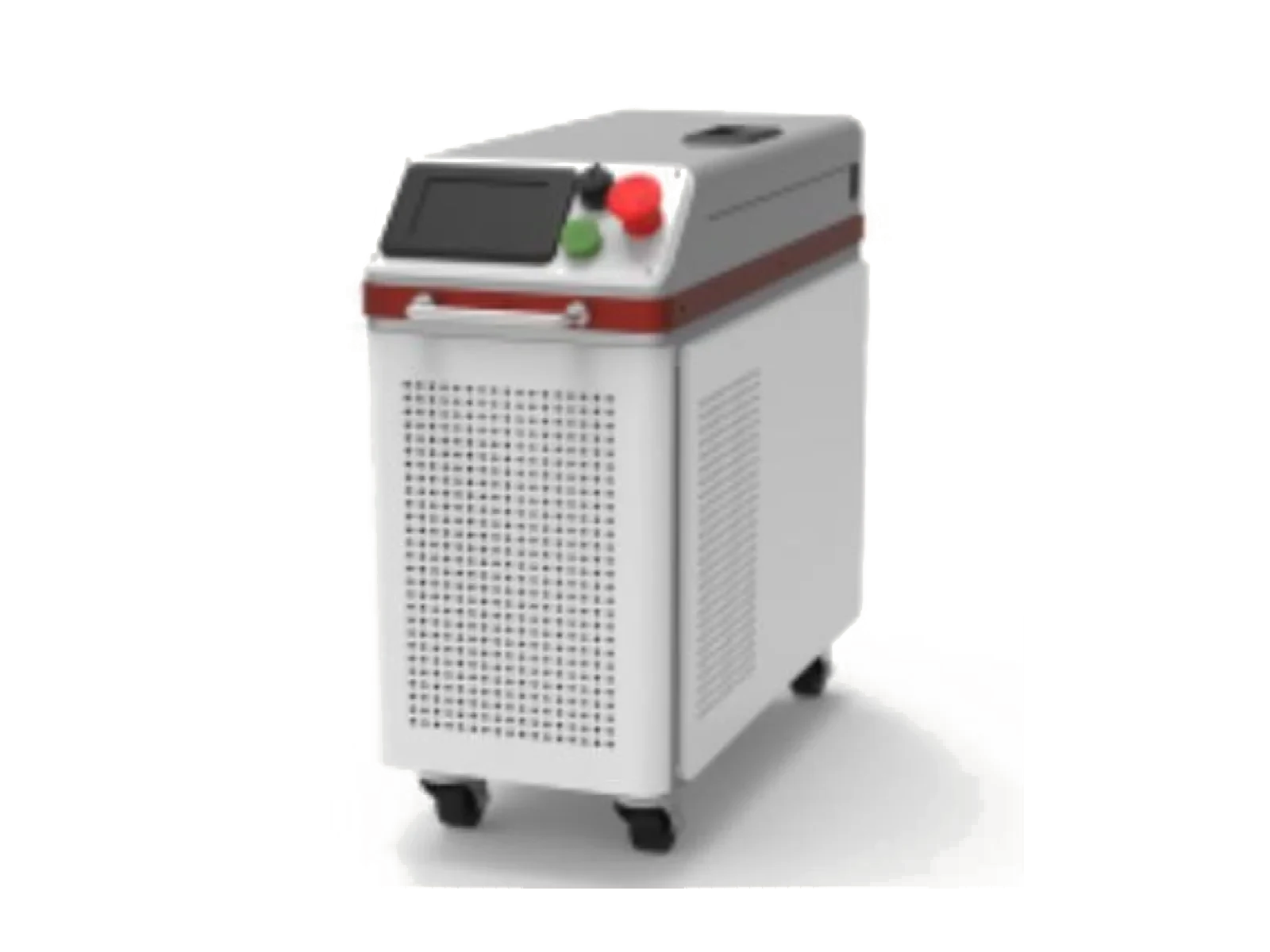
TY-QX1019 series
Air-cooled cabinet, multi-mode configuration within the pulsed laser cleaning range.
Cabinet layout illustration; confirm the multi-mode configuration and machine appearance before ordering.
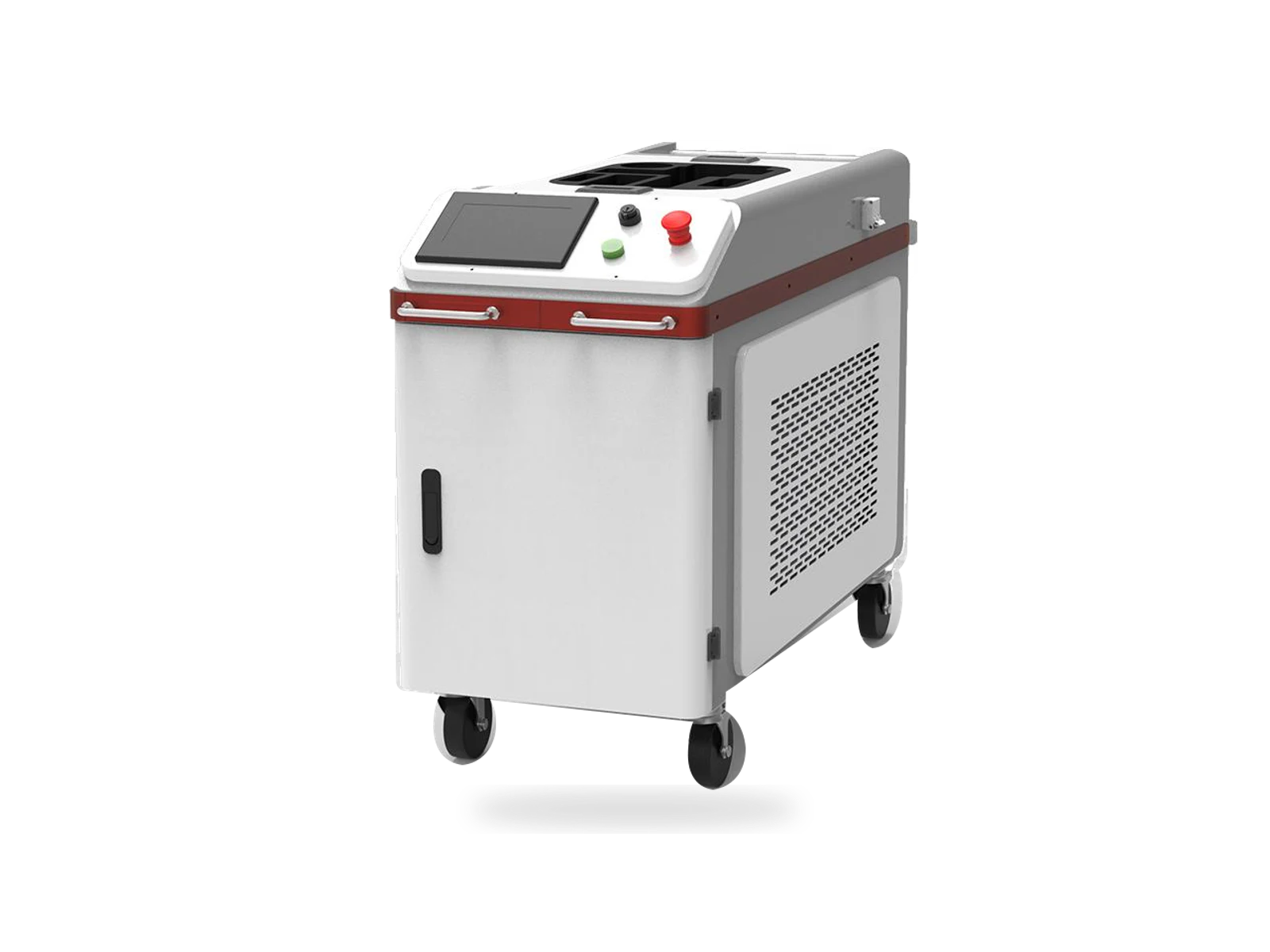
TY-QX1019 series
Water-cooled cabinet, single-mode configuration within the pulsed laser cleaning range.
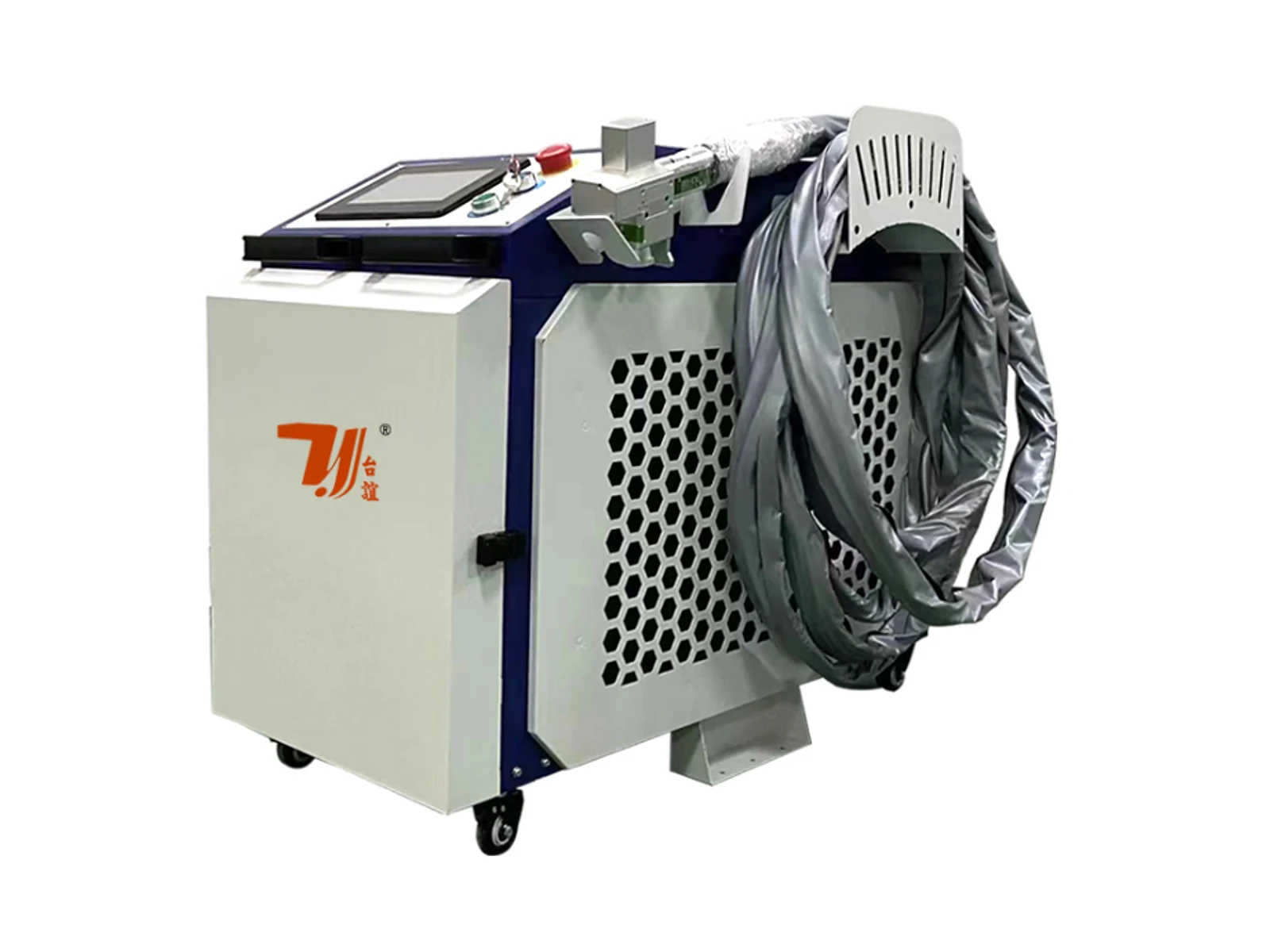
TY-HS1022 series
Water-cooled continuous-wave configuration below 3000 W.
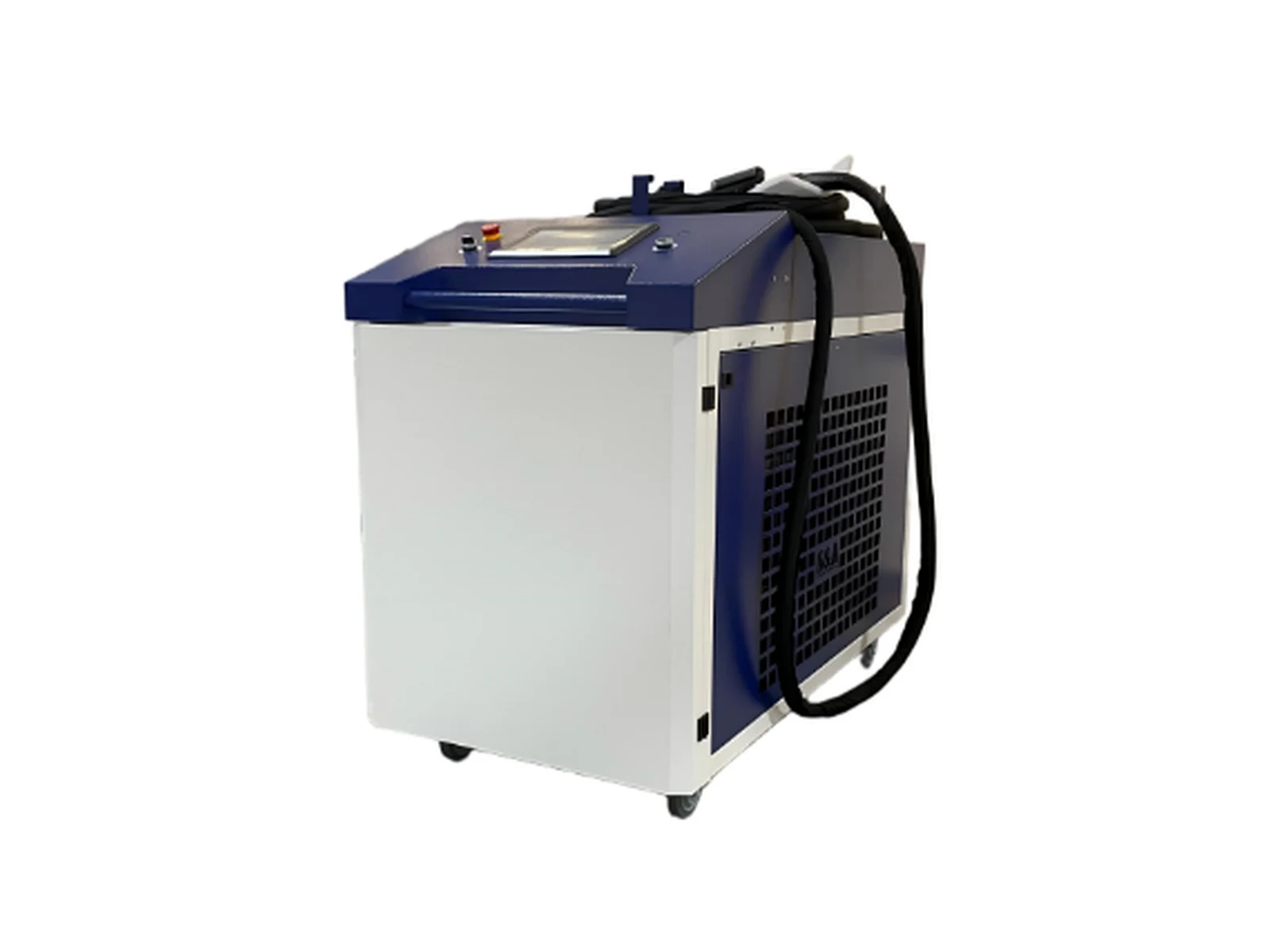
TY-HS1022 series
Water-cooled continuous-wave configuration for the listed 3000 W and 6000 W power levels.
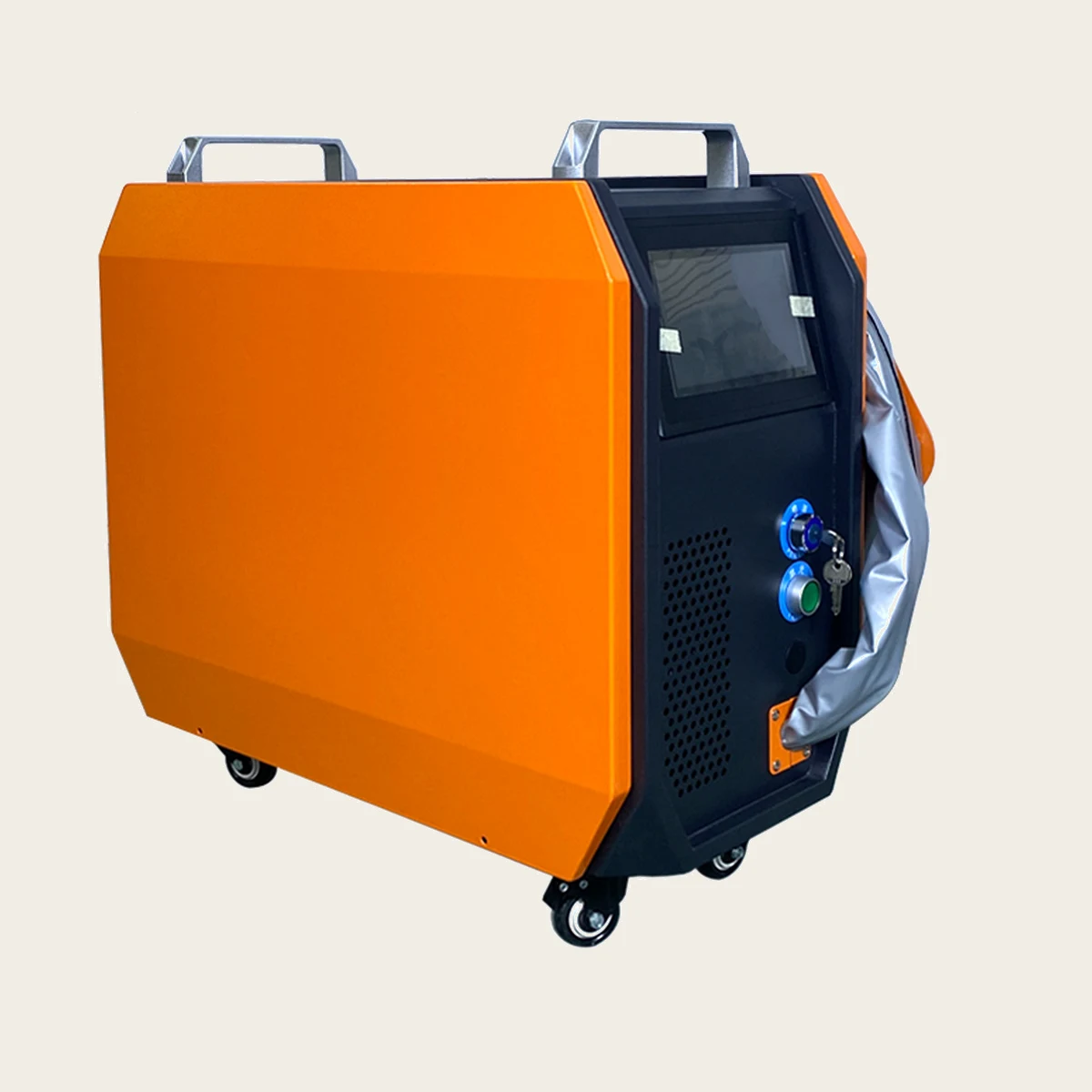
TY-HS1023
Air-cooled continuous-wave configuration for mobile industrial cleaning work.
Start with what must be removed, the material underneath and the surface condition you need to achieve. Then compare pulsed or continuous-wave equipment, cooling method and machine format. The eleven configurations below cover different combinations of these features; cabinet size or laser power alone is not a complete selection method.
Compare these TY-QX1019 formats when equipment transport and access to the work area are part of the brief. Single-mode and multi-mode versions are separate configurations; confirm the selected version and its specifications.
Review the MINI, air-cooled and water-cooled cabinet options for the planned work area. Compare the individual configuration rather than treating all TY-QX1019 cabinets as identical.
The TY-HS1022 range separates configurations below 3000 W from the listed 3000 W and 6000 W options. Assess the cleaning task and site requirements before choosing a power level.
TY-HS1023 provides a separate air-cooled continuous-wave configuration. Include movement between work areas, available space and the intended workload when comparing it with water-cooled alternatives.
Identify the substrate, the layer to remove and the acceptable surface result first. These requirements guide the comparison between the pulsed TY-QX1019 range and continuous-wave TY-HS1022 or TY-HS1023 equipment. Review a representative application before confirming a configuration; there is no single choice for every surface.
No. Single-mode and multi-mode identify configurations within the pulsed laser cleaning range. They should not be interpreted as a promise of cutting, welding and cleaning functions in one machine. Check the named configuration and its detail-page specifications.
No. Air or water cooling describes the cooling arrangement, while backpack, suitcase and cabinet describe equipment format. Compare dimensions, movement requirements and site conditions for the actual model instead of assuming all air-cooled equipment has the same portability.
No. Power is one specification alongside the laser configuration and the cleaning task. The layer to remove, substrate and required surface finish must be assessed together. A higher listed wattage does not establish an acceptable cleaning result or guarantee that the underlying surface will be unaffected.
Provide the substrate, the coating or residue to remove, photographs or a representative sample, the area and geometry to be cleaned, and the desired surface result. Include the workload and whether the machine must move between locations so the equipment and site arrangements can be reviewed.
Request a quote
Share your part drawing, material and production requirements. The quotation will identify the selected equipment, tooling, handling options and integration scope for your project.