
Industrial laser machines and automation
Find equipment by the part you make and the operation it needs. Compare nine categories, then review the machine configuration, fixtures and production interfaces.
Machine categories
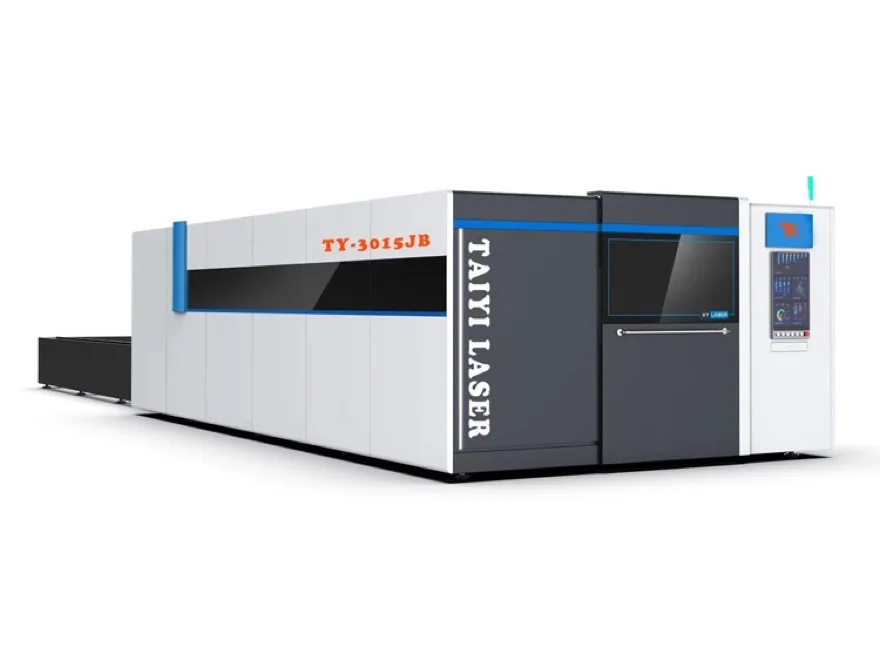
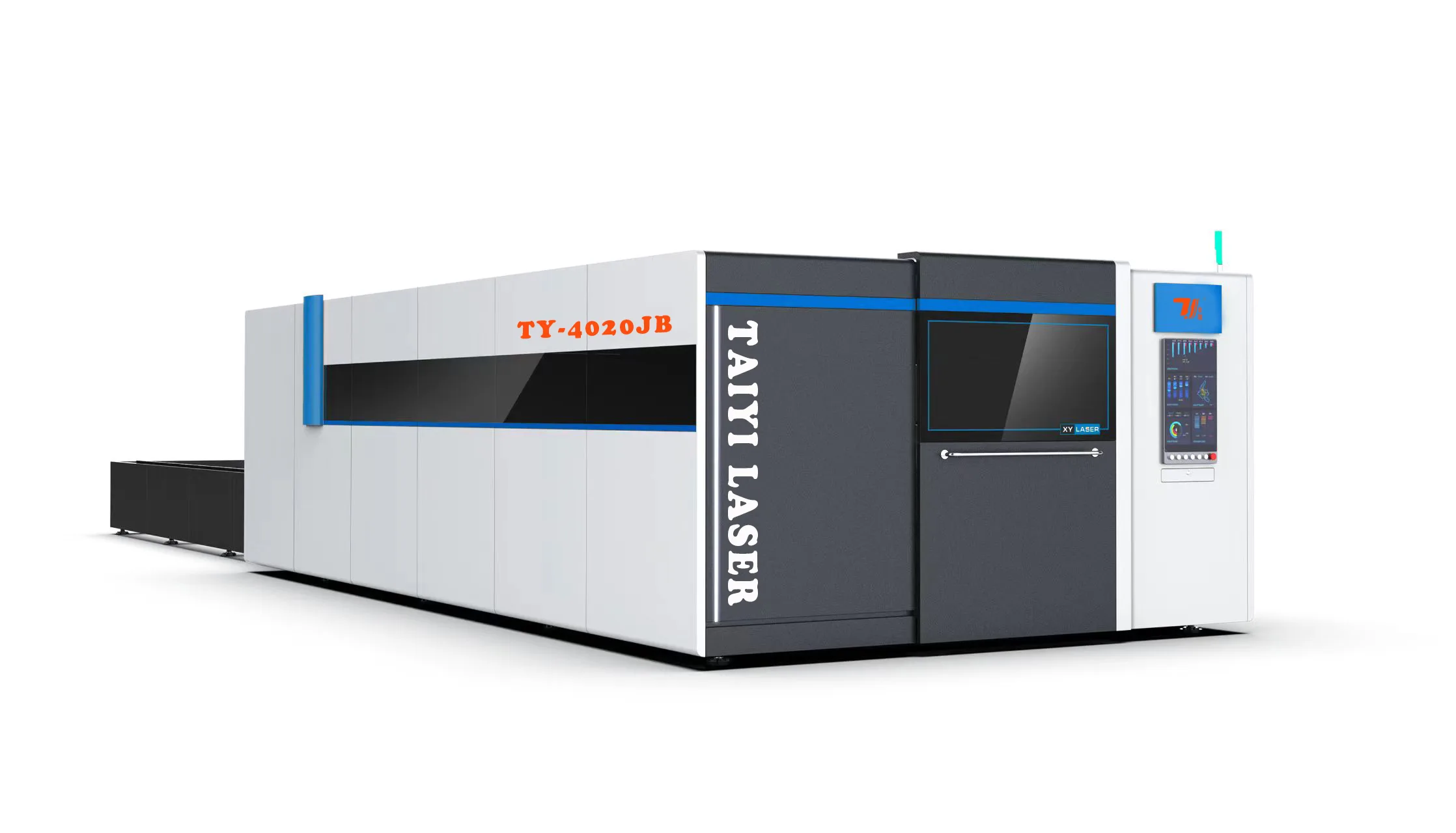
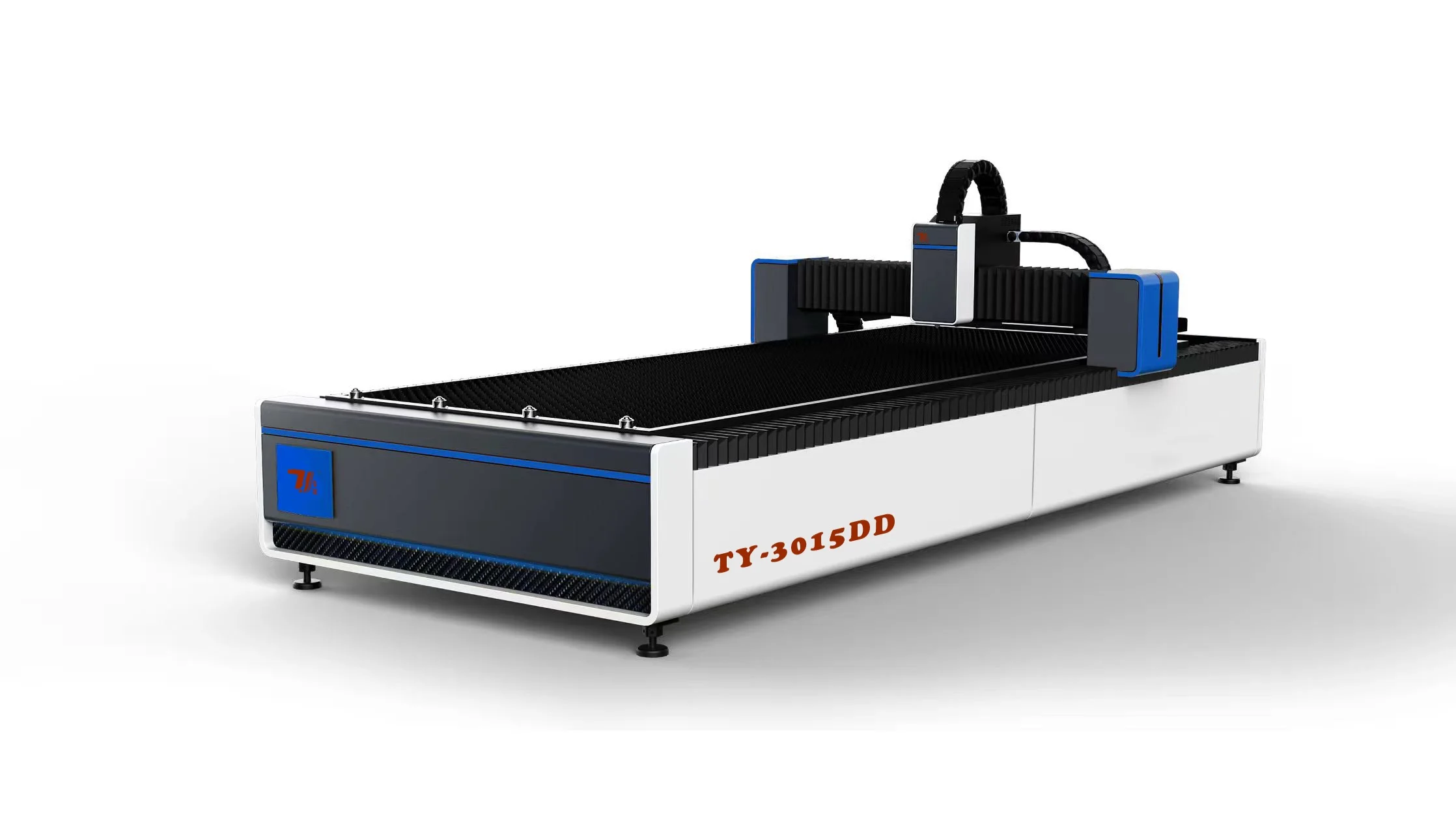
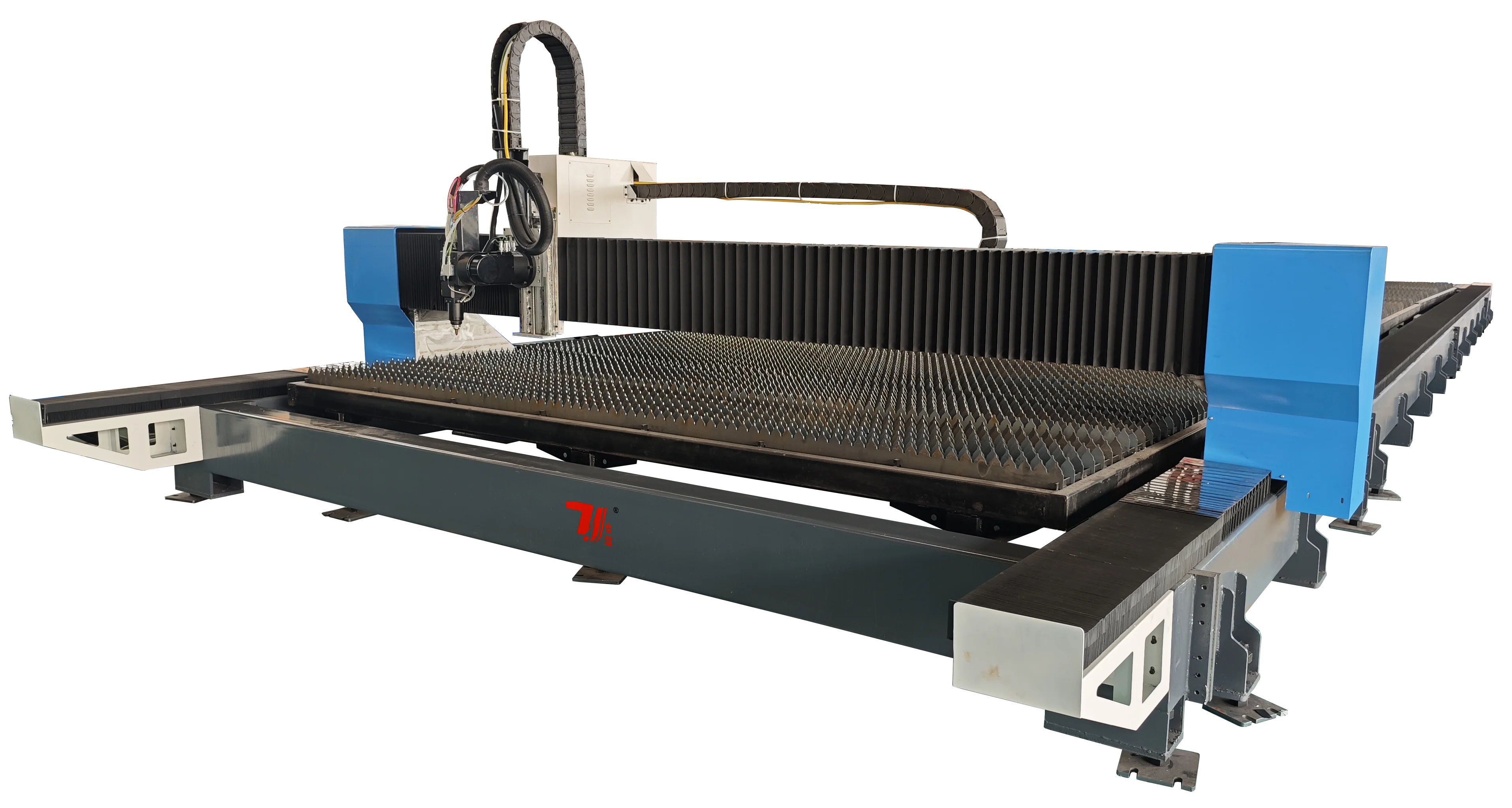
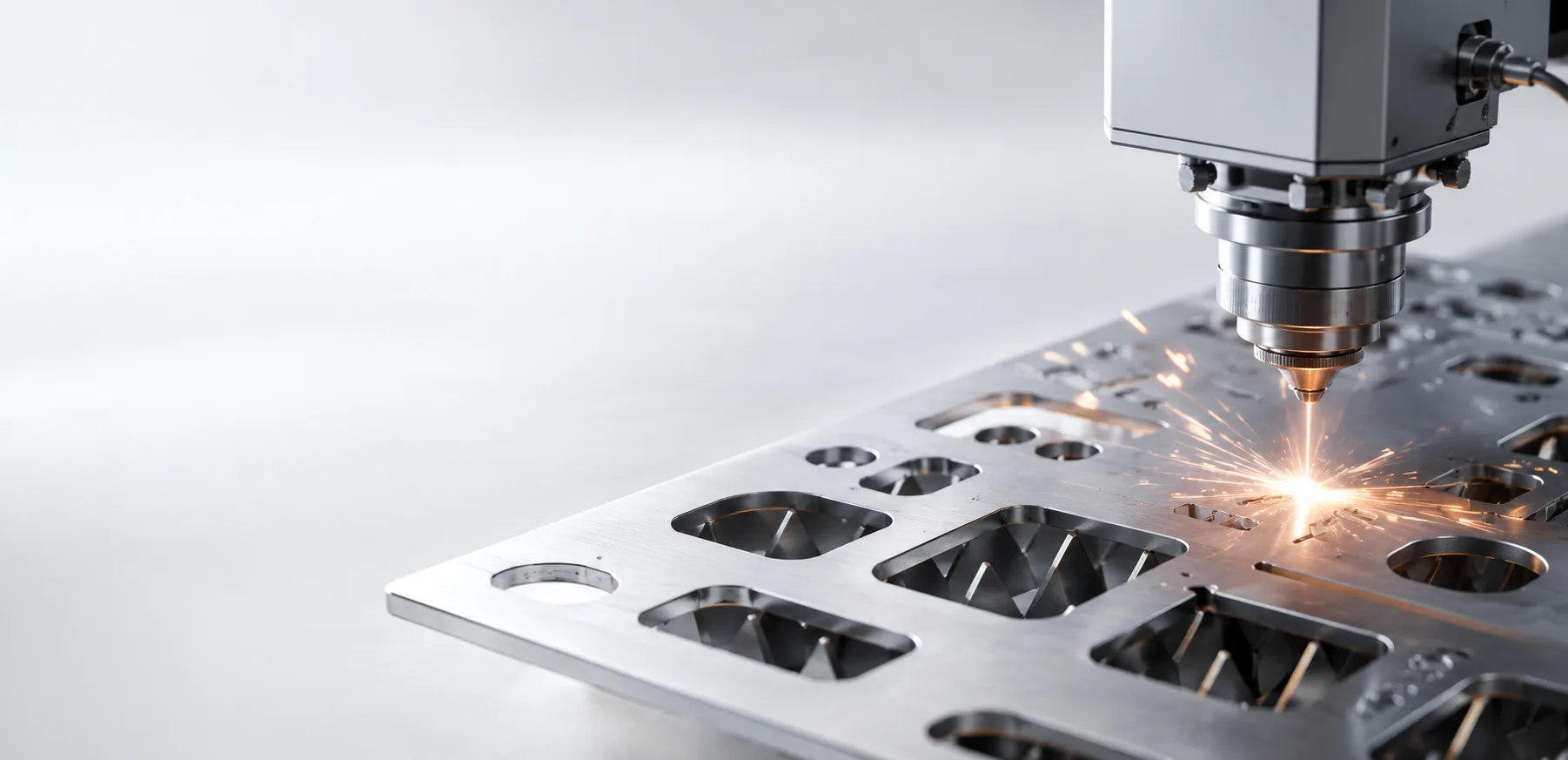
Fiber laser cutting machines
Four current families: enclosed exchange-table, single-platform, ground-rail and small-format machines.
4 machine families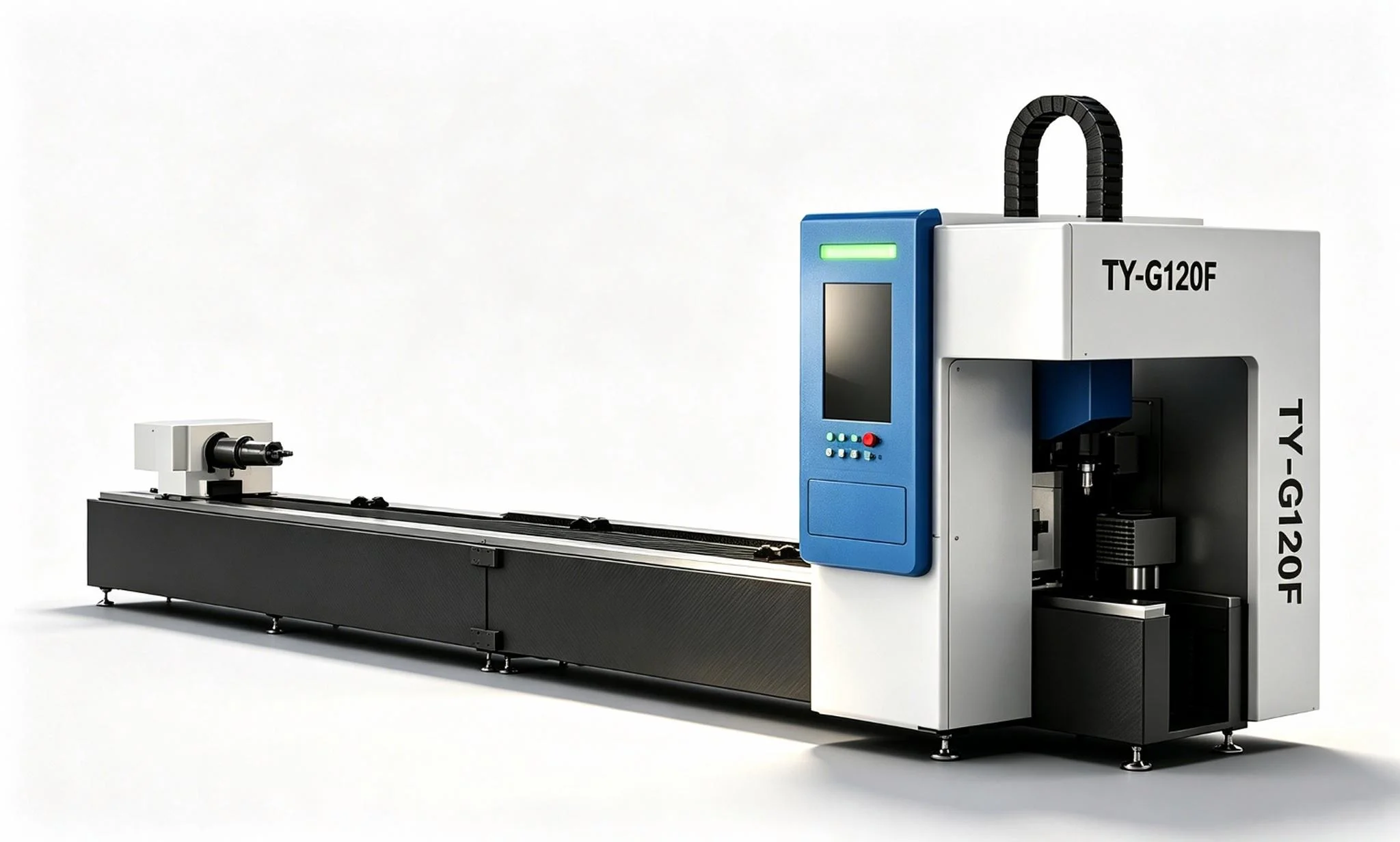
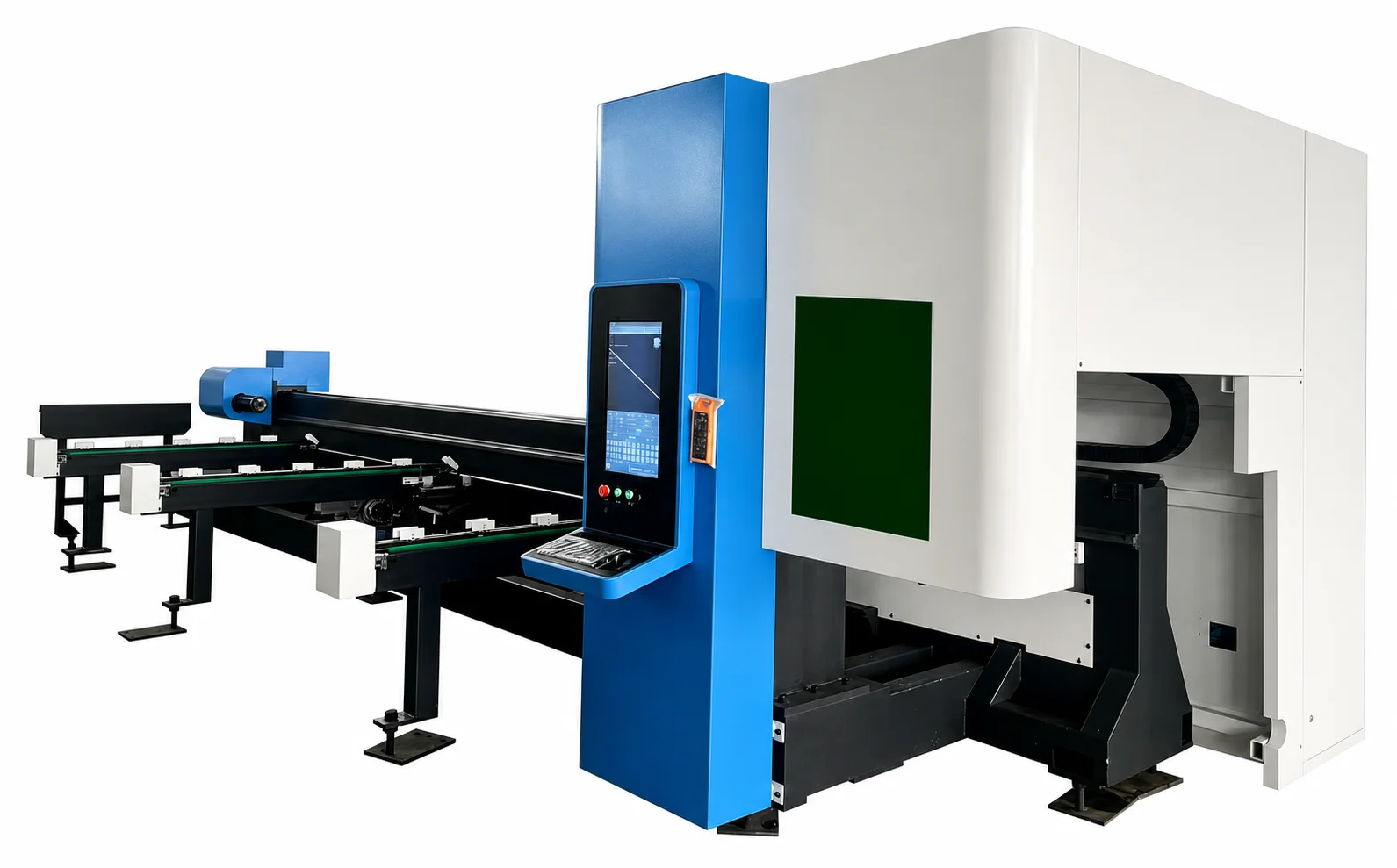
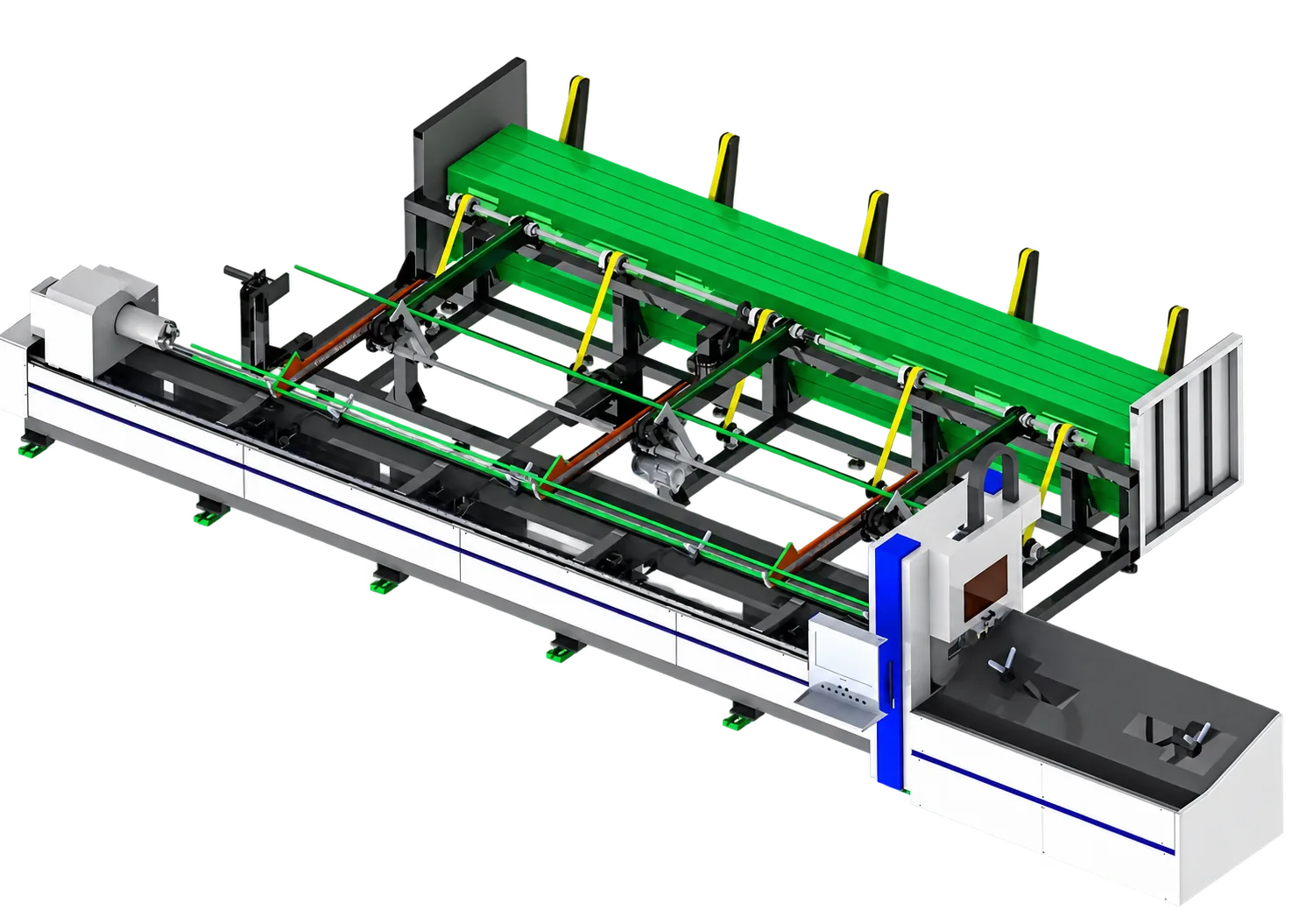
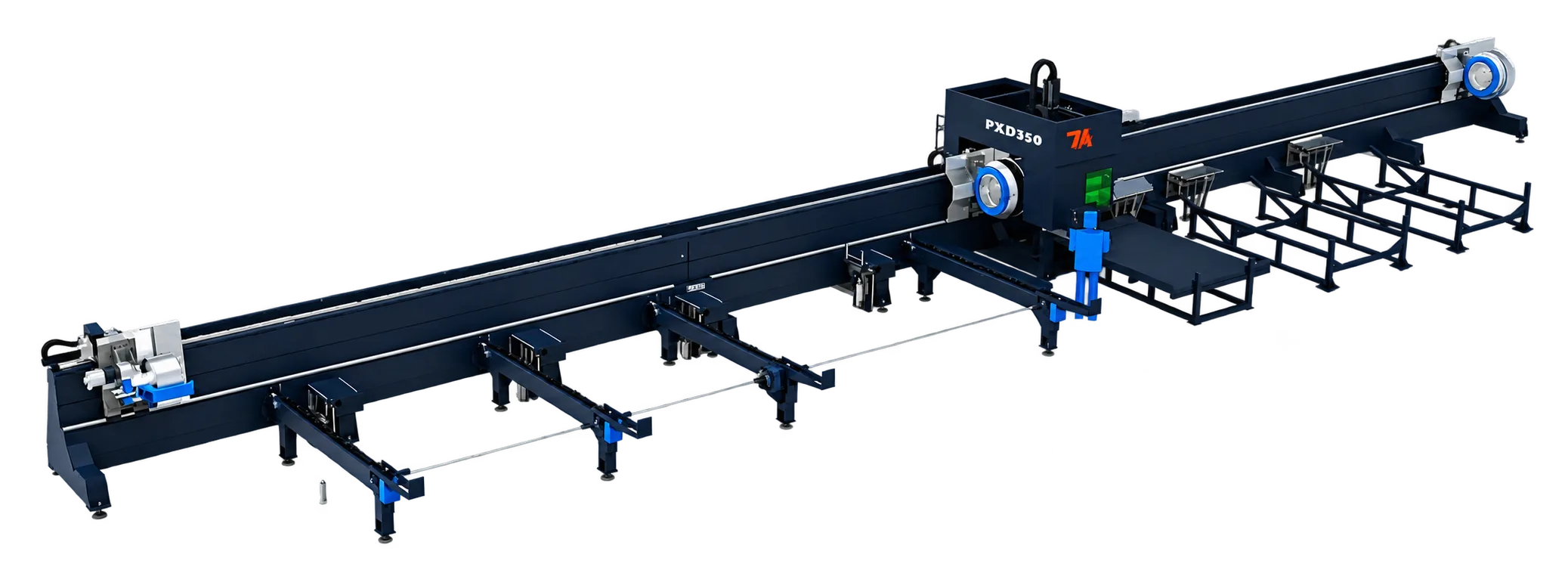
Laser tube cutting machines
Five tube-cutting families: semi-automatic, fully automatic, three-chuck, economical and the G120F single-platform configuration.
5 machine families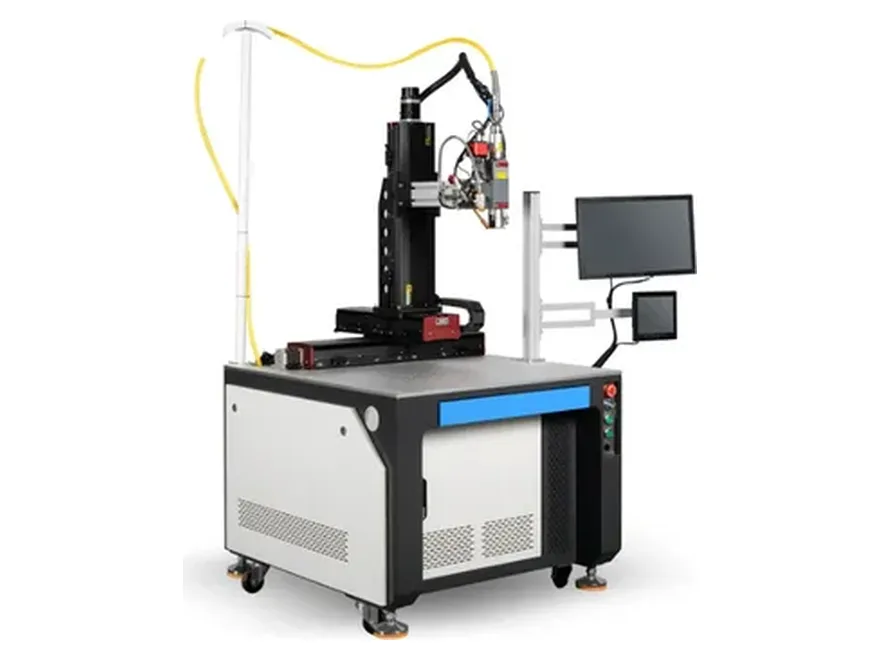
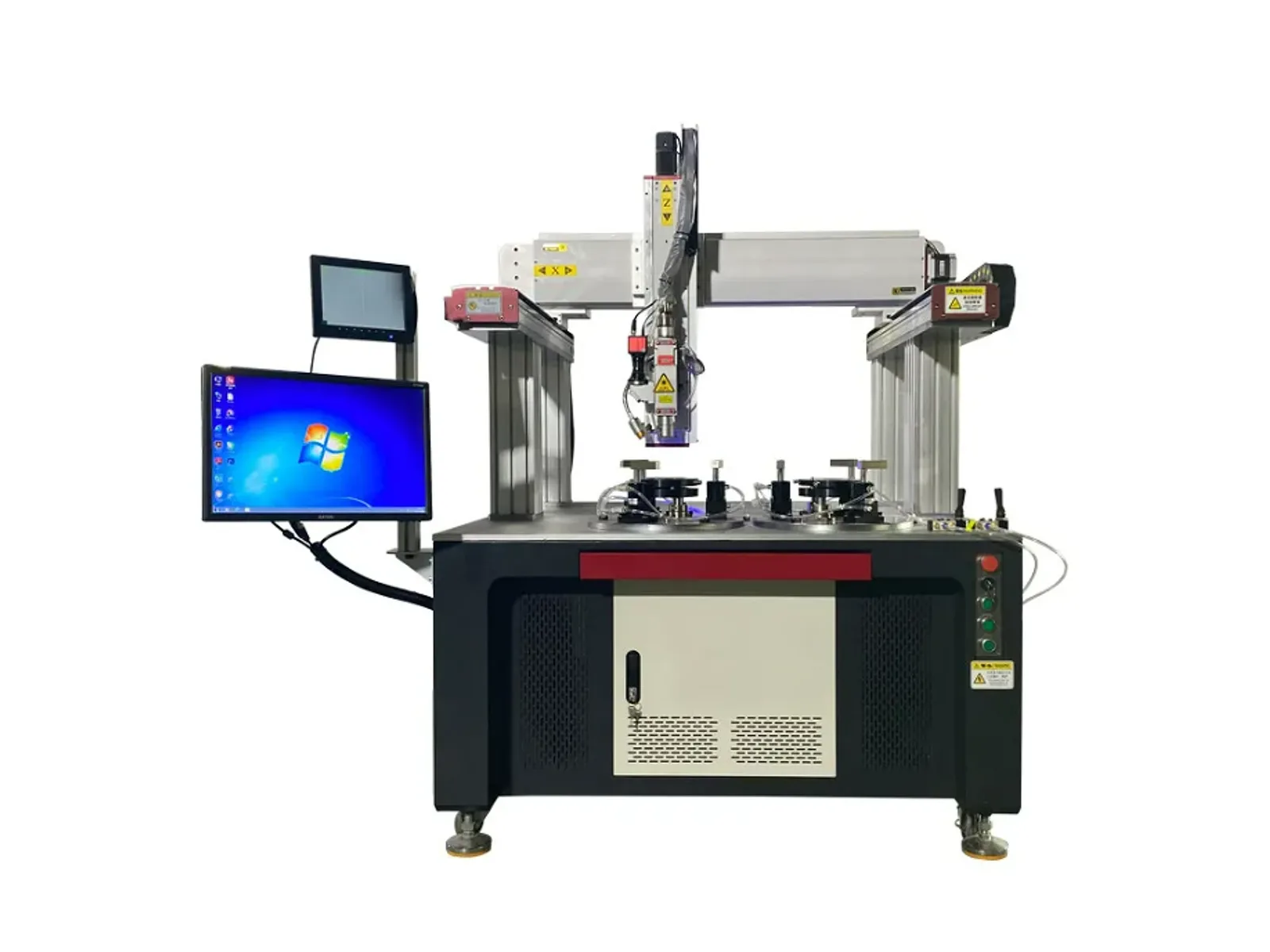
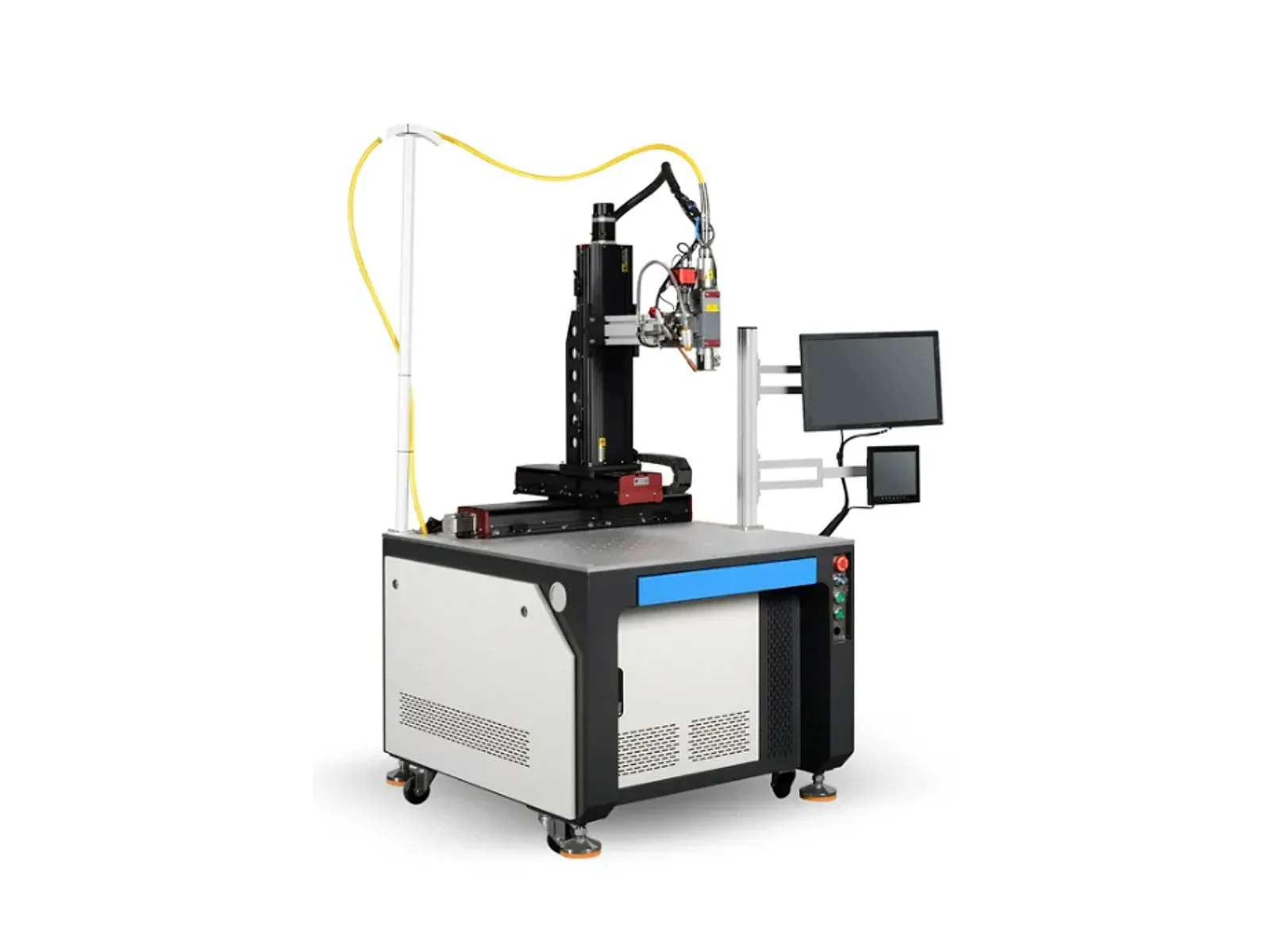
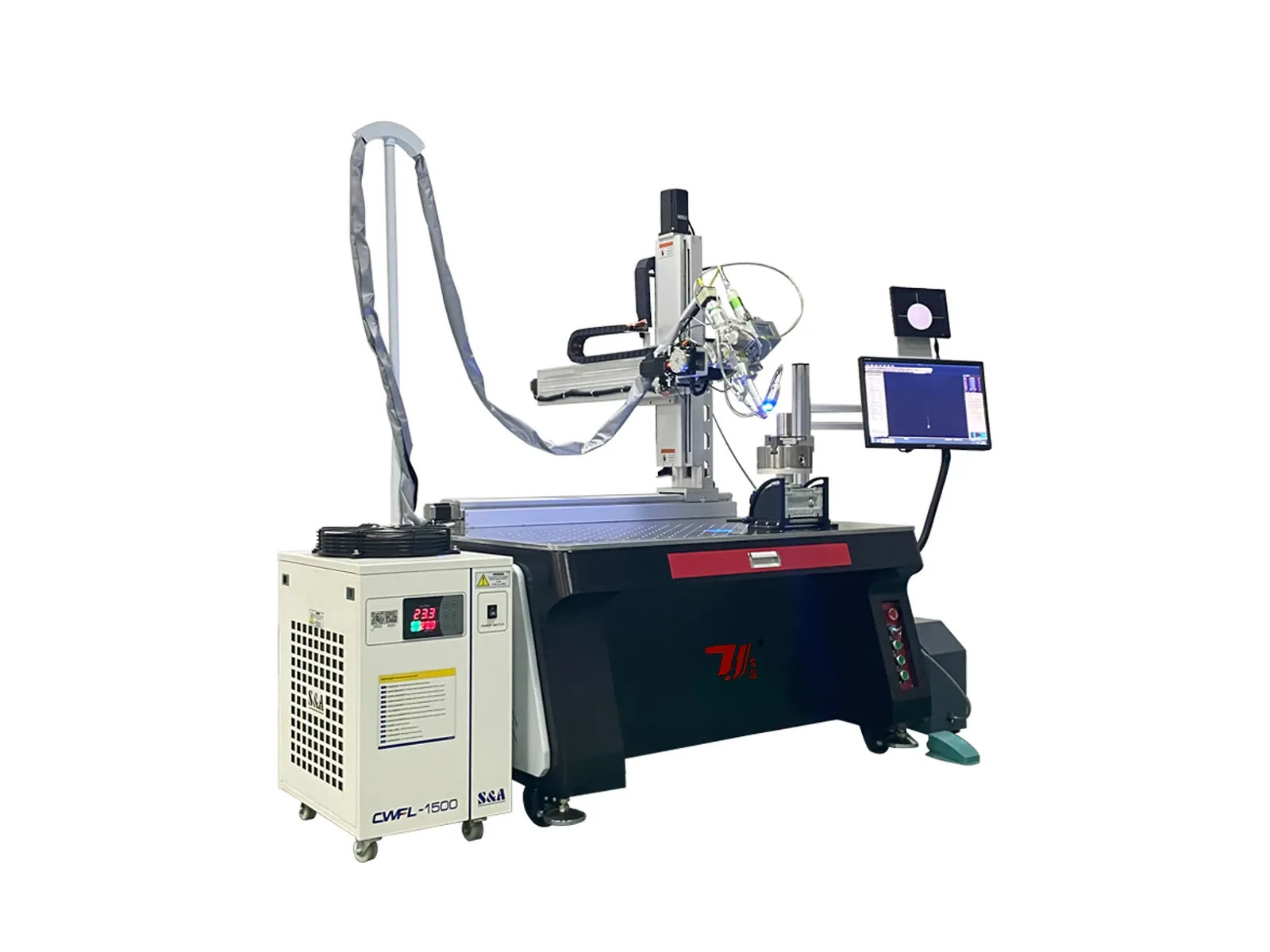
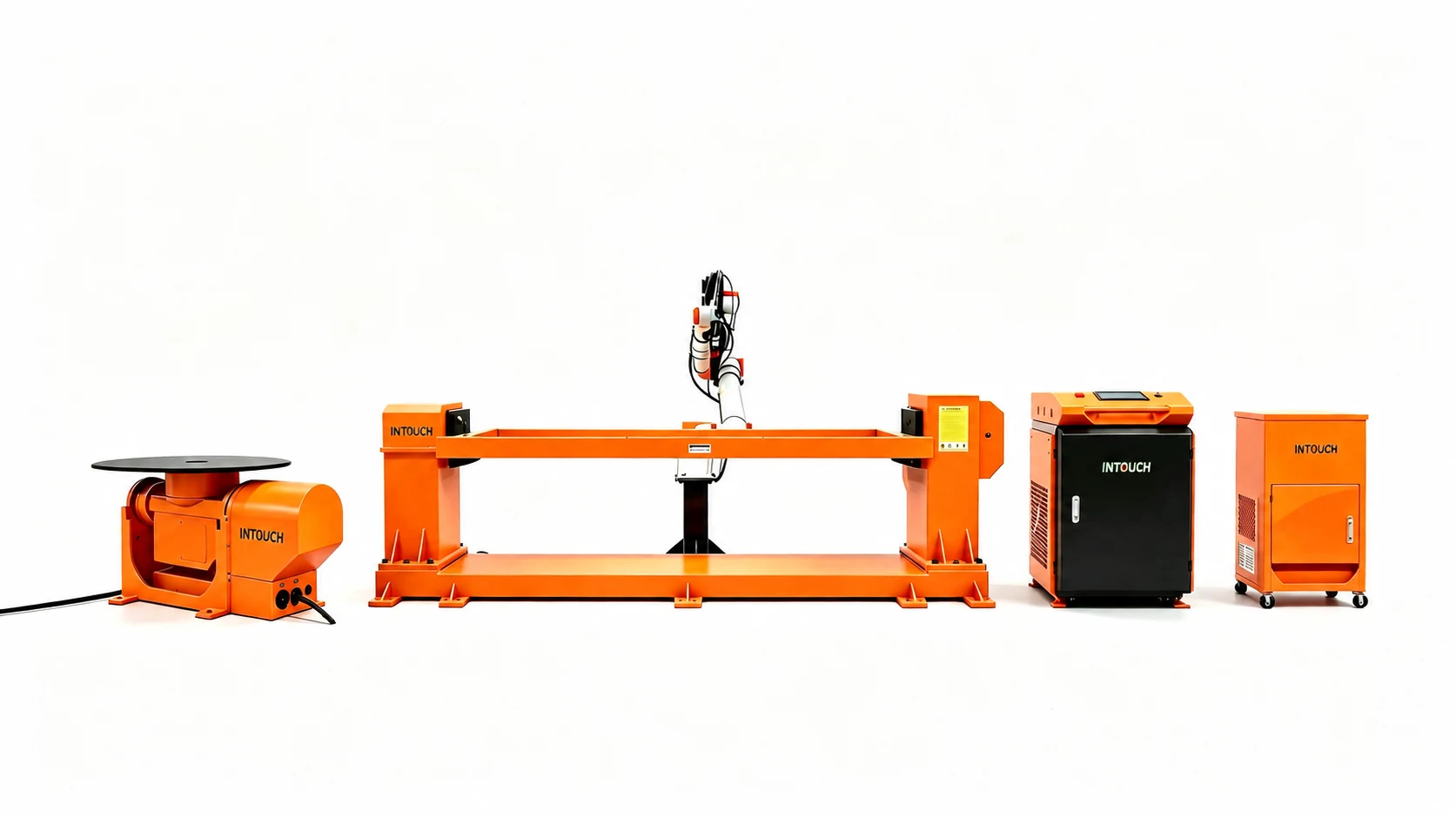
Fiber laser welding machines
Automatic gantry, four-axis, five-axis and application-specific systems for sink, kettle, pipe and bellows welding.
9 application systems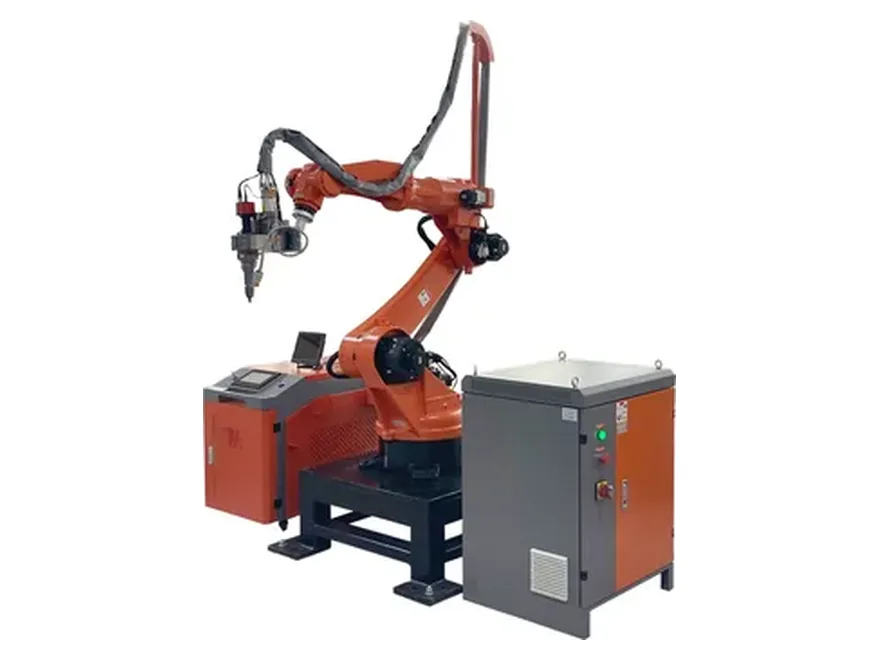
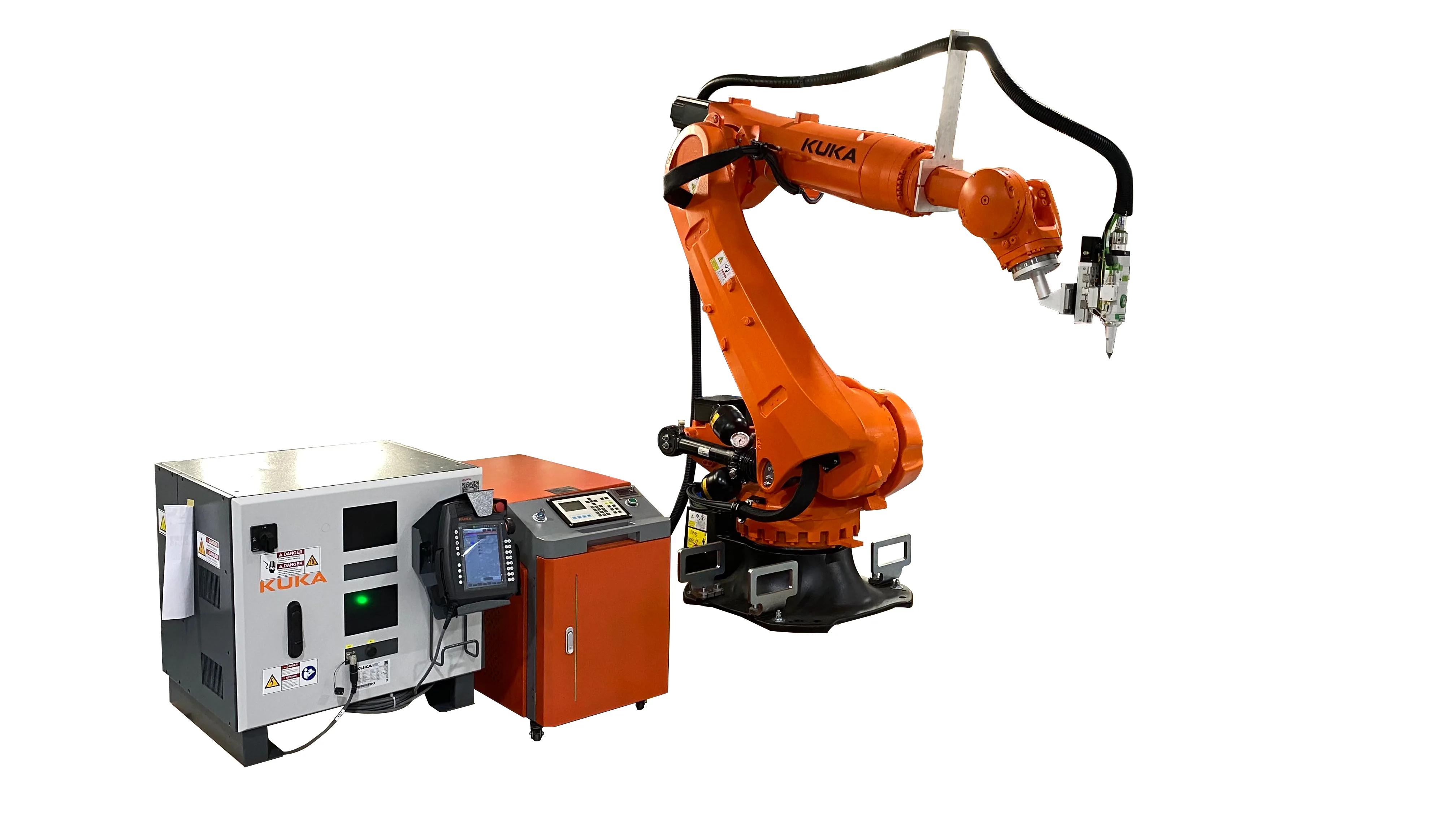
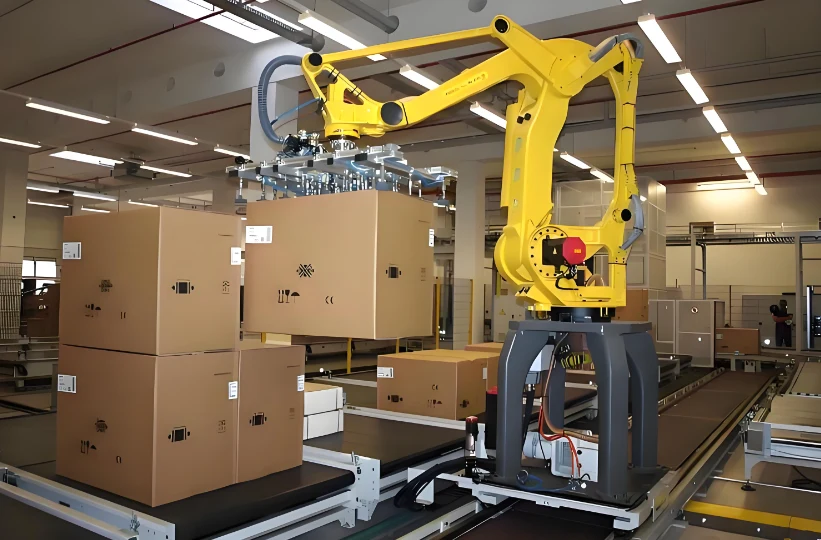
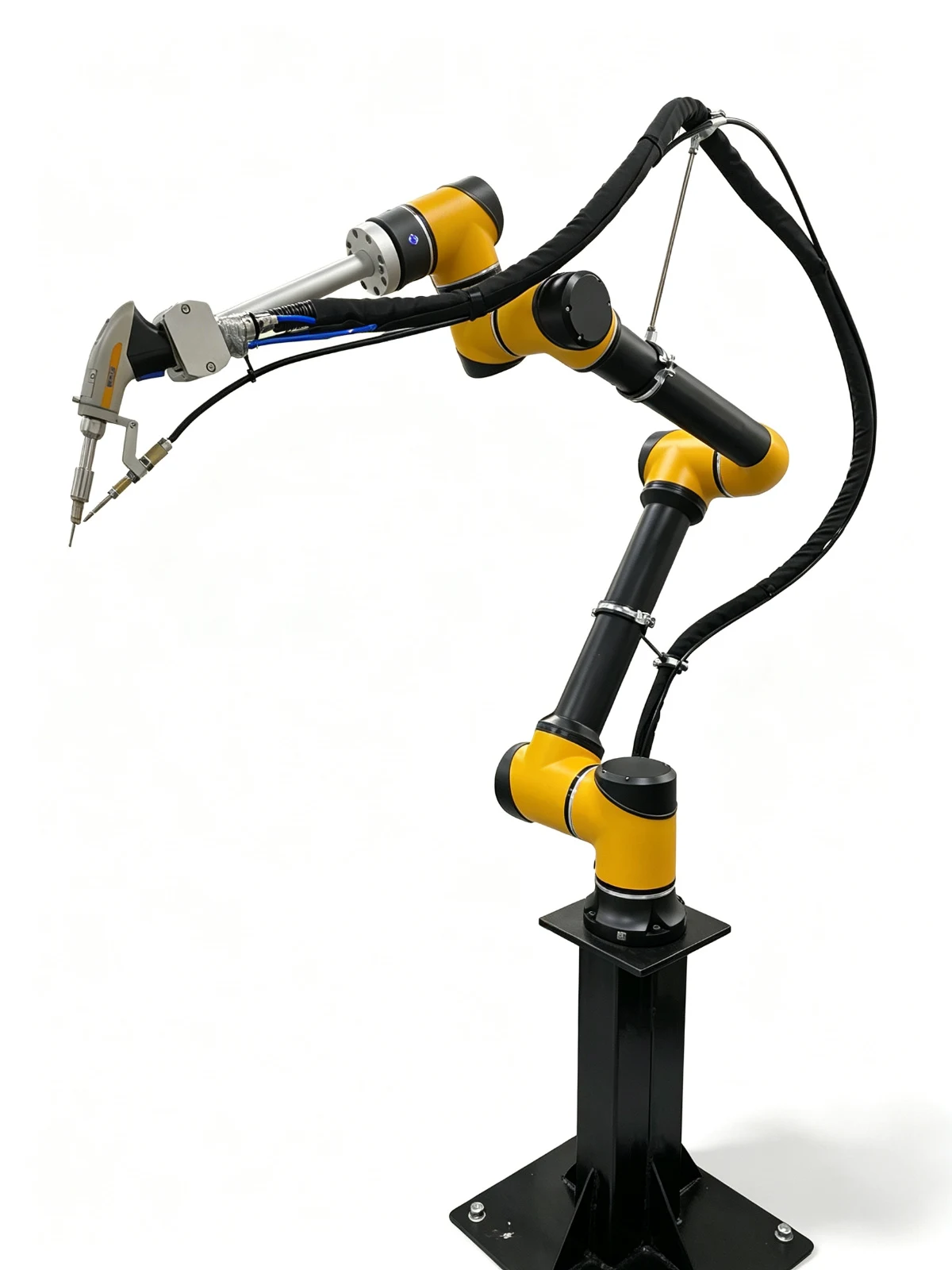
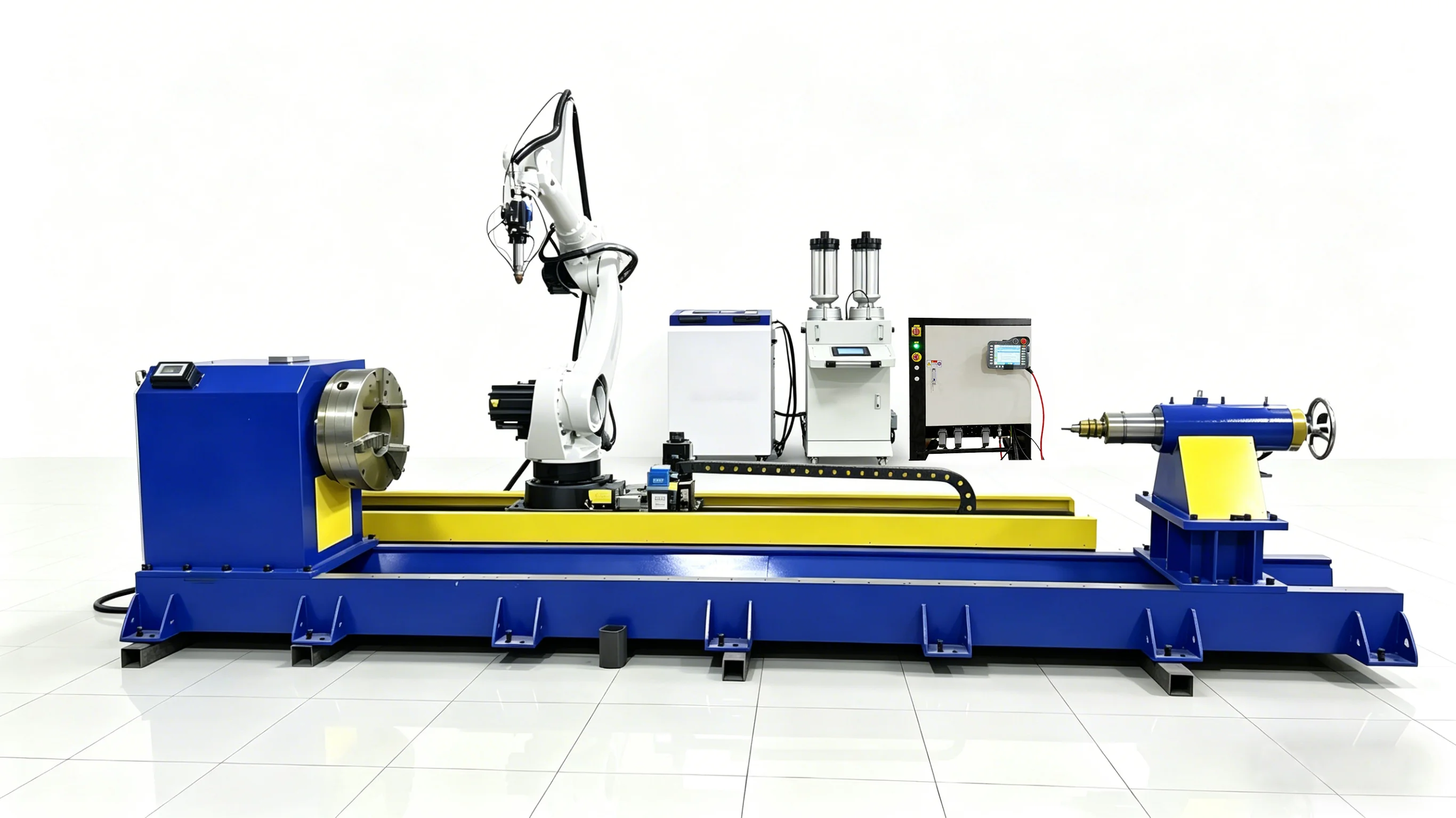
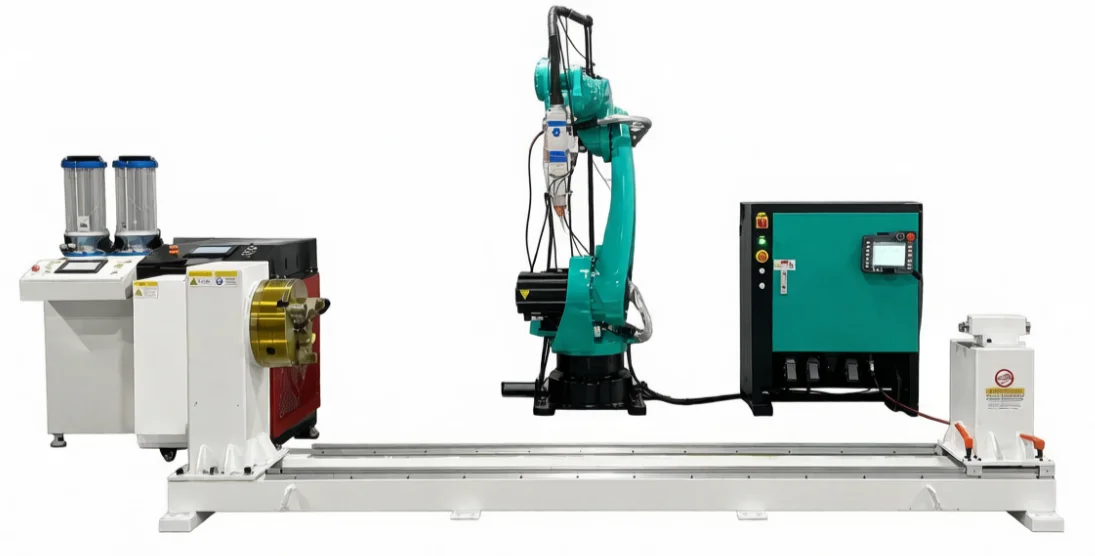
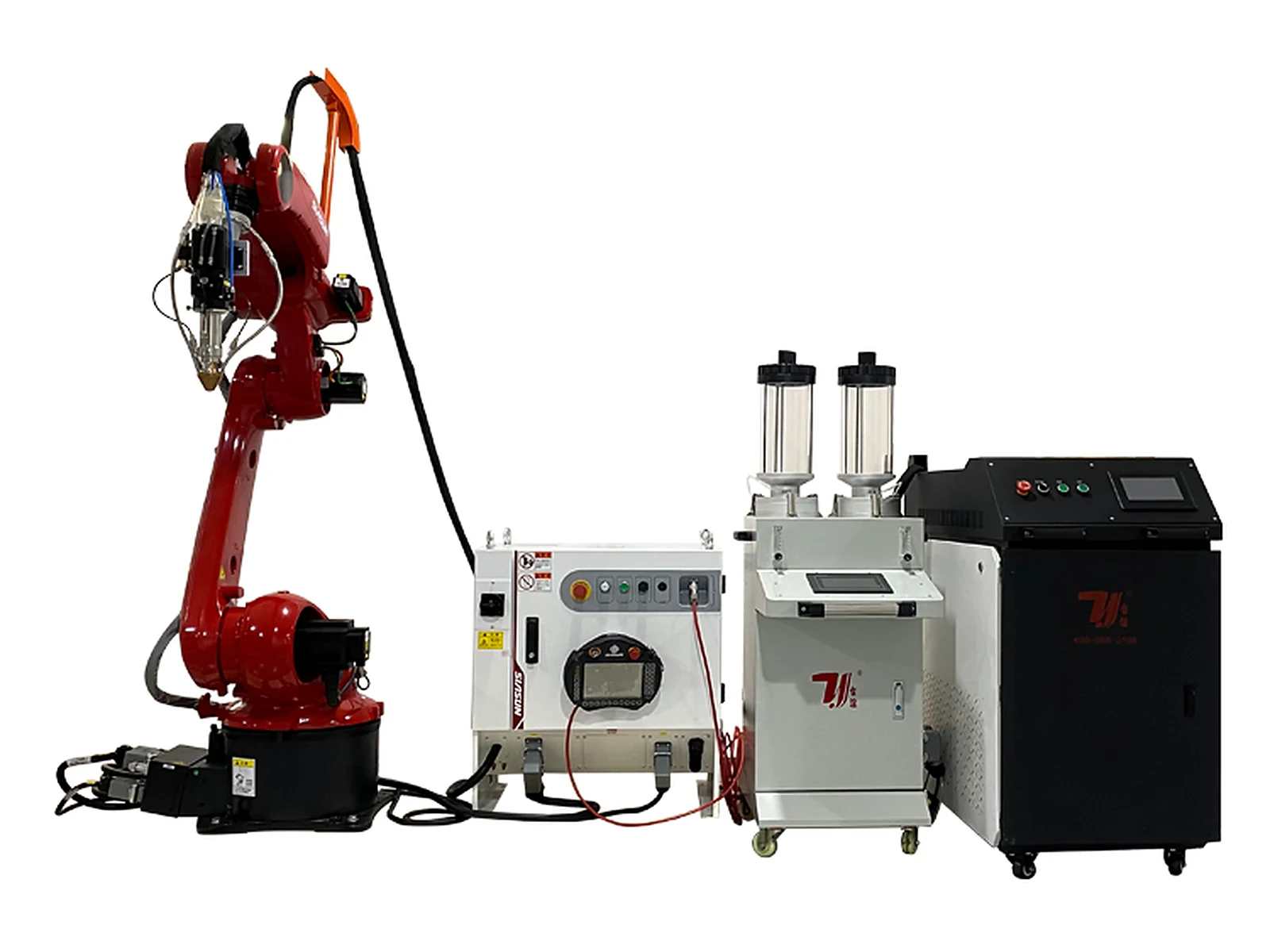
Robot automation systems
Five robot systems for laser cutting, welding and fixed or rail-mounted handling, with positioner and gantry configurations.
5 robot systems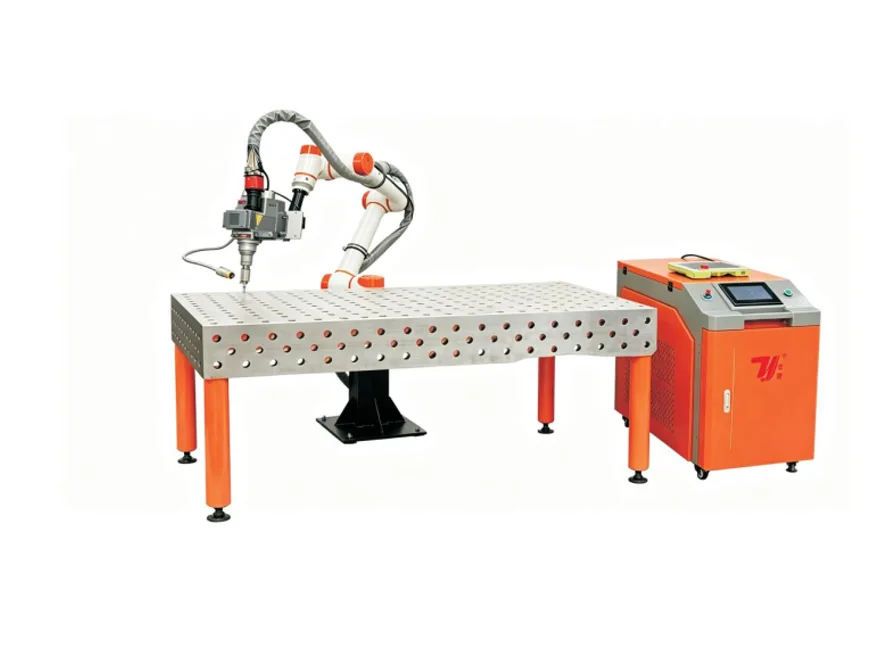
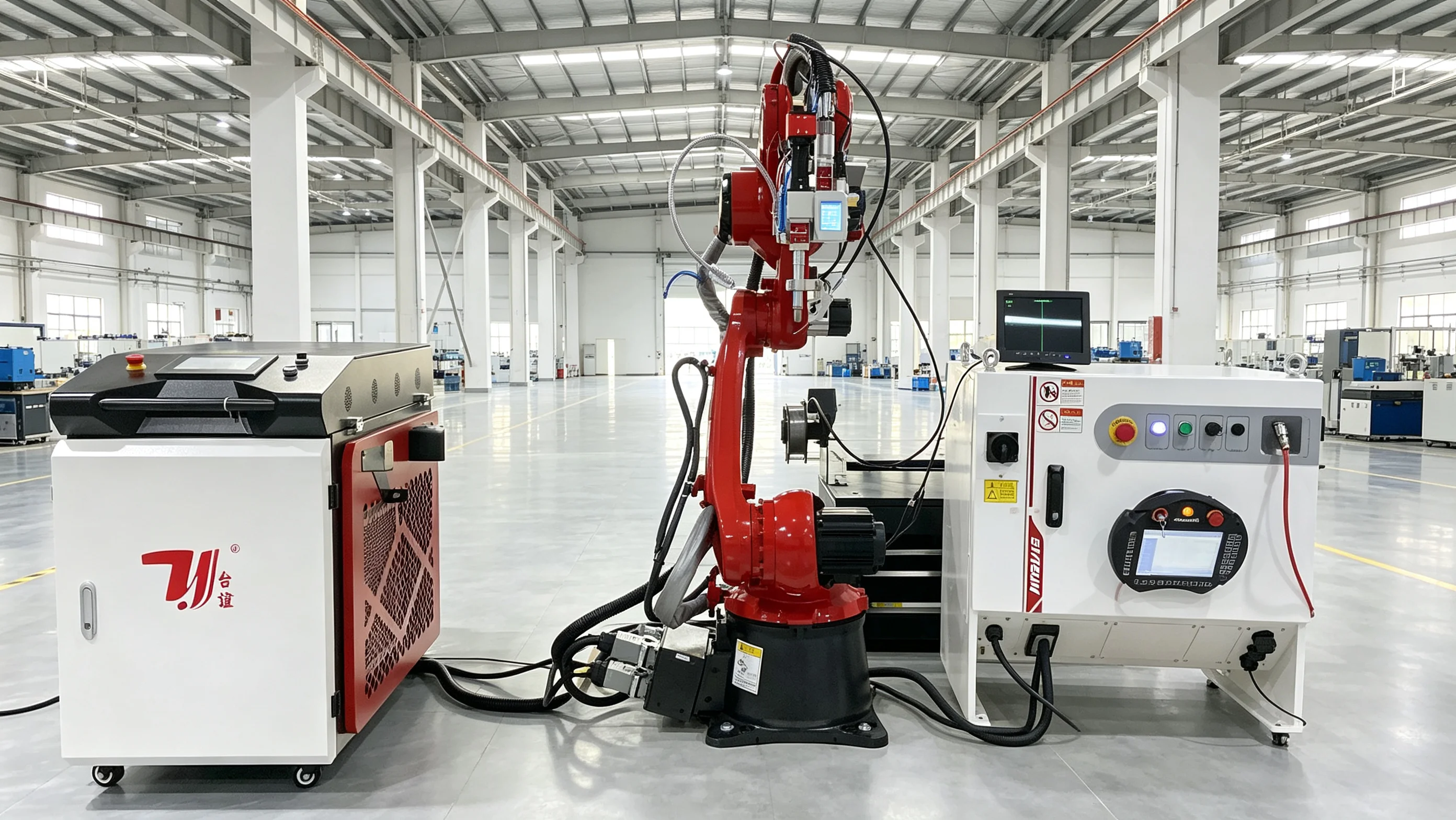
Collaborative robot systems
Handheld-and-cobot laser welding, precision-head laser welding and MIG/MAG welding systems.
3 welding systems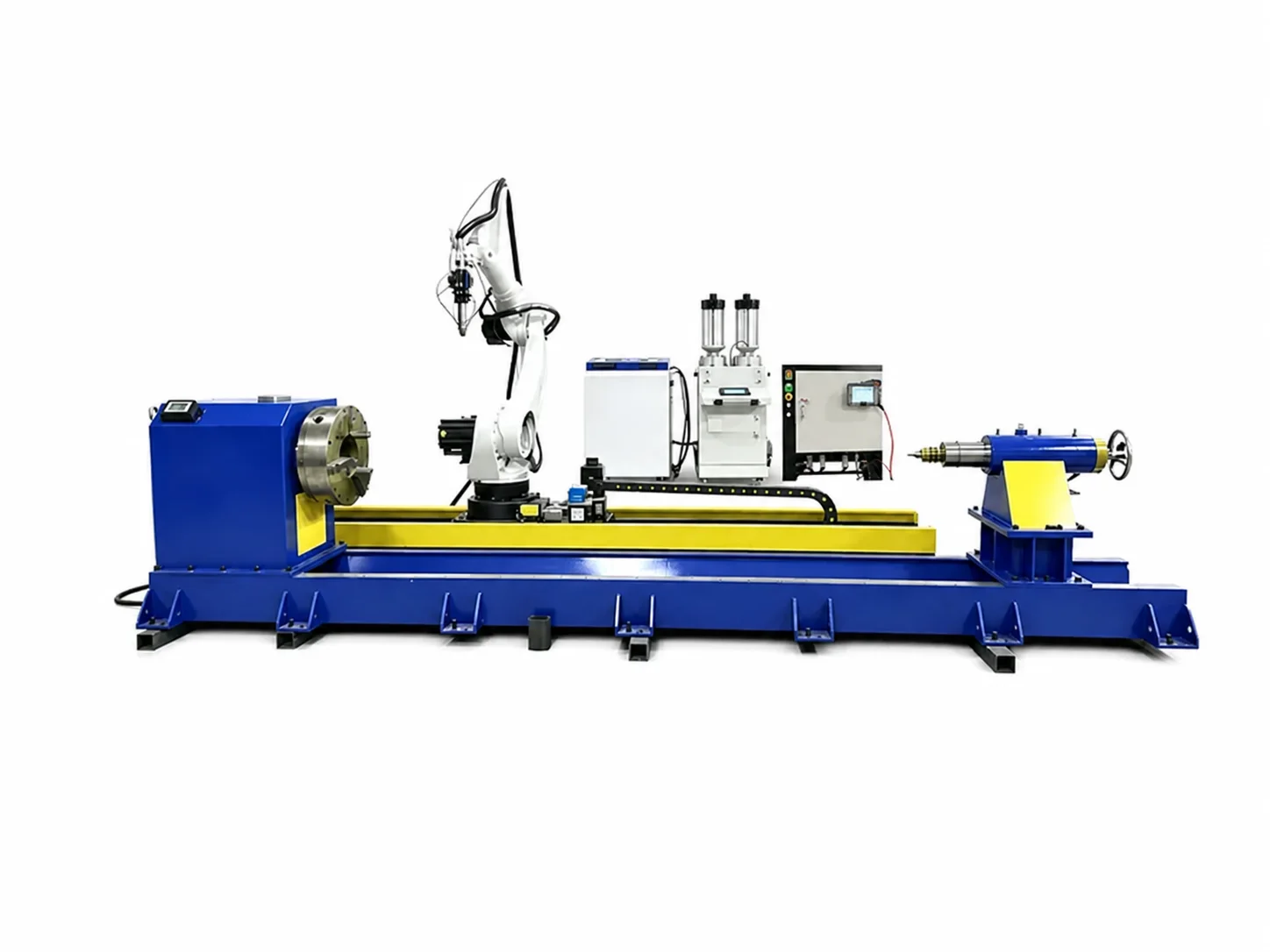
Laser cladding and hardening machines
Six machine types covering robot workstations, internal-wall processing, platform automation, enclosed systems and cladding-hardening configurations.
6 machine types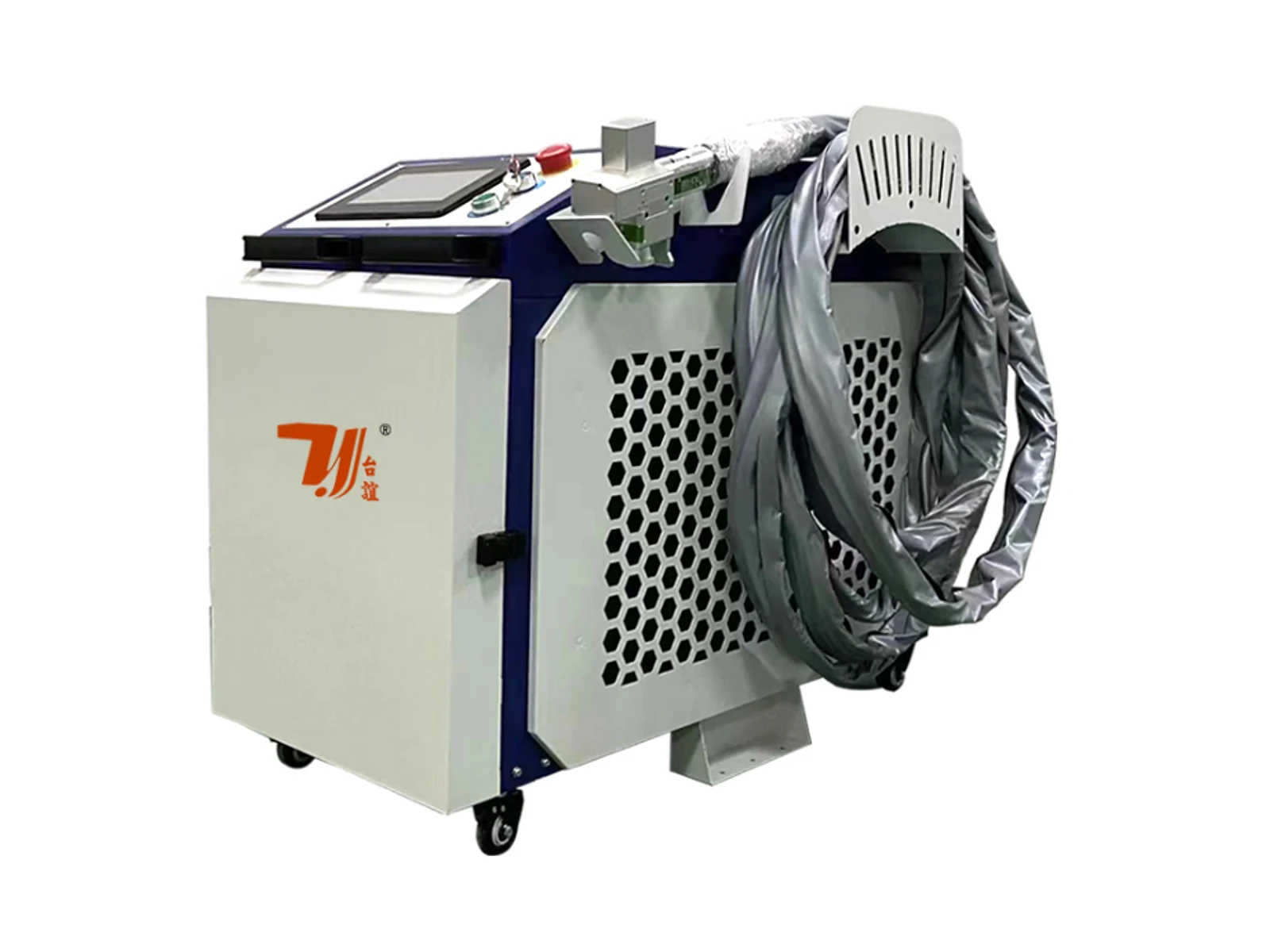
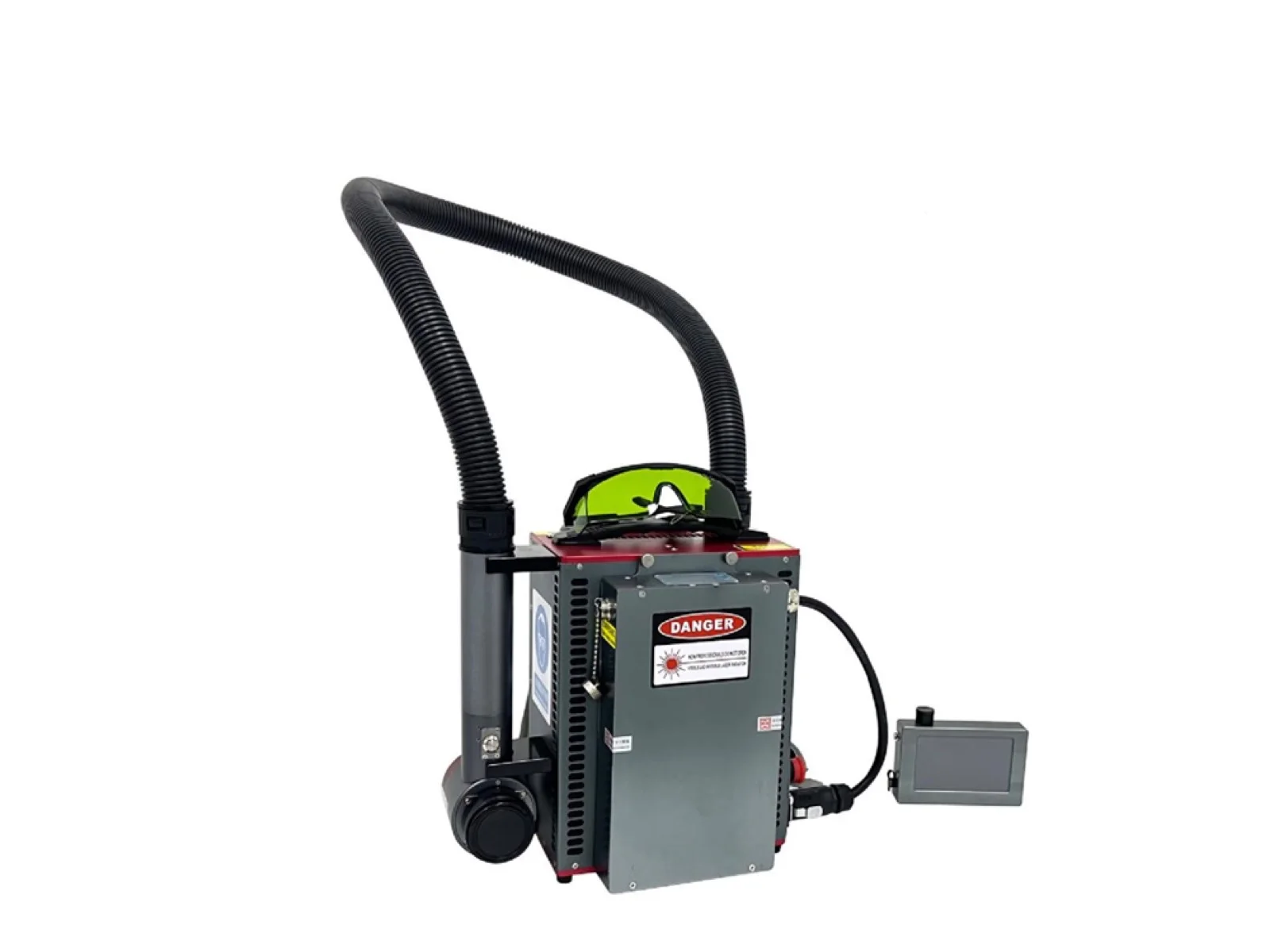
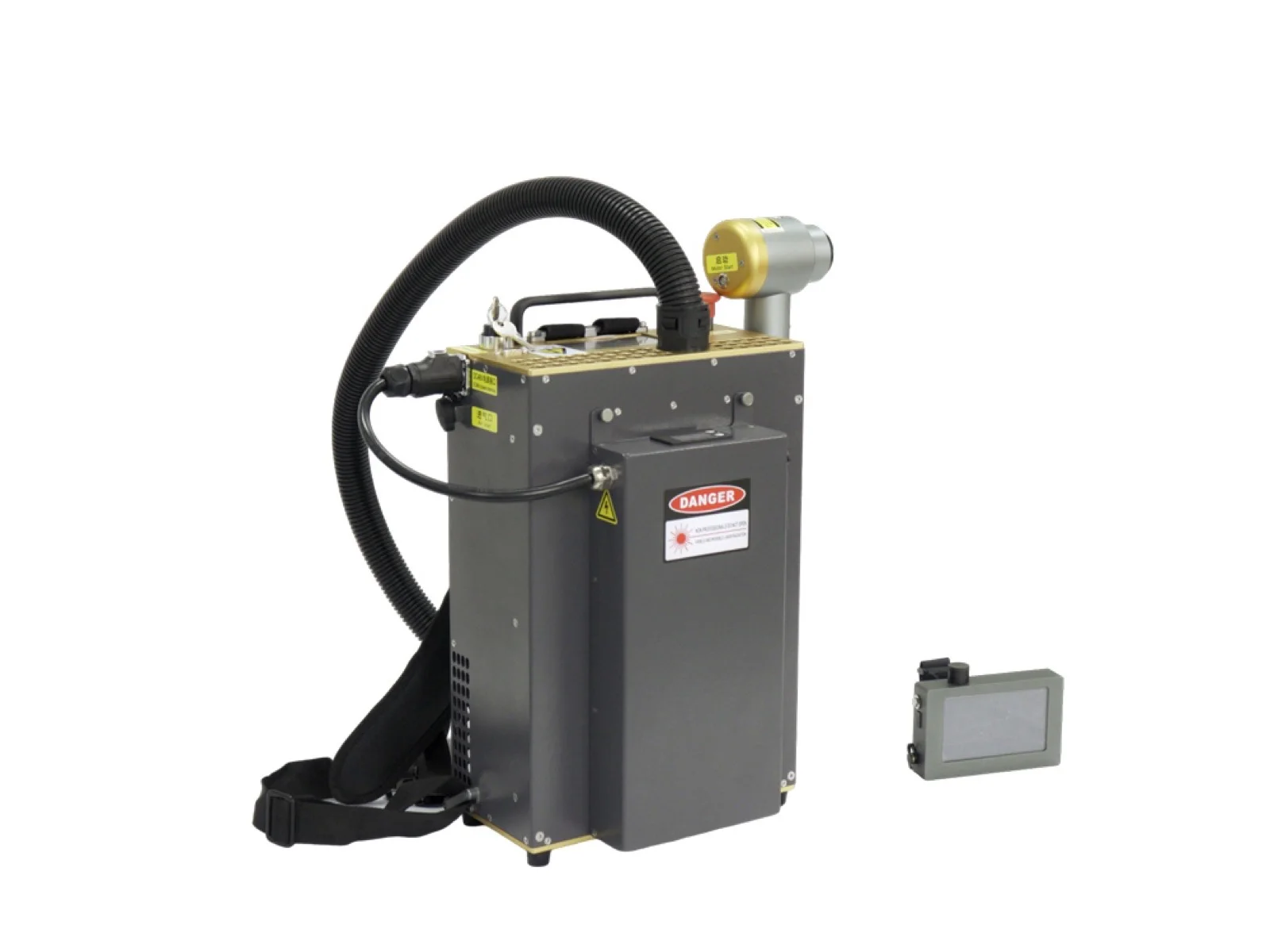
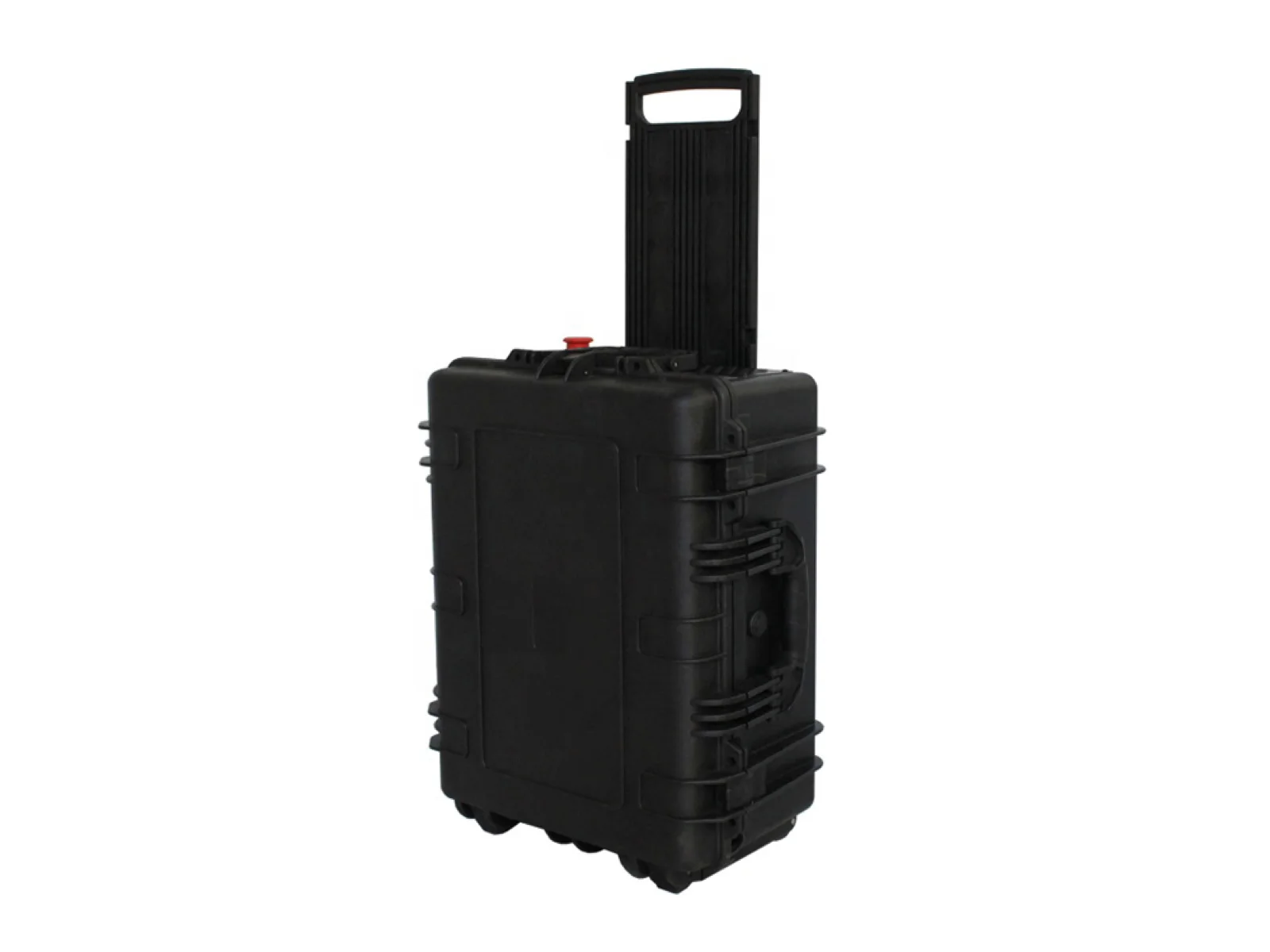
Industrial laser cleaning machines
Eleven pulsed and continuous-wave cleaning configurations across backpack, suitcase, cabinet, water-cooled and air-cooled formats.
11 machine types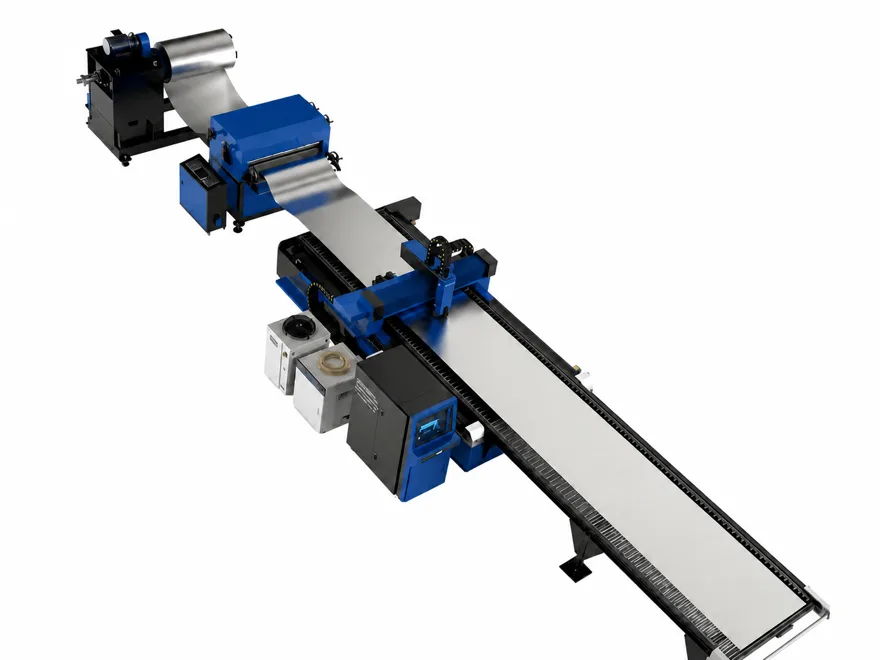
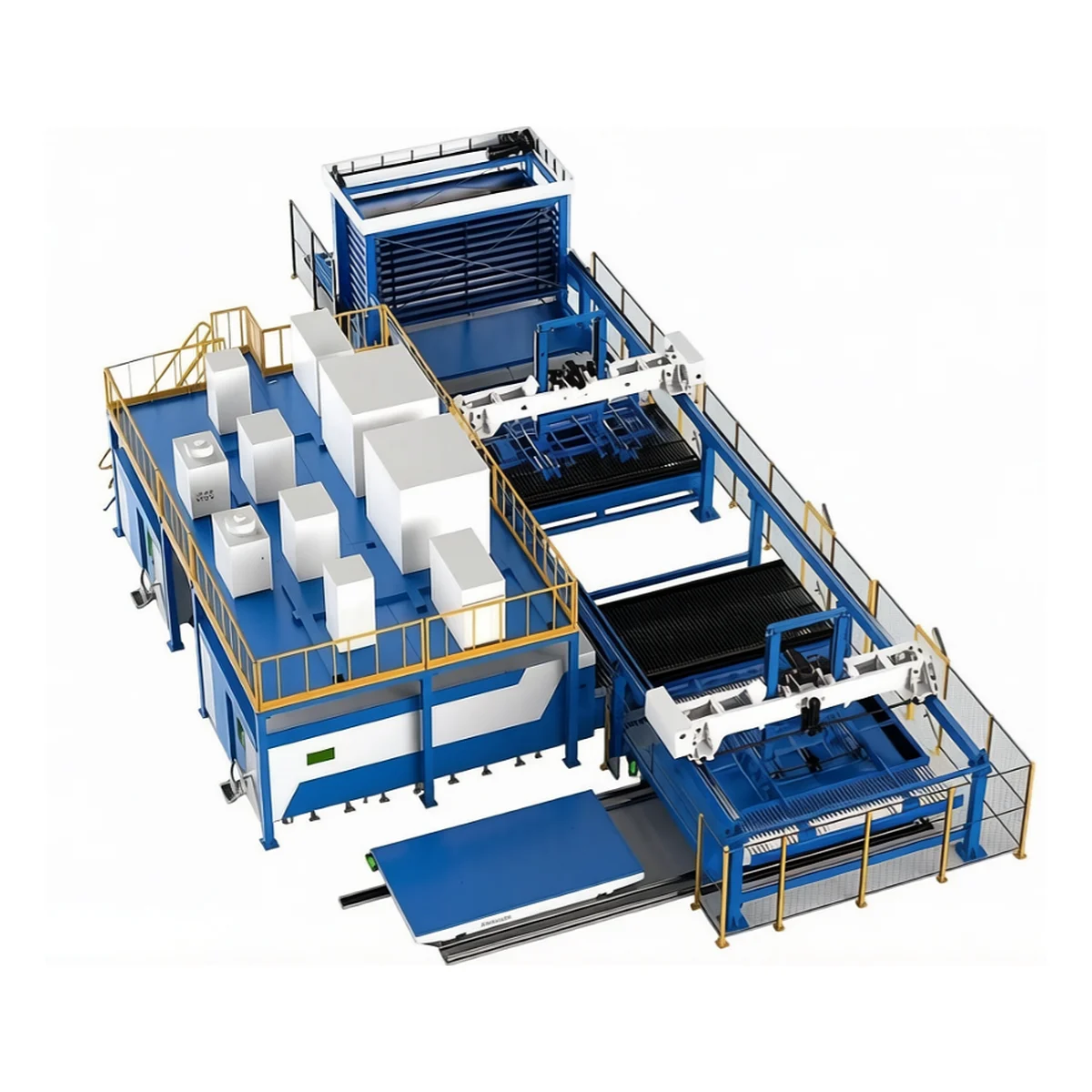
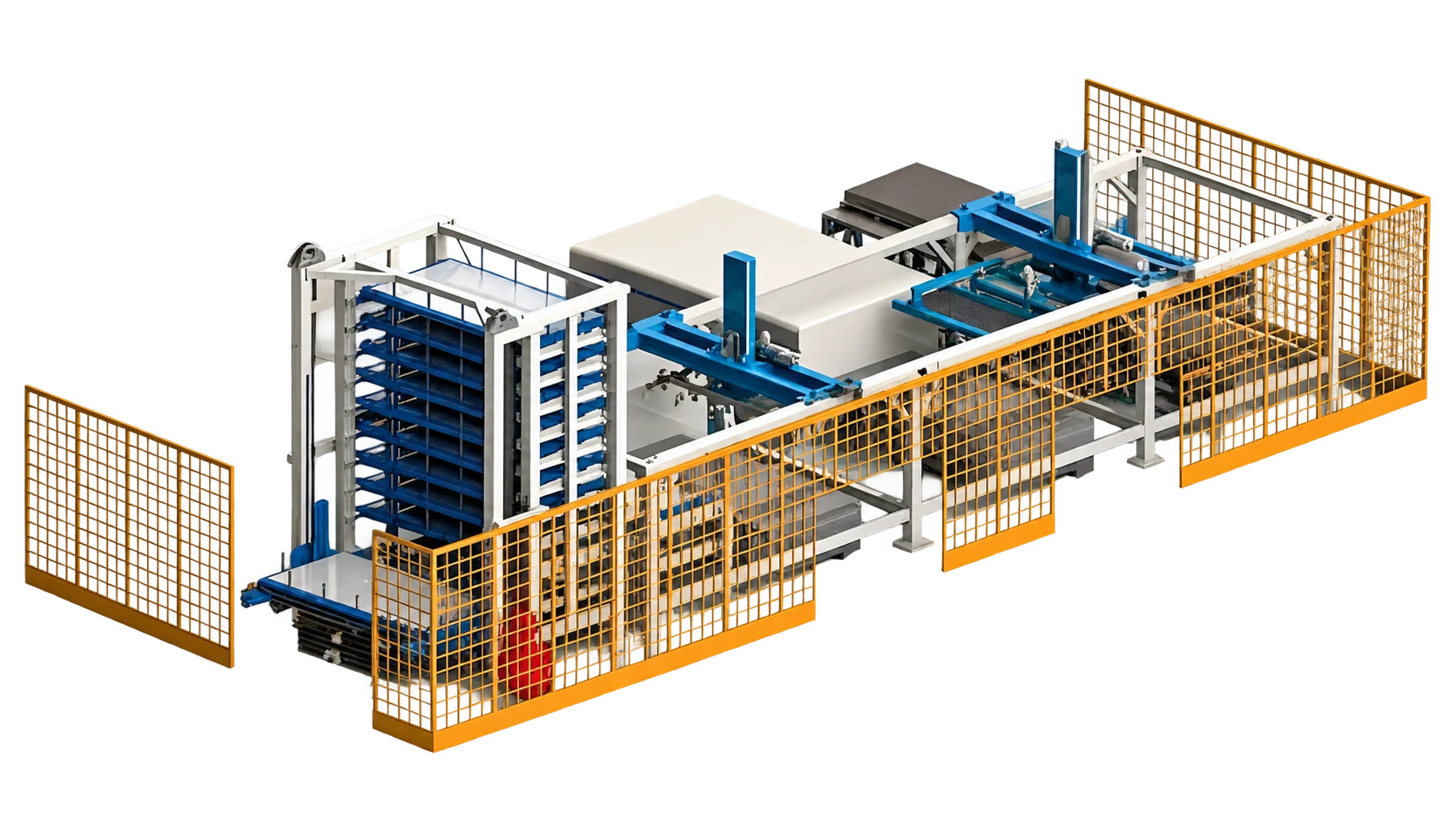
Smart factory systems
Coil-fed cutting, automatic loading and unloading, and sheet-storage systems for connected production.
3 integrated systems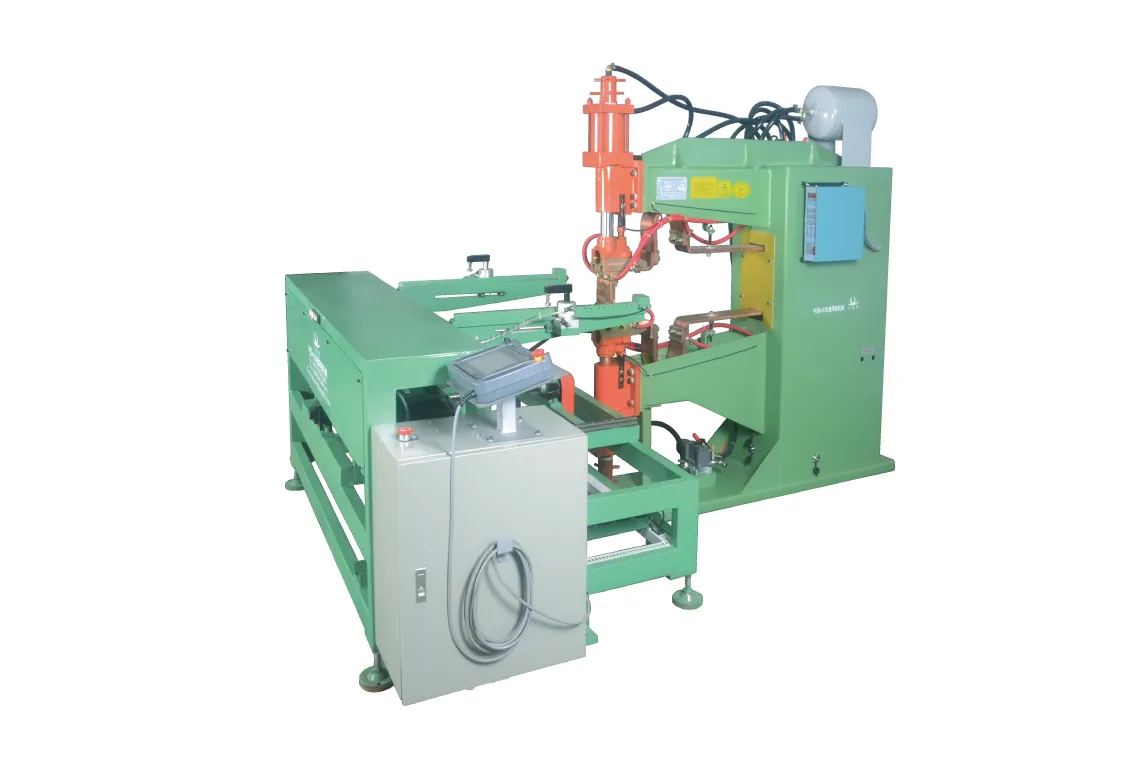
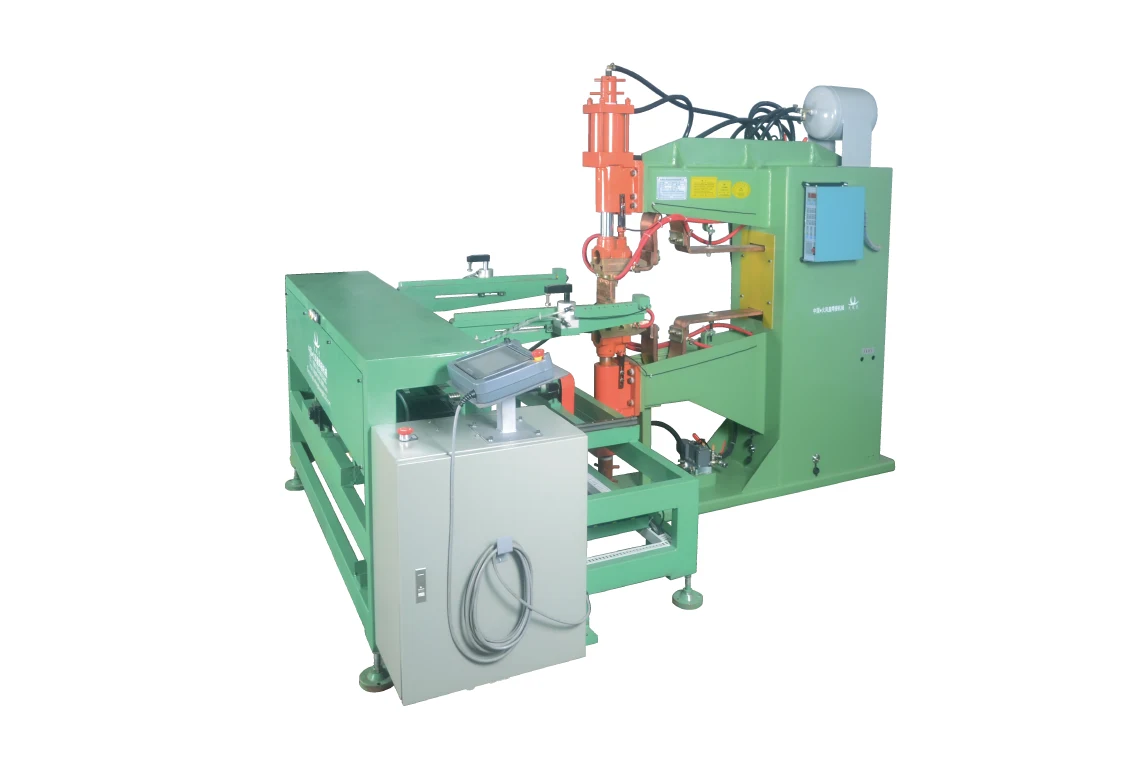
Basket production solutions
A workpiece-led production solution connecting selectable wire-forming routes with mesh welding, forming, trimming, assembly and finishing.
1 solution family
Start with the workpiece
Choose by production task.
Start with stock form, required operation and how the part moves through production. Use the links below to compare the relevant equipment before selecting a model.
- 01
Cut flat sheet or plate
Start with the workpiece size and decide whether you need an enclosed exchange table, a single platform, a large ground-rail format or a compact bed.
- 02
Cut tube or profile
Compare stock length, section shape, loading method and chuck arrangement across semi-automatic, fully automatic, three-chuck, economical and G120F single-platform configurations.
- 03
Automate repeat or complex weld paths
Use a fixture-led welding system when the seam and workpiece define the station; move to an industrial robot or collaborative workstation when reach, payload, path flexibility, or material handling drives the cell.
- 04
Clean, restore, or harden a metal surface
Cleaning removes surface contamination or an existing layer. Cladding adds material for a specified surface or restoration task. Hardening treats the existing surface without adding a cladding layer; choose from the substrate and required result.
- 05
Connect a sheet-metal production line
Start here when coil feeding and laser blanking, automatic sheet loading and unloading, or sheet storage must work as one connected production flow.
- 06
Configure a wire-basket production workflow
Build the route around the basket workpiece, with selectable wire forming, straightening, mesh welding, forming, trimming, assembly, and finishing stages.
Machine selection questions
Use the part and production task to narrow the catalog before choosing a configuration.
Which category should I start with?
Start with the incoming material and required operation: flat sheet, tube or profile, a welded assembly, a surface-treatment task, material handling or a wire-basket workflow. Then compare the relevant category and its individual configurations.
Browse machine categoriesHow do sheet and tube cutting differ?
The categories address different incoming stock and workholding. Sheet-machine selection starts with plate format and loading arrangement; tube-machine selection includes section shape, stock length, chuck arrangement and feeding method.
Compare tube cuttersShould I choose a dedicated welding station, industrial robot or cobot?
Compare seam geometry, fixture access, tool reach, loading method and production mix. The complete welding and handling arrangement matters; robot type alone does not establish part quality or cycle time.
Compare welding systemsDo cleaning, cladding and hardening solve the same task?
No. Cleaning removes a surface layer or contamination. Cladding adds material for a specified surface or restoration task. Laser hardening treats the existing surface without a cladding deposit; select the process around the substrate and required result.
Compare surface-processing machinesWhat makes equipment quotations comparable?
Provide part drawings, material, dimensions, process requirements and output targets. Compare the specified fixtures, options, loading and handling, utilities, installation scope and acceptance criteria alongside the machine price.
Discuss the equipment scopeRequest a quote
Tell us the part. We will tell you the machine.
Share your part drawing, material and production requirements. The quotation will identify the selected equipment, tooling, handling options and integration scope for your project.
- Phone+86 153 6281 4831
- Emailsales02@taiyilaser.com
- WhatsApp+86 153 6281 4831