Machine type01
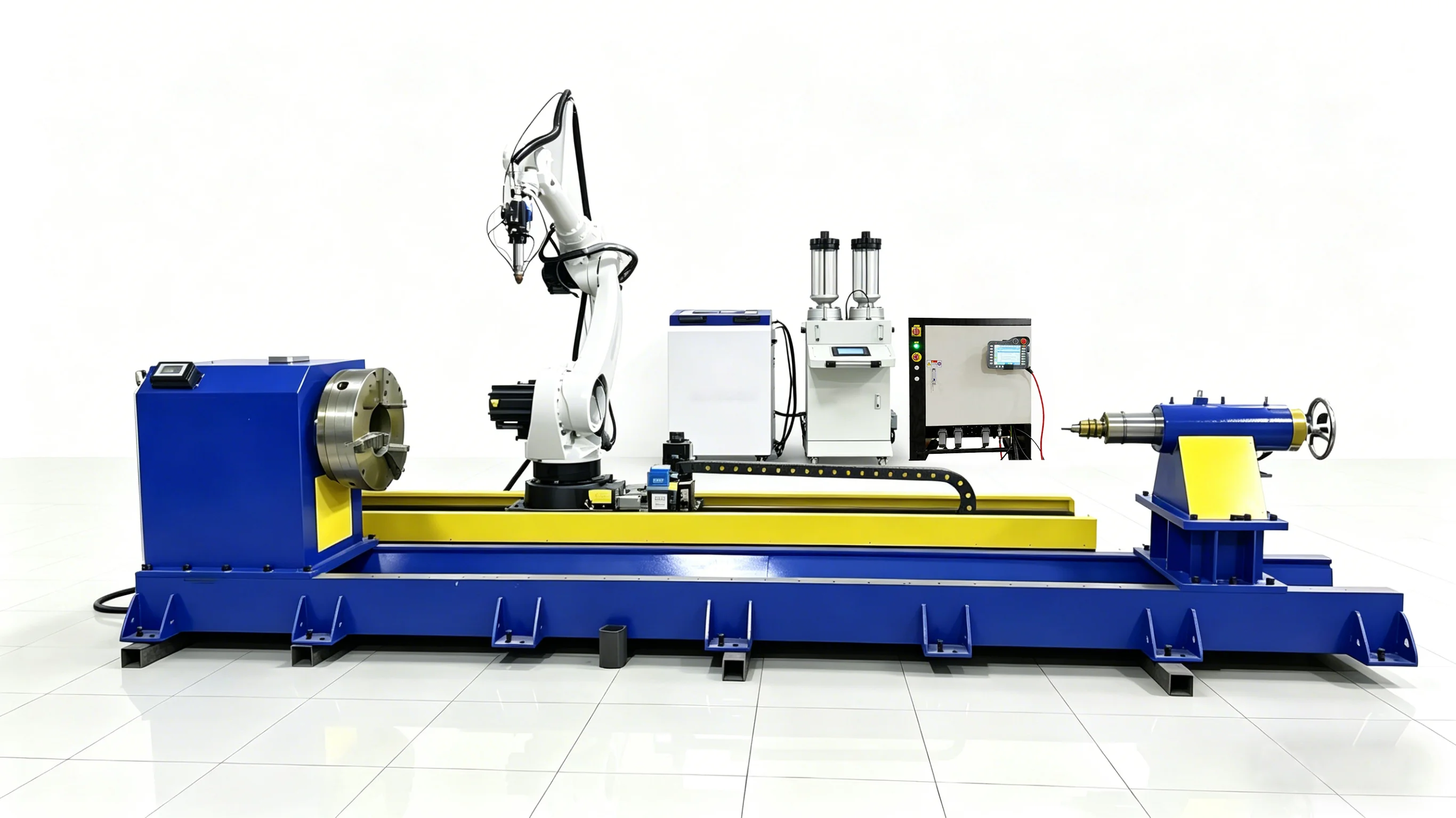
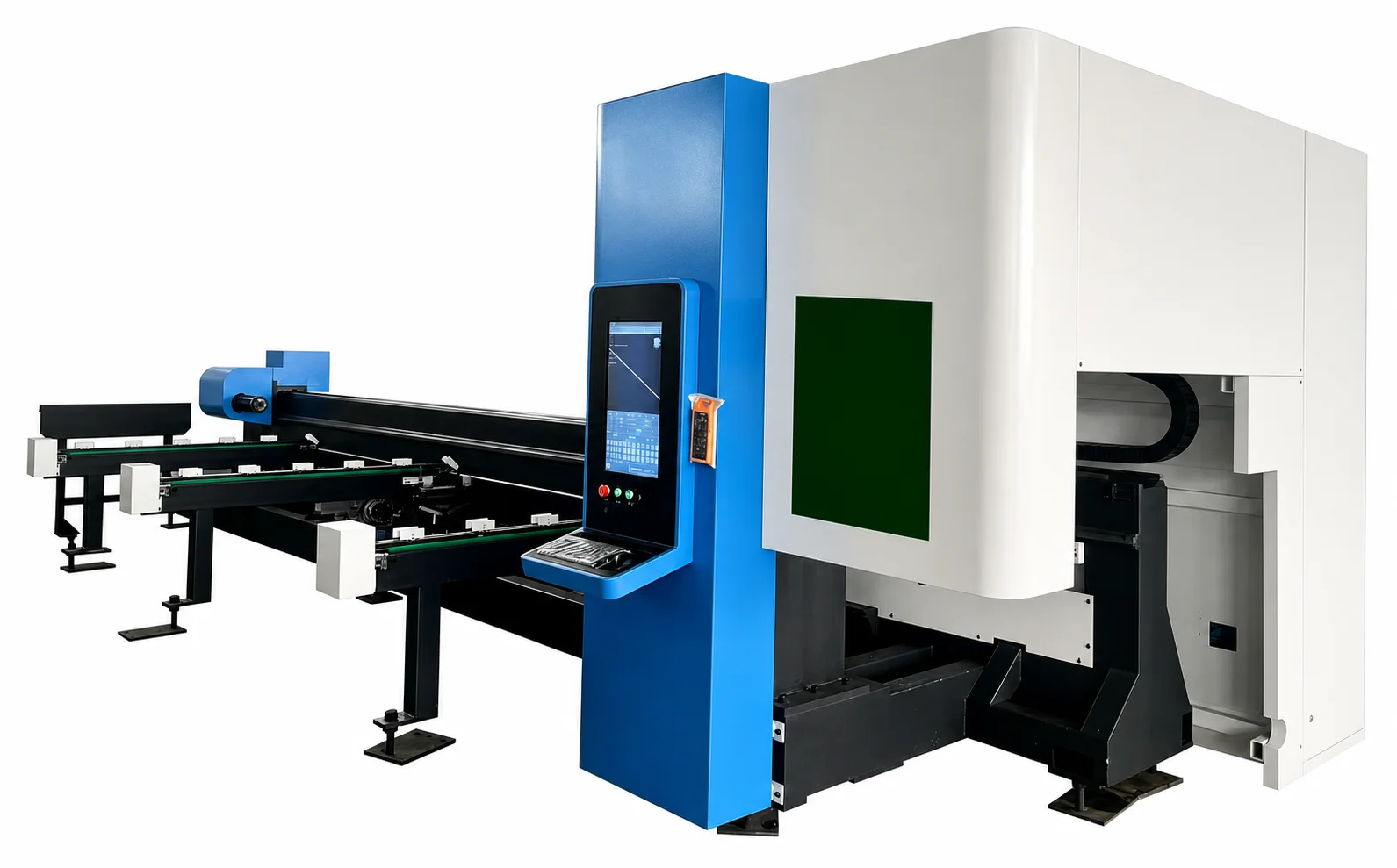
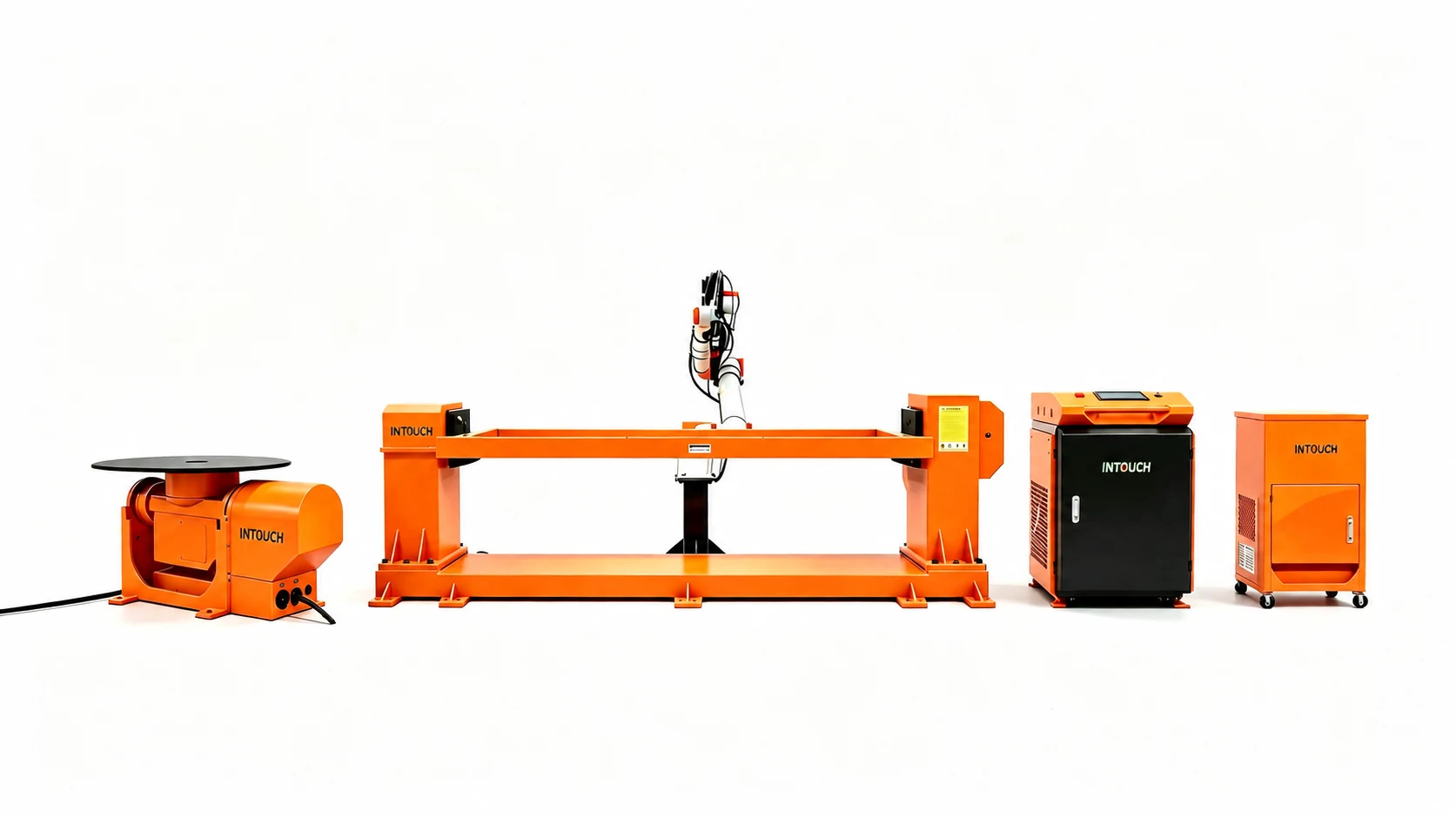
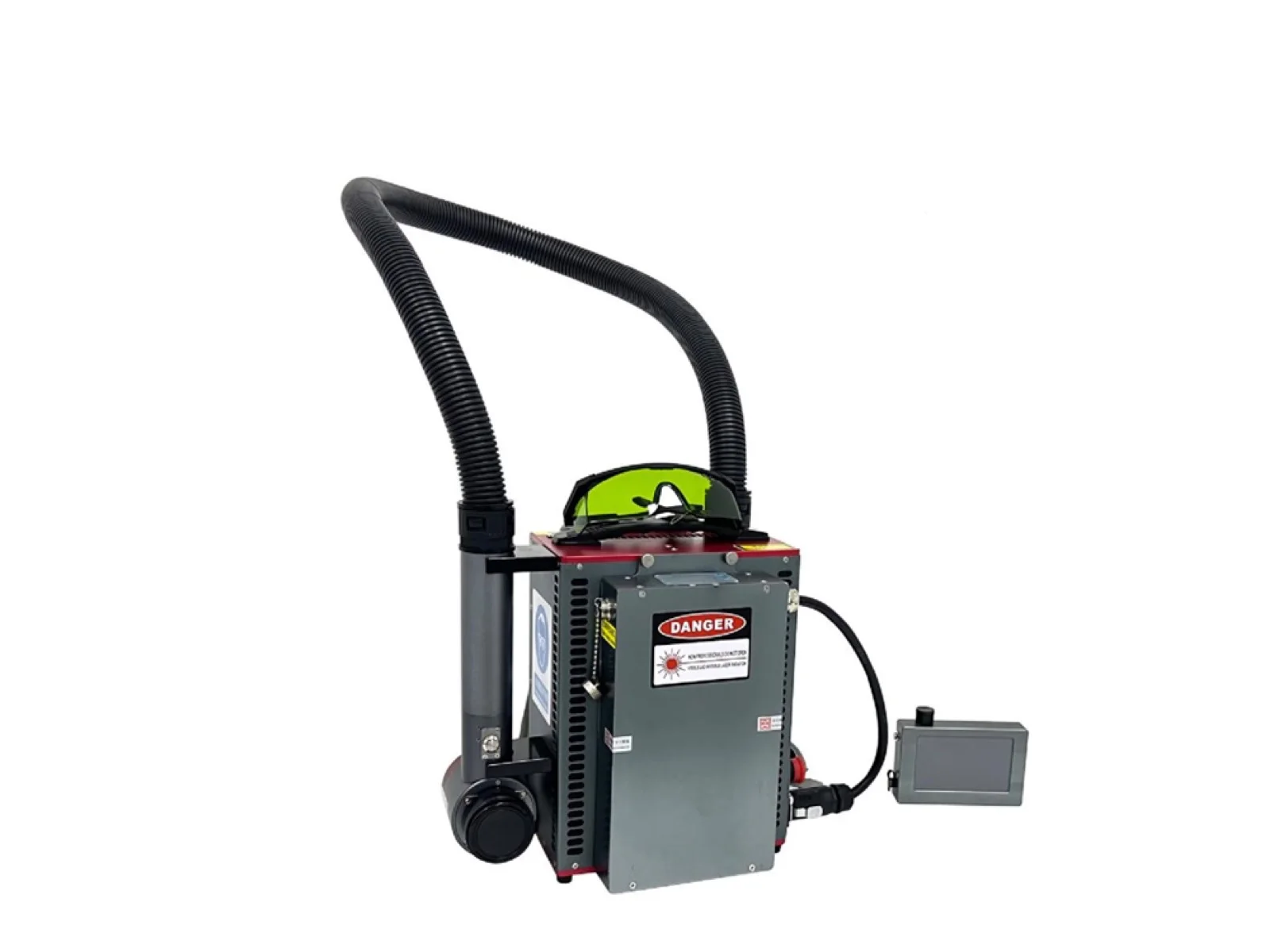
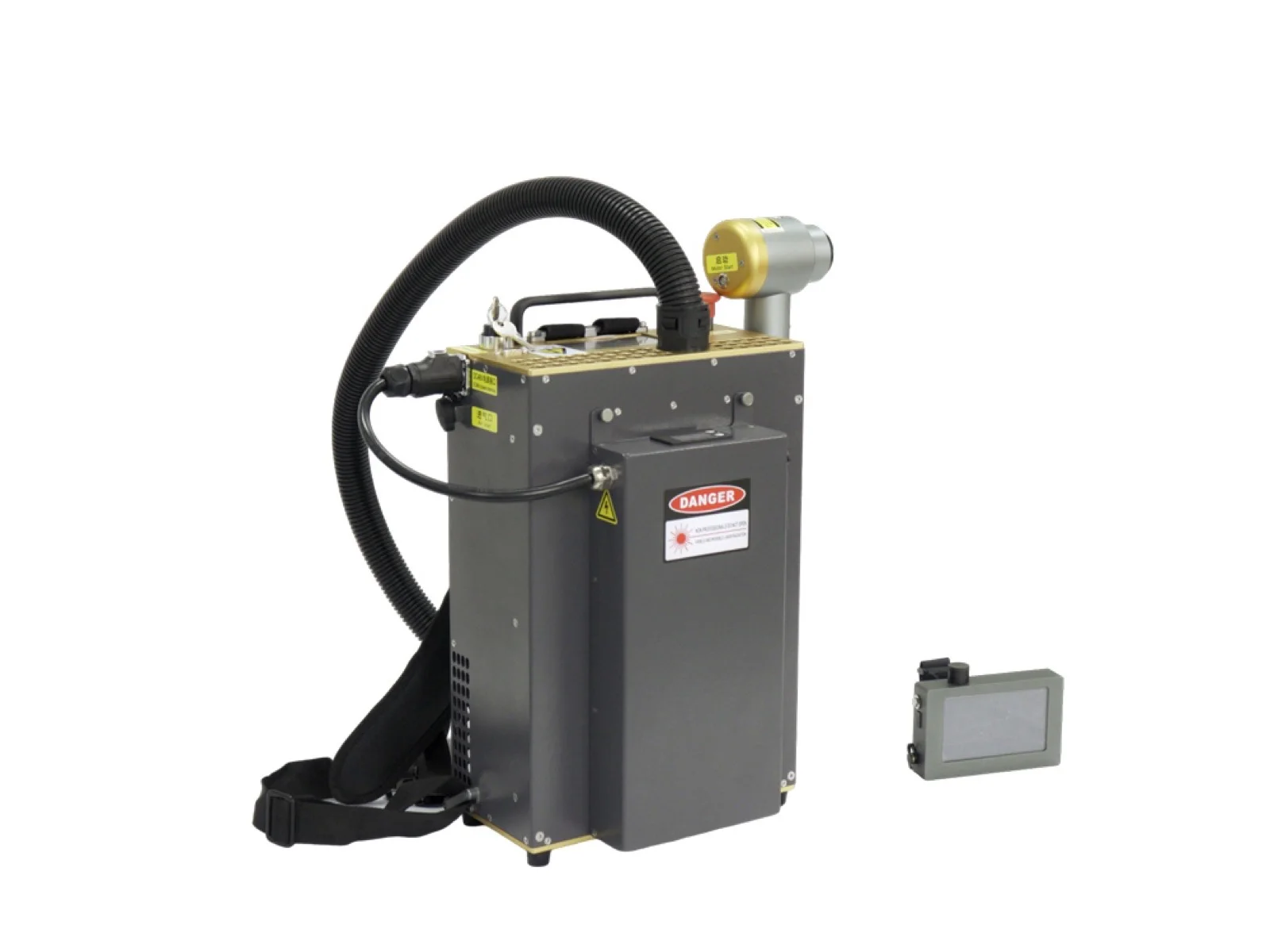
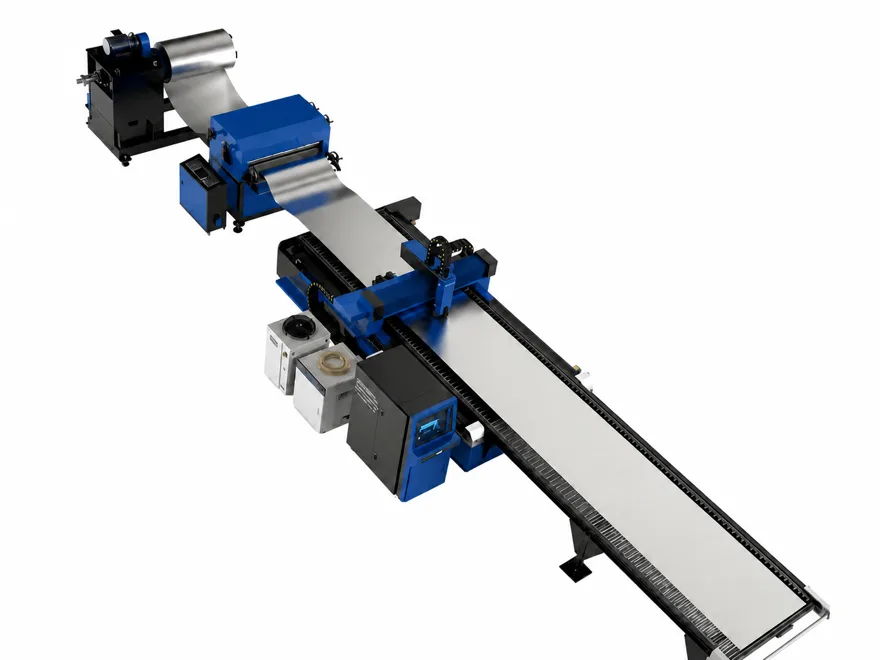
Internal-wall laser cladding machine
TY-RF5018 series
Internal-wall cladding configuration for pipes, cylinders, sleeves and other rotational parts.
View details →
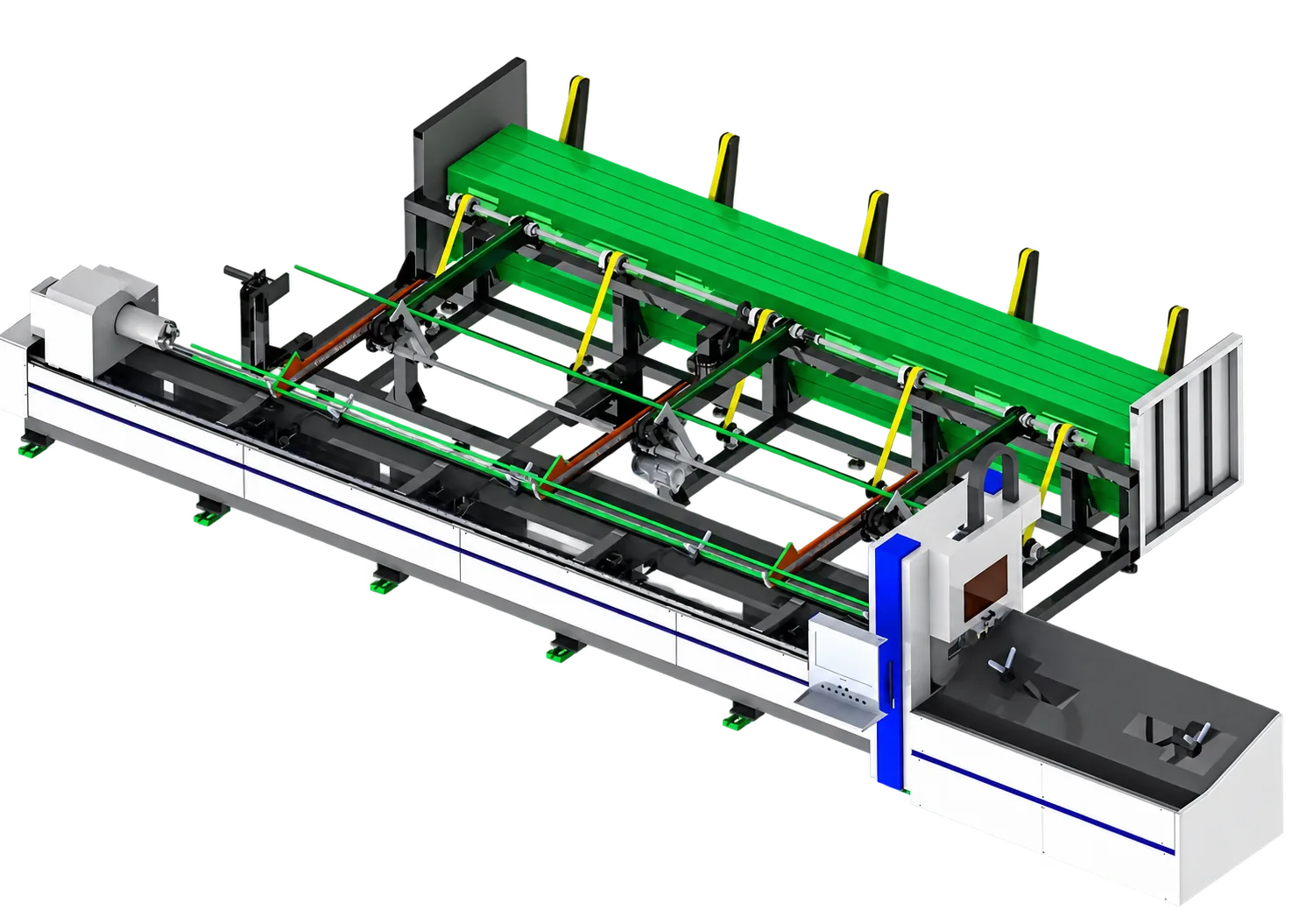
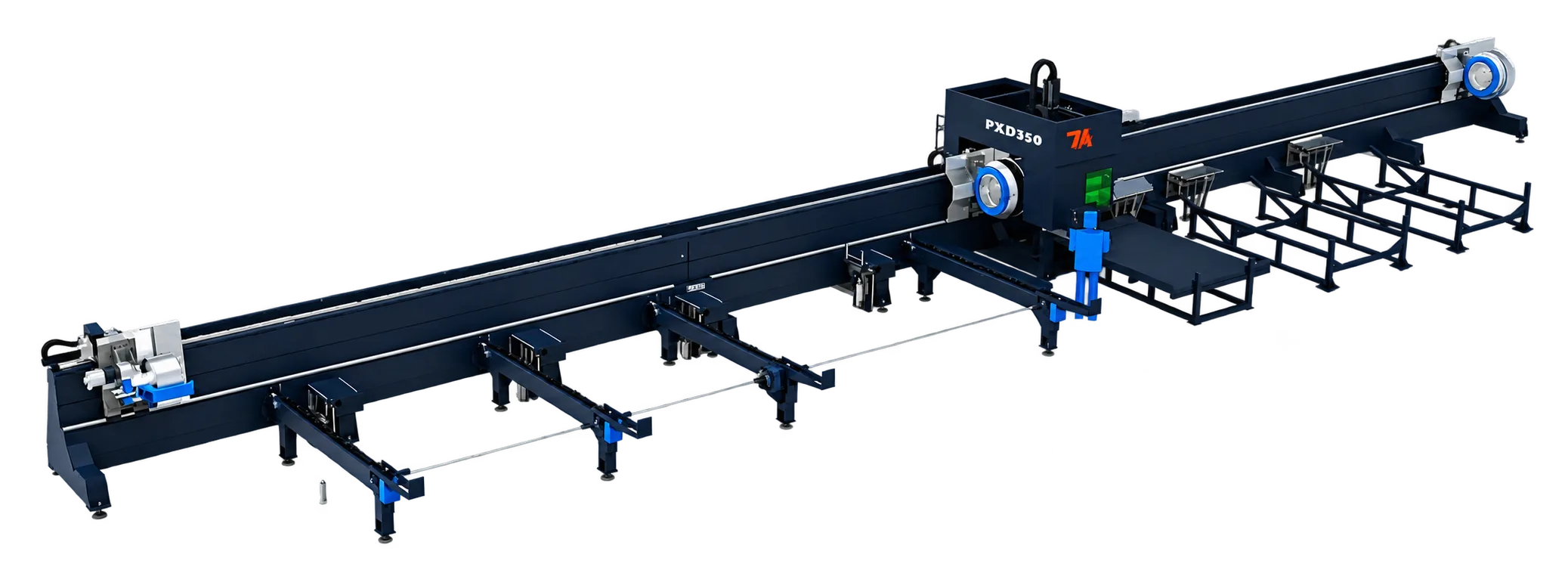
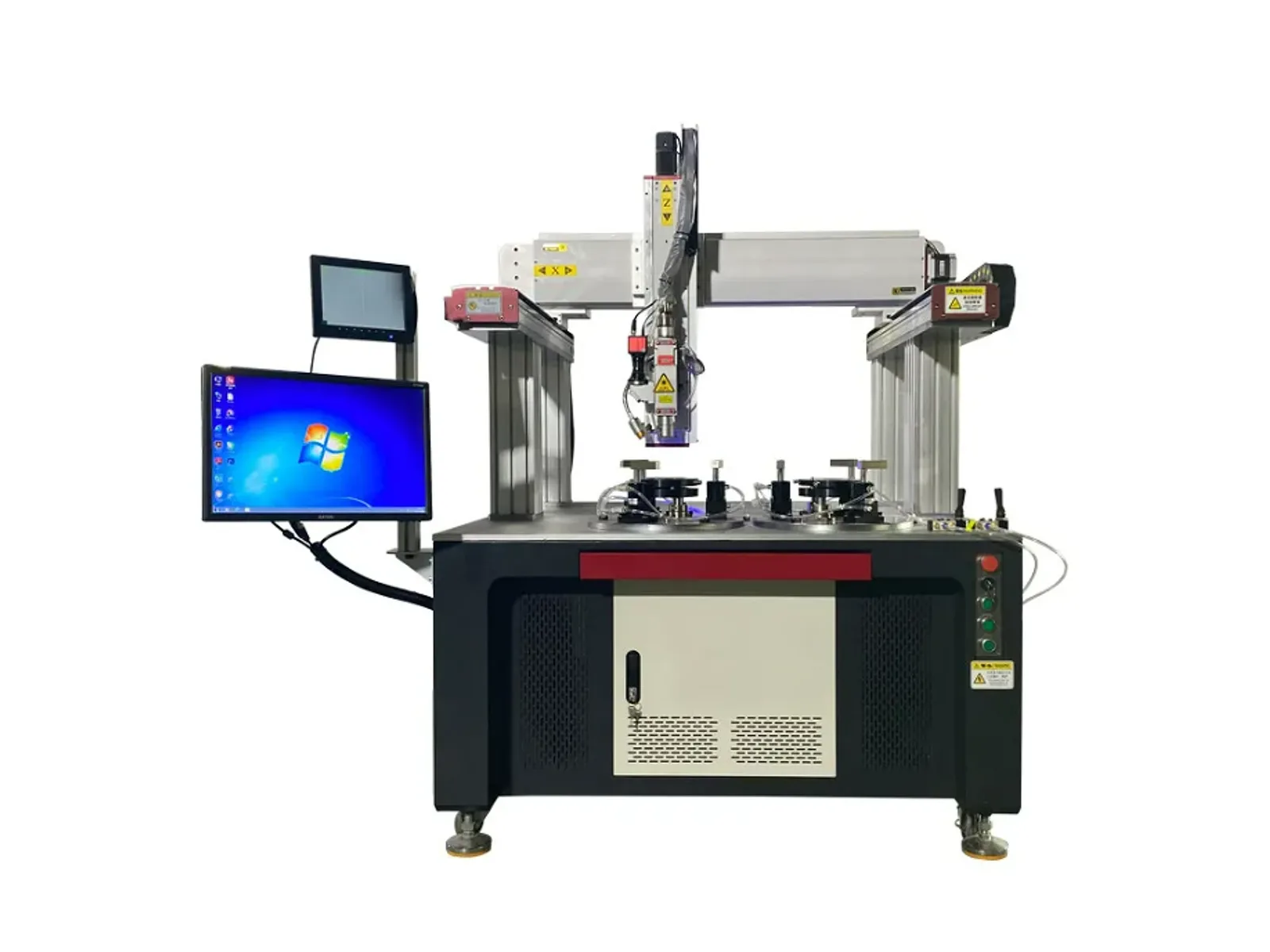 Gantry automatic laser welding machineServo multi-axis gantry system with CCD positioning, 1.5-6 kW configurations and a custom working stroke for the submitted workpiece.
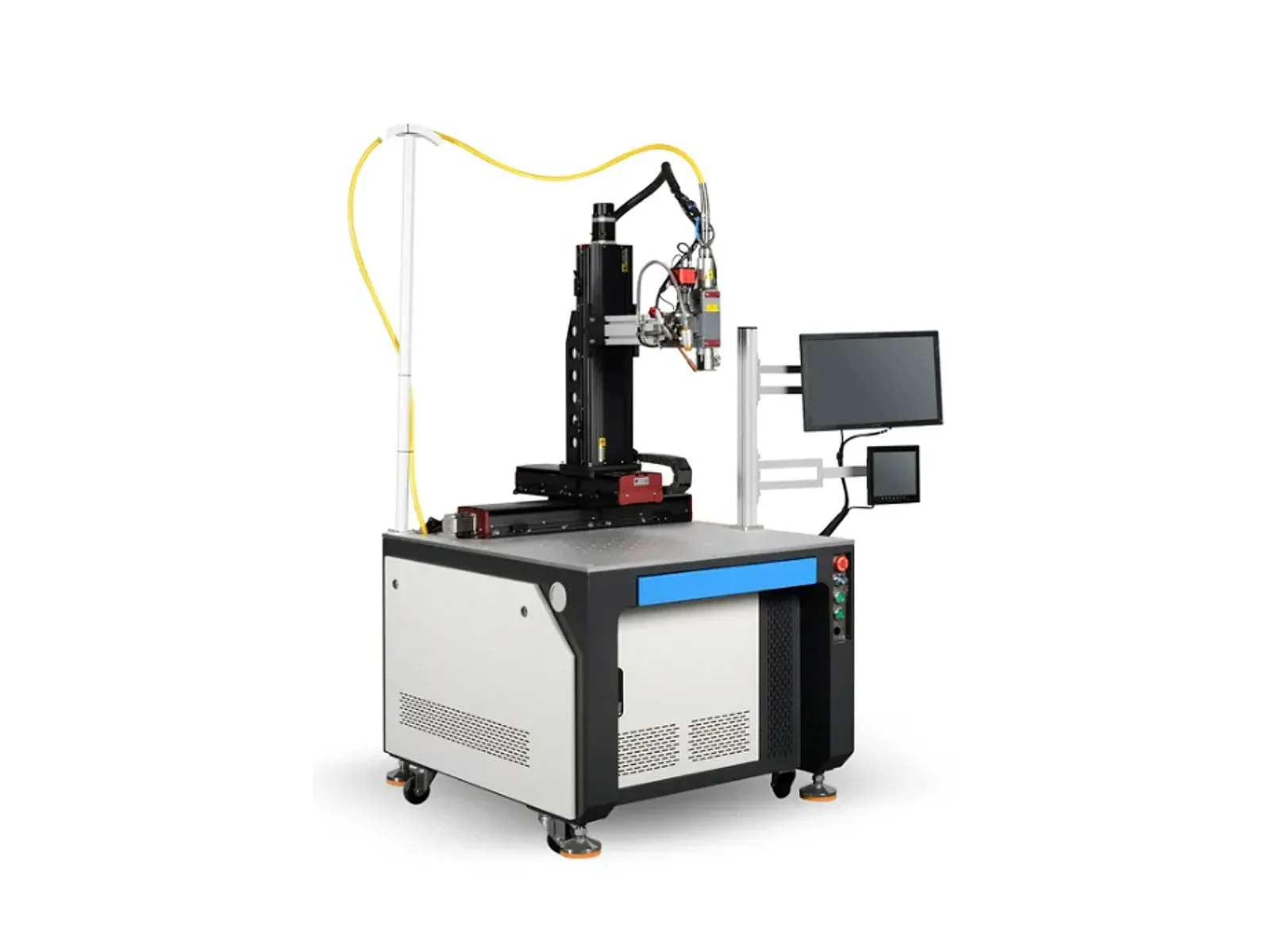 Four-axis automatic laser welding machineFour-axis linkage with CCD-assisted positioning, 1-6 kW configurations and ±0.02 mm repeat positioning for curved and special-shaped weld paths.
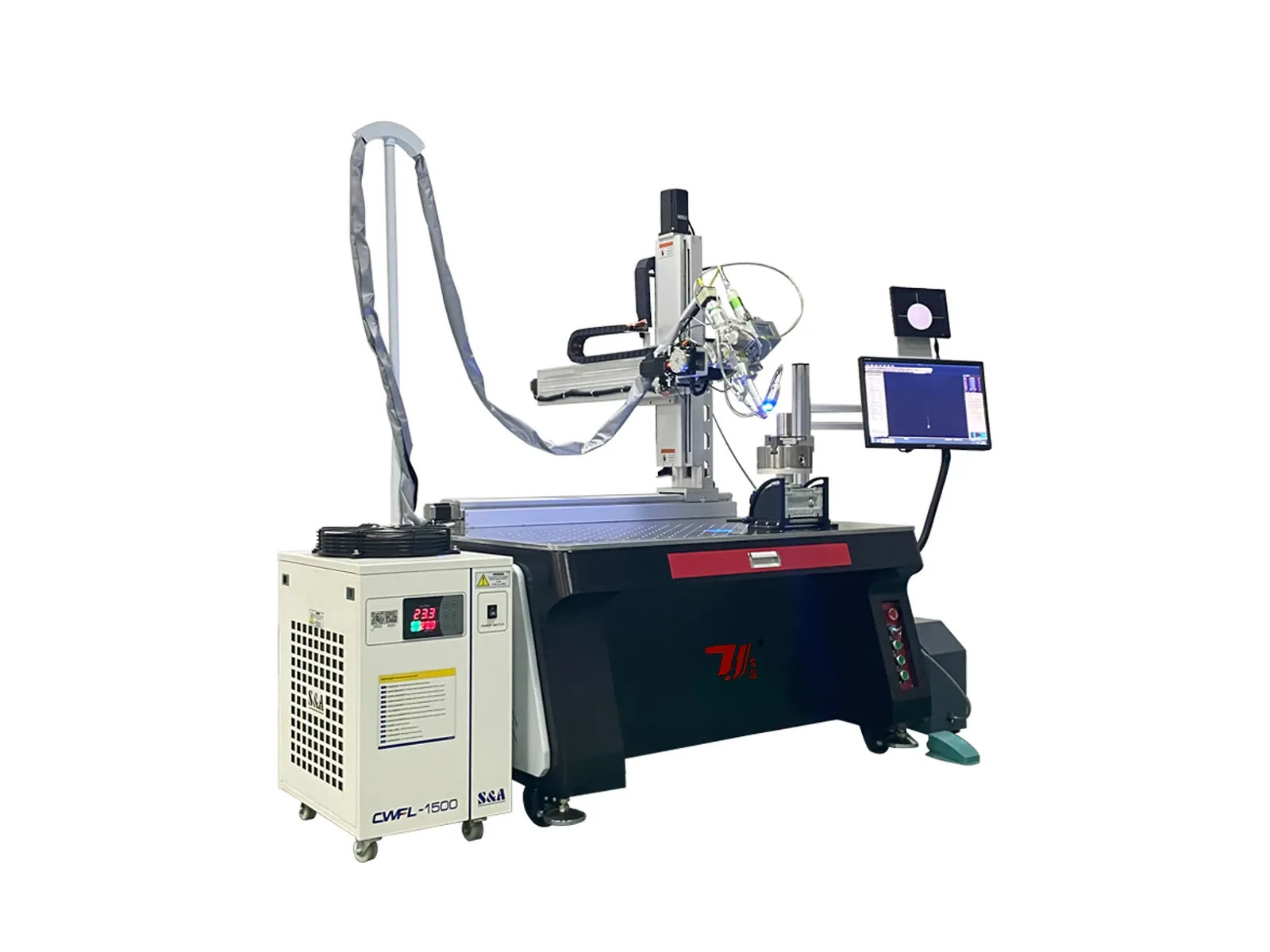 Five-axis automatic laser welding machineFive-axis servo linkage with CCD positioning, 1-6 kW configurations and ±0.02 mm repeat positioning for three-dimensional curved and special-shaped seams.
Cladding and hardening
Compare six laser cladding configurations for internal surfaces, robot processing, platform repair and enclosed layouts, including a combined cladding and hardening option.
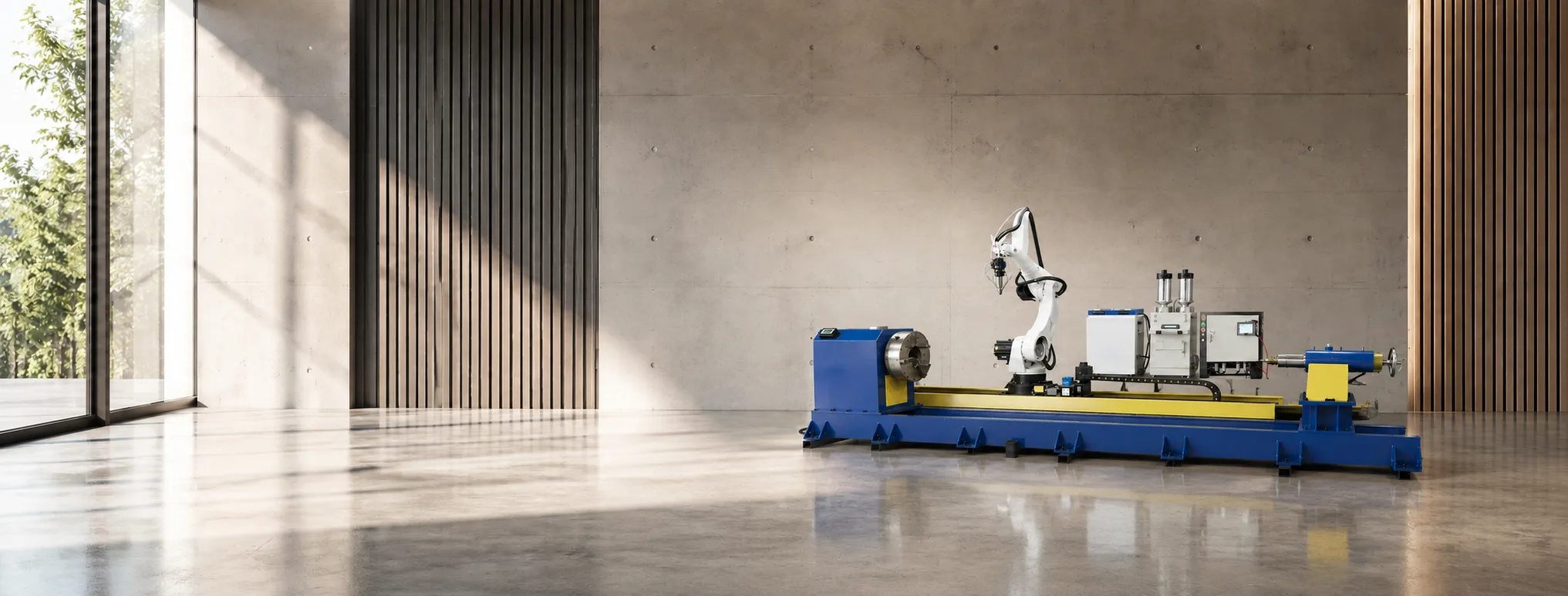
TY-RF5018 series
Internal-wall cladding configuration for pipes, cylinders, sleeves and other rotational parts.
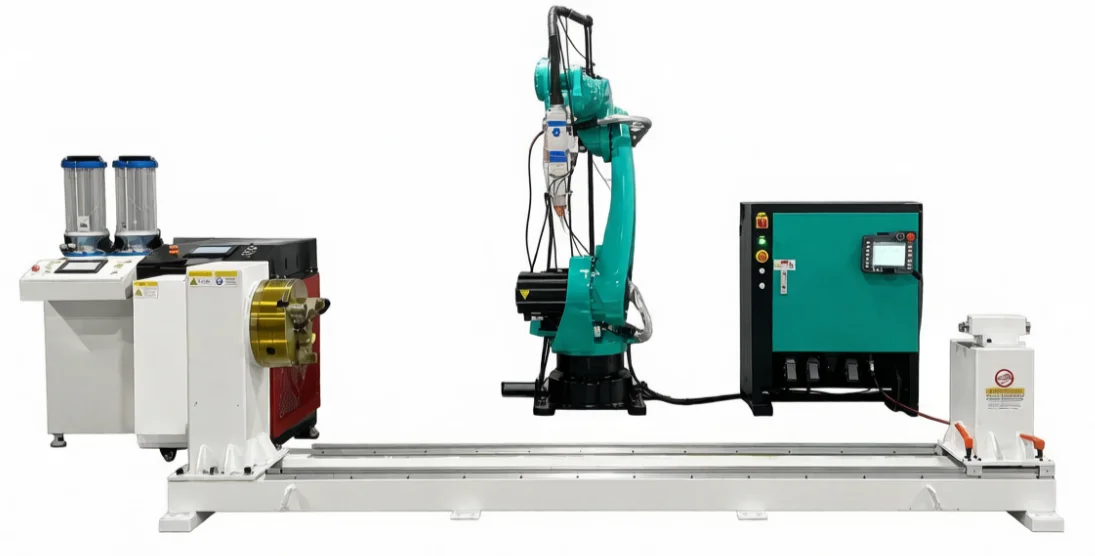
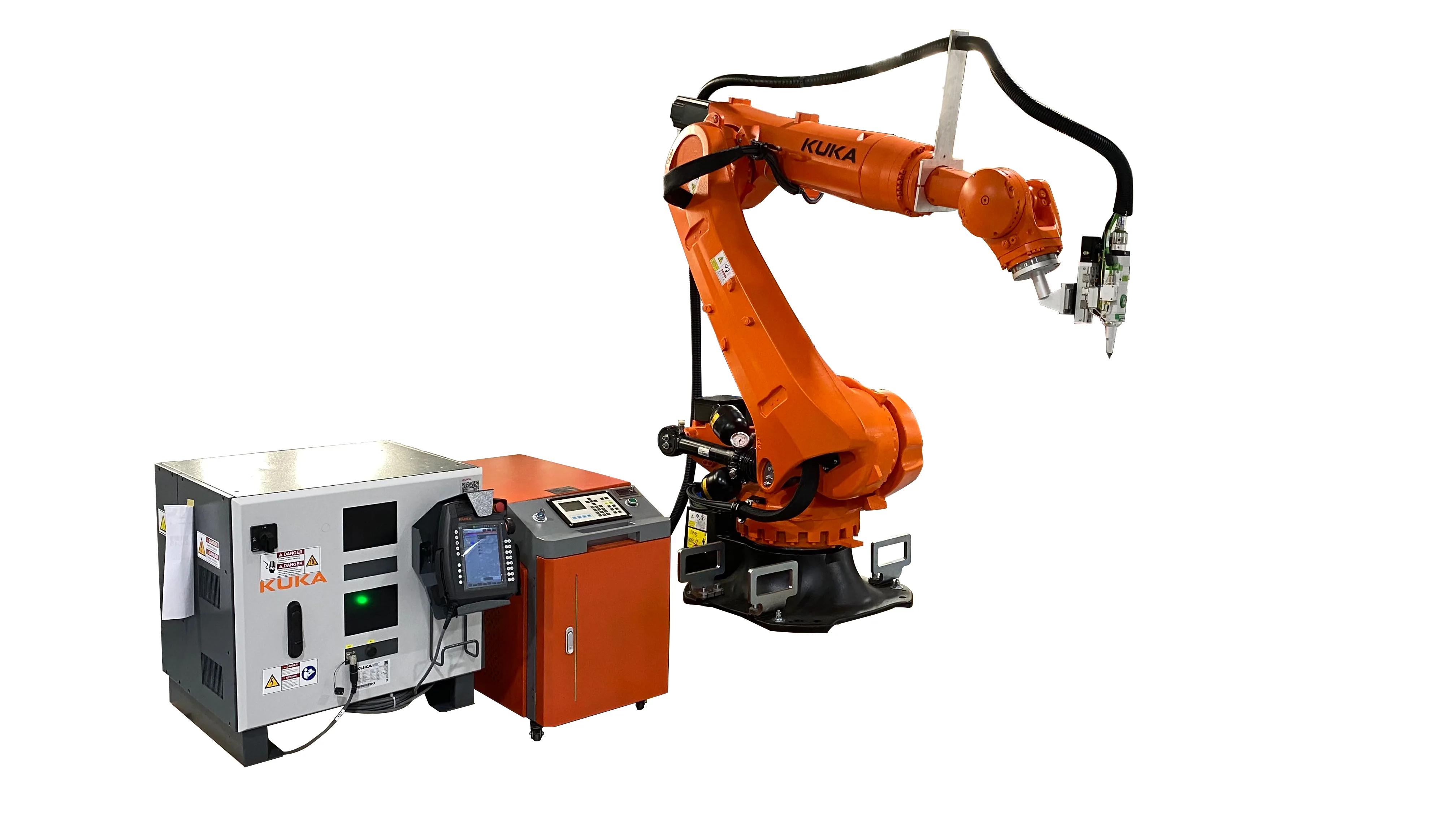
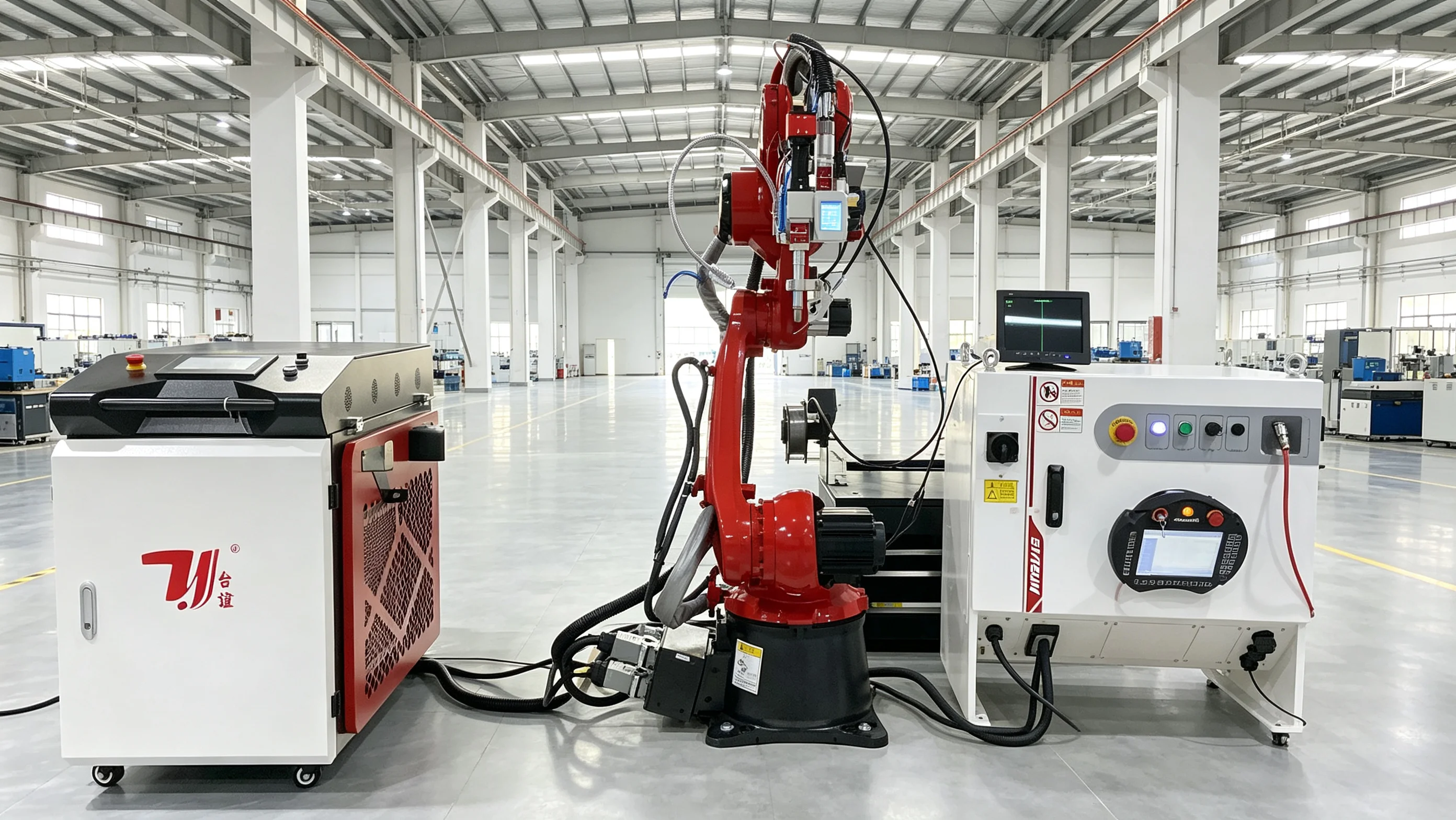
TY-RF5018
Robot-integrated workstation for cladding repair and surface-strengthening configurations.
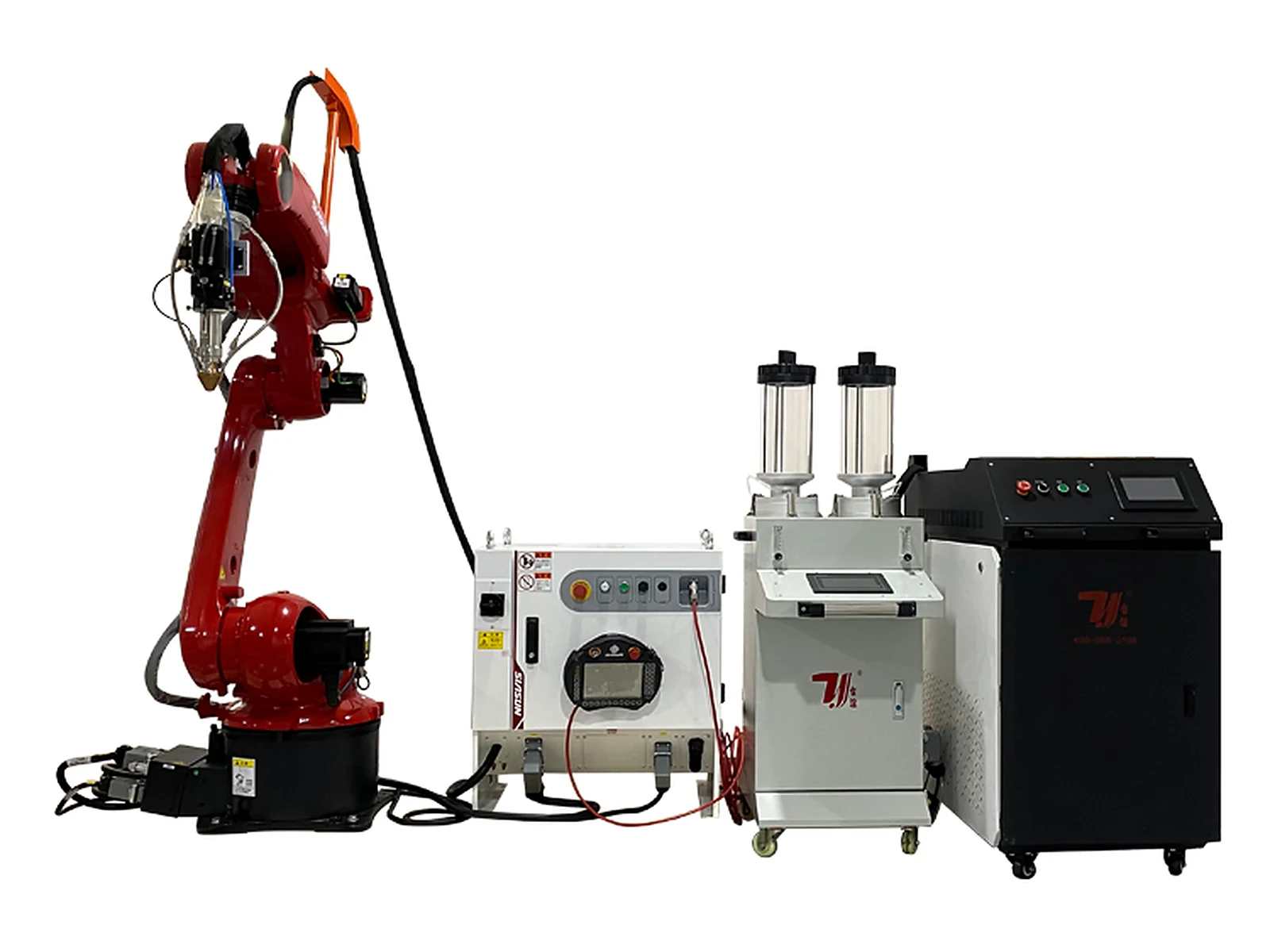
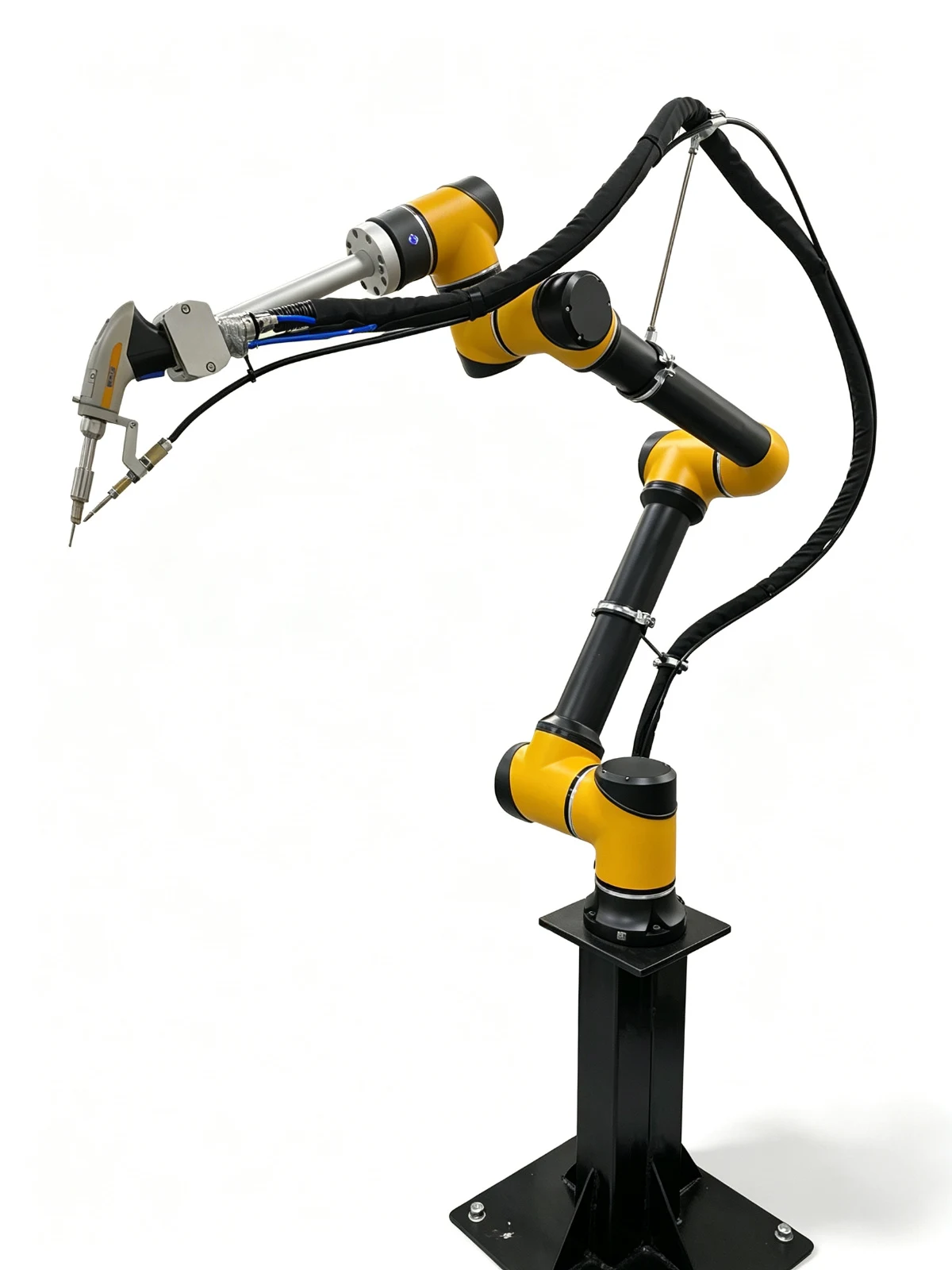
TY-RF5018 series
Robot cladding configuration for flat, axial, curved and special-shape workpieces.
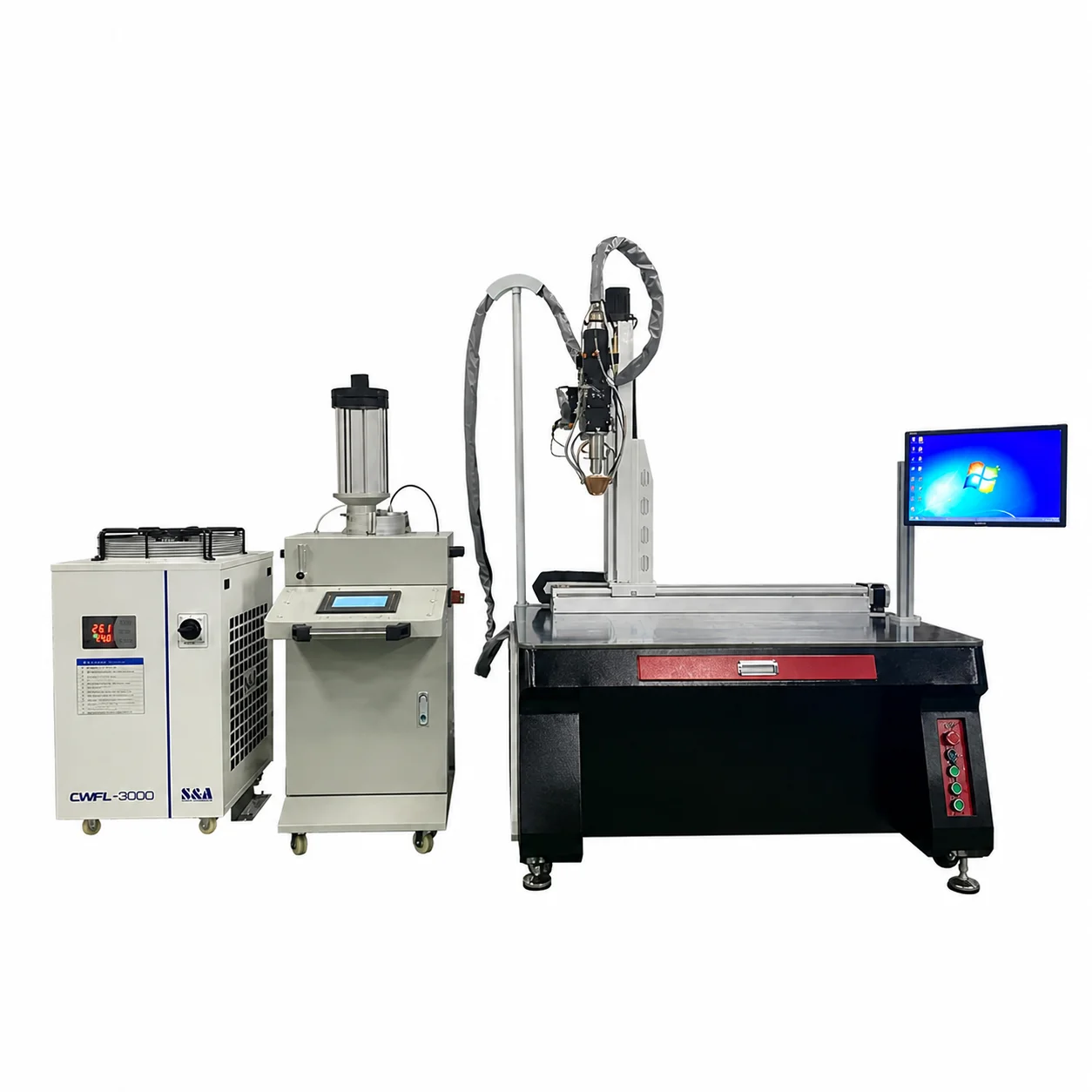
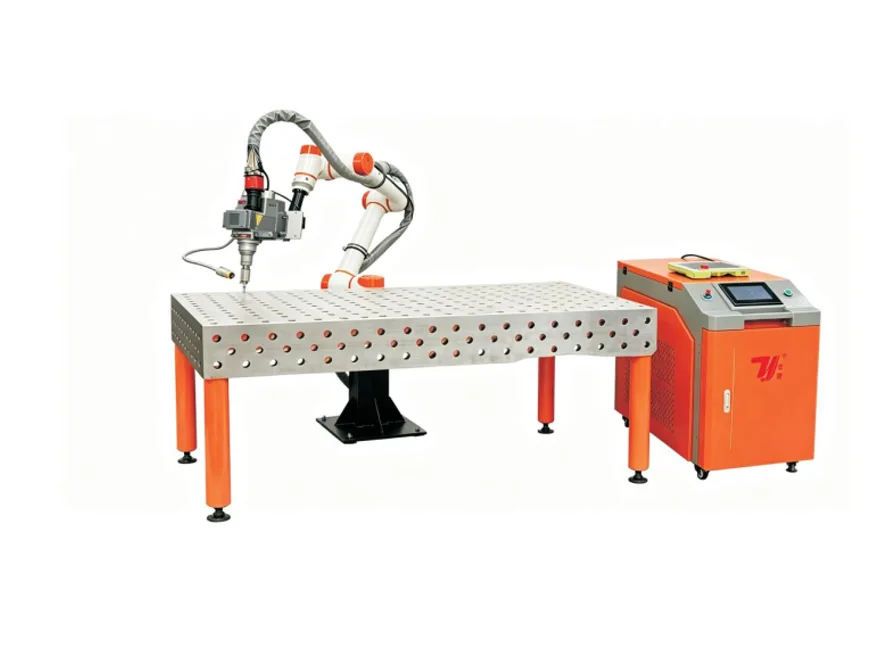
TY-RF2018
Platform automatic configuration for small-part repair and surface strengthening.
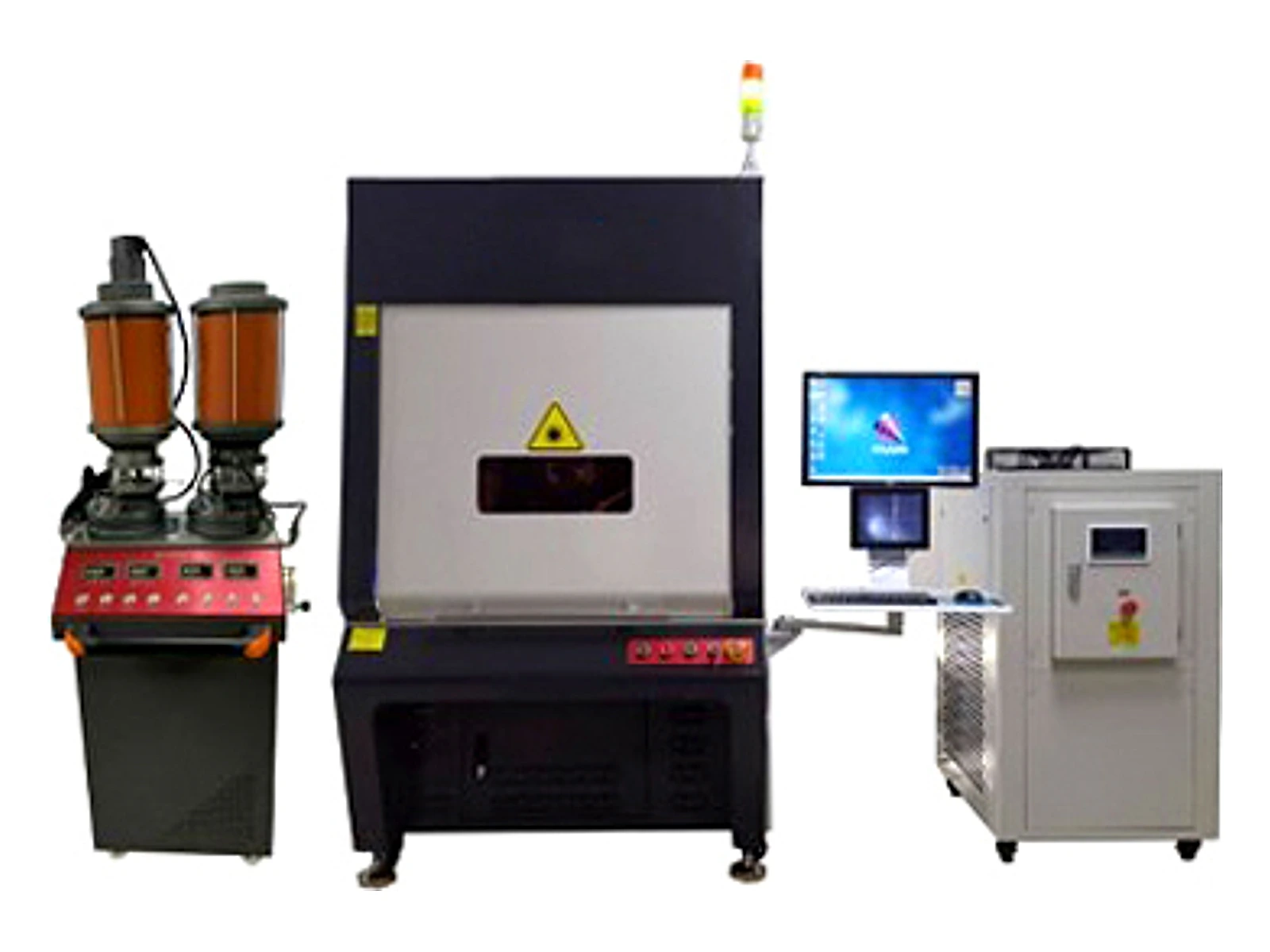
TY-RF2018 series
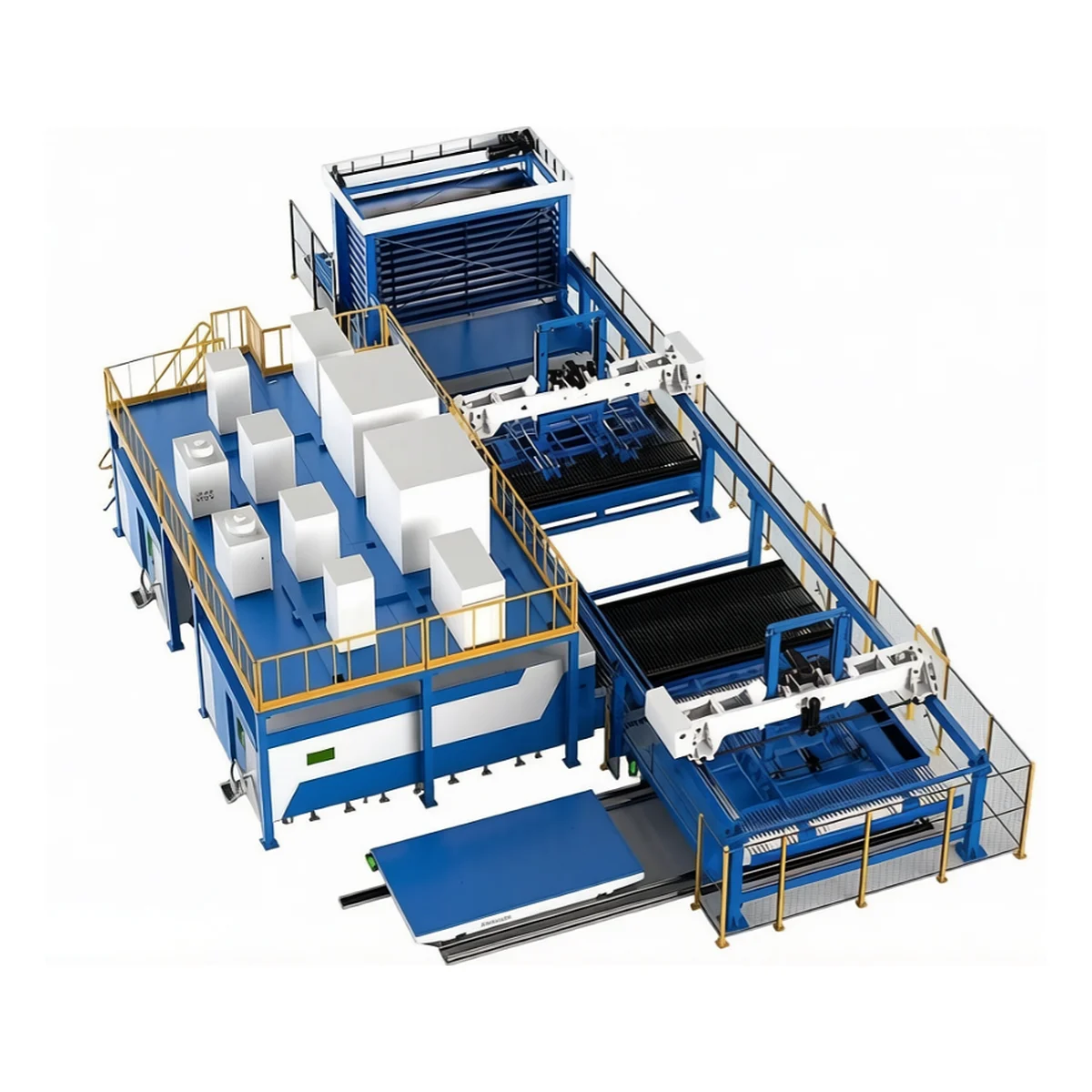
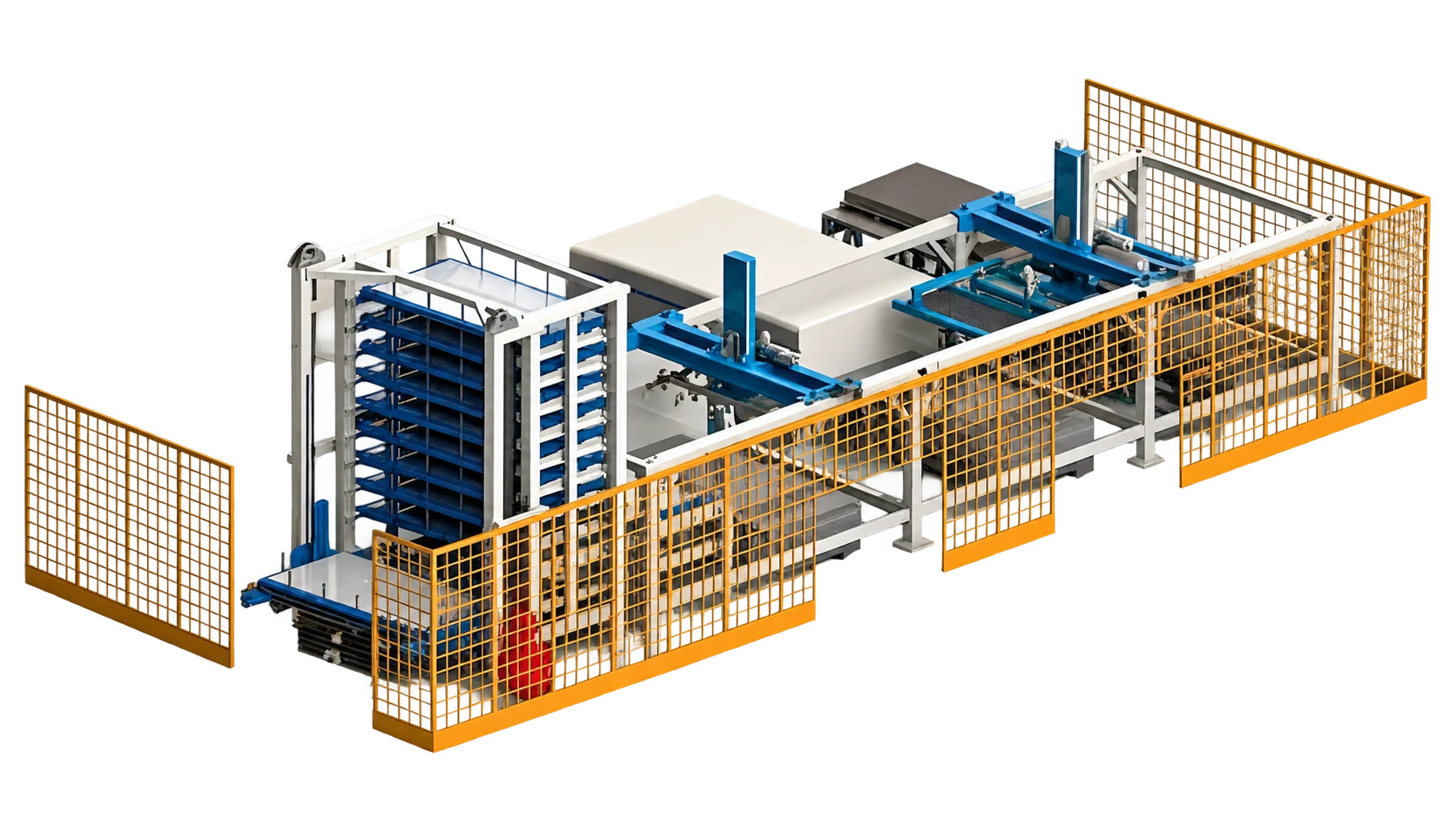
Fully enclosed configuration integrating motion, powder feeding, cooling and laser equipment.
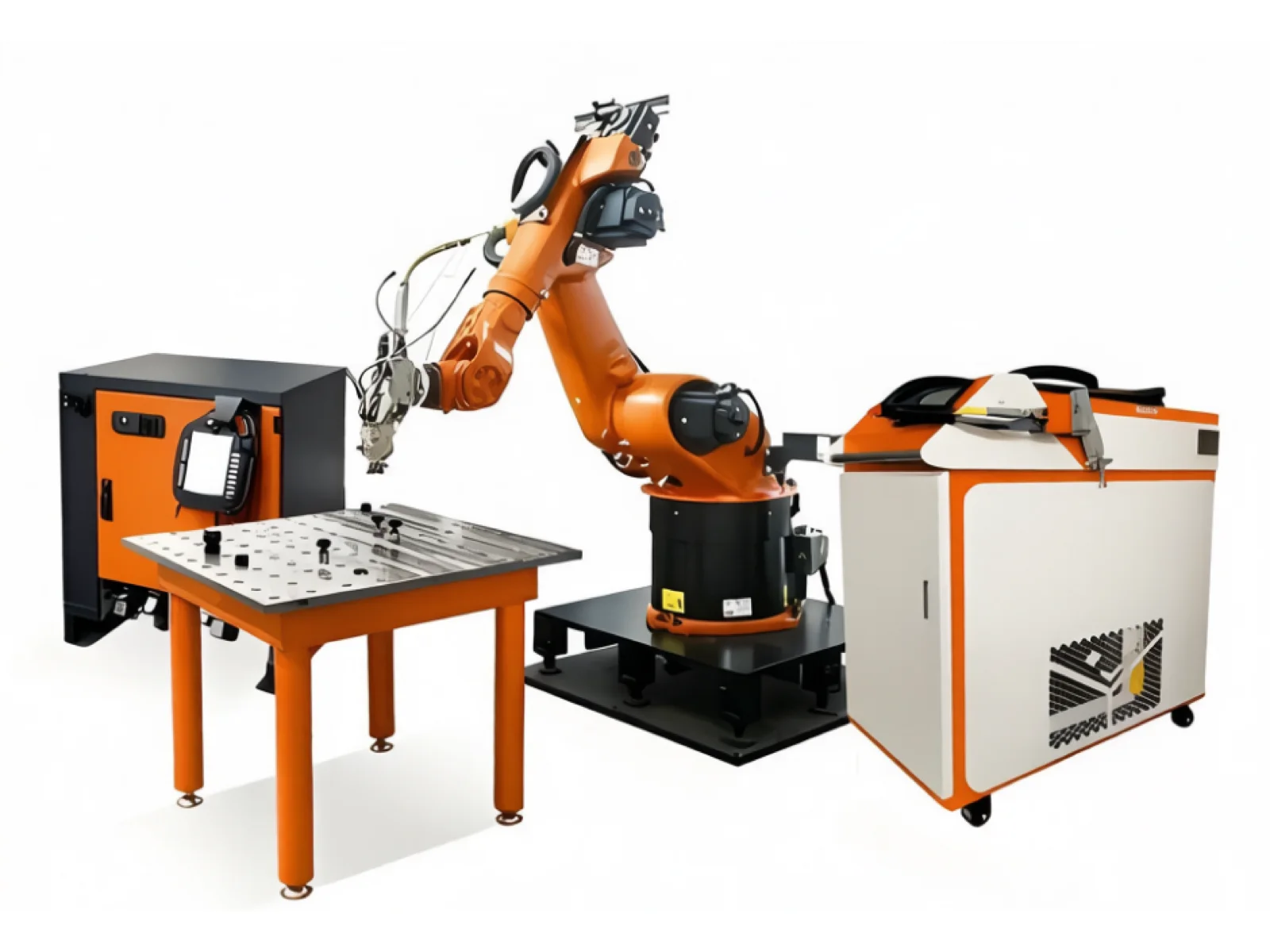
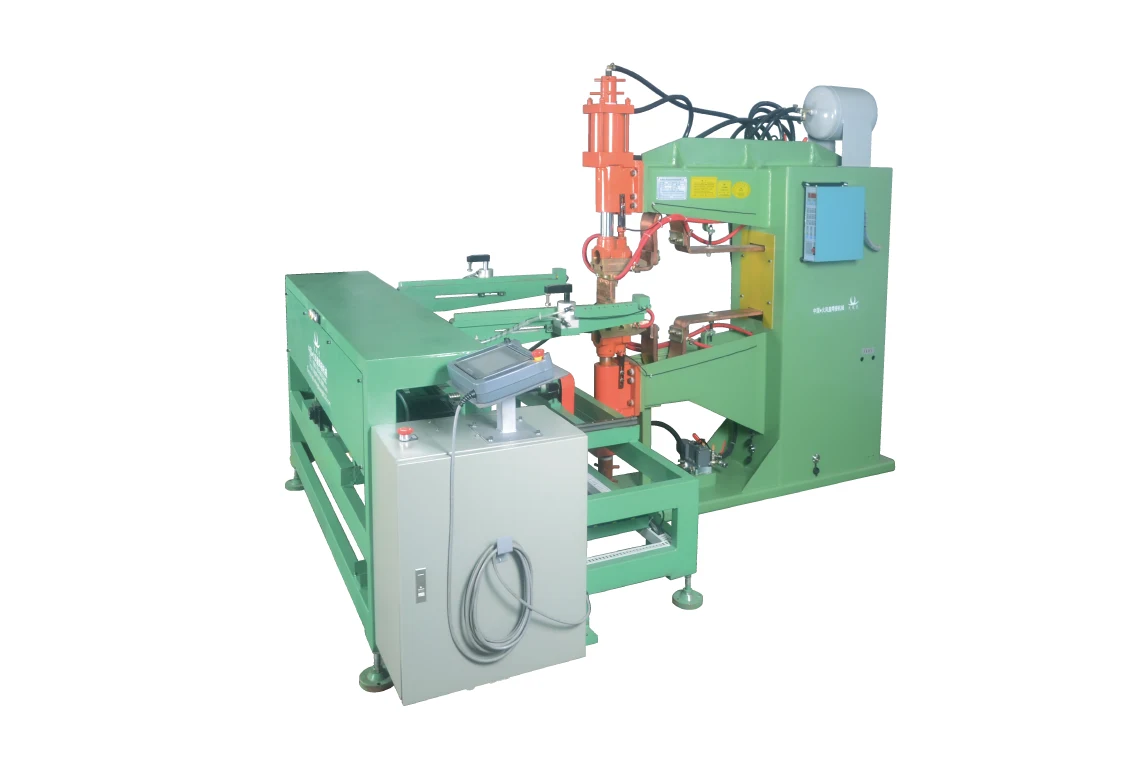
TY-RF5018 series
Combined cladding and hardening configuration for repair and localized surface strengthening.
Laser cladding adds material to a surface for a repair or surface-treatment task. Choosing the equipment starts with the area to be processed: an internal bore, an external cylindrical surface or a more complex shape. Compare access for the processing head, part positioning and machine layout before specifying the deposition requirement.
The internal-wall configuration addresses pipes, cylinders, sleeves and other rotational parts. Provide the bore geometry, access opening and target treatment area so the head and workholding arrangement can be assessed.
Compare the robot workstation and robot machine configurations for their processing and workholding arrangements. The robot machine lists flat, axial, curved and special-shaped workpieces; compatibility still depends on the complete geometry.
The TY-RF2018 platform configuration is listed for small-part repair and surface strengthening. Review part dimensions, positioning and the treatment area against the platform arrangement.
The enclosed configuration brings motion, powder feeding, cooling and laser equipment into an enclosed system. Confirm the workpiece access and equipment arrangement for the project.
If the project includes both repair by adding material and a localized hardening requirement, review the combined configuration. State the two tasks separately so the proposed process and equipment scope are clear.
Cladding adds material to a surface, while hardening is a surface heat-treatment task. They are different requirements even when equipment is configured for both. This range includes a combined cladding and hardening machine; do not assume all six configurations include both processes.
Start with the internal-wall laser cladding configuration. Supply the bore diameter and depth, access geometry, substrate and treatment area. The fact that a part is cylindrical does not by itself establish that a particular head can reach every internal surface.
Robot and platform configurations describe different motion and workholding arrangements. An enclosed configuration also addresses the equipment layout around the processing area. Compare these features with the part geometry, positioning and loading requirements rather than treating the names as interchangeable capacity ratings.
No common repair result or hardness value is specified for this whole range. The substrate, deposited material, surface condition and target result need to be considered for the application. Provide the acceptance requirements before a process and configuration are confirmed.
The part geometry, substrate, current surface condition, target repair or deposited layer, workholding and required equipment package define the quotation scope. Include drawings and the treatment area, and distinguish a machine procurement request from any separate process-development or service requirement.
Request a quote
Share your part drawing, material and production requirements. The quotation will identify the selected equipment, tooling, handling options and integration scope for your project.