
Internal-wall cladding configuration
Internal-Wall Laser Cladding Machine
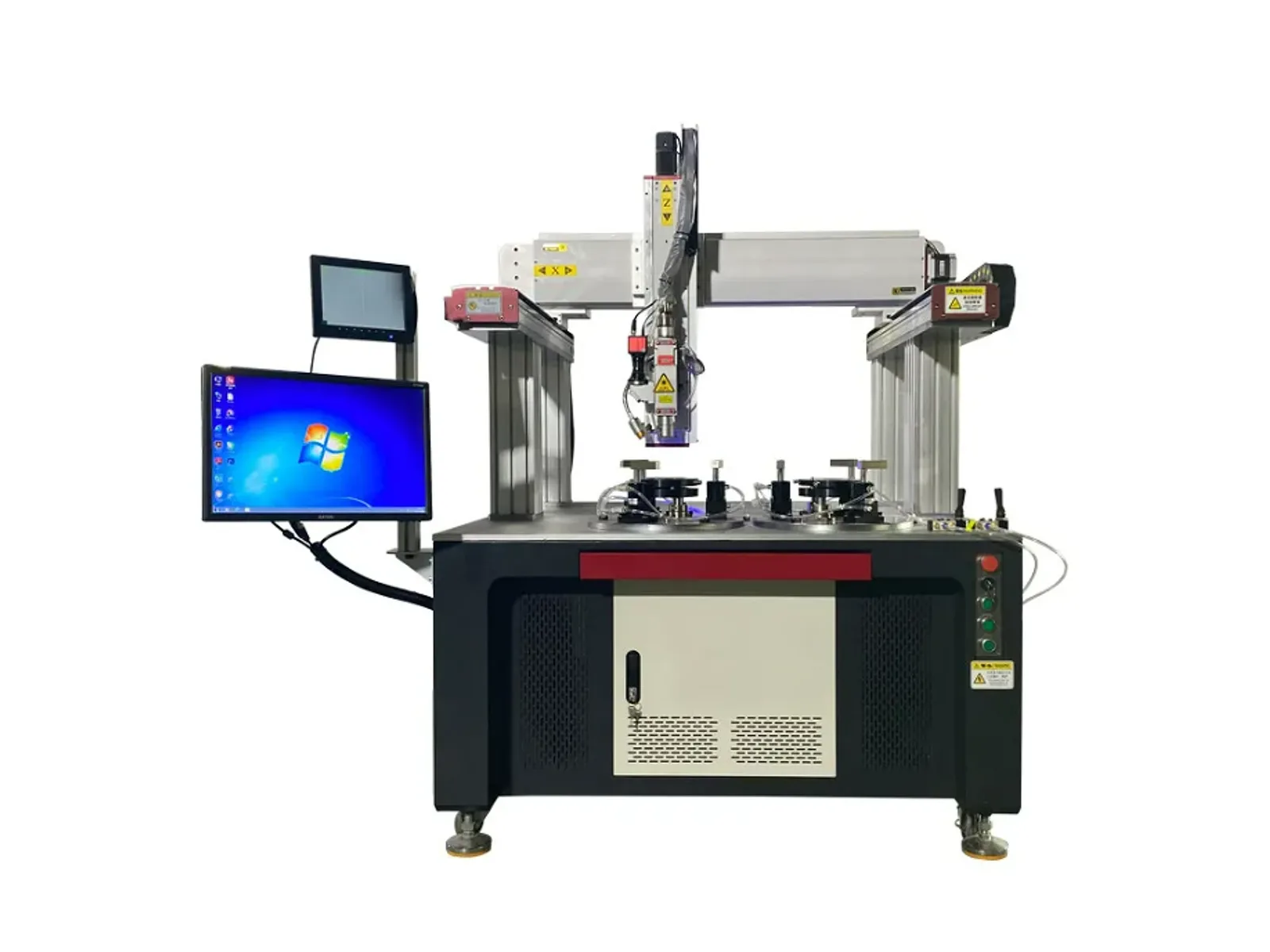
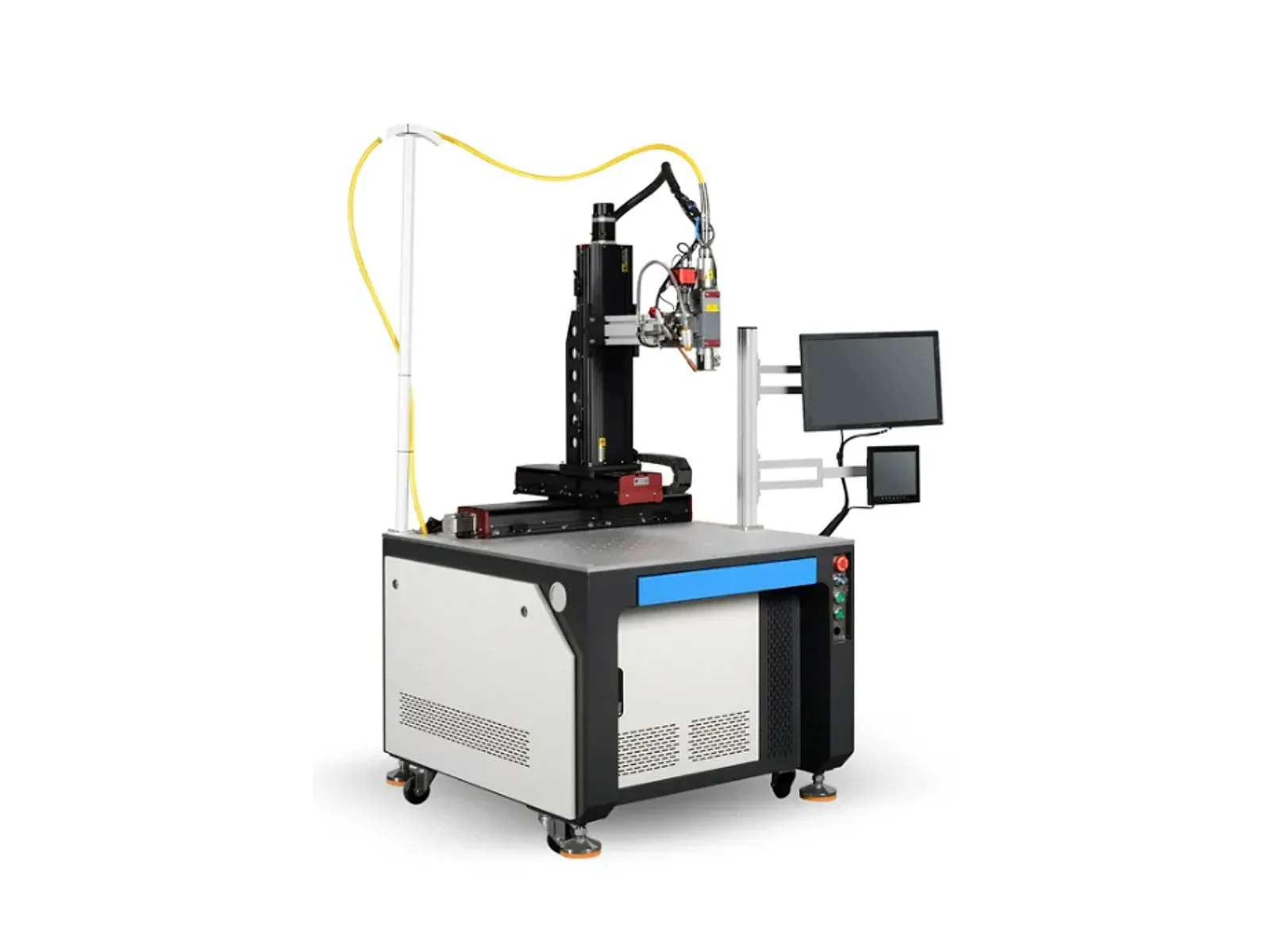
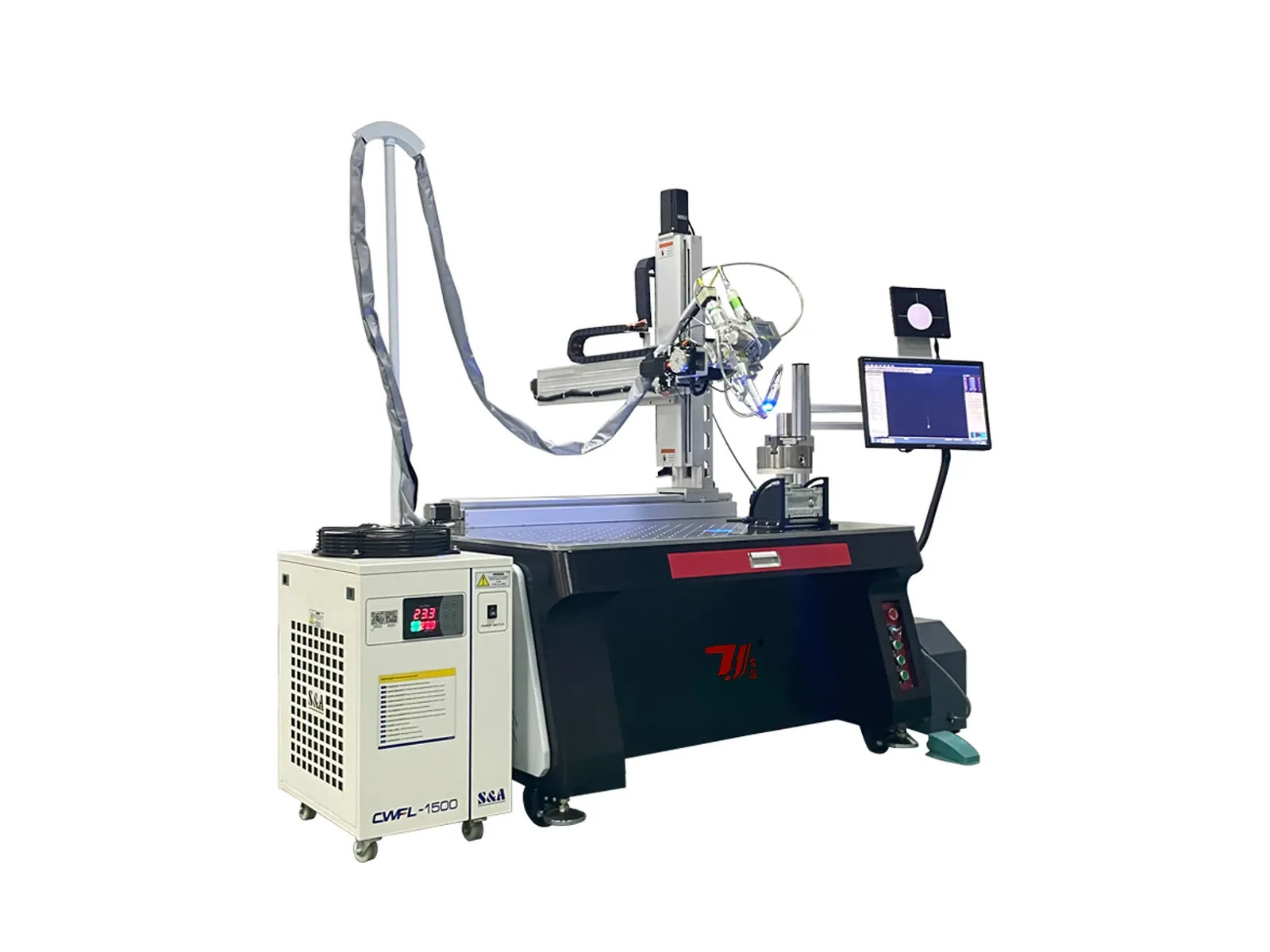
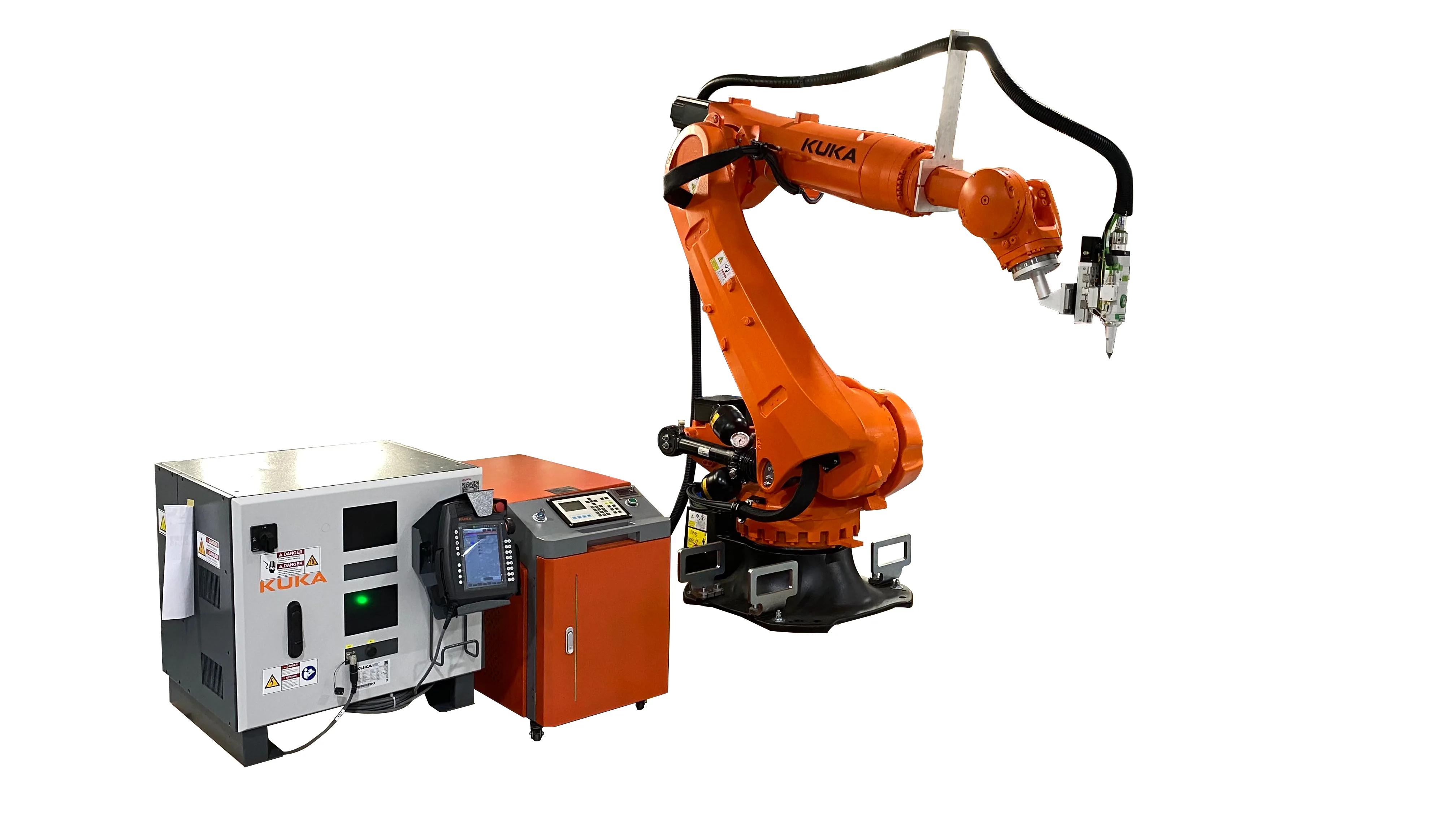
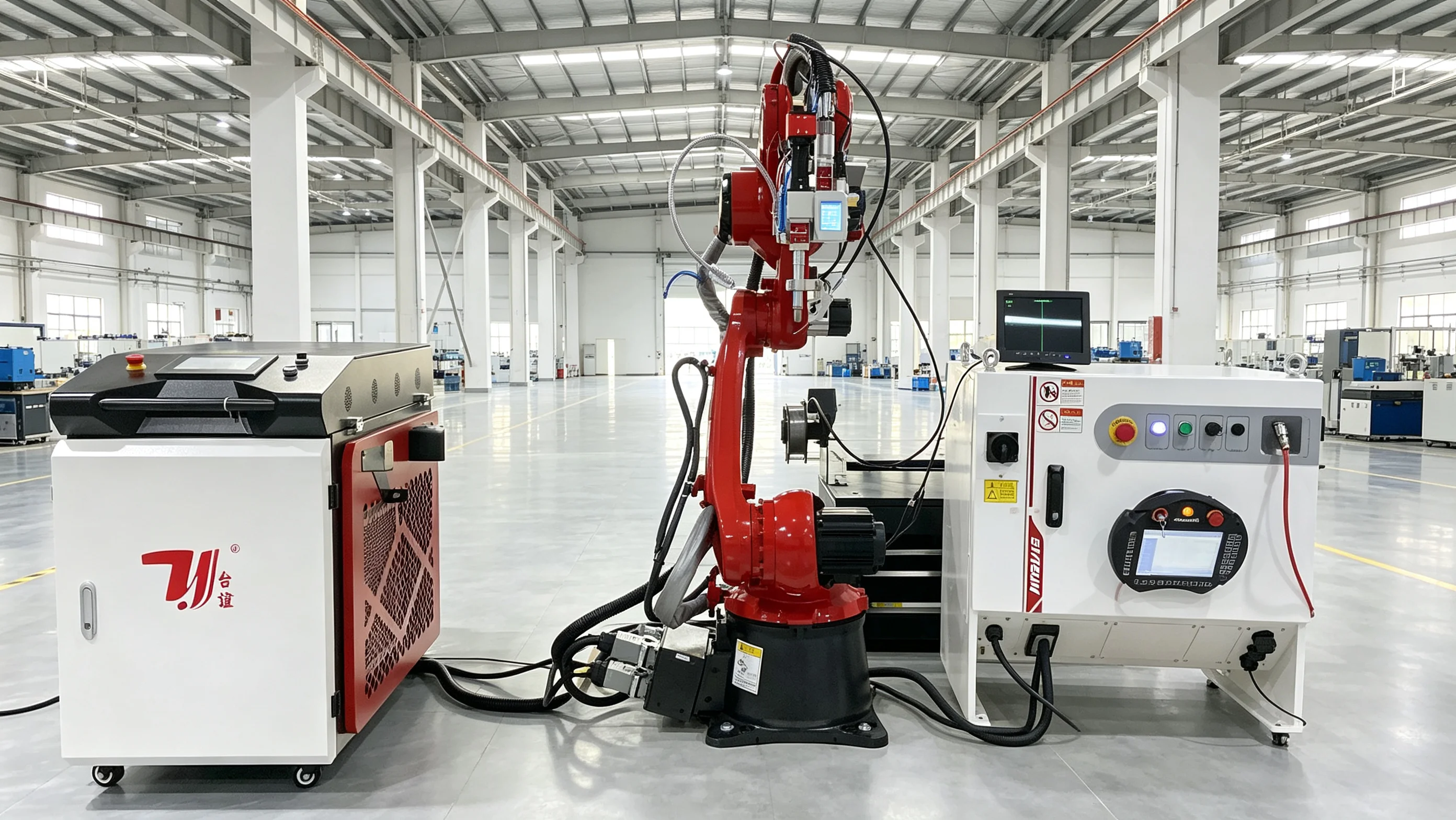
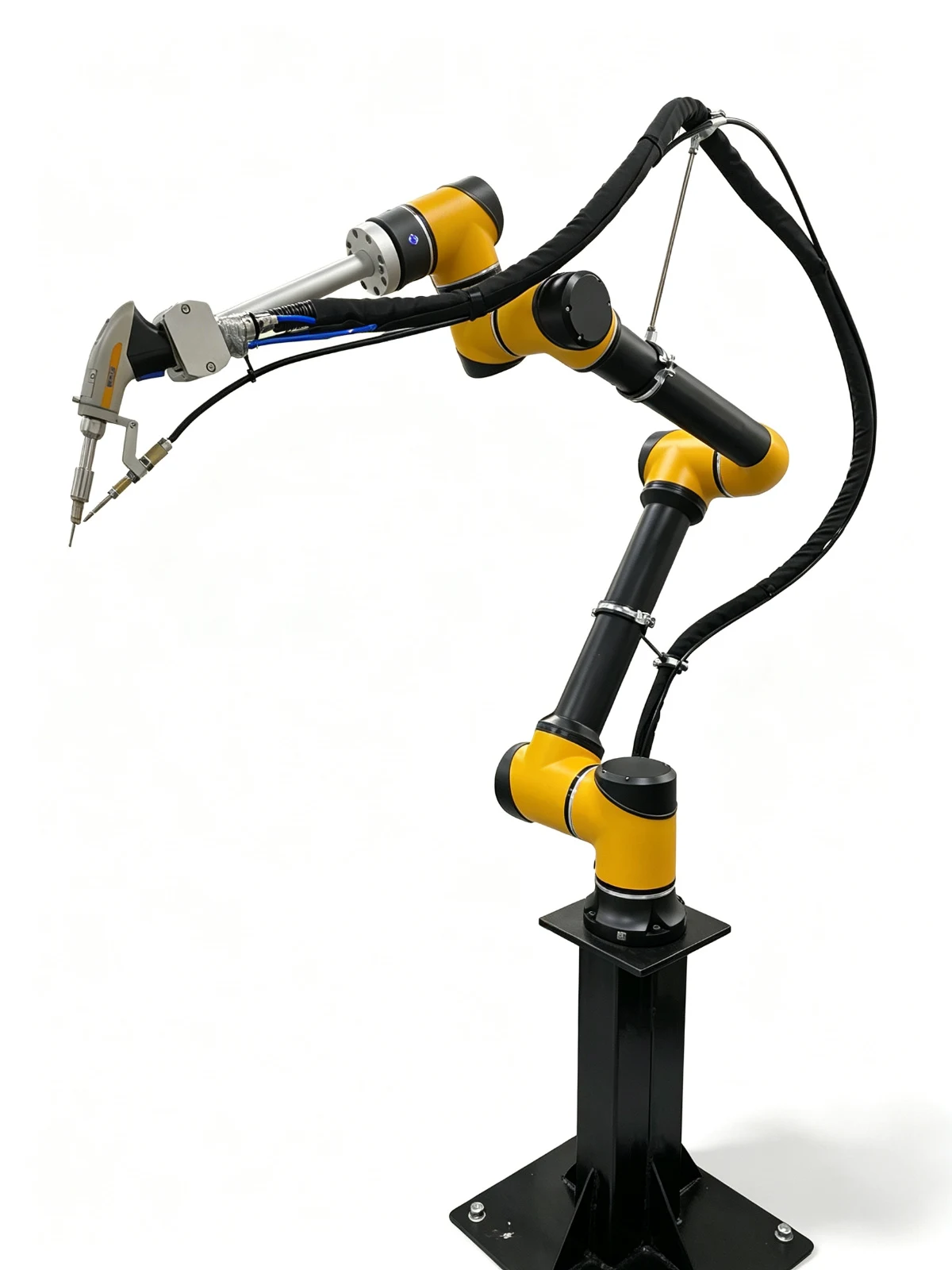
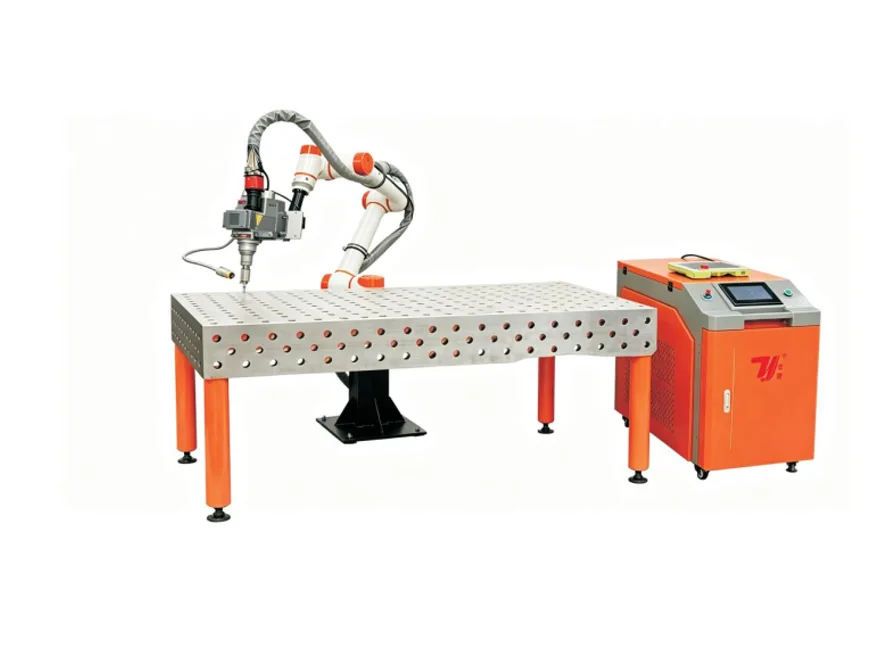
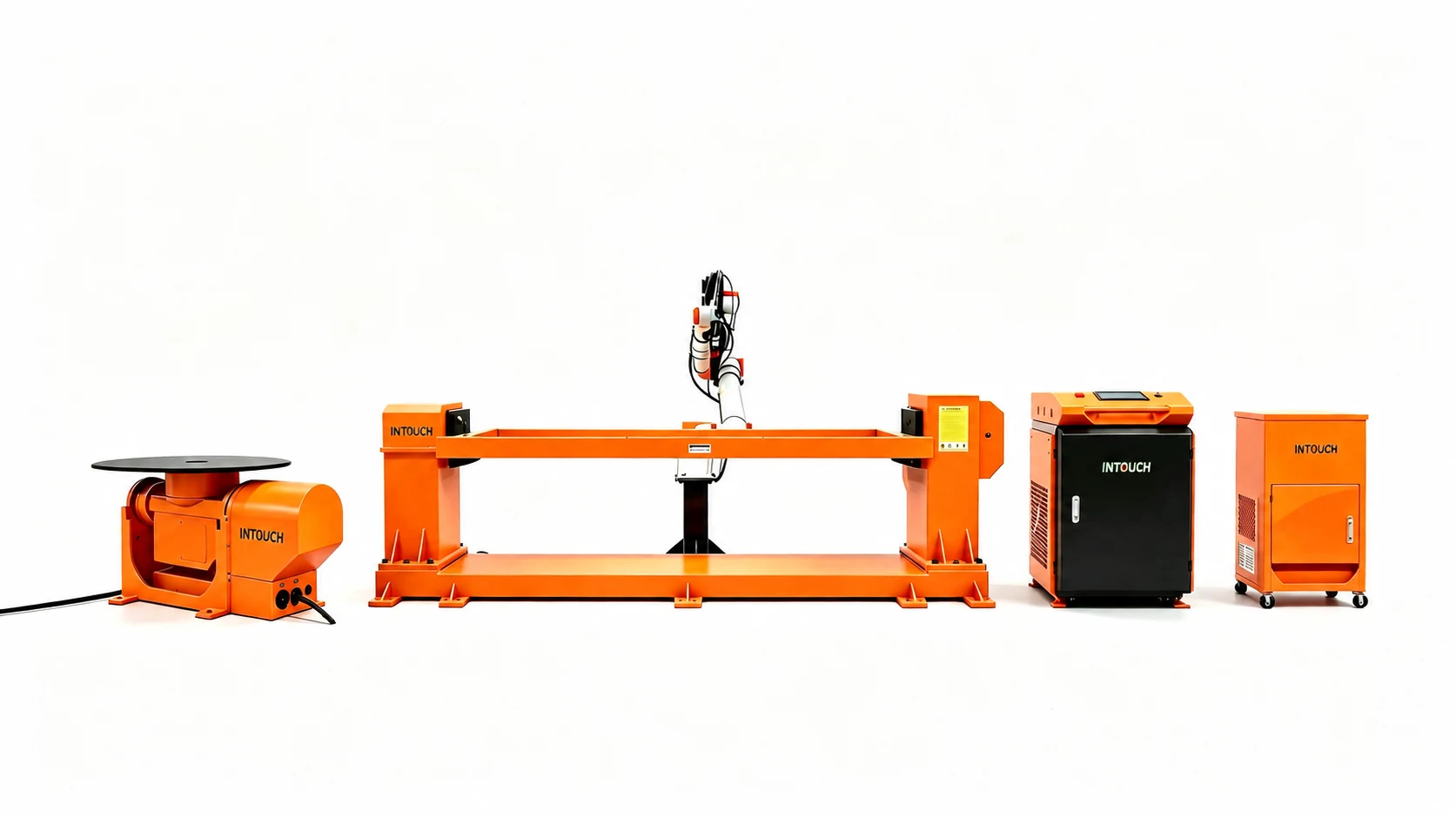
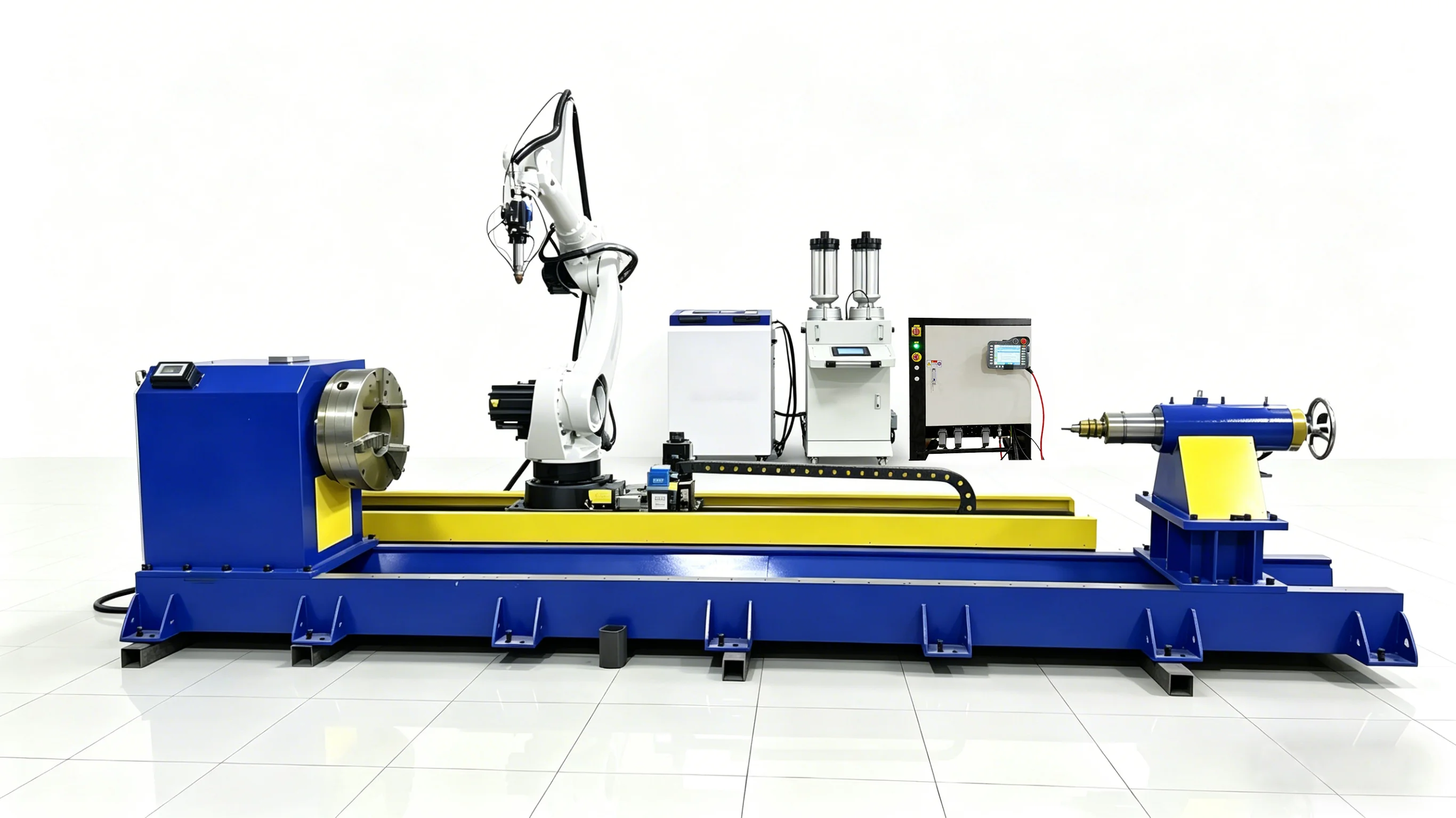
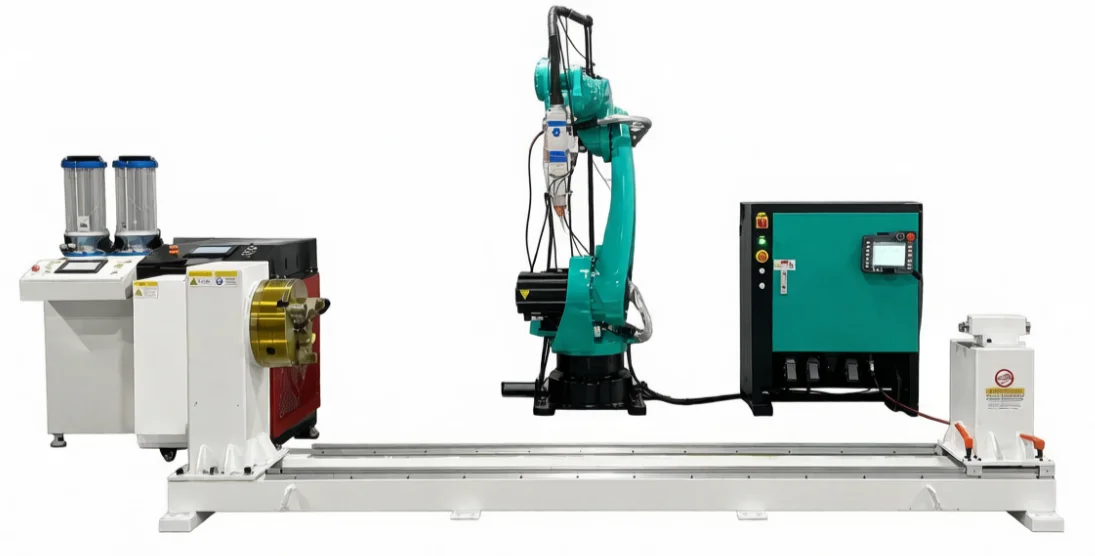
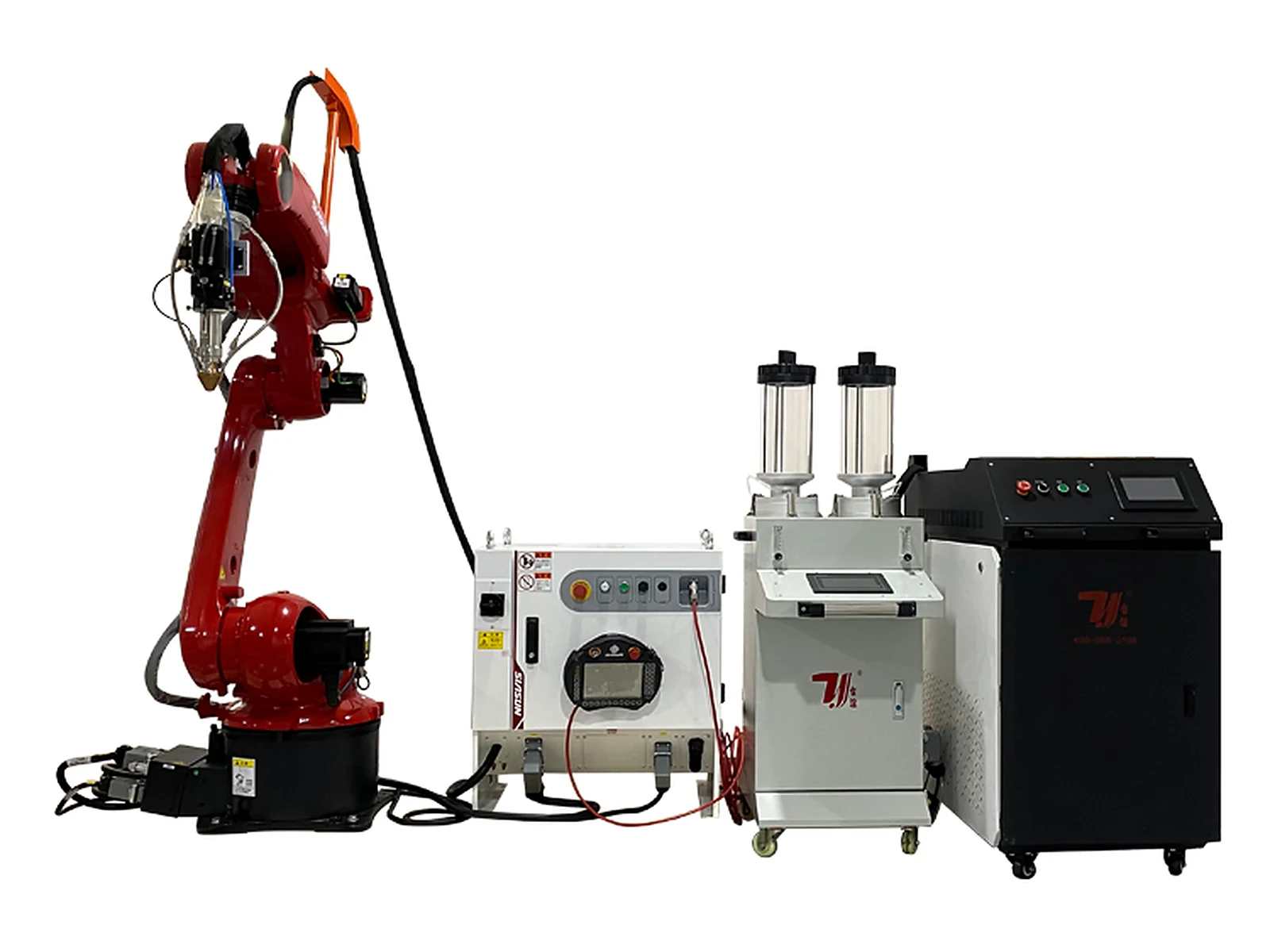
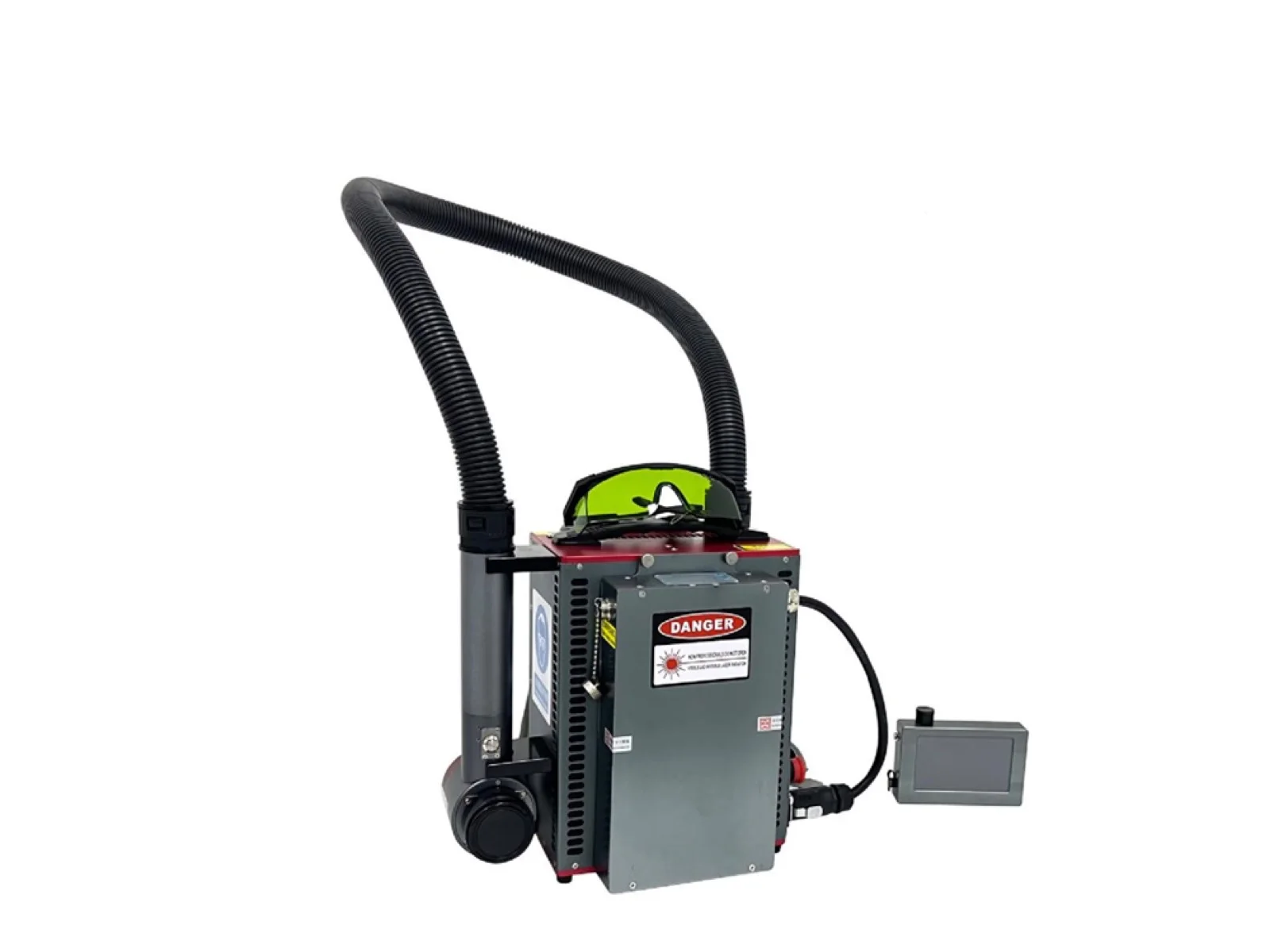
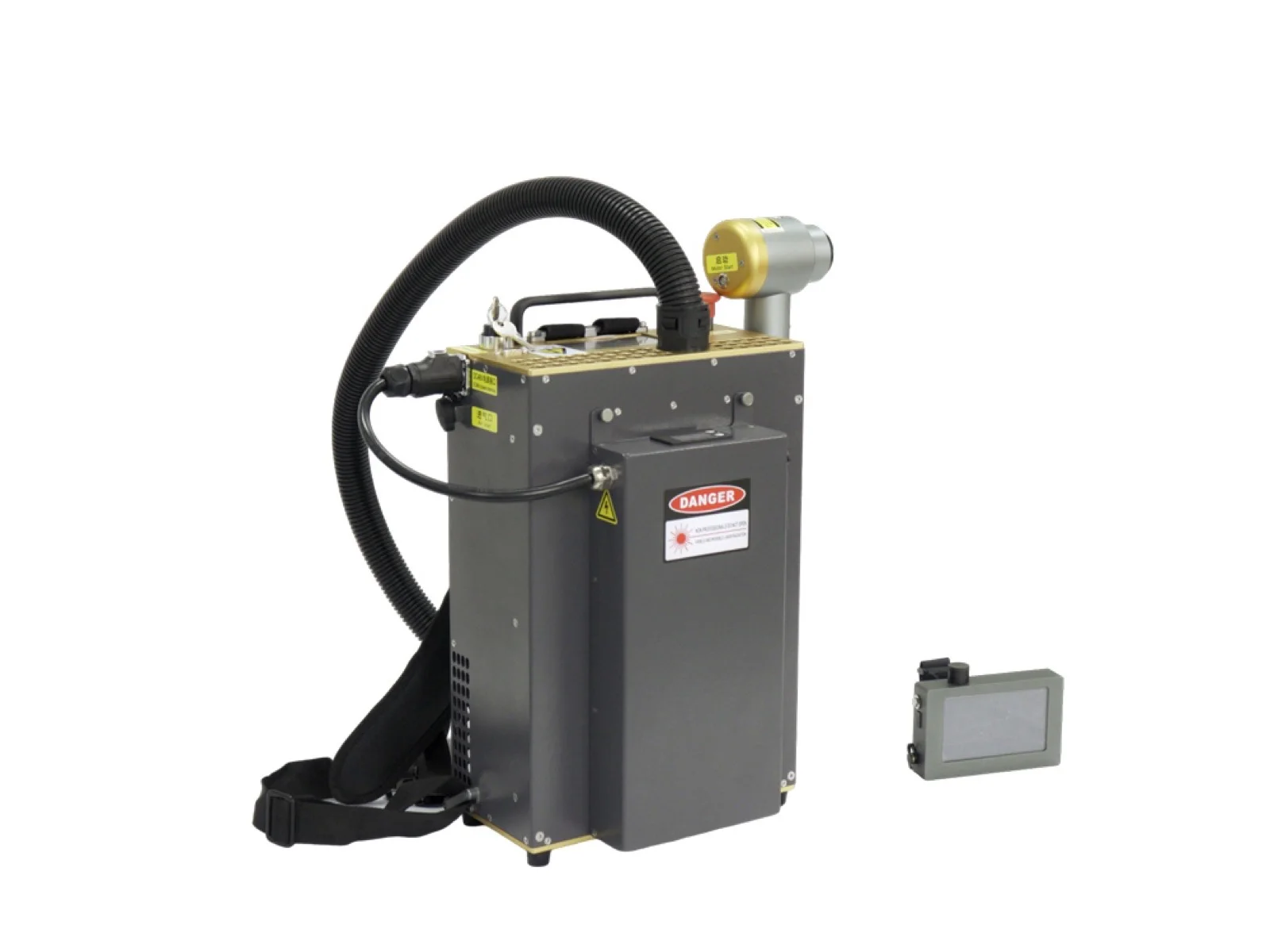
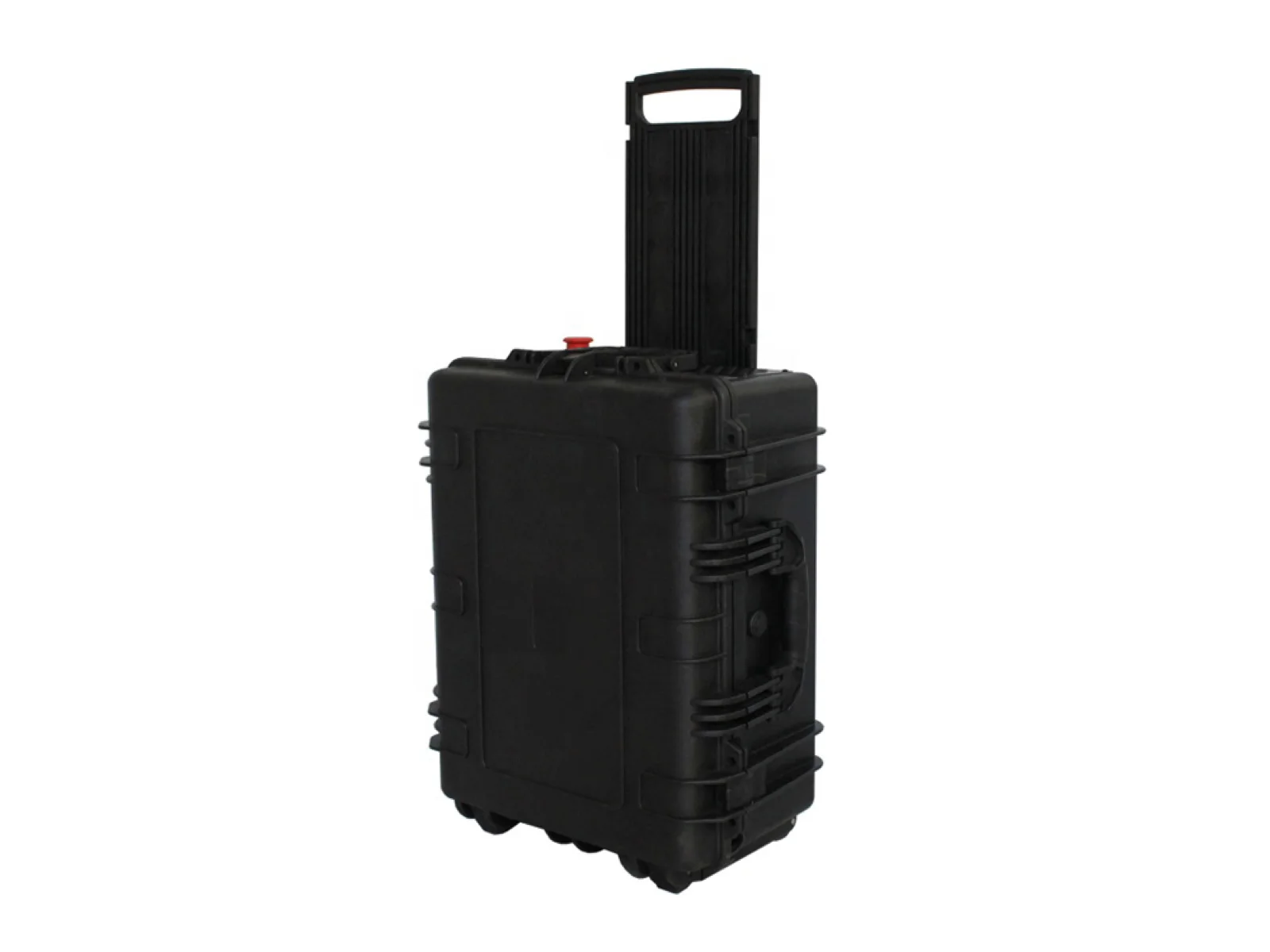
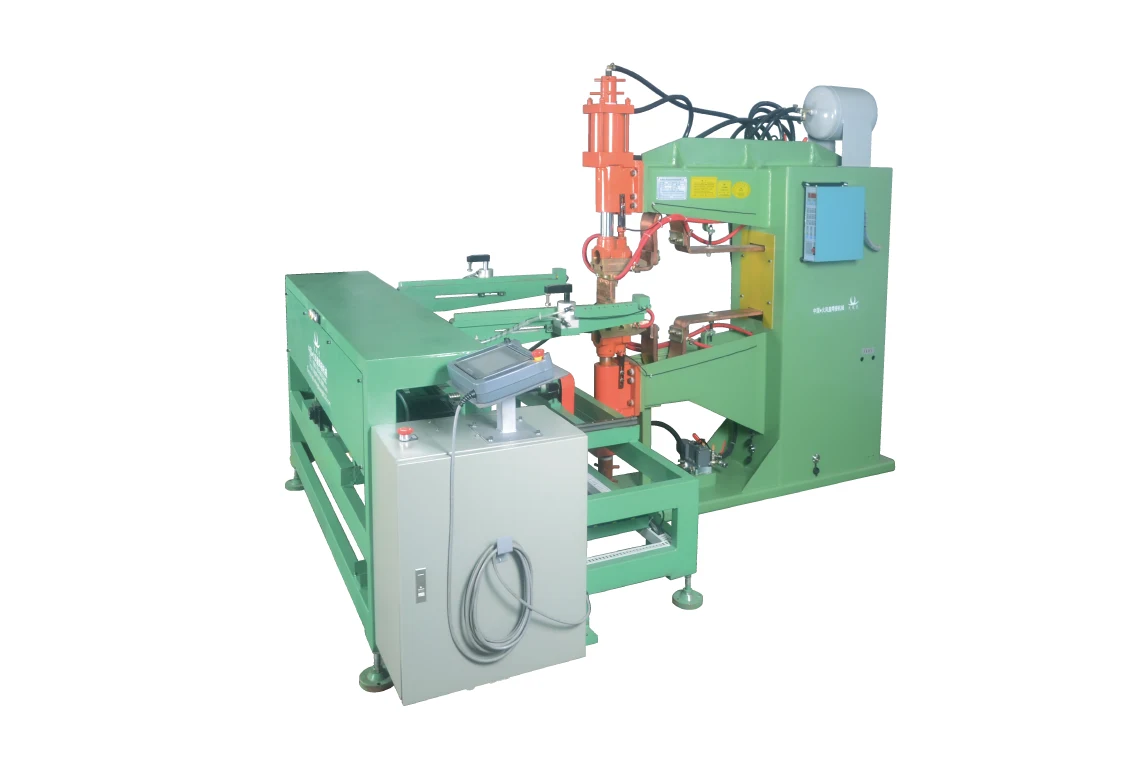
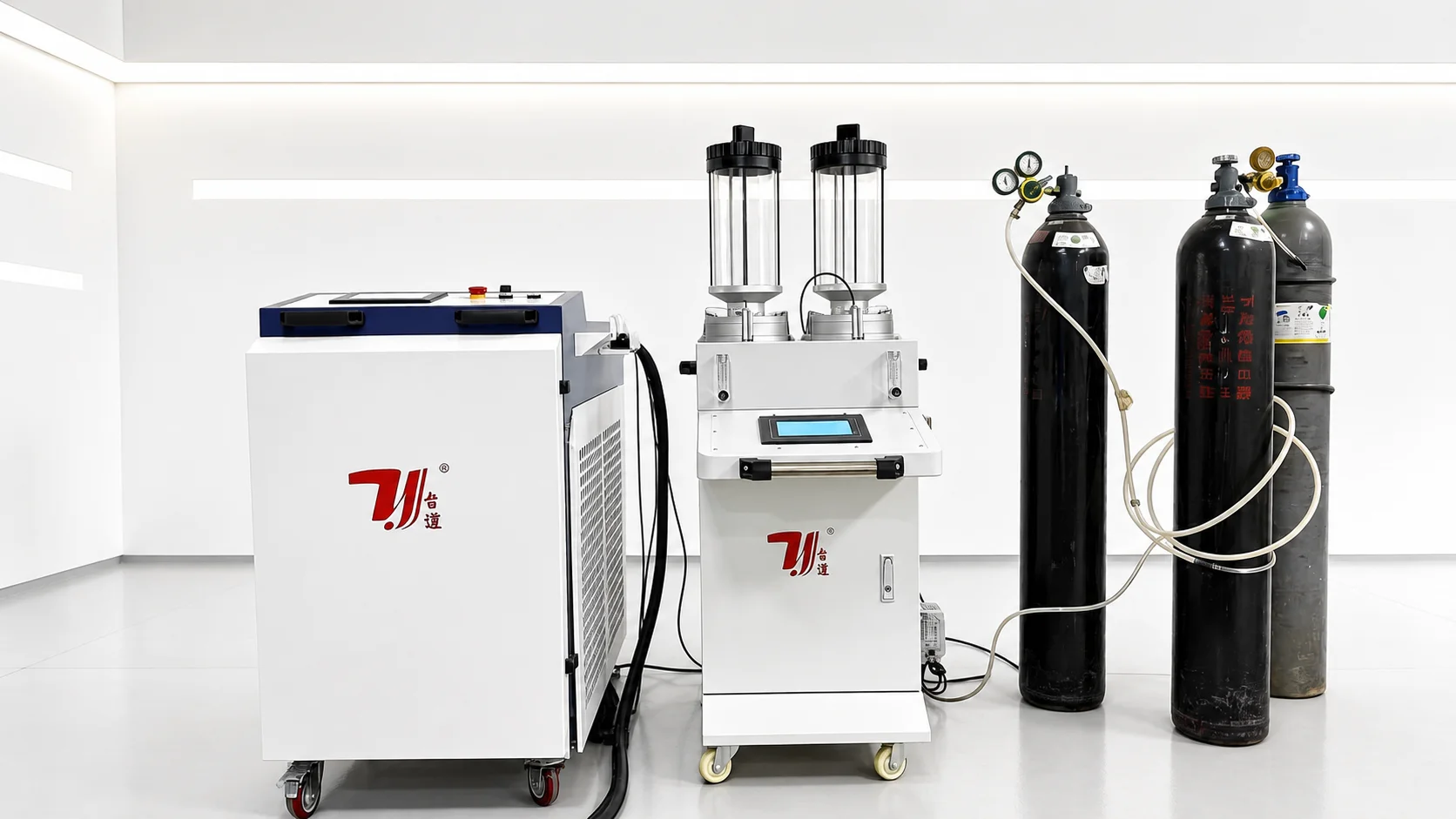
This TY-RF5018 configuration applies laser cladding to accessible internal surfaces of pipes, cylinders and sleeves. A dedicated internal-wall head, powder feeder and six-axis robot are matched to the bore depth, entry clearance and workholding arrangement.
Whole-machine warranty: 2 years · Final price and delivery timing depend on bore diameter and depth, access, laser power, internal-wall head, powder feeder, robot reach, workholding, guarding and installation scope.
Specifications
TY-RF5018 internal-wall configuration data
TY-RF5018 system configuration
- Series
- TY-RF5018
- Robot structure
- 6-axis industrial robot
- Listed laser power
- 3,000 / 6,000 / 12,000 W
- Robot arm span
- 1,800-2,100 mm, optional configuration
- Positioning accuracy
- ±0.05 mm / ±0.002 in
- Cooling method
- Water cooling
Internal-wall cladding head
- Collimating / focusing focal length
- 100 / 400 mm (3.94 / 15.75 in)
- Operating wavelength
- 900-1,100 nm
- Fiber interface
- QBH
- Head weight
- 7 kg / 15.43 lb
- Listed internal-diameter threshold
- ≥100 mm / ≥3.94 in; final access review required
- Listed cladding thickness
- 0.5-2 mm / 0.020-0.079 in
Powder feeding and utilities
- Powder feeder
- Single or dual feeder, by configuration
- Powder-particle range
- 20-200 μm
- Listed powder-feeding accuracy
- ≤±2%
- Shielding gas
- Argon / nitrogen
- Power supply
- 380 V, 50/60 Hz
- Whole-machine warranty
- 2 years
Features
Build the cladding cell around the bore
Dedicated internal-wall head
The listed head package is intended for accessible internal surfaces with an internal-diameter threshold of at least 100 mm, subject to bore depth, entry clearance and part review.
Six-axis path control
The robot positions the head around the bore entry while the programmed path and workholding arrangement are defined for the submitted pipe, cylinder or sleeve.
Rotary workholding options
Positioners, tailstocks and supports can be selected to locate and rotate cylindrical parts during the cladding cycle.
Integrated powder feeding
Single- or dual-feeder configurations deliver the selected cladding powder while the laser, head, cooling and controls operate as one cell.
Repair layer built to the target
The listed 0.5-2 mm cladding range supports dimensional restoration and surface strengthening, with the final material and layer plan confirmed by sample work.
Configuration review before build
Bore diameter, depth, access, base material, target layer, robot reach, extraction and guarding are reviewed before the equipment scope is fixed.
Project configuration
From bore review to sample acceptance
The final cell is defined from the submitted component, access conditions and target cladding layer.
- 01
Bore drawing, diameter and depth review
- 02
Base-material and surface-condition check
- 03
Repair layer and cladding-material definition
- 04
Internal-wall head and laser-power selection
- 05
Robot reach and entry-clearance verification
- 06
Workholding, rotation and support design
- 07
Process trial and sample acceptance
- 08
Guarding, utilities and installation confirmation
Workpiece scope
Accessible internal surfaces for repair and strengthening
Bore diameter alone does not determine feasibility. Depth, entry clearance, part rotation, shielding, extraction and the target layer are reviewed together.
Related products
Other laser cladding configurations
TY-RF5018
Review the wider TY-RF5018 series, including robot, rotary-workholding and cladding-hardening configurations.
Platform automatic claddingTY-RF2018
Open-platform automatic cladding for shafts, rollers and smaller repair parts.
Enclosed laser claddingTY-RF2018
Fully enclosed cladding configuration integrating motion, powder feeding, cooling and laser equipment.
Related industry solutions
Explore the applications and laser processes connected to this equipment.
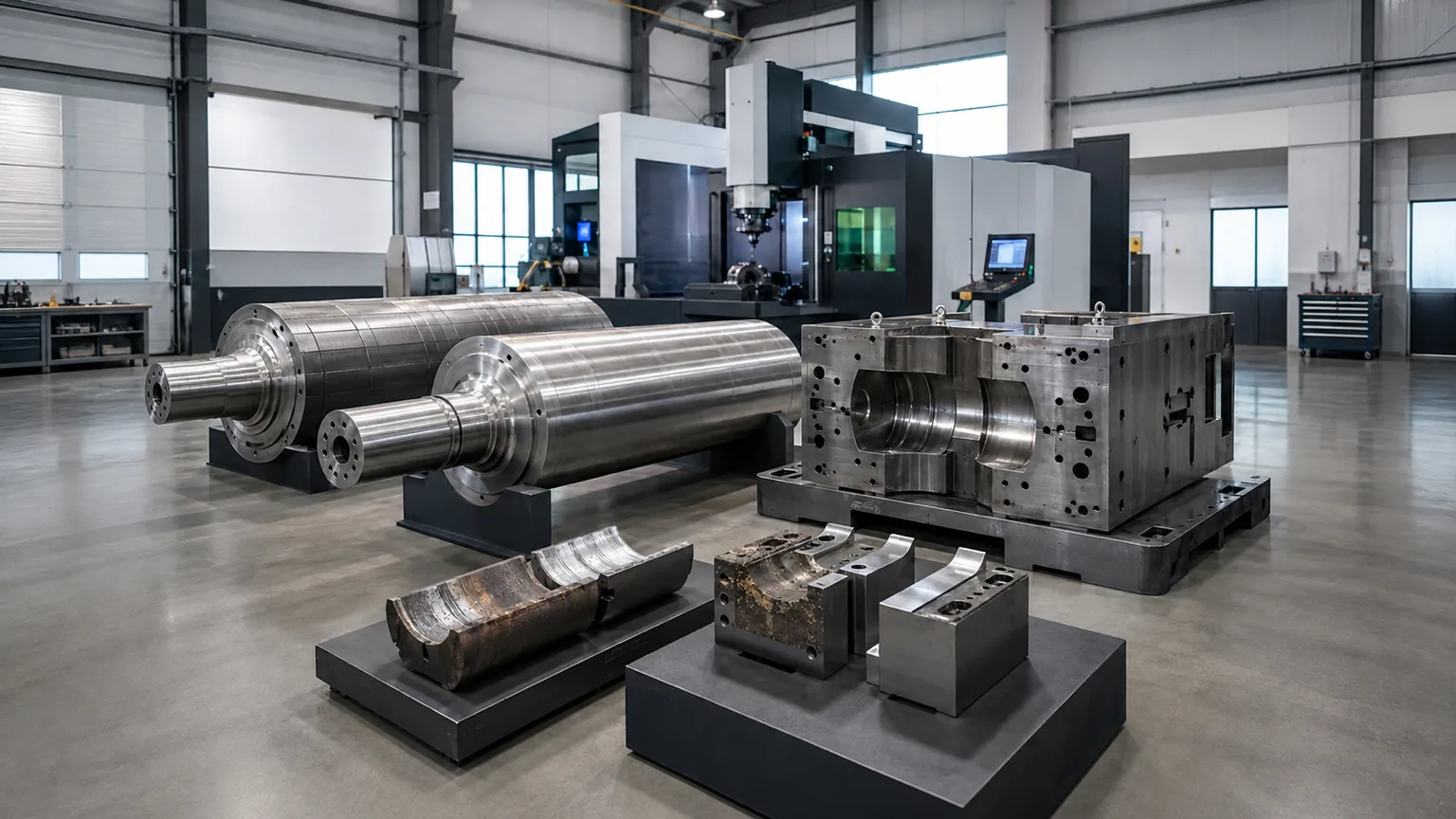
Molds & rolls
Cladding, hardening, cleaning and repair for molds, tooling and industrial rolls.
View solution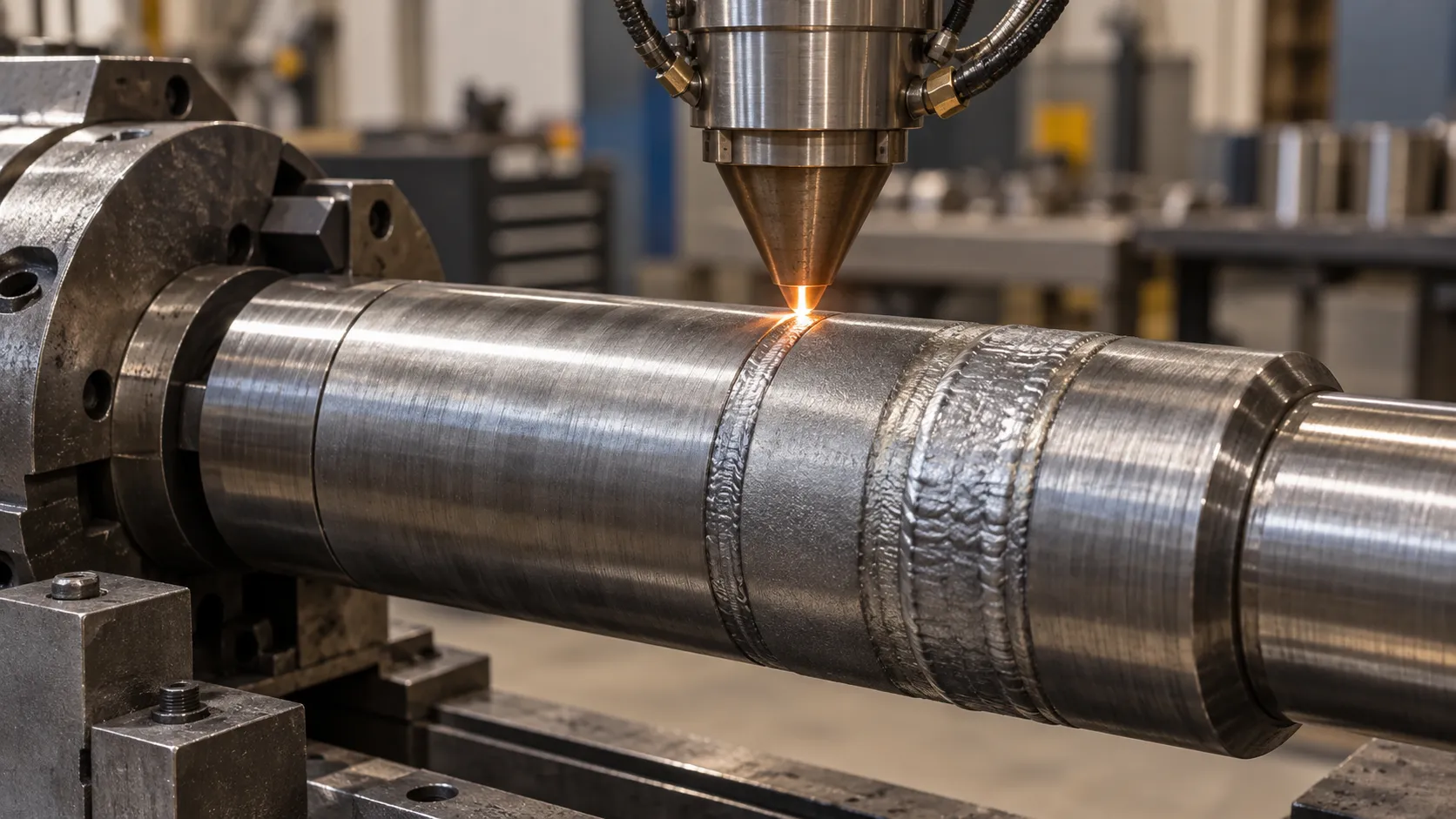
Laser cladding & repair
Restore worn surfaces on shafts, bores, screws and large components.
View solutionCheck the full bore geometry, not diameter alone
Show the entry and the treatment depth
Provide a section drawing with the bore diameter, depth, entry opening and any steps or obstructions. The listed internal-diameter threshold of at least 100 mm is only a starting condition; head reach and clearance must be checked along the required treatment area.
Locate and support the cylindrical part
Specify the component length, mass and available locating surfaces. Rotary fixtures, supports or tailstocks can be reviewed around the part so the head approach and the workpiece movement form one accessible cladding path.
Define the restored surface and inspection access
Identify the worn or corroded region, base material and target layer. Include finished bore dimensions and the intended inspection method in the brief so process trials and any subsequent finishing can be planned for the internal surface.
Machine selection questions
Can it clad every bore with an internal diameter above 100 mm?
The listed threshold is at least 100 mm, but diameter alone does not establish suitability. Bore depth, entry clearance, internal steps and access for the selected head must also be reviewed.
What bore depth can the machine reach?
No universal maximum depth is specified here. Submit the bore section and treatment length so TAIYI can check the head, robot approach and workholding together.
Can it repair hydraulic cylinders and sleeves?
Cylinder and sleeve bore restoration are listed applications. Suitability still depends on the base material, current condition, accessible treatment area and agreed layer and dimensional requirements.
How is this different from external robot cladding?
Internal cladding requires a dedicated head and an access review inside the component. An external robot path does not establish that the head can enter or reach a bore; use the internal geometry to define this configuration.
What information is needed for an internal-wall quote?
Provide the bore section, diameter and depth, entry details, part length and mass, base material, surface condition, target layer and inspection requirements. Include how the part will be loaded and supported.
Request a quote
Tell us the part. We will tell you the machine.
Price depends on bore diameter and depth, part material and condition, target layer, laser power, internal-wall head, powder feeder, robot reach, workholding, guarding, extraction and installation scope.
- Phone+86 153 6281 4831
- Emailsales02@taiyilaser.com
- WhatsApp+86 153 6281 4831