
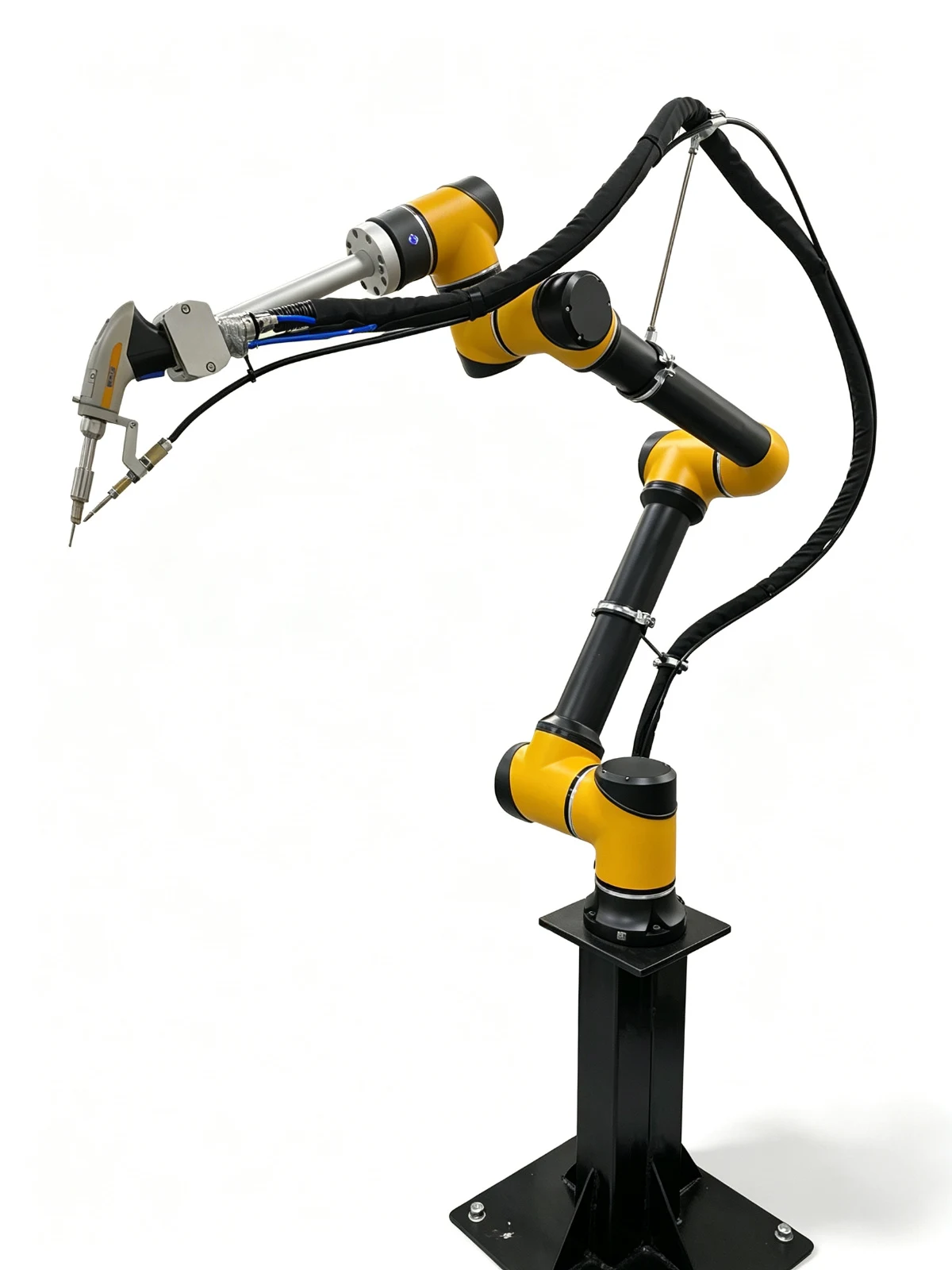
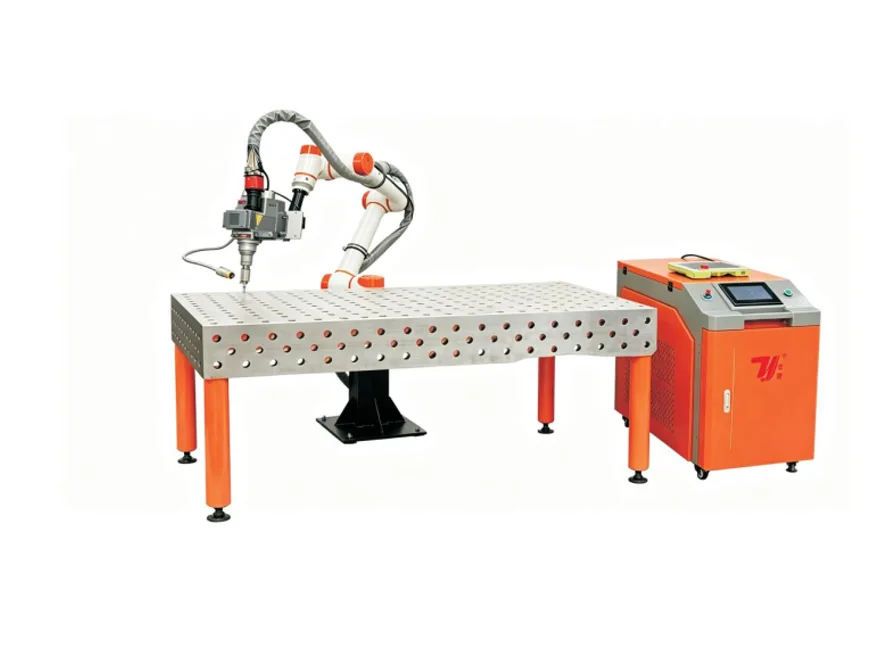
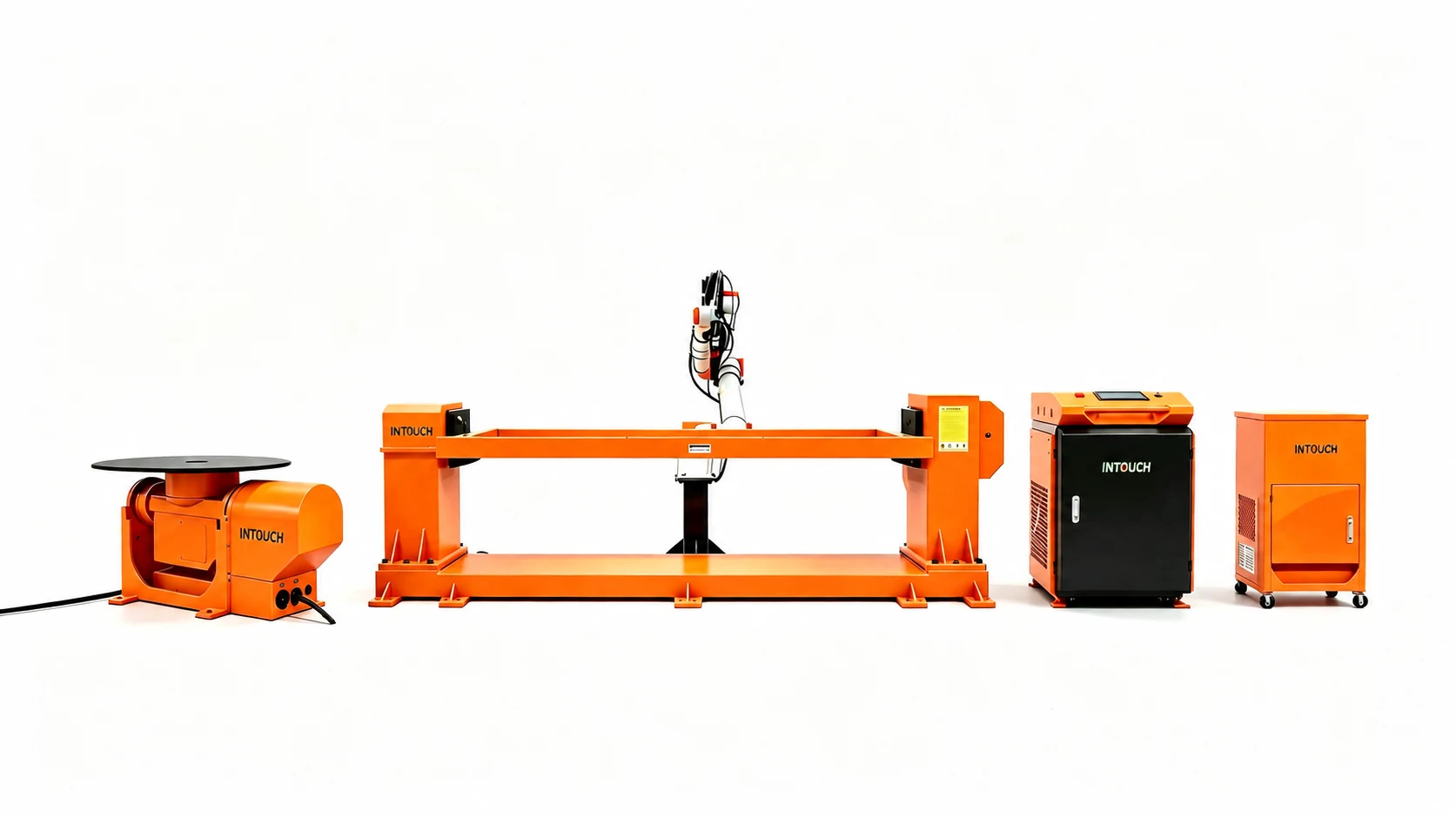
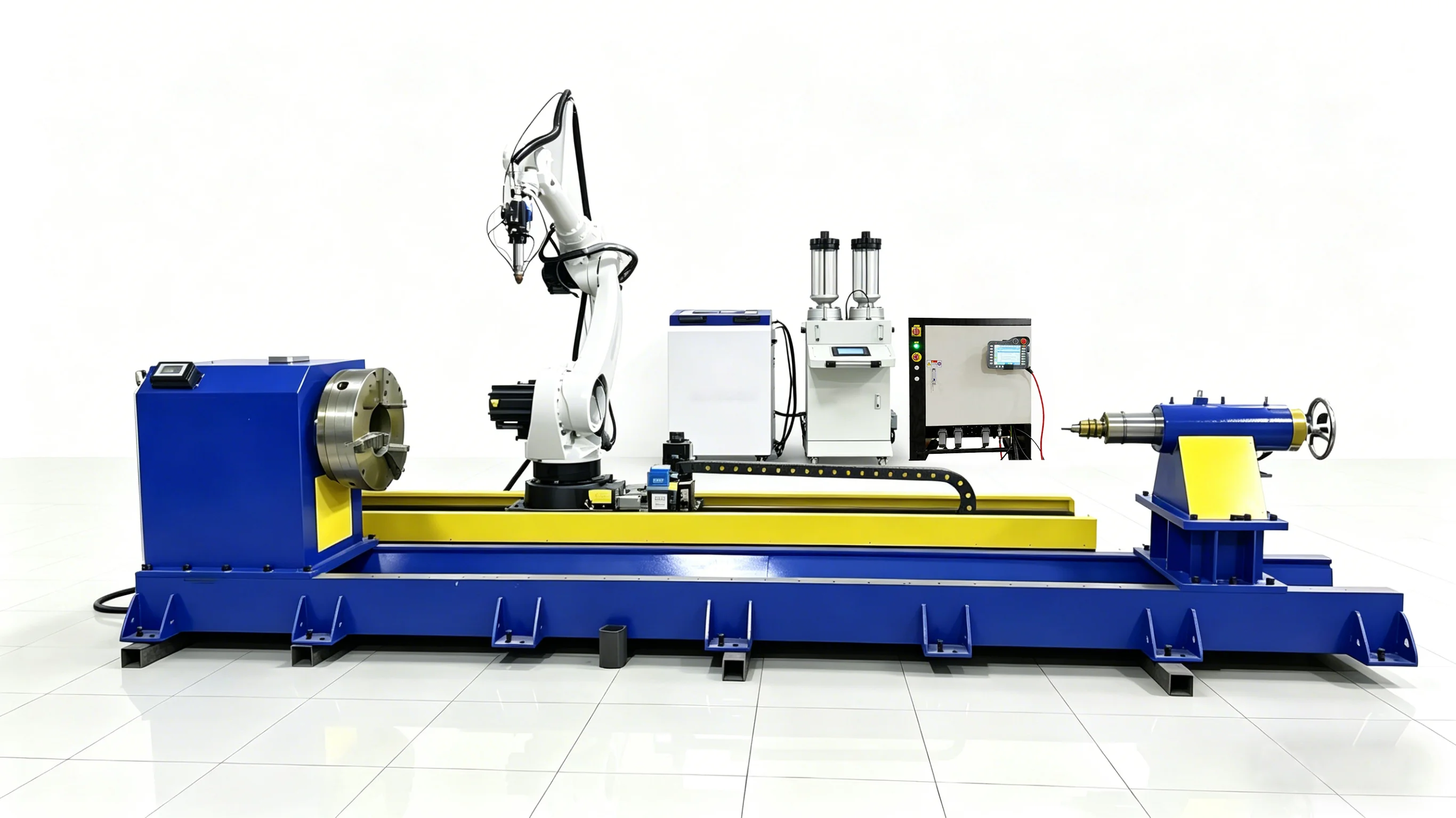
Custom multi-axis welding
Gantry Automatic Laser Welding Machine
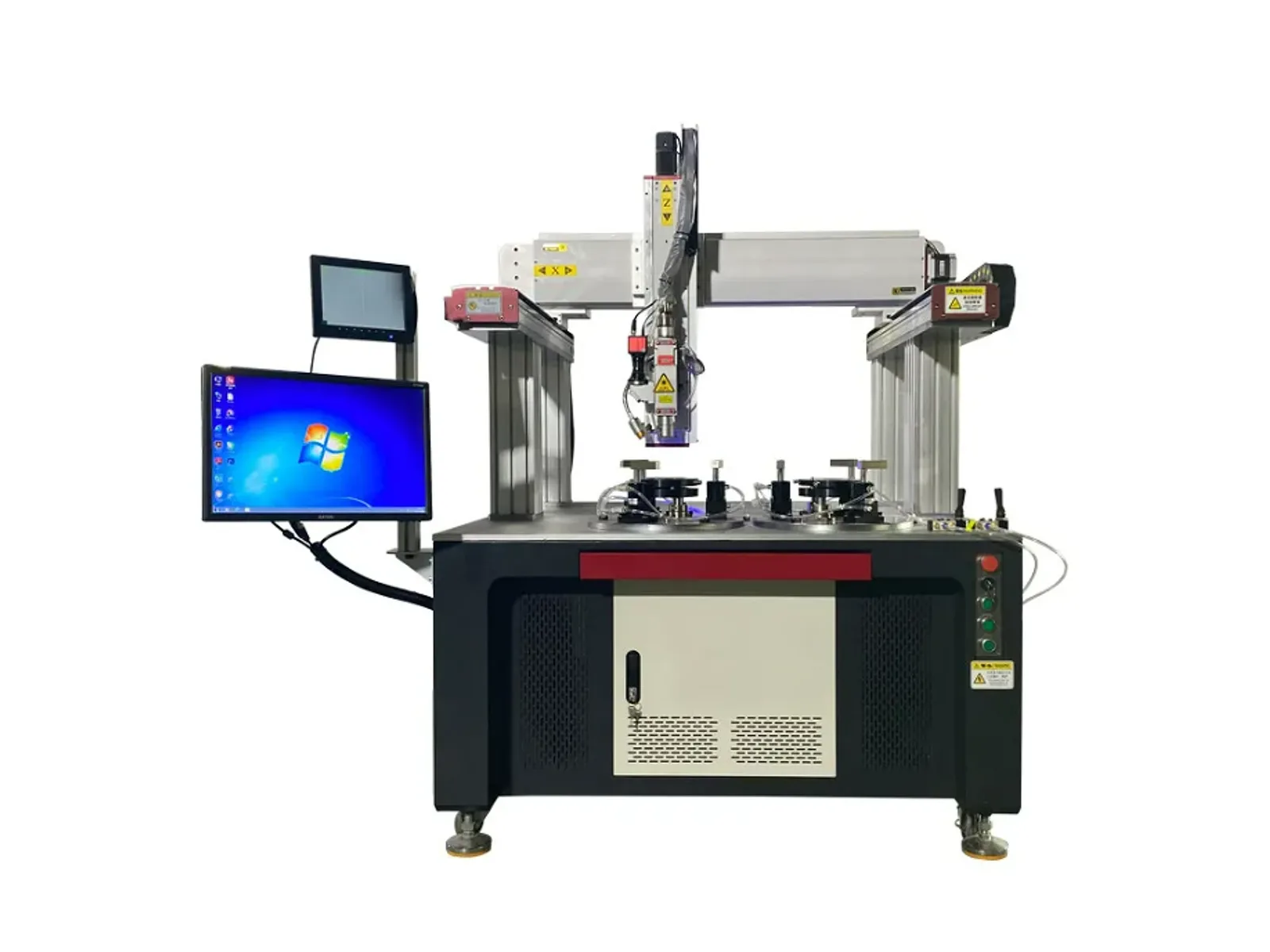
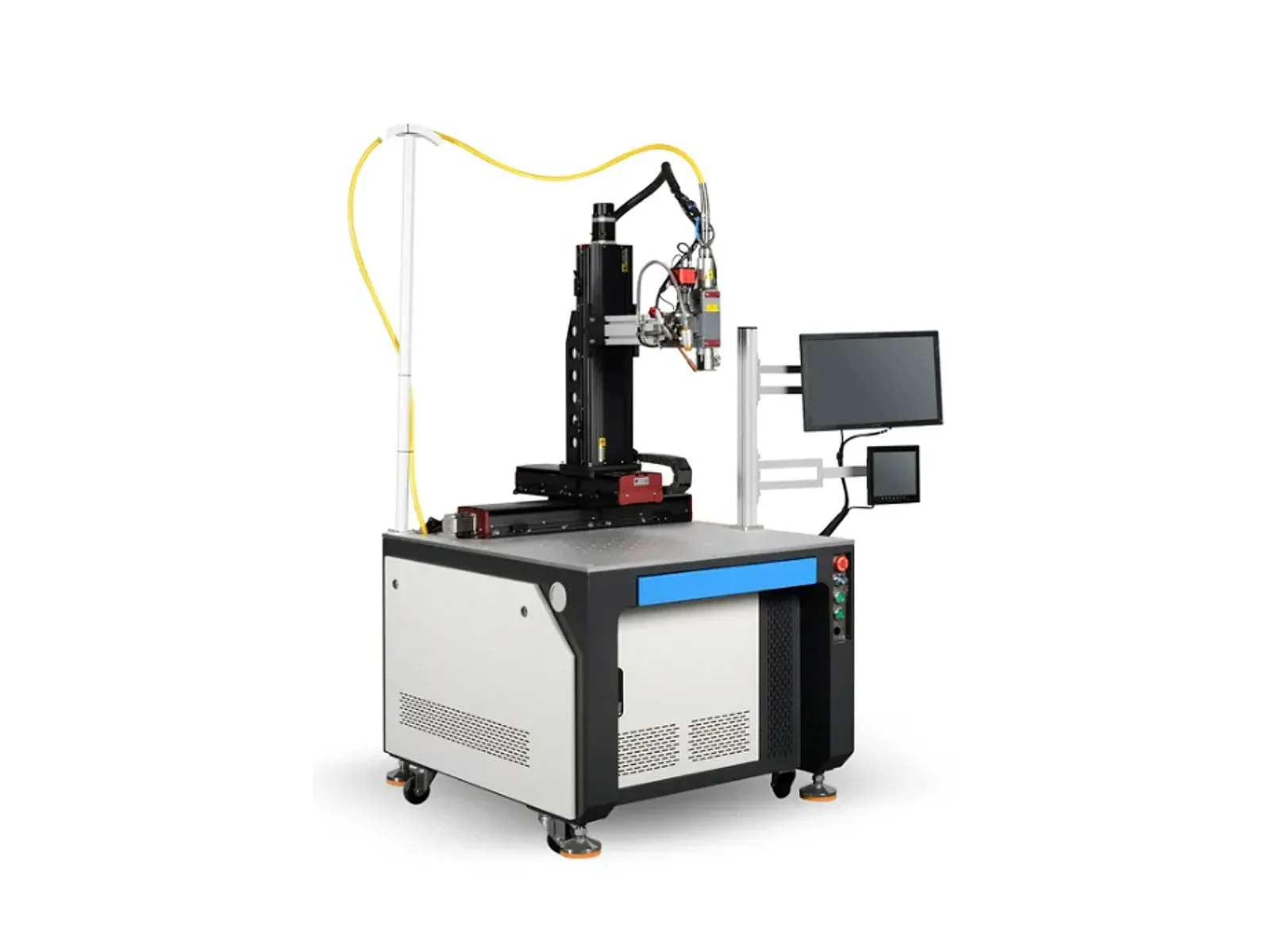
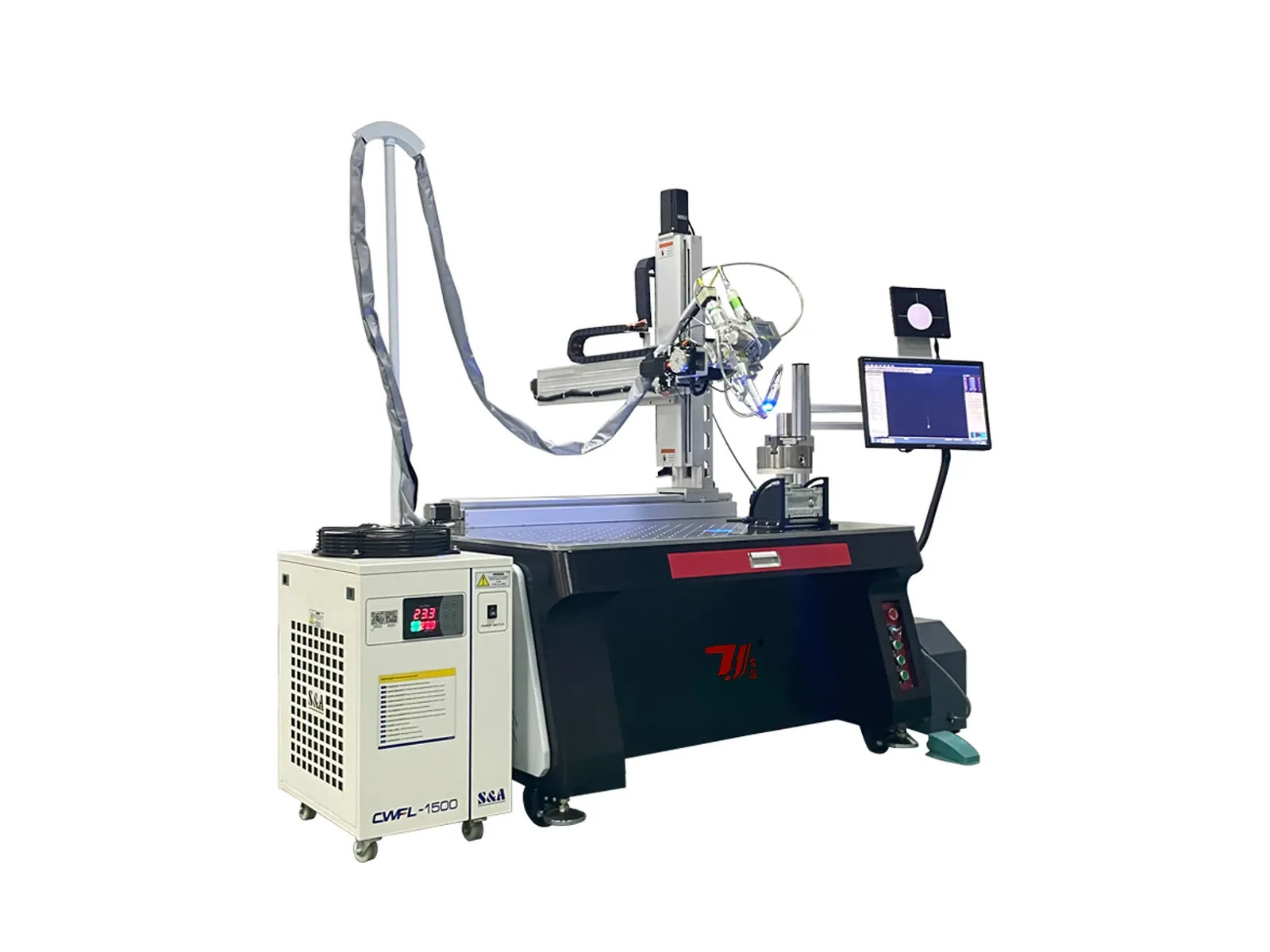
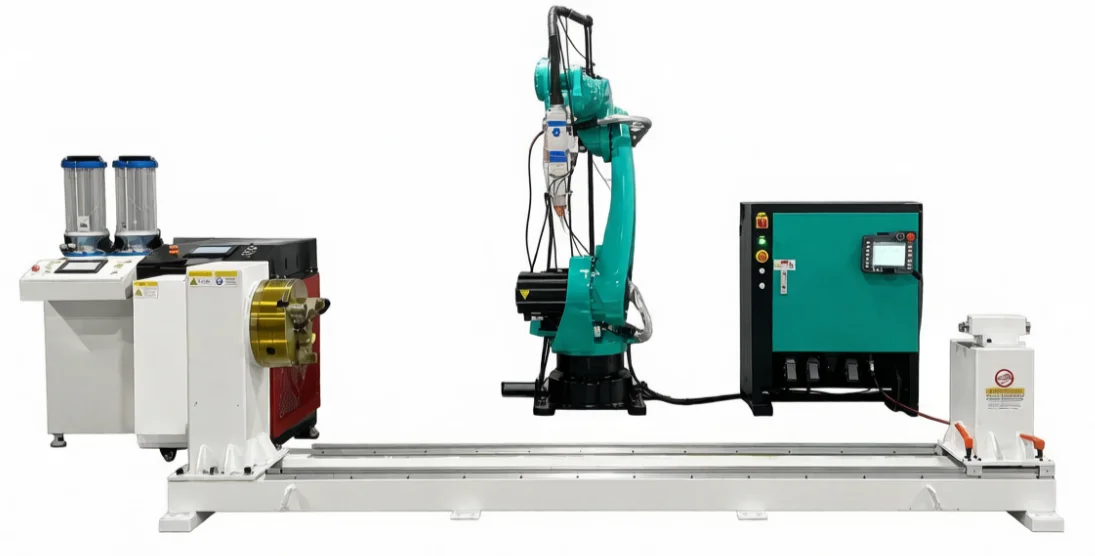
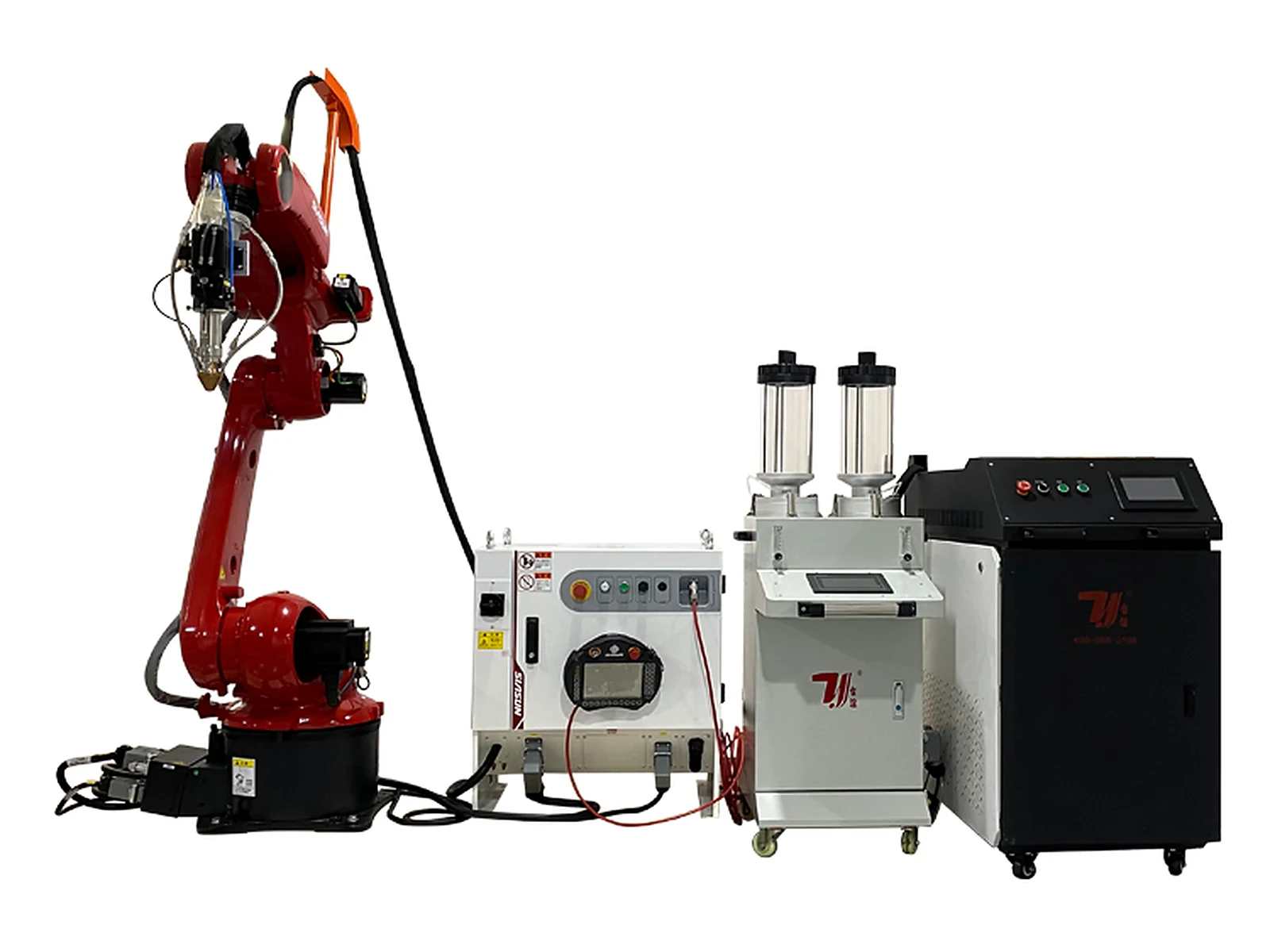
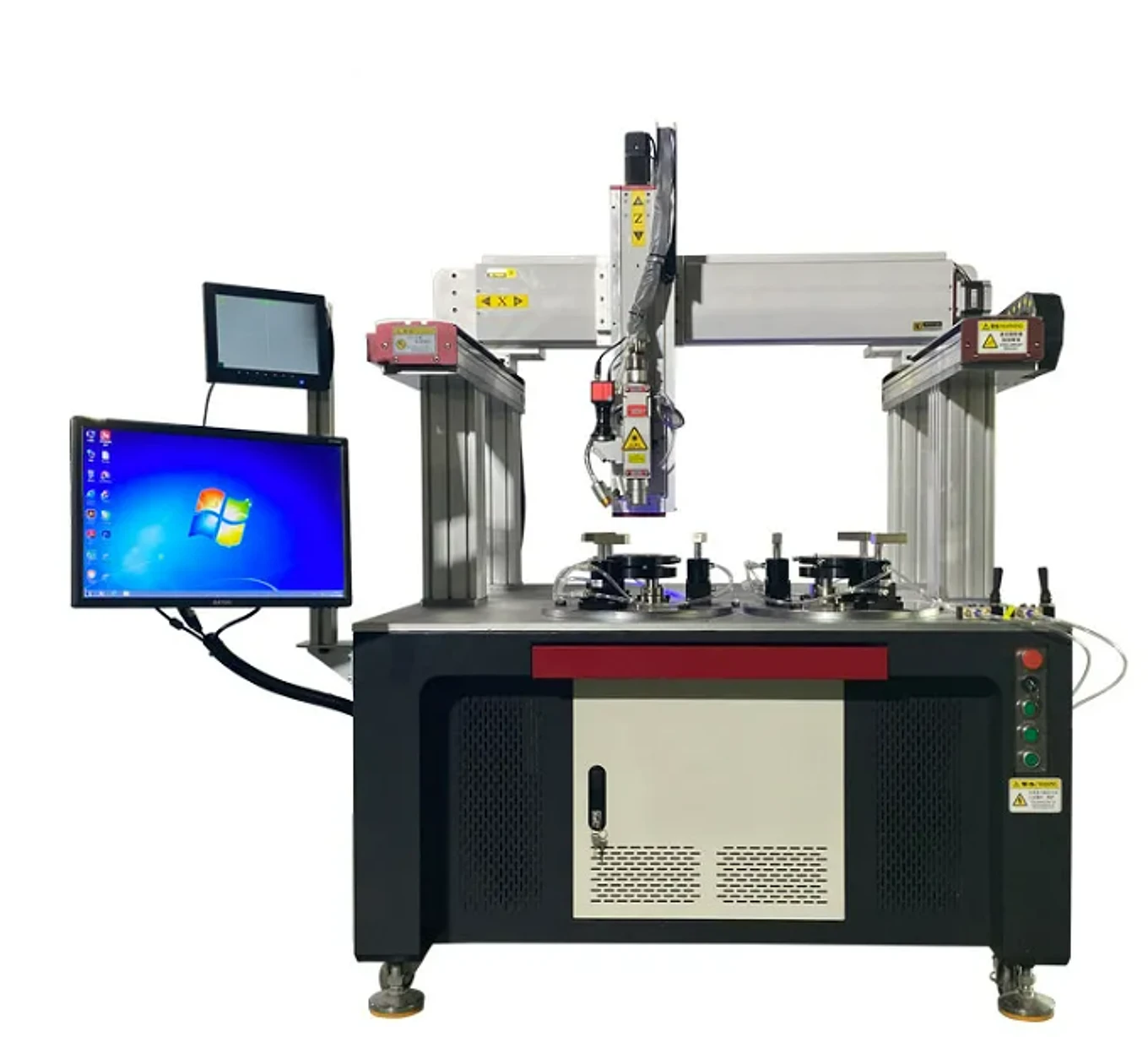
A gantry automatic laser welding system for workpieces that need a defined working stroke and repeat weld paths. The servo motion, fixture, laser package and CCD positioning are configured together around the part dimensions, joint access and loading sequence.
Custom system · final configuration confirmed after workpiece and process review
Specifications
Gantry automatic welding system data
Laser and motion
- Laser power
- 1,500 / 2,000 / 3,000 / 6,000 W
- Welding speed
- 10-100 mm/s
- Repeat positioning accuracy
- ±0.03 mm
- Motion structure
- High-rigidity gantry frame with servo multi-axis linkage
Positioning and integration
- Visual positioning
- CCD positioning system
- Working stroke
- Custom-built to the submitted workpiece and process
- Workholding
- Application-specific fixture configuration
- Production-line connection
- Supported; interface scope confirmed during engineering review
Configured around the weld path
Control a repeatable path across a custom work envelope
This is an application-configured system rather than a fixed catalogue model. The working stroke, fixture, laser source and automation interface are selected after the part and production task are reviewed.
Gantry motion for larger workpieces
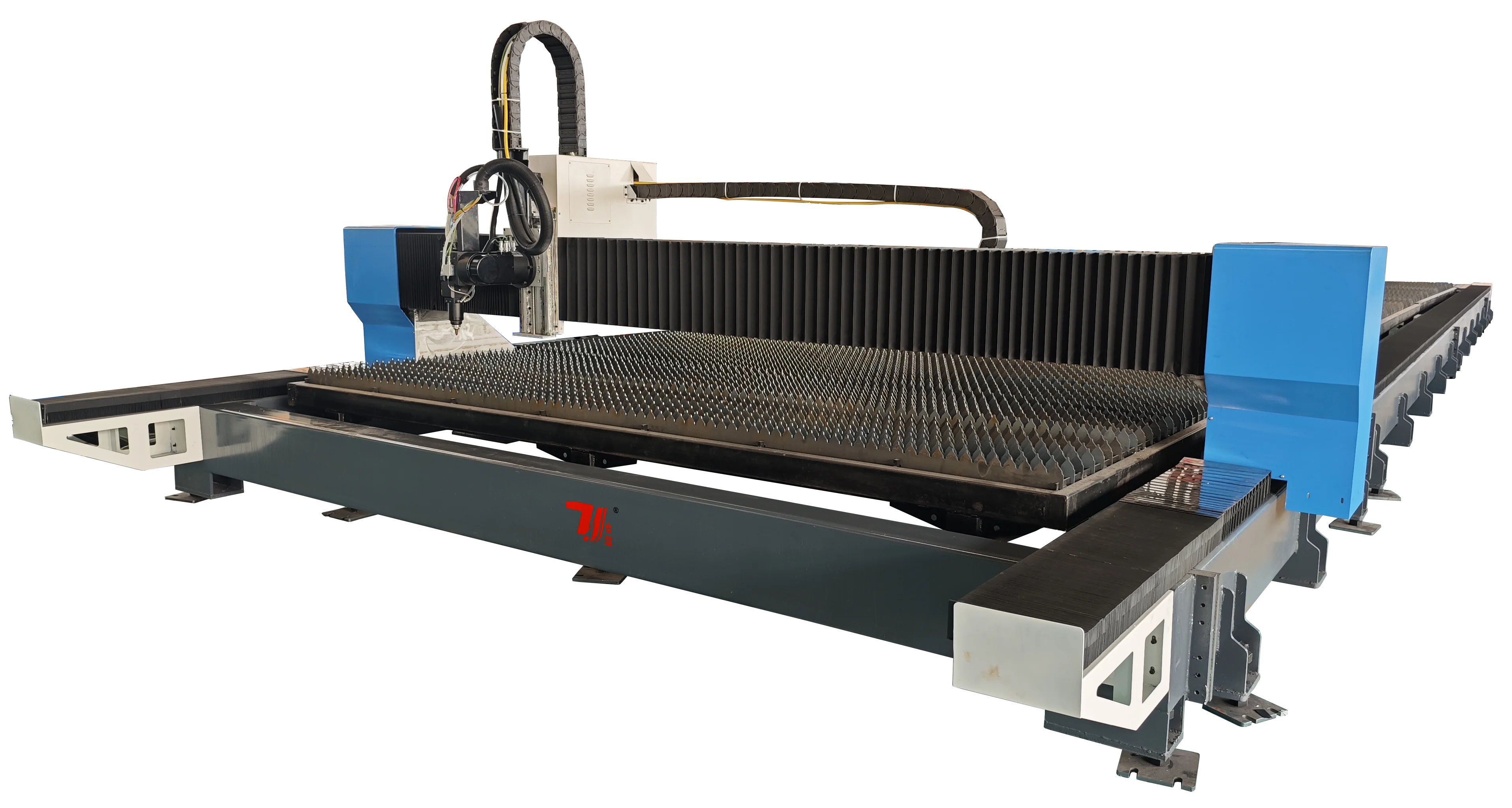
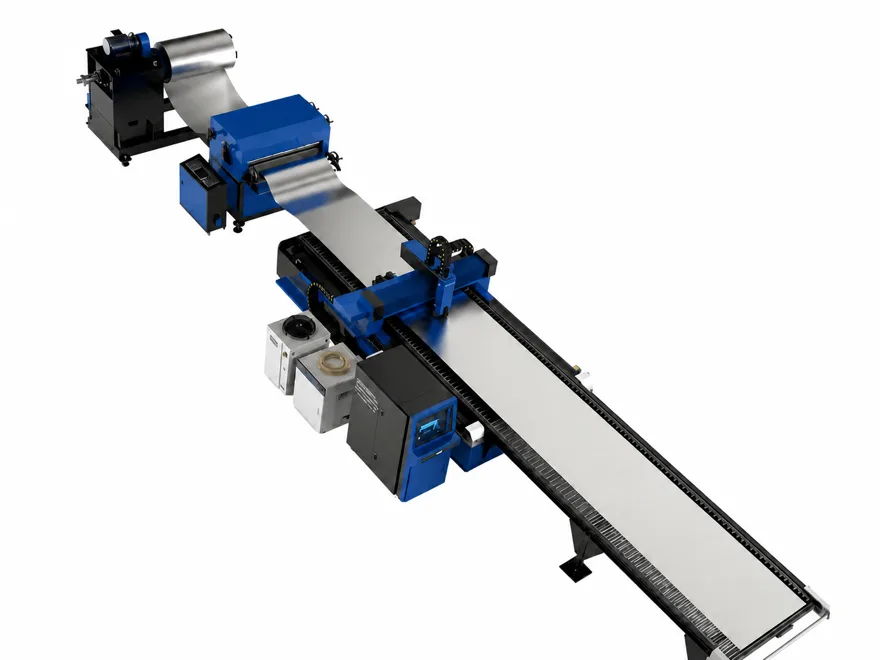
The dual-column gantry carries the welding head across a configurable work area, providing a stable motion platform for cabinets, frames and housings.
Servo multi-axis path control
Linked servo axes follow the programmed weld path while the fixture holds the part in the defined loading position.
CCD-assisted positioning
The listed CCD positioning system supports alignment between the programmed path and the presented joint. The final vision scope depends on the part and process review.
Designed for line integration
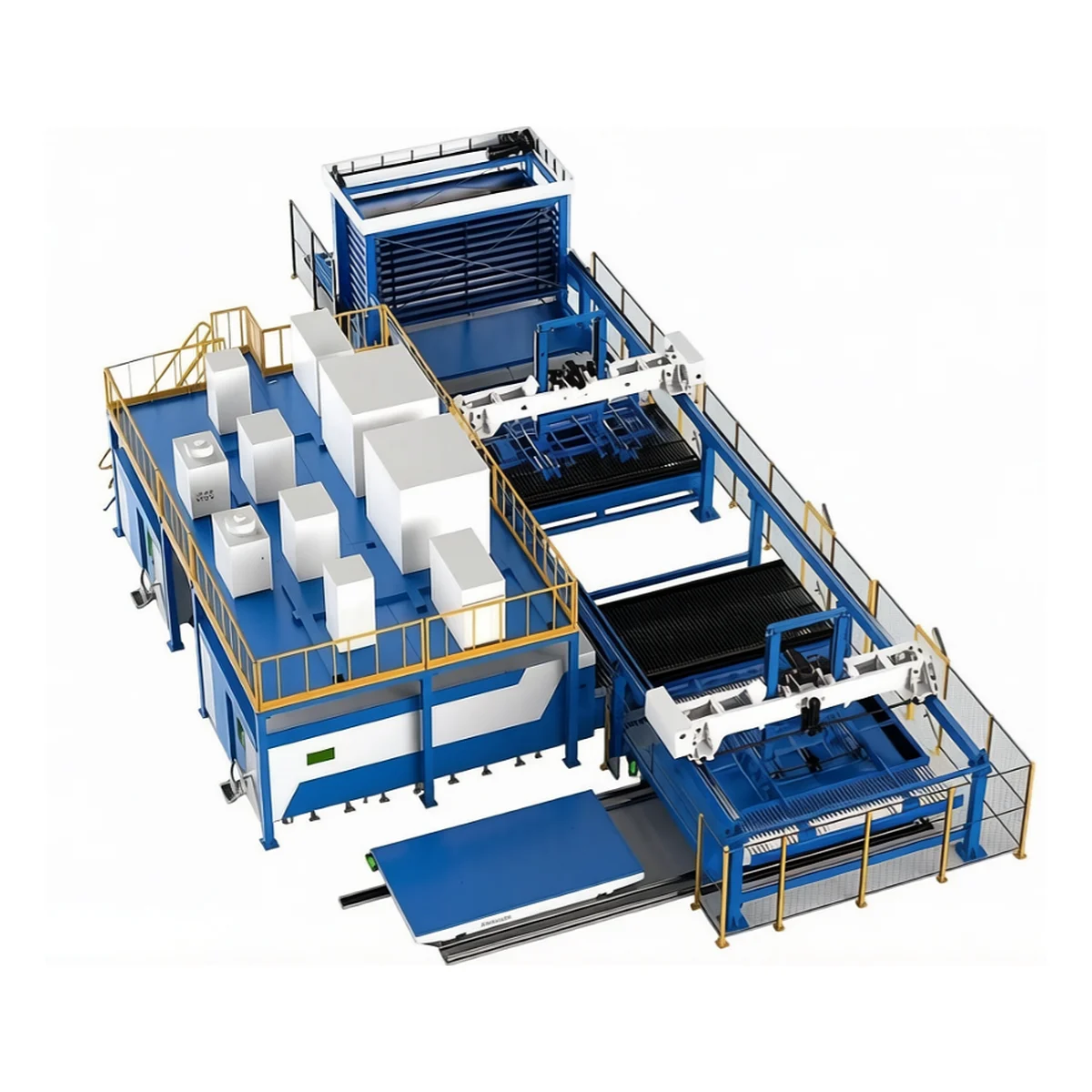
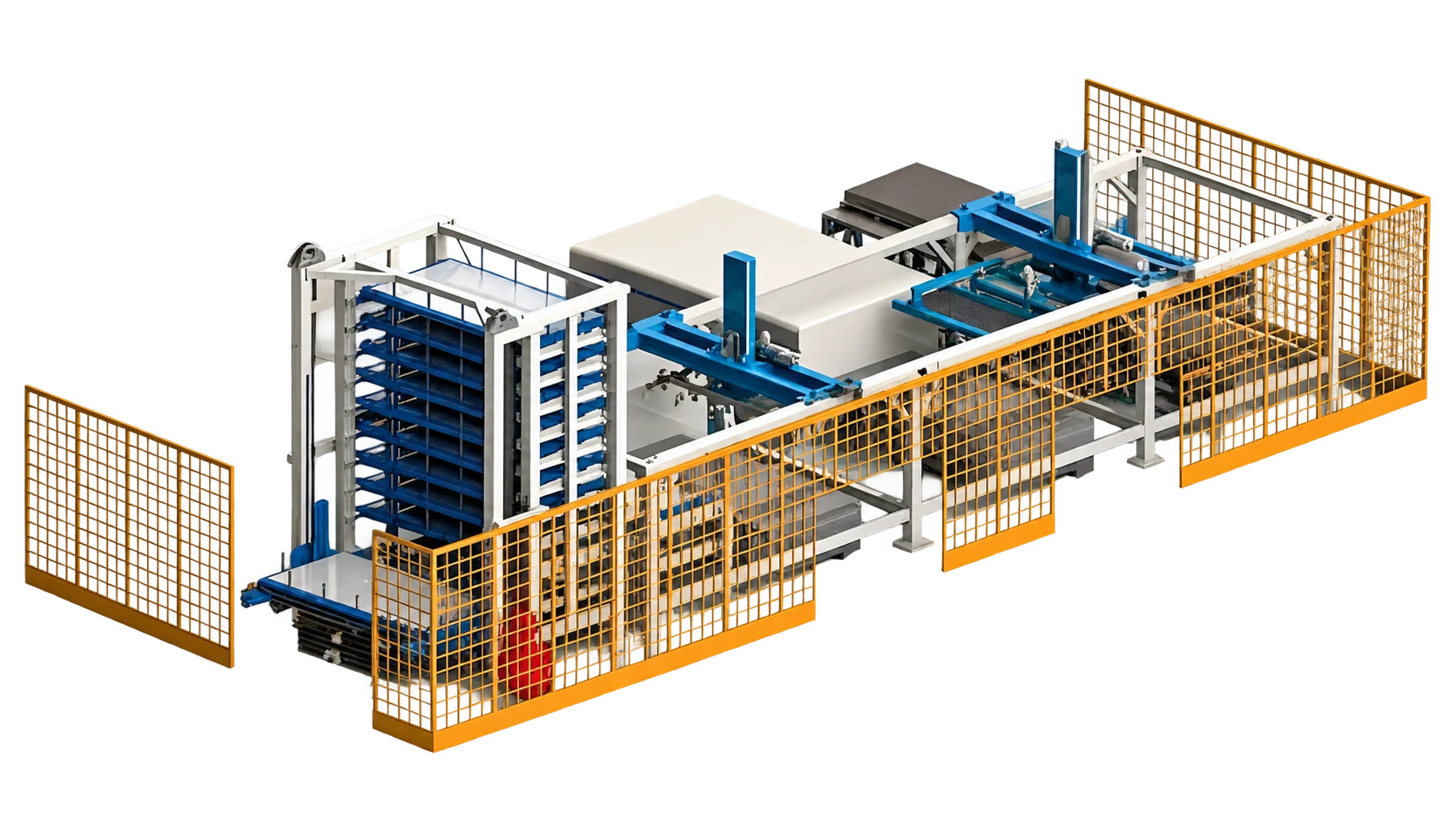
The welding platform can be engineered for connection to a wider automated line, with loading, unloading and interface responsibilities defined for the project.
Production and inspection
From application review to delivery
- 01
Machine-bed welding
- 02
Beam preparation
- 03
Heat treatment
- 04
Precision machining
- 05
Pre-assembly inspection
- 06
Machine assembly
- 07
Testing, debugging and acceptance
- 08
Delivery
Application scope
Workpieces that benefit from a configurable gantry path
Suitability depends on the material, joint design, access, weld depth and target cycle time. Submit the actual part data before fixing the process route.
Related products
Compare the next automation path
Multi-station kettle-spout welding
Multi-station configuration for repeat kettle-spout joints and related kettle seams.
Application systemsAutomatic welding range
Compare gantry, four-axis, five-axis and workpiece-specific welding systems.
Flexible cellsRobot automation
Robot laser processing and material-handling systems for integrated production.
Related industry solutions
Explore the applications and laser processes connected to this equipment.
View all industry solutions
Define the working stroke from the part and fixture
Provide the complete work envelope
The working stroke is custom-built to the submitted workpiece and process. Include the part, fixture and tool access in the drawing, then identify every seam that must be reached. The finished-part dimensions alone do not describe the complete motion requirement.
Plan loading alongside the welding path
A programmed weld path is only one stage of the cycle. Define loading, clamping, positioning, welding and unloading responsibilities so the gantry layout can be compared with the production requirement. Production-line connection needs a specified interface and handling scope.
Choose the process package after the joint review
The page lists four laser-power selections. Match the material, joint design and acceptance criteria to the proposed optics and motion arrangement. A larger working stroke or higher power does not by itself establish weld quality or output.
Machine selection questions
Is there one standard working stroke for this gantry welder?
The listed working stroke is custom-built to the workpiece and process. Supply part and fixture dimensions, seam locations and access requirements so the offered motion range can be defined.
When should I compare a gantry with four-axis or five-axis welding?
Compare the work envelope and required joint orientations. The gantry page focuses on custom stroke and larger workpiece access; the multi-axis platforms address linked curved or spatial weld paths. The part and fixture review should determine the arrangement rather than axis count alone.
Does CCD positioning mean every weld is automatically tracked?
The configuration lists CCD positioning. The exact vision and alignment scope is defined against the part and joint. That listing alone does not establish automatic tracking of every seam or compensation for every part variation.
Does the listed welding speed determine the complete cycle time?
No. The welding-speed range describes a process parameter, while the complete cycle includes loading, clamping, positioning and unloading. Provide the intended part and production target to assess the full sequence.
What should I send for a gantry welding quotation?
Send the workpiece and fixture drawings, materials and thicknesses, joint locations, required weld result and production target. Include how the part enters and leaves the station and the available layout so working stroke and integration responsibilities can be specified.
Request a quote
Tell us the part. We will tell you the machine.
Configuration and quotation are prepared after the workpiece, weld path and automation boundary are reviewed.
- Phone+86 153 6281 4831
- Emailsales02@taiyilaser.com
- WhatsApp+86 153 6281 4831