
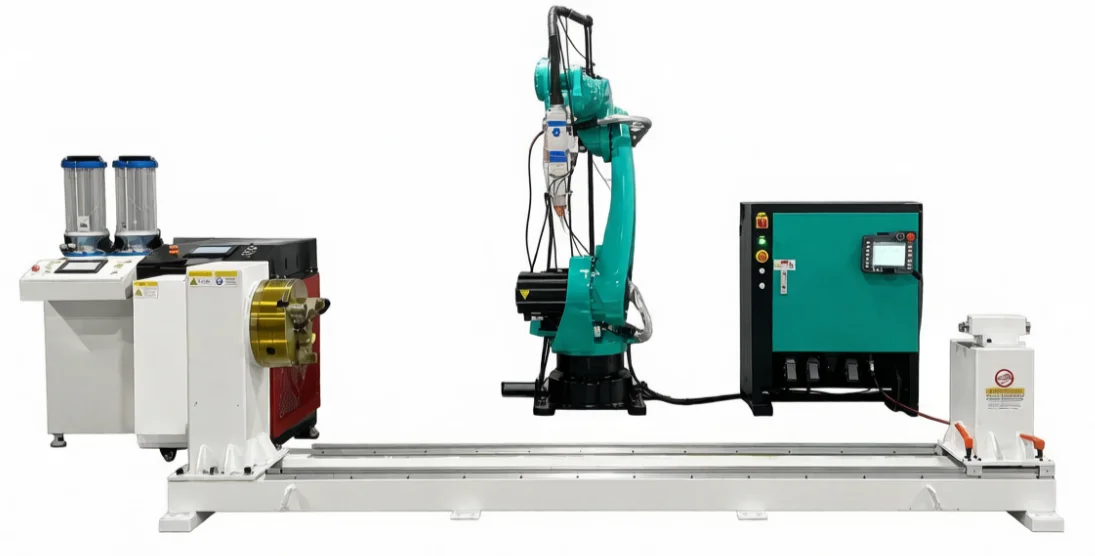
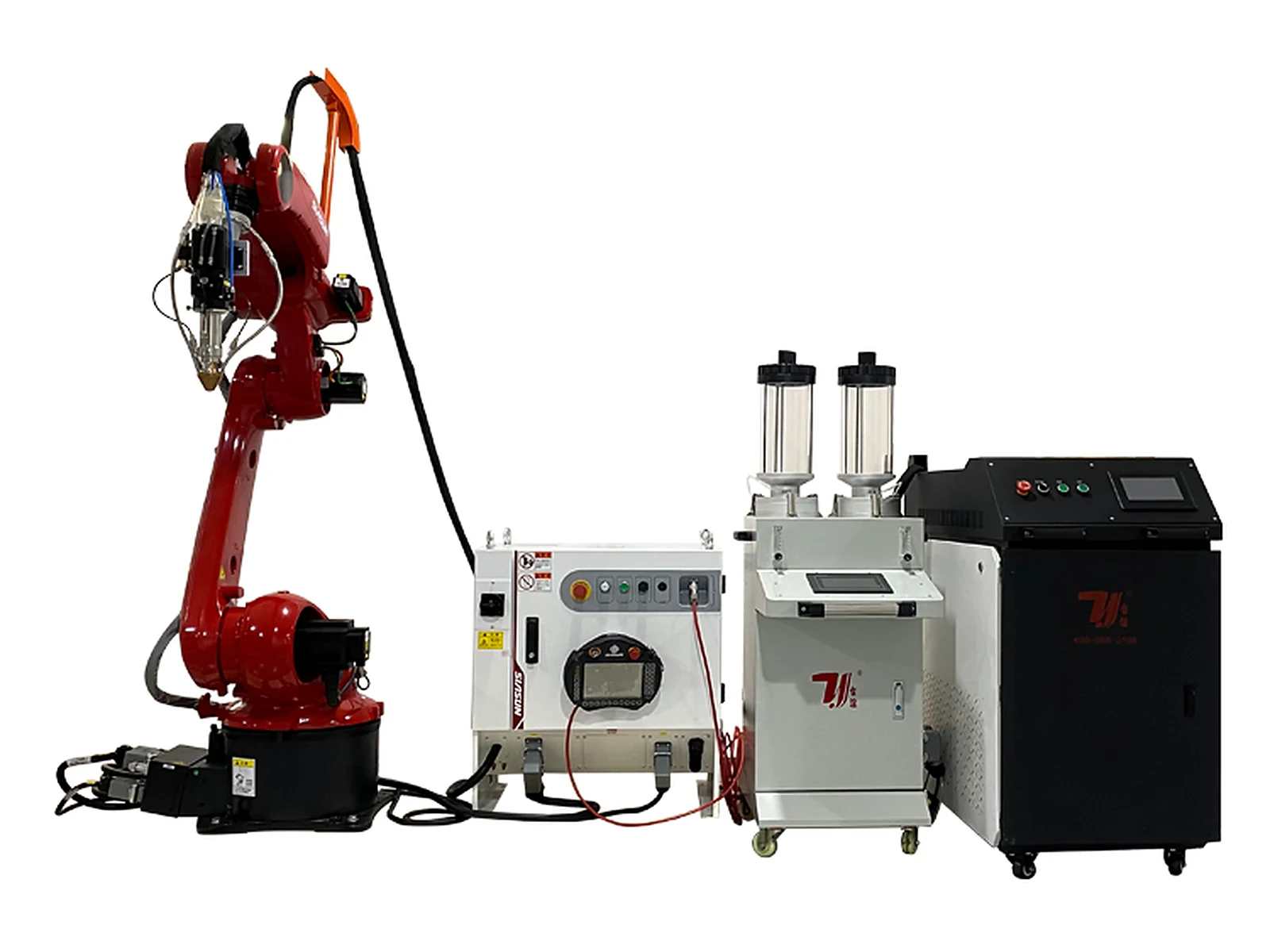
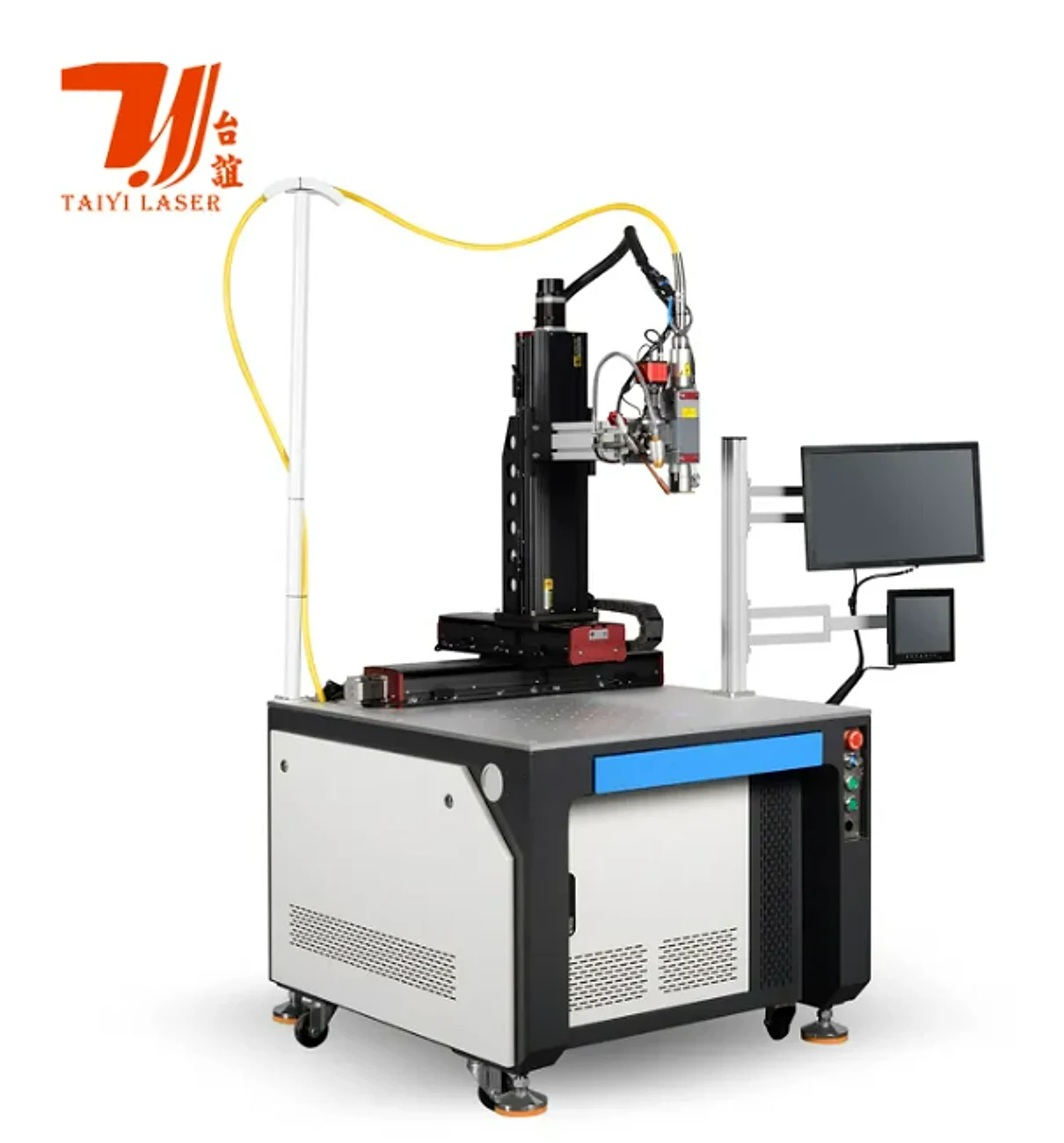
Four-axis linked welding
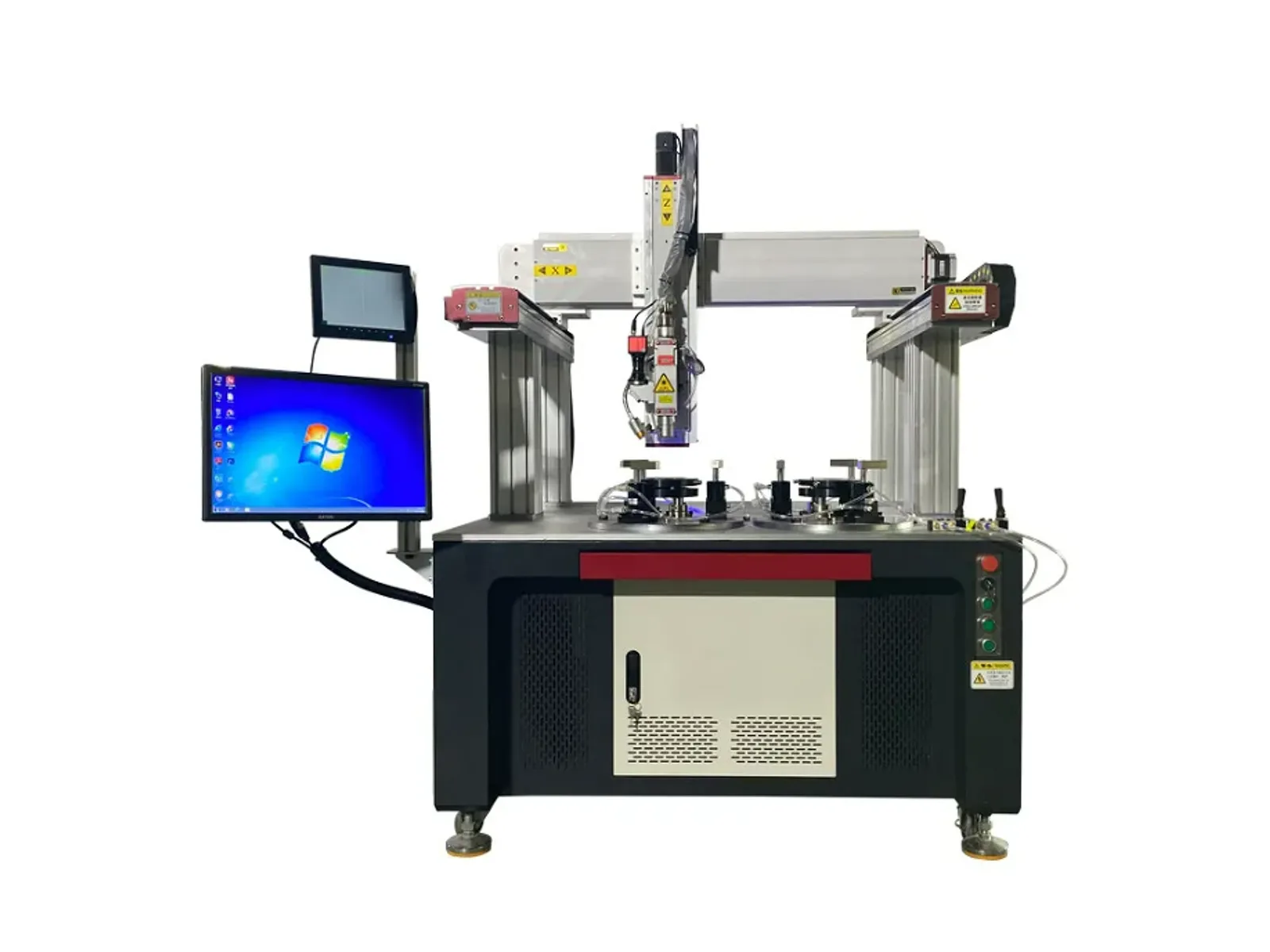
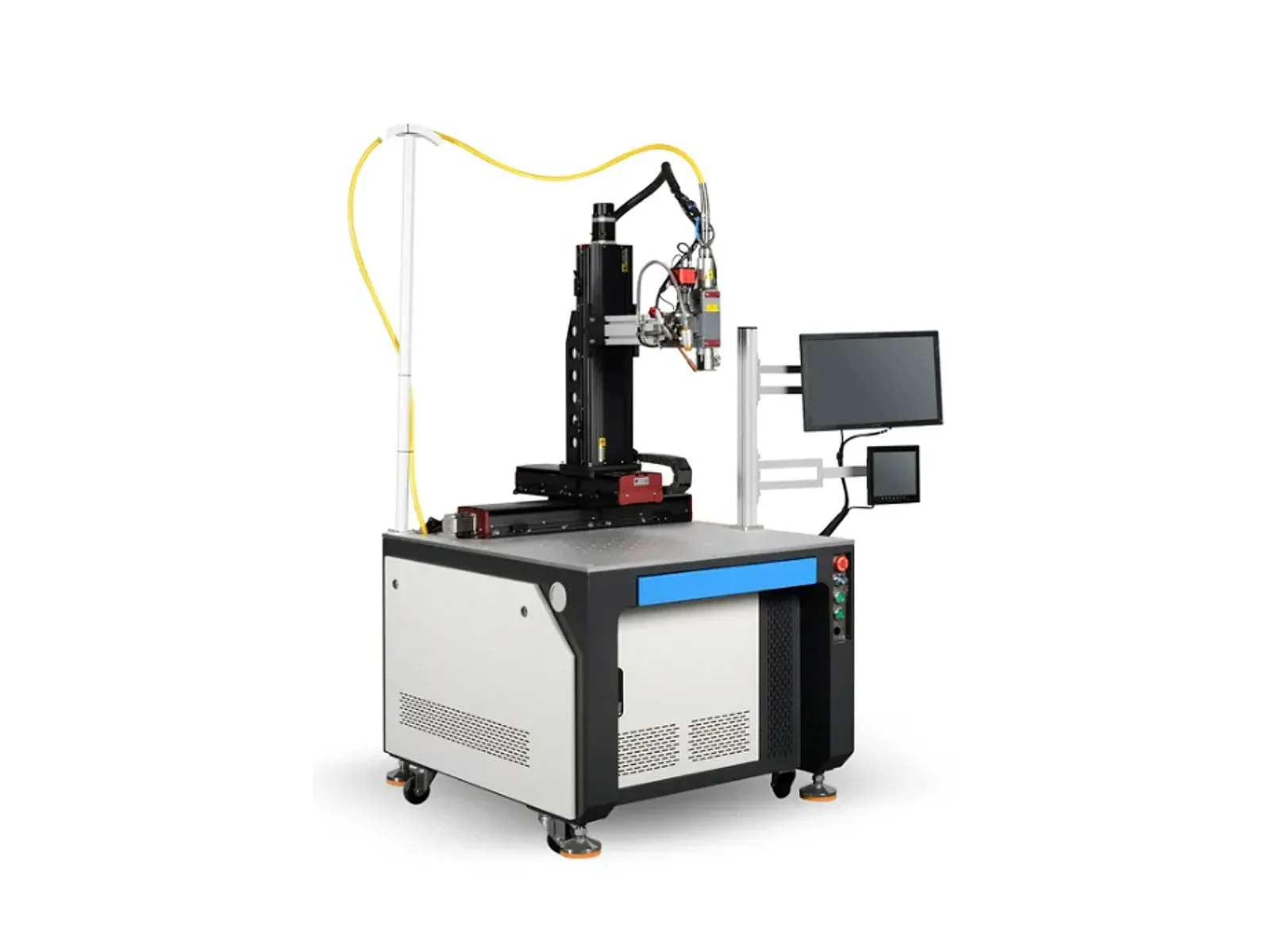
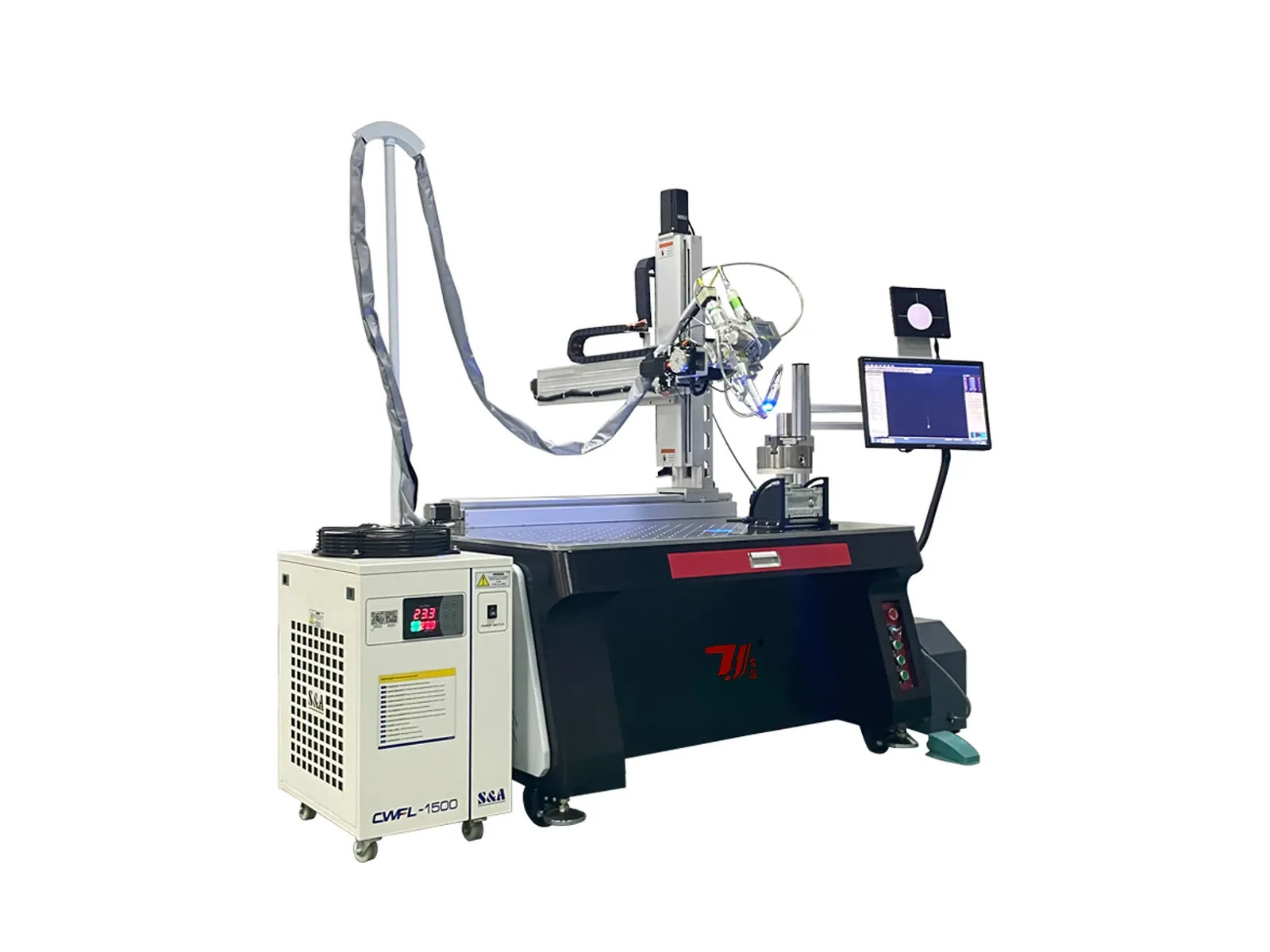
Four-Axis Automatic Laser Welding Machine
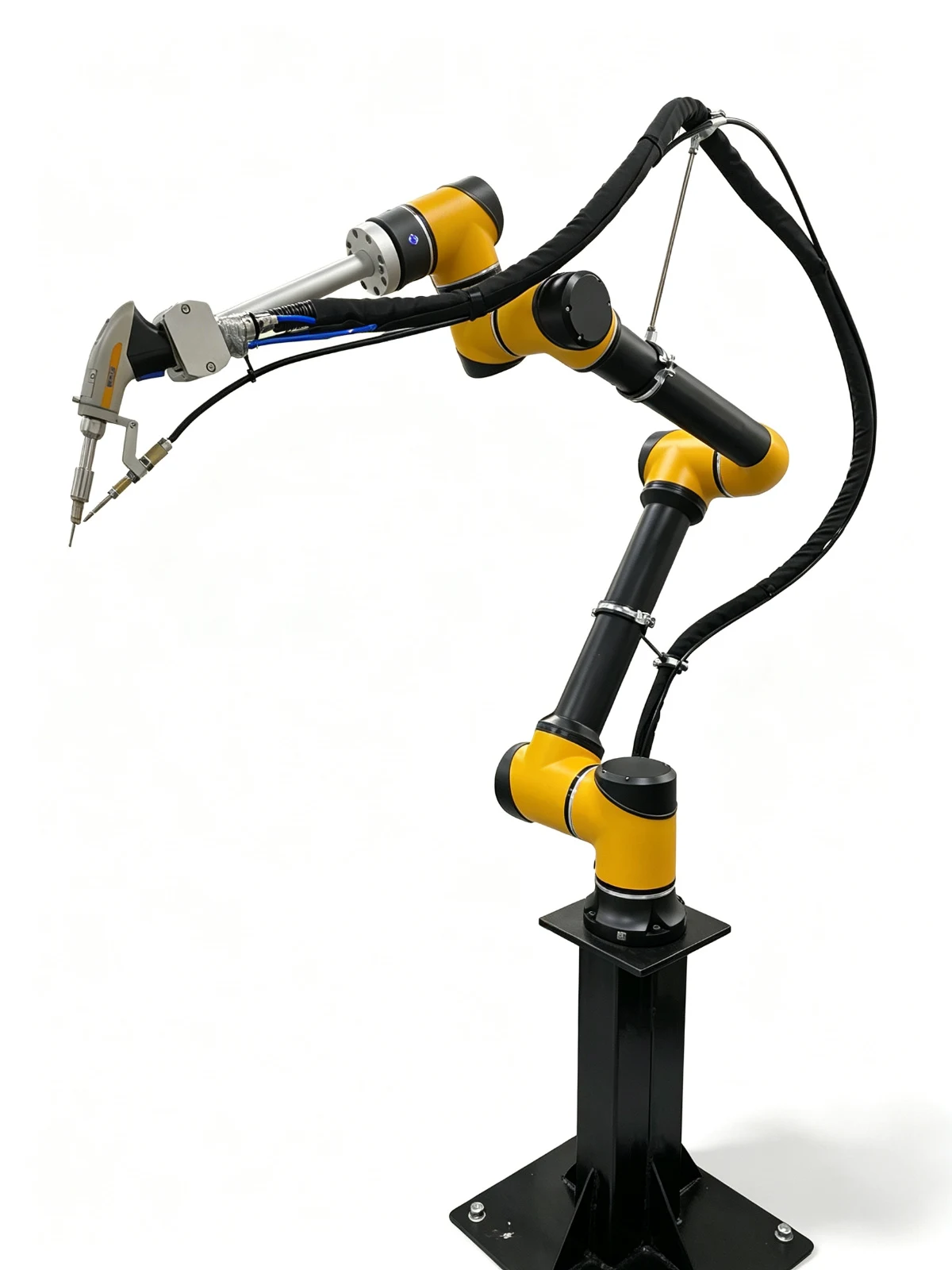
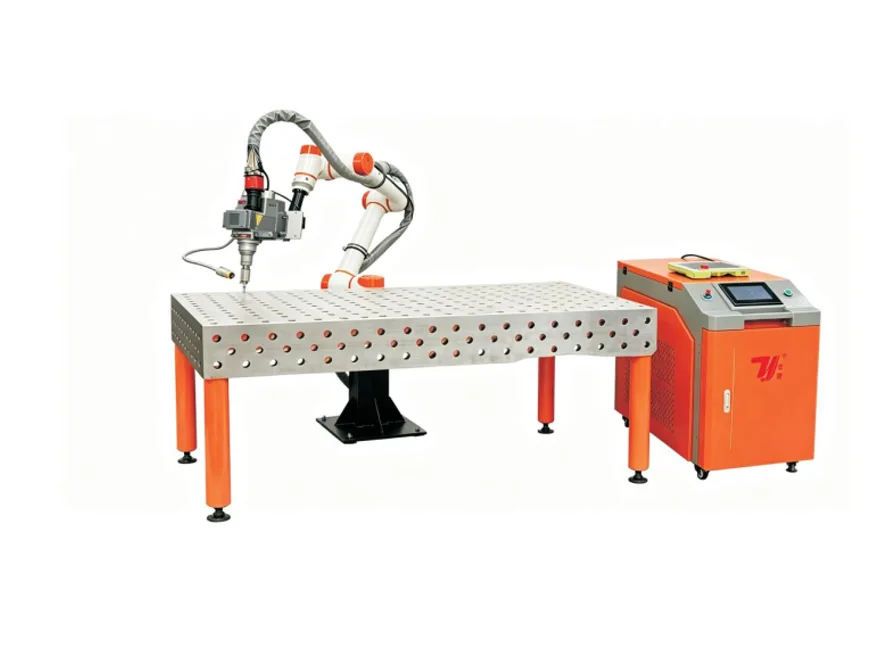
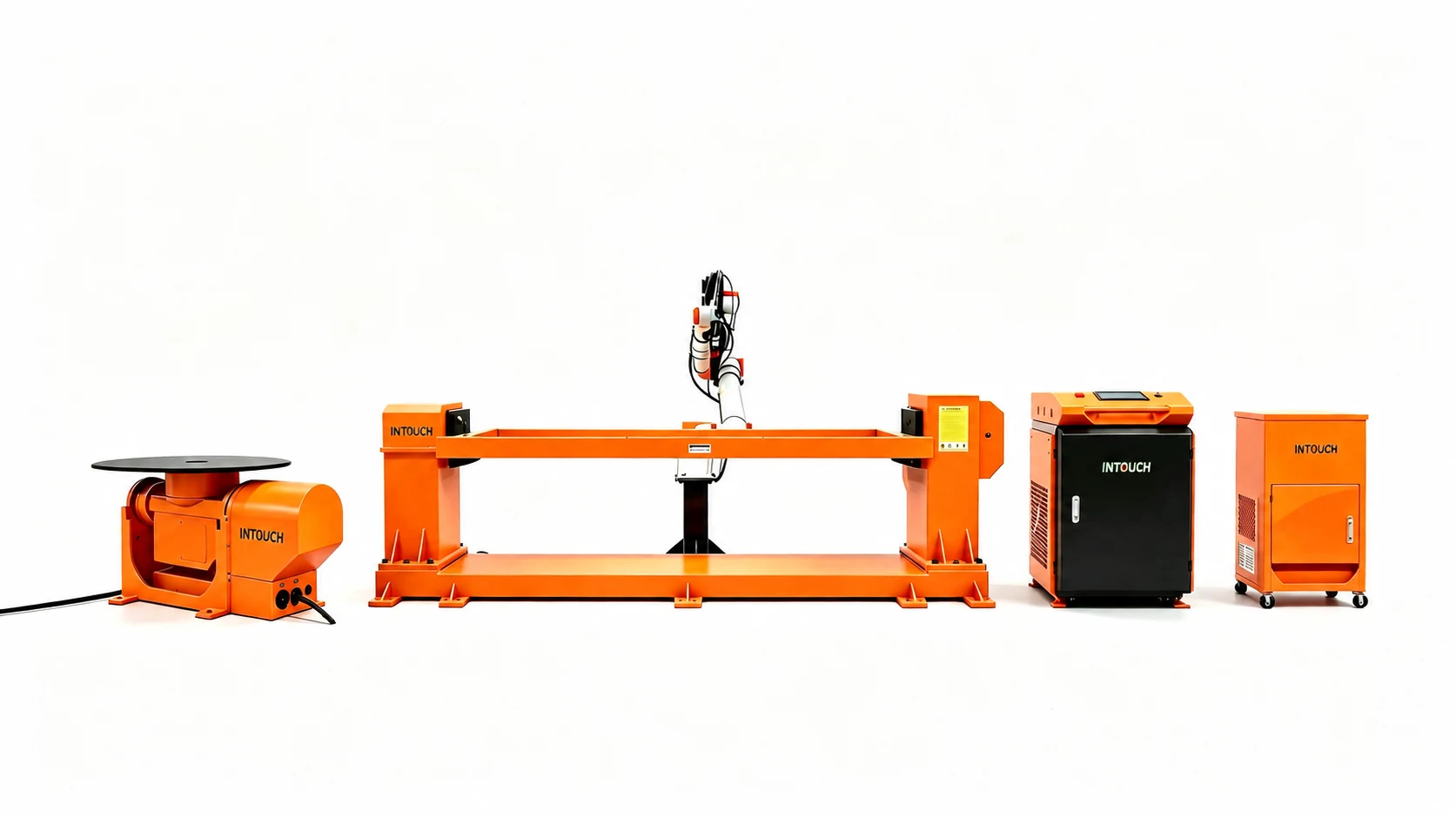
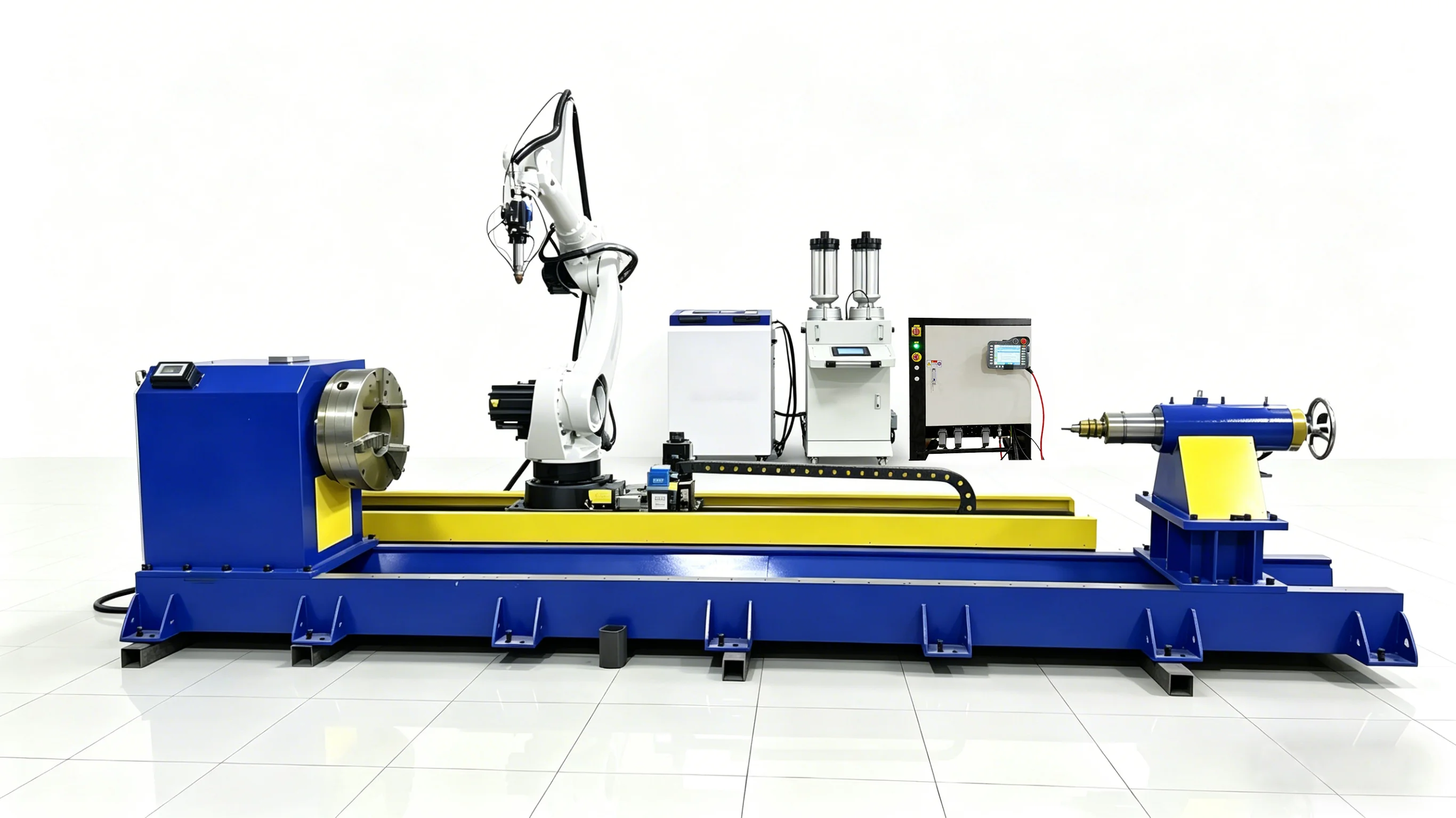
A four-axis automatic laser welding platform for repeated curved and special-shaped joints. Specify how the workpiece is held and how each seam is reached, then configure linked motion, laser power, CCD-assisted positioning and any production-line interface.
Application-configured system · final package confirmed after workpiece and process review
Specifications
Four-axis automatic welding system data
Laser and motion
- Laser power
- 1,000-6,000 W
- Welding speed
- 5-120 mm/s
- Repeat positioning accuracy
- ±0.02 mm
- Motion structure
- Four-axis linkage motion-control system
Positioning and process
- Visual positioning
- CCD-assisted positioning
- Listed weld paths
- Complex curves and special-shaped weld seams
- Heat-affected zone
- Listed as small in the supplied product table
- Listed welding yield
- Above 98%
Integration
- Production-line connection
- Supported
- Workholding
- Application-specific fixture configuration
- Final process package
- Confirmed against the submitted part, seam and cycle-time target
Coordinate repeatable paths across four linked axes
This is an application-configured system rather than a fixed catalogue model. The fixture, laser source, vision scope and automation interface are selected after the part and production task are reviewed.
Four-axis linked path control
Four coordinated motion axes follow repeatable curved and special-shaped weld paths within the configured work envelope.
CCD-assisted positioning
The listed CCD auxiliary positioning system supports alignment between the programmed path and the presented joint. Final vision scope depends on the part review.
Configurable laser power
The supplied table lists 1,000-6,000 W options. Final power and optical configuration are selected against material, joint design and required penetration.
Prepared for line integration
The platform can connect to an automated production line, with loading, unloading, fixture and interface responsibilities defined during engineering review.
From application review to delivery
- 01
Machine-bed welding
- 02
Beam preparation
- 03
Heat treatment
- 04
Precision machining
- 05
Pre-assembly inspection
- 06
Machine assembly
- 07
Testing, debugging and acceptance
- 08
Delivery
Parts suited to a configurable four-axis weld path
Suitability depends on the material, joint design, access, weld depth and target cycle time. Submit the actual part data before fixing the process route.
Compare the next automation path
Gantry automatic welding
Configurable gantry path for larger workpieces and custom working strokes.
Dedicated fixture systemMulti-station kettle-spout welding
Multi-station configuration for repeat kettle-spout joints and related seams.
Application systemsAutomatic welding range
Compare gantry, four-axis, five-axis and workpiece-specific welding systems.
Explore industry solutions
Browse our industry solutions and discuss the equipment, fixtures and process requirements for your application.
View all industry solutionsMatch four-axis motion to the seam and workholding
Review access over the complete weld path
Provide the complete part and seam drawing, including corners, changes of orientation and the surrounding fixture. Four linked axes describe the motion system; they do not prove that every surface of an arbitrary part can be reached in one setup.
Define positioning and fixture responsibilities
CCD-assisted positioning supports alignment of the presented joint with the programmed path. Fixture design and part presentation remain part of the application review. Identify repeat part variations and acceptance criteria before confirming the positioning package.
Compare the complete cell sequence
For line integration, define the loading, clamping, welding and unloading steps and the interfaces between them. A welding-speed or repeat-positioning value does not represent the complete cycle time or the achieved result on every part.
Machine selection questions
Is four-axis welding the same as a four-in-one handheld welder?
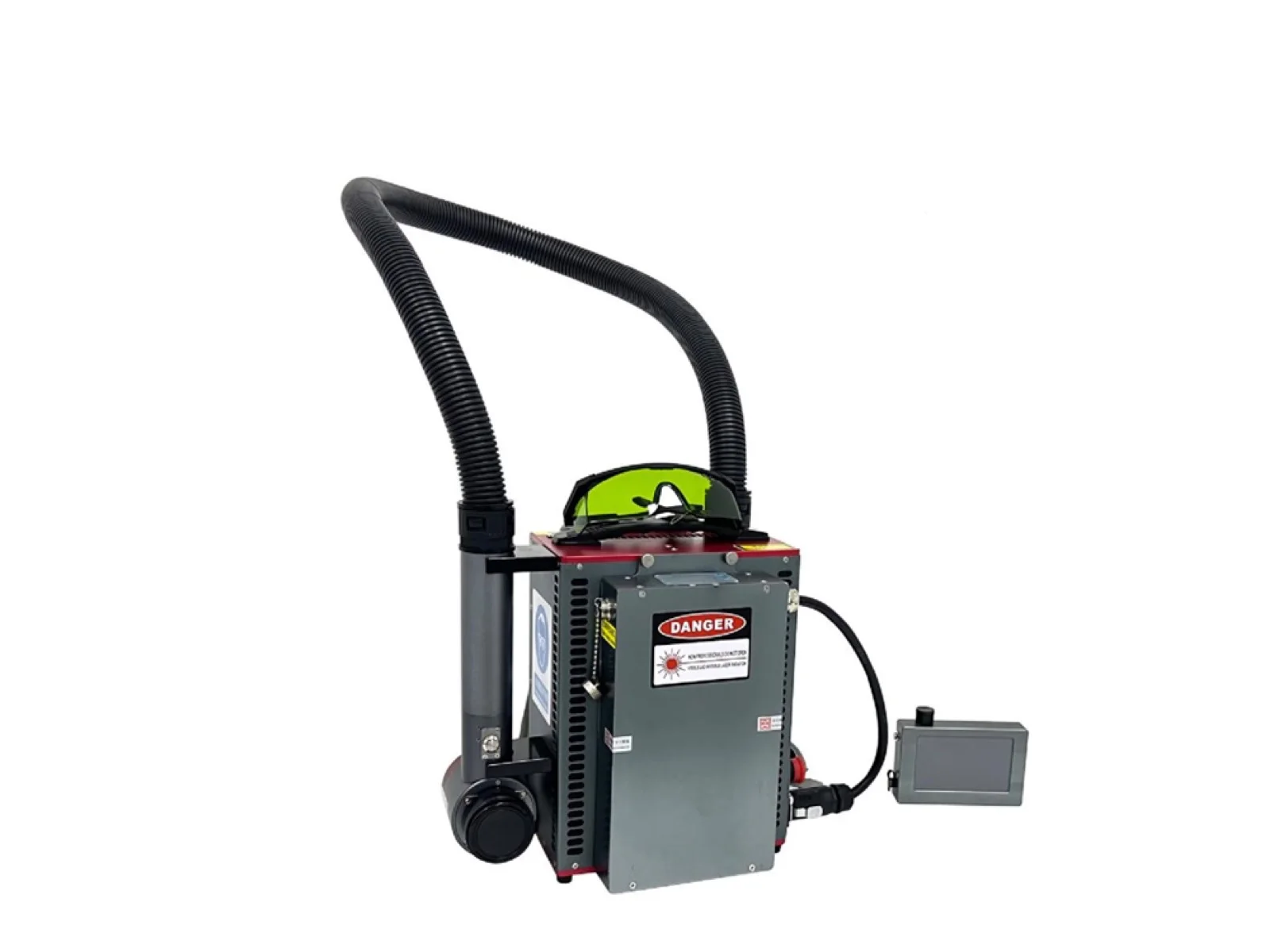
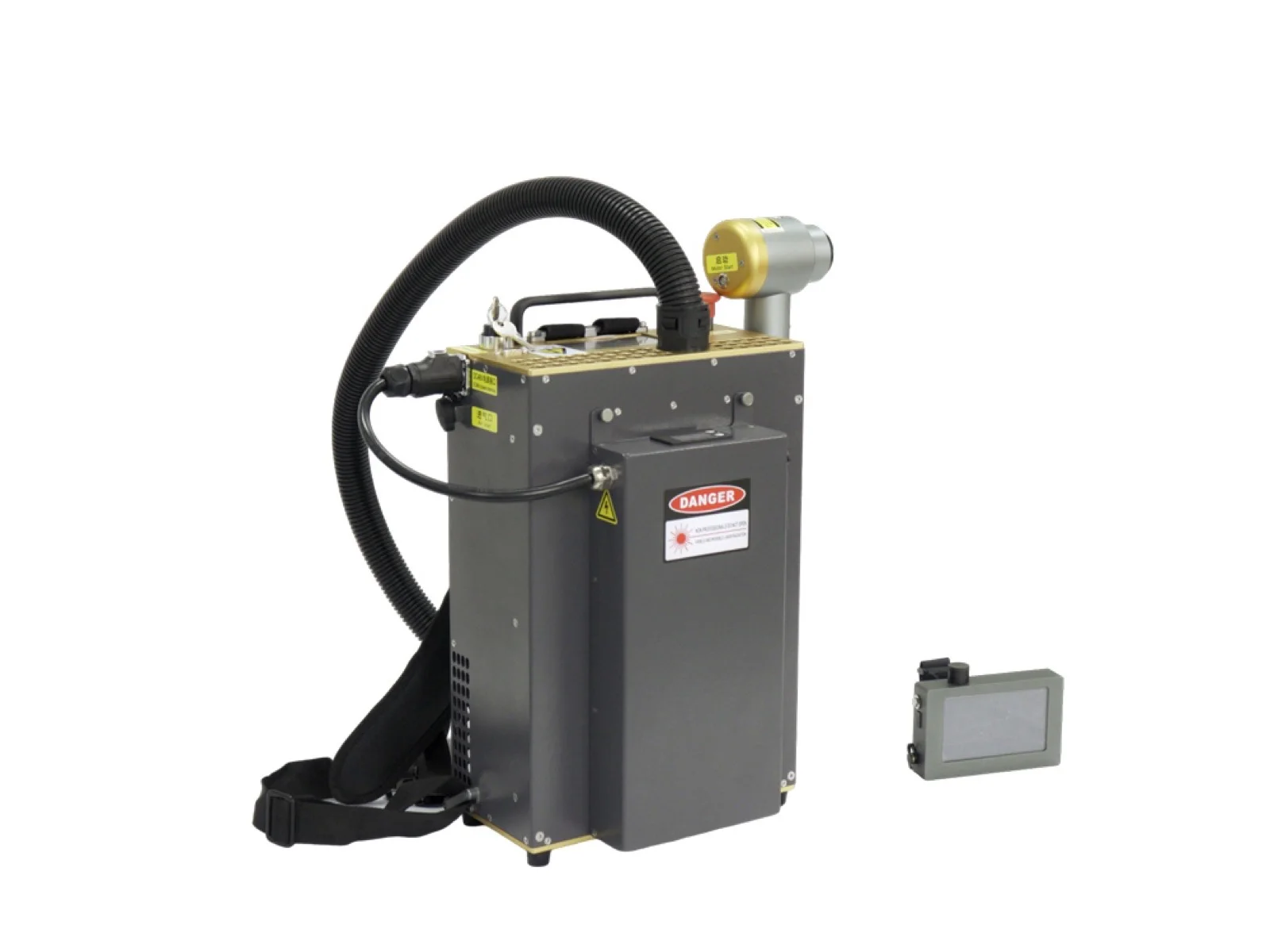
No. Four-axis here describes linked machine motion for automatic welding paths. It does not describe a handheld tool with four processing functions. This page concerns a configured motion platform, fixture and laser welding package.
What work should be reviewed for the four-axis platform?
The listed scope includes curved and special-shaped seams on configured workpieces. Submit the joint locations, access constraints and fixture concept to check the required path rather than selecting from the part name alone.
Can I choose four-axis instead of five-axis from the power rating?
Power and motion answer different questions. Laser power is selected for the welding process; axis arrangement must reach and orient the required joint. Compare both platforms against the seam geometry and workholding requirement.
Does ±0.02 mm repeat positioning guarantee the weld result?
No. Repeat positioning describes a motion characteristic. Joint fit-up, part presentation, material and process configuration also affect the finished weld. Define the required inspection and acceptance criteria for the application.
What is needed for a four-axis welding quote?
Send part and seam drawings, material and thickness, fixture information, part variations and the target cycle. Include the loading sequence and any line interface so the laser, motion and workholding package can be quoted together.
Request a quote
Tell us the part. We will tell you the machine.
Configuration and quotation are prepared after the workpiece, weld path and automation boundary are reviewed.
- Phone+86 153 6281 4831
- Emailsales02@taiyilaser.com
- WhatsApp+86 153 6281 4831