
Machine family01
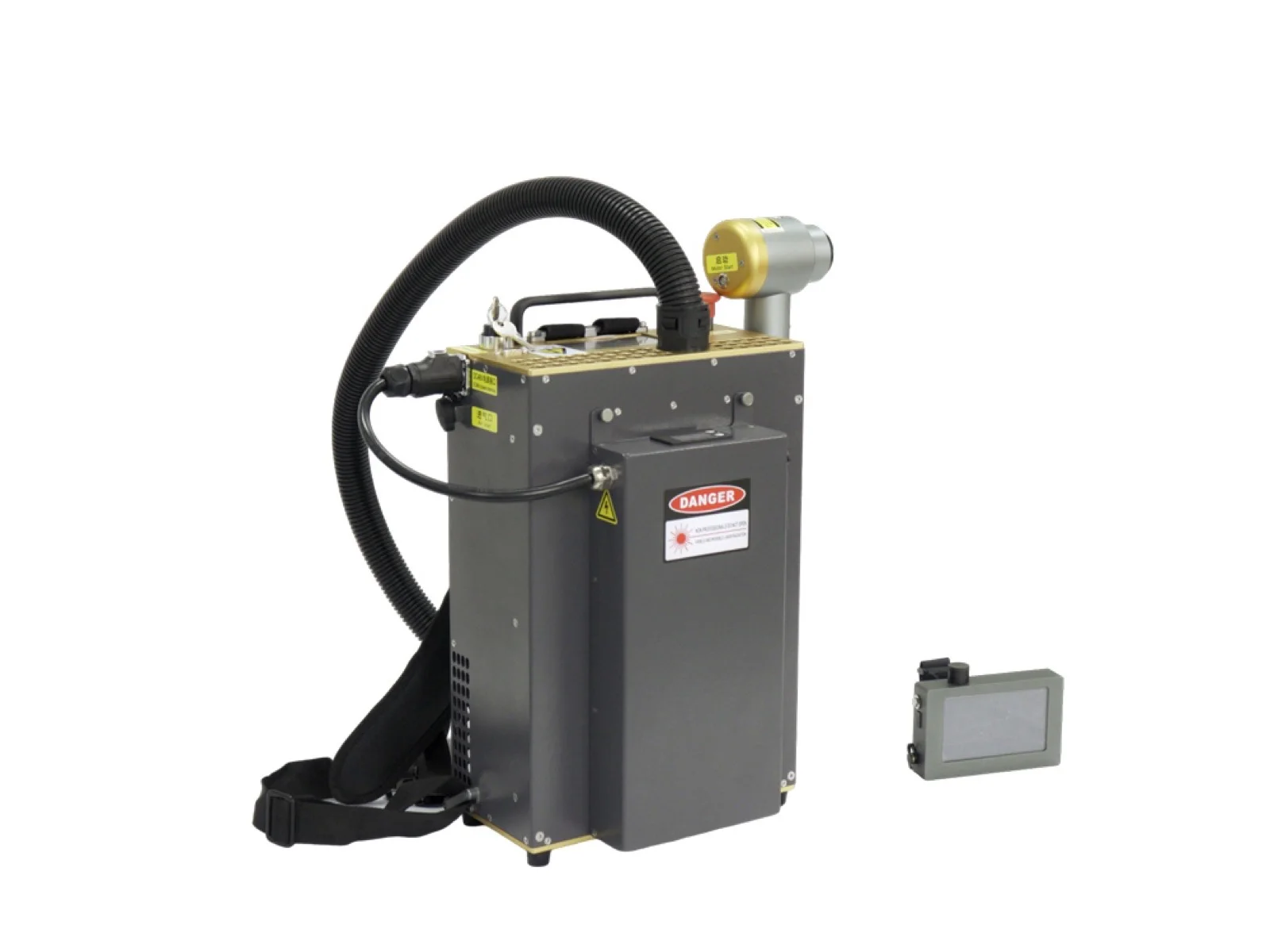
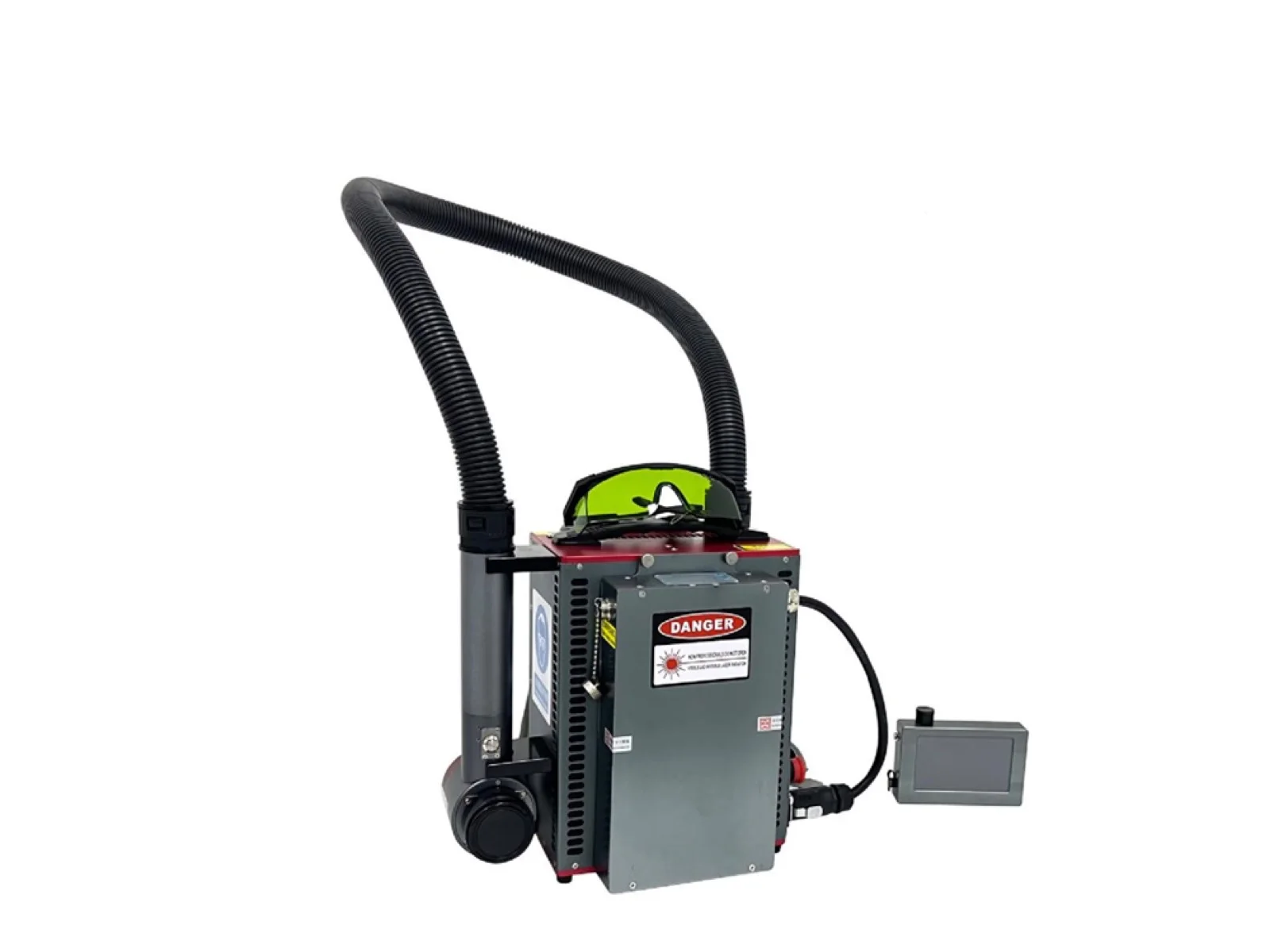
Backpack multi-mode pulsed laser cleaning machine
Backpack-format, multi-mode configuration within the pulsed laser cleaning range.
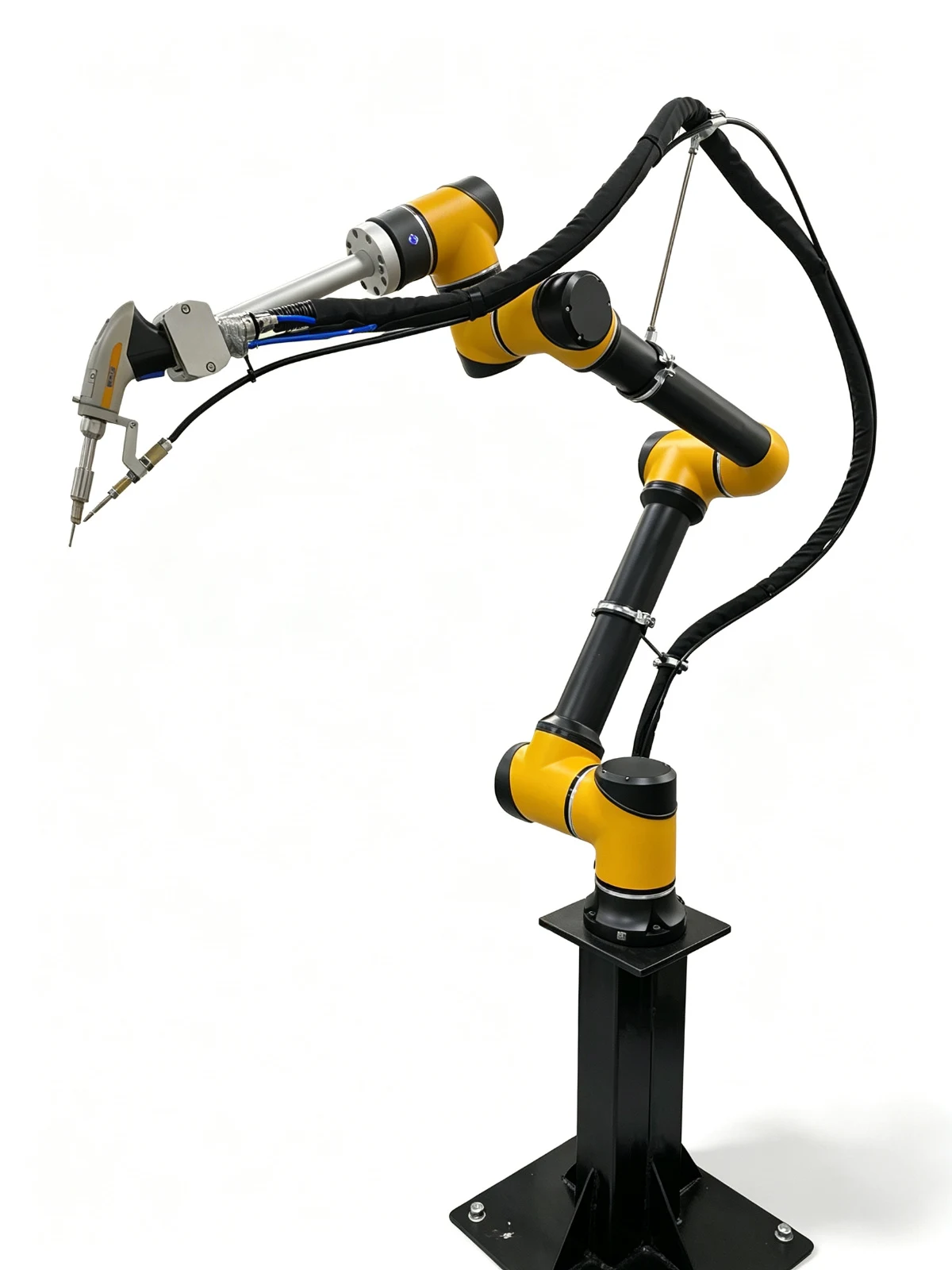
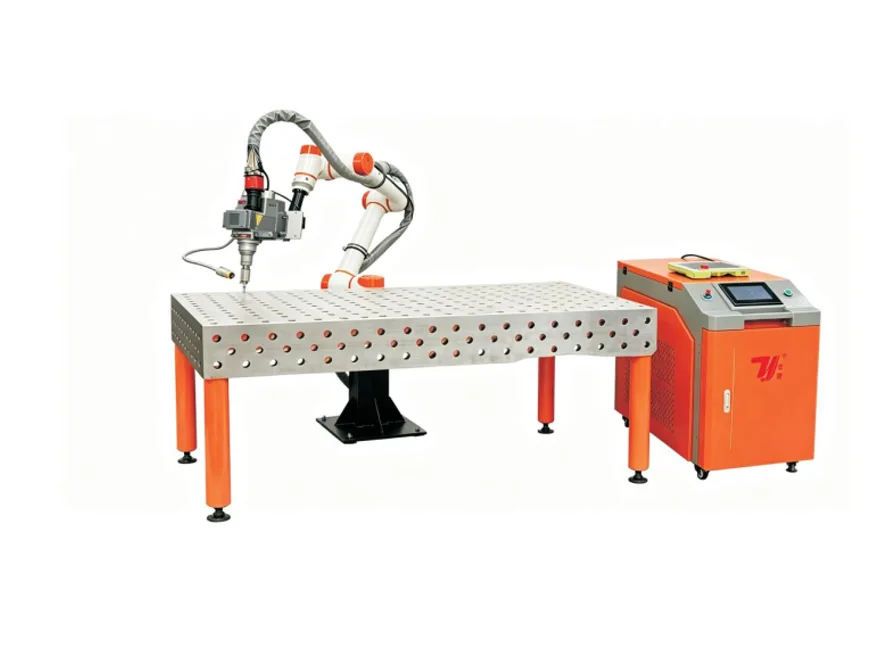
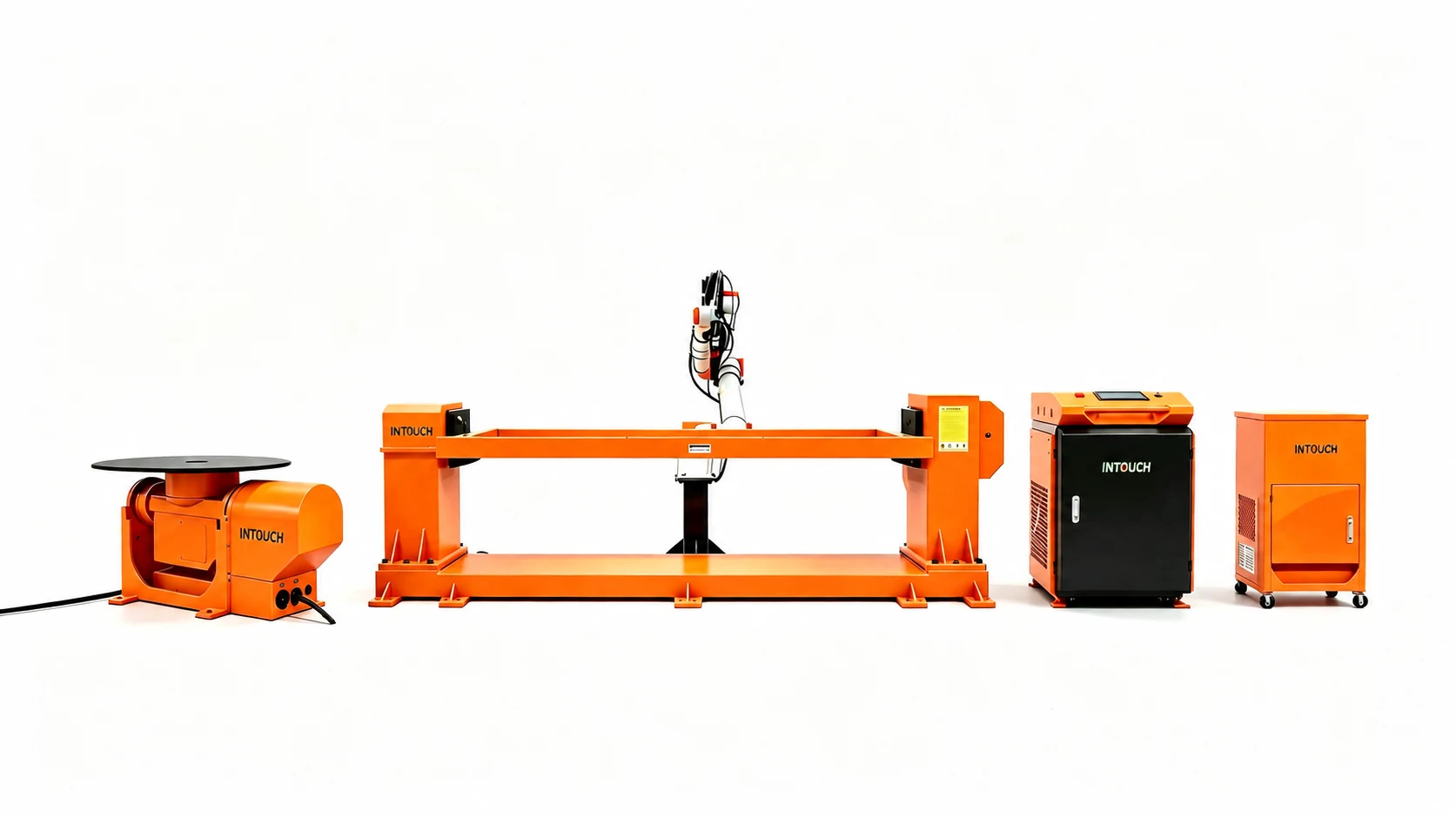
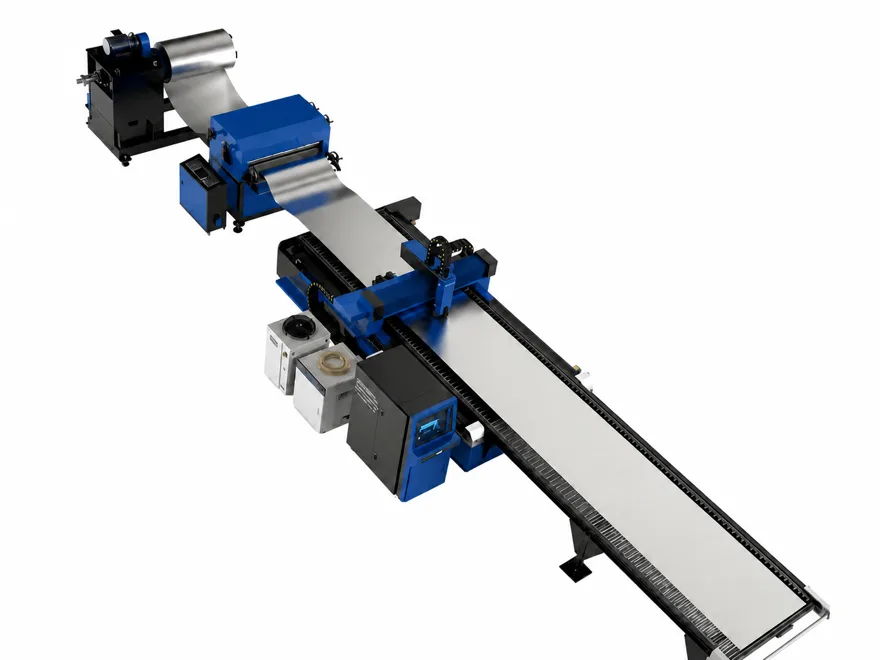
View details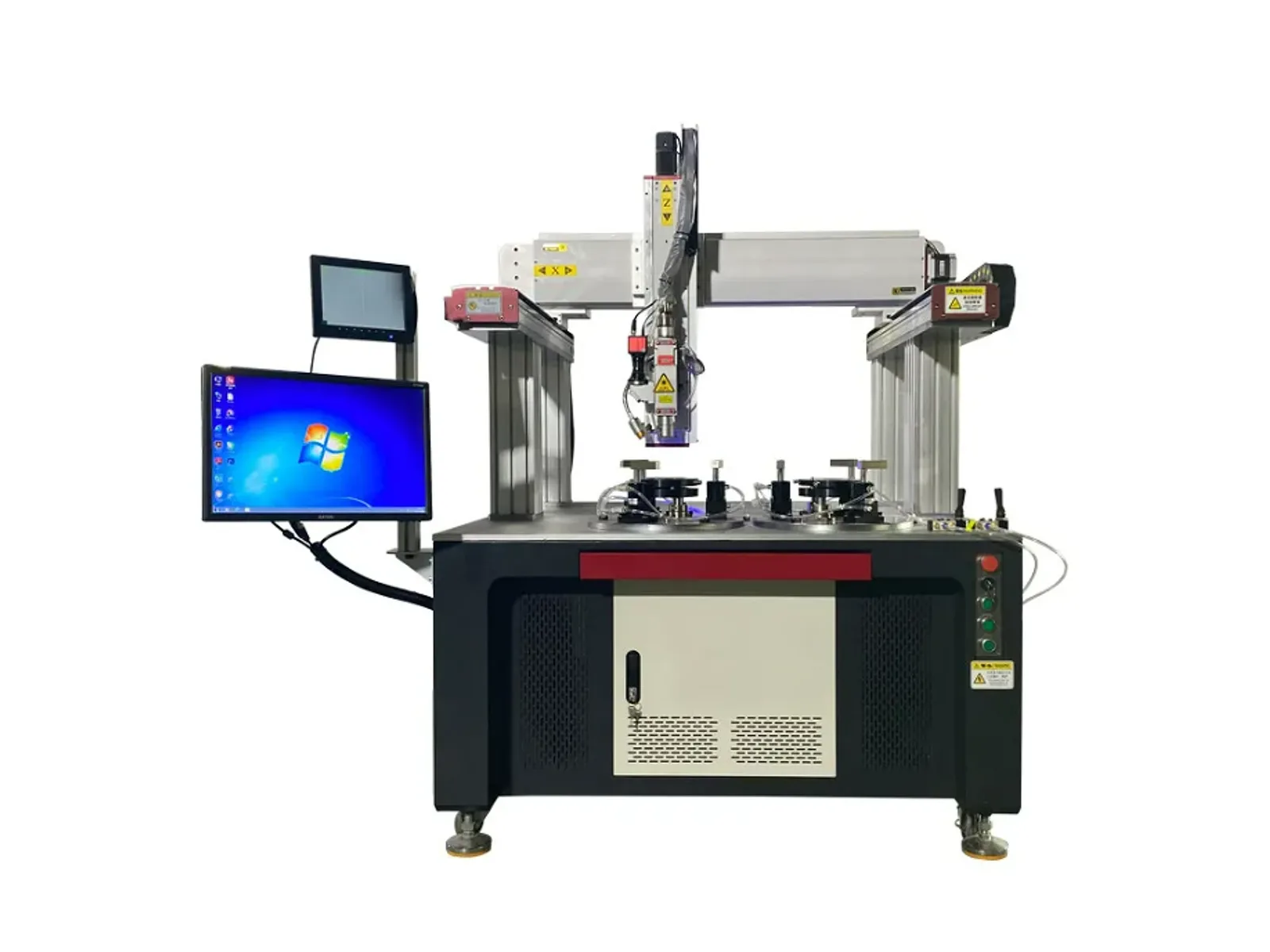 Gantry automatic laser welding machineServo multi-axis gantry system with CCD positioning, 1.5-6 kW configurations and a custom working stroke for the submitted workpiece.
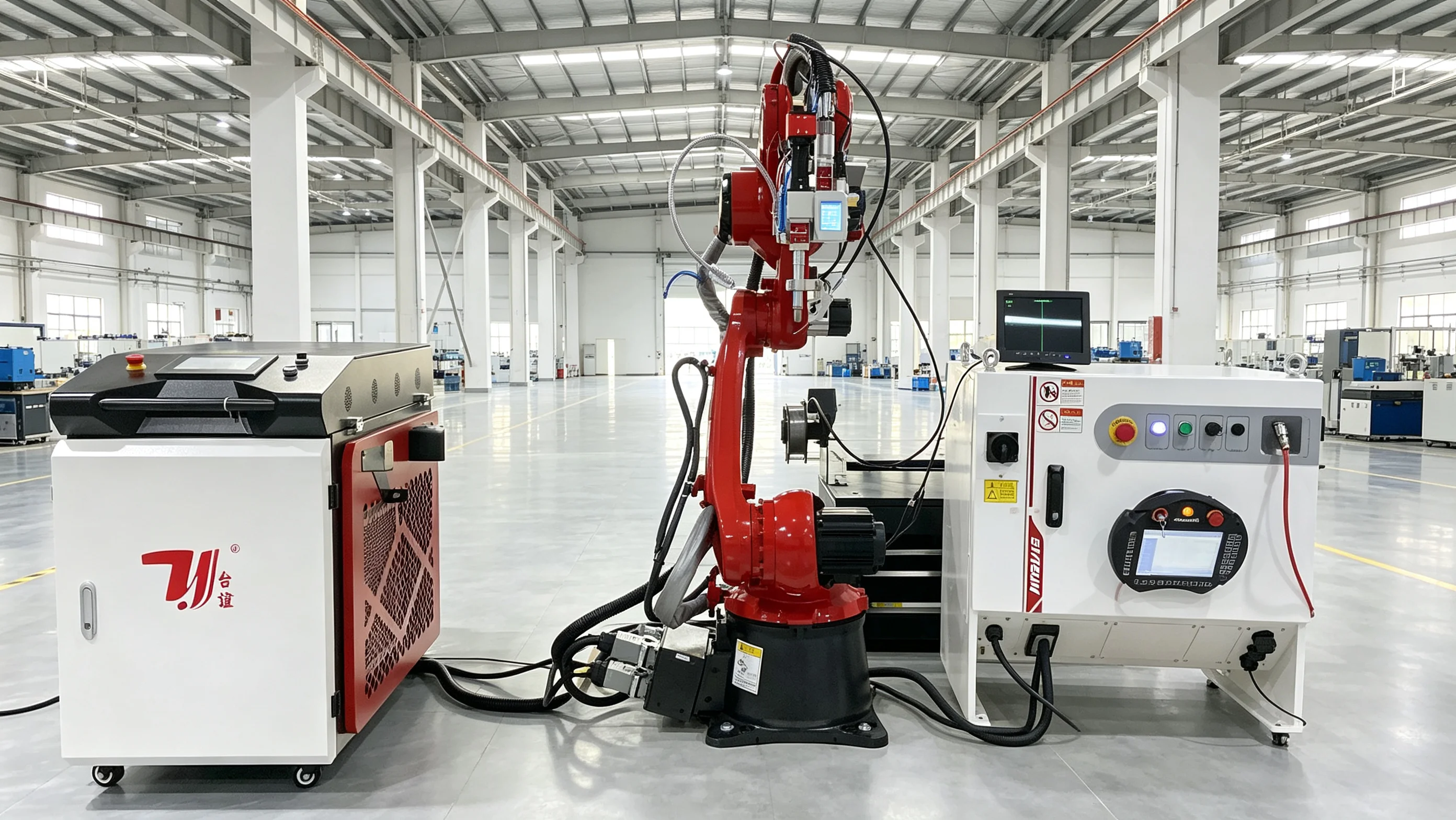
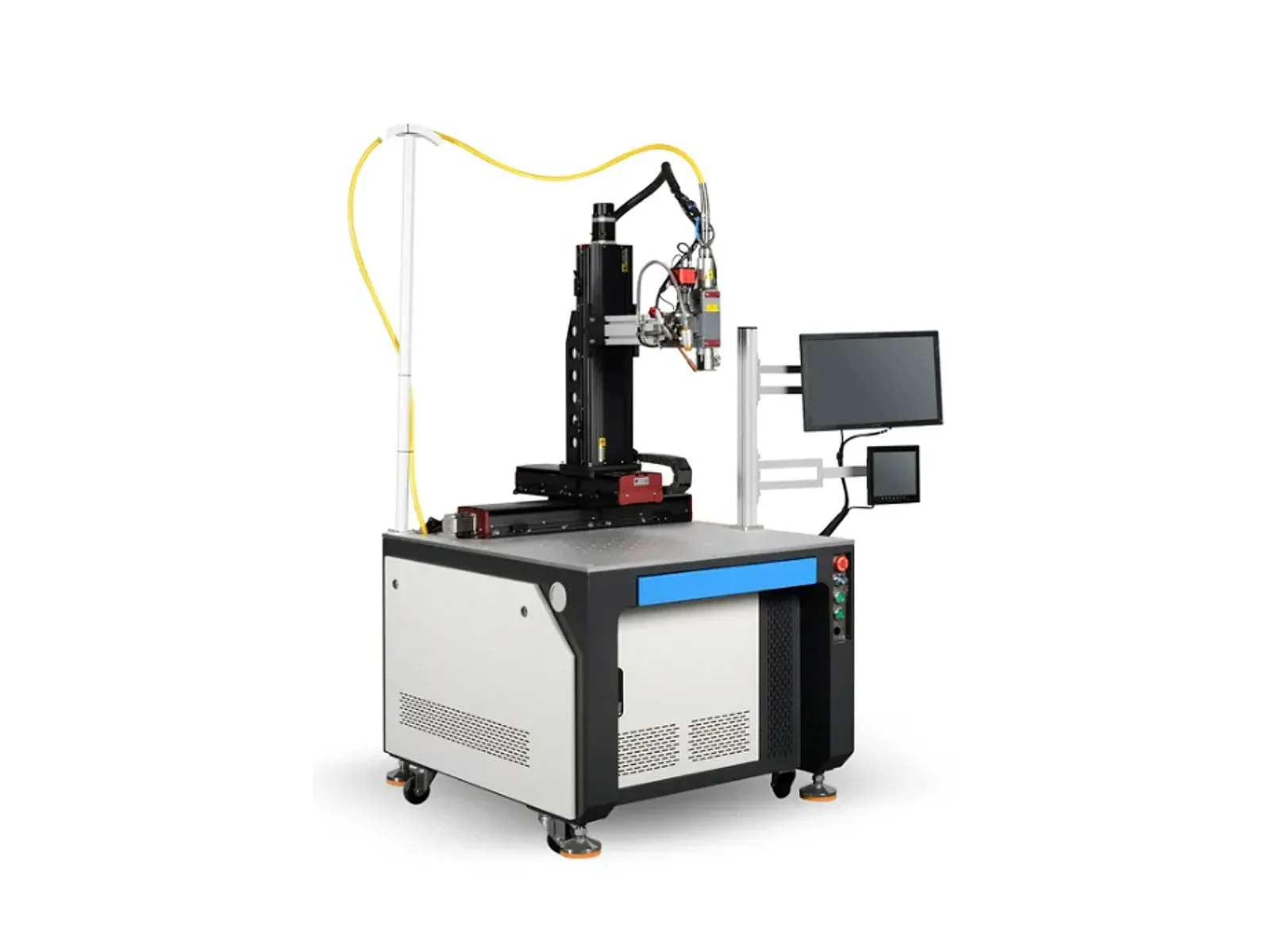 Four-axis automatic laser welding machineFour-axis linkage with CCD-assisted positioning, 1-6 kW configurations and ±0.02 mm repeat positioning for curved and special-shaped weld paths.
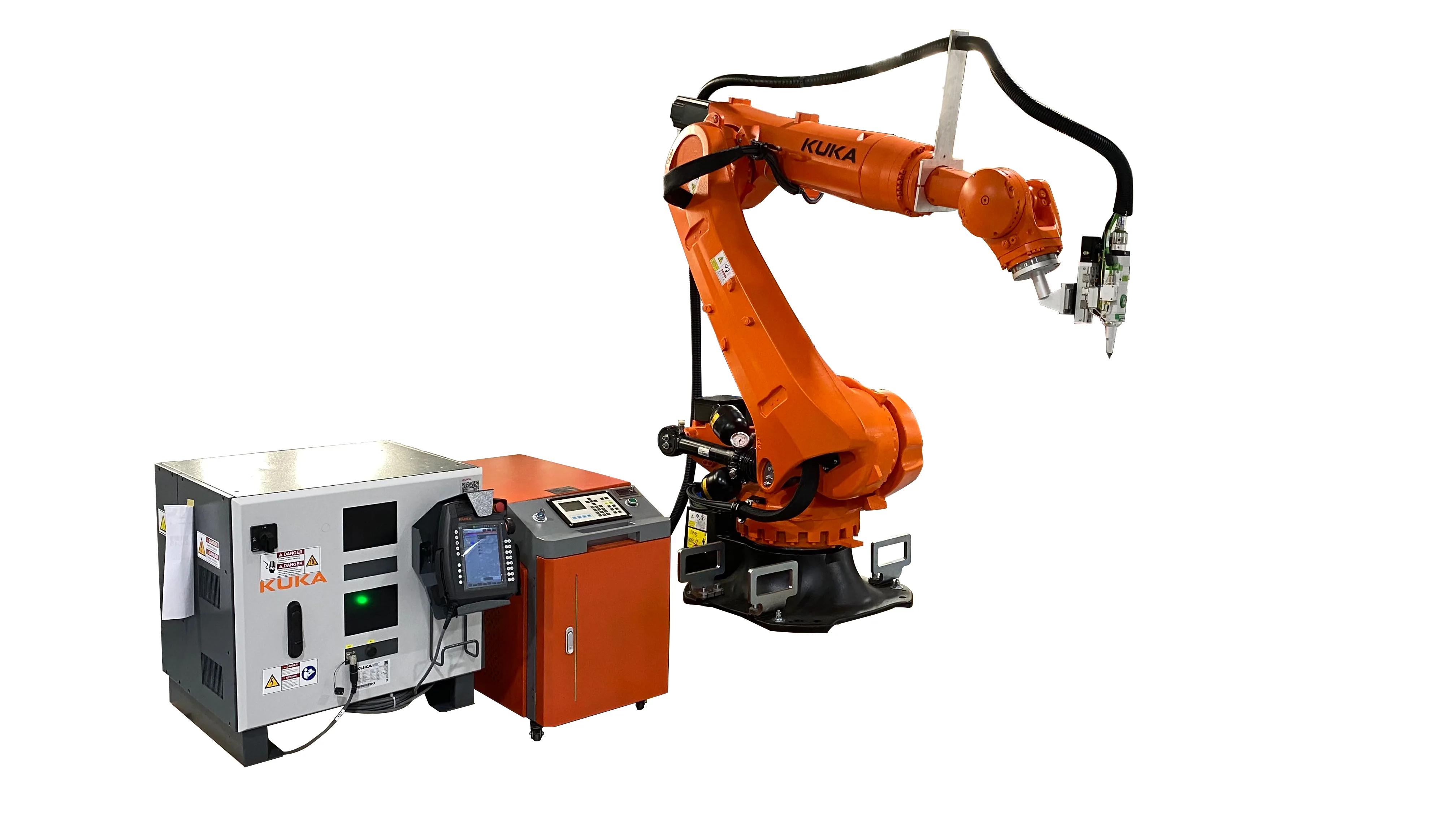
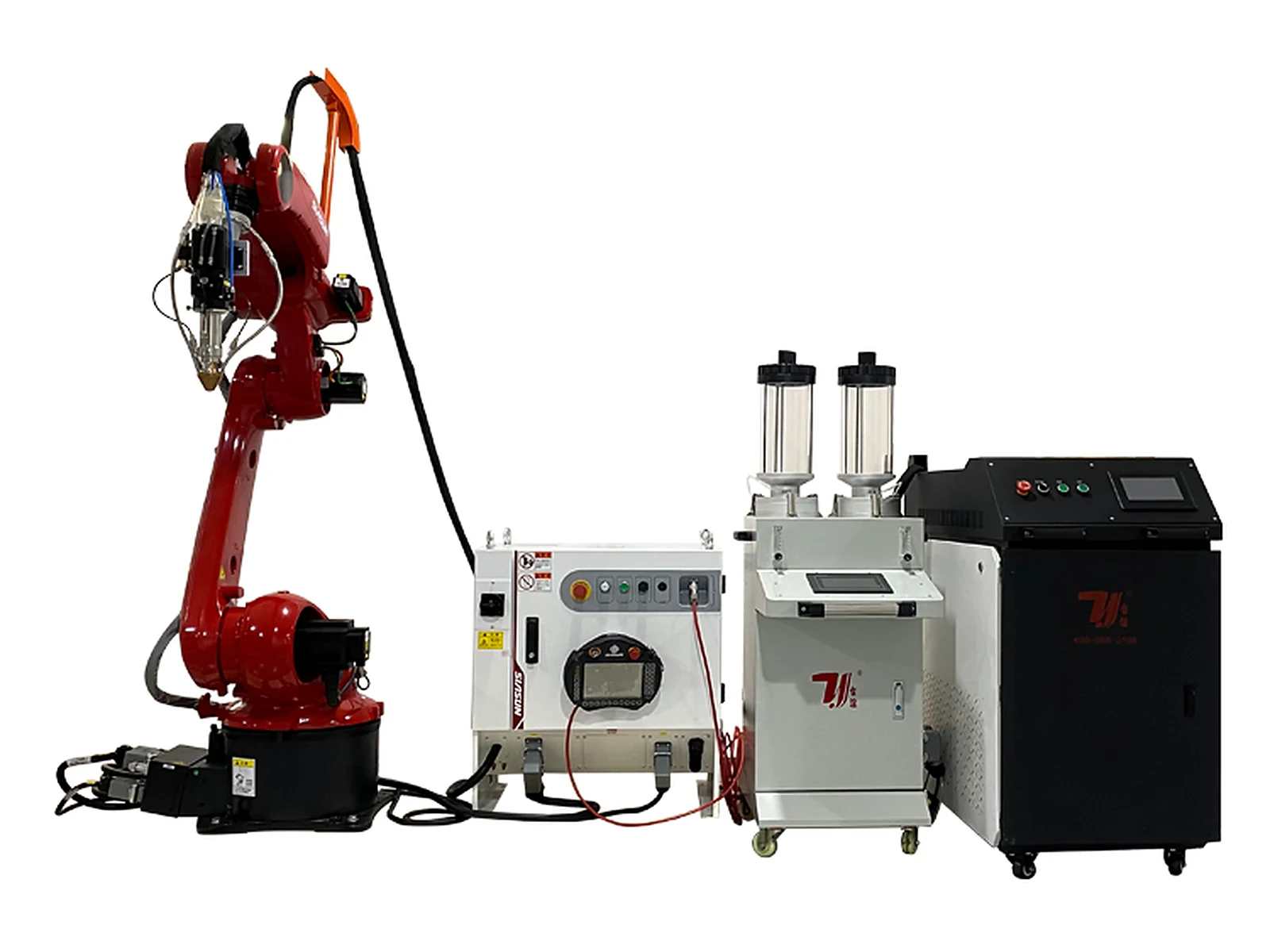
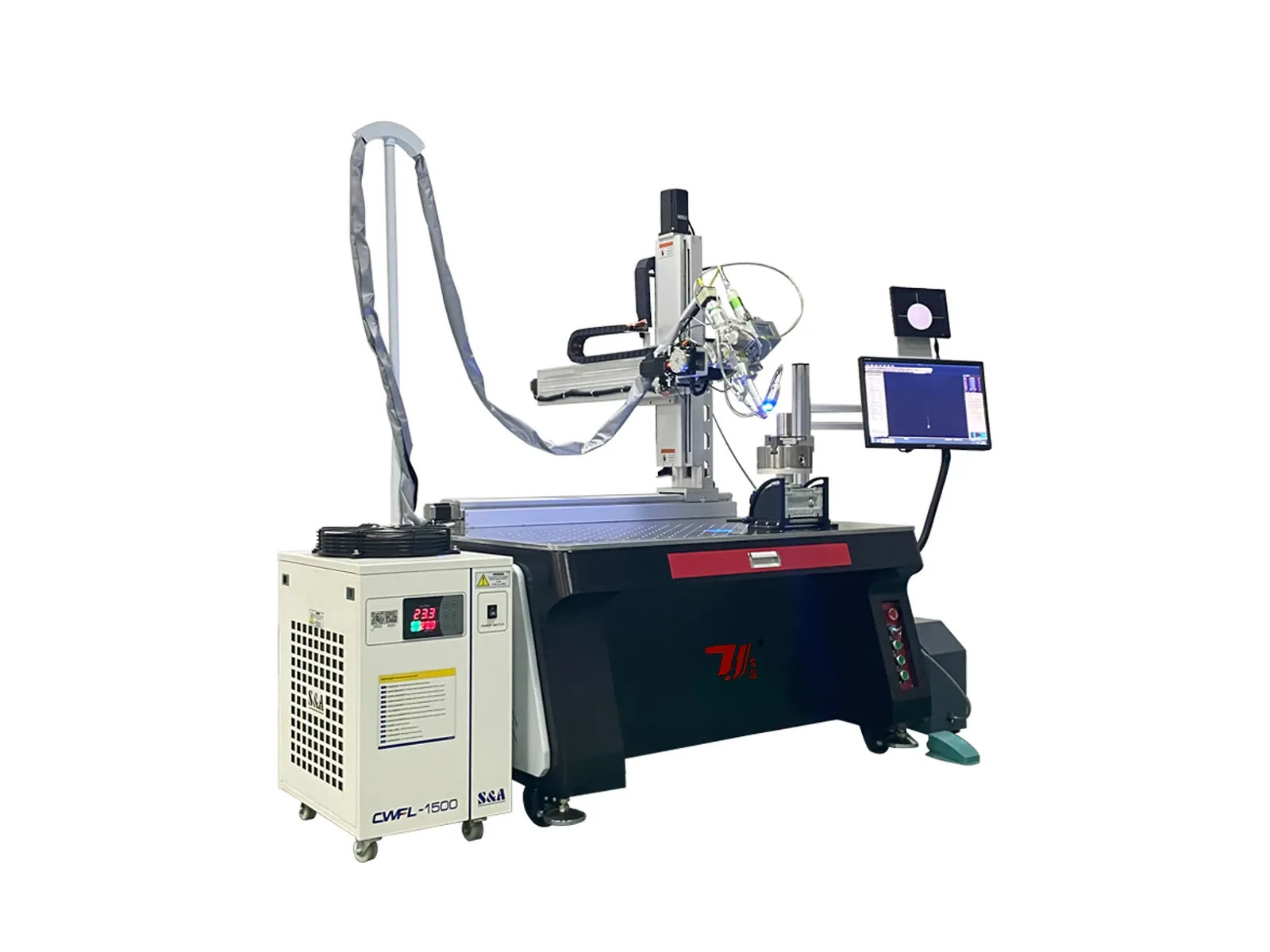 Five-axis automatic laser welding machineFive-axis servo linkage with CCD positioning, 1-6 kW configurations and ±0.02 mm repeat positioning for three-dimensional curved and special-shaped seams.
Review mold and roll equipment by the surface problem: residue to remove, material to restore or a hardness requirement. Tool material, cavity access, roll dimensions and the required finish guide the process and configuration.
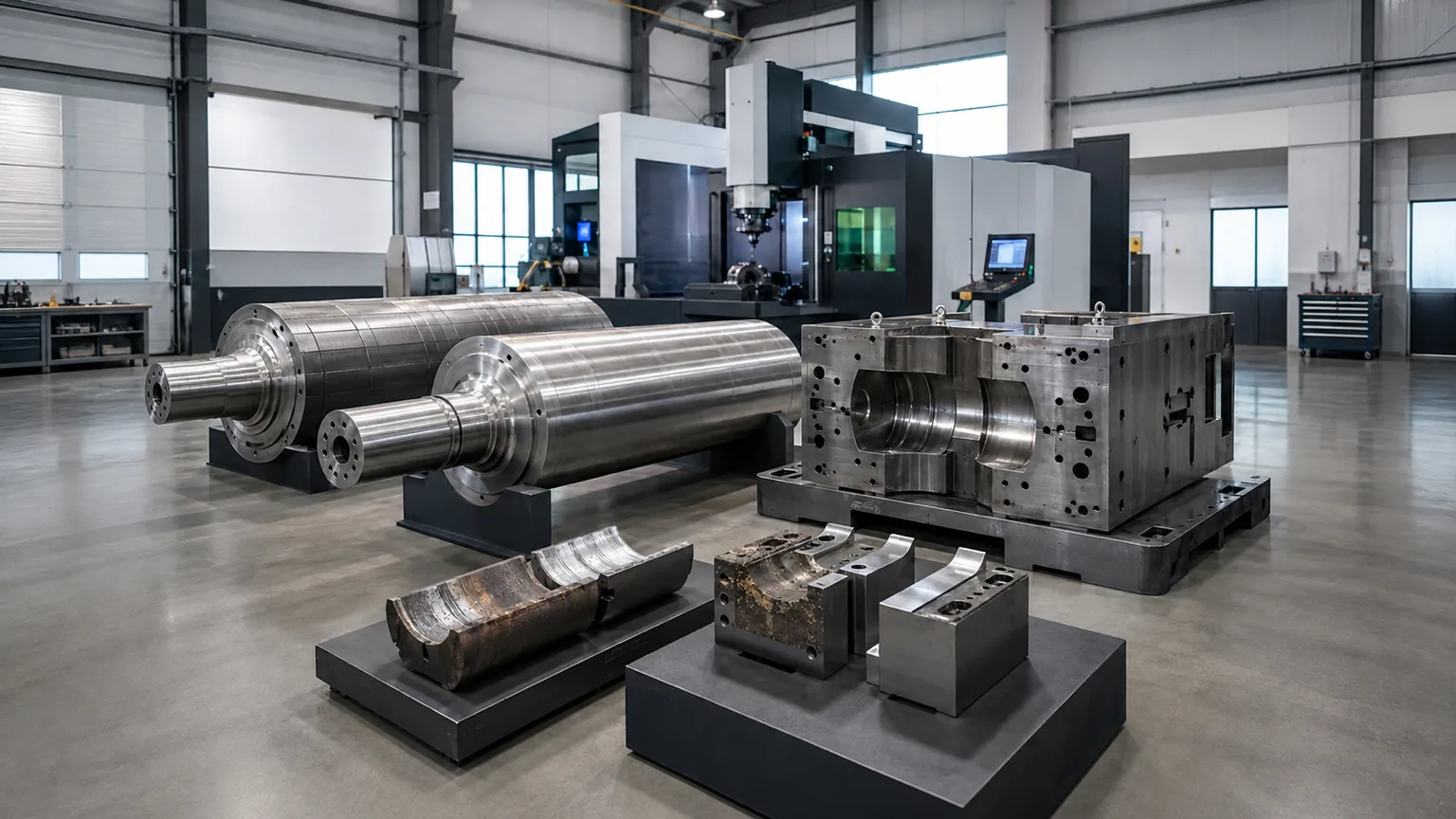
The scope covers injection and die-casting molds, stamping tools and industrial rolls. Cleaning, deposition and hardening address different surface conditions. Welding repair, texturing and marking can be discussed as project requirements, but the linked machines are not a promise that every operation is included in one package.
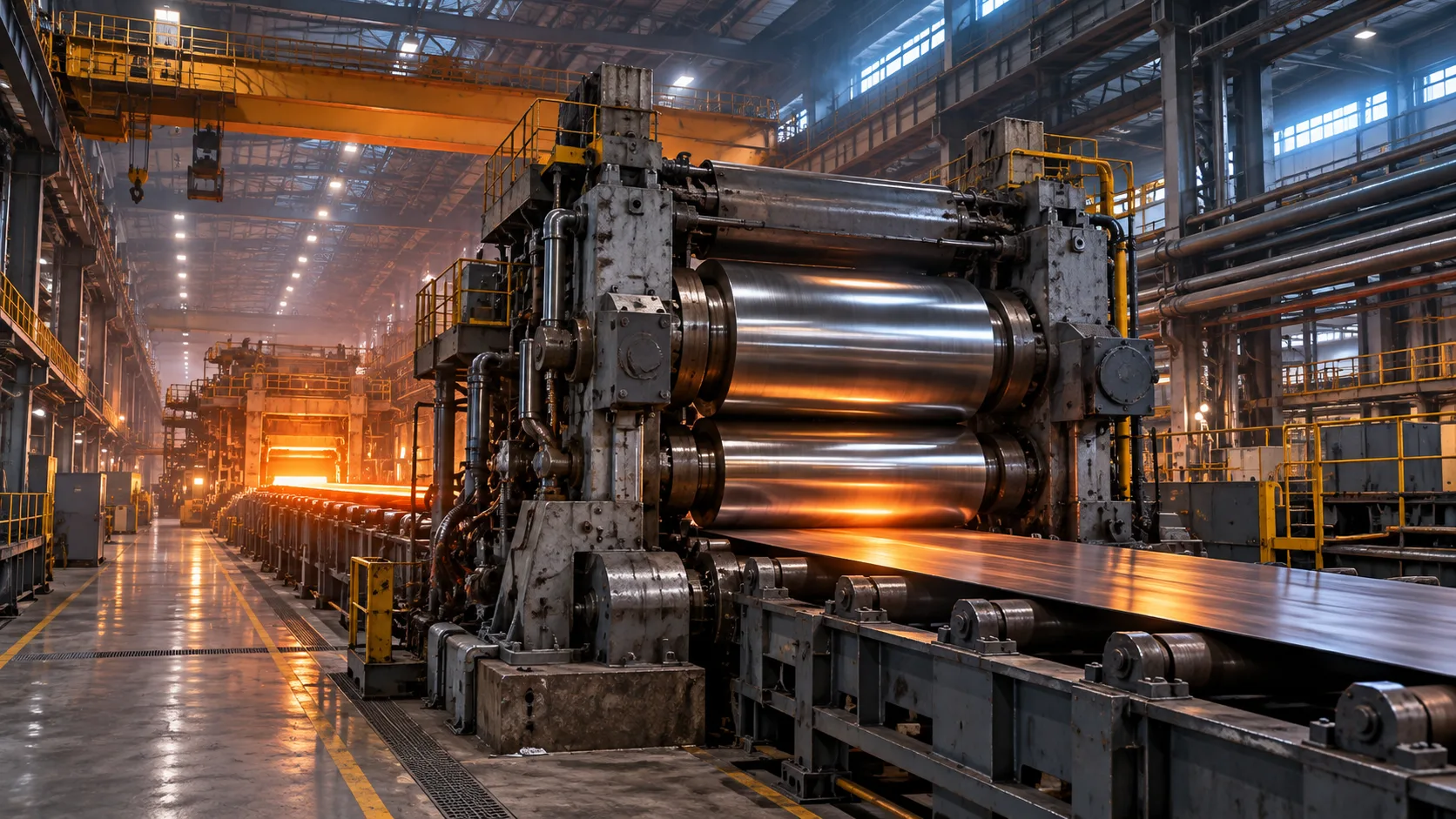
Document worn or chipped cavities and roll-surface damage before reviewing a deposited repair layer. Tungsten-carbide, cobalt-based and nickel-based material options require selection against the base material and service conditions.
Define the layer, dimensional allowance and final surface requirements, with the repair process and finishing responsibilities agreed for the part.
Identify the working surfaces to be hardened: roll bodies, mold forming surfaces or edges, guide rails and sliding surfaces. Provide the tool material and current condition with the intended surface requirement.
Agree hardness, distortion and inspection criteria; a laser-power choice is not a finished-tool specification.
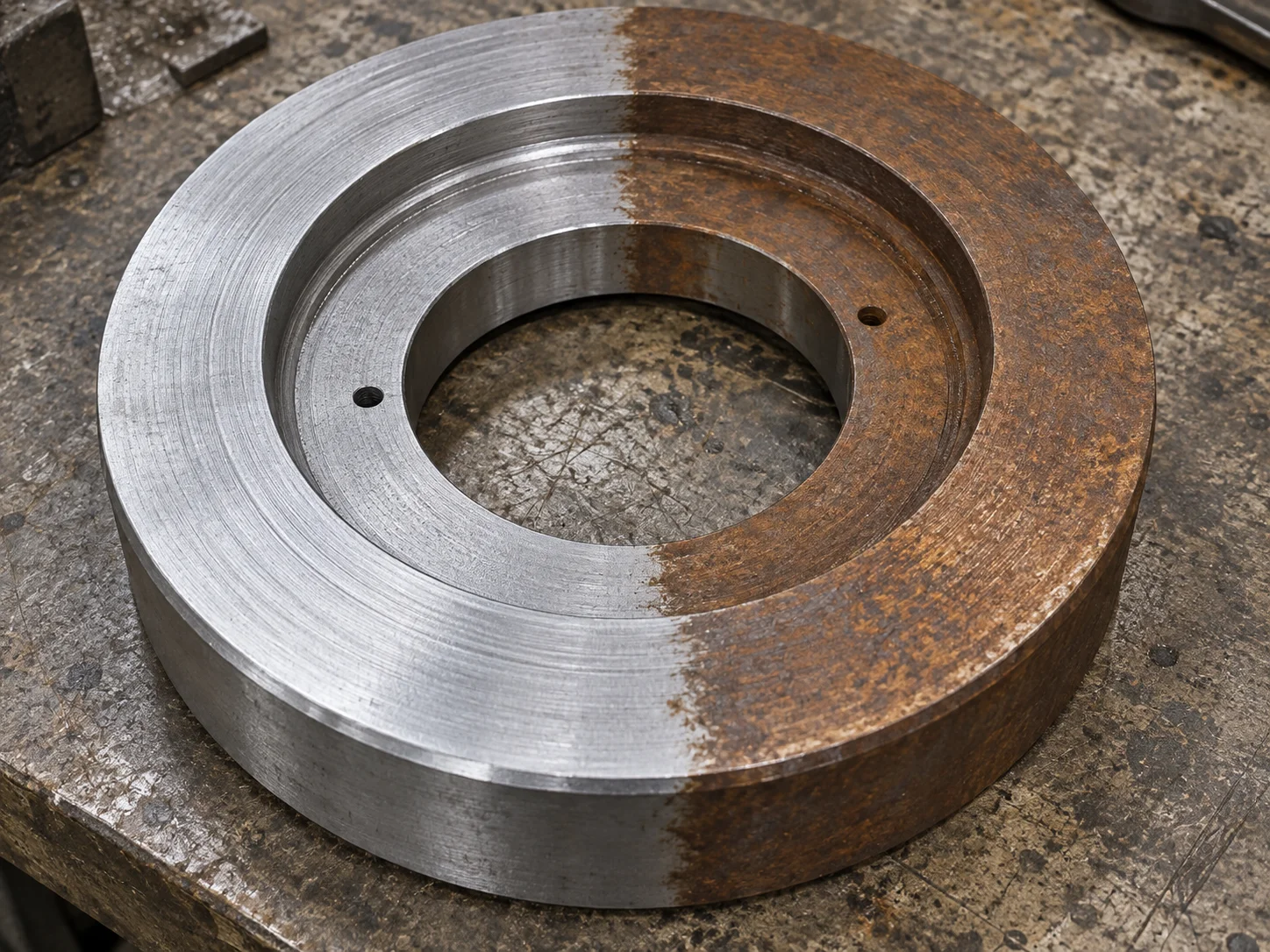
Describe rubber or release-agent residue on molds, or rust and oxide scale on rolls. Include surface geometry and the condition needed before welding, coating or returning the tool to use.
Evaluate removal on a representative surface and confirm what must remain unchanged beneath the residue.
Show cracks, missing material or the required texture and identification on the tool drawing. Treat these as separate process-review items and confirm the applicable equipment instead of assuming the related cleaning or cladding machine performs them all.
Define repair and finish acceptance for each operation, including any work outside the proposed machine supply.
Explore equipment for the processes above. Fixture and automation choices depend on your part geometry and production requirements.
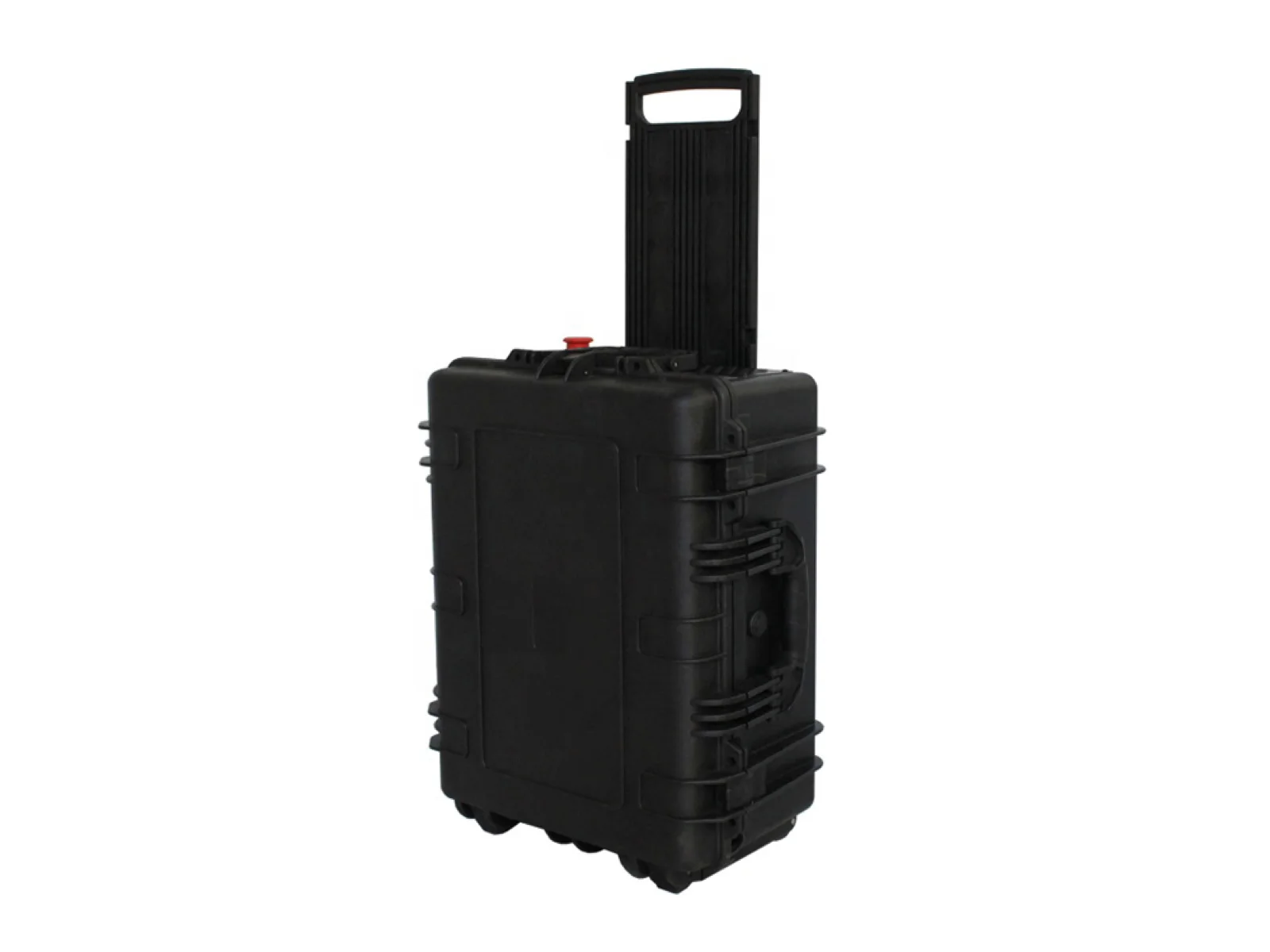
Backpack-format, multi-mode configuration within the pulsed laser cleaning range.
View details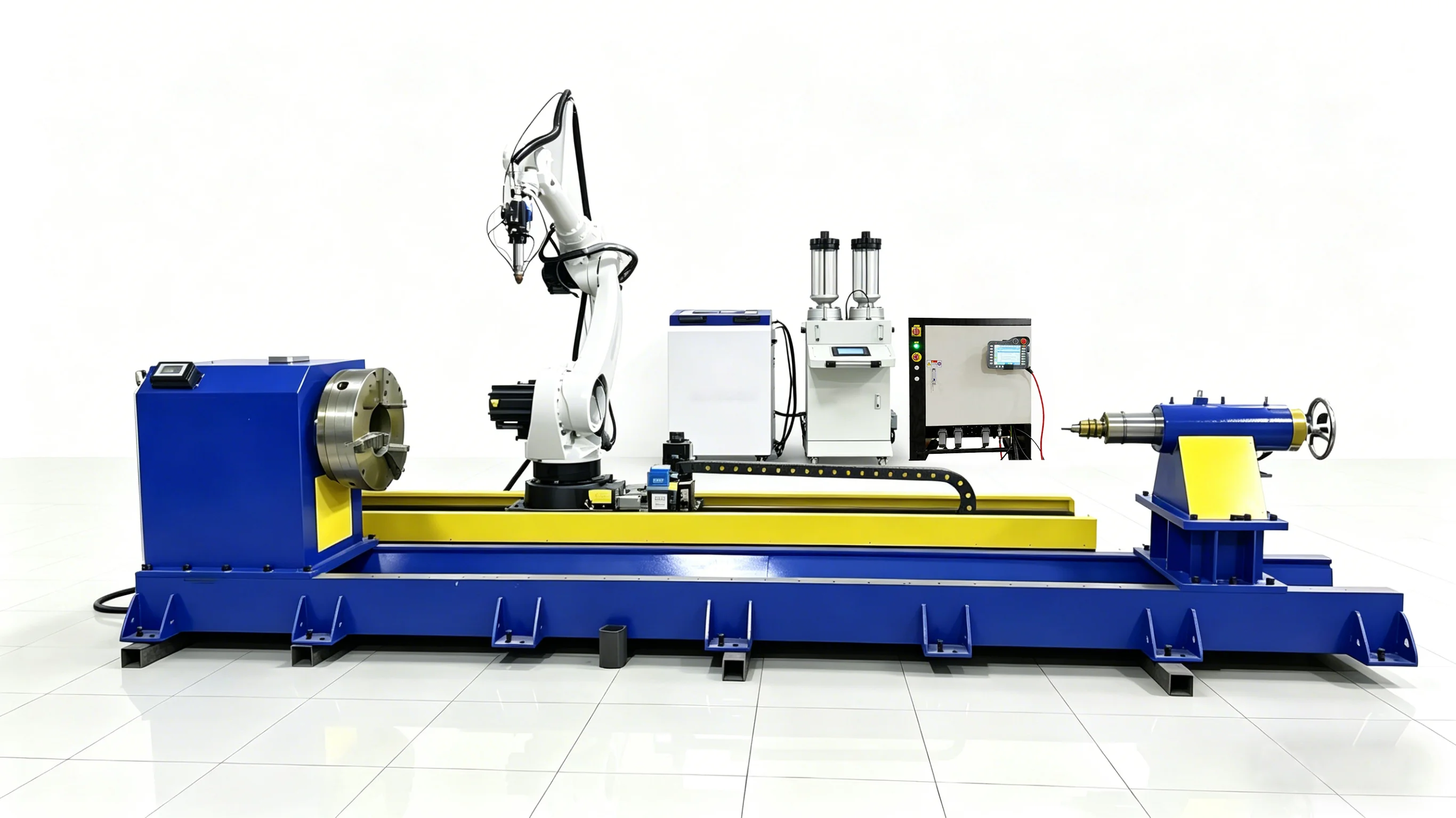
Internal-wall cladding configuration for pipes, cylinders, sleeves and other rotational parts.
View details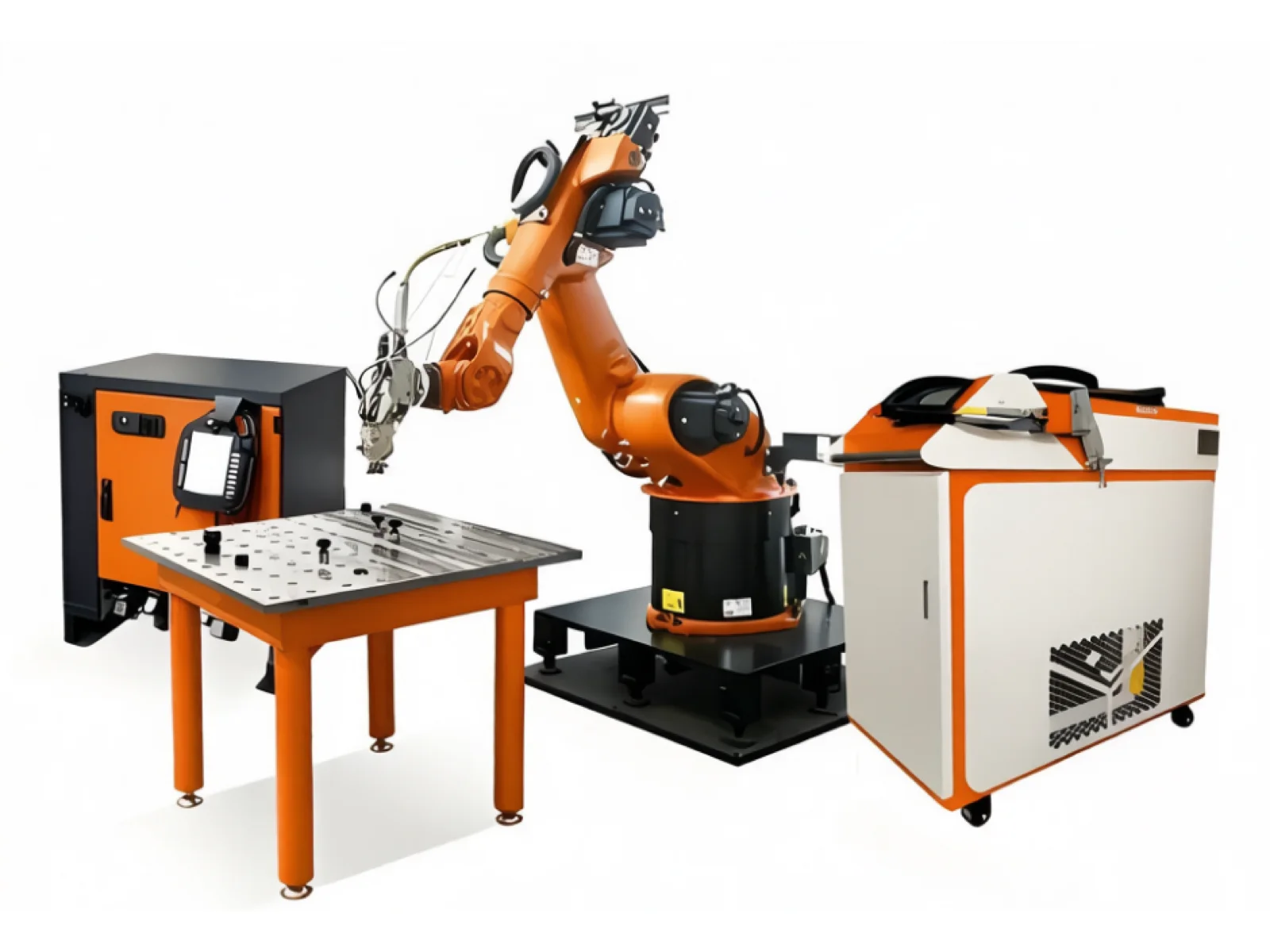
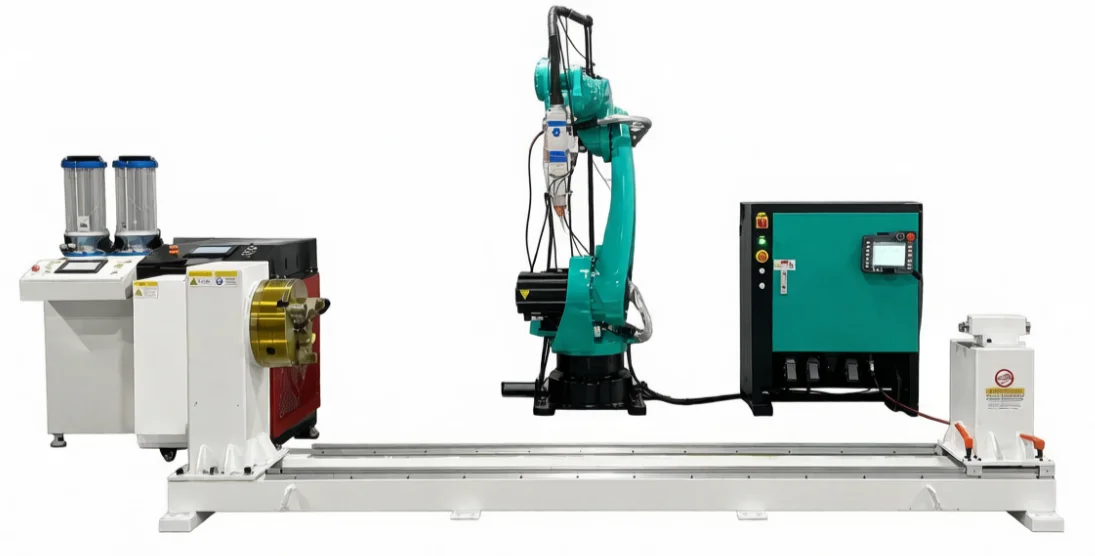
Combined cladding and hardening configuration for repair and localized surface strengthening.
View detailsRebuild worn mold cavities and roll surfaces using tungsten-carbide, cobalt-based or nickel-based cladding materials.
Harden roll bodies, mold forming surfaces and edges, guide rails and sliding surfaces.
Remove rubber and release-agent residues, rust and oxide scale, and prepare surfaces for welding or coating.
Weld mold cracks and missing material, with laser texturing and identification marking for tooling surfaces.
Cleaning removes residue or an existing surface layer. If material is missing or dimensions are worn, review a repair process and its finishing allowance separately; removing contamination does not rebuild the component.
Cladding adds a deposited layer selected for the repair or working surface. Hardening treats the existing material without a cladding deposit. Material, damage and final requirements determine which process should be reviewed.
Provide tool material, drawings, overall dimensions, cavity or surface access, photographs and the depth or extent of damage. Include target dimensions, hardness, finish and operating conditions where relevant.
No. Related equipment has its own process and geometry limits. Confirm the configuration for the required operation; an internal-wall machine, for example, should not be assumed suitable for every external roll surface.
No. These are process and inspection requirements for the actual material and geometry. Define acceptance and any downstream finishing before selecting the machine package.
Request a quote
Describe your mold or roll, base material, dimensions and production requirements. Include the worn or damaged area, surface condition and the repair, cleaning or strengthening process you need.