
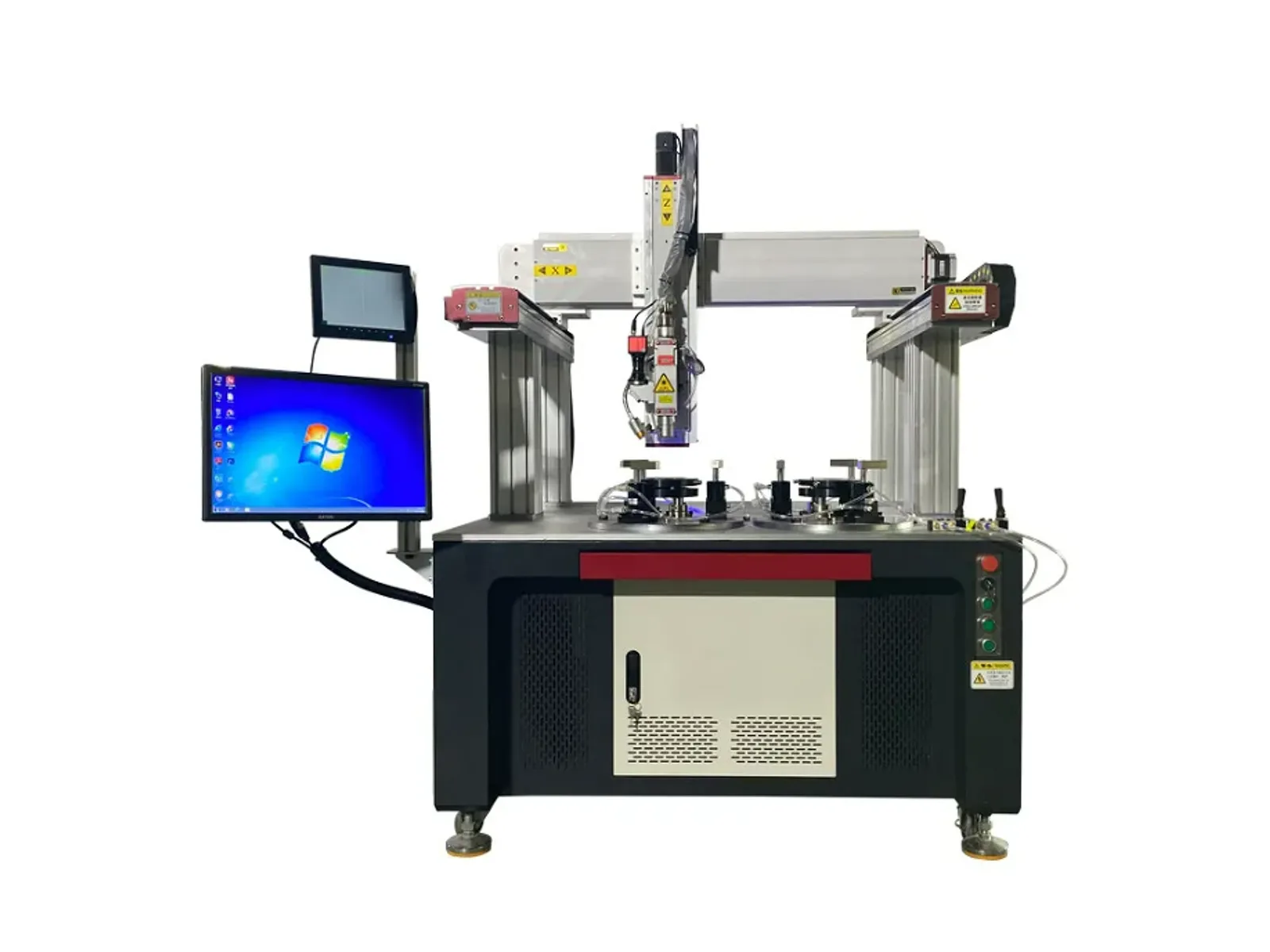
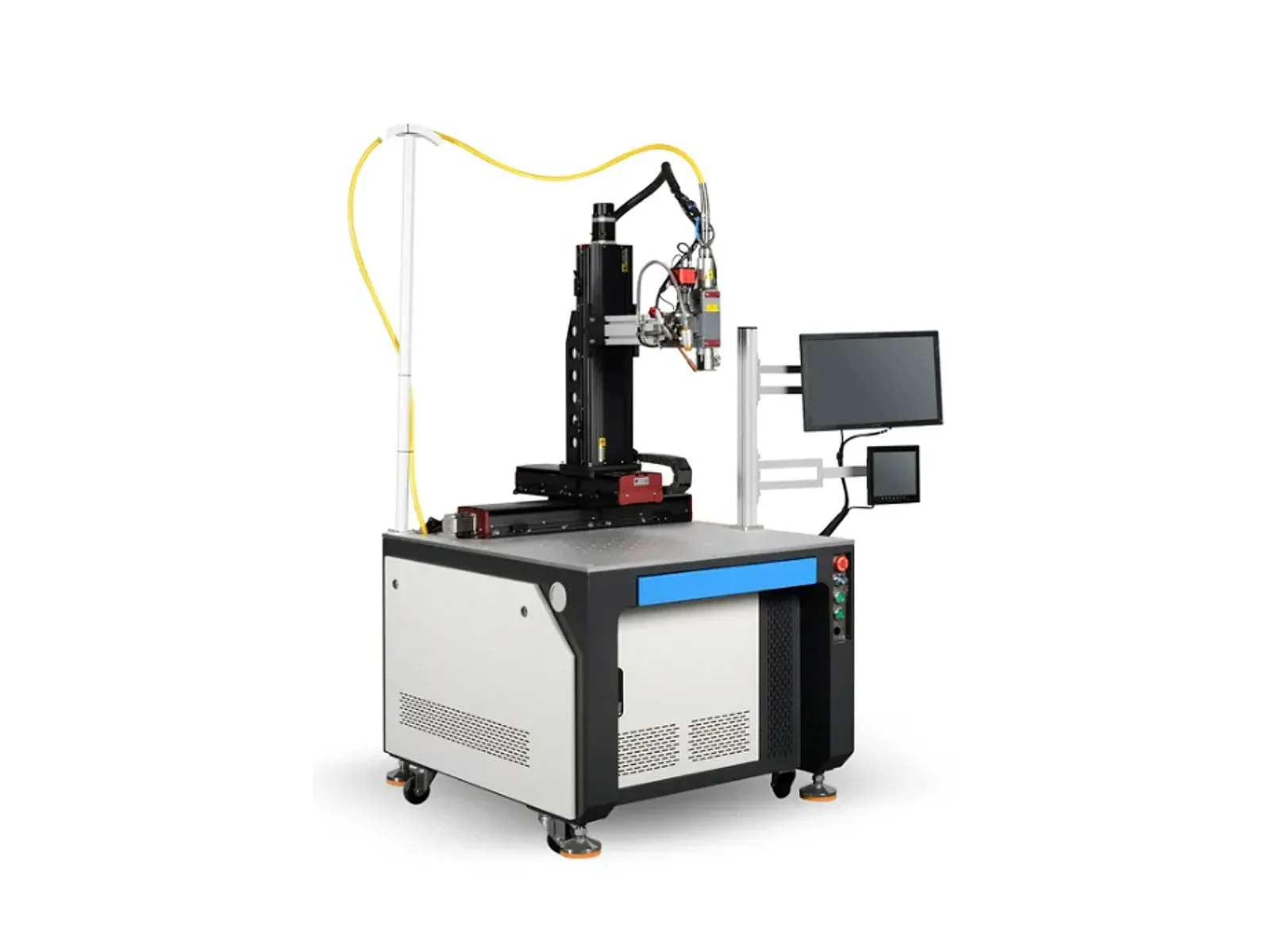
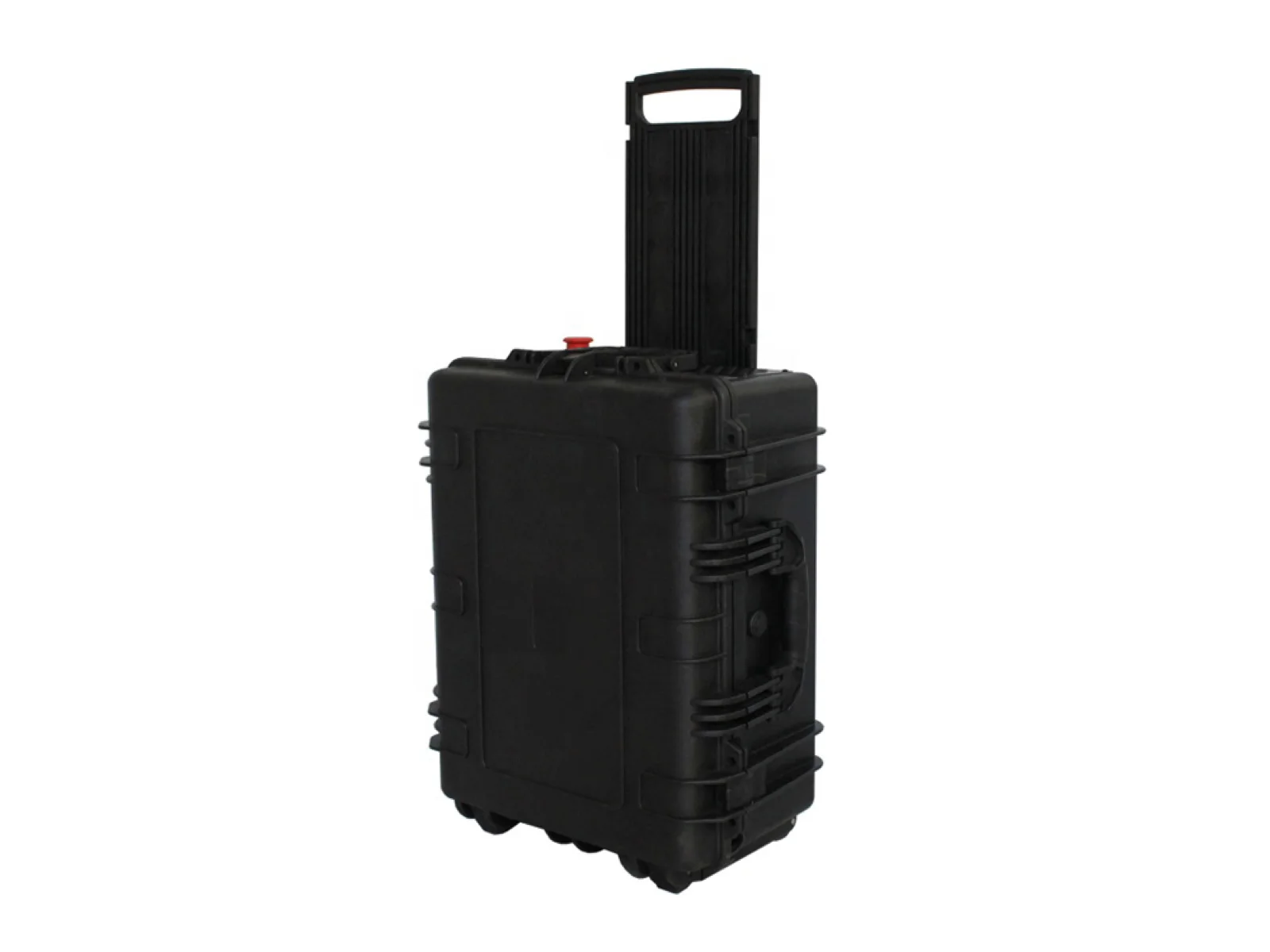
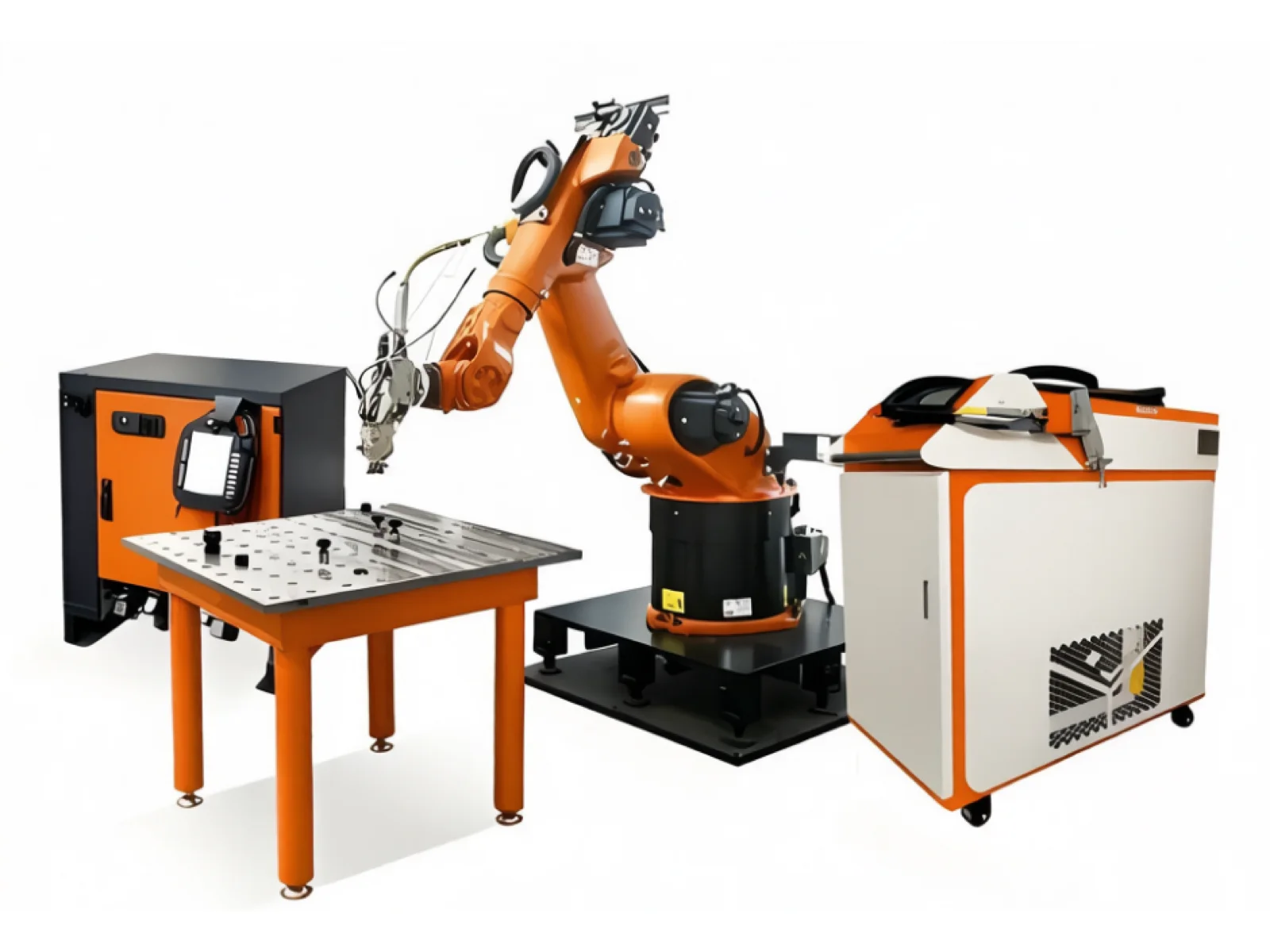
Dual-process configuration
Laser Cladding and Hardening Machine
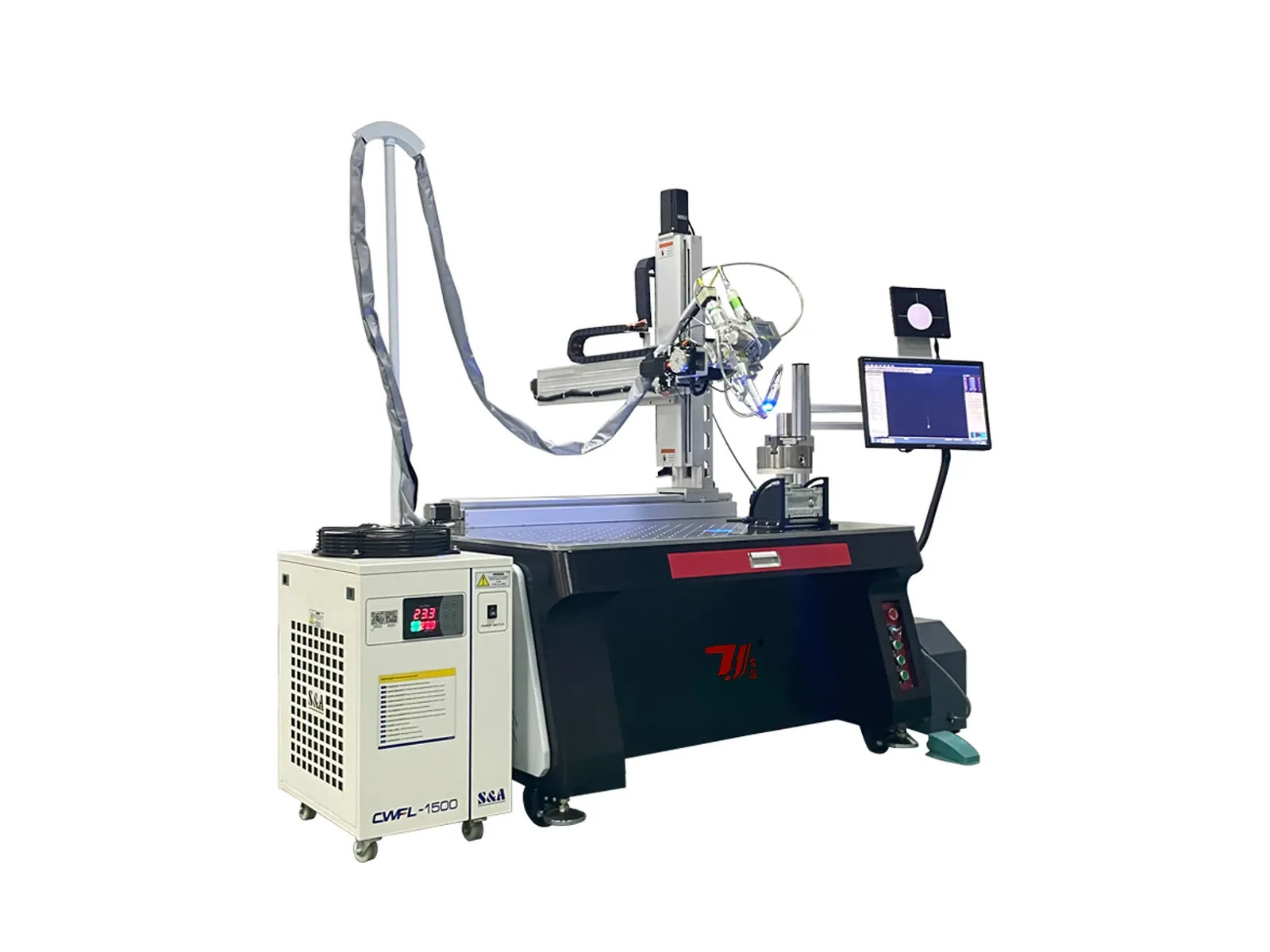
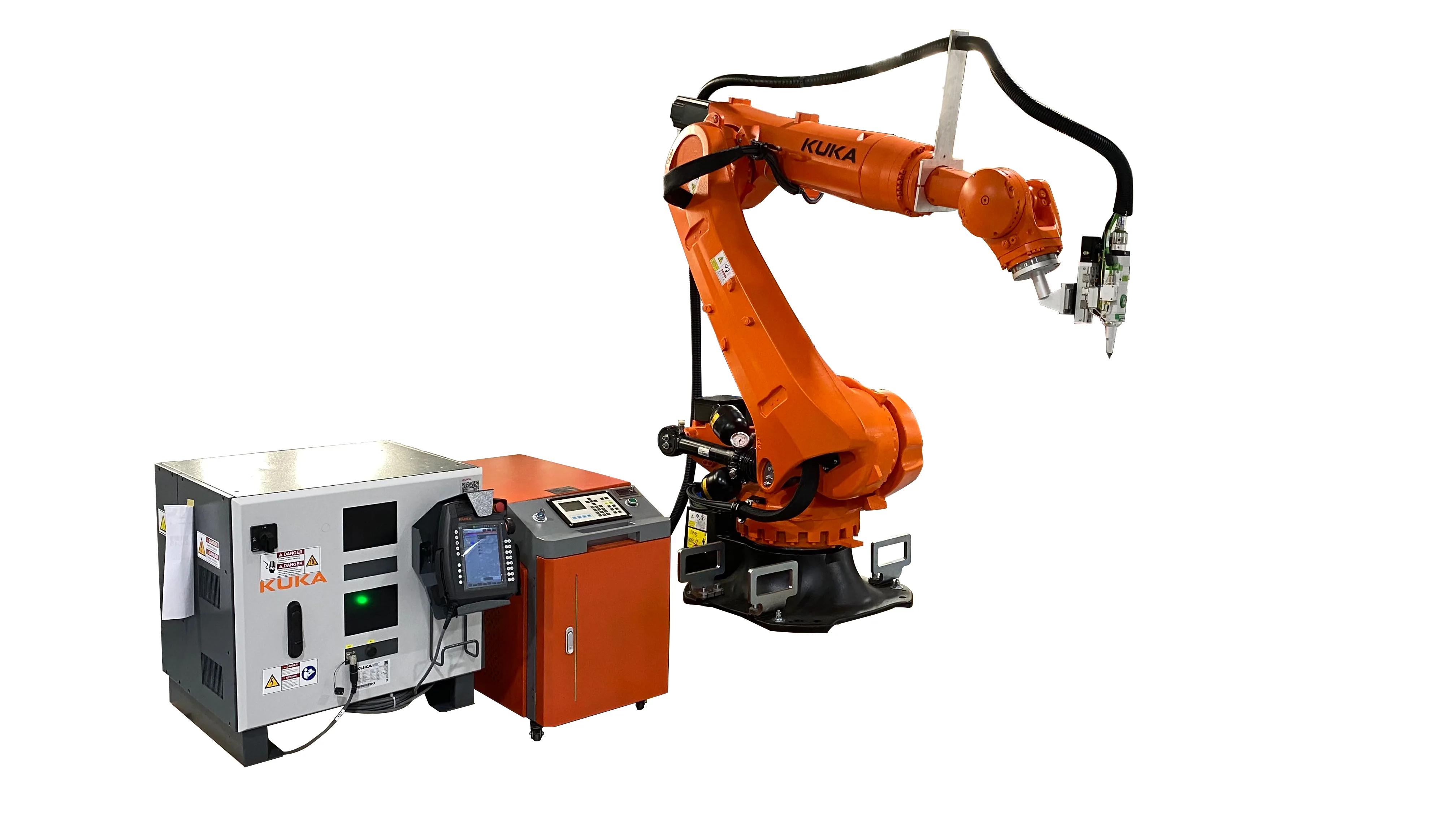
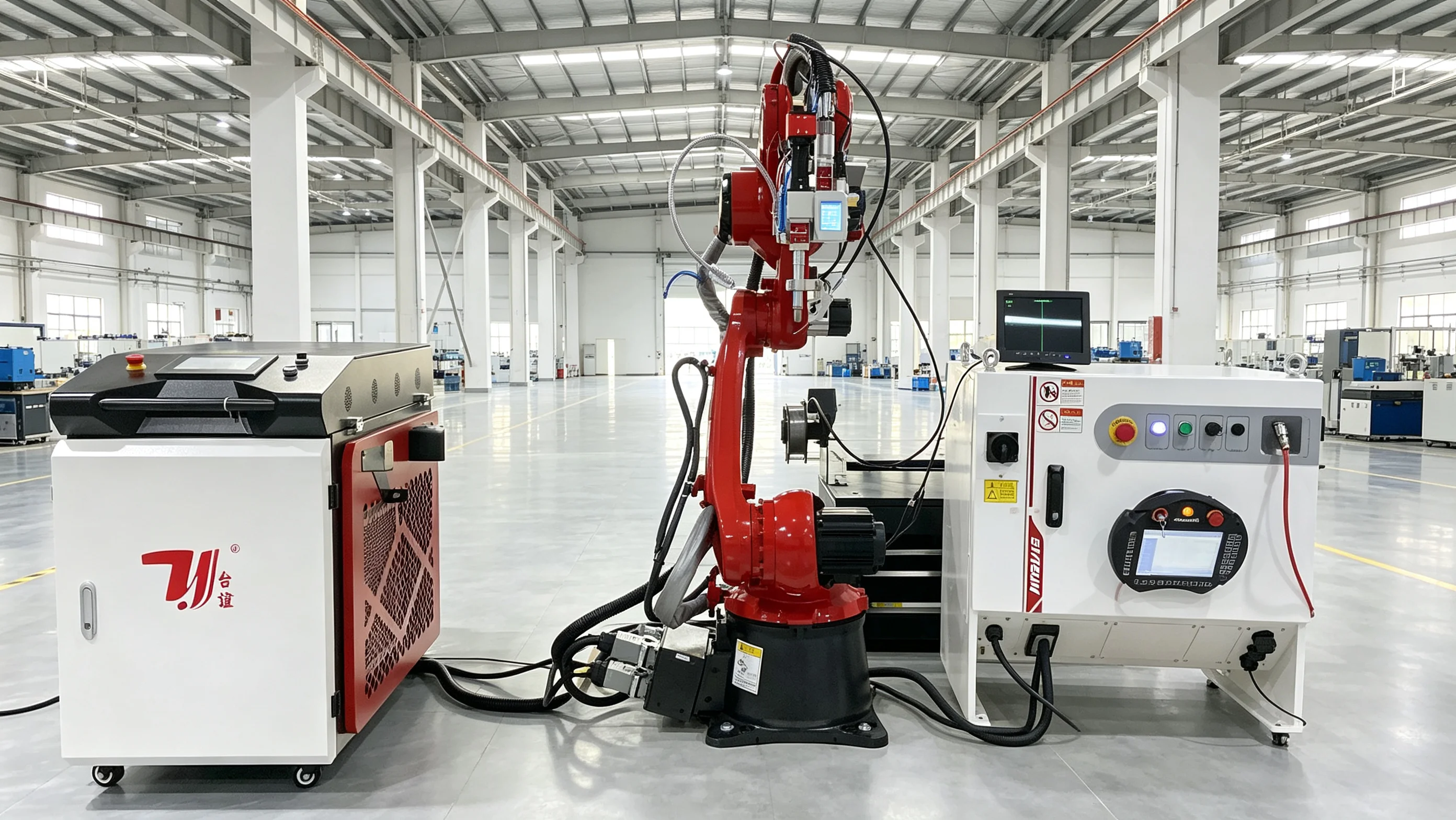
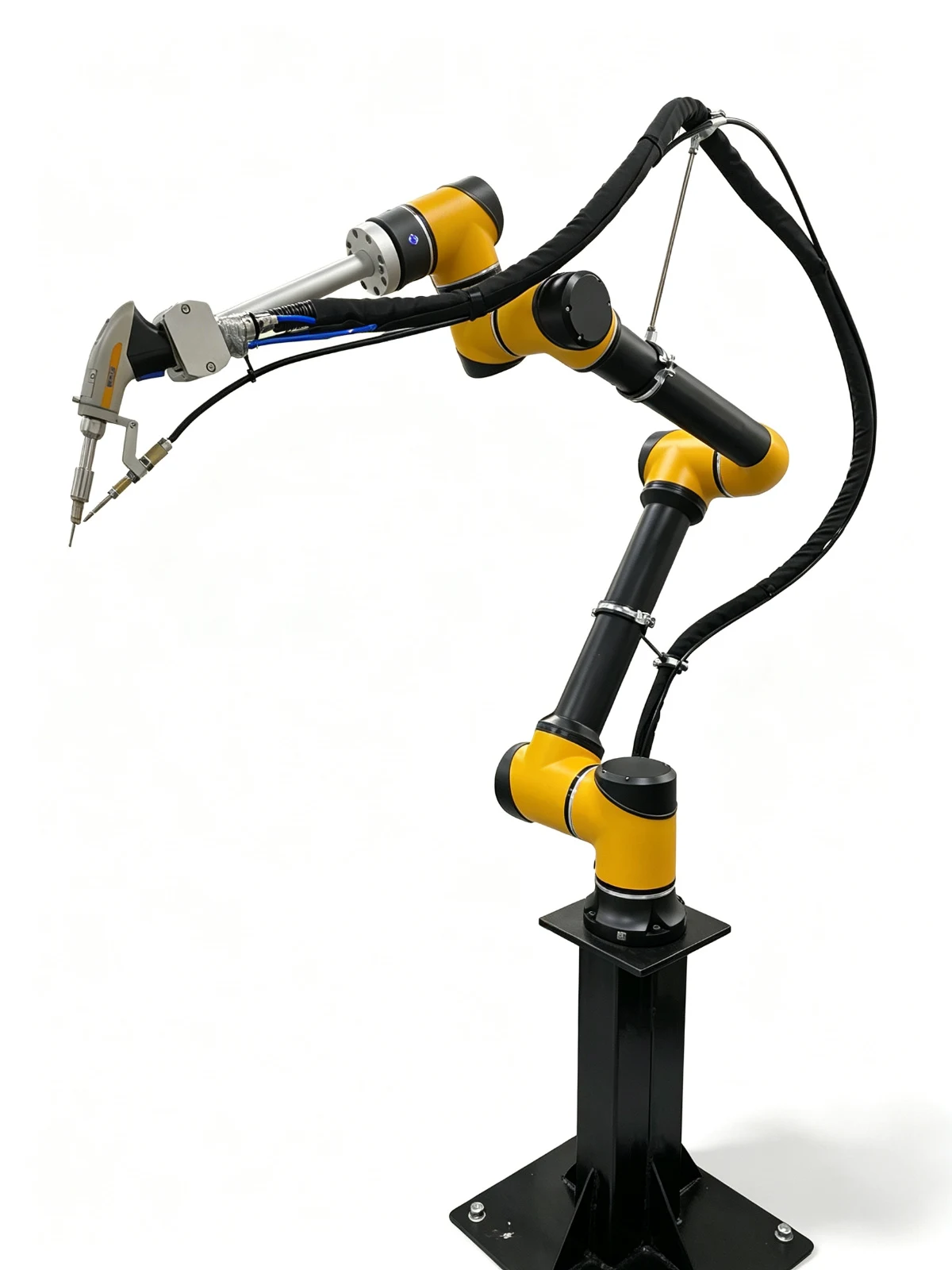
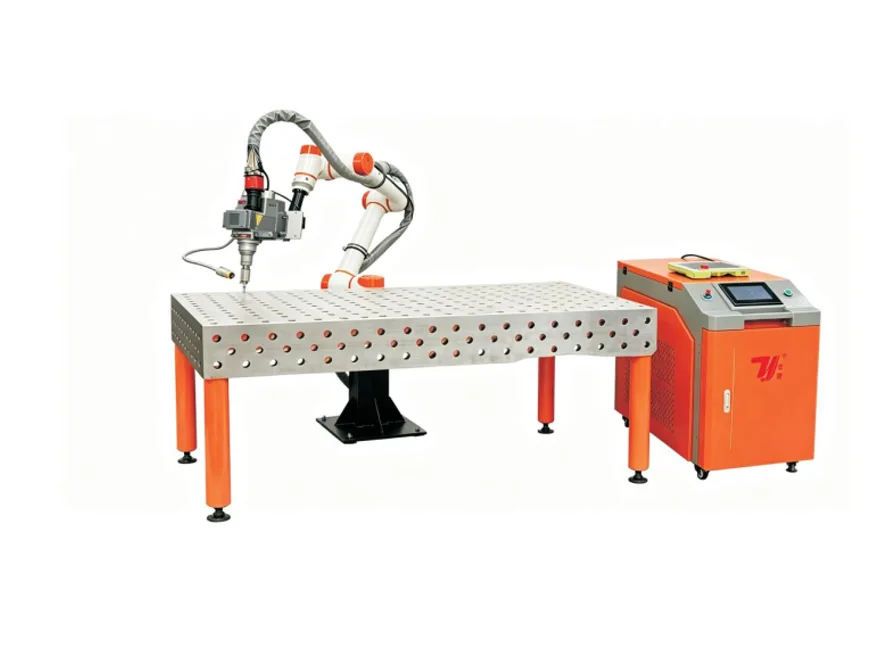
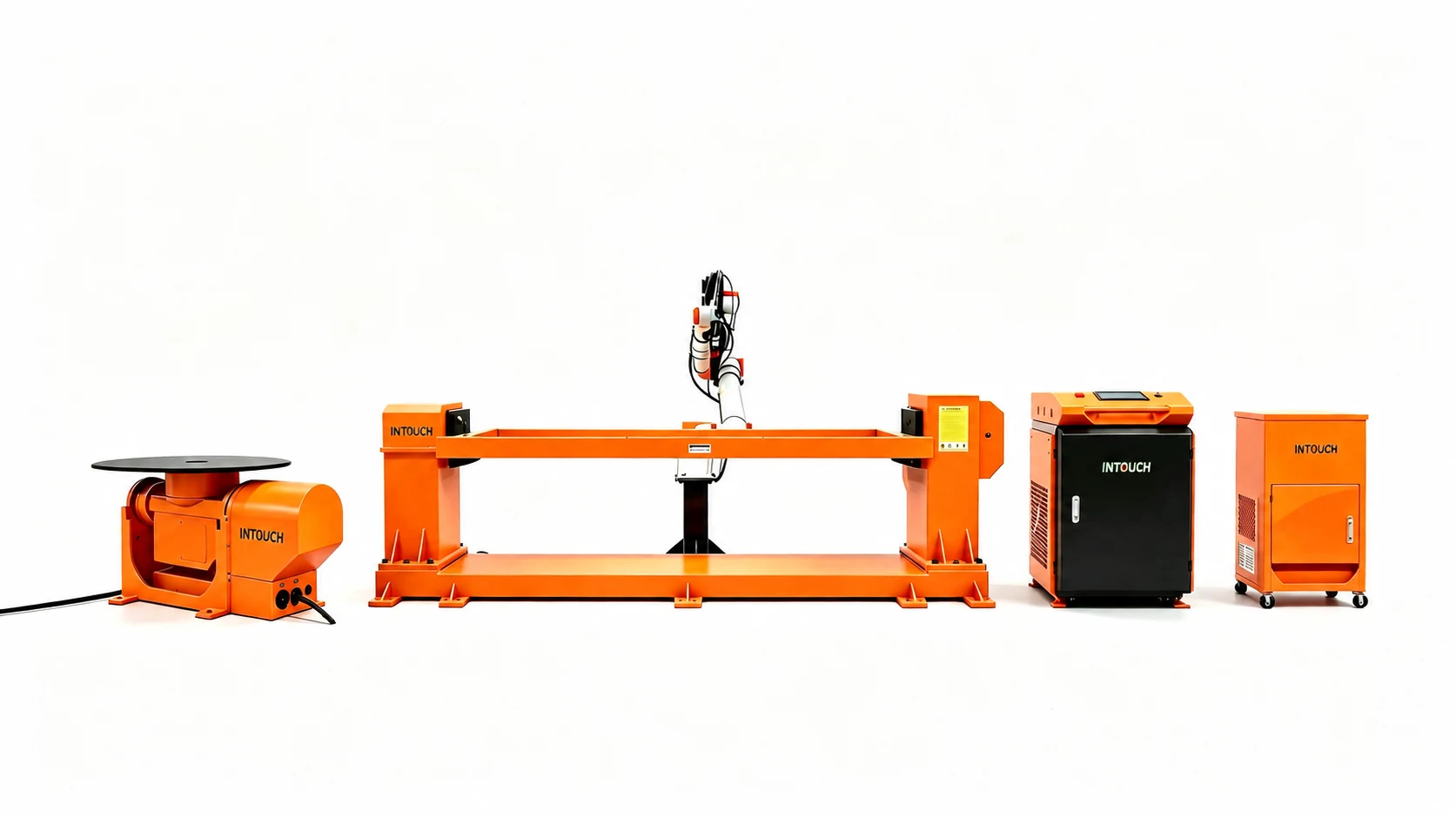
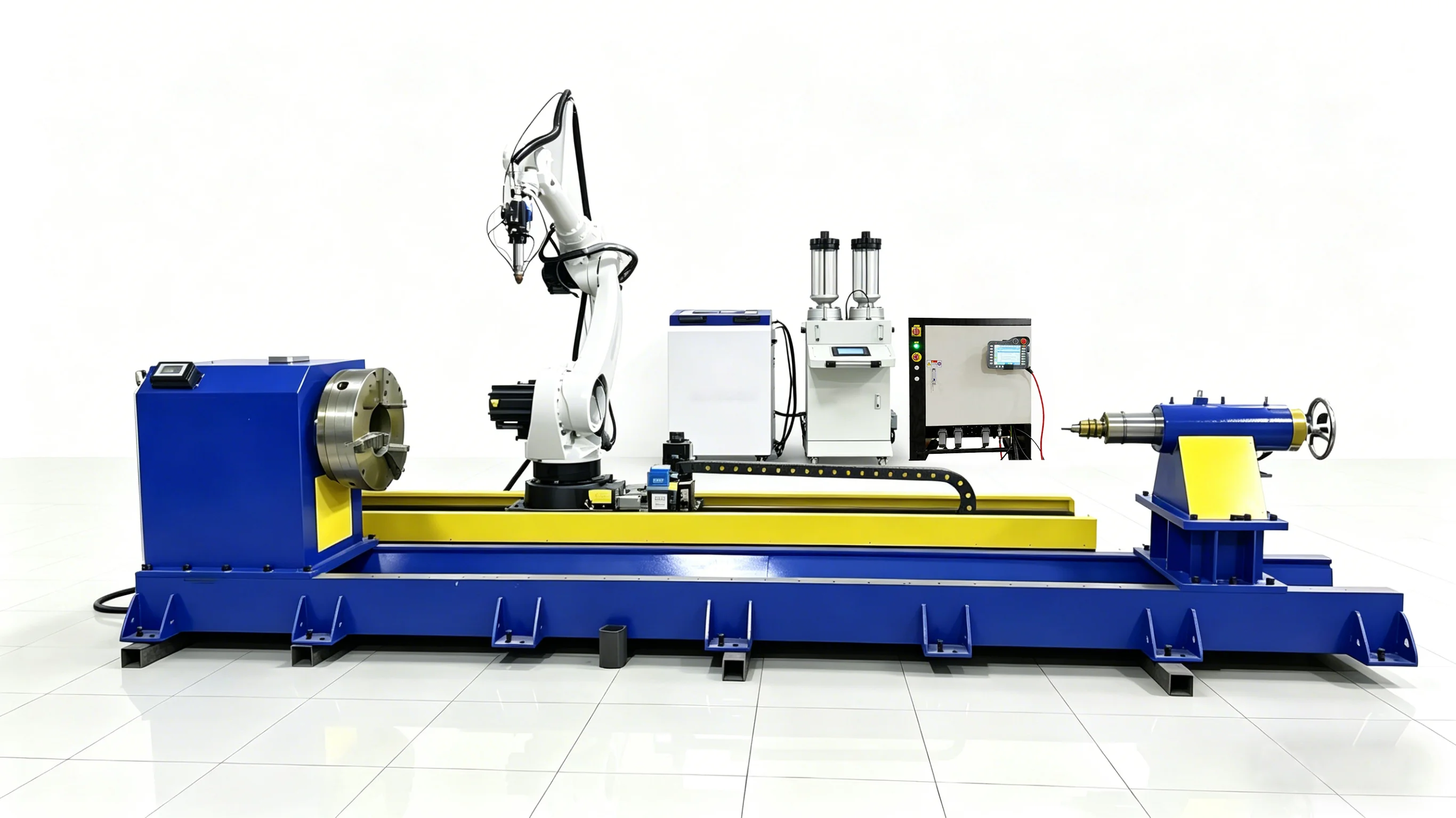
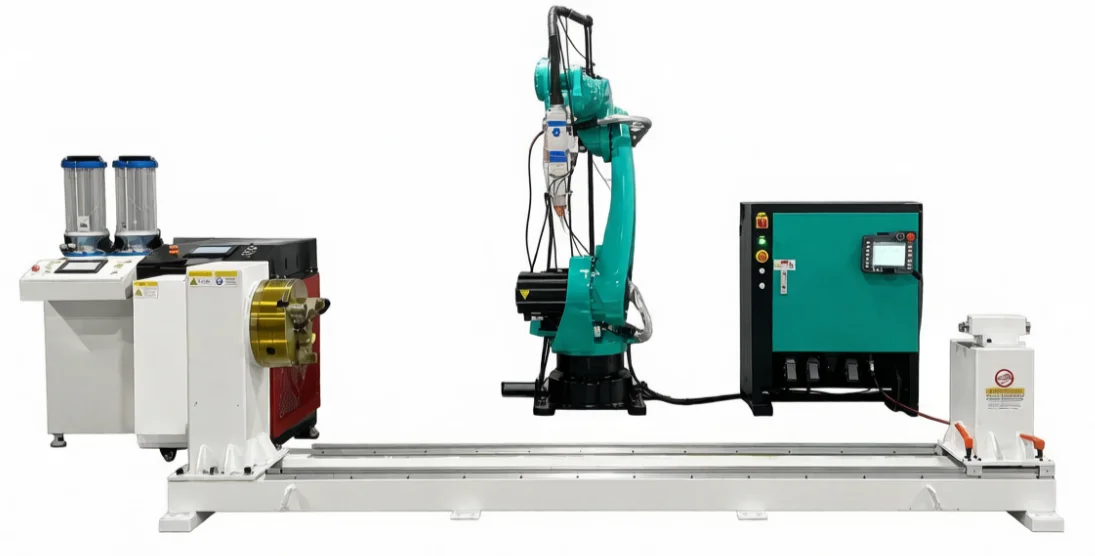
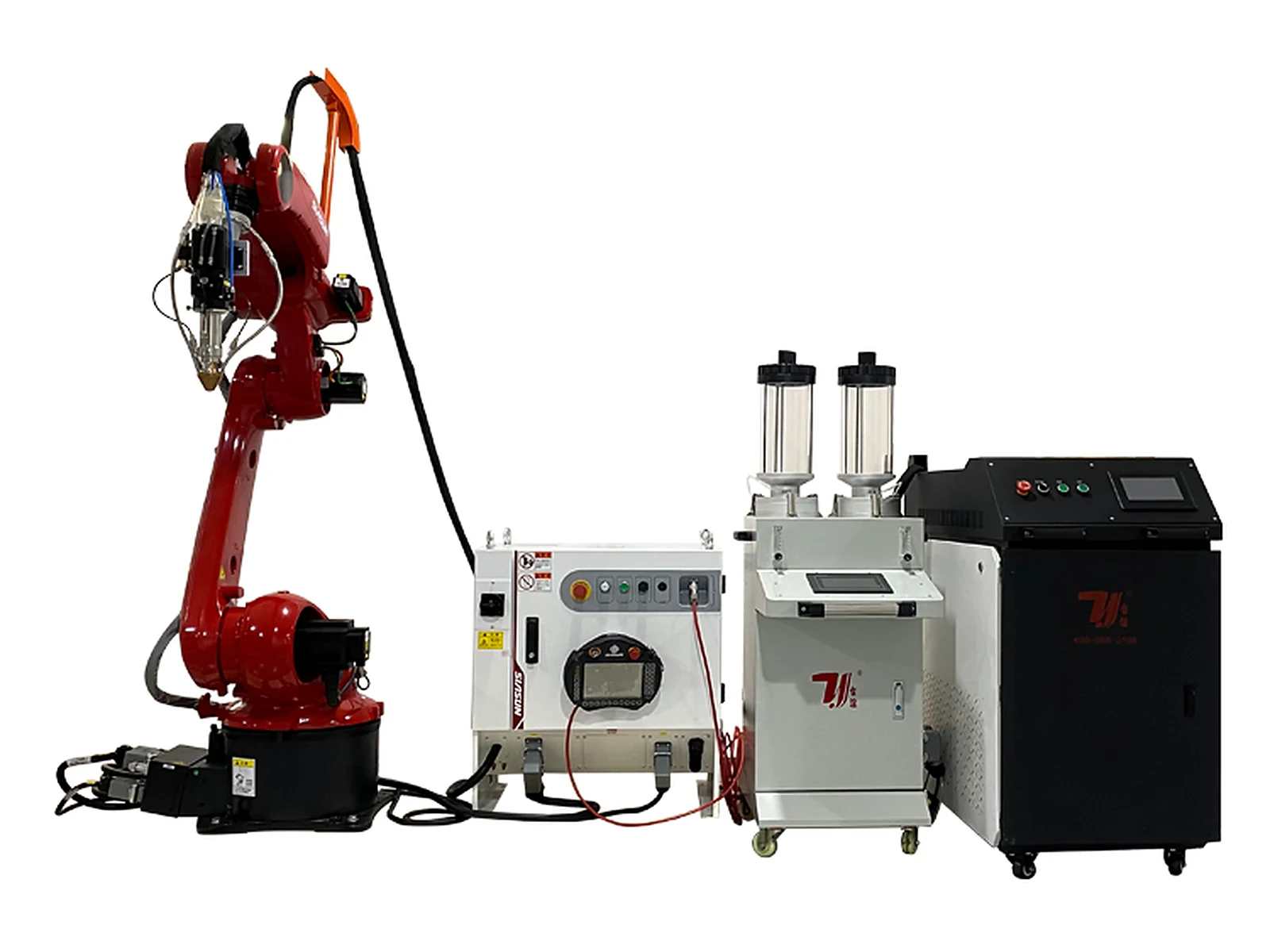
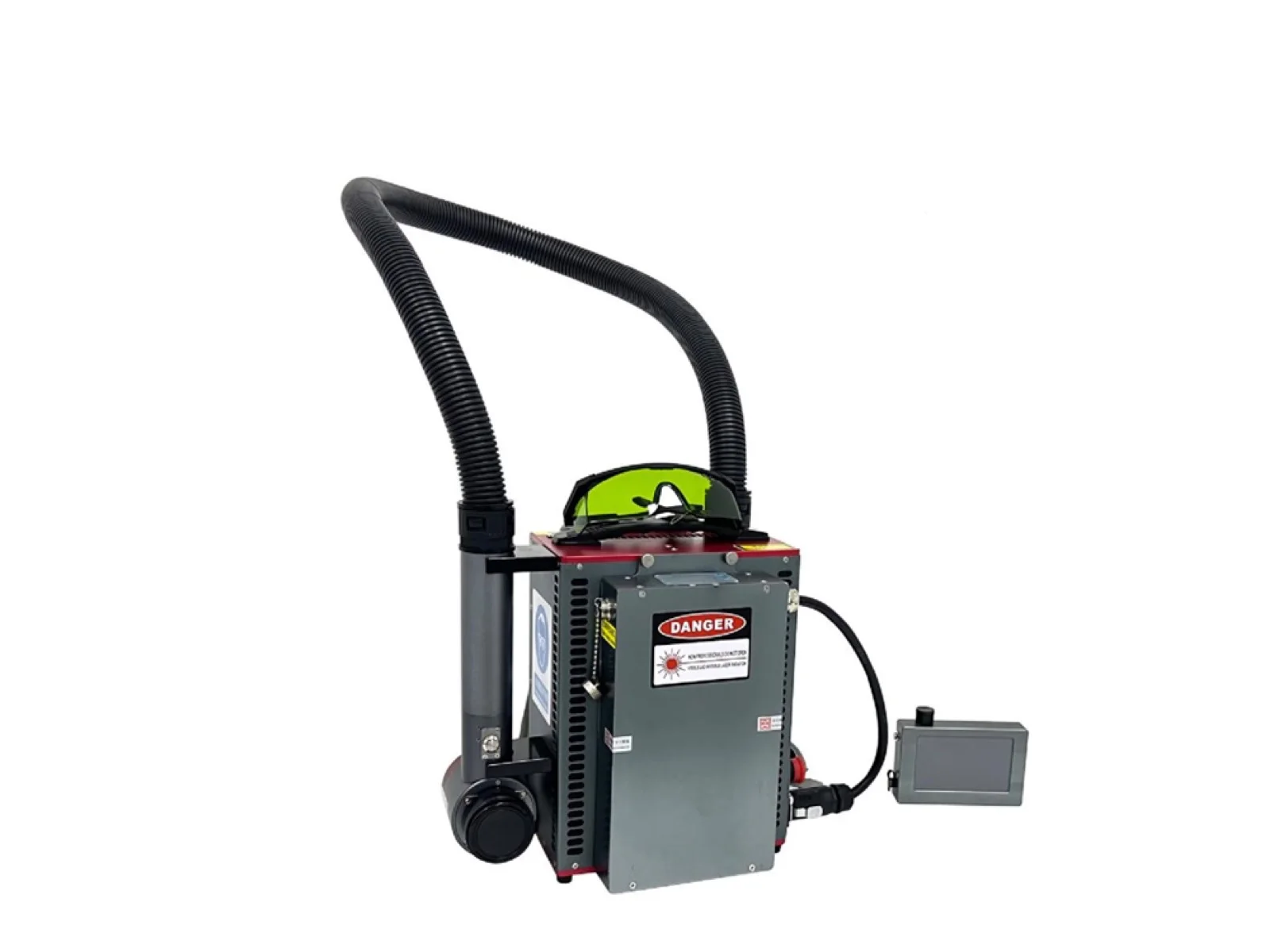
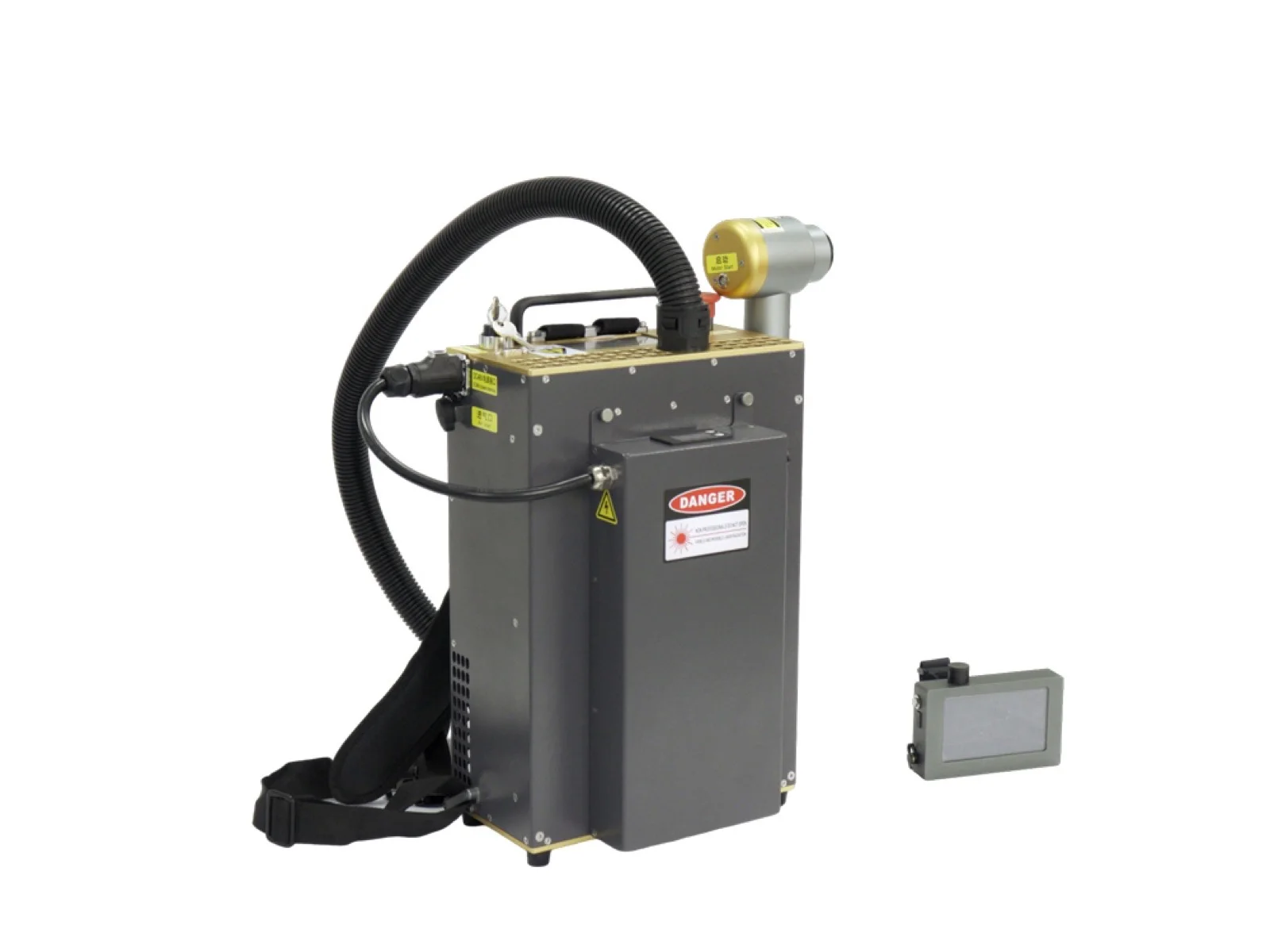
This TY-RF5018 configuration supports laser cladding for deposited-layer repair and laser hardening for localized surface treatment. Define which regions need each process, then configure the head, six-axis motion and workholding around those zones.
Whole-machine warranty: 2 years · Final price and delivery timing depend on the part and material, cladding and hardening scope, laser power, process head, robot reach, workholding, guarding, extraction and installation scope.
Specifications
TY-RF5018 cladding and hardening configuration data
TY-RF5018 system
- Series
- TY-RF5018
- Process modes
- Laser cladding / laser hardening
- Robot structure
- 6-axis industrial robot
- Listed laser power
- 3,000 / 6,000 / 12,000 W
- Positioning accuracy
- ±0.05 mm / ±0.002 in
- Listed robot reach
- 1,800-2,100 mm / 70.87-82.68 in, optional
Optical and process package
- Laser type
- Fiber laser
- Laser wavelength
- 1,080 ±5 nm
- Fiber-core diameter
- 600 μm
- Listed cladding thickness
- 0.5-2 mm / 0.020-0.079 in
- Process head
- Selected for cladding and hardening requirements
- Control
- PLC with teach or offline programming
Utilities and project scope
- Power supply
- 380 V ±5%, 50/60 Hz
- Cooling
- Water cooling
- Operating temperature
- 0-50°C / 32-122°F
- Workholding
- Configured around the submitted part
- Process acceptance
- Final values confirmed through part and sample review
- Warranty
- 2 years for the whole machine
Use one configured cell for repair and localized hardening
Two processes in one configured cell
The equipment package supports laser cladding for additive repair and laser hardening for localized surface strengthening, with the process selected by treatment zone.
Additive cladding repair
Laser cladding deposits the selected material onto worn, corroded or undersized regions and creates a metallurgical bond with the base material.
Localized laser hardening
The laser rapidly heats the selected surface above its phase-transition point, followed by self-cooling through heat conduction in the component without a separate quenching medium.
Six-axis path access
Robot motion supports programmed treatment around accessible faces, edges and curved regions while maintaining the required head orientation.
Process head and workholding selection
The process head, robot reach, fixture, worktable or positioner are defined against the part geometry and the cladding and hardening areas.
Sample-based project review
Part drawings, material, current condition and target result are reviewed before trials establish the final process window and acceptance criteria.
From process split to sample acceptance
Each surface region is assigned to cladding or hardening before the laser package, robot access, workholding and acceptance plan are fixed.
- 01
Part drawing and treatment-zone review
- 02
Base-material and surface-condition check
- 03
Cladding and hardening regions defined
- 04
Target repair layer or hardening requirement agreed
- 05
Laser power and process-head selection
- 06
Robot reach and workholding verification
- 07
Process trial and sample acceptance
- 08
Guarding, utilities and installation confirmation
Parts that need both restoration and surface strengthening
Feasibility depends on material, current condition, treatment-zone access, heat input, robot motion and workholding. The part name alone is not enough.
Other laser cladding configurations
TY-RF5018
Review the wider TY-RF5018 series and its robot, workholding and process-package options.
Robot laser claddingTY-RF5018
A dedicated robot configuration for programmed cladding repair on external and complex surfaces.
Internal-wall claddingTY-RF5018
A dedicated configuration for accessible internal surfaces of pipes, cylinders and sleeves.
Related industry solutions
Explore the applications and laser processes connected to this equipment.
View all industry solutions
Separate material restoration from surface hardening
Mark the objective for each treatment zone
Cladding adds material to a selected repair region; laser hardening treats the existing surface. Label the areas needing dimensional restoration separately from those with a hardening requirement so the project does not substitute one result for the other.
Review the material and process changeover
Supply the base material and current condition for each region. The process heads, motion paths and any changeover work need to be defined in the proposal; a dual-process configuration does not establish simultaneous processing or automatic head exchange.
Agree separate acceptance criteria
For cladding, specify the target layer and final repair dimensions. For hardening, state the required hardness and treatment depth for review. The listed cladding thickness is not a hardening-depth specification, and no universal hardness result follows from the selected laser power.
Machine selection questions
What is the difference between cladding and hardening?
Cladding deposits material for restoration or surface strengthening. Laser hardening treats the existing surface without adding a repair layer. The base material and intended result determine which process is appropriate for each zone.
Can hardening restore a worn dimension?
Hardening does not add the missing repair material. If dimensional restoration is required, define the cladding scope and any finishing requirements separately from the hardening objective.
Does one cell perform both processes at the same time?
The configuration supports two process types, but their sequence and any head changes must be agreed for the project. Simultaneous processing and automatic changeover are not specified here.
Is the listed 0.5–2 mm range a hardening depth?
No. That is the listed cladding-layer range. Hardening depth and hardness require a separate material and sample review against the requested acceptance criteria.
What should a dual-process quotation brief include?
Provide the part drawing, base material, current condition and clearly marked cladding and hardening zones. State the target layer, final dimensions, hardness or depth requirements and expected output for review.
Request a quote
Tell us the part. We will tell you the machine.
Price depends on the part and material, current condition, cladding and hardening zones, target result, laser power, process head, robot reach, fixture or positioner, guarding, extraction and installation scope.
- Phone+86 153 6281 4831
- Emailsales02@taiyilaser.com
- WhatsApp+86 153 6281 4831