
Rotary circular-seam welding
Bellows Laser Welding Machine
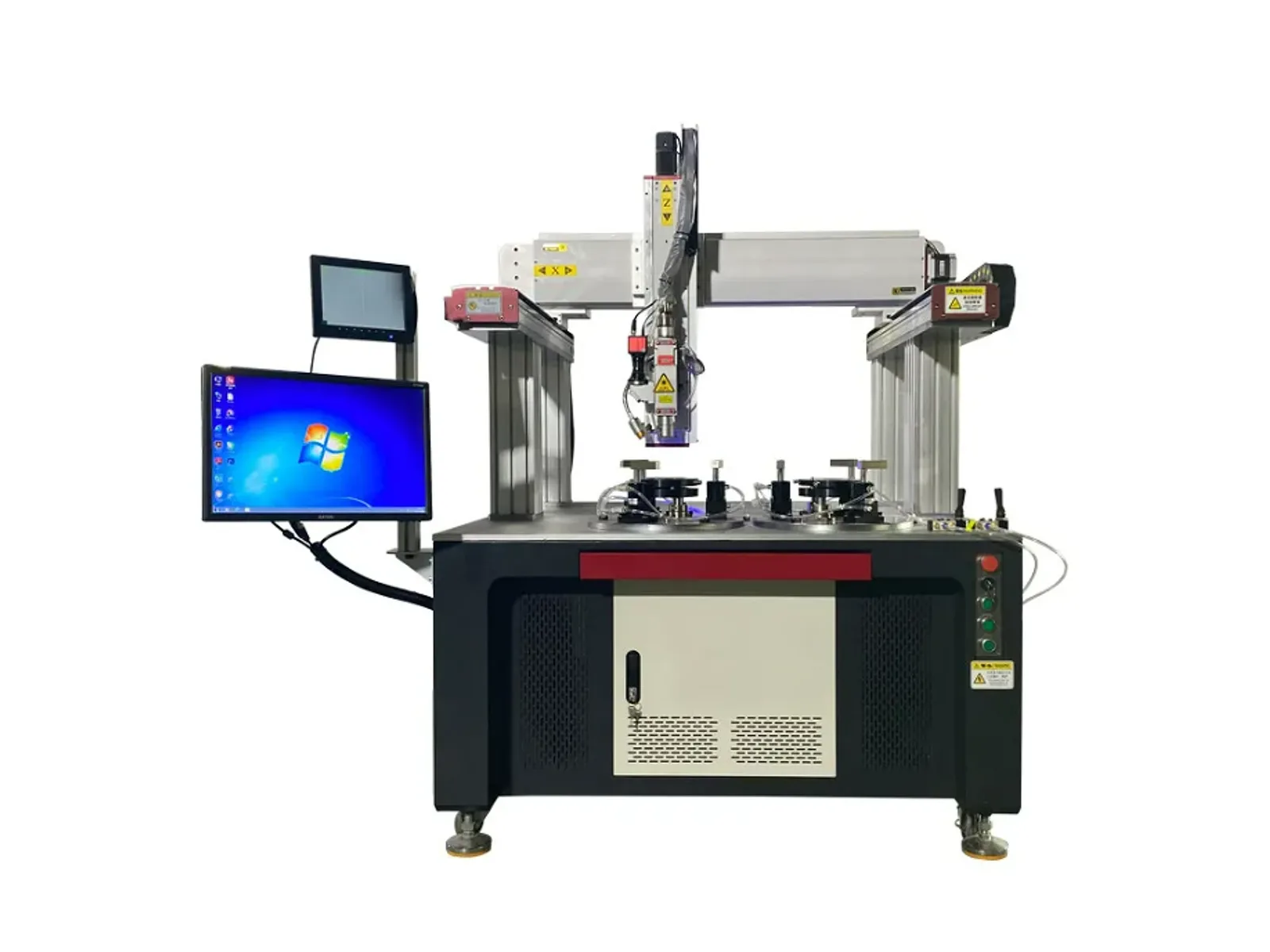
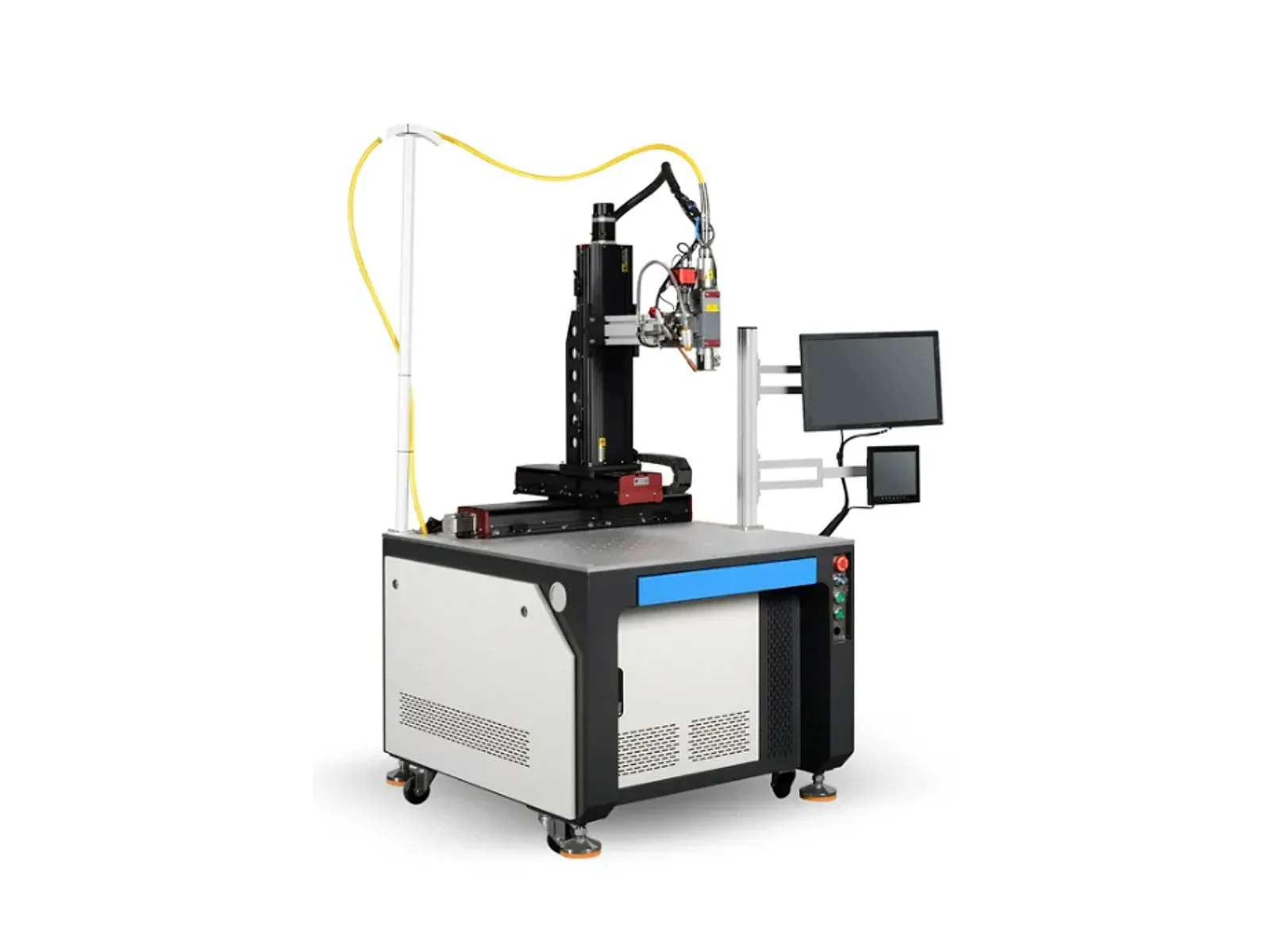
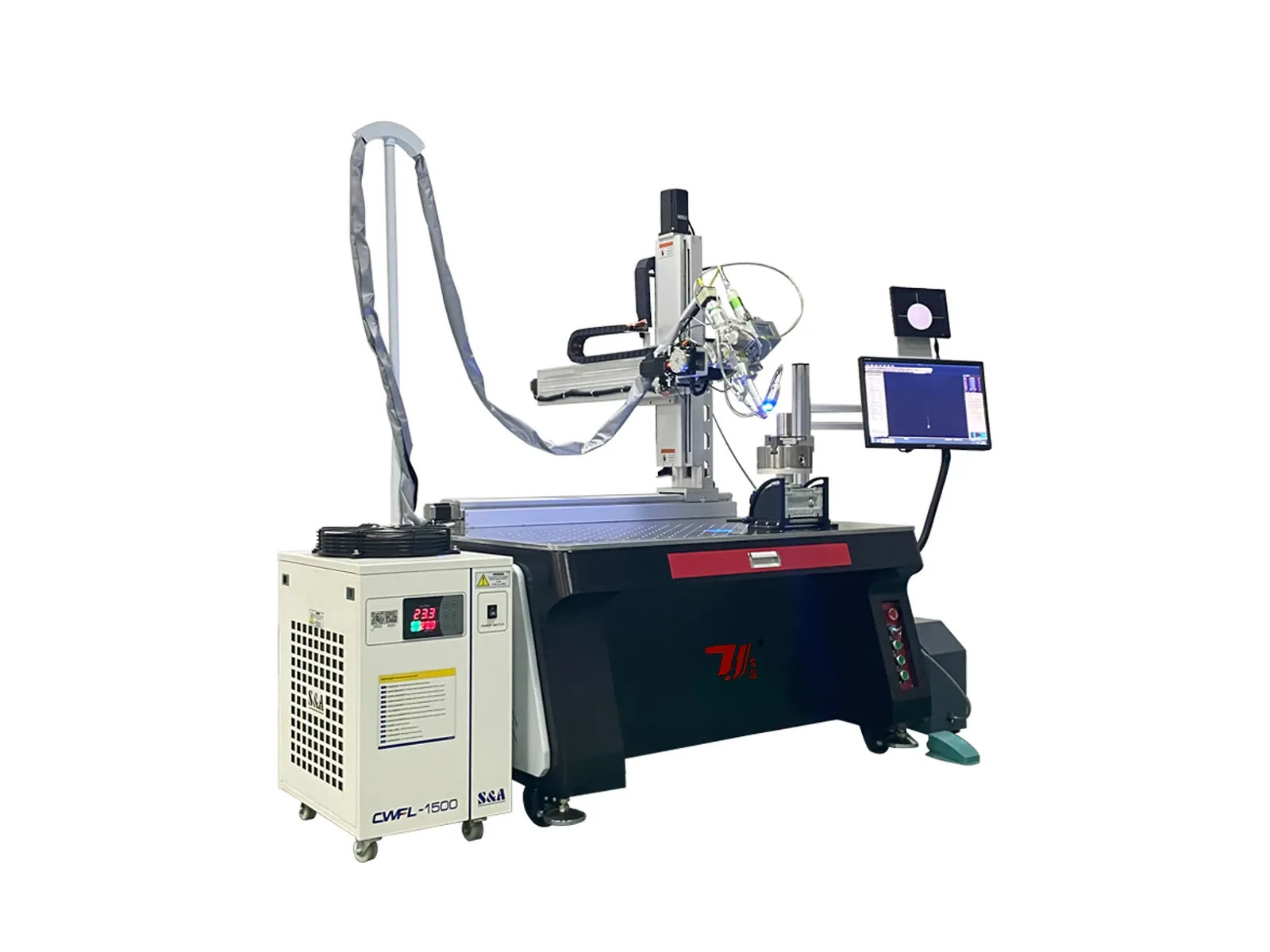
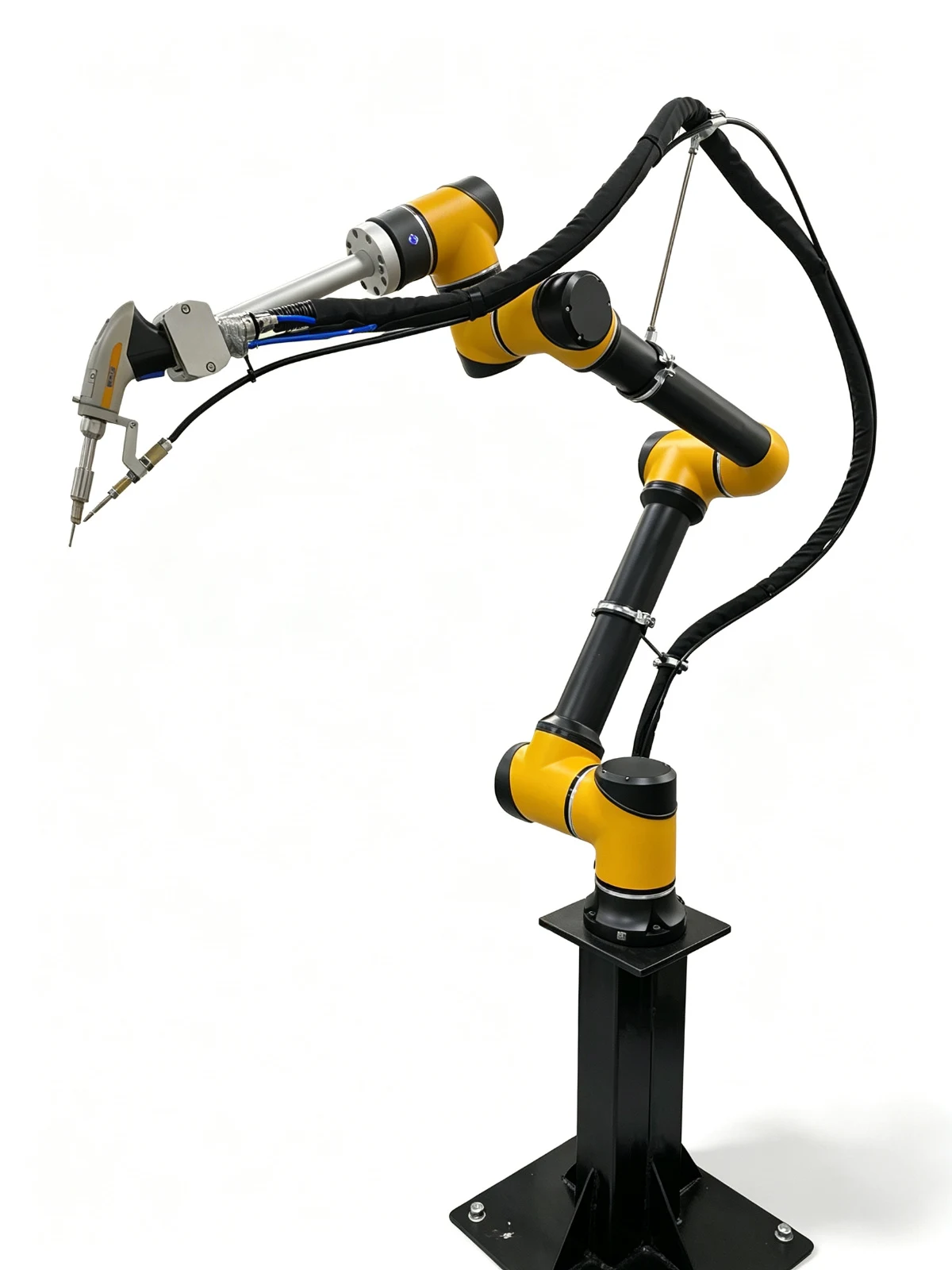
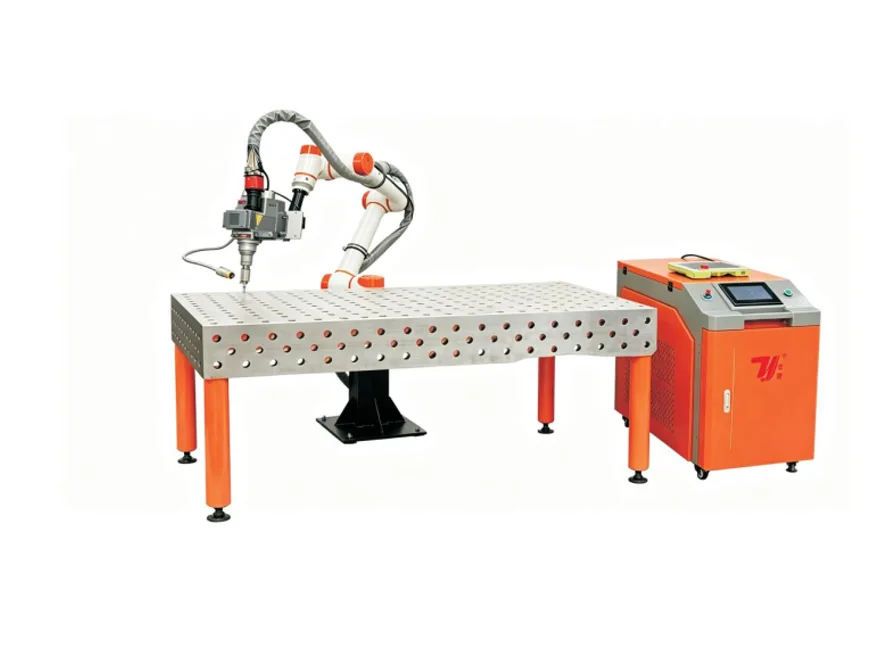
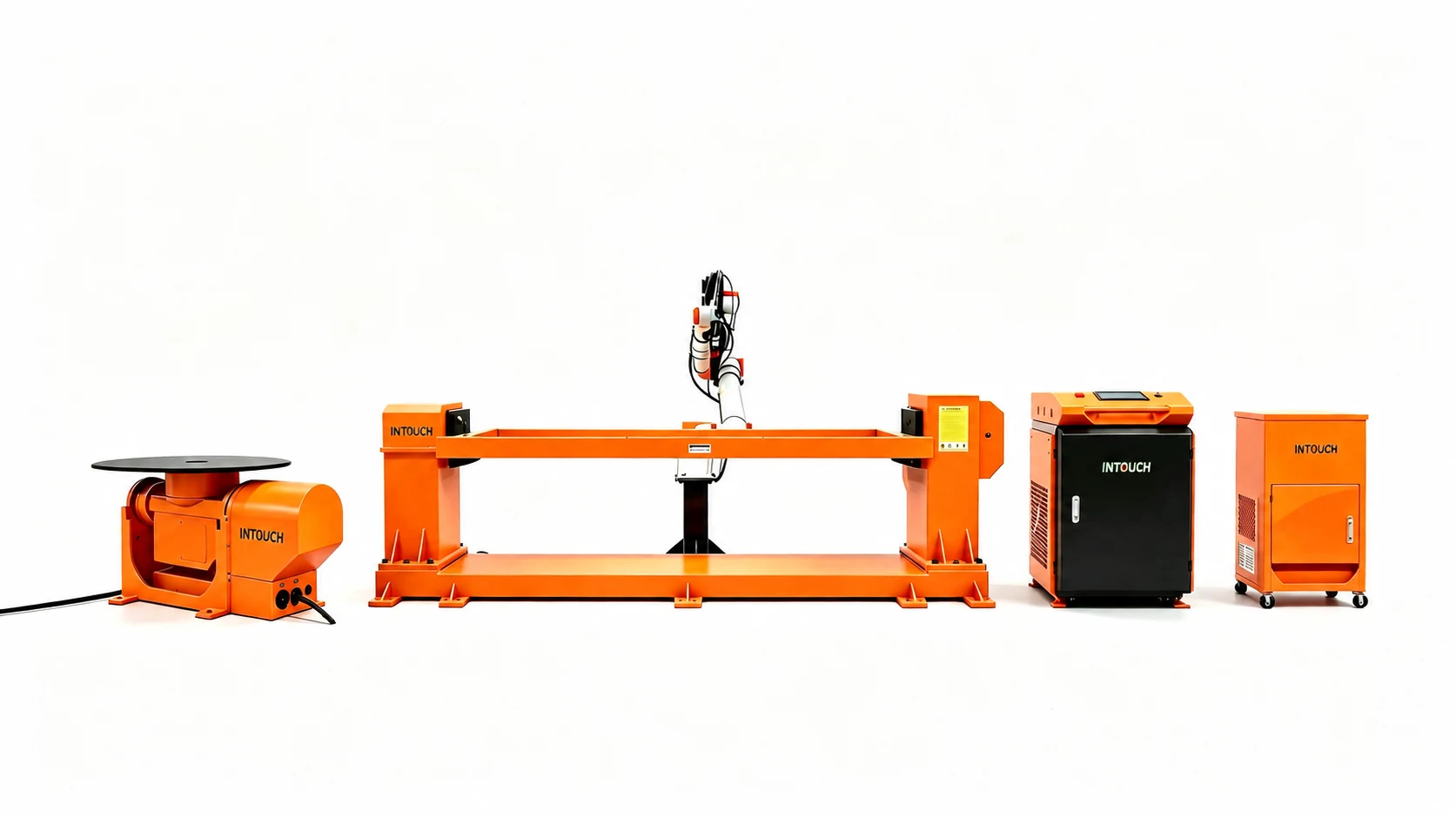
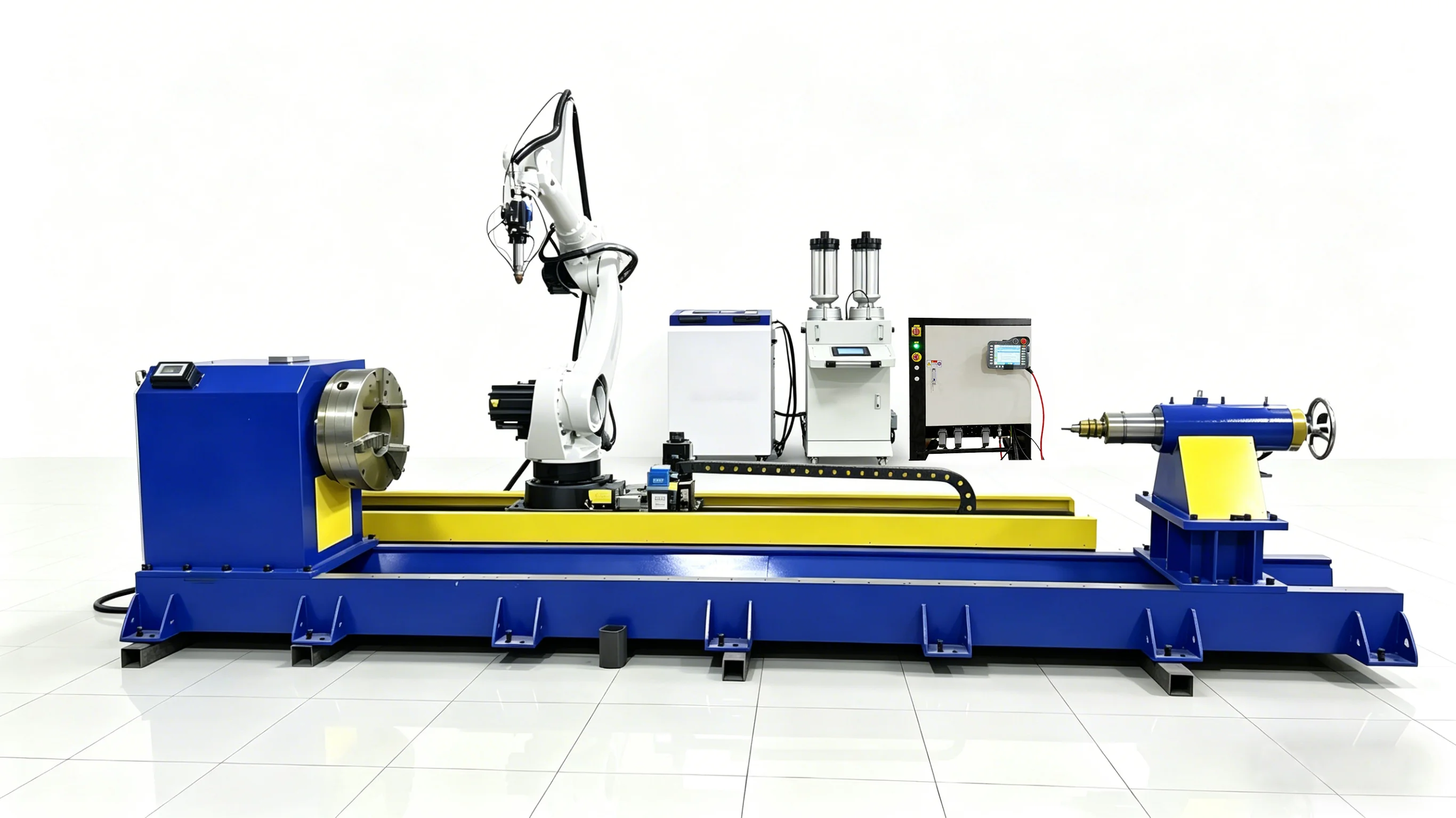
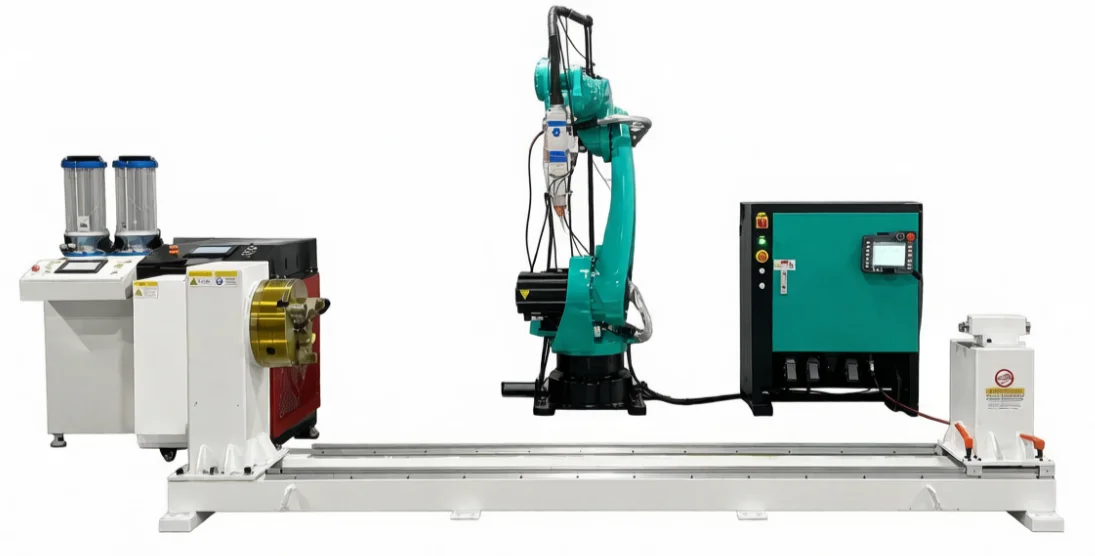
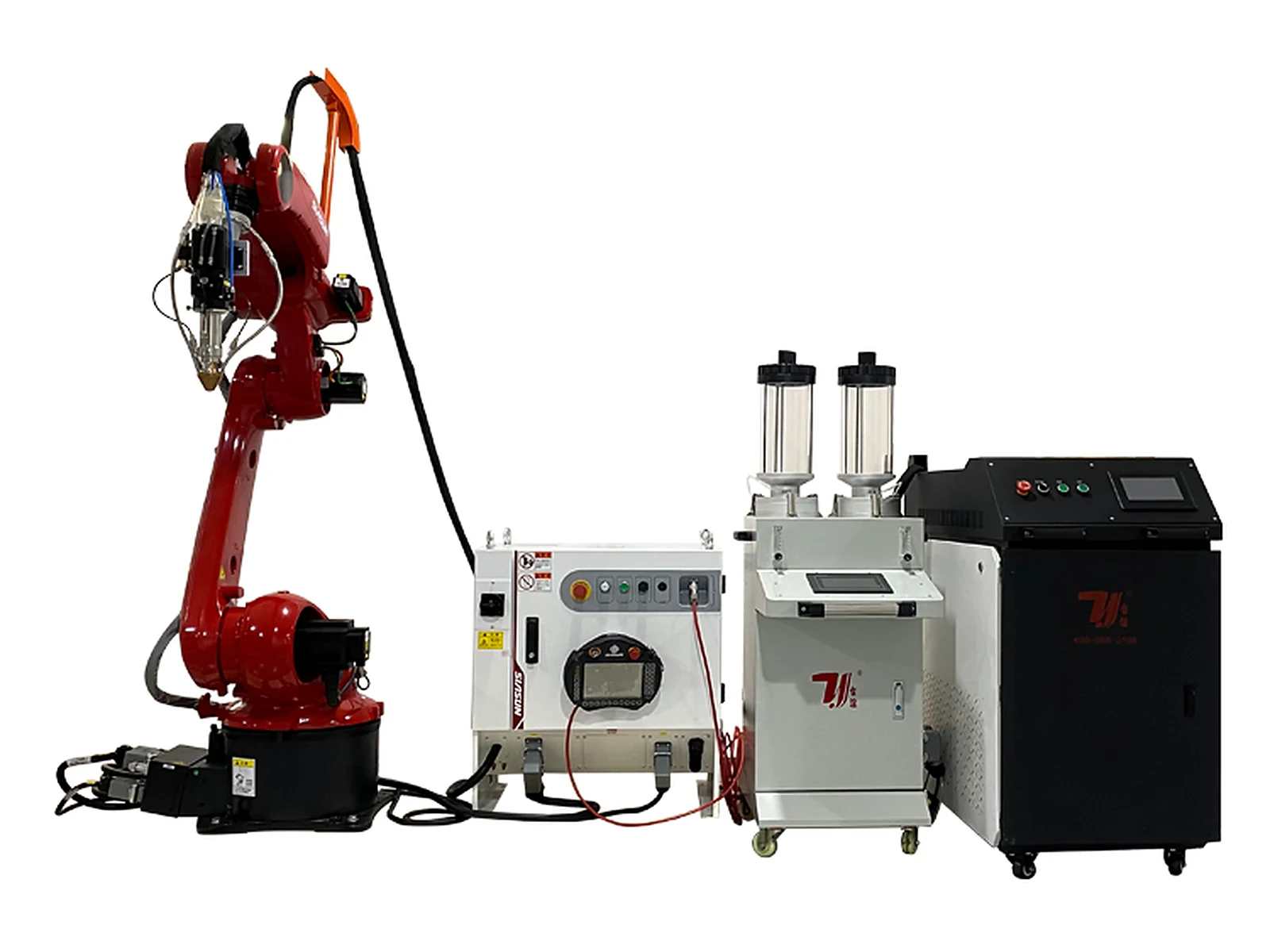
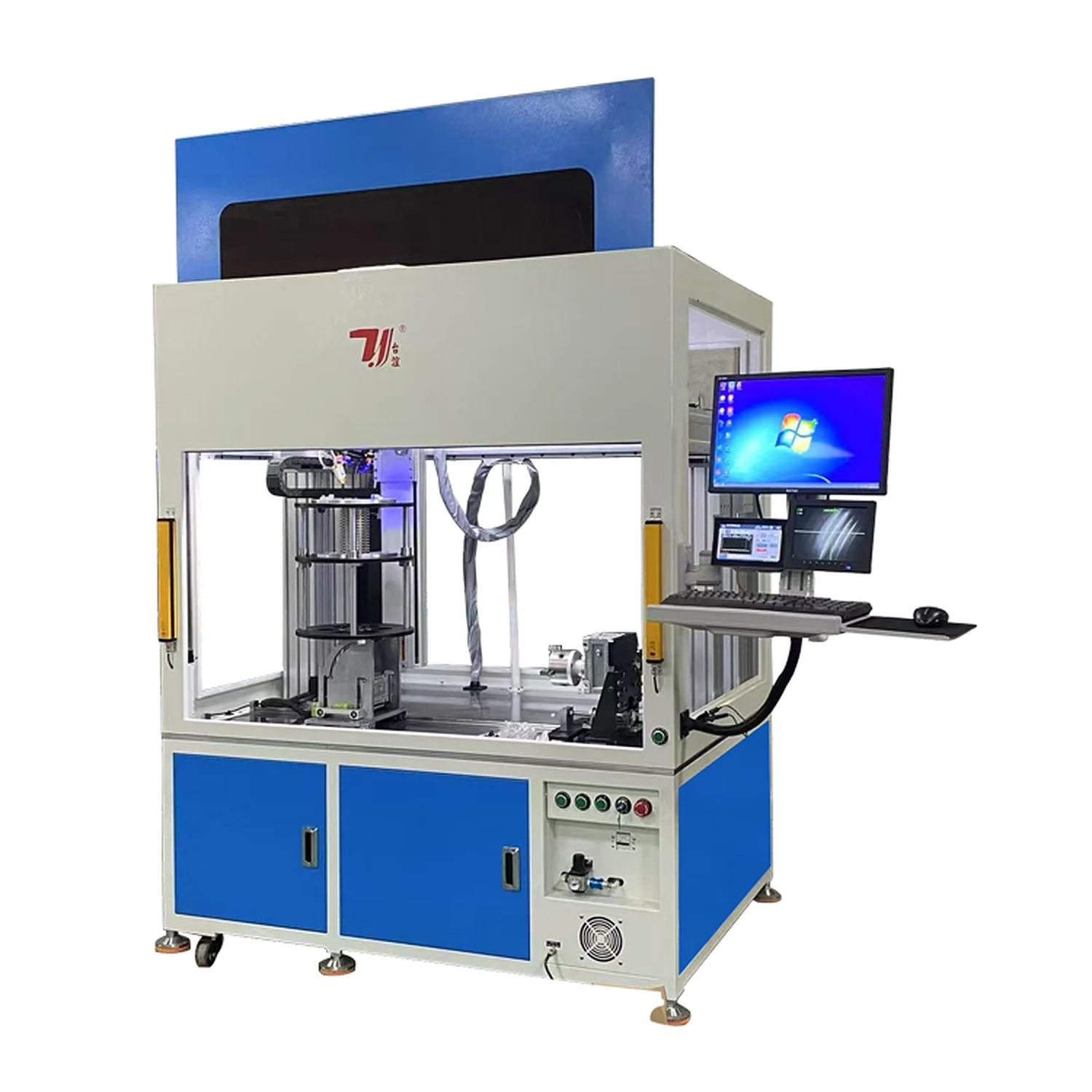
This bellows laser welding cell is configured for circular end joints on stainless-steel bellows, flexible metal hoses and compensator assemblies. Rotary workholding, CCD guidance and quick-change tooling are reviewed around the diameter, wall and end-fitting geometry.
Specifications
Current configuration references
Laser and process · confirm the selected range
- Configuration status
- Current Excel-listed baseline; confirm the compatible set for the submitted part
- Laser power
- 1,000-3,000 W (Excel); supplied manual lists 150-6,000 W; confirm the selected range
- Welding speed
- 5-80 mm/s (Excel listing)
- Repeat positioning precision
- ±0.02 mm (Excel); manual lists ±0.01 mm; confirm before order
- Laser wavelength
- 1,070 nm (manual listing)
Optics and tracking · select as one set
- Seam guidance
- CCD visual tracking listed in the current product sheet
- Laser-source options
- Raycus / IPG / JPT / MAX (manual listing; project selection)
- Welding head
- Galvanometer (manual listing; confirm selected configuration)
- Pulse frequency
- ≤100 Hz (manual listing; confirm against the selected source)
- Spot adjustment range
- 0.1-3 mm (manual listing)
Workholding and utilities · confirm per cell
- Primary workpieces
- Stainless-steel bellows, flexible metal hoses and compensator joints
- Workholding
- Rotary fixture with quick-change tooling for reviewed diameter variants
- Cooling system
- Air or water cooling listed in the manual; confirm the selected package
- Electrical listing
- 220 / 380 V · 50 / 60 Hz (confirm for destination and selected power)
- Line integration
- Production-line connection supported; interfaces are project-specific
Build the circular-seam process around the bellows
This is an application-configured welding cell. Diameter, wall thickness, corrugation, end fitting, fit-up, clamping and inspection method must be reviewed before the process and tooling are fixed.
Rotary circular-seam workholding
The fixture locates and rotates the bellows or hose joint around the welding axis. Diameter, wall thickness and end-fitting geometry define the final tooling.
CCD-assisted seam tracking
The current product sheet lists CCD visual tracking for alignment support. Camera view, seam visibility and tracking method are reviewed with the real part.
Quick-change tooling by diameter
Dedicated or changeable fixture sets can support reviewed pipe diameters while keeping part location and weld access controlled.
Laser, cooling and optics selected together
Power, source, welding head, spot range, cooling and electrical supply are confirmed as one compatible configuration before quotation.
From joint review to delivery
- 01
Machine-bed welding
- 02
Beam preparation
- 03
Heat treatment
- 04
Precision machining
- 05
Pre-assembly inspection
- 06
Machine assembly
- 07
Testing, debugging and acceptance
- 08
Delivery
Application scope for bellows and flexible-metal joints
Suitability depends on alloy, wall thickness, diameter, corrugation, end-fitting geometry, fit-up, cleanliness, seam access and the required inspection method. Submit the real part or drawing before tooling is approved.
Compare the next automatic welding path
Tee-pipe laser welding
Compare fixture-guided welding for faucet bodies, tee fittings and branch joints.
Complex seam accessFive-axis automatic welding
Compare five-axis linkage when the submitted seam requires three-dimensional access.
Application systemsAutomatic welding range
Compare gantry, multi-axis and workpiece-specific automatic welding systems.
Explore industry solutions
Browse our industry solutions and discuss the equipment, fixtures and process requirements for your application.
View all industry solutionsStart with the formed bellows and its end connection
Identify the exact circular joint
Submit the formed bellows or hose together with its end fitting or flange. Outside diameter, wall thickness, corrugation geometry and the seam drawing establish where the fixture can locate the assembly and where the welding head needs access.
Review tooling across the diameter range
Quick-change tooling is available for reviewed diameter variants. List the complete size range and the support required for each assembly so locating, rotation and access can be evaluated without treating the flexible body as a rigid tube.
Resolve configuration and inspection requirements
The product sheet and supplied manual list different power ranges and repeat-positioning values. Keep those differences visible until the selected configuration is confirmed. State the required leakage or inspection method separately; a machine positioning value does not establish a pressure rating or service life.
Machine selection questions
Is this a complete edge-welded bellows manufacturing line?
The described applications are circular end joints on bellows, flexible hoses and compensators. Manufacturing bellows by joining individual diaphragm edges is a separate process and is not established by this cell description.
Can it weld a bellows to an end fitting or flange?
End-joint and flanged compensator applications are listed, subject to the submitted geometry and fixture review. Send both parts and the seam detail so material, fit-up and access can be evaluated together.
Can one configuration cover several diameters?
Reviewed diameter variants can use dedicated or quick-change tooling. The usable range must be confirmed for the actual parts and selected fixture package rather than inferred from the product category.
What needs confirming about CCD guidance?
The product sheet lists CCD visual tracking. Camera view, seam visibility and the tracking method need review with the actual end joint; the feature does not establish automatic handling of every hose or corrugation geometry.
What is needed for a bellows welding quotation?
Provide the assembly and seam drawings, diameter range, materials, wall thicknesses, end-fitting details, cycle target and leakage or other inspection requirements. Confirm the selected power, optics and cooling package against that brief.
Request a quote
Tell us the part. We will tell you the machine.
Configuration and quotation are prepared after the diameter range, material, wall thickness, seam drawing, fixture requirement, target cycle and inspection method are reviewed.
- Phone+86 153 6281 4831
- Emailsales02@taiyilaser.com
- WhatsApp+86 153 6281 4831