
Rotary multi-station spout welding
Multi-Station Kettle Spout Laser Welding Machine
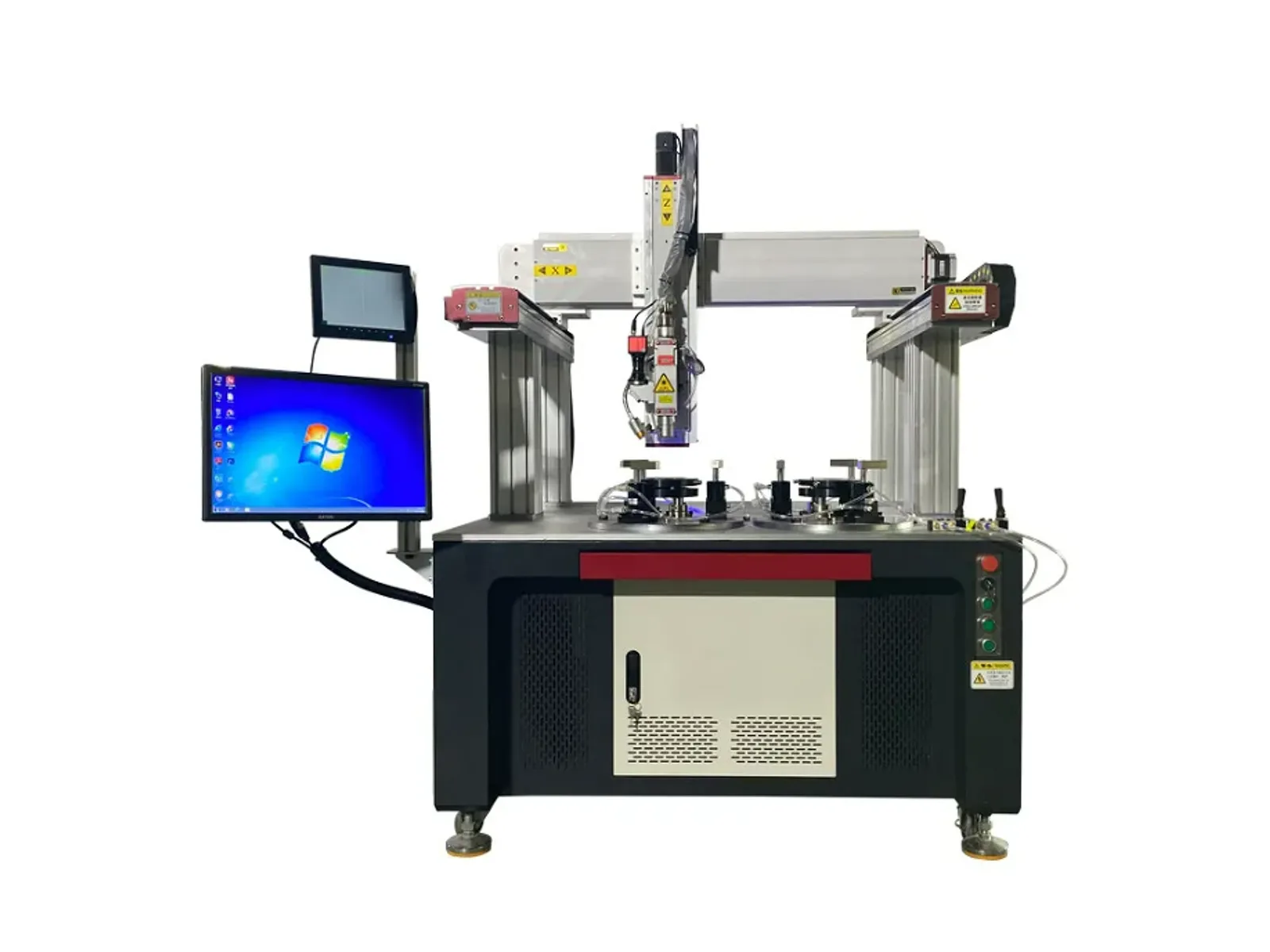
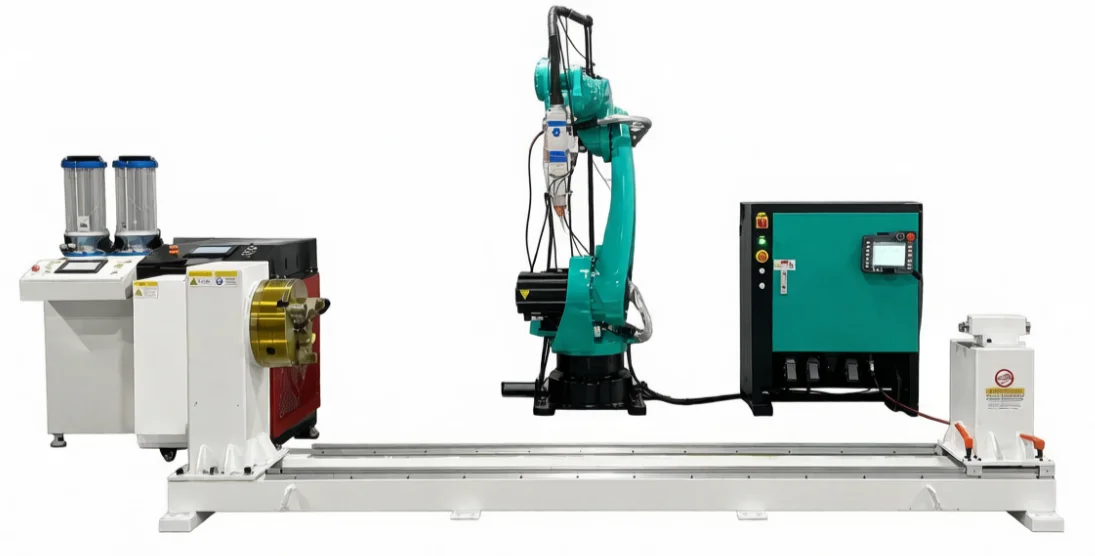
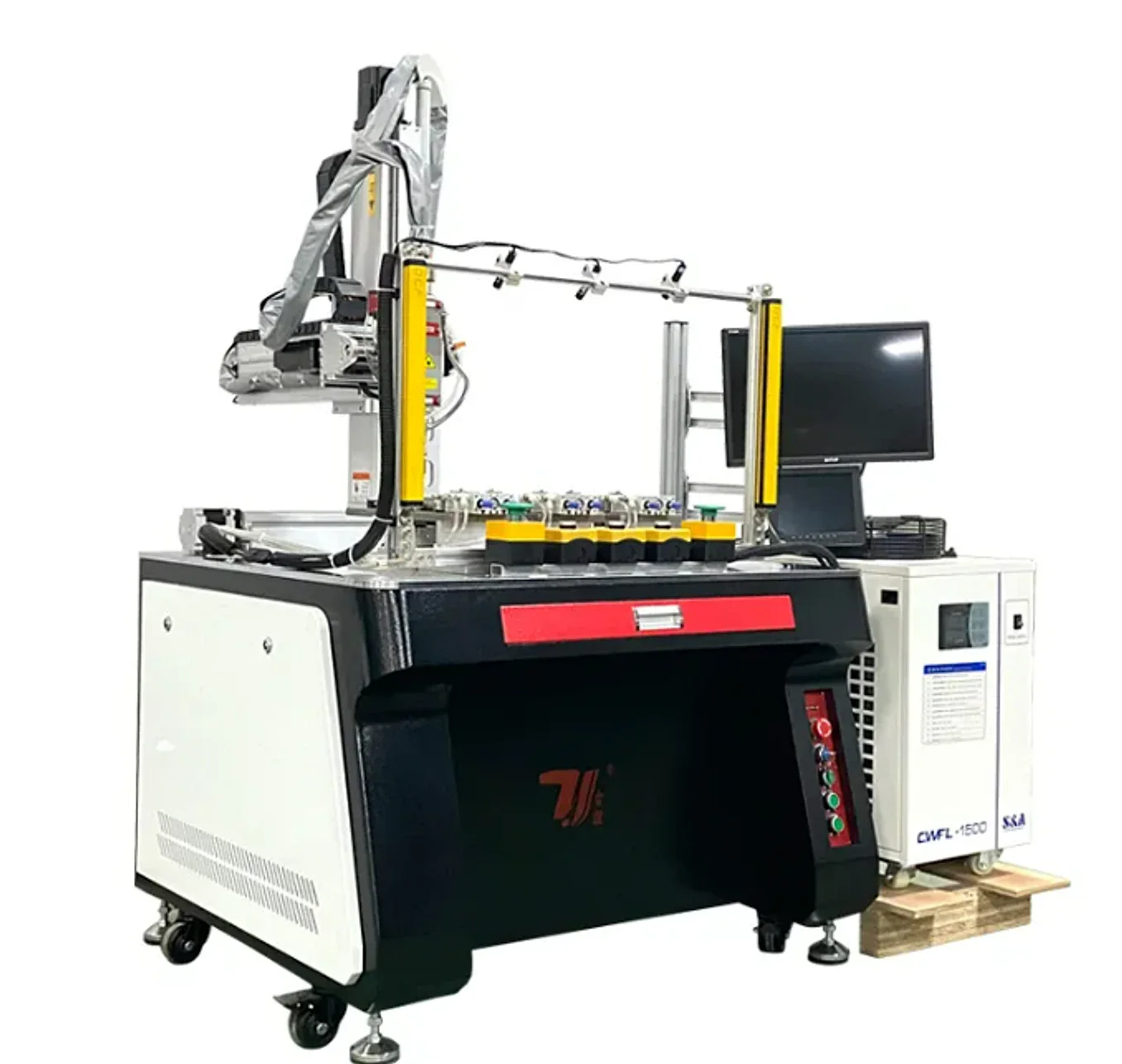
This multi-station kettle-spout laser welding cell organizes repeat body-to-spout joints around a rotary production cycle. Fixture positions, station functions and the loading sequence are configured to the submitted kettle or coffee-pot assembly.
Specifications
Document-listed configuration options
Laser and production · select by project
- Configuration status
- Document-listed options; confirm the compatible set for the submitted part
- Laser power
- 1,500 / 2,000 / 3,000 / 6,000 W (select one)
- Welding speed
- 8-90 mm/s (classification-sheet listing)
- Station layout
- Rotary multi-station cycle; final station count and loading sequence are project-specific
- Repeat positioning
- Manual lists ±0.01 mm; classification sheet lists ±0.02 mm. Confirm before order
Optics and process · confirm as one set
- Laser wavelength
- 1,070 nm (manual listing)
- Pulse frequency
- ≤100 Hz (manual listing; confirm against the selected source)
- Pulse width
- 0.5-15 ms (manual listing; confirm against the selected source)
- Spot adjustment range
- 0.1-3 mm (manual listing)
- Laser-source options
- Raycus / IPG / JPT / MAX (project selection)
- Welding-head option
- Raytools HZG (project selection)
Workholding and utilities · confirm per cell
- Primary workpieces
- Electric-kettle spouts, coffee-pot spouts and related water-appliance parts
- Fixture package
- Custom fixture designed around the submitted body opening, spout and seam
- Cooling system
- Water cooling
- Electrical listing
- 220 / 380 V · 3-phase · 50 / 60 Hz (confirm for the selected supply)
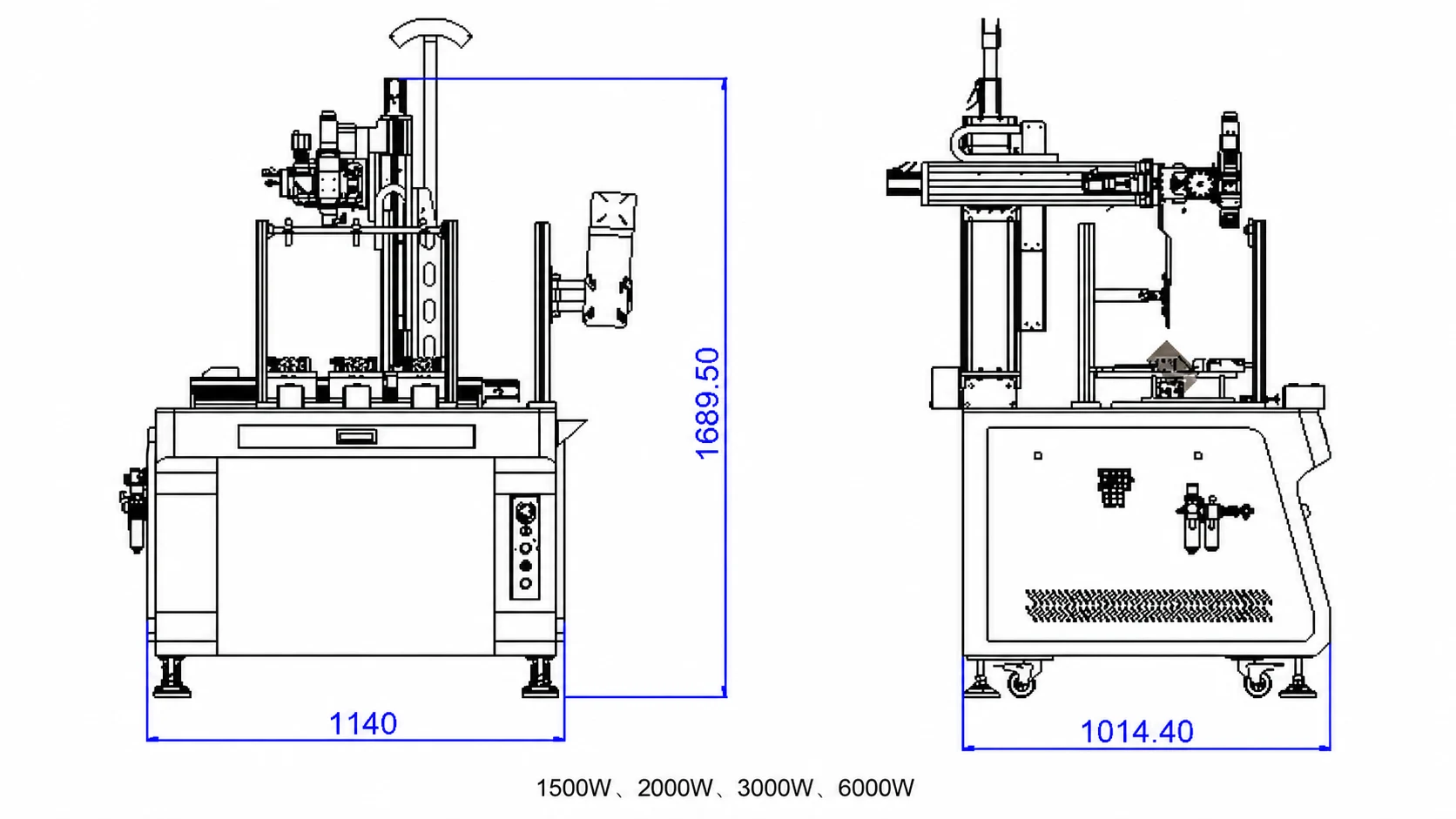
- Reference envelope
- Manual drawing shows 1,140 × 1,014.40 × 1,689.50; drawing unit is not stated and must be confirmed
Build the station cycle around the spout joint
This is an application-configured welding cell rather than a universal kettle machine. Part location, fixture access, weld order and station functions are fixed after the real body and spout are reviewed.
Rotary multi-station workflow
Loading, locating and welding positions can be arranged around a repeating rotary cycle. Final station functions and guarding depend on the approved production sequence.
Spout-specific fixture development
Locating surfaces, clamp direction and weld access are designed from the submitted kettle body, spout geometry and seam rather than treated as a universal holder.
Process options selected together
The listed laser power, source, welding head, spot range and electrical supply are reviewed as one compatible configuration before quotation.
Integrated welding cell
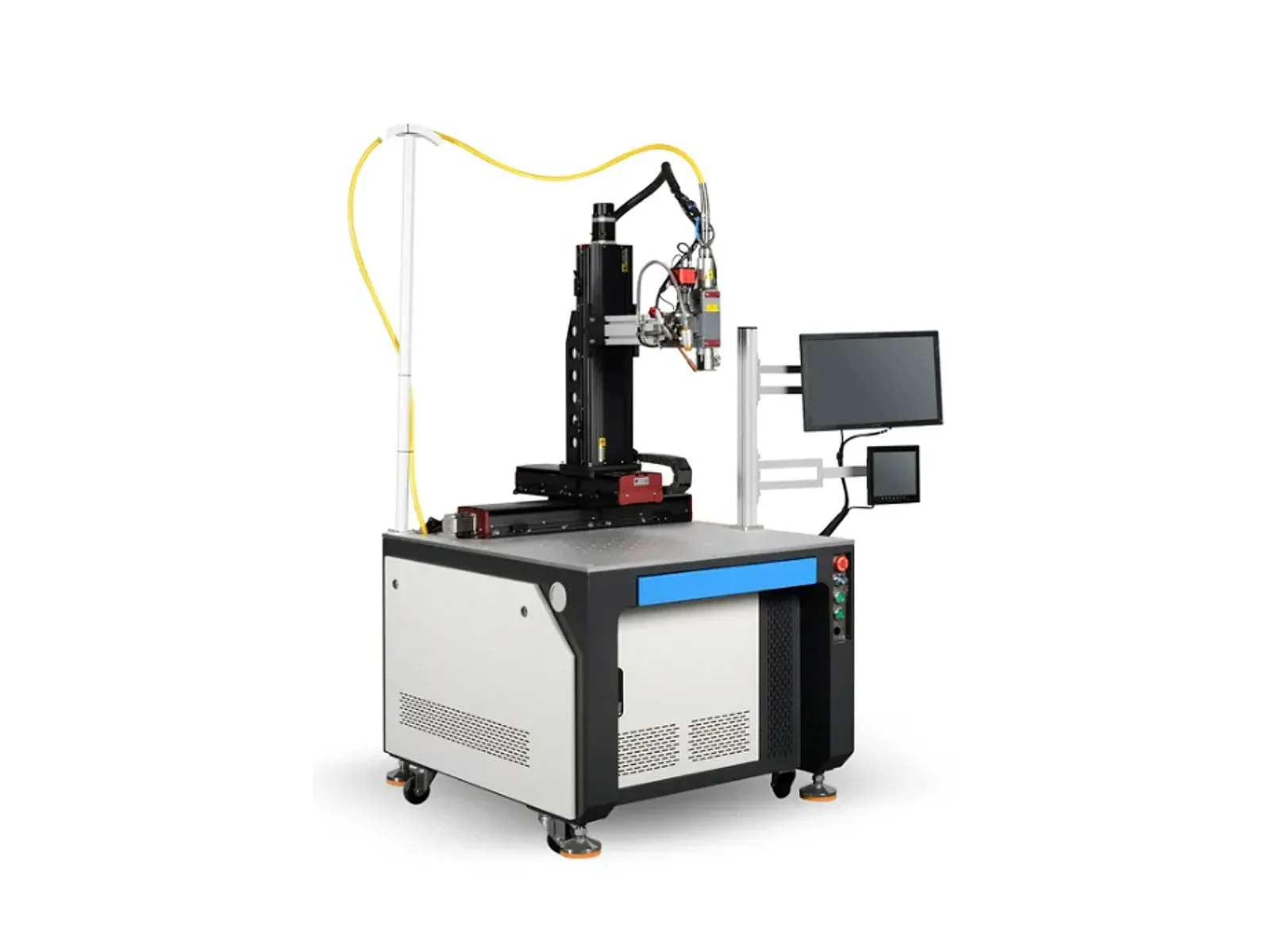
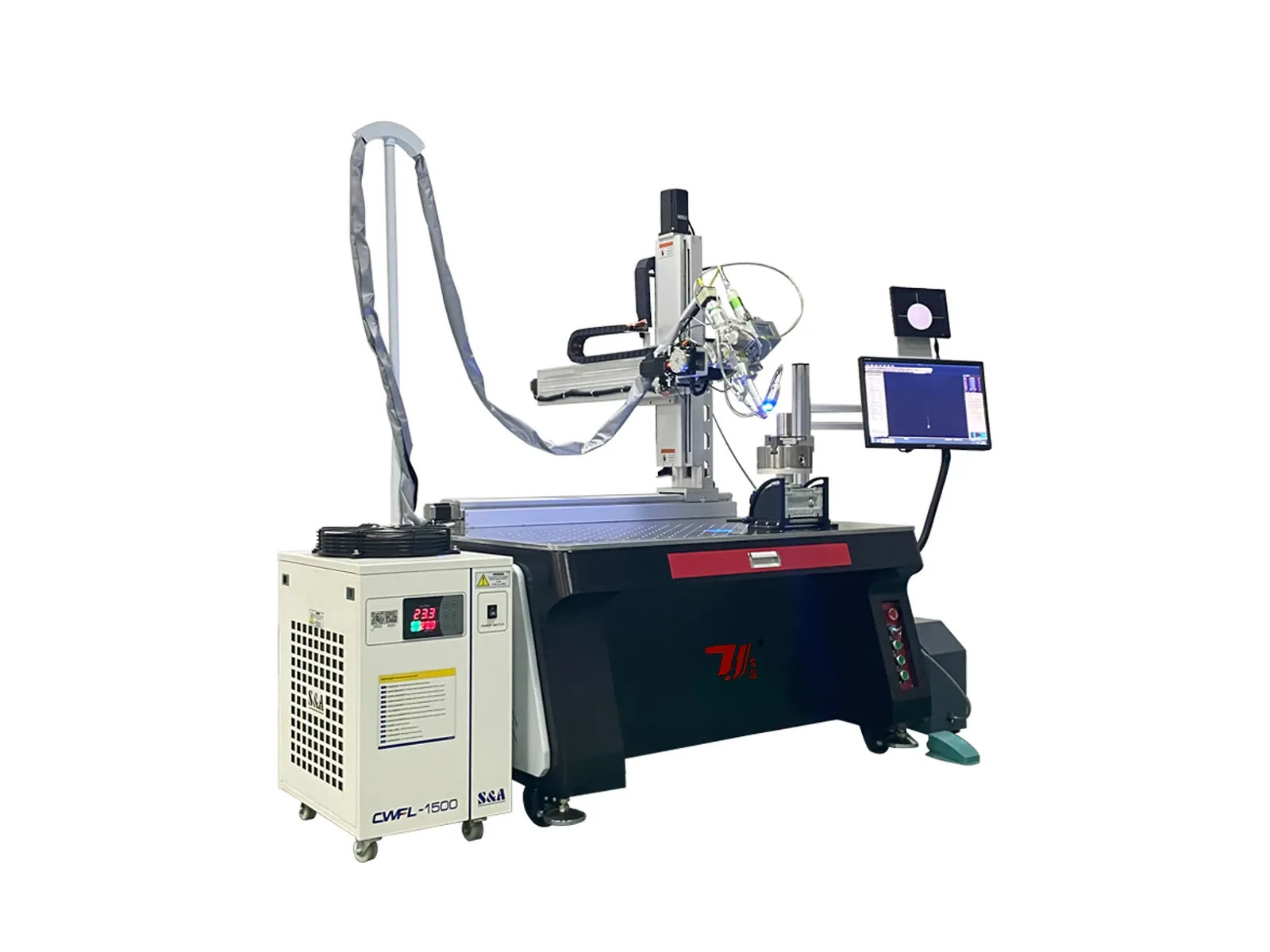
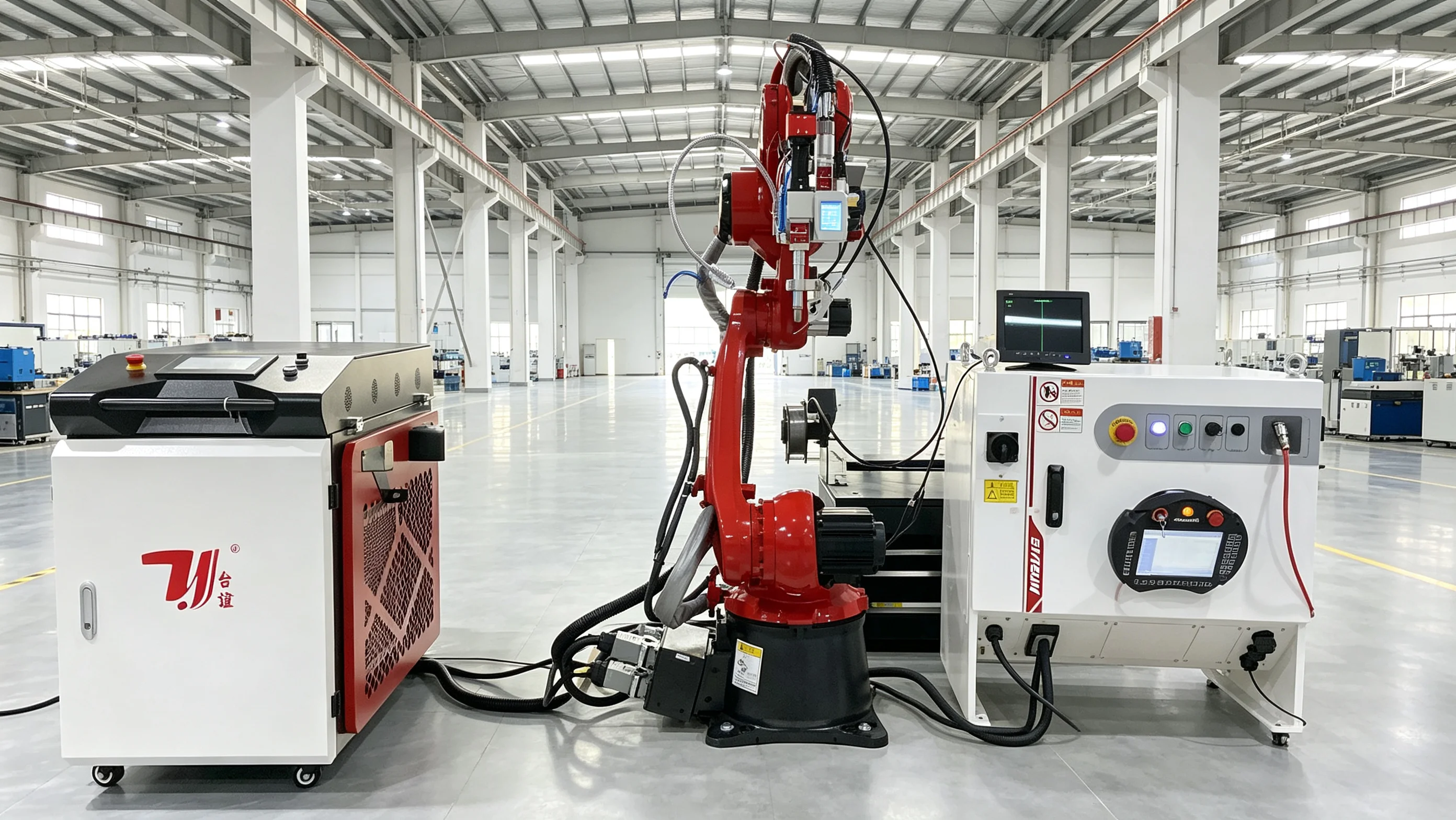
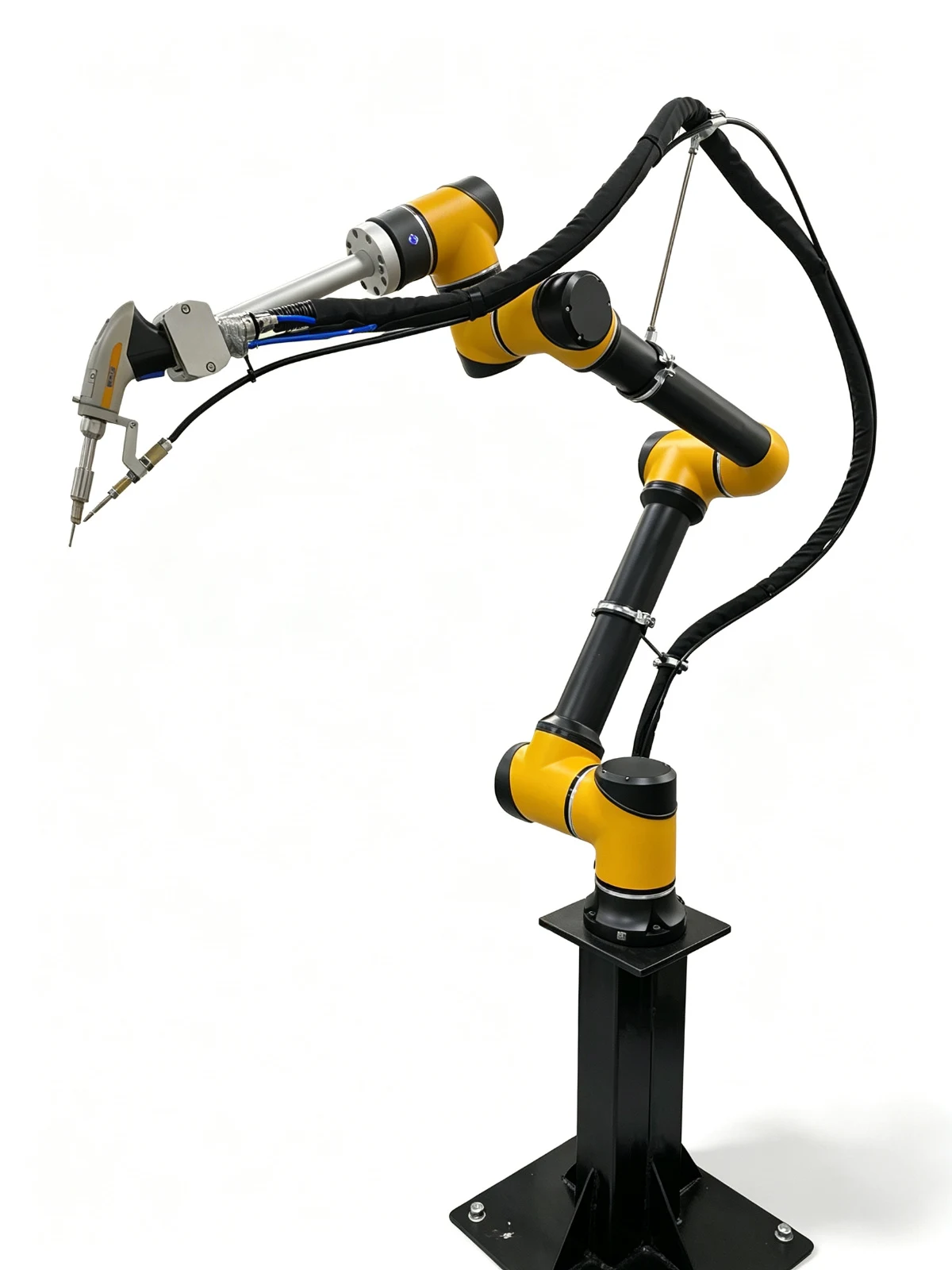
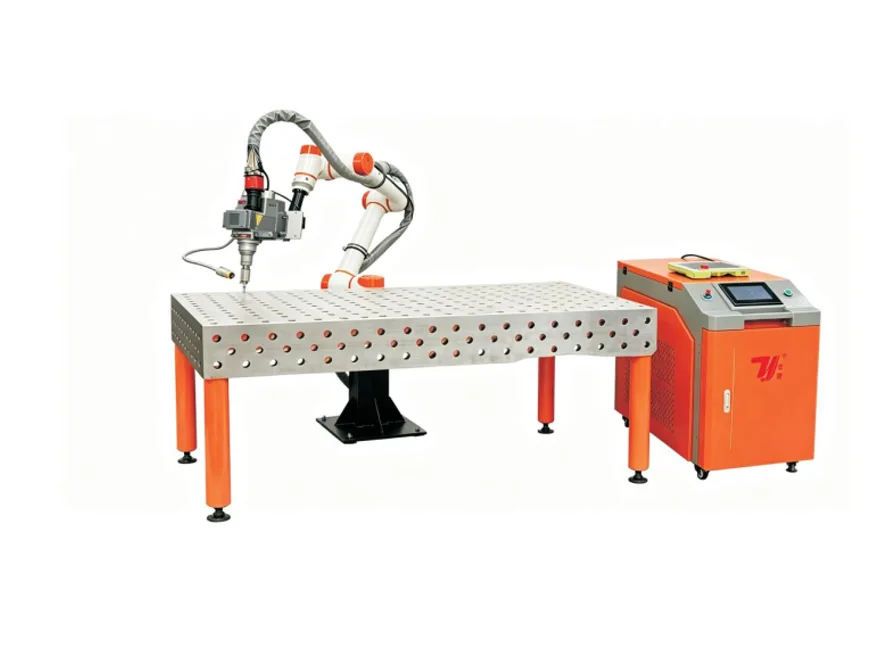
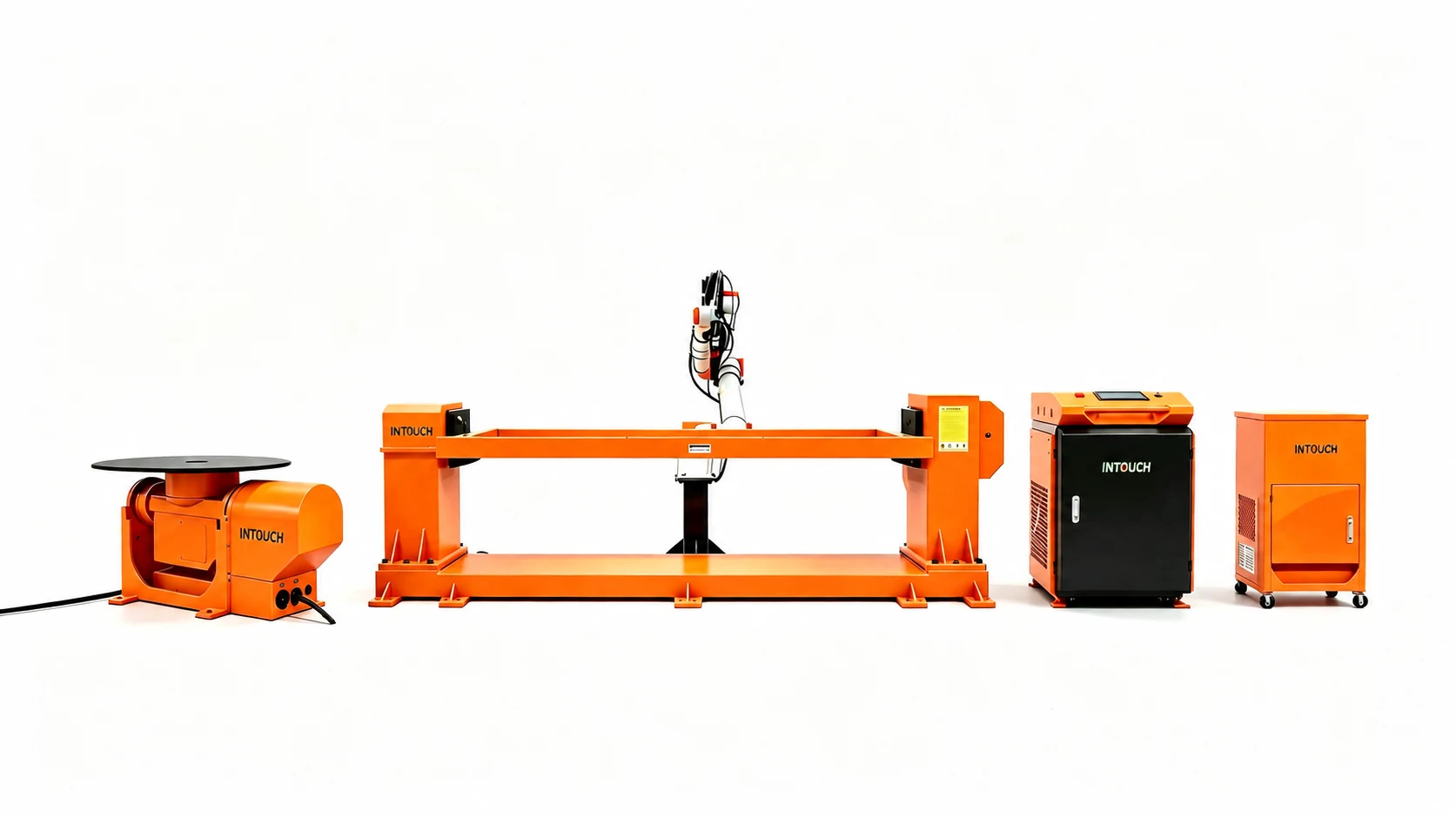
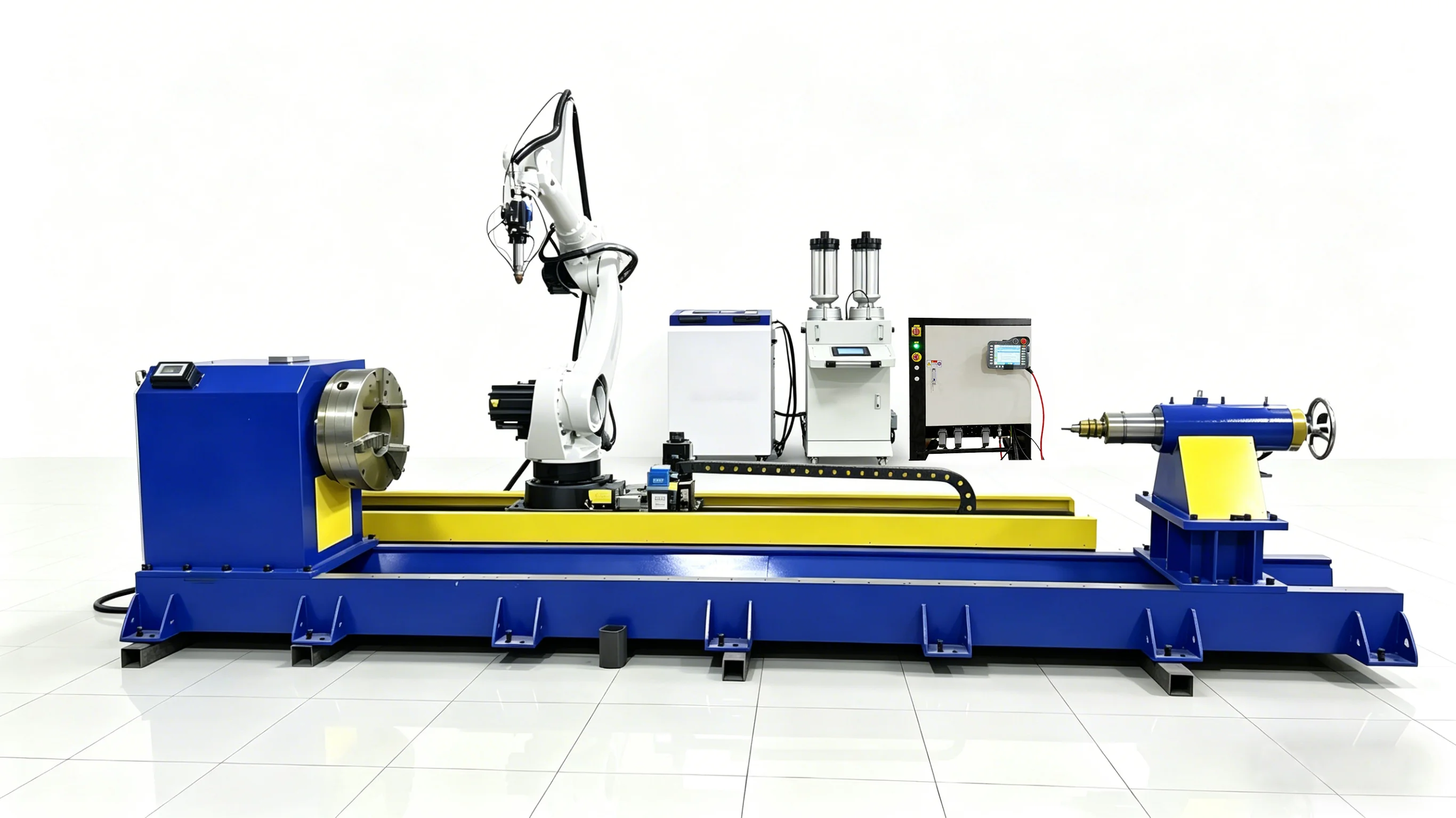
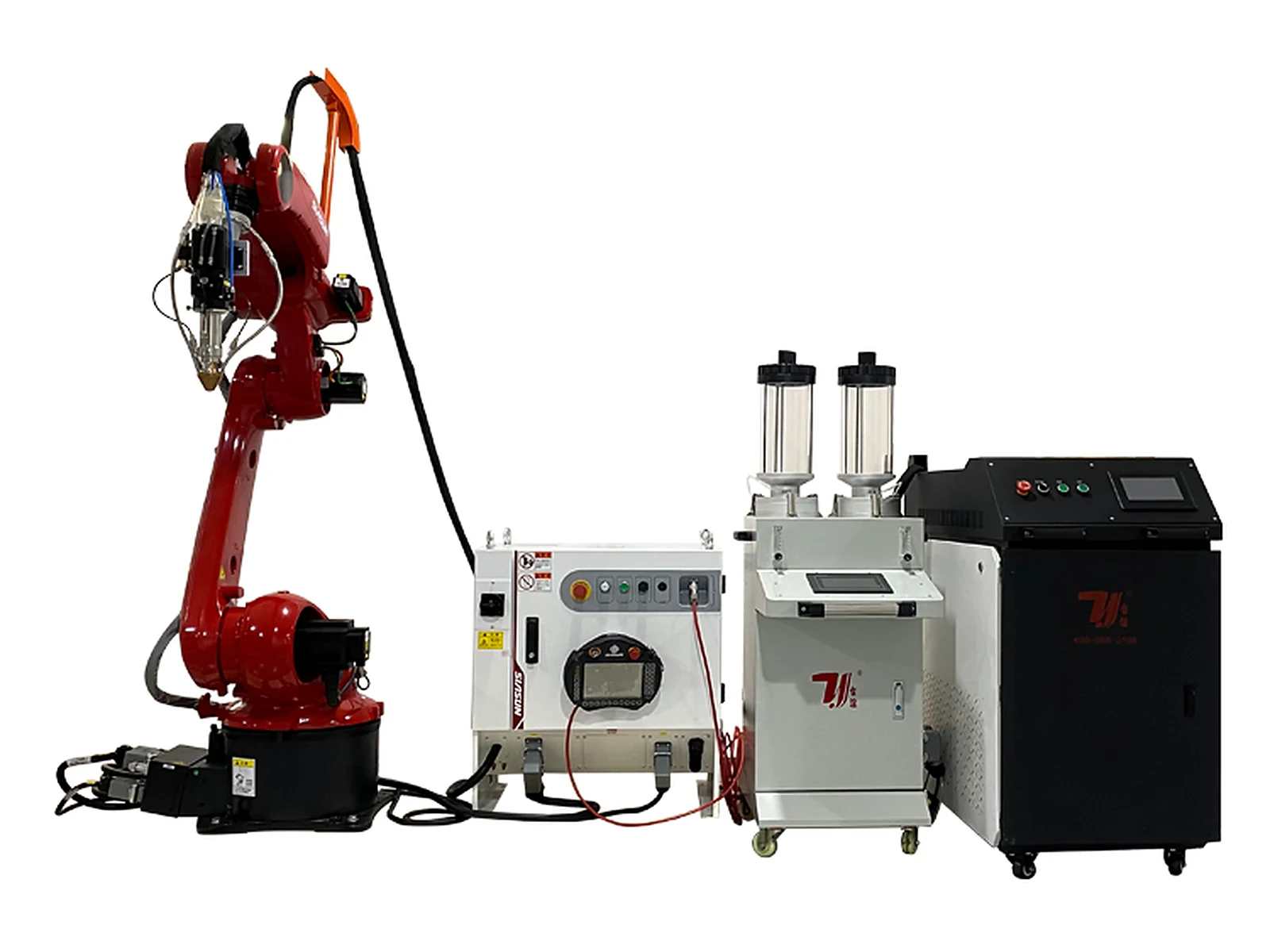
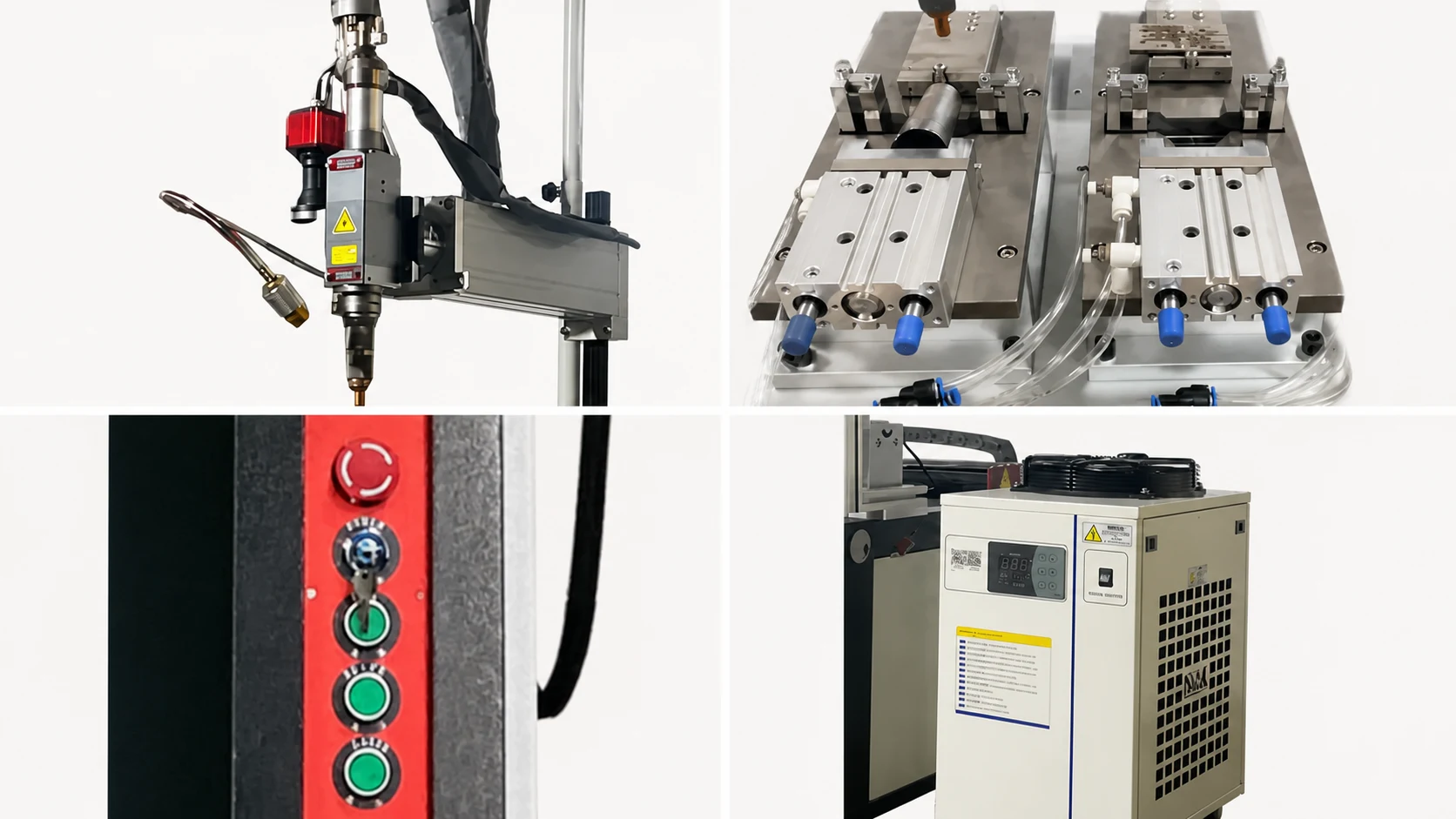
The supplied configuration combines the welding head, multi-position fixture, machine controls and water-cooling system for application-specific production.
From joint review to delivery
- 01
Machine-bed welding
- 02
Beam preparation
- 03
Heat treatment
- 04
Precision machining
- 05
Pre-assembly inspection
- 06
Machine assembly
- 07
Testing, debugging and acceptance
- 08
Delivery
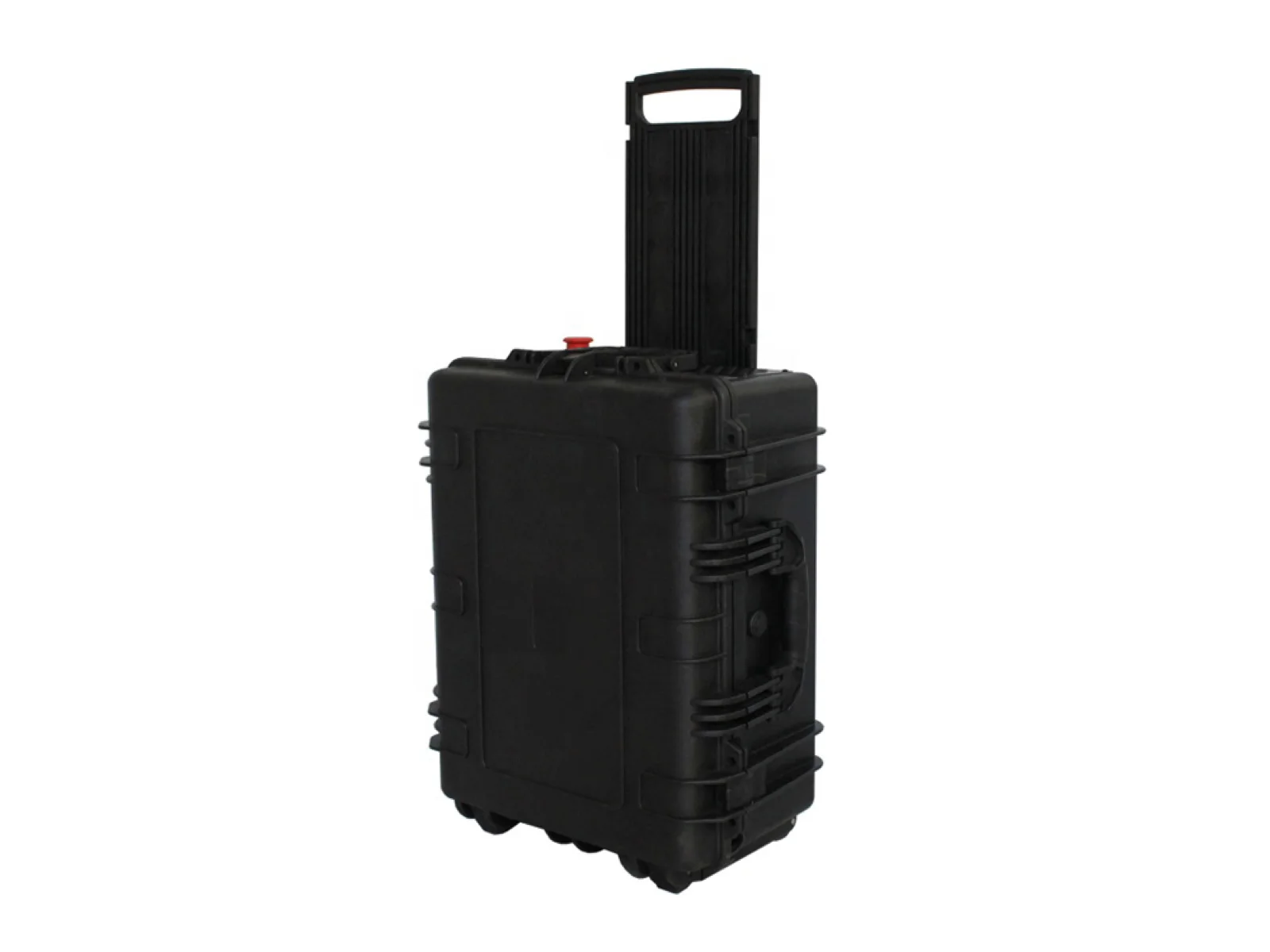
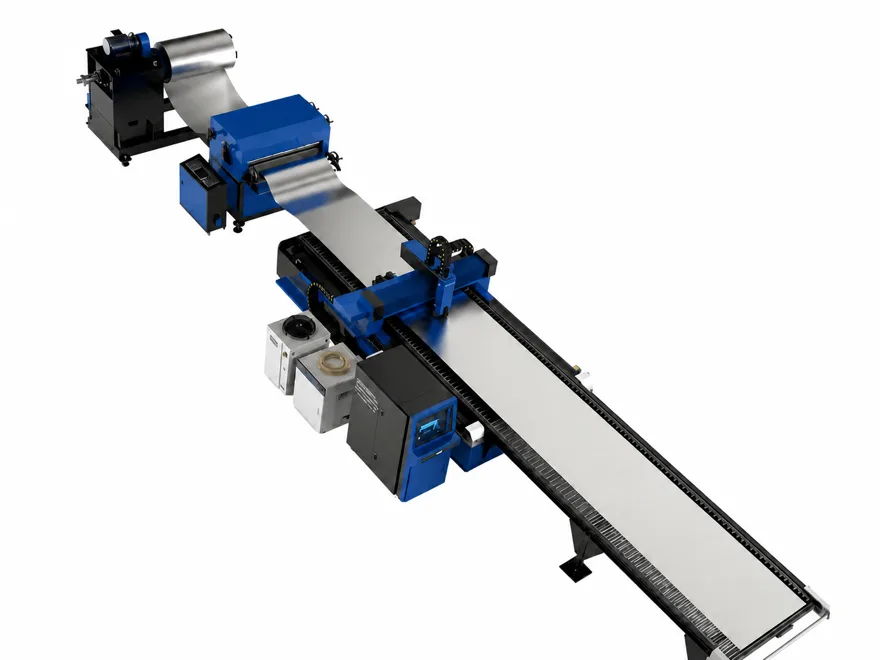
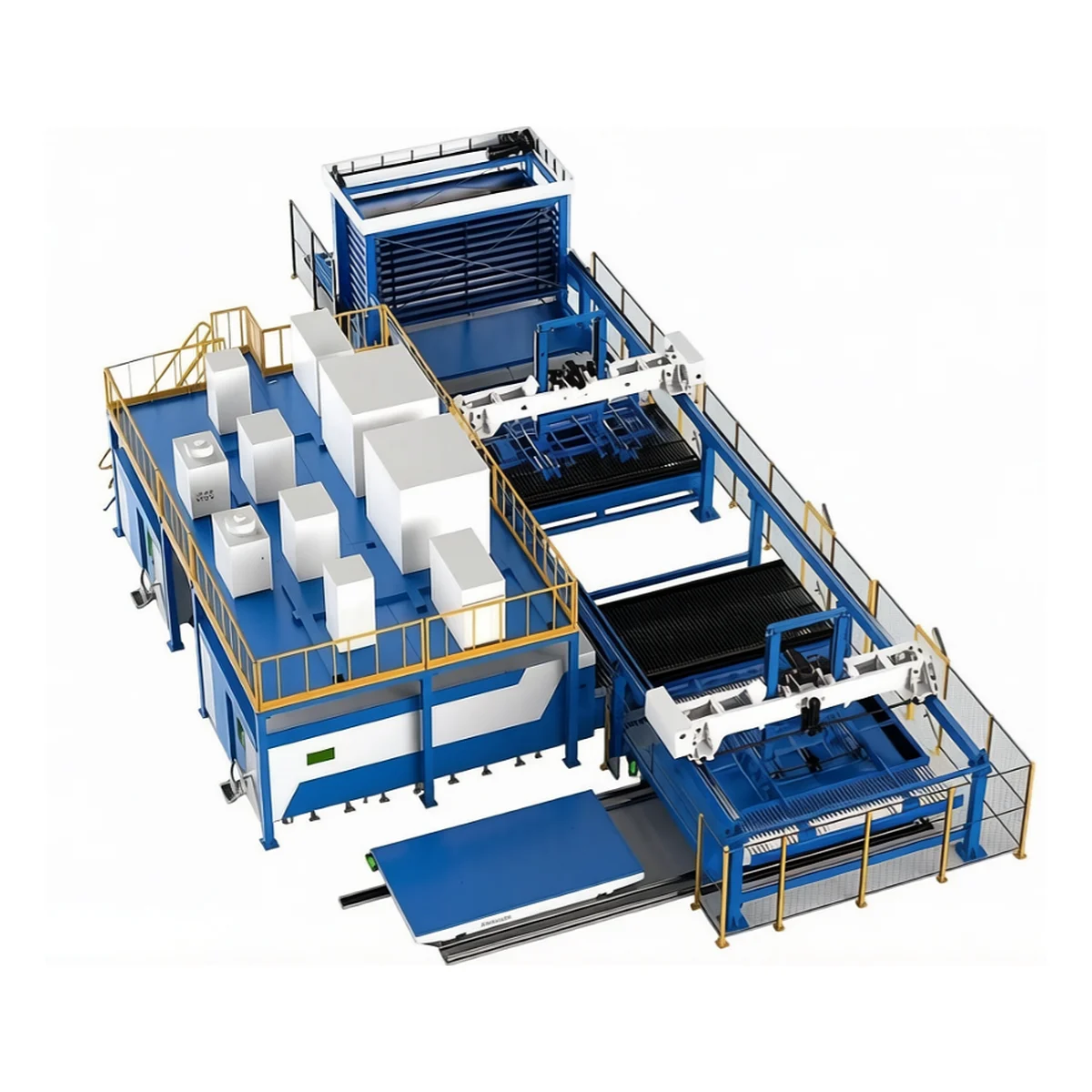
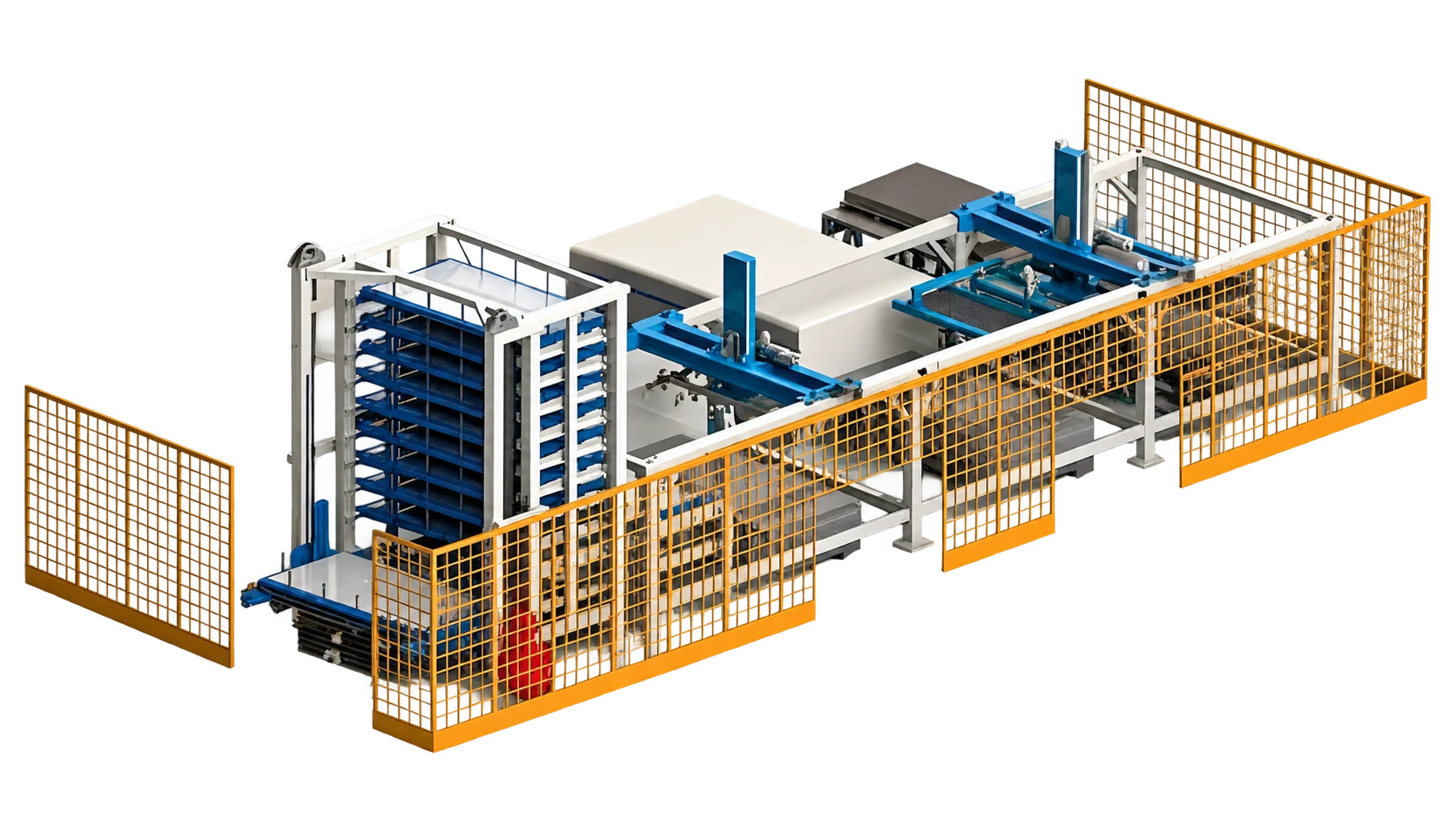
Machine layout and component references
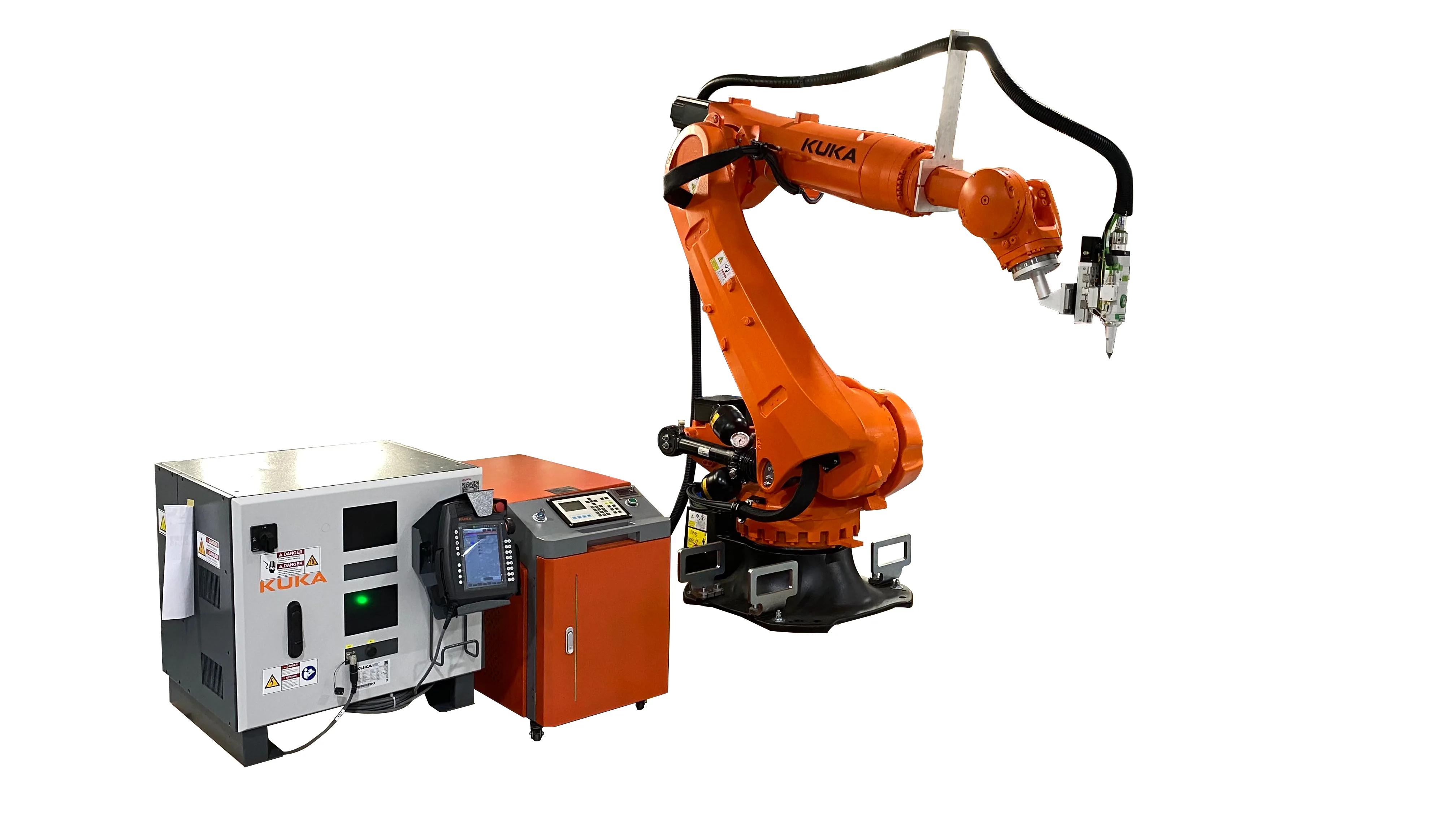
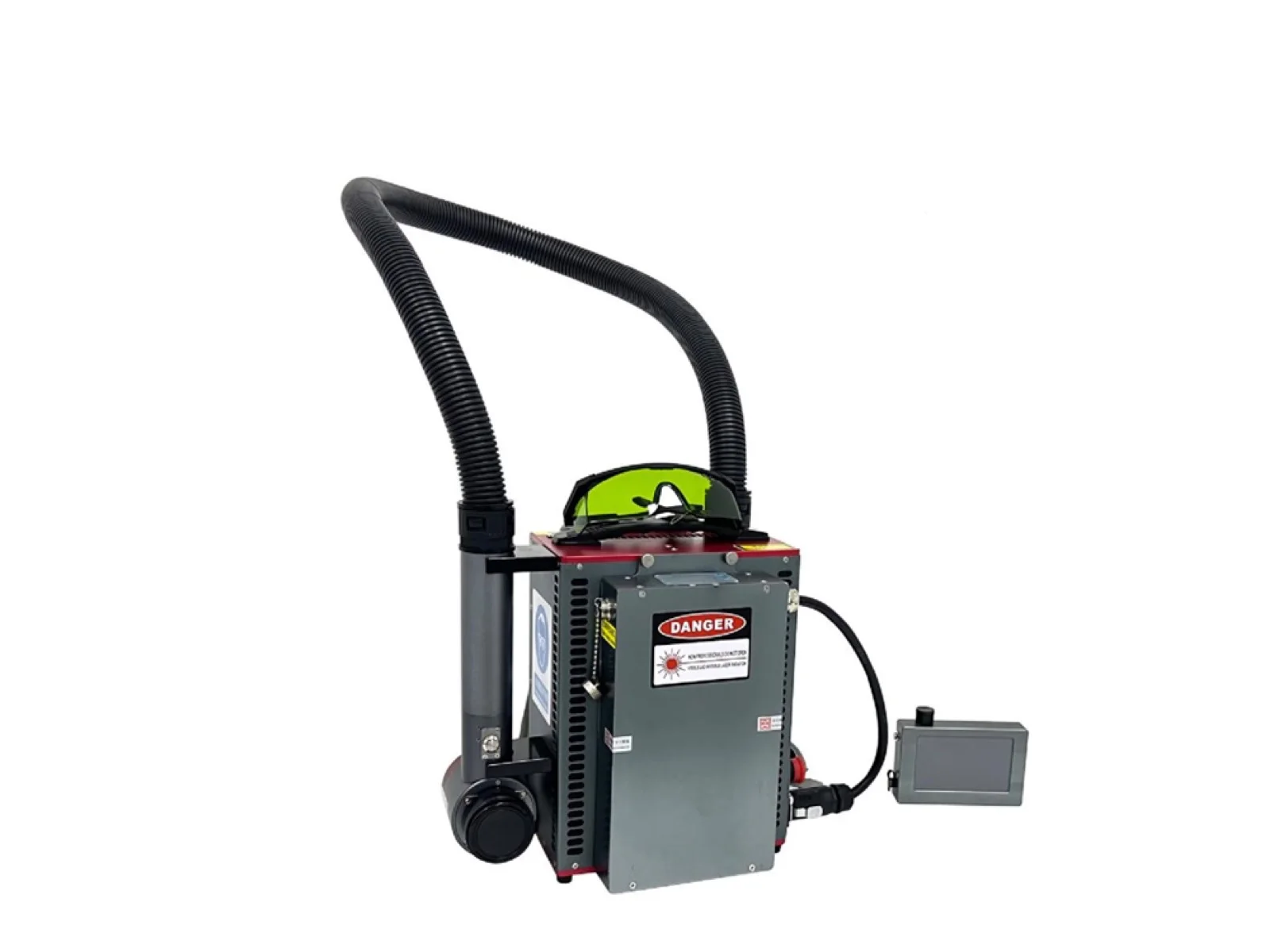
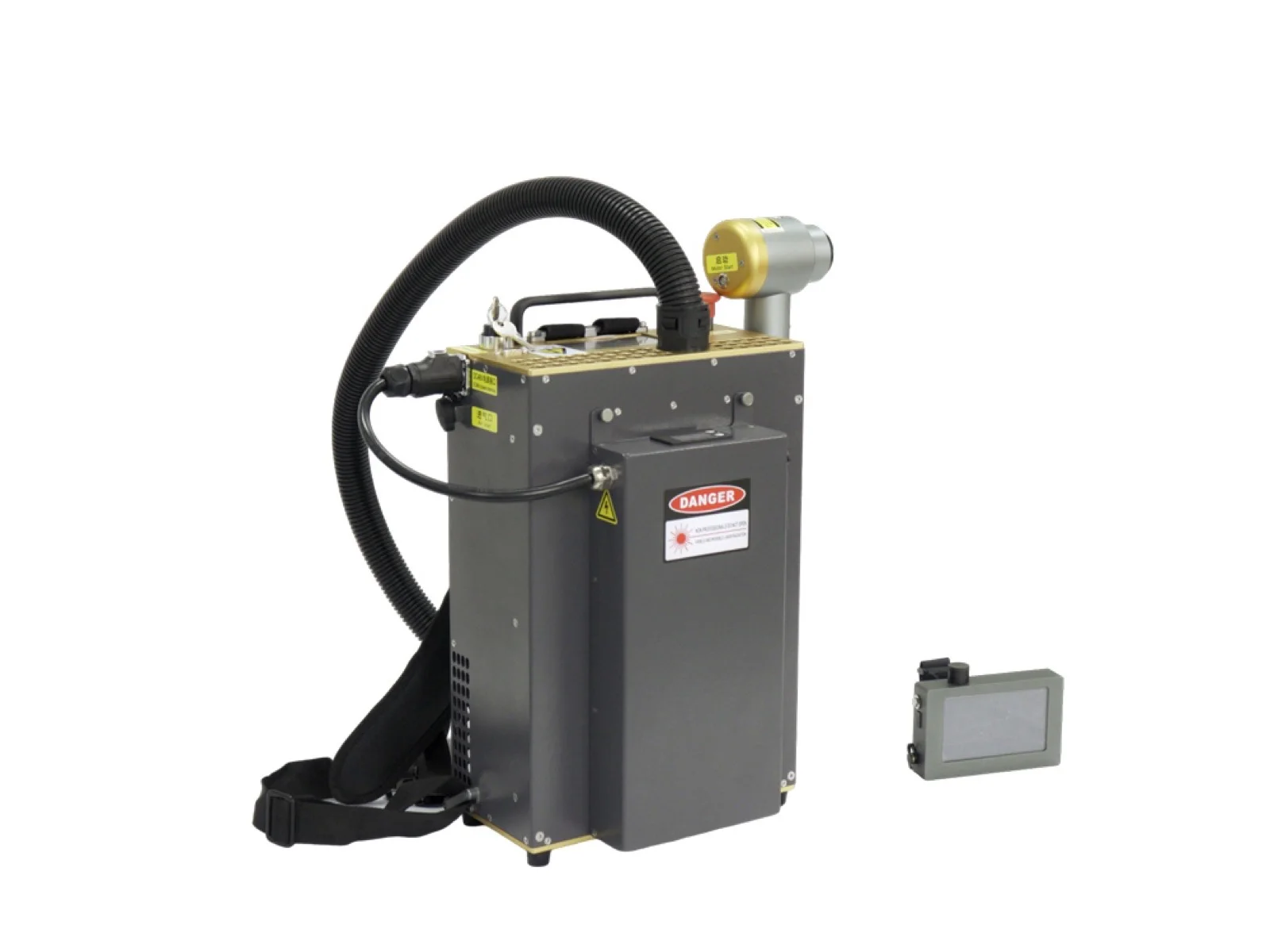
These images come from the supplied spout-welding manual. The layout drawing does not state its unit, so final dimensions must be confirmed before factory-layout approval.
Application scope for kettle and coffee-pot spout joints
Suitability depends on body and spout materials, joint fit-up, sealing target, surface-finish requirement, weld access and the required production cycle.
Compare the next automatic welding path
Double-station kettle-bottom welding
Compare alternating workstations for kettle and vessel bottom joints.
Rotary fixture configurationDedicated kettle-spout welding
Review body-to-spout joint geometry and workholding alongside the multi-station production layout.
Application systemsAutomatic welding range
Compare gantry, multi-axis and workpiece-specific automatic welding systems.
Related industry solutions
Explore the applications and laser processes connected to this equipment.
View all industry solutions
Define what happens at each fixture position
Map loading, locating and welding
Describe where parts enter, how the body and spout are located, where welding takes place and how the assembly leaves the cell. The station count and functions follow this sequence; they are not fixed by the product name.
Balance the complete cycle
Review handling, clamping, fixture movement, welding and inspection when setting a cycle target. A multi-station layout does not by itself establish unattended production or a fixed increase in output; the proposal needs to identify operator and equipment responsibilities.
Plan variants and the installation layout
List all body openings, spout shapes and size changes that must run through the cell. Confirm the fixture sets and changeover work, then obtain the final installation drawing. The supplied reference drawing has no stated dimension unit and is not sufficient for approving floor space.
Machine selection questions
How is this different from the dedicated rotary-fixture spout page?
Both address body-to-spout joints. This page focuses on arranging loading, locating and welding across a repeating multi-station cycle; the dedicated rotary-fixture page focuses on joint geometry and workholding. Compare them against the required production sequence.
How many stations are included?
The final station count and the task at each position are project-specific. Confirm both in the quotation using the agreed loading, welding and unloading sequence.
Does multi-station mean automatic part feeding?
Automatic feeding is not established by the station layout alone. Define whether operators or equipment load and unload each part, and include any additional handling equipment explicitly in the project scope.
Can it run different kettle and coffee-pot spouts?
Different sizes can be reviewed with dedicated or changeable fixtures. Body opening, spout shape, seam access and changeover requirements determine which variants fit the proposed cycle.
What should a production brief include?
Send body and spout drawings, material and thickness, variant volumes, target cycle, loading method and inspection requirements. State any line interfaces so TAIYI can review the station sequence and equipment boundary.
Request a quote
Tell us the part. We will tell you the machine.
Configuration and quotation are prepared after the body and spout materials, joint drawing, fixture requirement, size range and target cycle are reviewed.
- Phone+86 153 6281 4831
- Emailsales02@taiyilaser.com
- WhatsApp+86 153 6281 4831