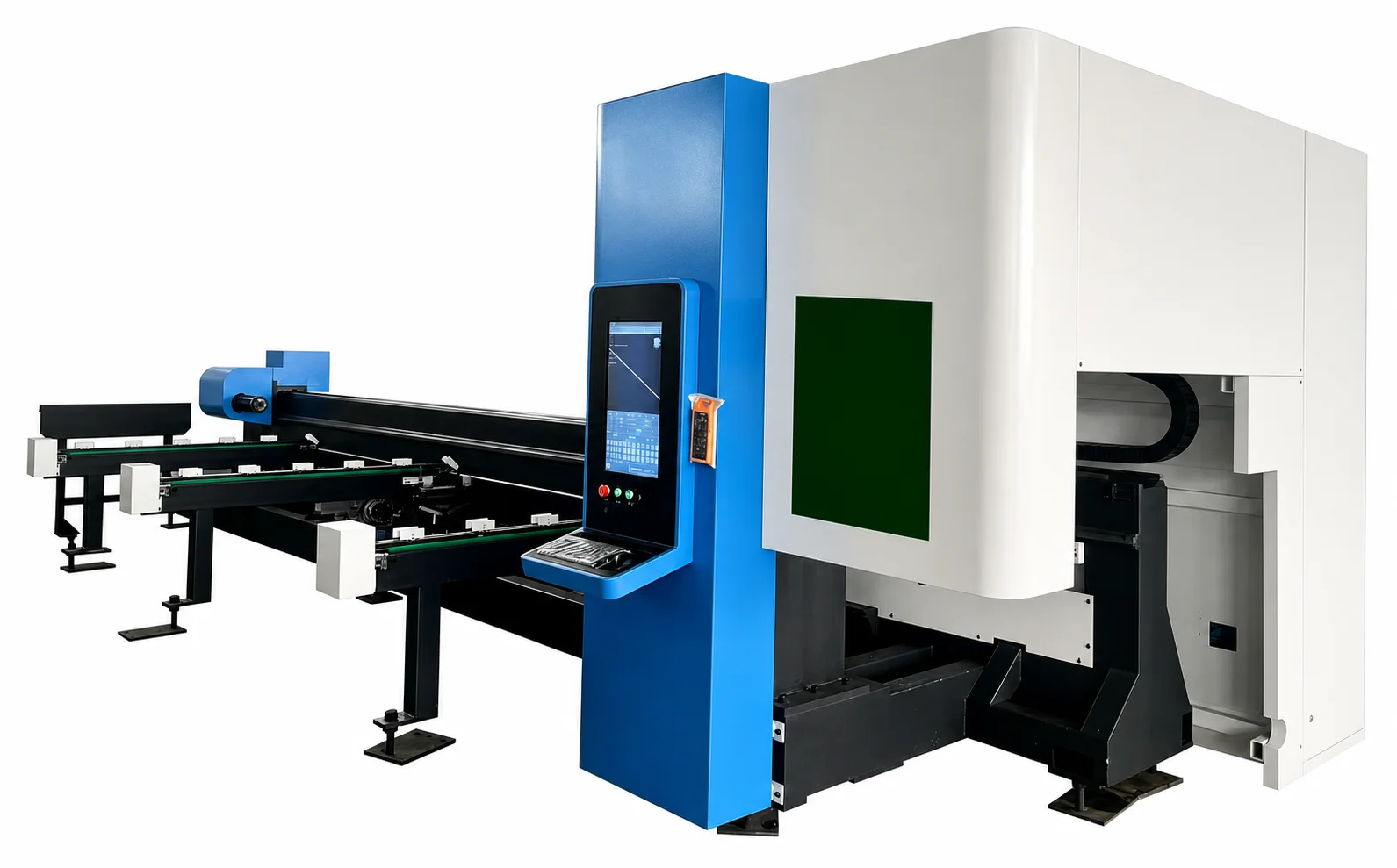
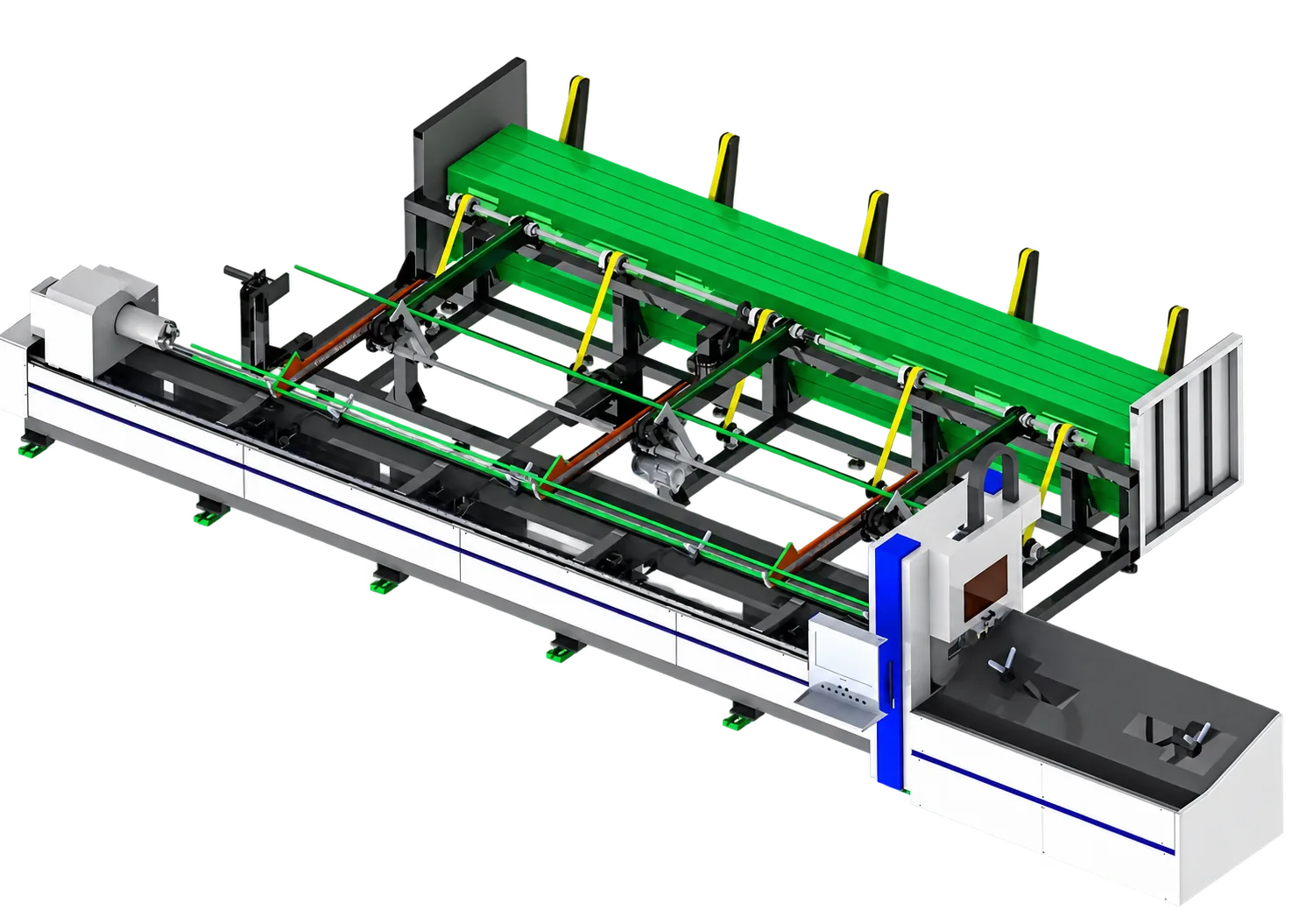
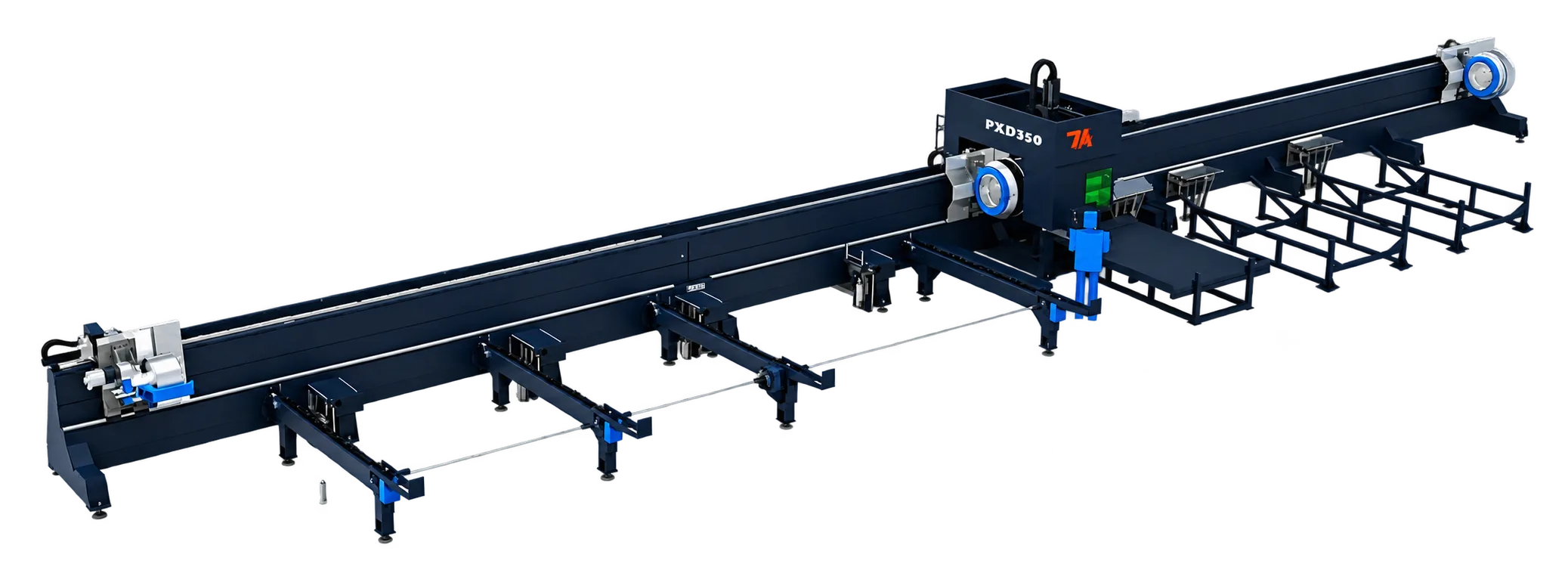
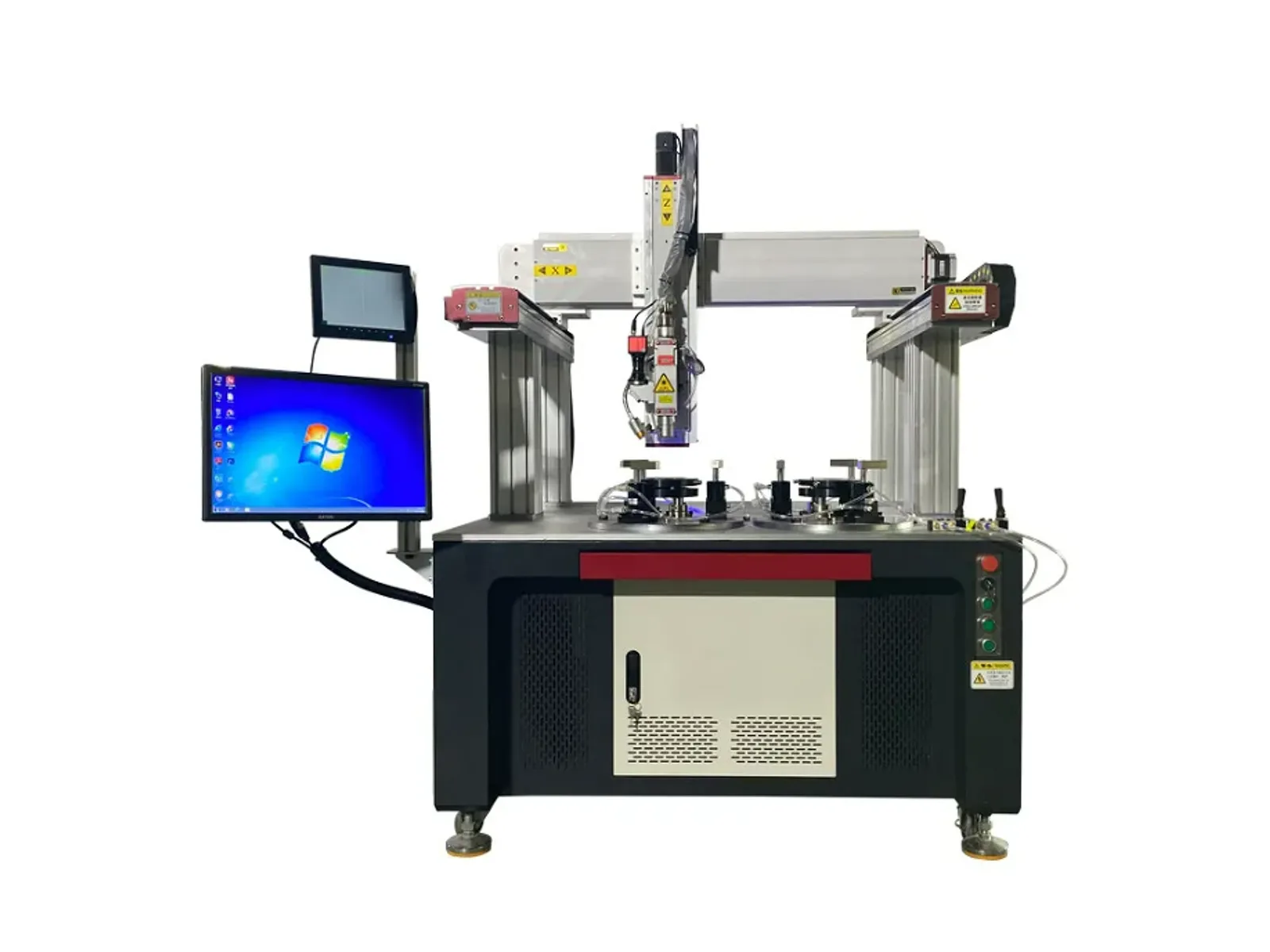
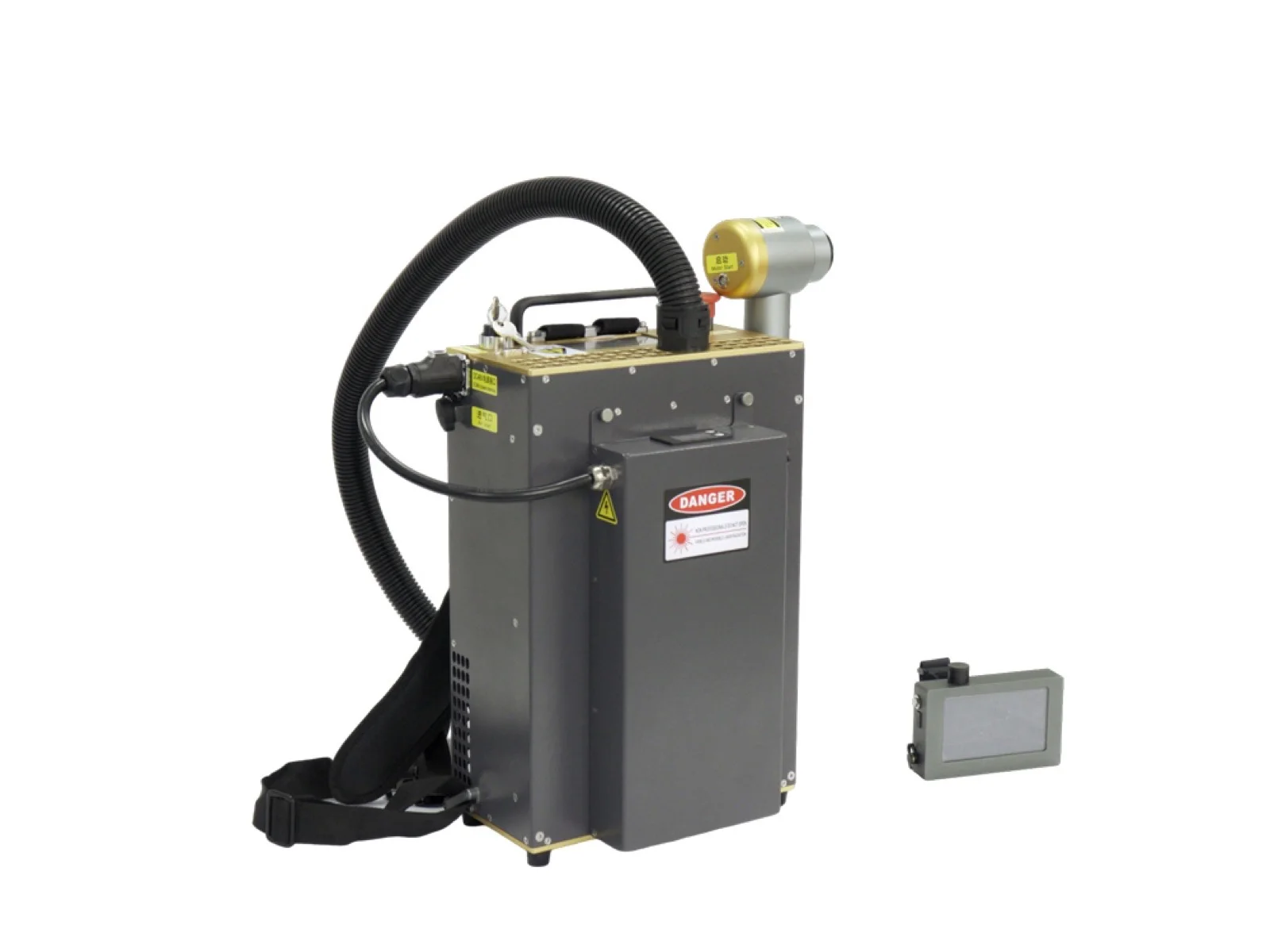
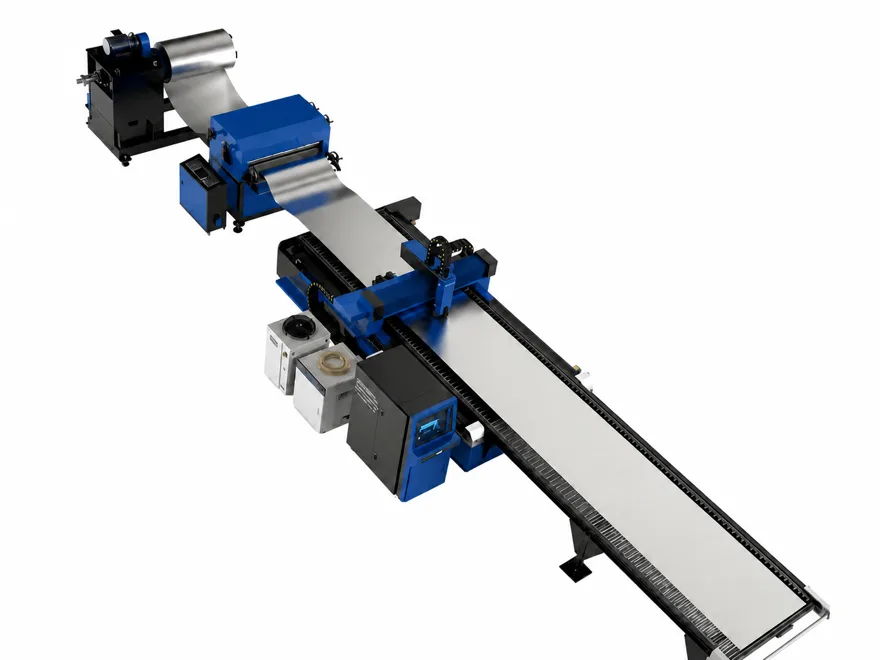
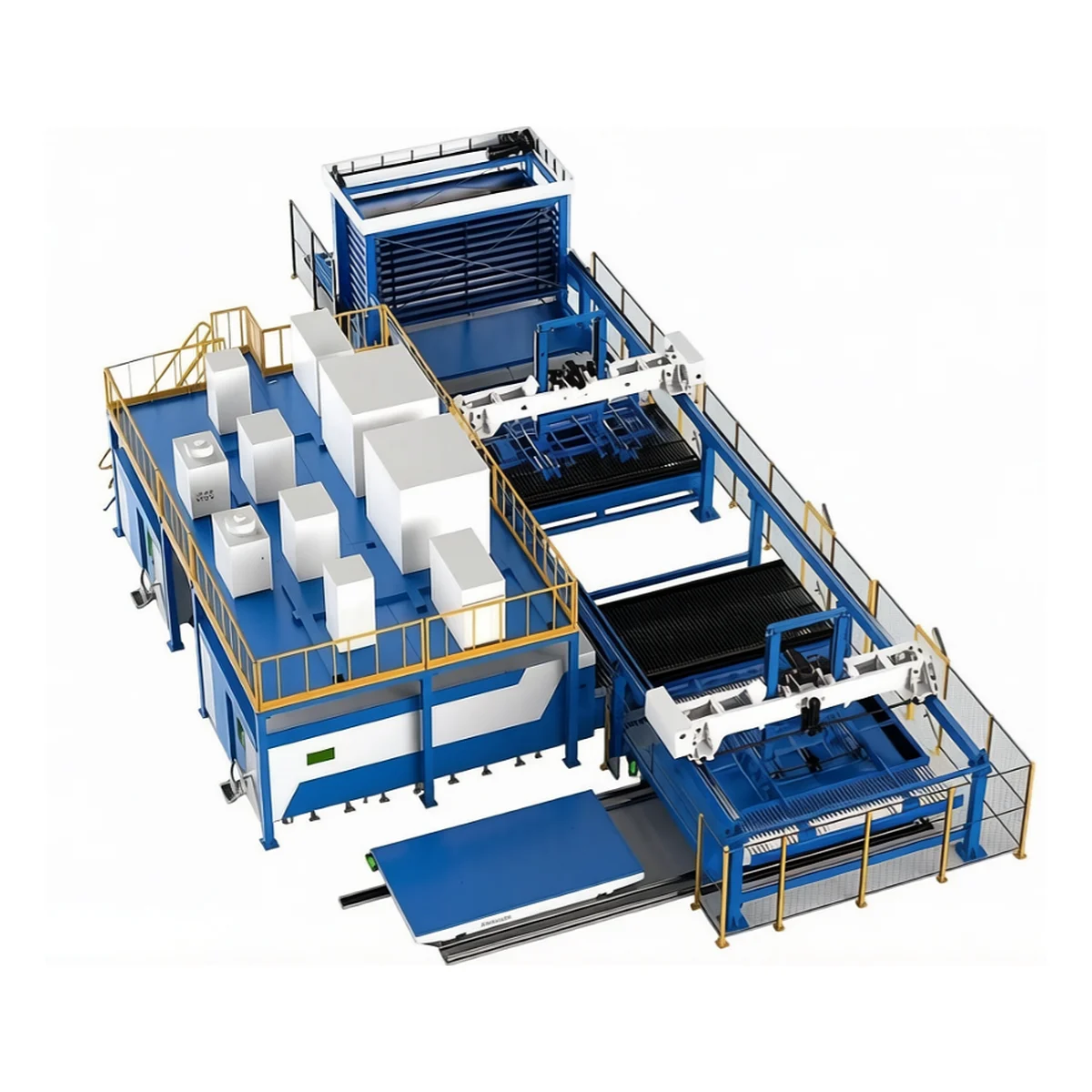
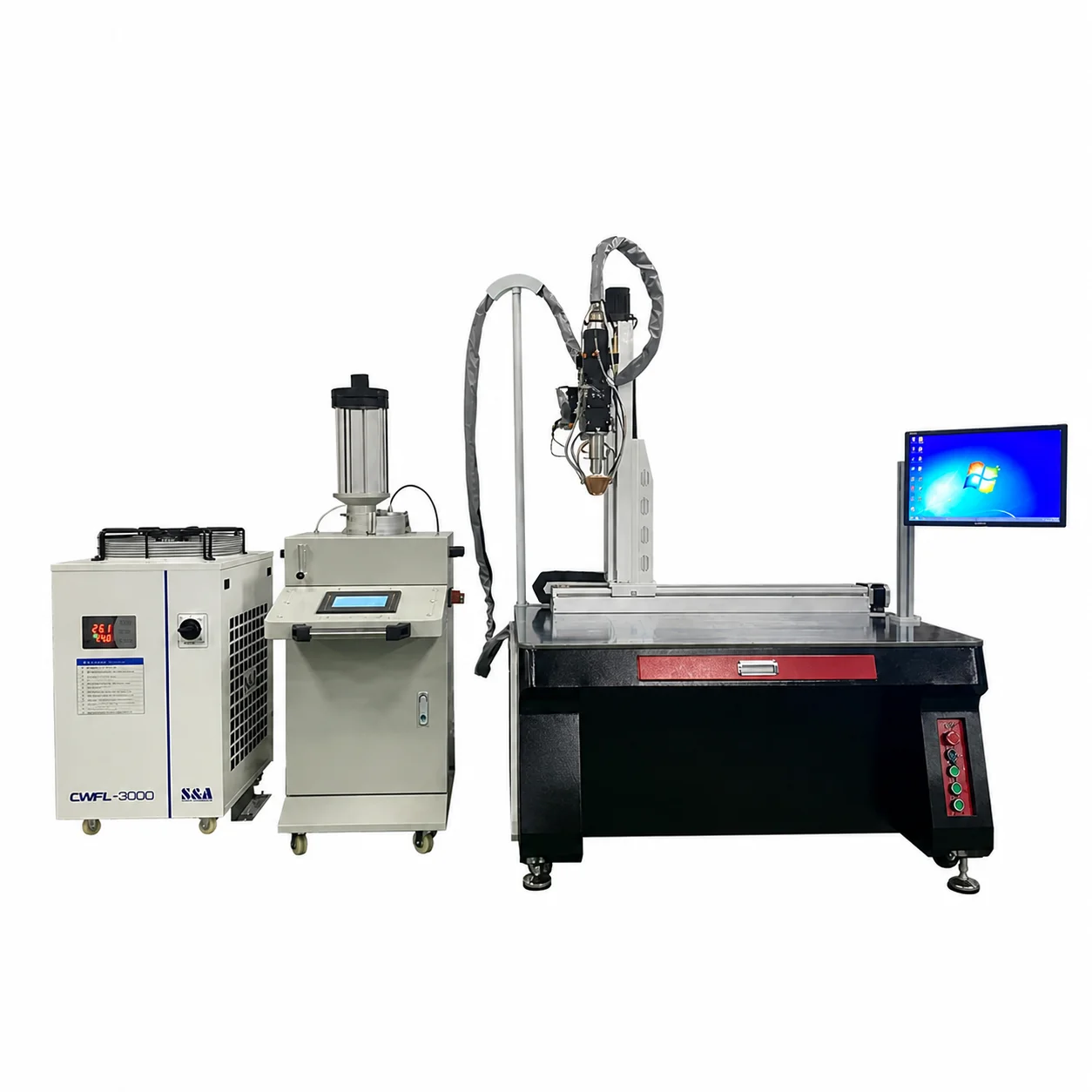
Platform automatic cladding
TY-RF2018 Platform Automatic Laser Cladding Machine
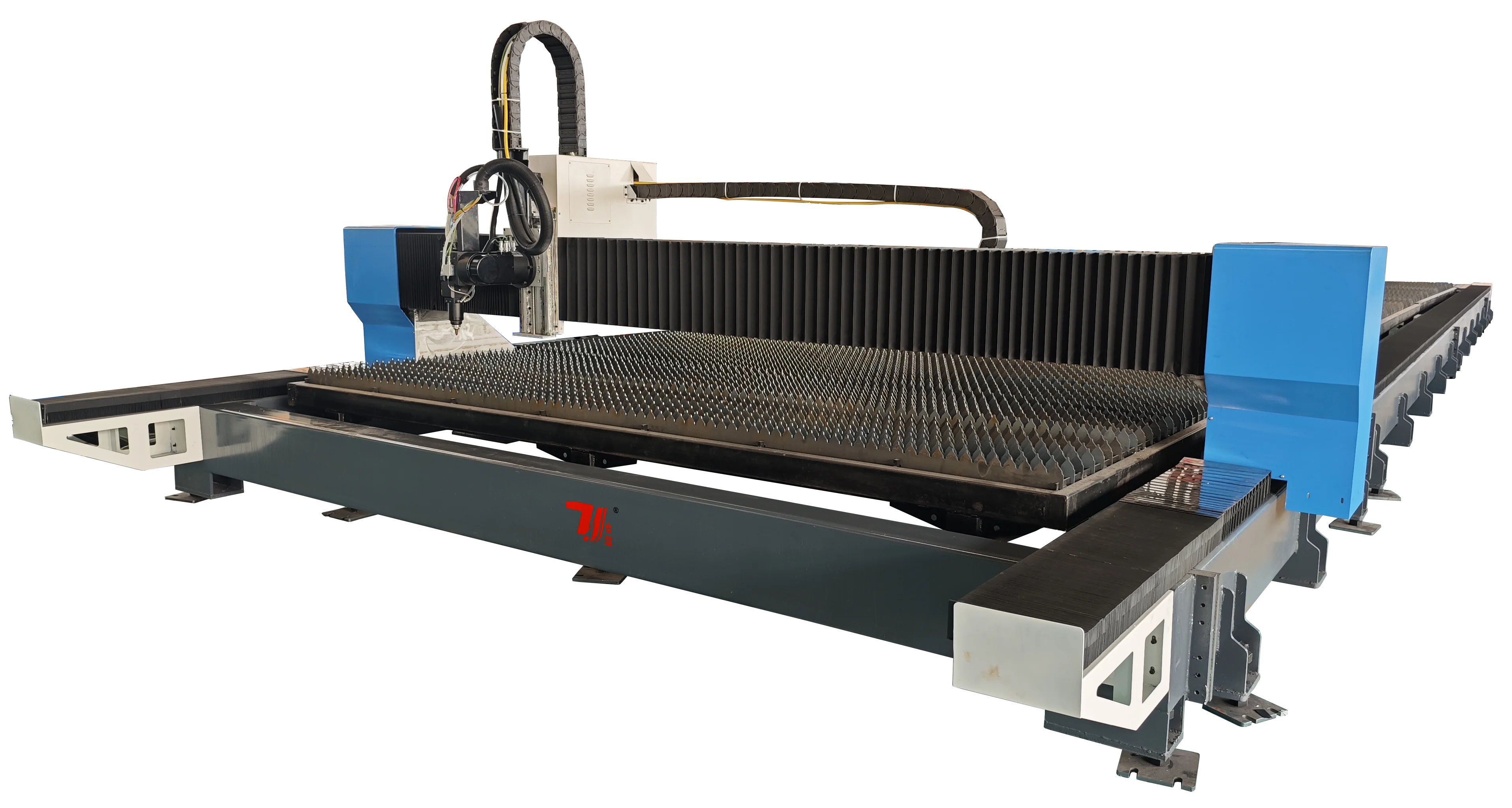
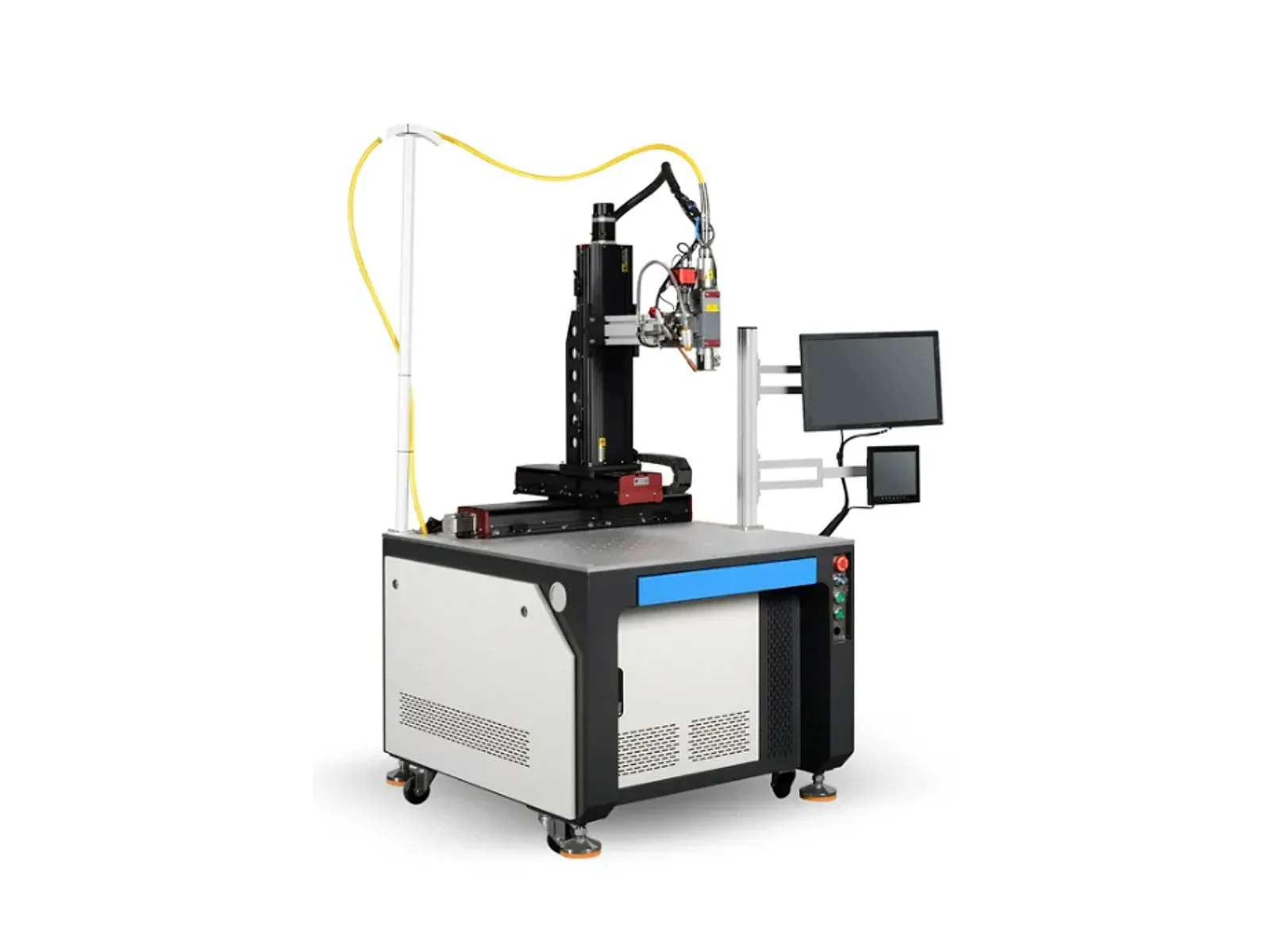
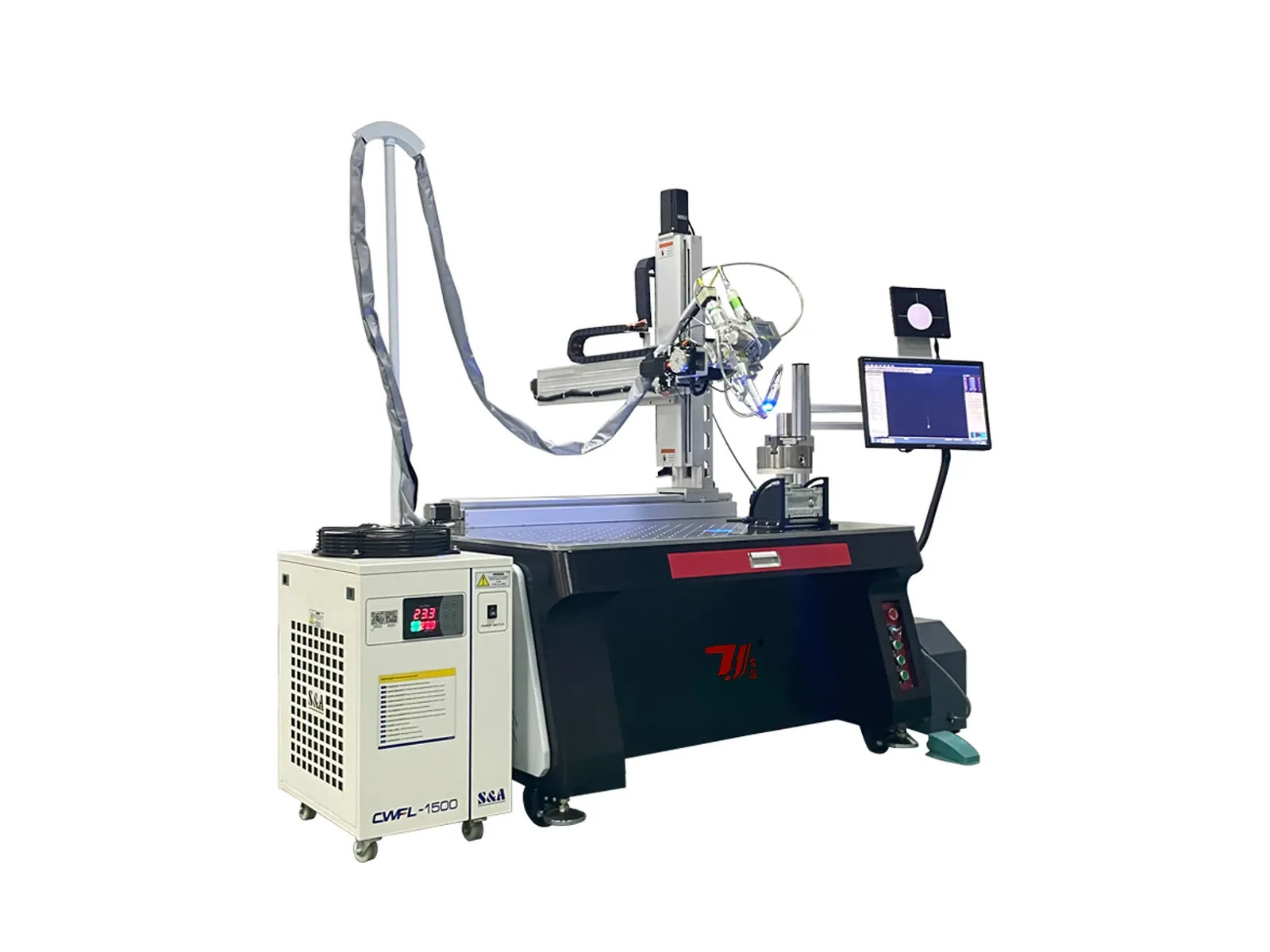
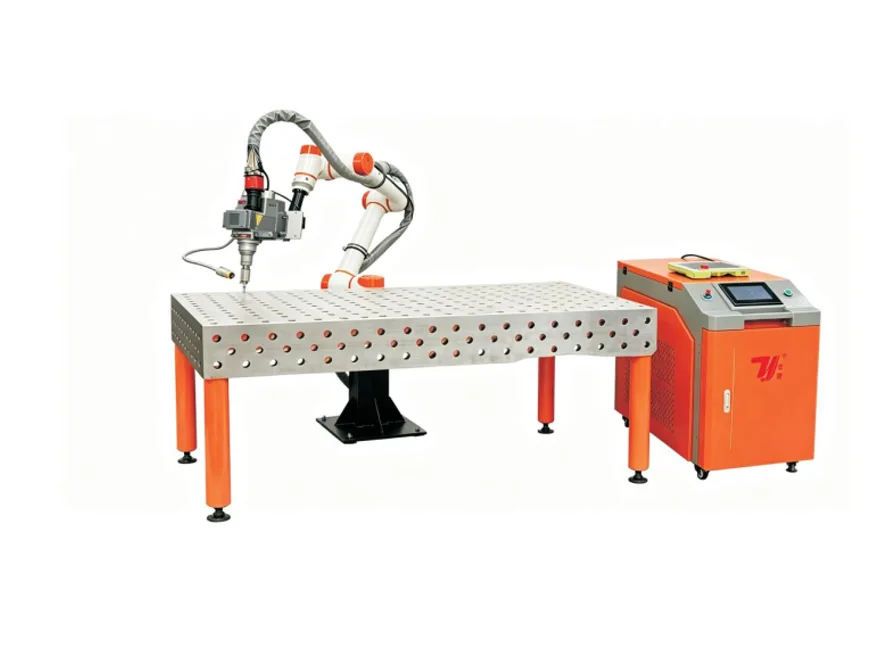
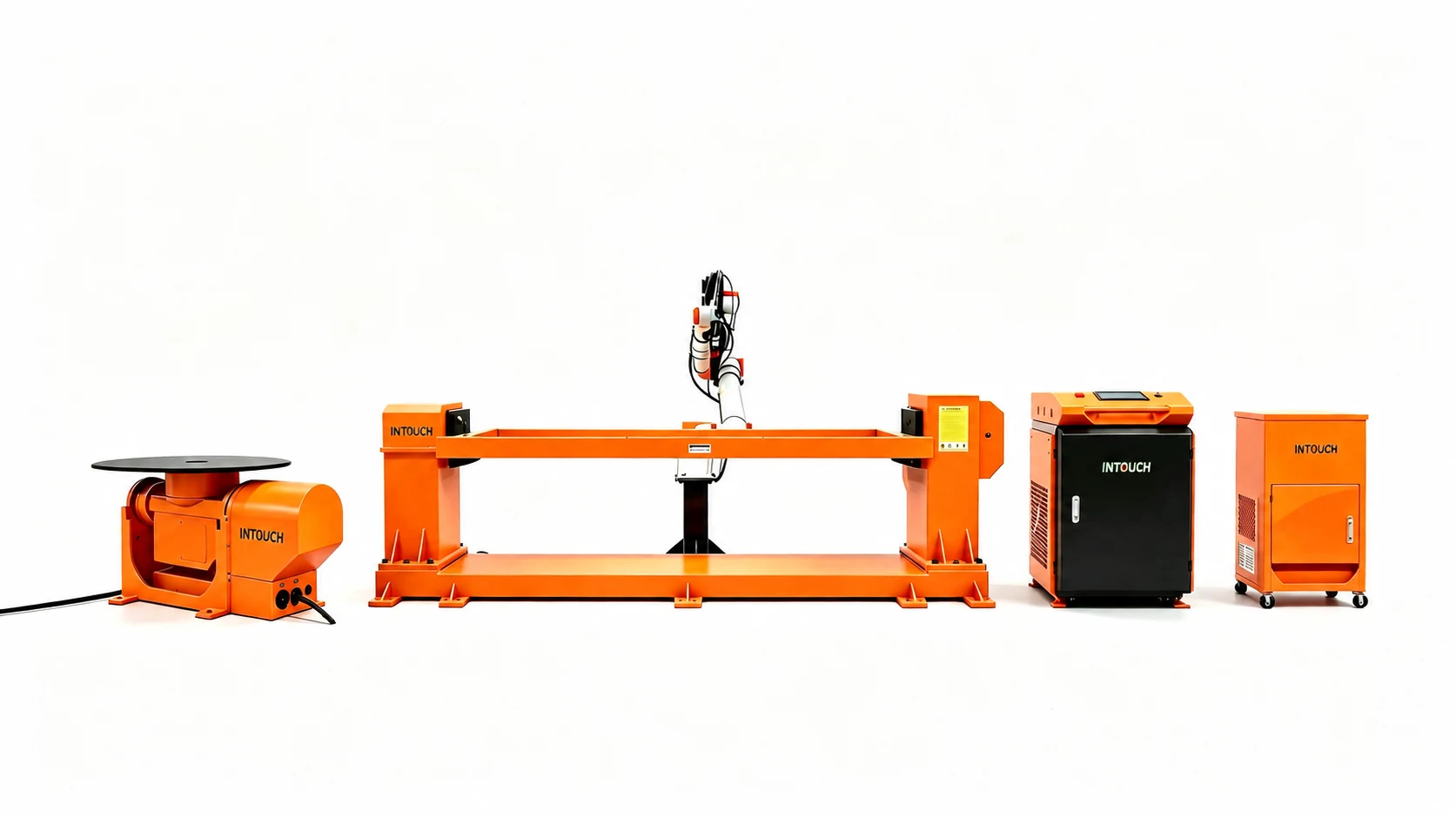
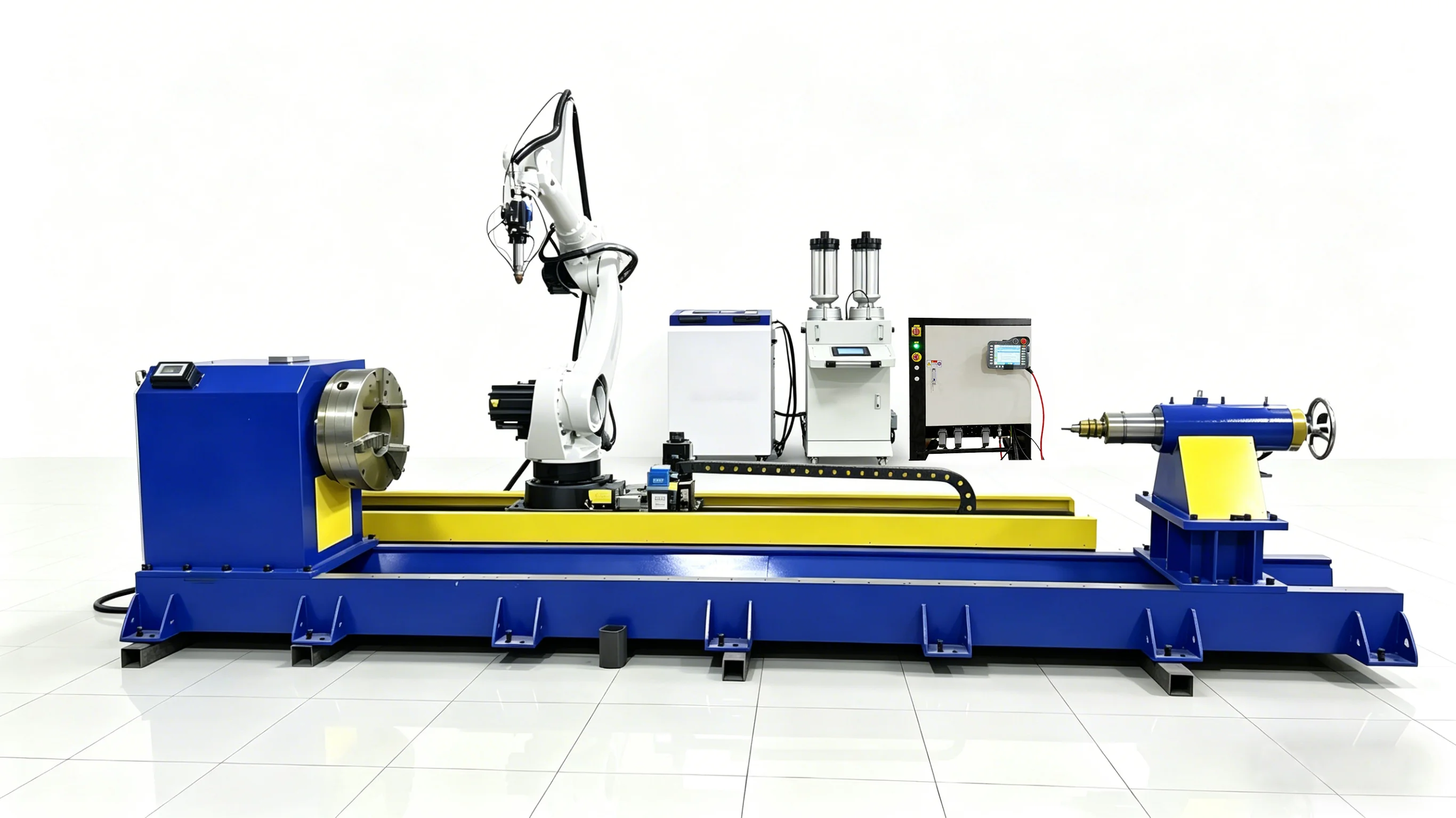
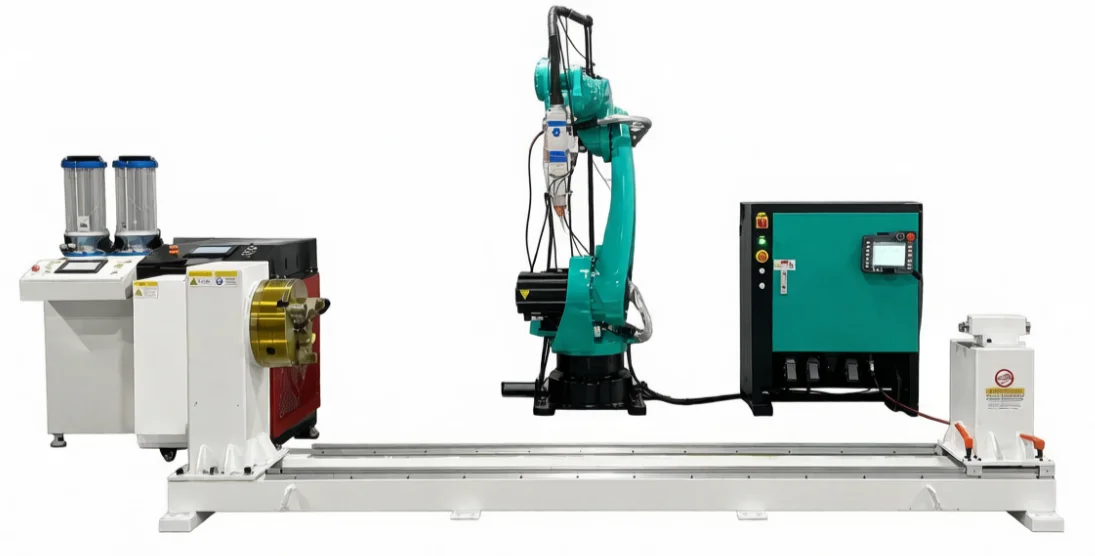
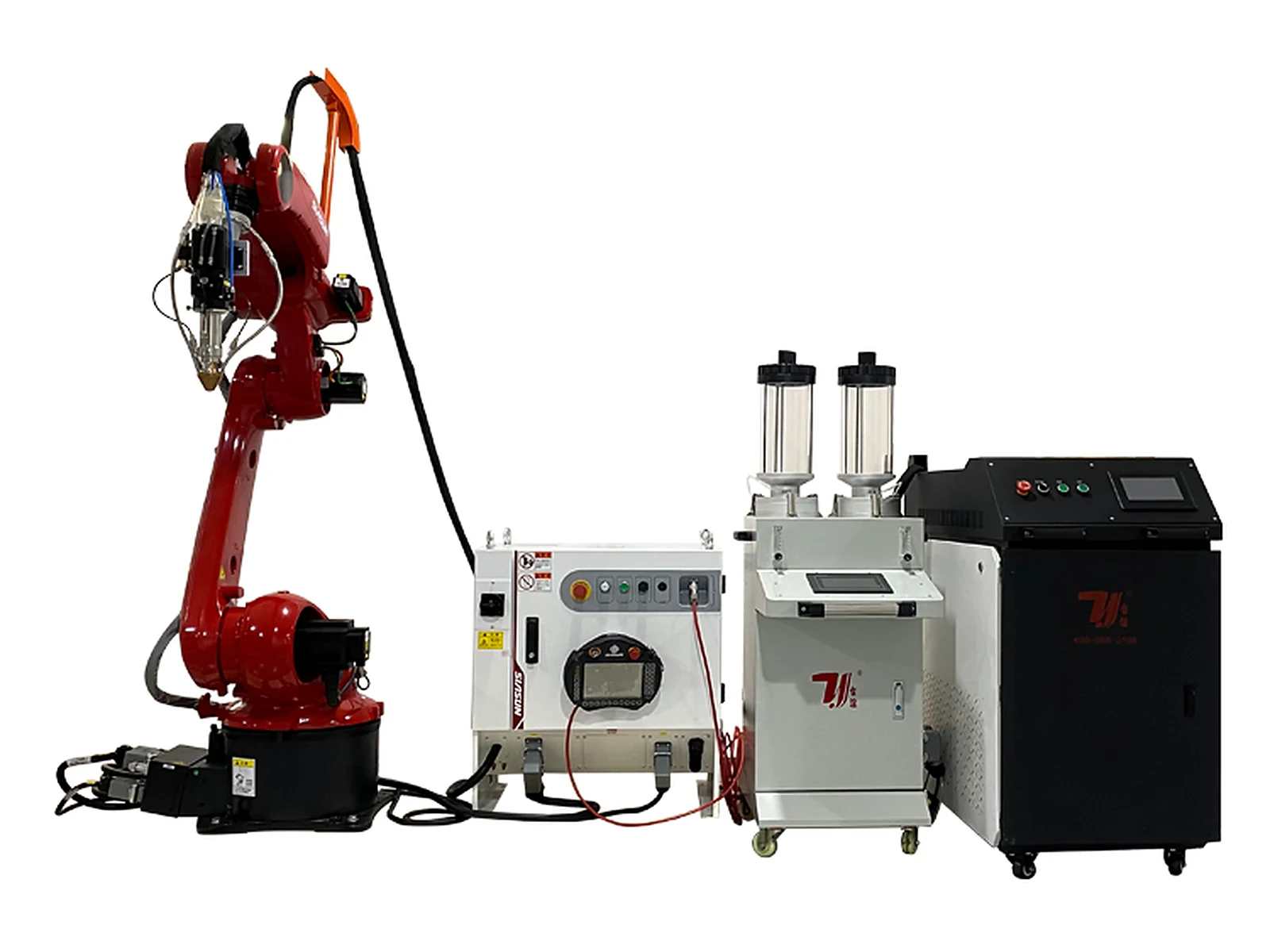
TY-RF2018 is an open-platform CNC laser cladding configuration for shafts, rollers, mechanical parts and simple curved components. Its working area, three-to-six-axis package and fixtures are selected around the part and the required repair path.
Whole-machine warranty: 2 years · Final price and delivery timing depend on working area, axis count, laser power, enclosure, powder feeder, extraction and integration scope.
Specifications
TY-RF2018 technical data
Platform and laser configuration
- Series
- TY-RF2018
- Listed configuration
- Platform automatic
- Listed laser power
- 3,000 / 6,000 W
- Support axes
- 3-6 axes
- Positioning accuracy
- ±0.02 mm / ±0.0008 in
- Listed working area
- 500 × 300 × 400 mm / 19.7 × 11.8 × 15.7 in; customizable
Cladding process
- Laser source
- Fiber laser
- Laser wavelength
- 1,080 ± 5 nm
- Fiber core diameter
- 600 μm / 0.024 in
- Listed cladding thickness
- 0.5-2 mm / 0.020-0.079 in
- Motion control
- CNC controller
Utilities and operating conditions
- Power supply
- 380 V ±5%, 50/60 Hz
- Cooling method
- Water cooling
- Listed operating temperature
- 0-50 °C / 32-122 °F
- Whole-machine warranty
- 2 years
Features
Select the platform, motion and enclosure around the workpiece
Open platform access
The open layout supports direct workpiece access, fixture adjustment and integration with a wider production line.
Compact automated platform
The listed 500 × 300 × 400 mm working area targets small and medium components and can be customized around the workpiece envelope.
Three-to-six-axis motion
The support-axis package is selected around straight paths, rotary parts and simple curved surfaces rather than fixed as one universal arrangement.
CNC process control
The cladding path, working motion and process sequence are coordinated through a CNC controller for repeatable automated operation.
Production-line integration
The compact platform can be planned around upstream and downstream handling, available floor space and operator access requirements.
Configured around the repair task
Laser power, working area, workholding, cladding head and enclosure scope are confirmed after reviewing the part drawing, material and target layer.
From part review to sample acceptance
A typical sequence for defining the system around the submitted component, process target and production environment.
- 01
Part drawing and base-material review
- 02
Repair or strengthening target definition
- 03
Cladding material and process-trial planning
- 04
Laser power and processing-head selection
- 05
Working area, axis and workholding check
- 06
Platform integration and guarding review
- 07
Extraction, cooling and utility definition
- 08
Sample acceptance and installation scope
Platform scope
Configure the TY-RF2018 platform around the workpiece
Final working area, axis count, workholding, laser power, line interfaces and surrounding guarding are confirmed against the part geometry and production setting.
Related products
Other cladding and robot processing paths
TY-RF2018
Compare the fully enclosed TY-RF2018 configuration with integrated core equipment and a reserved extraction interface.
Robot and internal-wall claddingTY-RF5018
Compare robot workstation, internal-wall and cladding-hardening configurations in the TY-RF5018 series.
Integrated production cellsRobot automation systems
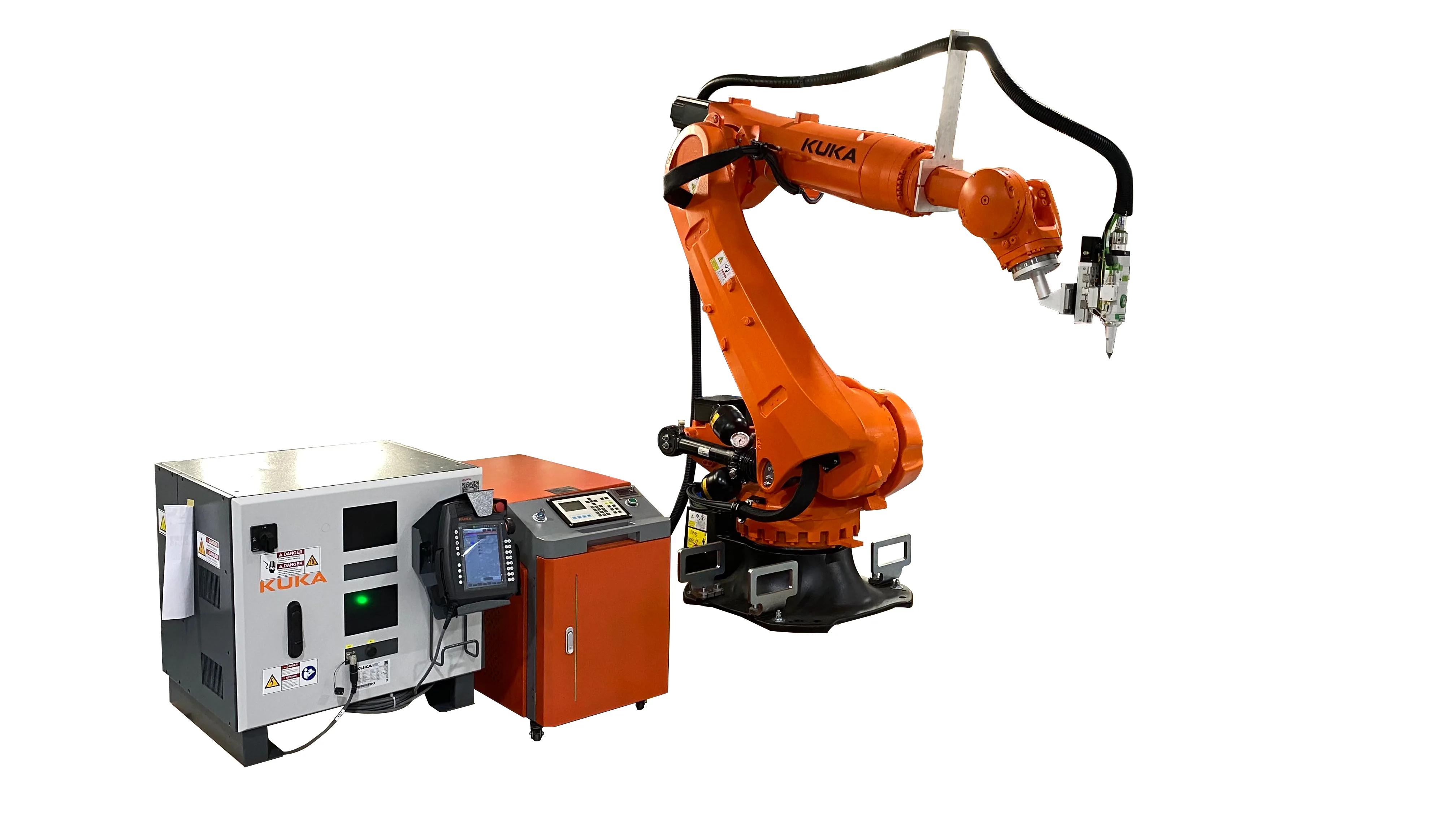
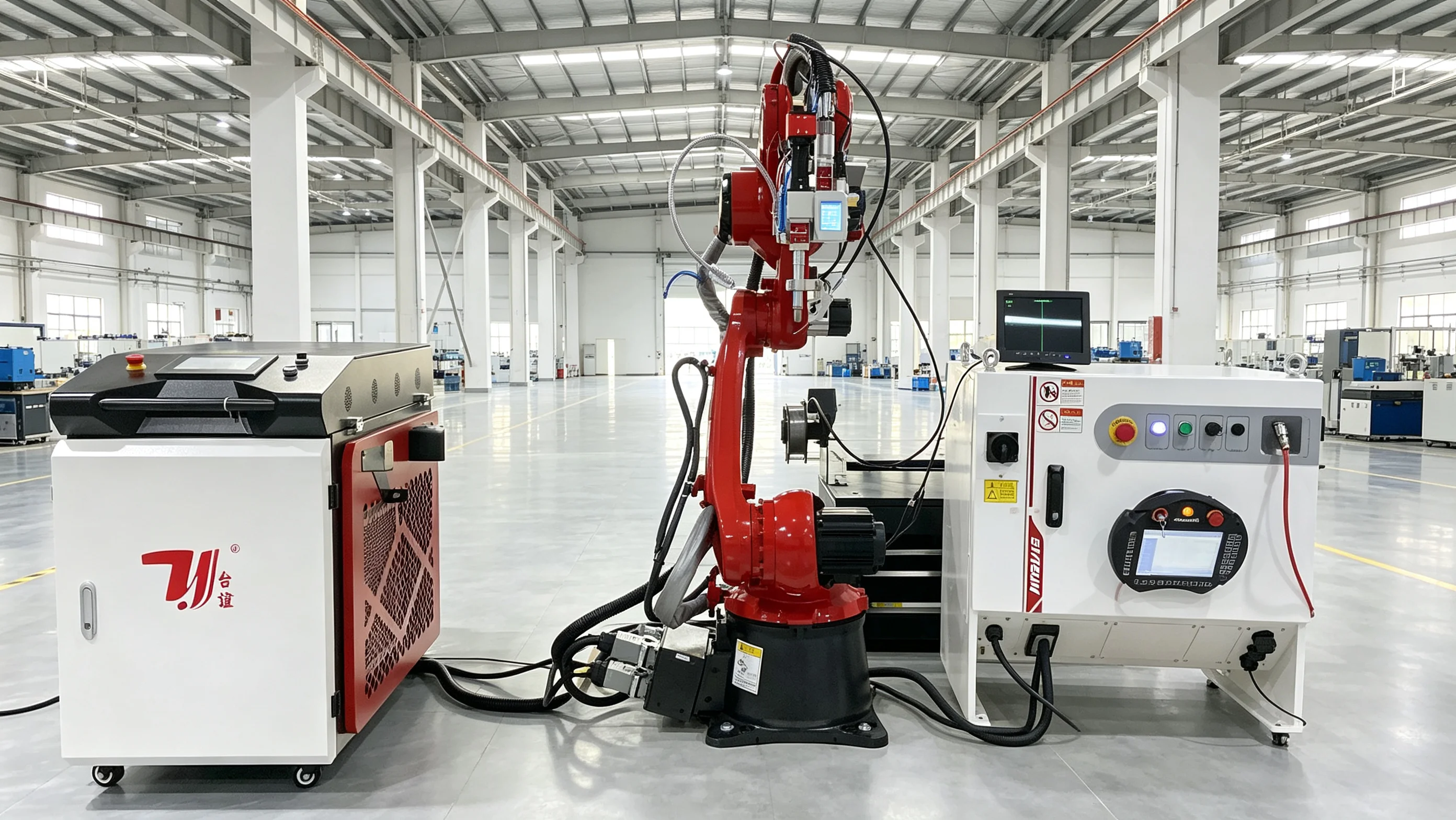
Compare robot cutting, welding and material-handling systems configured around the process task.
Related industry solutions
Explore the applications and laser processes connected to this equipment.
View all industry solutions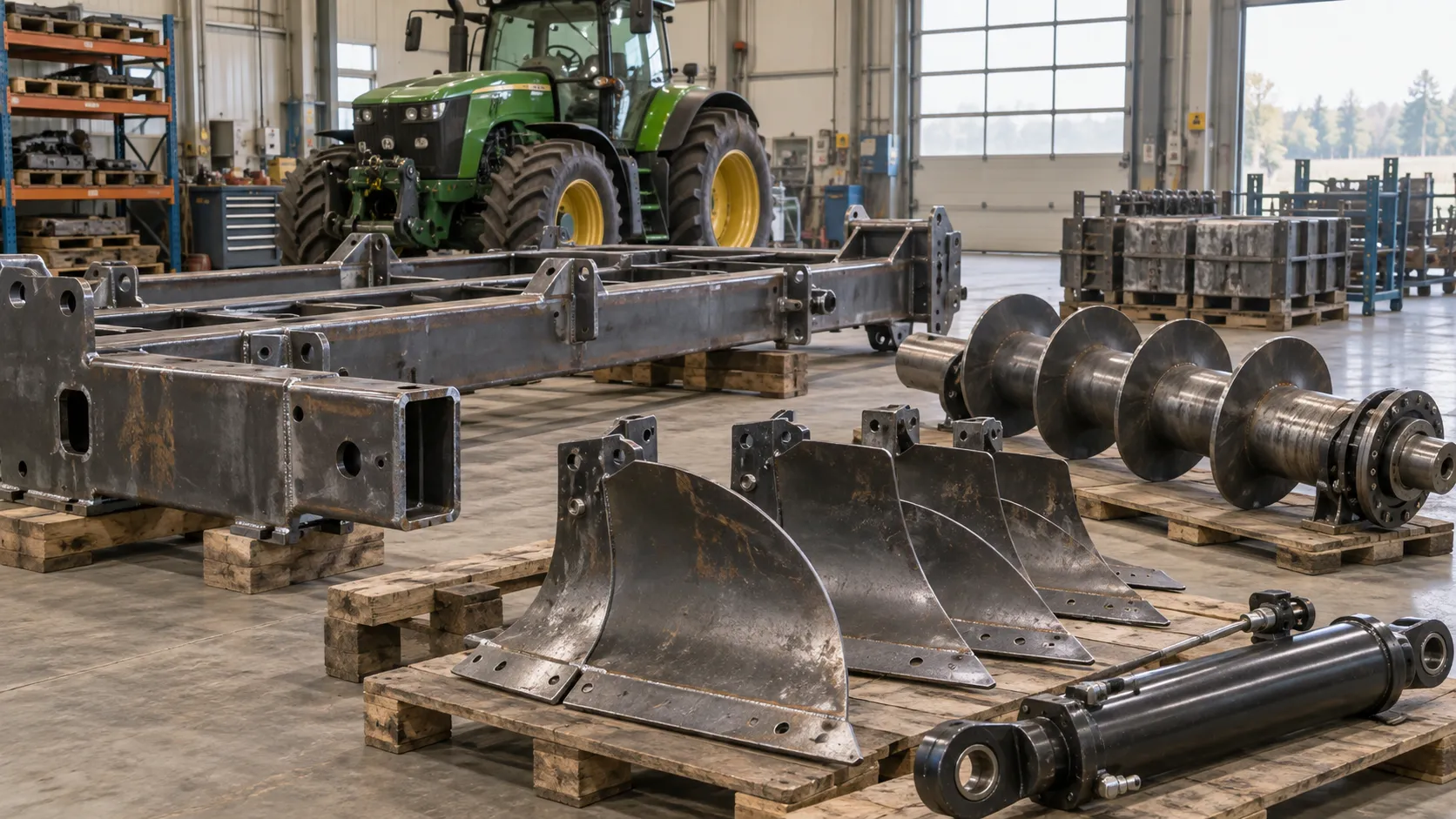
Plan the platform around the loaded component
Allow space for the fixture and the head
The listed working area is 500 × 300 × 400 mm and can be customized. Check the part with its fixture, clamping clearances and head movement rather than treating those dimensions as an unconditional maximum component size.
Select axes for the actual path
Straight paths, rotating components and curved surfaces call for different motion arrangements. Submit the treatment regions and describe whether the workpiece must rotate so the CNC axis package can be selected for that task.
Define loading and the surrounding cell
The open layout provides direct access for loading and fixture adjustment. Plan the surrounding guarding, extraction, utilities and any handling interfaces with the machine; the open platform does not define the complete installation by itself.
Machine selection questions
What is the standard listed working area?
The listed reference is 500 × 300 × 400 mm, with customization available. Confirm usable space for the component, fixture and head path in the selected configuration.
Are all six axes included?
The product lists a three-to-six-axis support range. The required number and arrangement are selected for the submitted cladding path and workholding; confirm the exact package in the quotation.
How does the open platform differ from the enclosed TY-RF2018?
The open platform emphasizes direct workpiece and fixture access. The enclosed configuration integrates the process within a machine body and requires a loading-access review. Compare the full part, fixture and installation needs.
Can the platform be considered for shafts and rollers?
Shafts and rollers are listed applications. Part length, mass, support points and the need for rotation must be reviewed with the working area and chosen axis package.
What should I send for a platform-cladding quote?
Provide the part drawing, dimensions and mass, material, current surface condition, target layer and output requirement. Include the fixture concept, loading method and available installation space.
Request a quote
Tell us the part. We will tell you the machine.
Price depends on part dimensions and material, target layer, working area, axis count, laser power, cladding head, workholding, enclosure, extraction and installation scope.
- Phone+86 153 6281 4831
- Emailsales02@taiyilaser.com
- WhatsApp+86 153 6281 4831