
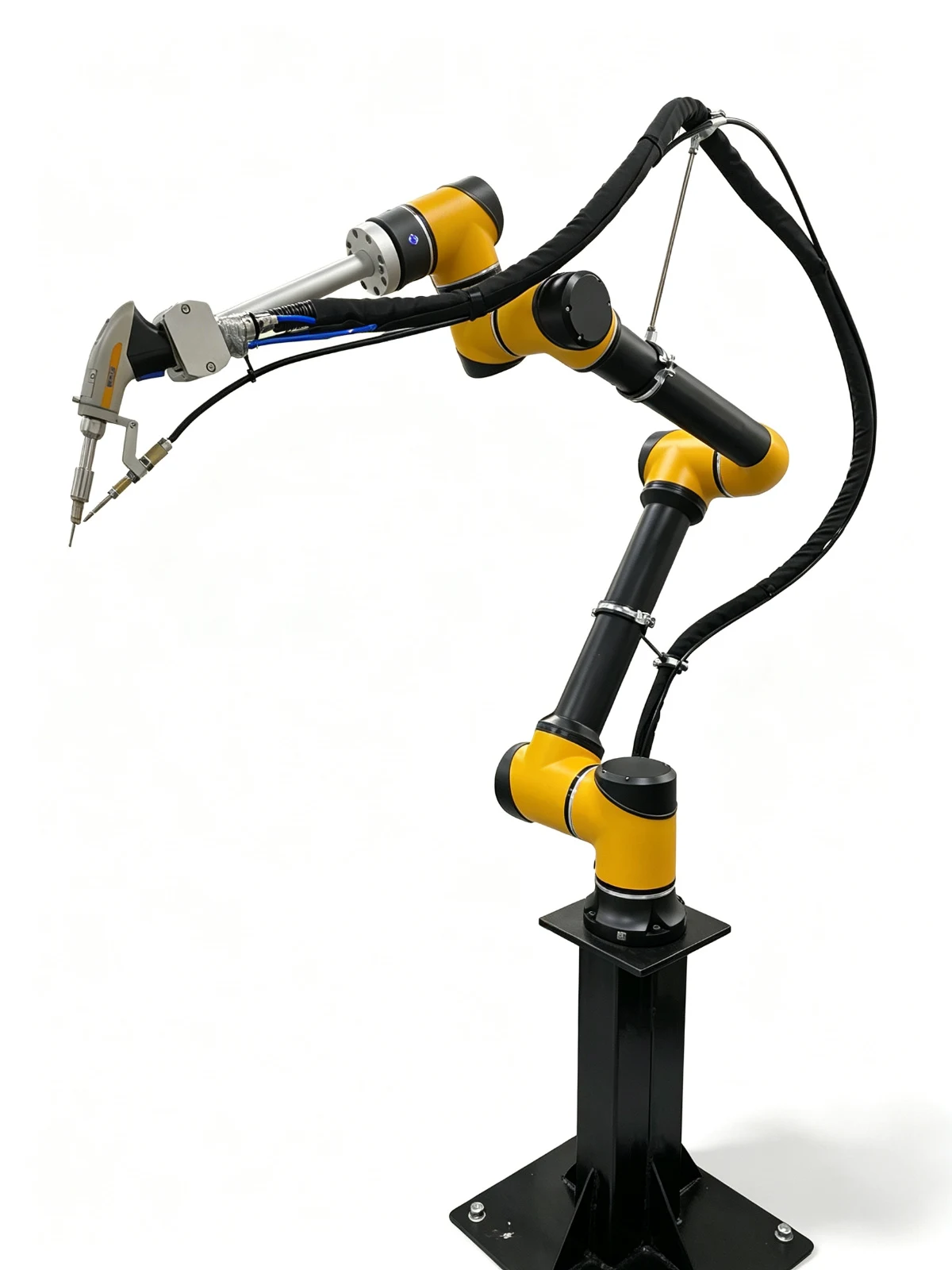
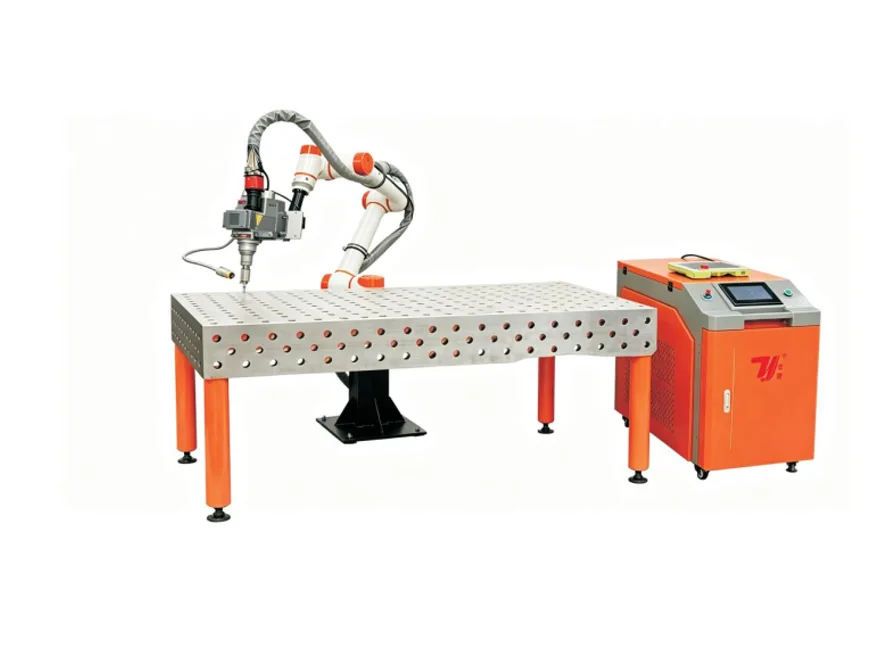
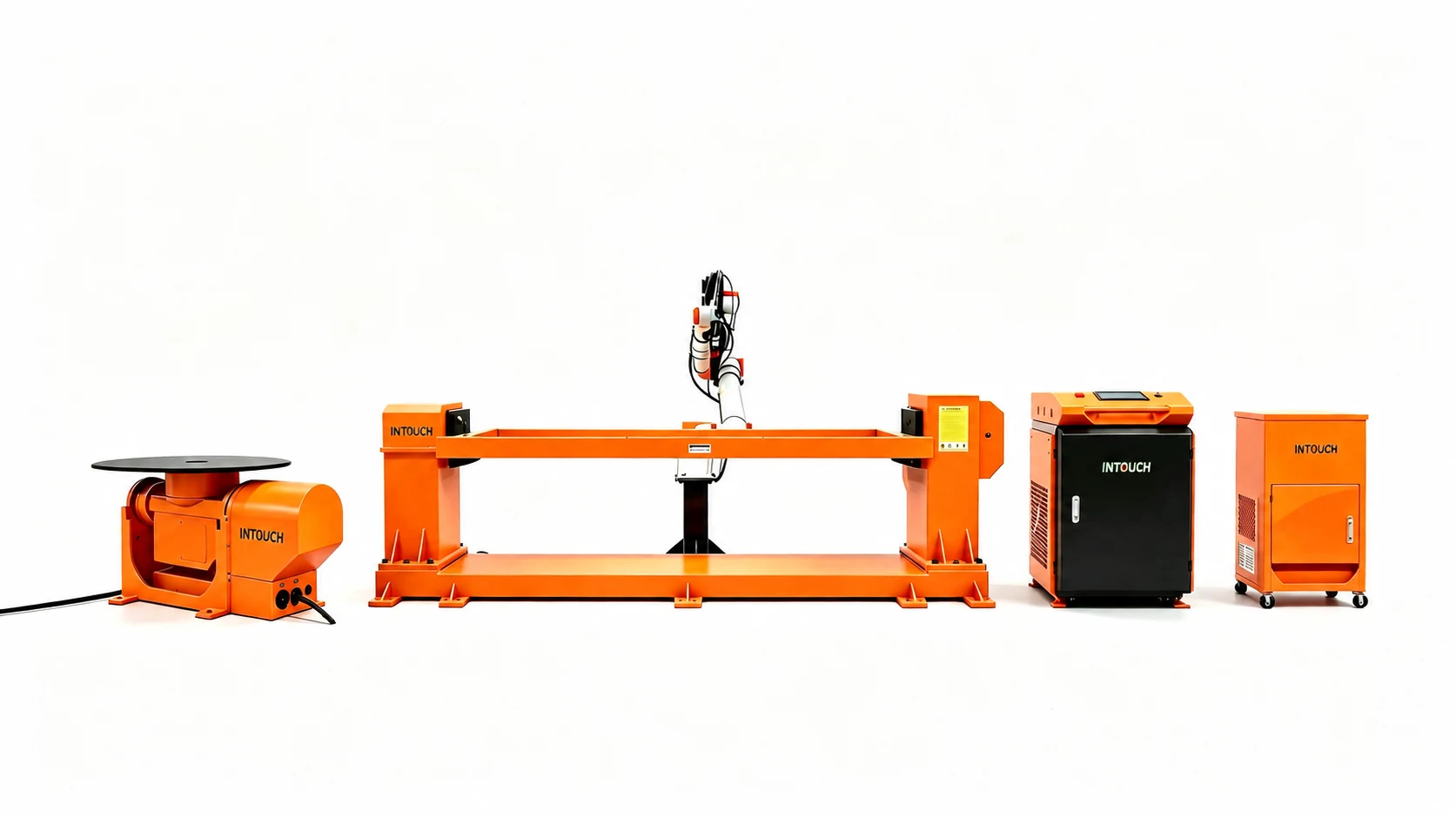
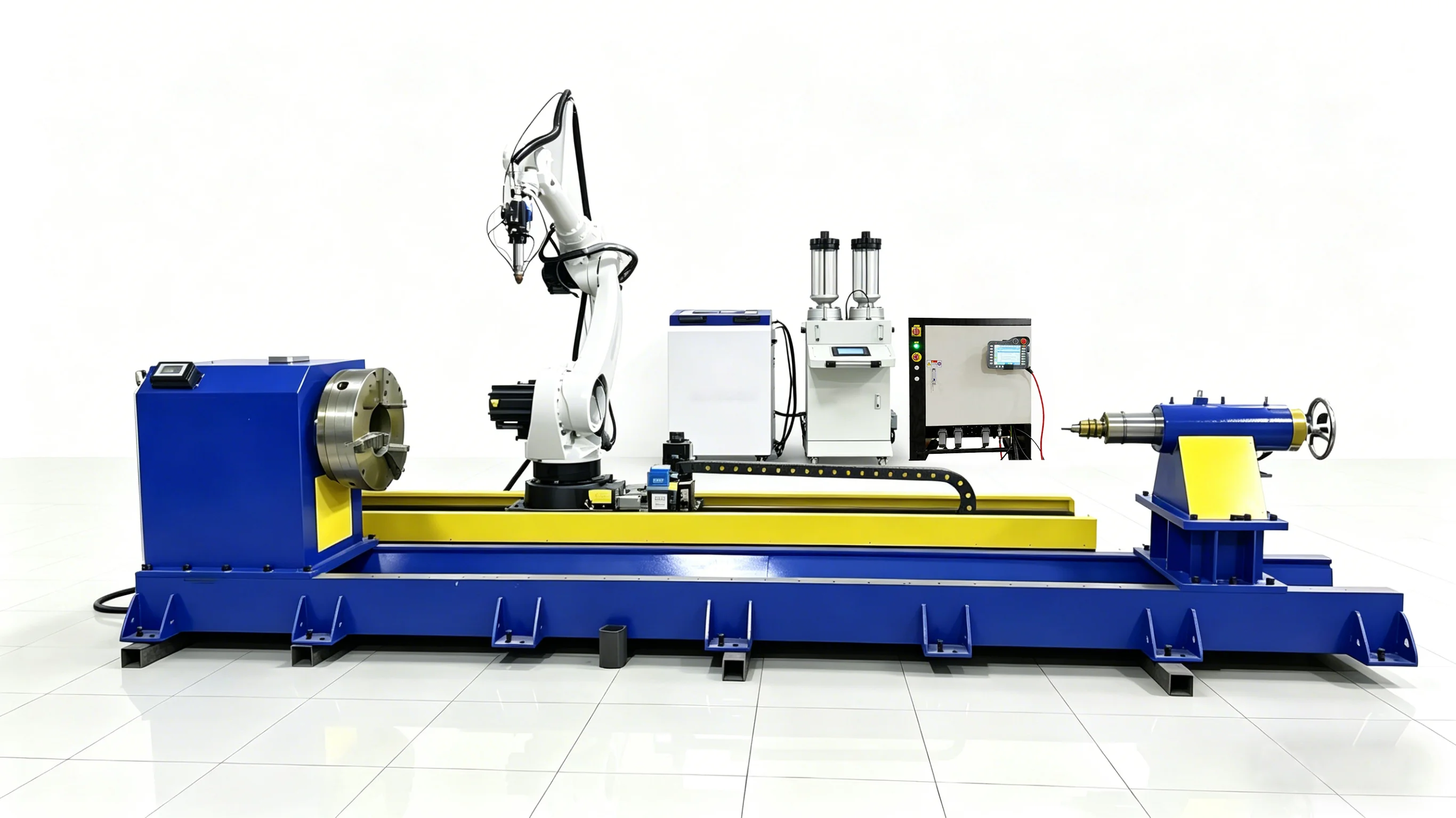
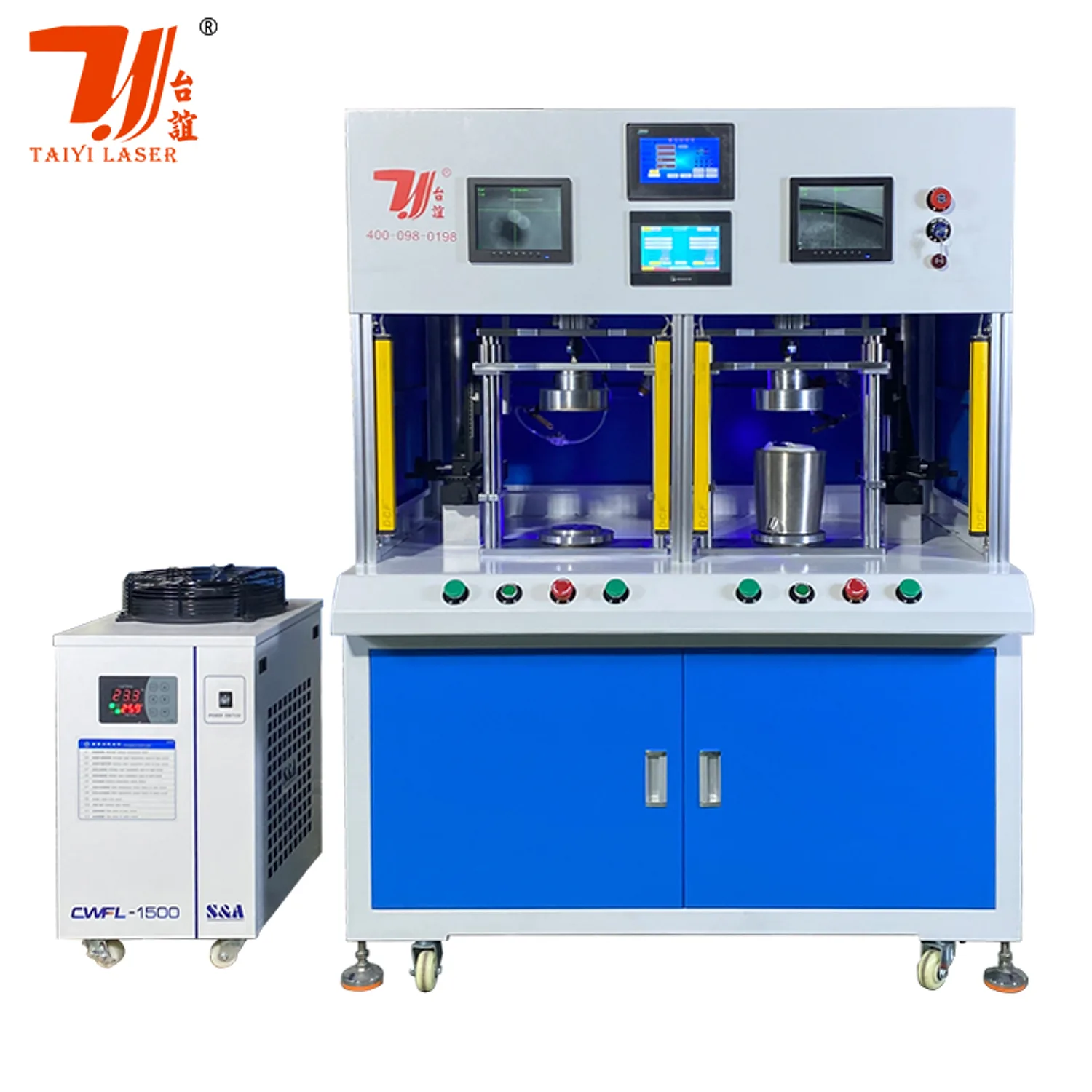
Alternating dual-station welding
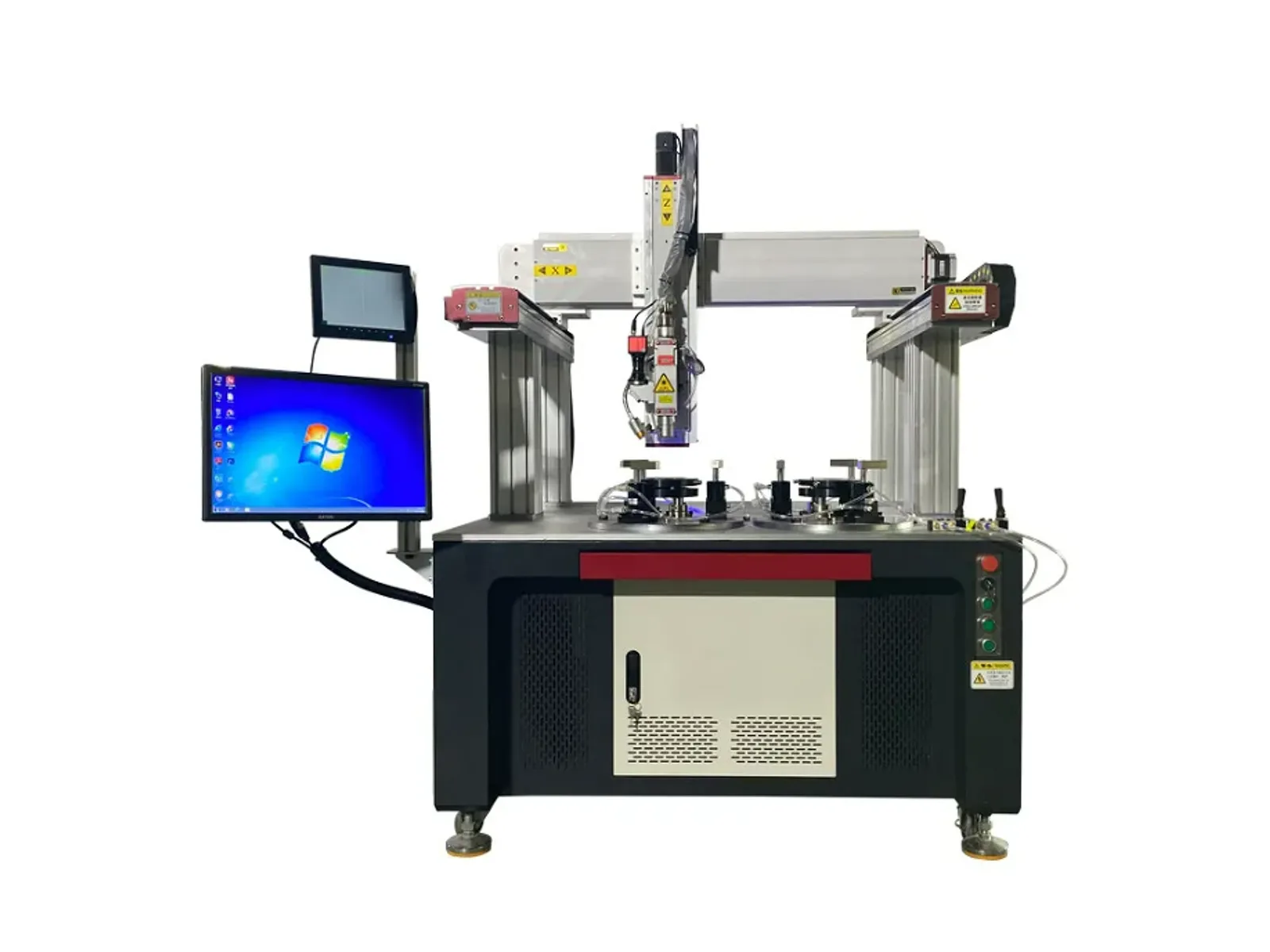
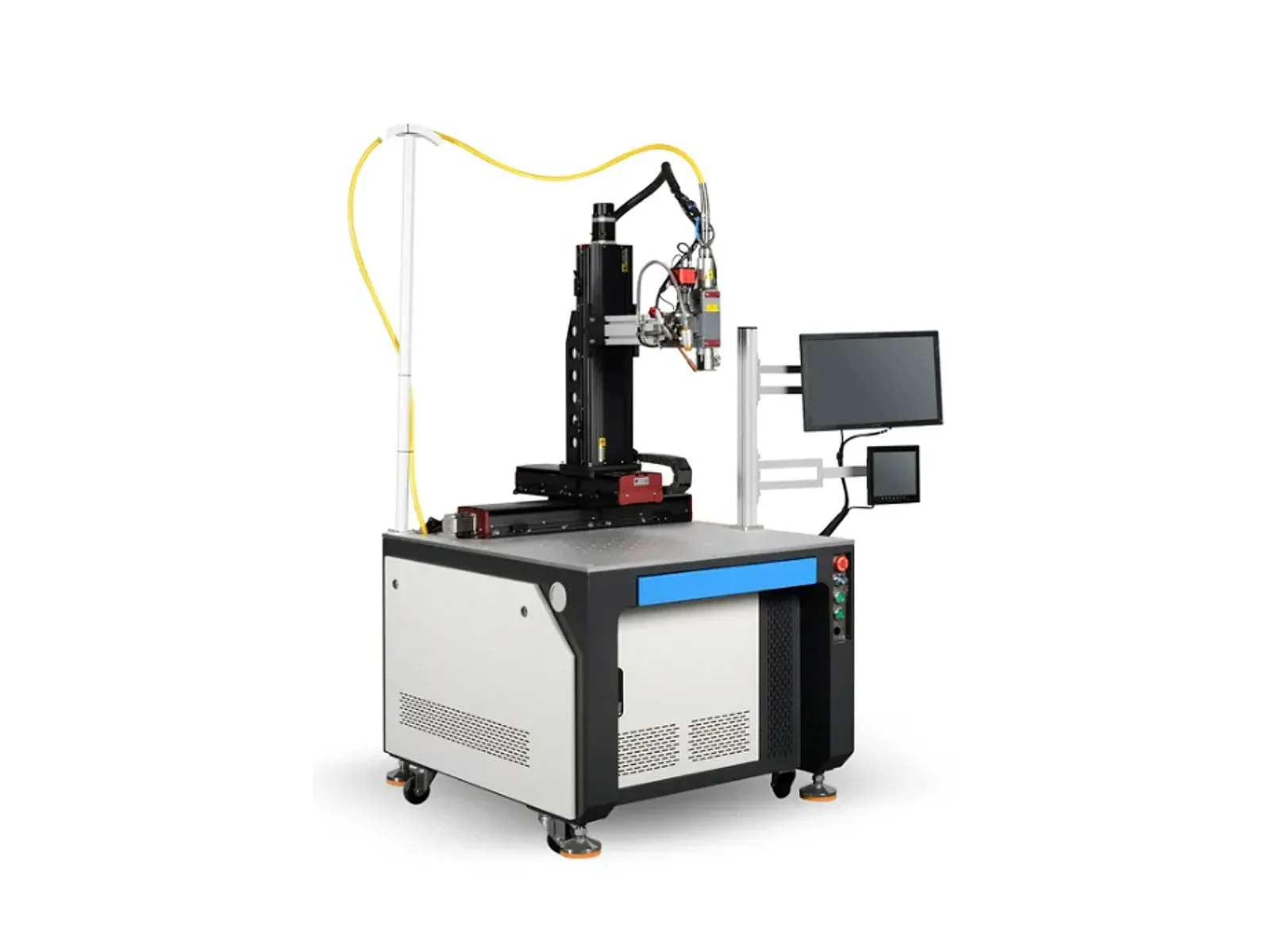
Double-Station Kettle Bottom Laser Welding Machine
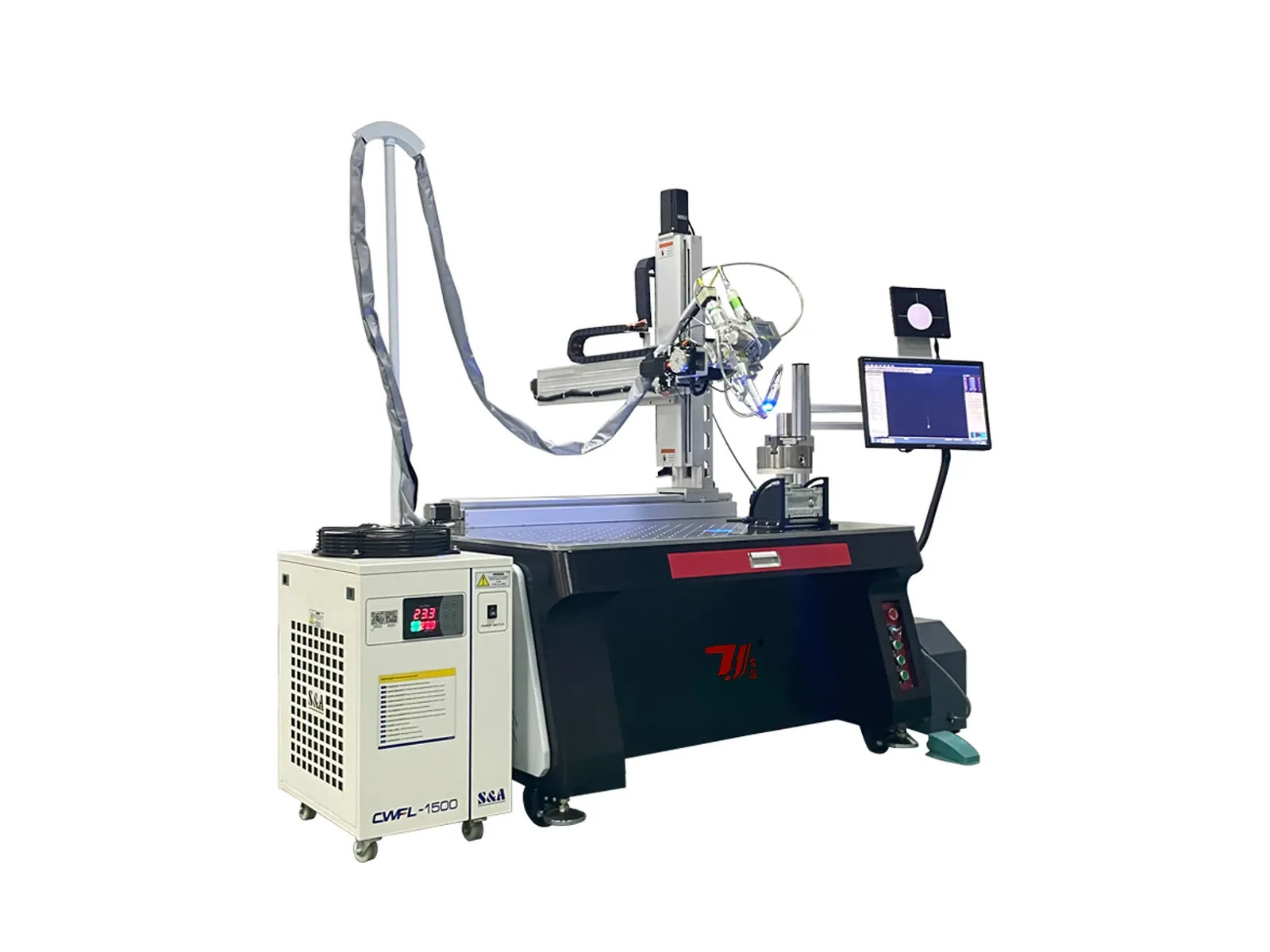
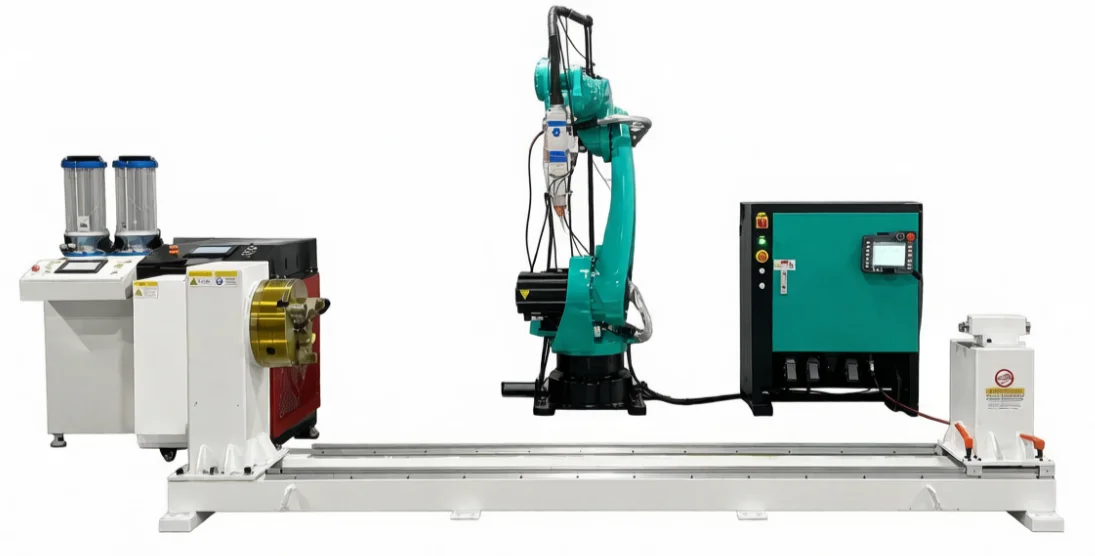
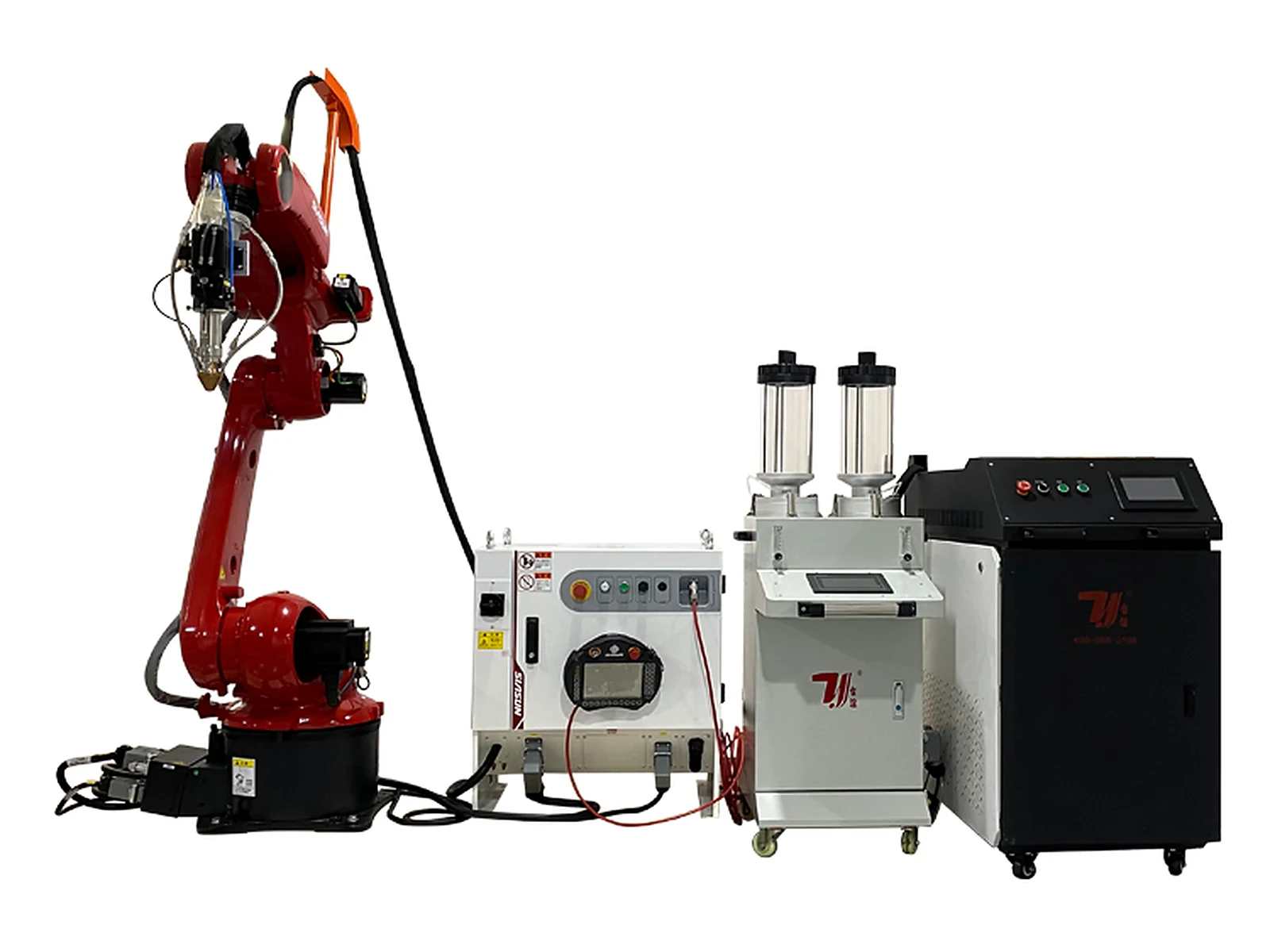
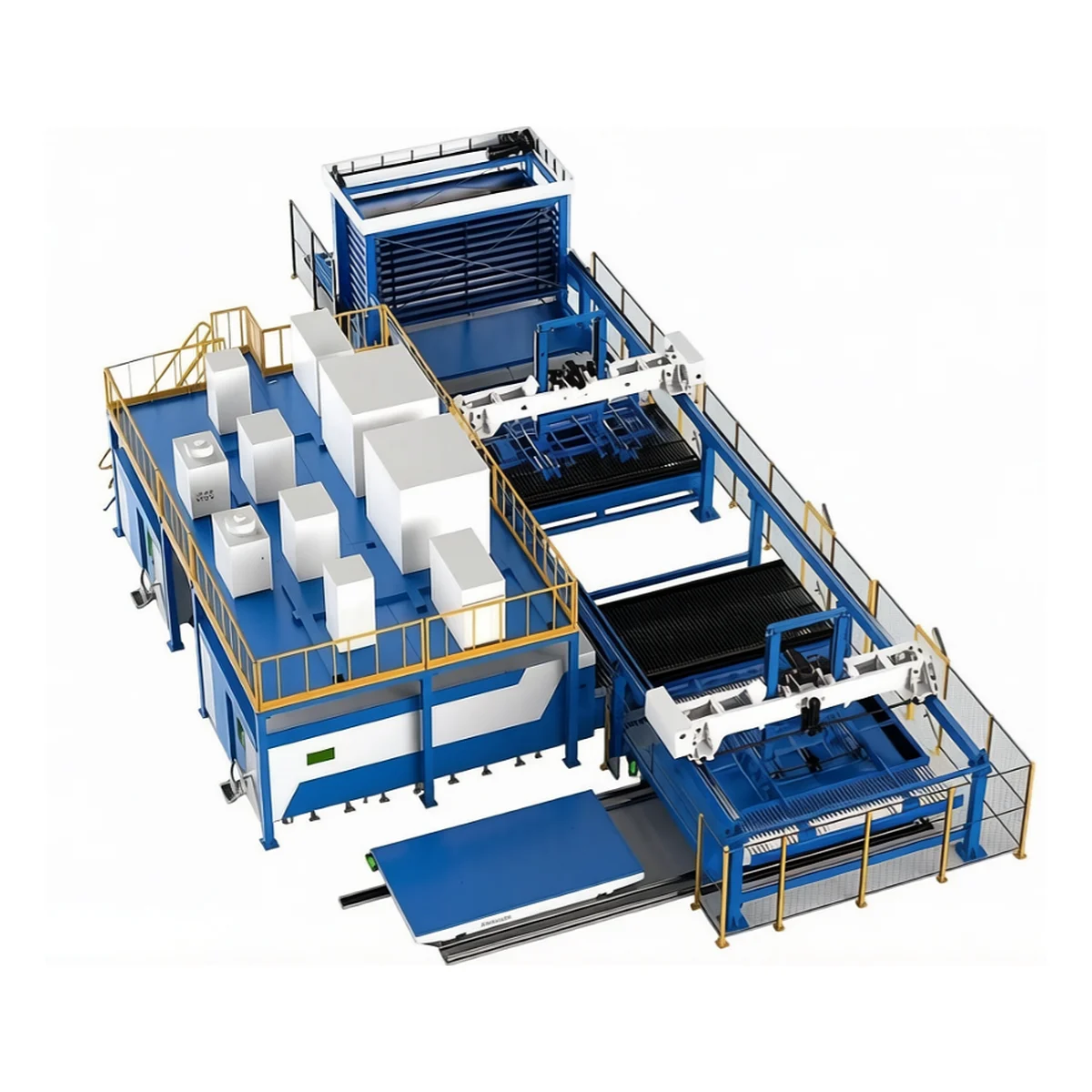
This double-station laser welding cell is configured for circular bottom joints on electric kettles, vacuum cups and related stainless-steel vessels. Alternating workstations allow loading and unloading to be planned alongside welding.
Specifications
Document-listed configuration options
Laser and motion · select by project
- Configuration status
- Document-listed selections; final compatible pairing requires project confirmation
- Laser power
- 1,500 / 2,000 / 3,000 / 6,000 W (select one)
- Welding speed
- 10-90 mm/s
- Positioning accuracy
- ±0.02 mm
- Station layout
- Two alternating workstations
Optics and process · confirm as one set
- Option-set status
- Manual-listed values; confirm compatibility with the selected power and process
- Laser wavelength
- 1,070 nm (manual listing)
- Pulse frequency
- ≤100 Hz (manual listing)
- Pulse width
- 0.5-15 ms (manual listing)
- Spot adjustment range
- 0.1-3 mm (manual listing)
- Laser-source options
- Raycus / IPG / JPT / MAX (project selection)
- Welding-head option
- Raytools HZG (project selection)
Workholding and utilities · confirm per cell
- Primary workpieces
- Kettle bottoms, vacuum-cup bases and water-appliance parts
- Fixture package
- Configured to the submitted vessel size and base joint
- Cooling system
- Water cooling
- Input voltage
- 220 or 380 V (confirm for the selected configuration)
- Power phase
- 3-phase (manual listing; confirm for the selected supply)
- Input frequency
- 50 / 60 Hz (confirm for the selected supply)
- Production-line connection
- Supported after interface review
Load one kettle fixture while the other station welds
This is an application-configured cell rather than a fixed catalogue model. The fixture, laser source, weld path and production interface are selected after the vessel and bottom-joint task are reviewed.
Alternate loading and welding
One station can be loaded or unloaded while the other station completes its weld cycle, reducing non-welding time in repeat production.
Dedicated bottom-joint fixtures
Each fixture is configured around the submitted kettle or vessel base so the circular joint remains registered through the cycle.
Configurable laser and optics
The supplied manual lists four laser-power selections plus optional source and welding-head brands for project-specific process development.
Prepared for production integration
The dual-station cell can be reviewed for continuous production-line connection after loading, unloading, guarding and cycle-time boundaries are confirmed.
From application review to delivery
- 01
Machine-bed welding
- 02
Beam preparation
- 03
Heat treatment
- 04
Precision machining
- 05
Pre-assembly inspection
- 06
Machine assembly
- 07
Testing, debugging and acceptance
- 08
Delivery
Application scope for kettle and vessel bottom welding
Suitability depends on the stainless-steel grade, base-joint geometry, fit-up, weld depth and target cycle time. Submit the actual vessel and joint data before fixing the process route.
Compare the next kitchenware welding path
Multi-station kettle-spout welding
Compare multi-station configurations for kettle-spout, body and bottom seams.
Dedicated fixture systemSink clamp laser welding
Application-specific welding for stainless-steel sink clamps, buckles and accessories.
Application systemsAutomatic welding range
Compare gantry, multi-axis and workpiece-specific automatic welding systems.
Related industry solutions
Explore the applications and laser processes connected to this equipment.
View all industry solutions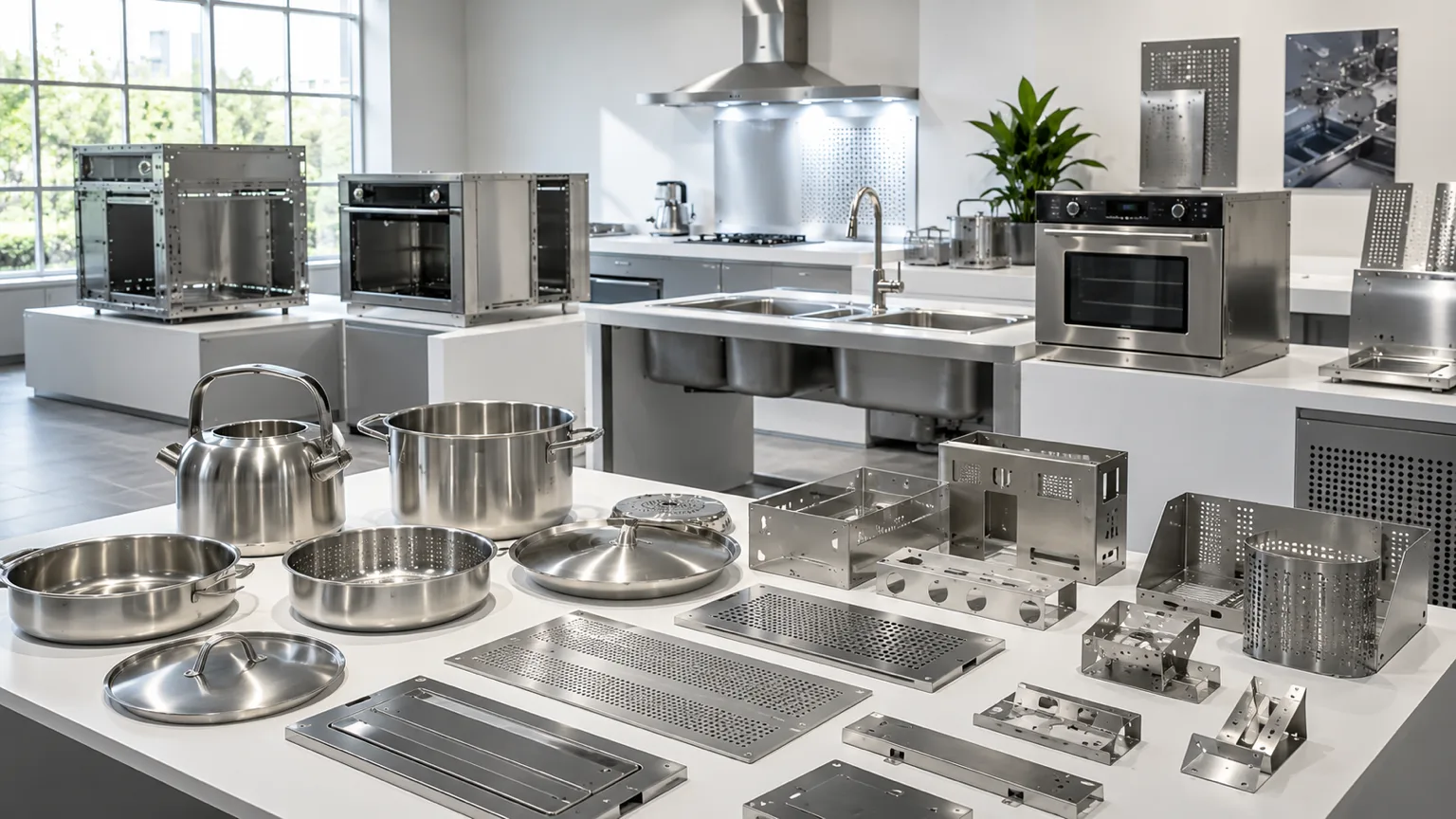
Plan the bottom joint and both workstations
Define the base-to-body fit
Submit the vessel body and bottom-plate drawings together. Base diameter, material, wall thickness and joint fit-up are needed to review the circular seam and design the locating fixture; a nominal kettle capacity does not describe the joint.
Measure the complete alternating cycle
The two workstations allow one position to be loaded or unloaded while welding takes place at the other. Assess part handling, locating, clamping and inspection as well as welding time when setting the production target.
Select a compatible process package
The listed laser, optics and electrical values are project selections. Confirm them as one package with the fixture and base joint. Include sealing and appearance requirements in the workpiece review so acceptance is defined for the finished vessel.
Machine selection questions
What parts is the double-station cell intended for?
The listed applications include electric-kettle bottoms, vacuum-cup bases and related water-appliance parts. Each vessel size and bottom-joint design needs its own fixture and process review.
Do two stations mean twice the output?
No fixed production multiplier is specified. Alternating loading can reduce waiting, but output depends on handling, clamping, the weld path, inspection and the agreed station sequence.
Is this the same machine as a kettle-spout welder?
The bottom cell is configured around circular base joints. A spout joins at an opening in the vessel body and needs a different workholding and access review; compare the dedicated spout systems for that task.
Can different kettle or cup diameters be considered?
Multiple vessel sizes can be reviewed with dedicated fixture sets. Submit the full size range and joint drawings so the required fixtures and changeover arrangement can be specified.
What information is required for a quotation?
Provide body and base drawings, materials and thicknesses, diameter range, joint fit-up, target cycle and the required sealing or appearance checks. Also identify the intended electrical supply and any line interfaces.
Request a quote
Tell us the part. We will tell you the machine.
Configuration and quotation are prepared after the vessel size, material, base joint, fixture and target cycle time are reviewed.
- Phone+86 153 6281 4831
- Emailsales02@taiyilaser.com
- WhatsApp+86 153 6281 4831