
Dedicated rotary-fixture welding
Kettle Spout Laser Welding Machine
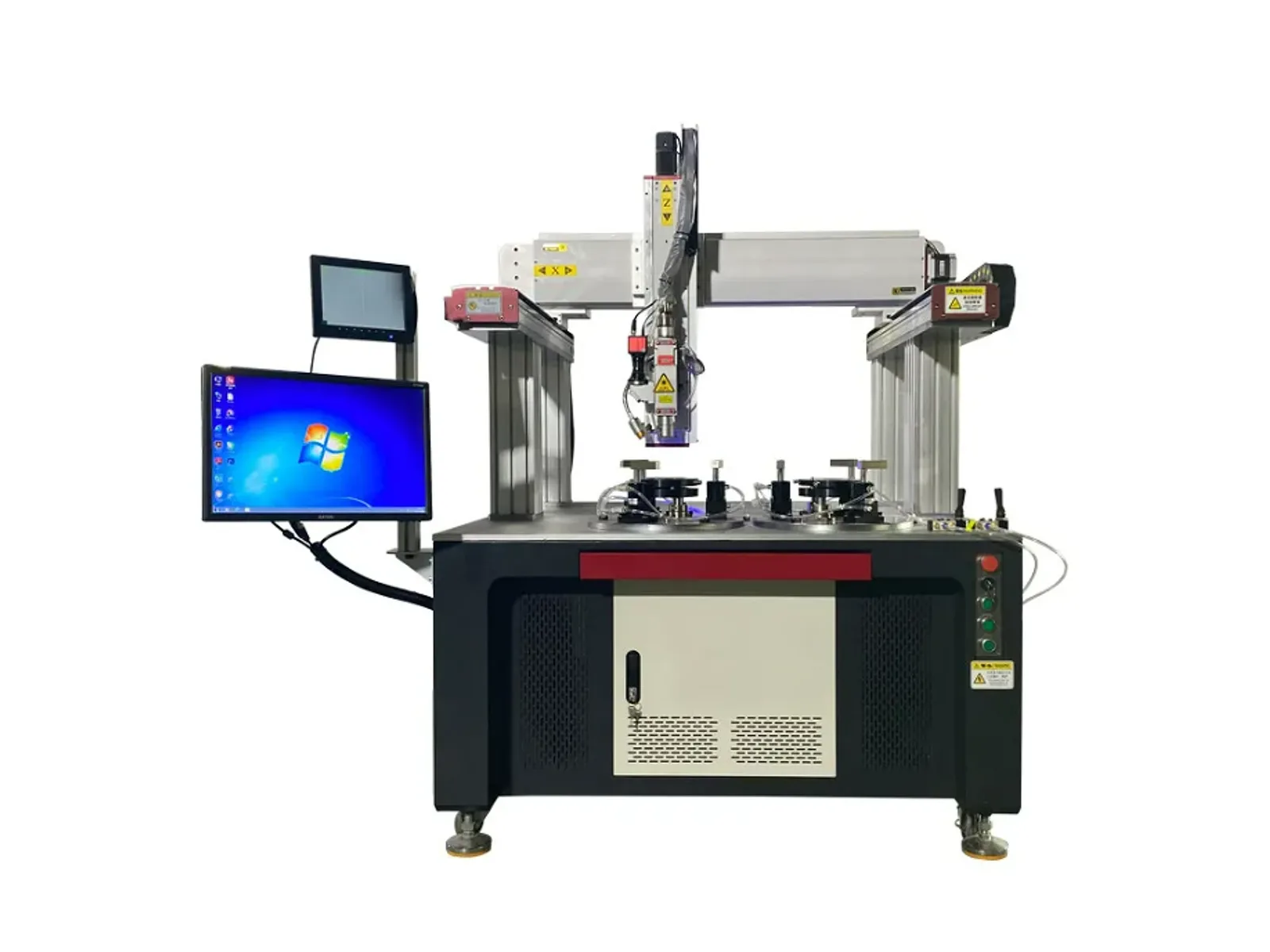
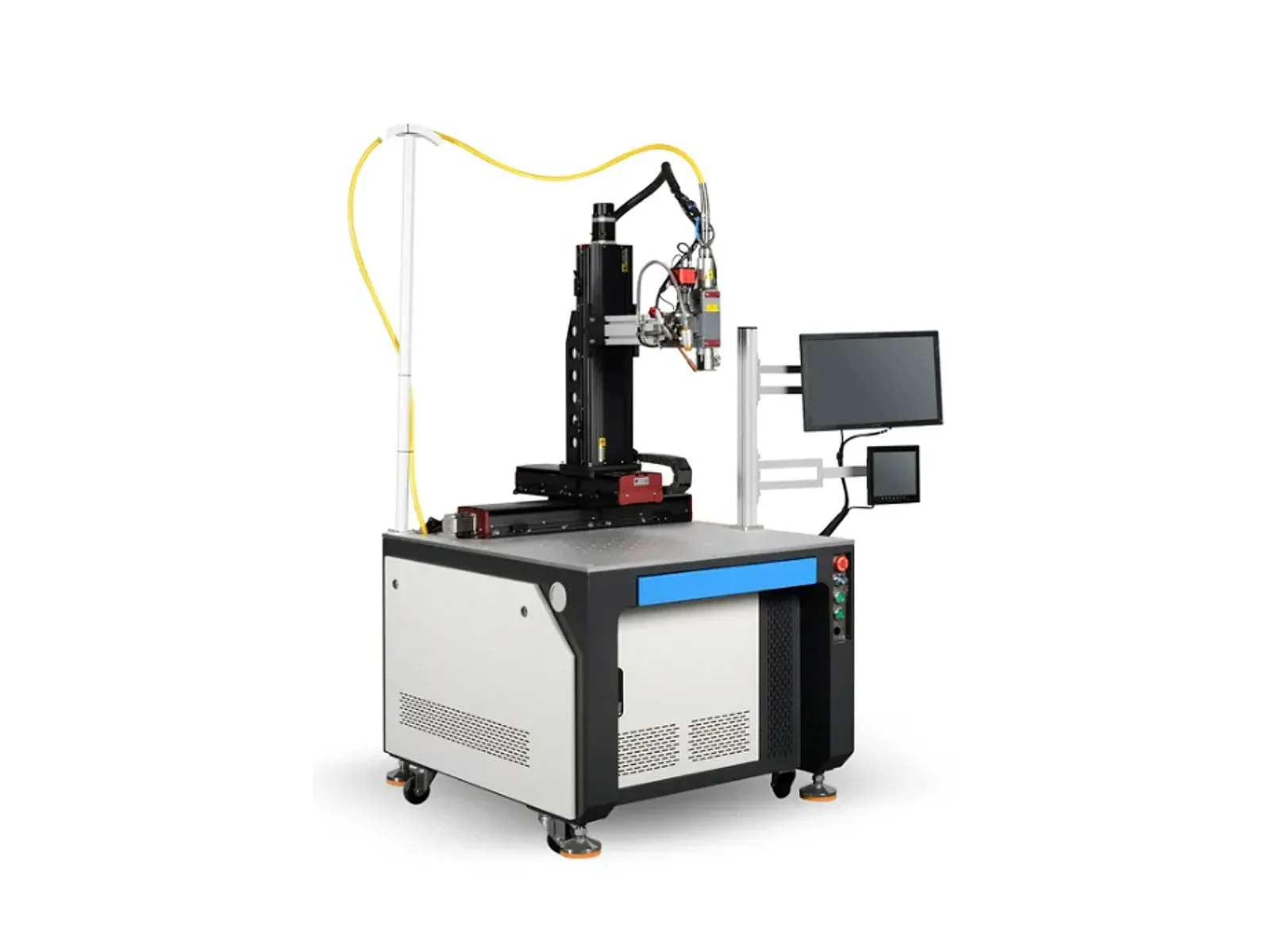
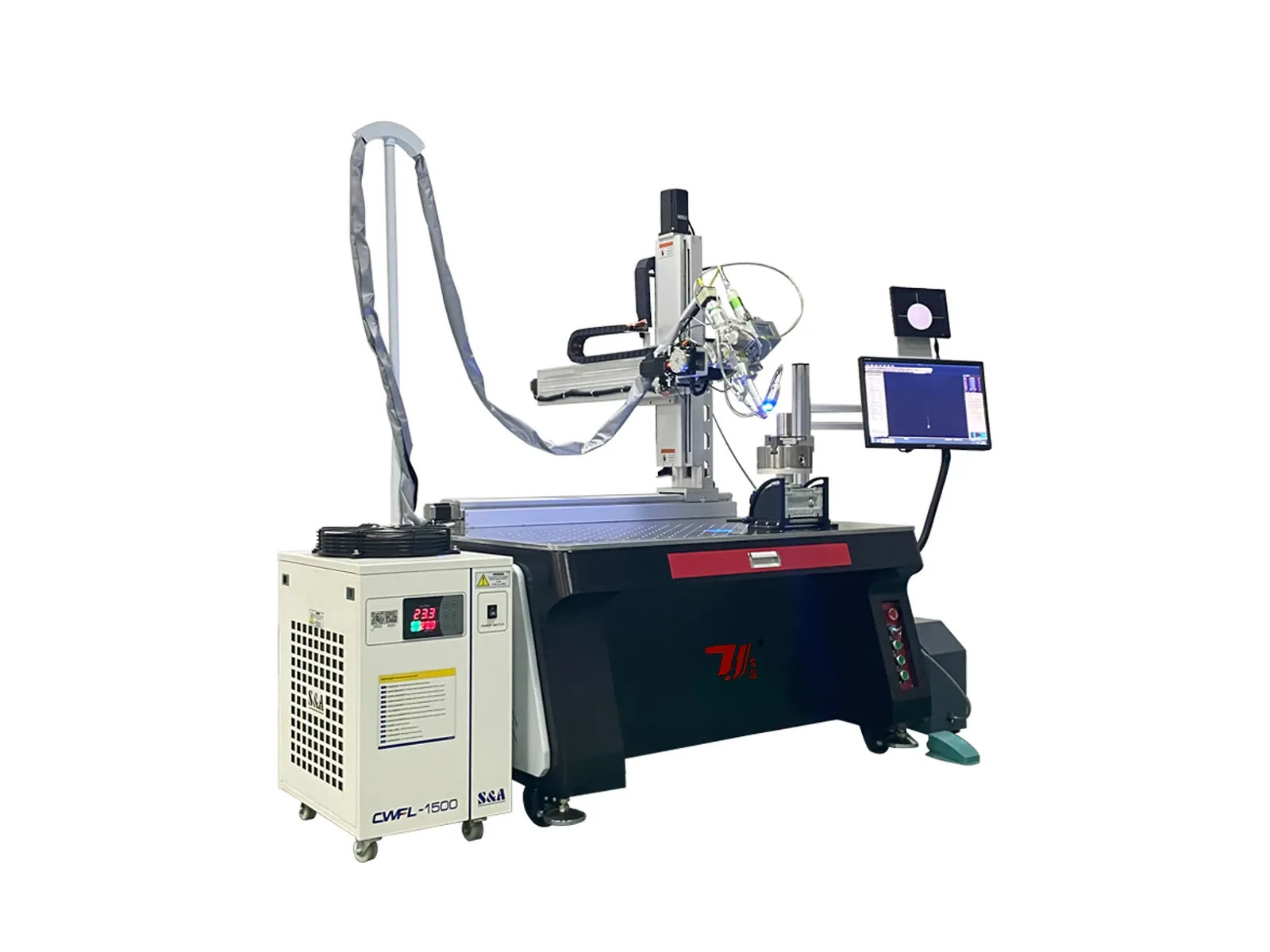
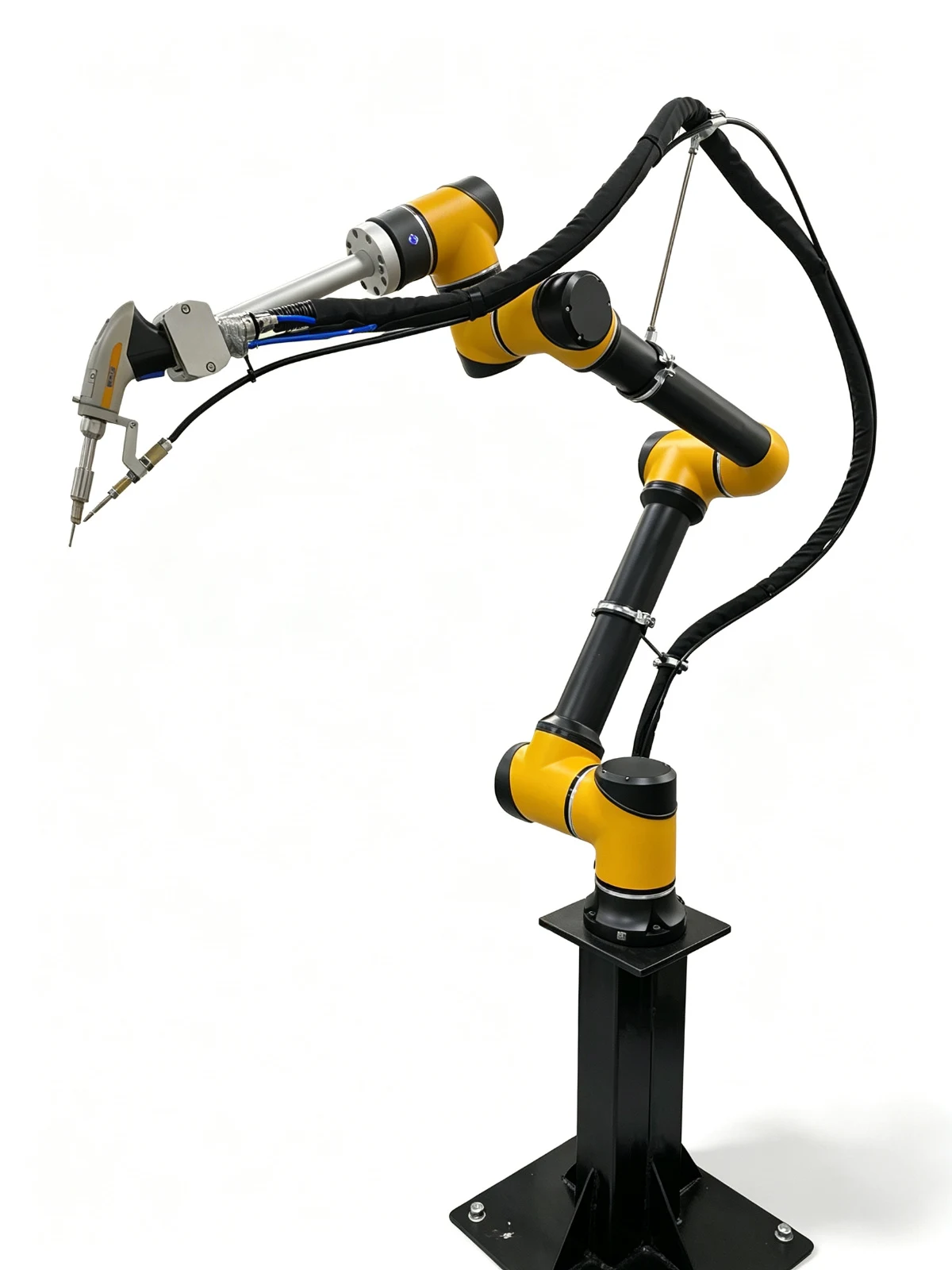
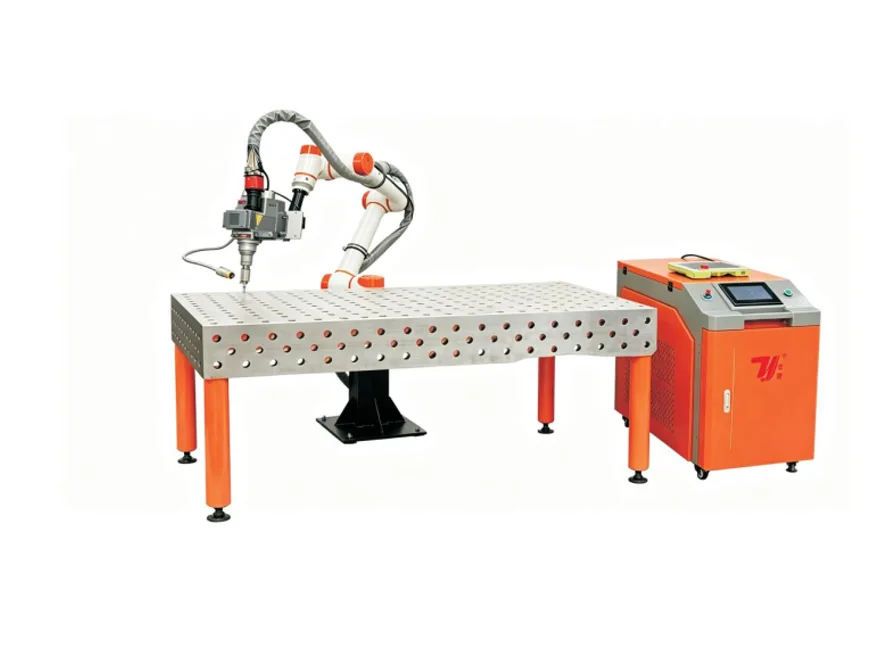
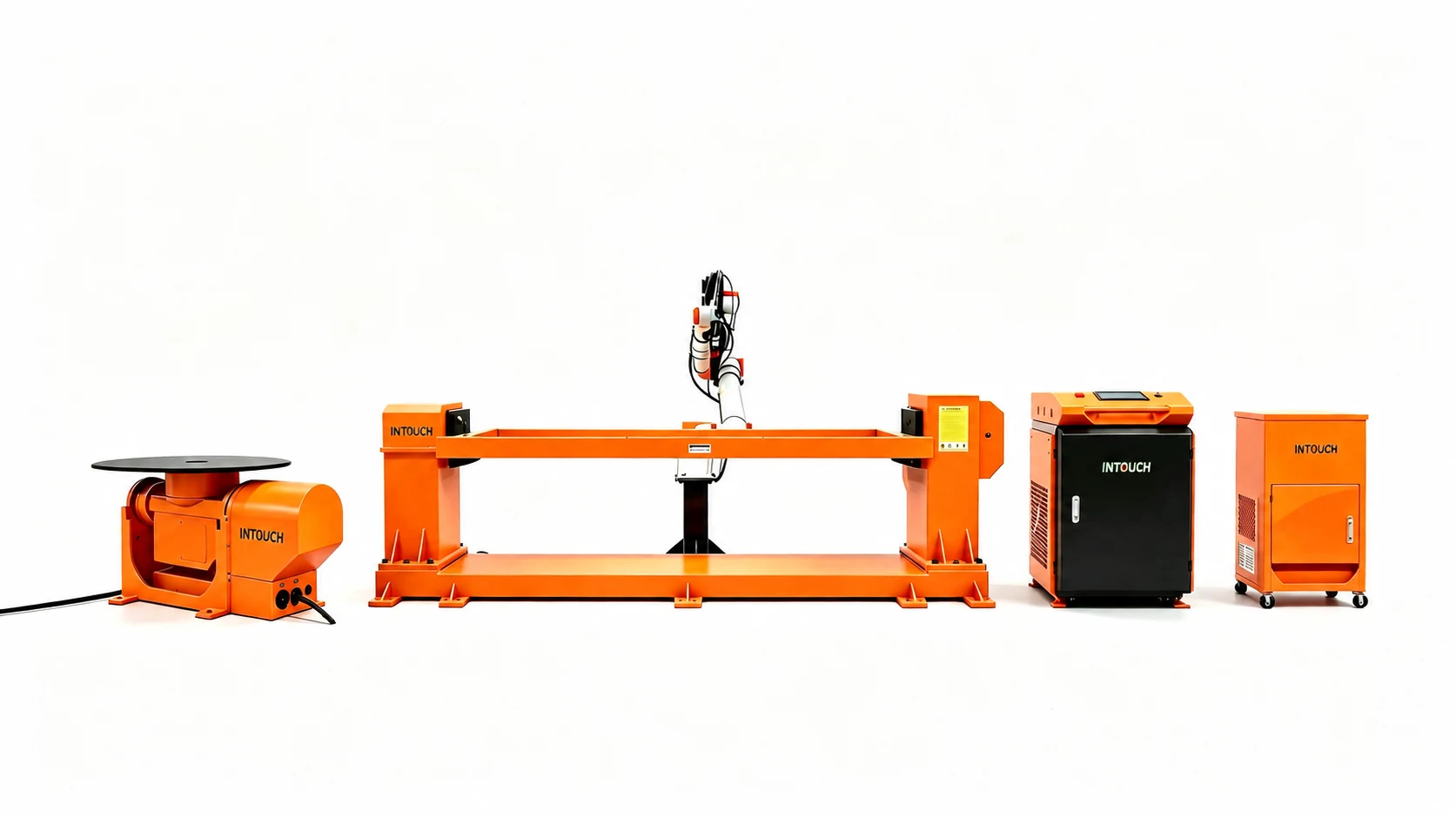
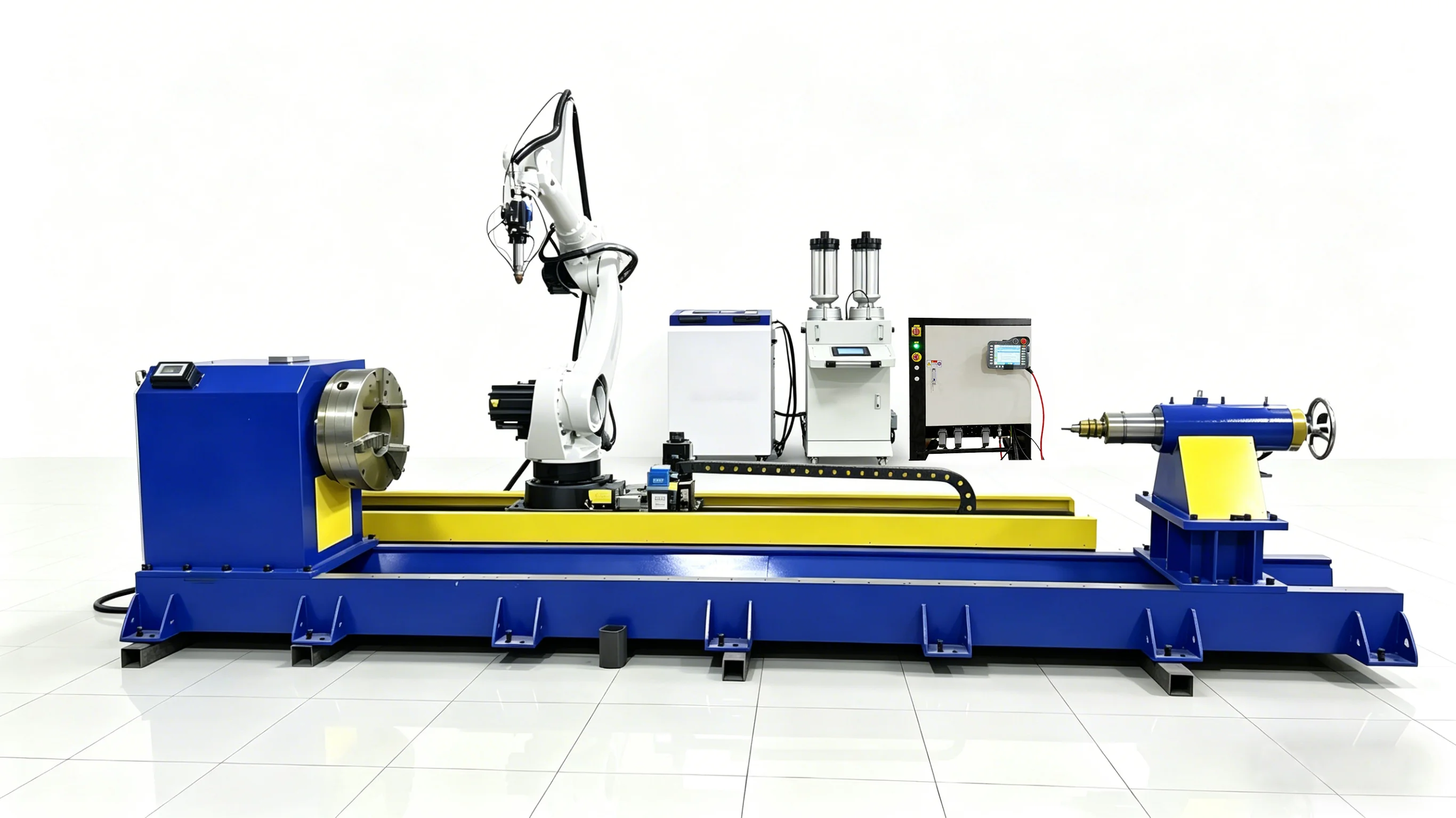
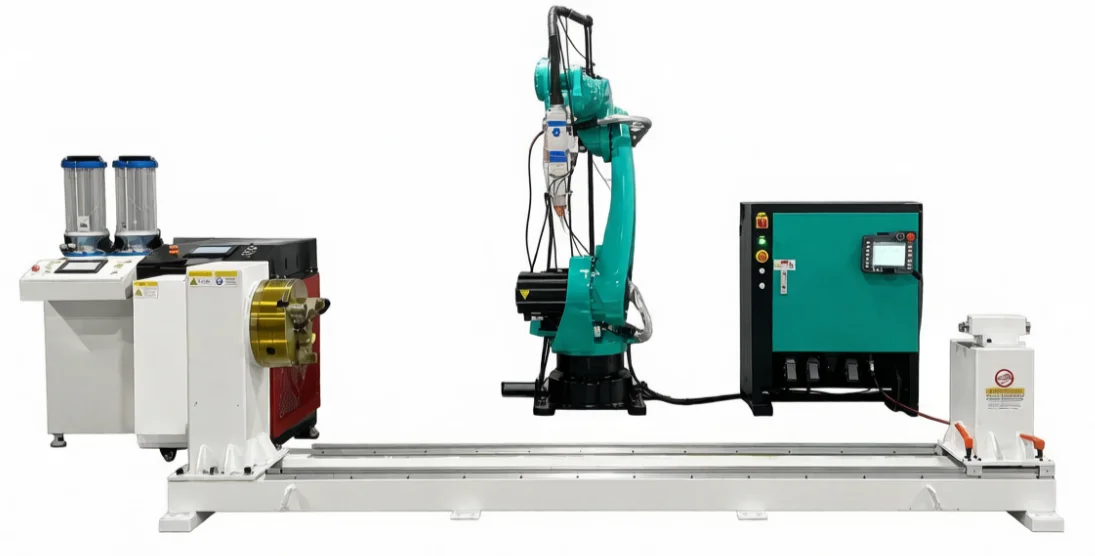
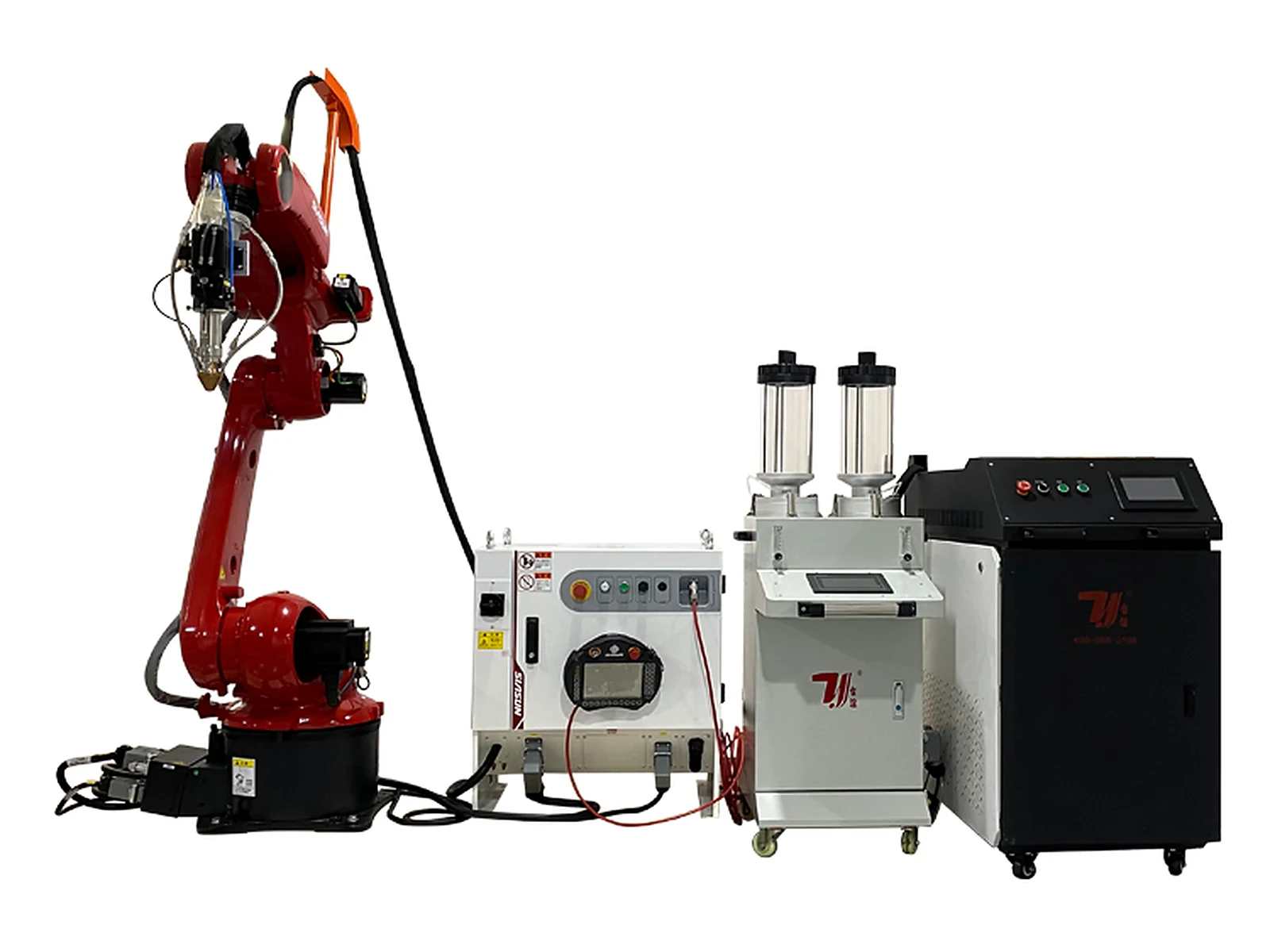
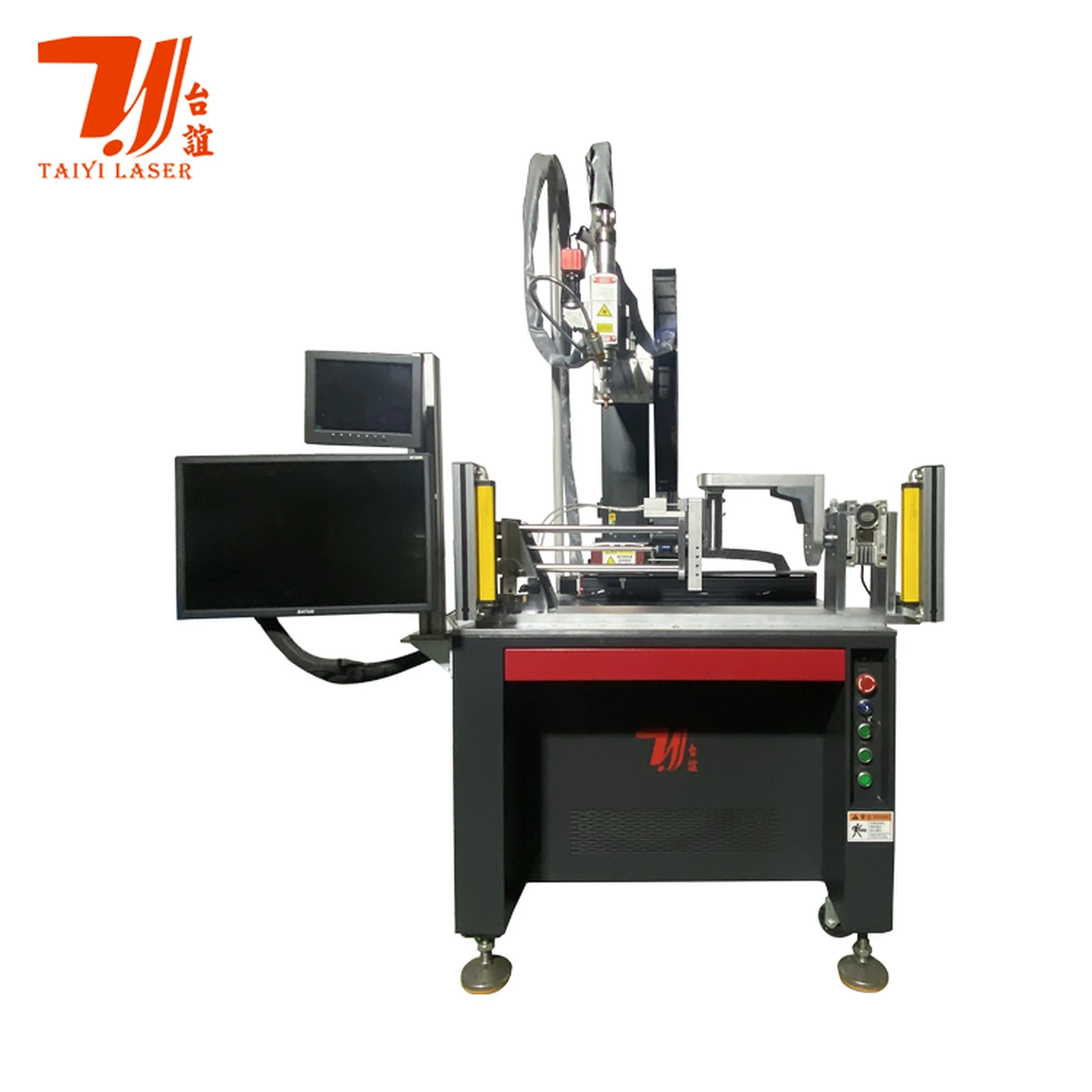
This kettle-spout laser welding cell uses a dedicated rotary fixture to locate the body and spout around the joint. It is configured for reviewed stainless-steel kettle, coffee-pot and related water-appliance parts, with CCD support for joint observation.
Specifications
Current configuration references
Laser and process · confirm the selected range
- Configuration status
- Current document-listed options; confirm one compatible project configuration
- Laser power
- 1,500 / 2,000 / 3,000 / 6,000 W (Chinese sheet and manual); English sheet lists 1,500-4,000 W; confirm the upper limit
- Welding speed
- 8-90 mm/s (current Excel listing)
- Repeat positioning precision
- ±0.02 mm (Excel); manual lists ±0.01 mm; confirm before order
- Laser wavelength
- 1,070 nm (manual listing)
Optics and control · select as one set
- Visual support
- CCD monitoring shown in the supplied manual
- Laser-source options
- Raycus / IPG / JPT / MAX (manual listing; project selection)
- Welding-head option
- Raytools HZG (manual listing; project selection)
- Pulse frequency
- ≤100 Hz (manual listing; confirm against the selected source)
- Pulse width
- 0.5-15 ms (manual listing; confirm against the selected source)
- Spot adjustment range
- 0.1-3 mm (manual listing)
Workholding and utilities · confirm per cell
- Primary workpieces
- Electric-kettle spouts, coffee-pot spouts and related stainless-steel water-appliance parts
- Fixture package
- Dedicated rotary fixture designed around the submitted body opening, spout and seam
- Cooling system
- Water cooling (manual listing)
- Electrical listing
- 220 / 380 V · 3-phase · 50 / 60 Hz (confirm for the selected supply)
- Line integration
- Production-line connection supported; interface and loading sequence are project-specific
Build the fixture around the kettle-spout joint
This is an application-configured welding cell rather than a universal kettle machine. Body opening, spout form, material, wall thickness, fit-up, clamping and inspection must be reviewed before tooling and process settings are fixed.
Dedicated rotary workholding
The fixture locates the kettle body and spout around the weld axis. Body opening, spout form, wall thickness and seam access define the final clamping geometry.
CCD-assisted observation
The supplied manual shows CCD support for viewing the joint during setup and operation. Camera view and alignment method are confirmed with the real part.
Fixture changes for size variants
Dedicated or changeable fixture sets can support reviewed kettle and spout sizes while keeping part location and weld access controlled.
Laser, optics and cooling selected together
Power, source, welding head, spot range, water cooling and electrical supply are confirmed as one compatible configuration before quotation.
From joint review to delivery
- 01
Machine-bed welding
- 02
Beam preparation
- 03
Heat treatment
- 04
Precision machining
- 05
Pre-assembly inspection
- 06
Machine assembly
- 07
Testing, debugging and acceptance
- 08
Delivery
Application scope for kettle and coffee-pot spout joints
Suitability depends on material, wall thickness, body opening, spout geometry, fit-up, surface-finish target, seam access and inspection method. Submit the real part or drawing before the fixture is approved.
Compare the next automatic welding path
Multi-station kettle-spout welding
Compare a multi-position rotary layout when loading and welding must run in a repeating station cycle.
Circular base seamsDouble-station kettle-bottom welding
Compare alternating workstations for kettle and vessel bottom joints.
Application systemsAutomatic welding range
Compare gantry, multi-axis and workpiece-specific automatic welding systems.
Related industry solutions
Explore the applications and laser processes connected to this equipment.
View all industry solutions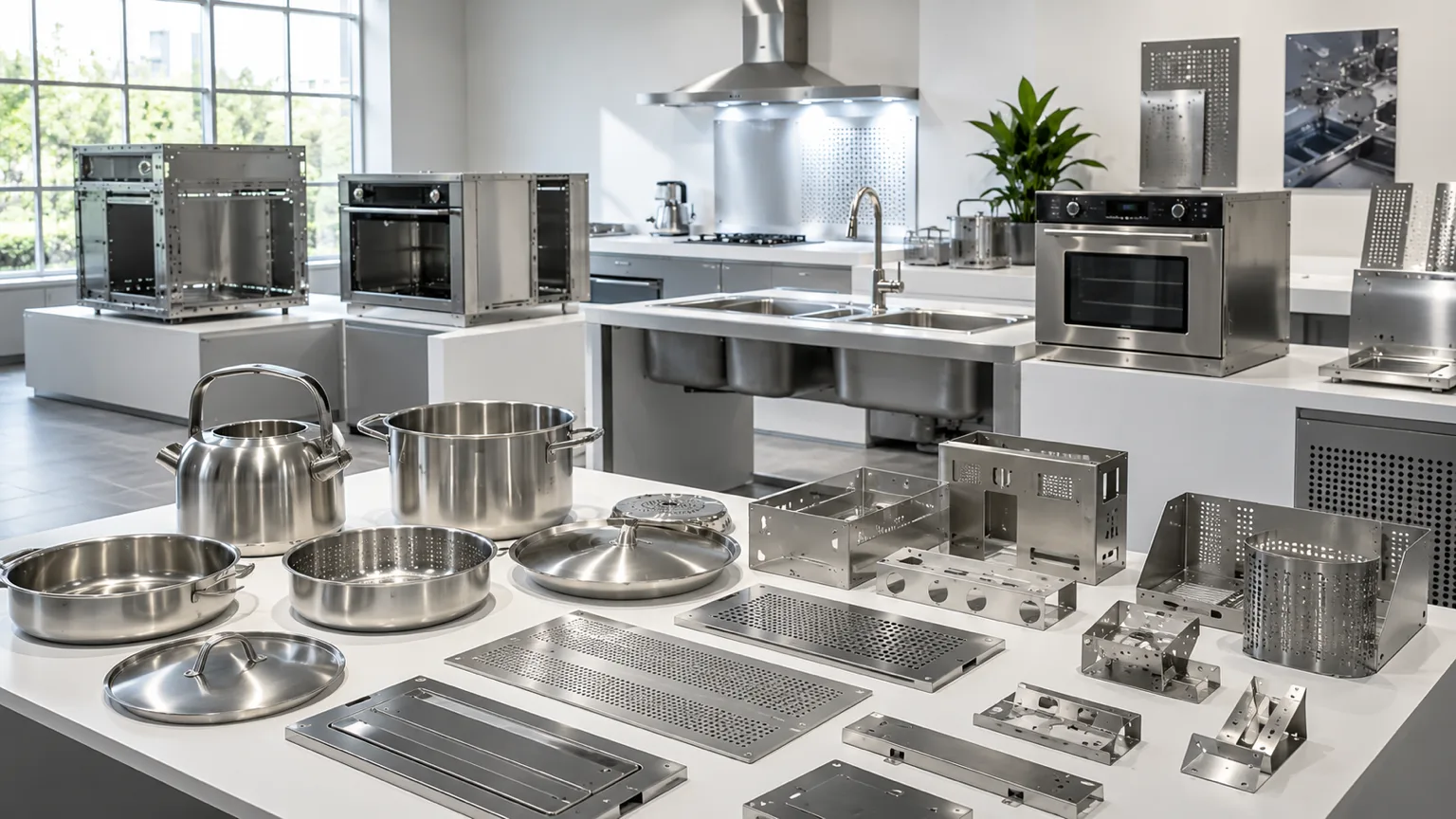
Match the fixture to the body opening and spout
Review the assembled spout geometry
The body opening, spout taper, projection and joint fit-up determine the locating surfaces and access around the seam. Send the assembled drawing as well as the separate parts so the rotary workholding can be reviewed against the real joint.
Separate size changes from production layout
Different body and spout sizes may need dedicated or changeable fixture sets. Start by establishing the joint and workholding for each variant. If repeated loading and welding need a multi-position cycle, compare the separate multi-station spout system.
Confirm the selected configuration and seam acceptance
The current documents differ on the upper power limit and repeat-positioning value, as shown in the specifications. Confirm the selected package in the quotation, together with the seam finish, sealing checks and inspection method required for the product.
Machine selection questions
Is this page describing a fixed single-station machine?
The documented feature is a dedicated rotary fixture. A fixed single-station count is not confirmed here; the final layout and loading sequence need to be specified for the submitted body and spout.
Can the fixture handle a long coffee-pot spout?
Coffee-pot spouts are a listed application. Length, taper, support points and access around the joint still need review against the actual part, including any size variants.
When should I compare the multi-station spout system?
Compare it when the production brief calls for loading, locating and welding to be organized across a repeating series of fixture positions. Evaluate the complete cycle and changeover needs rather than choosing by station count alone.
Does CCD support guarantee a sealed joint?
CCD support assists viewing and alignment. Sealing performance depends on the actual joint and process; agree the inspection method and acceptance criteria for your parts during project review.
What information is needed for a kettle-spout quote?
Provide body and spout drawings or samples, the body opening, materials and thicknesses, seam position, variant sizes, cycle target and required finish or sealing checks. These define the fixture and process review.
Request a quote
Tell us the part. We will tell you the machine.
Configuration and quotation are prepared after the body and spout materials, joint drawing, fixture requirement, size range, target cycle and inspection method are reviewed.
- Phone+86 153 6281 4831
- Emailsales02@taiyilaser.com
- WhatsApp+86 153 6281 4831