
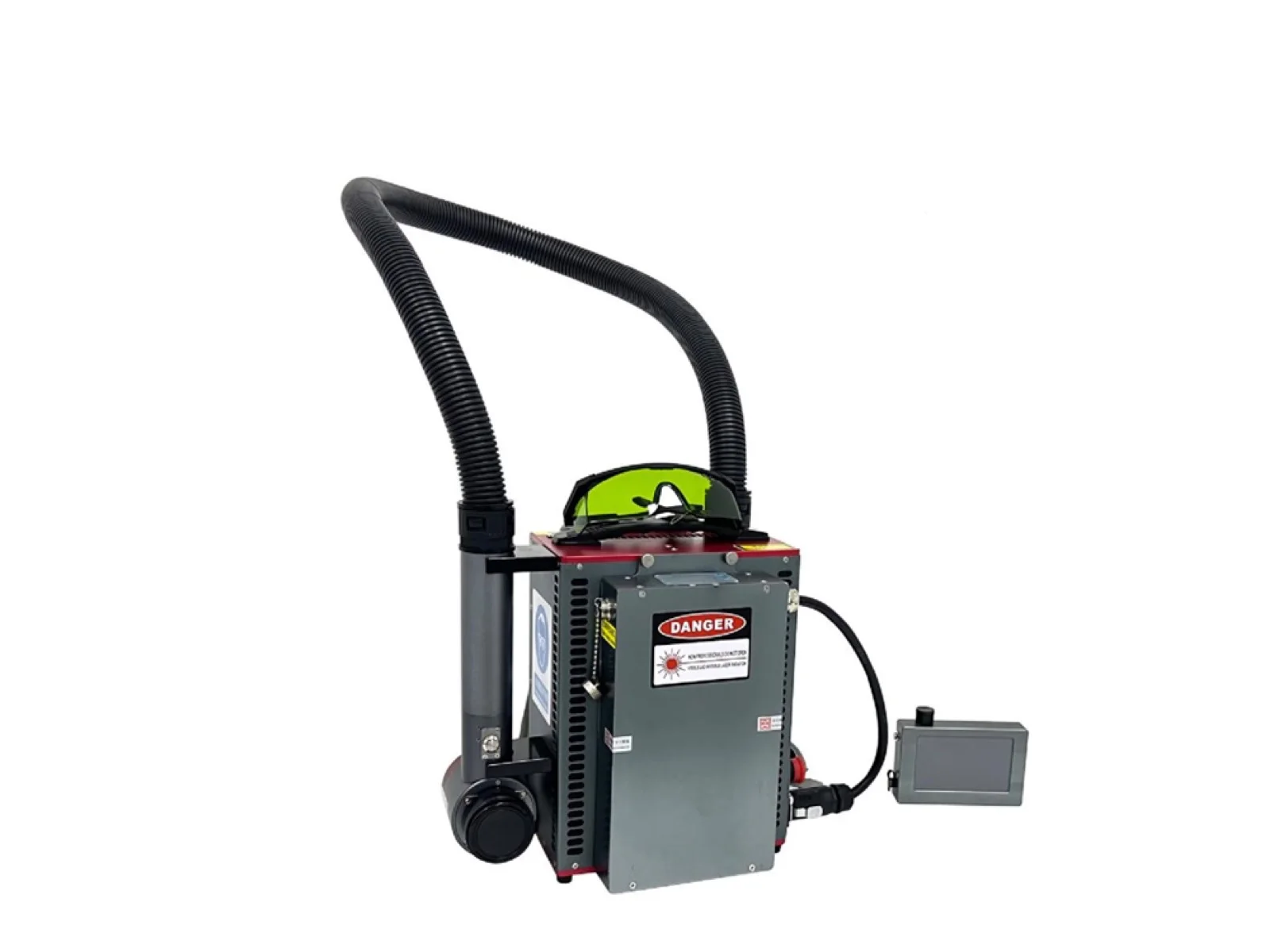
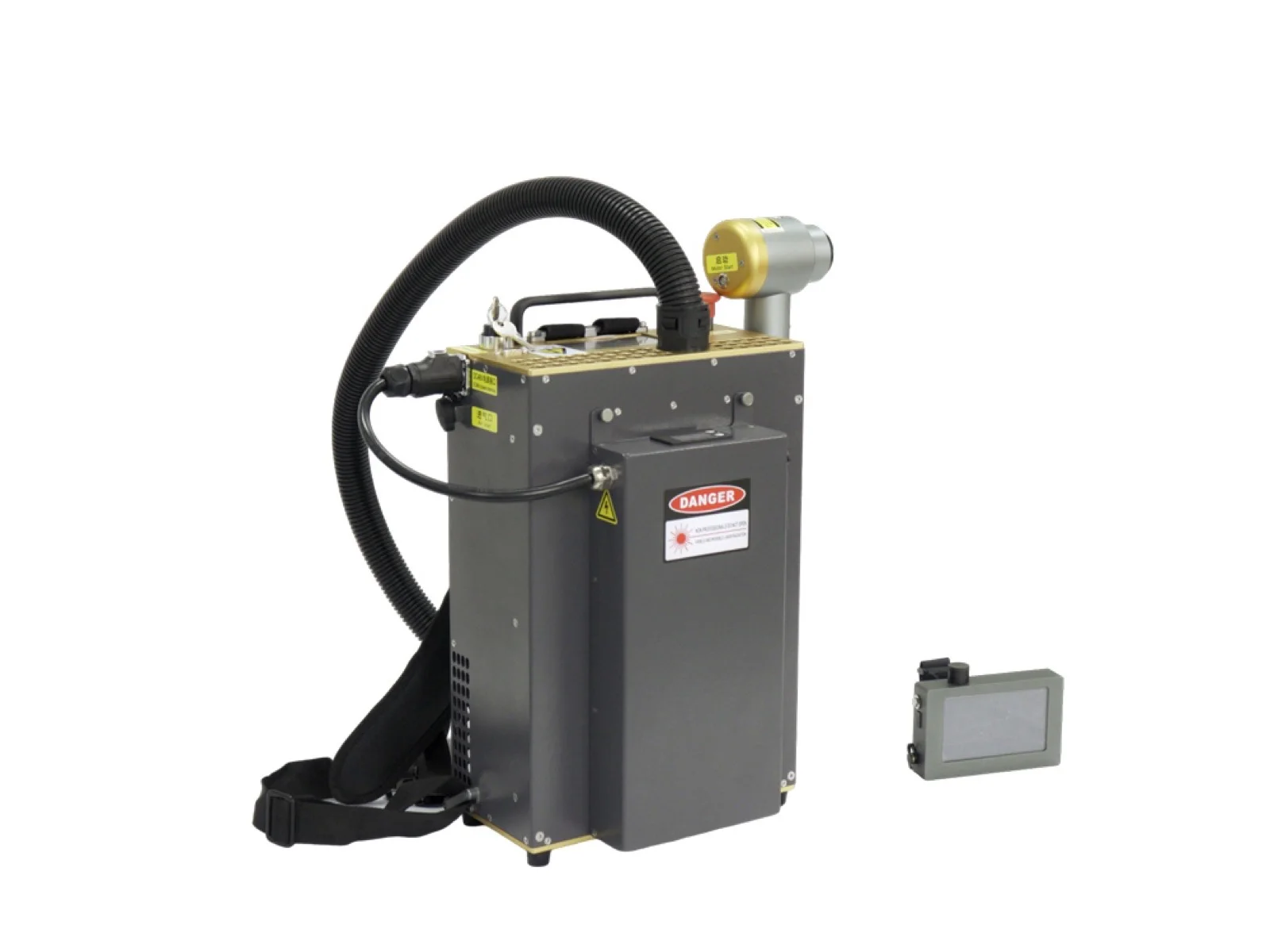
Backpack · single-mode
- Power
- 50 / 100 / 200 / 300 W
- Cooling
- Air-cooled
- Pulse energy
- 1.1 / 1.5 / 2 mJ
- Cleaning width
- 10-100 mm at 50 / 100 W; 10-145 mm at 200 / 300 W
- Fiber cable
- 1.5 m / 4.9 ft
- Handling
- 7-13.5 kg / 15.4-29.8 lb without battery
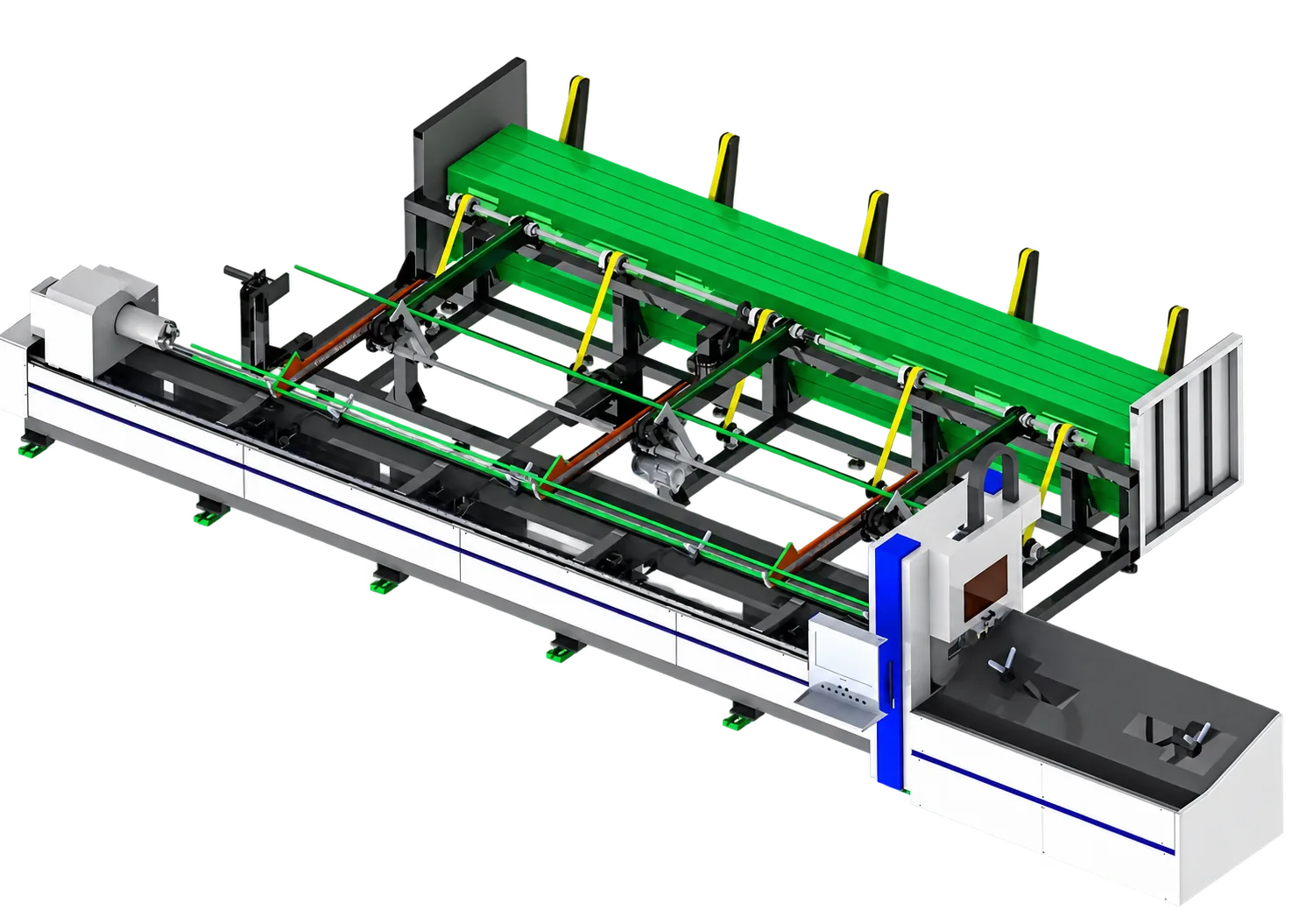
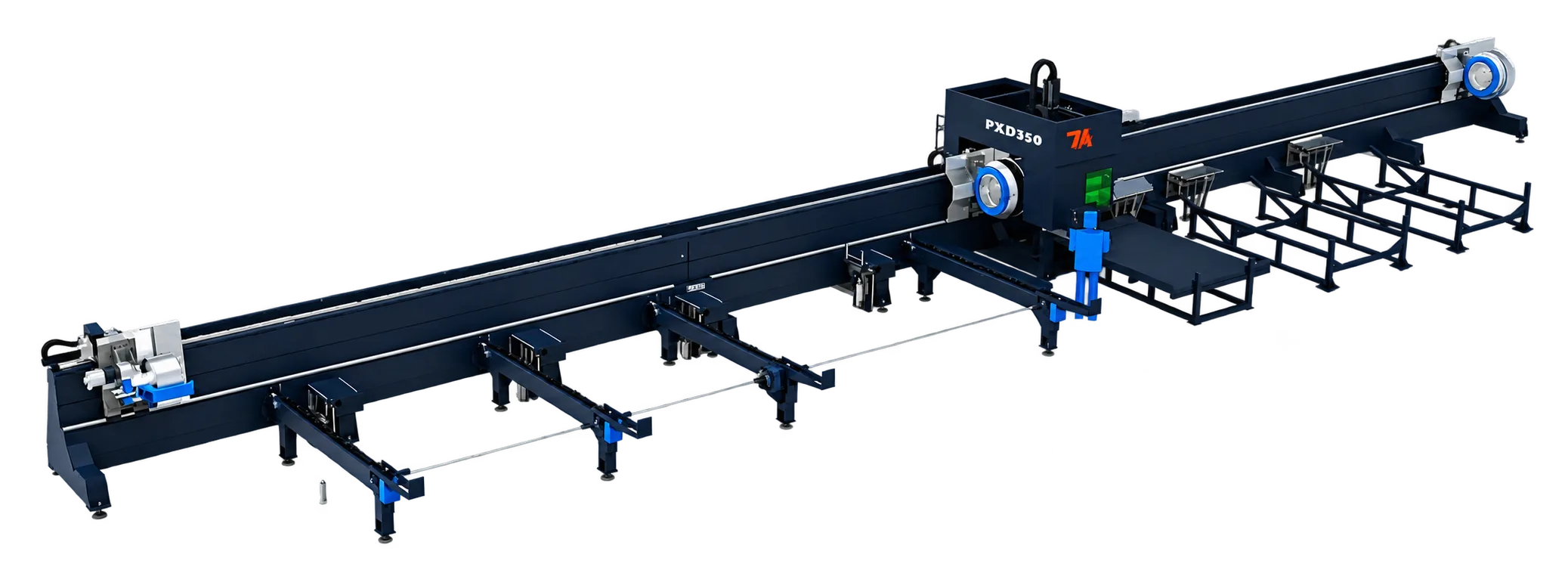
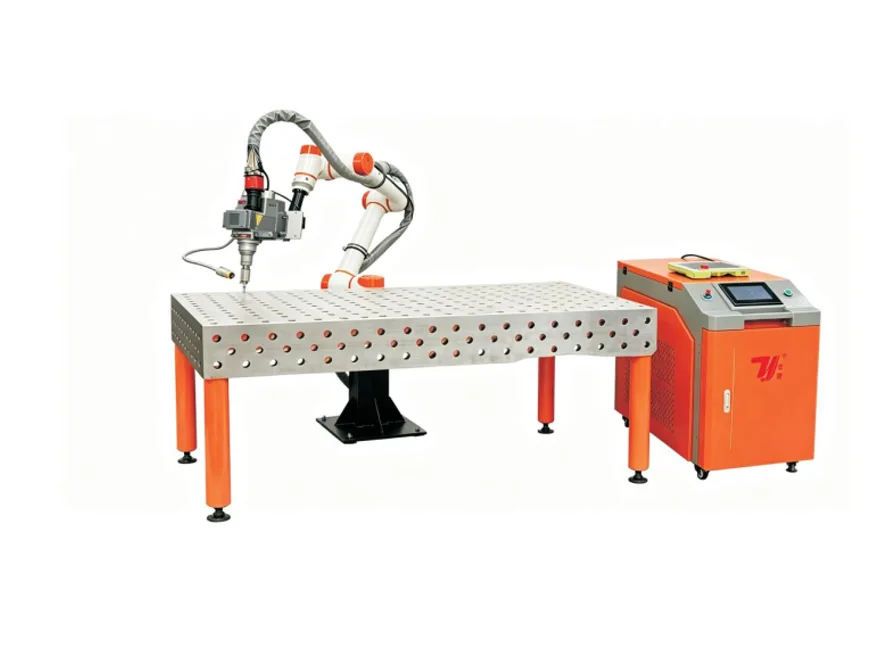
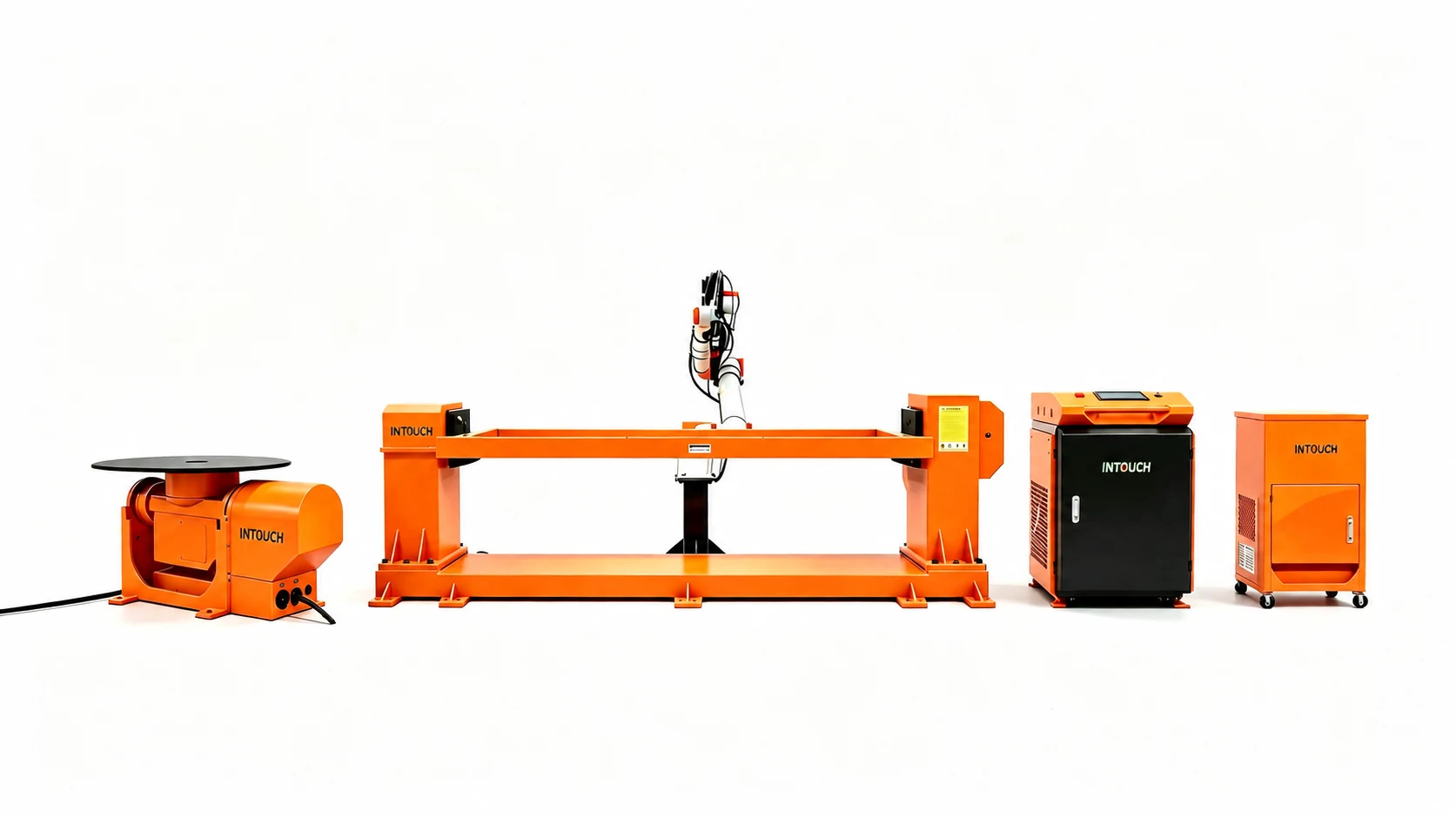
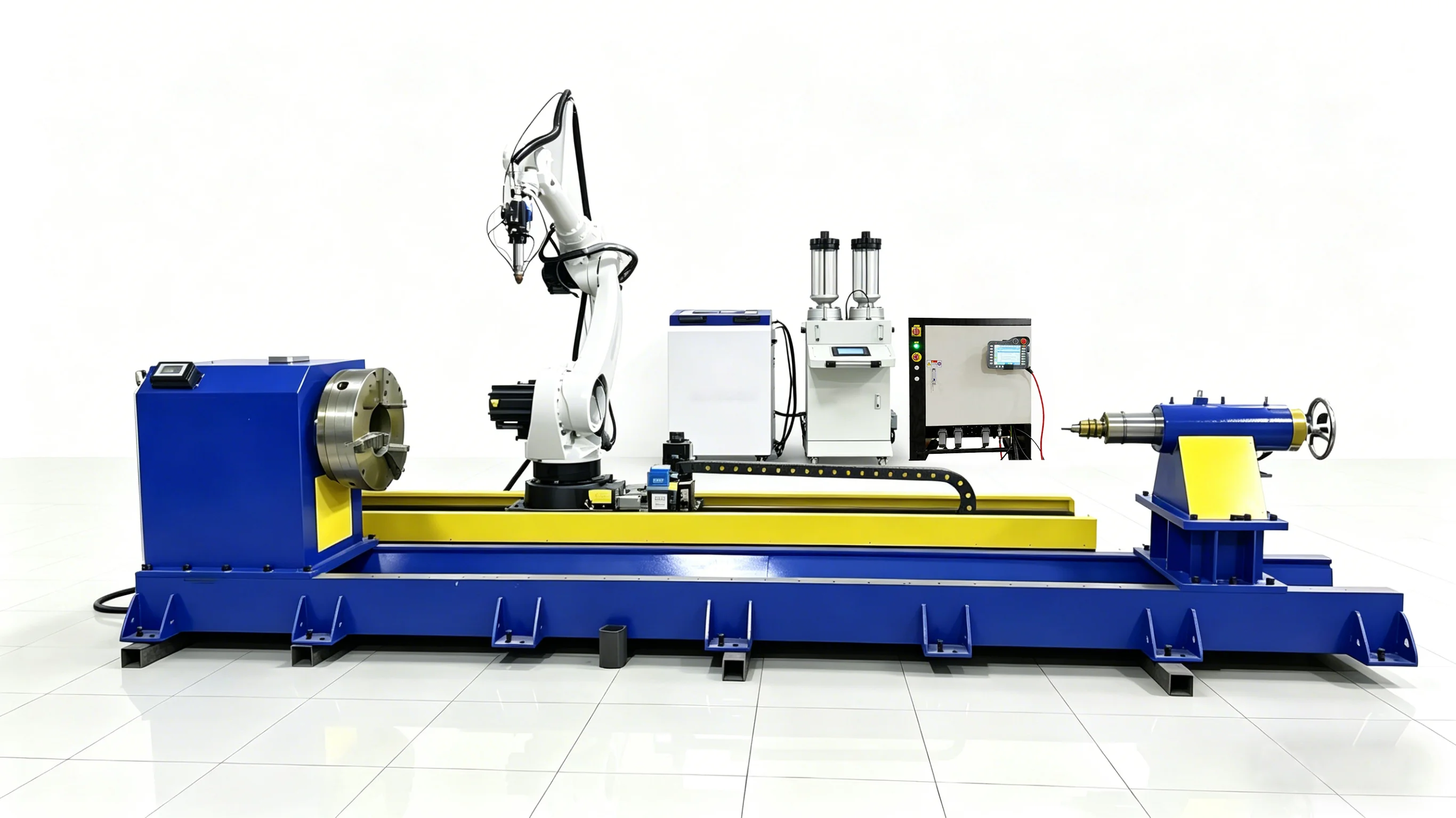
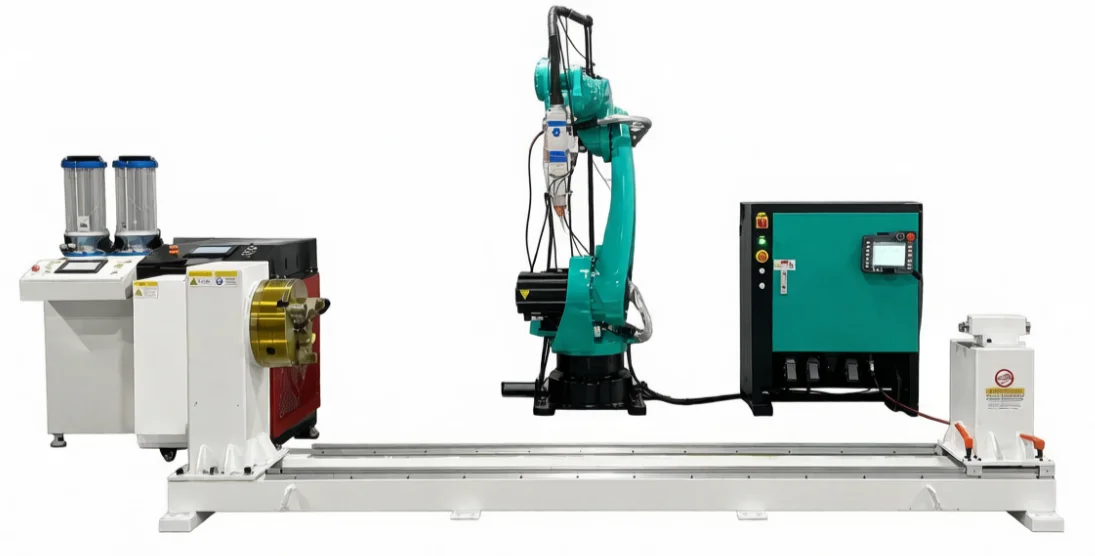
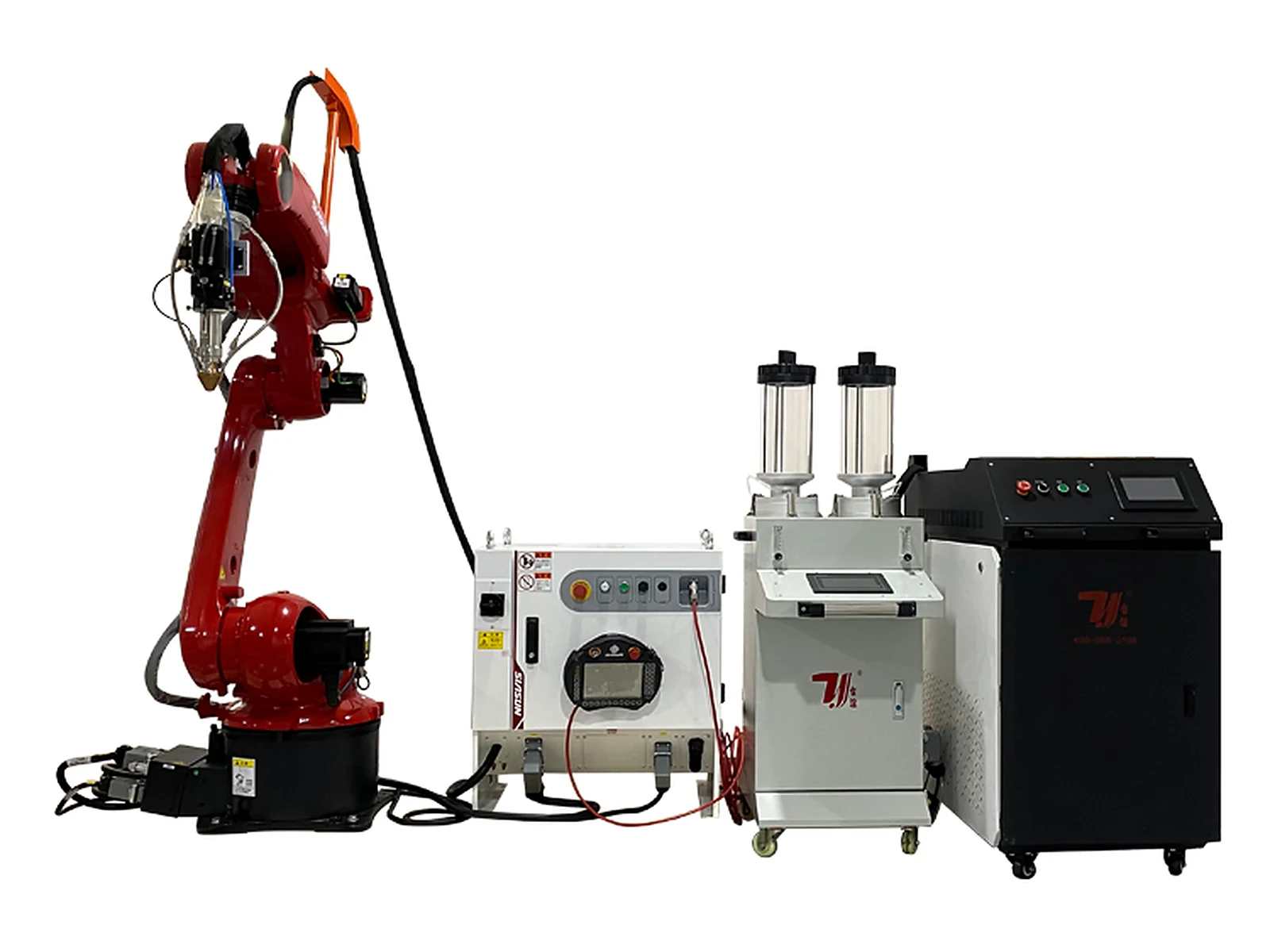
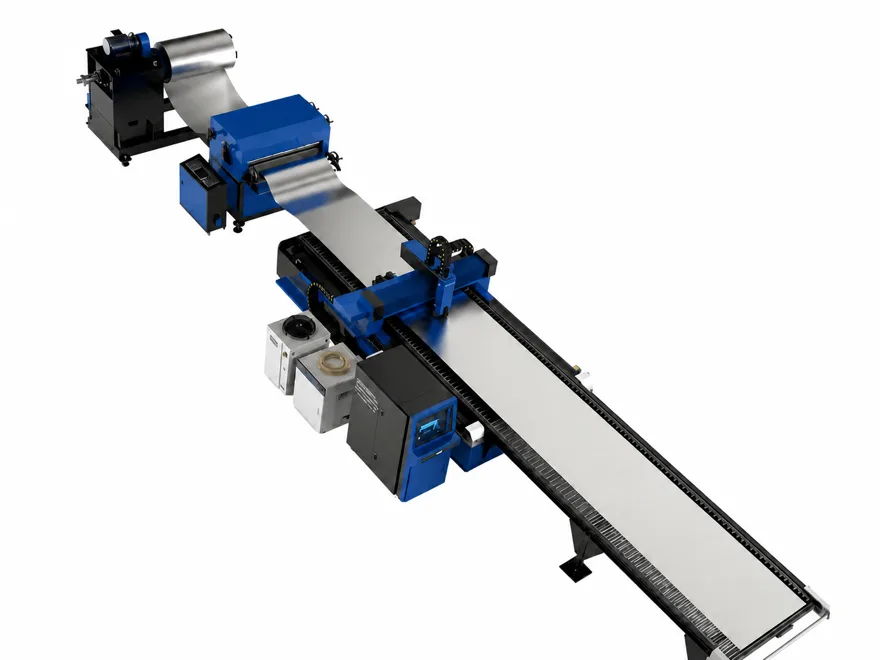
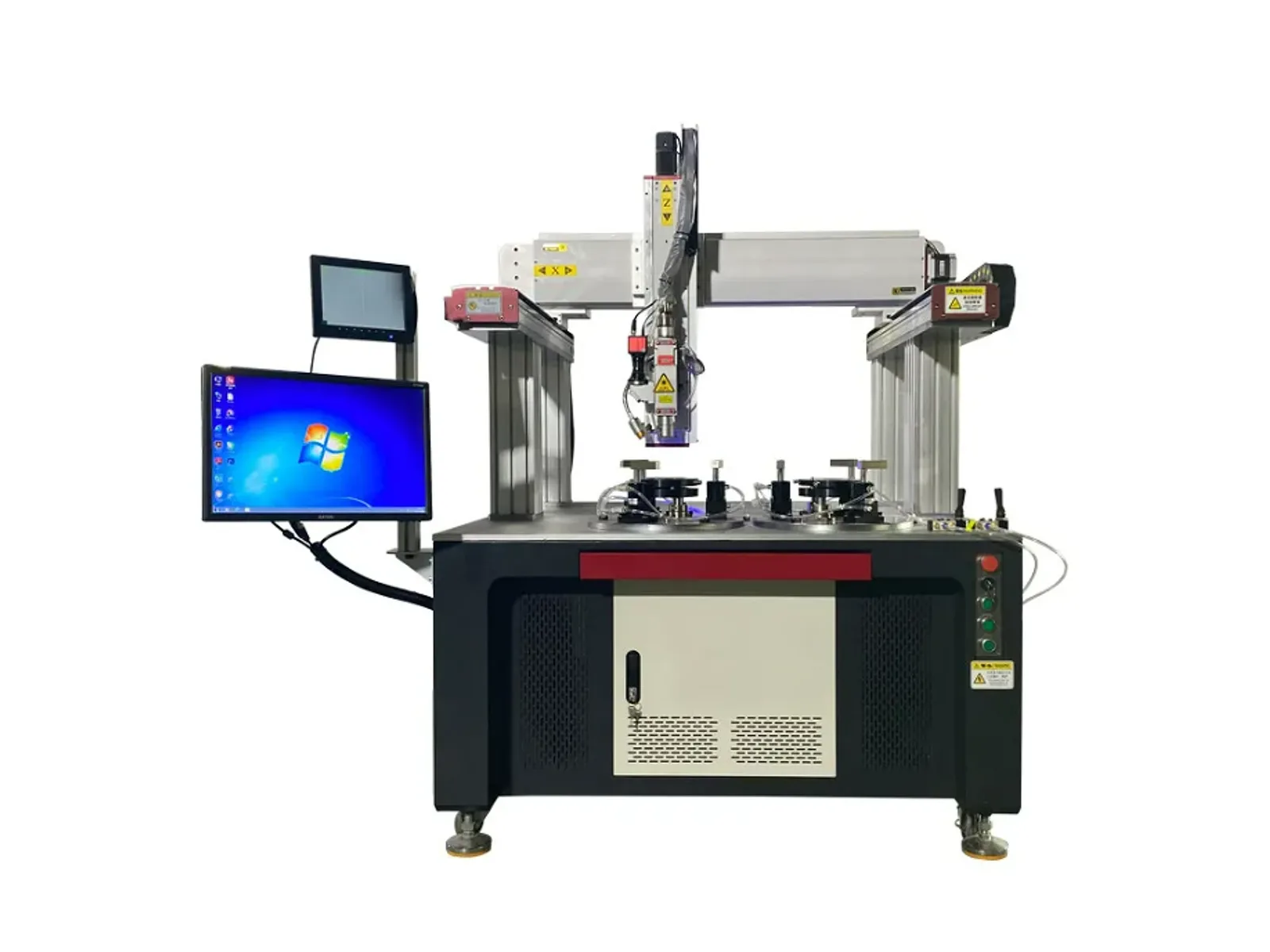 Gantry automatic laser welding machineServo multi-axis gantry system with CCD positioning, 1.5-6 kW configurations and a custom working stroke for the submitted workpiece.
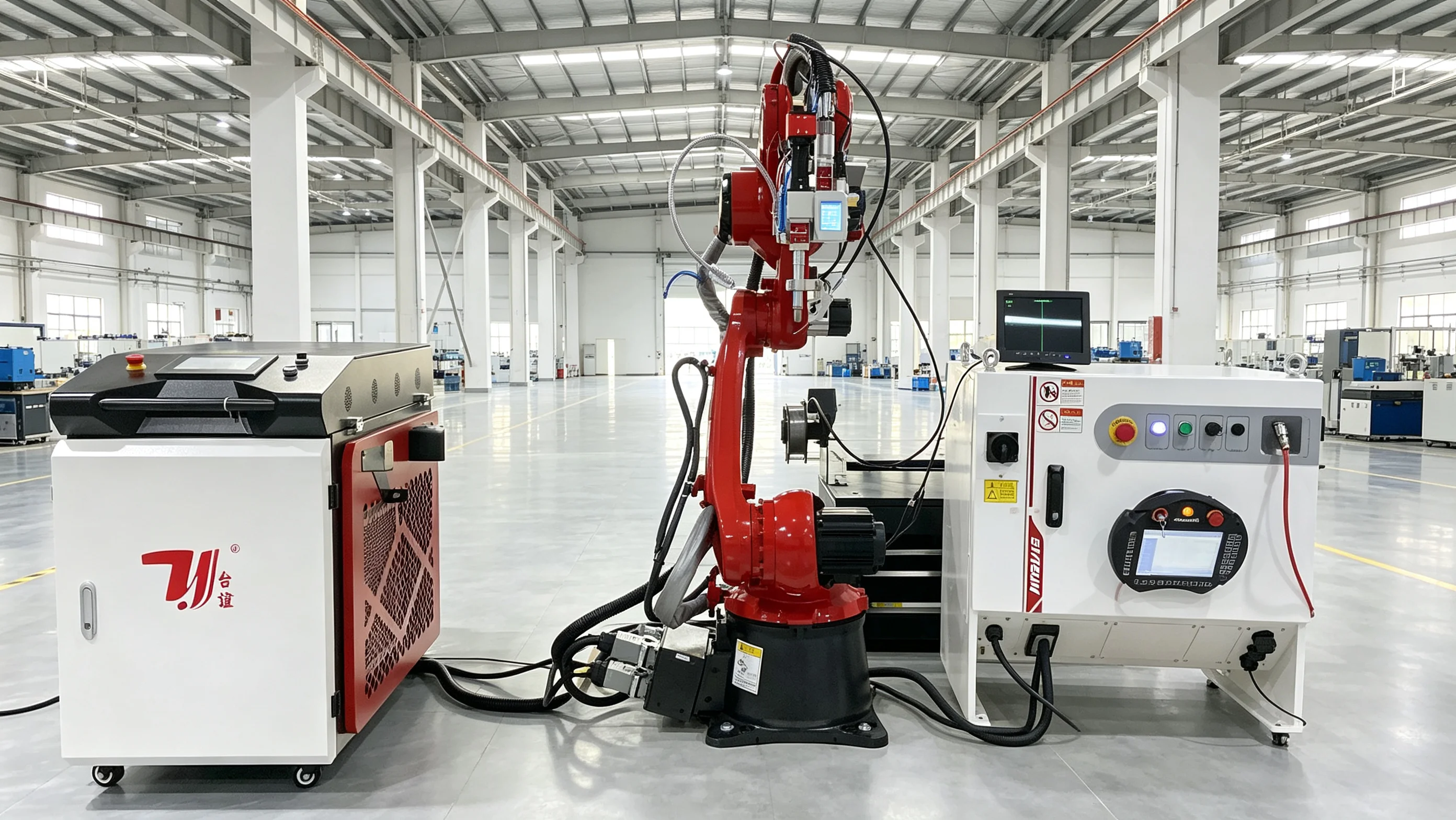
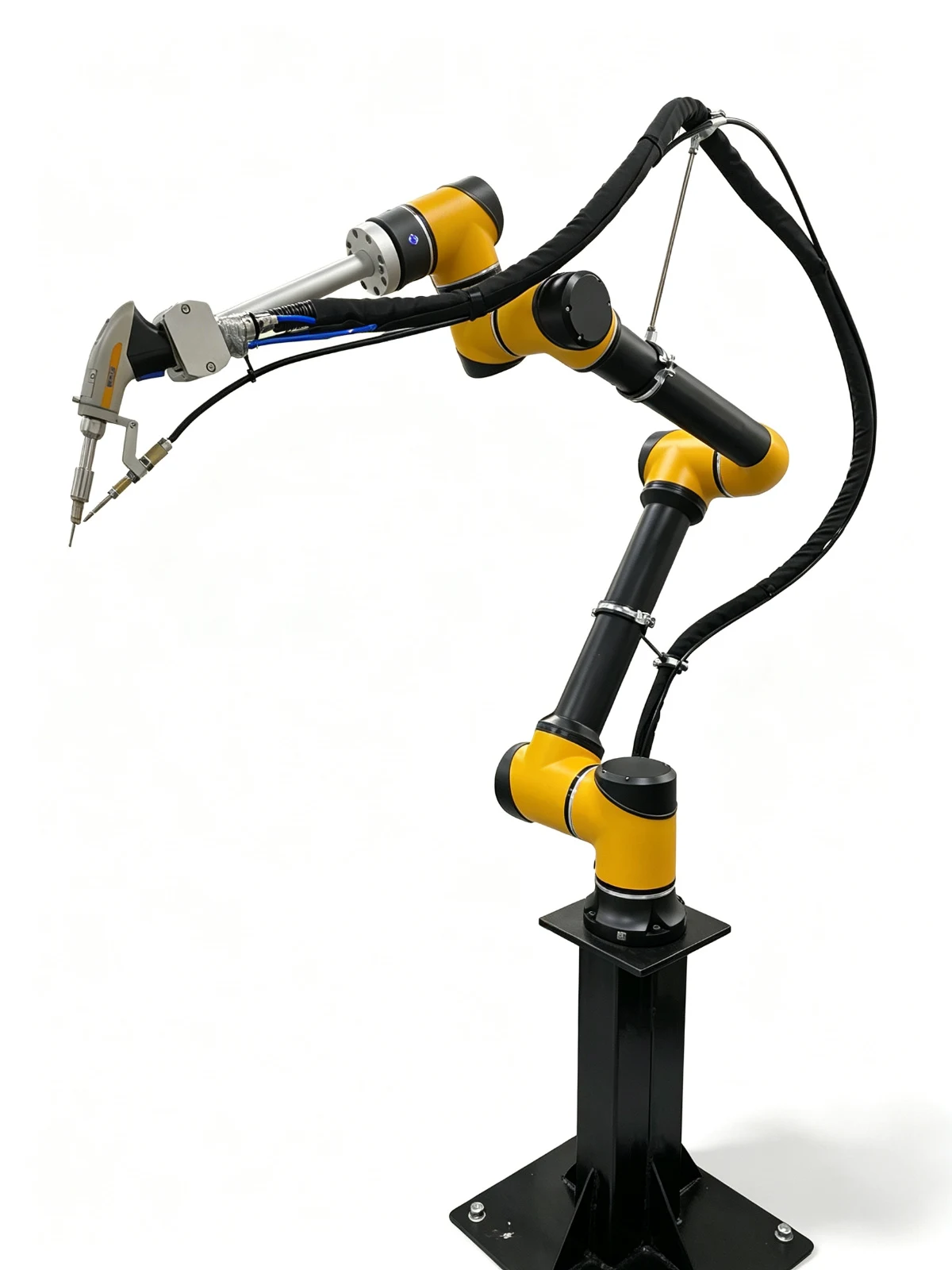
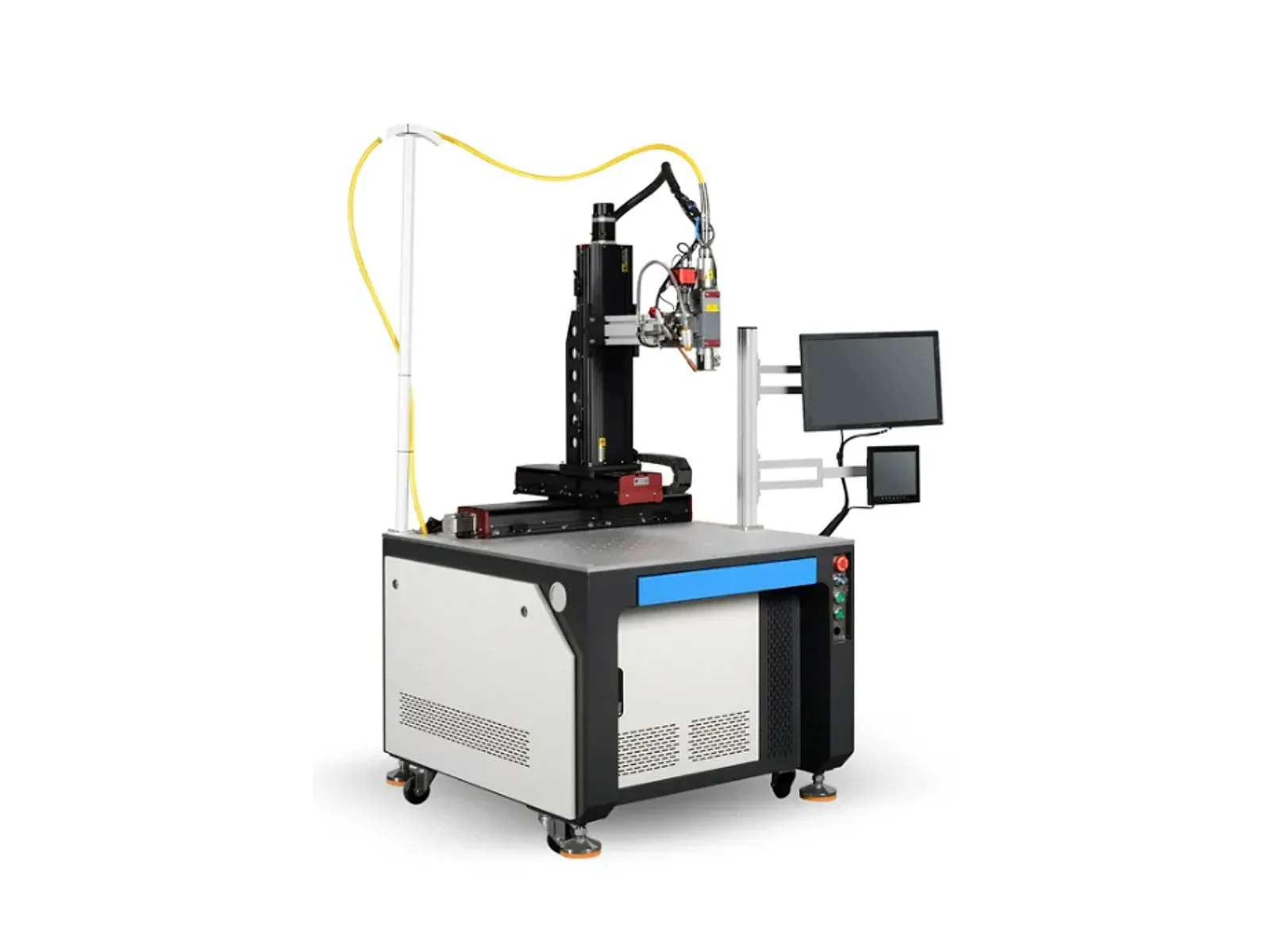 Four-axis automatic laser welding machineFour-axis linkage with CCD-assisted positioning, 1-6 kW configurations and ±0.02 mm repeat positioning for curved and special-shaped weld paths.
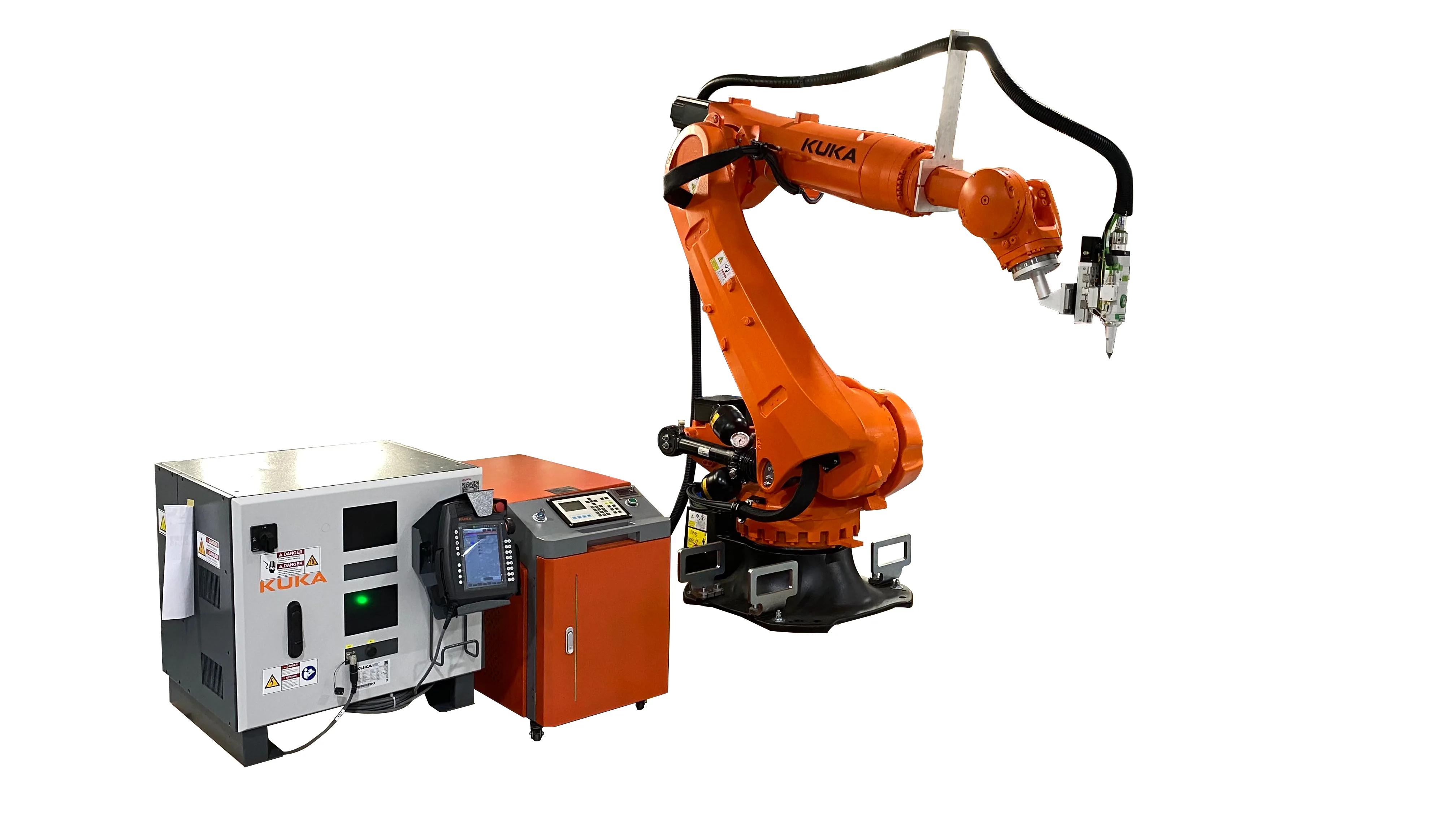
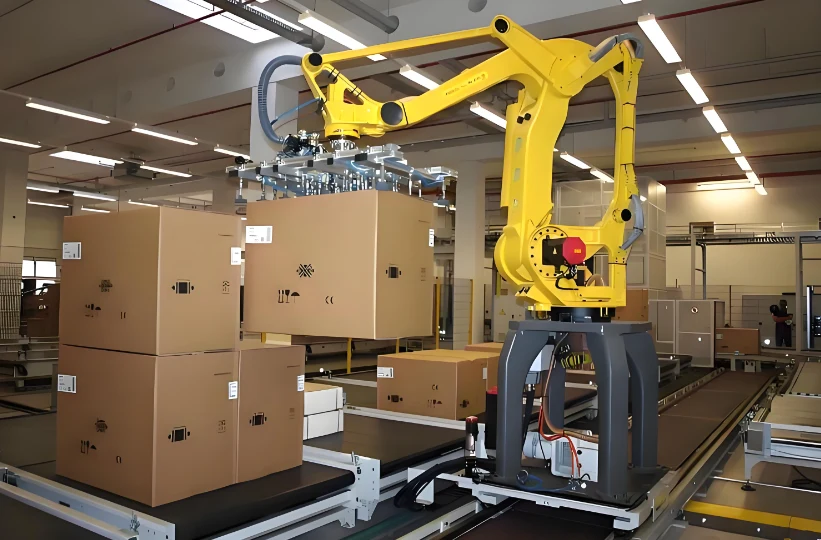
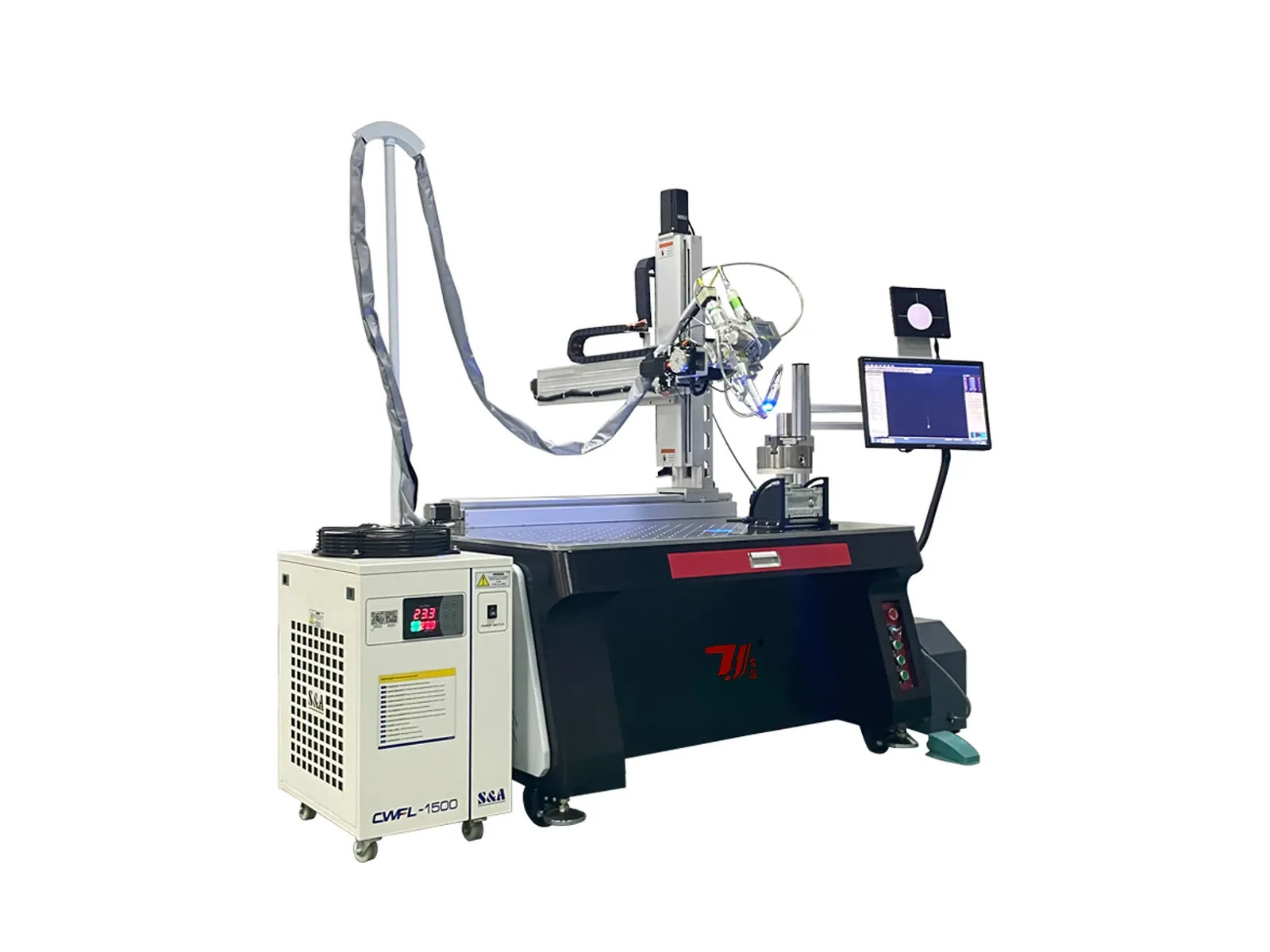 Five-axis automatic laser welding machineFive-axis servo linkage with CCD positioning, 1-6 kW configurations and ±0.02 mm repeat positioning for three-dimensional curved and special-shaped seams.
Portable to production-duty
One shared series number, configured by equipment format, beam mode, cooling and laser power.
Eight pulsed-cleaning configurations
The TY-QX1019 pulsed laser cleaning series spans eight backpack, suitcase and cabinet configurations. Start with how the equipment will reach the workpiece, then compare beam mode, power, cooling and the documented specifications for the selected format.
Whole-machine warranty: 2 years · Final price and delivery timing depend on configuration, laser power, cooling, pulse energy, cable length, battery option and integration scope.
Specifications
Values below follow the listed configuration records. Final power-to-pulse-energy pairing and the complete supply scope are confirmed in the project quotation.
Compare portable backpack and trolley formats with compact, air-cooled and water-cooled cabinet systems without treating the shared series number as eight separate models.
Select the pulse-energy range around the coating, contaminant and substrate sensitivity instead of applying one process window to every cleaning task.
Backpack, trolley-case, MINI and cabinet air-cooled configurations reduce external cooling equipment for mobile maintenance and distributed workshop tasks.
The listed 500-2,000 W water-cooled cabinet configuration supports higher-power, extended-duty cleaning requirements and widths up to 250 mm.
Listed cable lengths from 1.5 to 10 m support local work on moulds, welds, structures and installed equipment; selected configurations can be planned for automation interfaces.
Power, pulse energy, scan width and cooling are confirmed after reviewing the base material, surface layer, cleaning area, duty cycle and acceptance sample.
A typical sequence for matching the system to the base material, surface layer, access conditions and production duty.
Base material and surface-layer review
Contaminant and coating definition
Cleaning area and access check
Sample and acceptance-standard planning
Single-mode or multi-mode selection
Power, pulse energy and scan-width selection
Cooling, cable and equipment-format decision
Safety, extraction and installation scope
Review the portable 50-300 W air-cooled configuration with an optional battery supply.
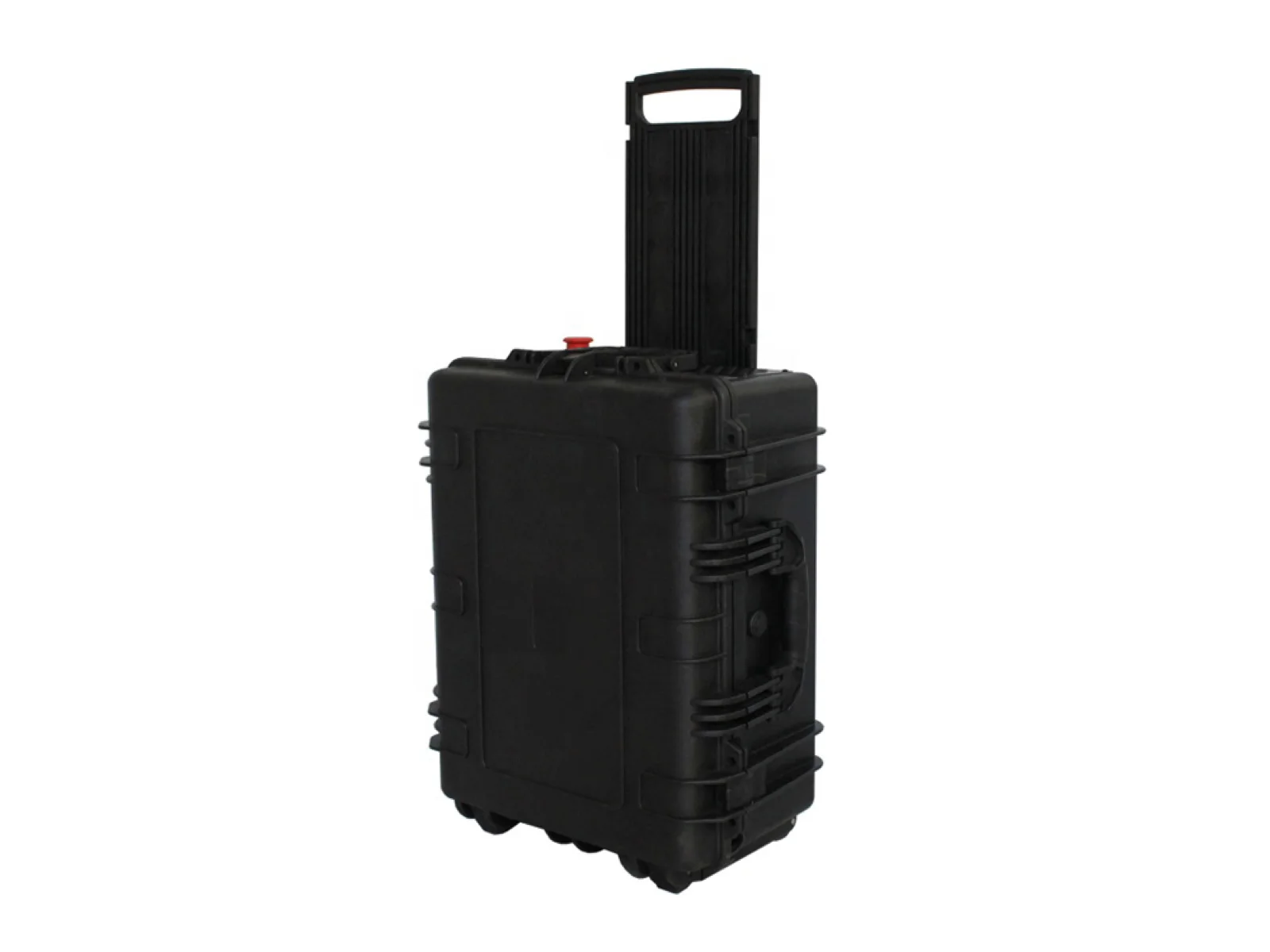
Suitcase single-mode configurationReview the wheeled 100-500 W air-cooled configuration with a 5 m fiber cable.
Suitcase multi-mode configurationReview the wheeled 200-500 W air-cooled configuration with a 5 m fiber cable and 5 / 15 mJ options.
Browse our industry solutions and discuss the equipment, fixtures and process requirements for your application.
View all industry solutionsBackpacks carry the main unit and offer optional battery supply; suitcase formats move on wheels with five-metre fiber. Cabinet options address different workshop footprints and power packages. Compare total equipment weight, head handling and cable routing before selecting the format.
Single-mode and multi-mode identify beam-mode choices. Use each detail page’s power-specific pulse energy and cleaning width; series maxima are not a specification for every machine. Pending mappings remain visible so they can be confirmed in the selected proposal.
Describe the base material, layer, geometry and accepted surface condition. Review a representative sample, required operating schedule and site utilities, then confirm power, cooling, fiber reach and any automation interface needed for the project.
Start with equipment access. Compare a carried backpack for close-range work, a wheeled suitcase where the unit can stay on the ground, or a cabinet around the available workshop space and required power configuration.
TY-QX1019 lists pulsed laser configurations. TY-HS1022 and TY-HS1023 list continuous configurations. Evaluate the actual substrate, layer and accepted surface result before selecting the source type.
They describe laser beam mode, not a number of cleaning presets or extra machine functions. Compare the documented source configuration and sample result instead of assuming one mode is universally better.
No. Scan speed and cleaning width are process references. Accepted area per hour also depends on the surface layer, settings, passes and access, and should be established for the actual task.
Send material and surface-layer details, photographs or a representative sample, area and geometry, required finish and operating schedule. Include transport constraints, available electrical supply and any battery or automation-interface requirement.
Request a quote
Price depends on the selected equipment format, output power, pulse-energy range, cooling method, cable length, battery option, automation interface, safety package and installation scope.